-
-
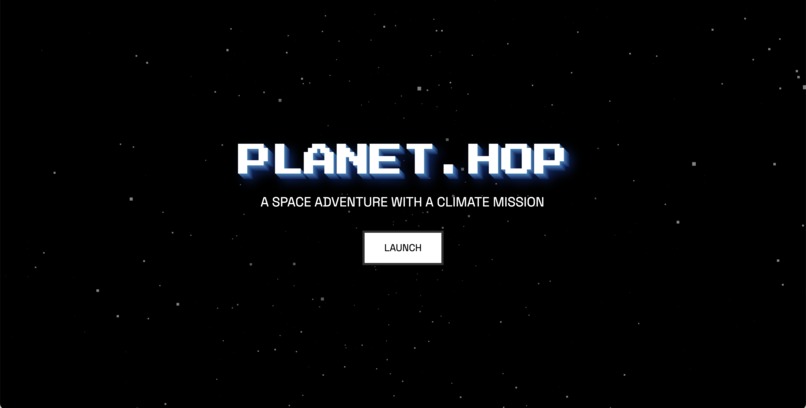
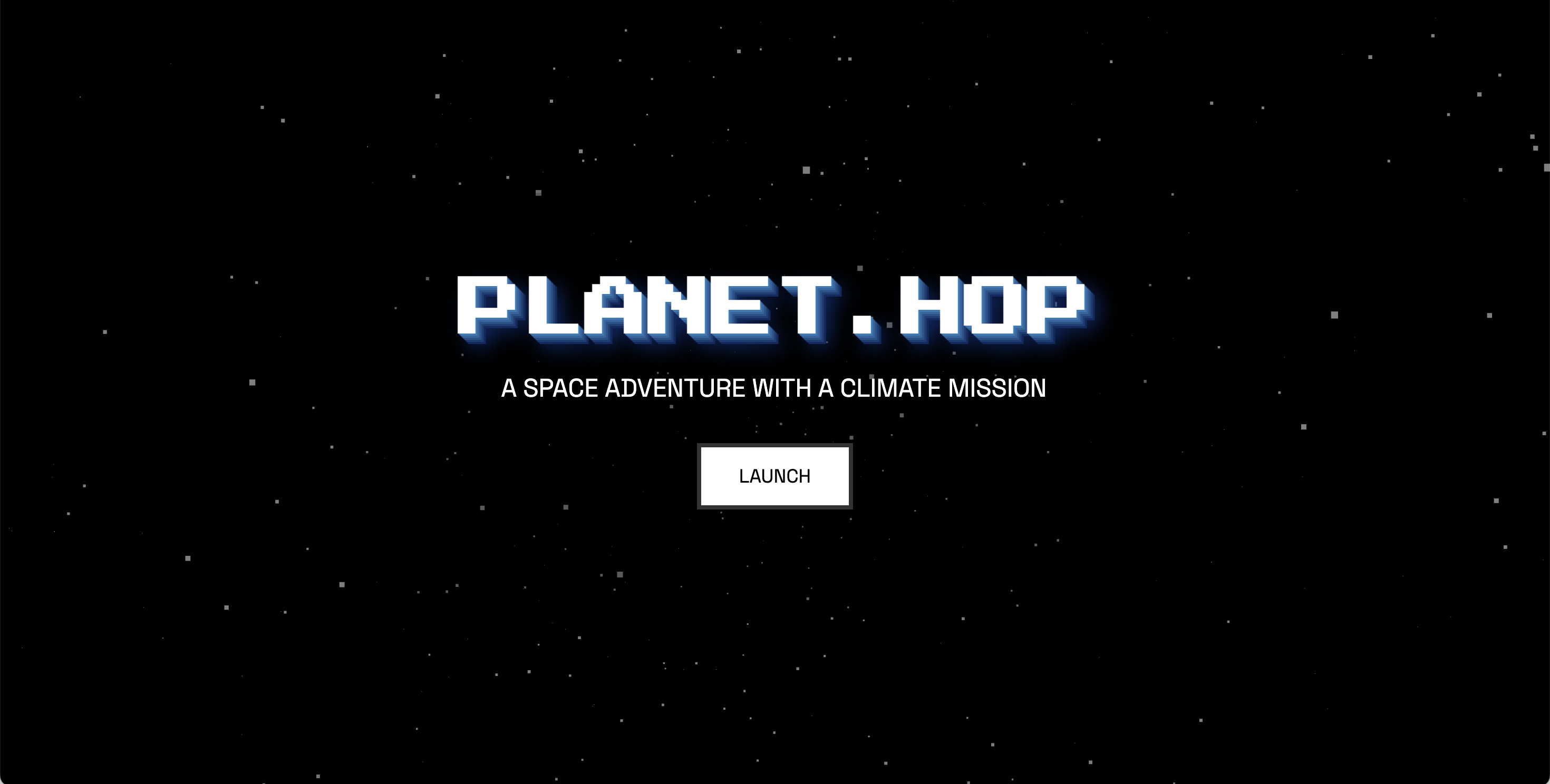
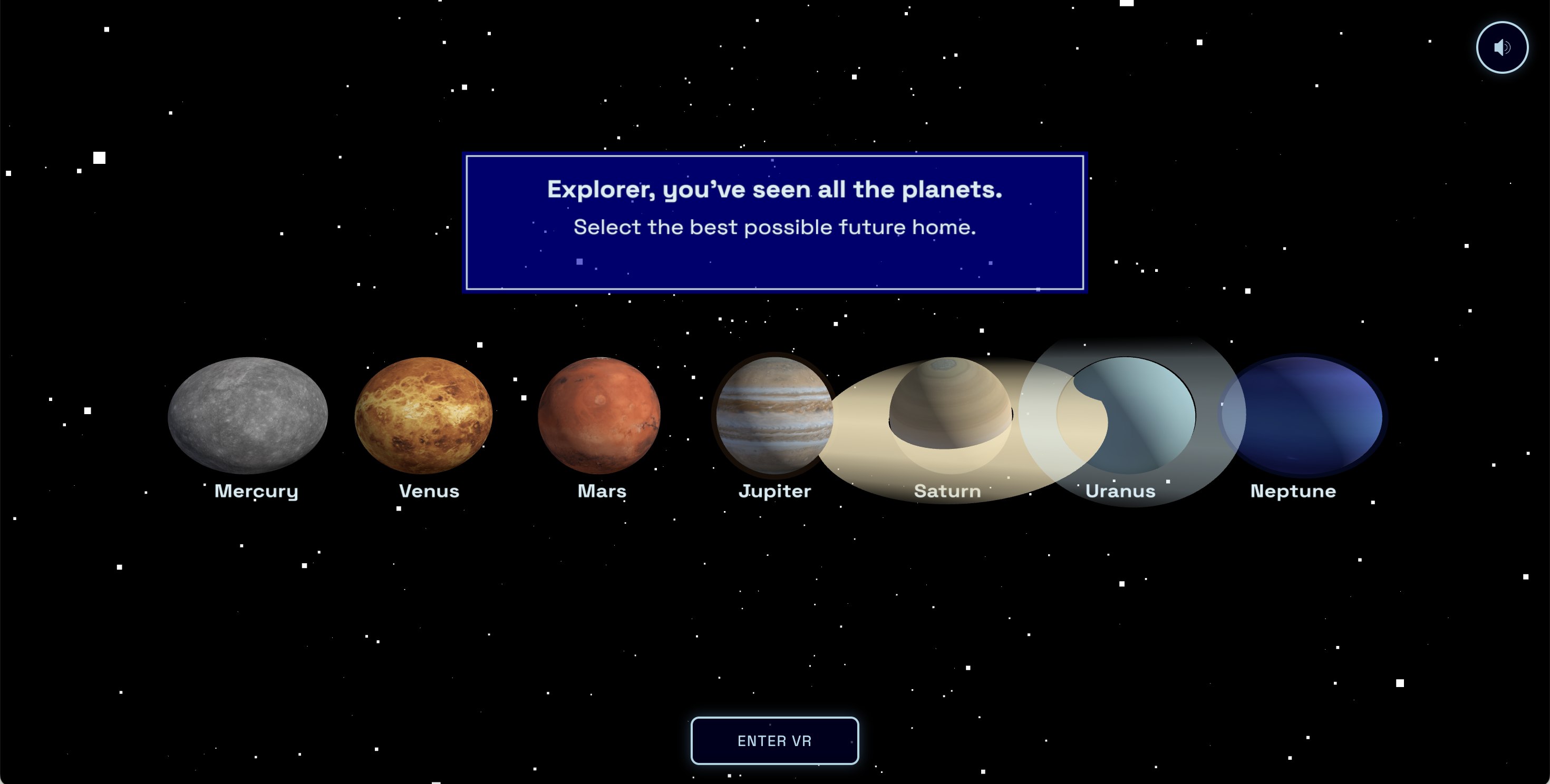
Homepage
-
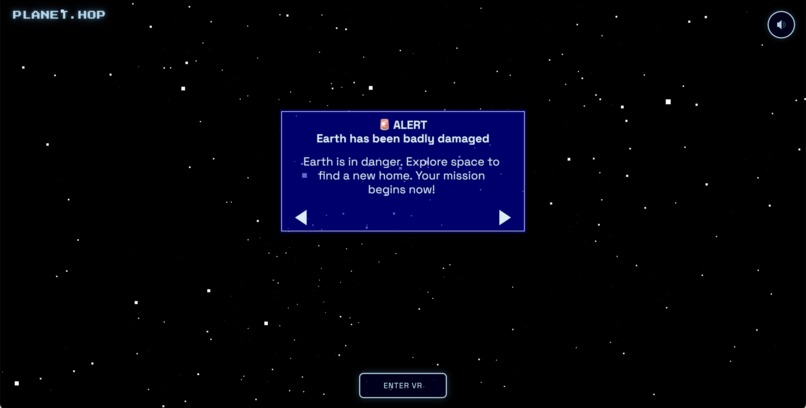
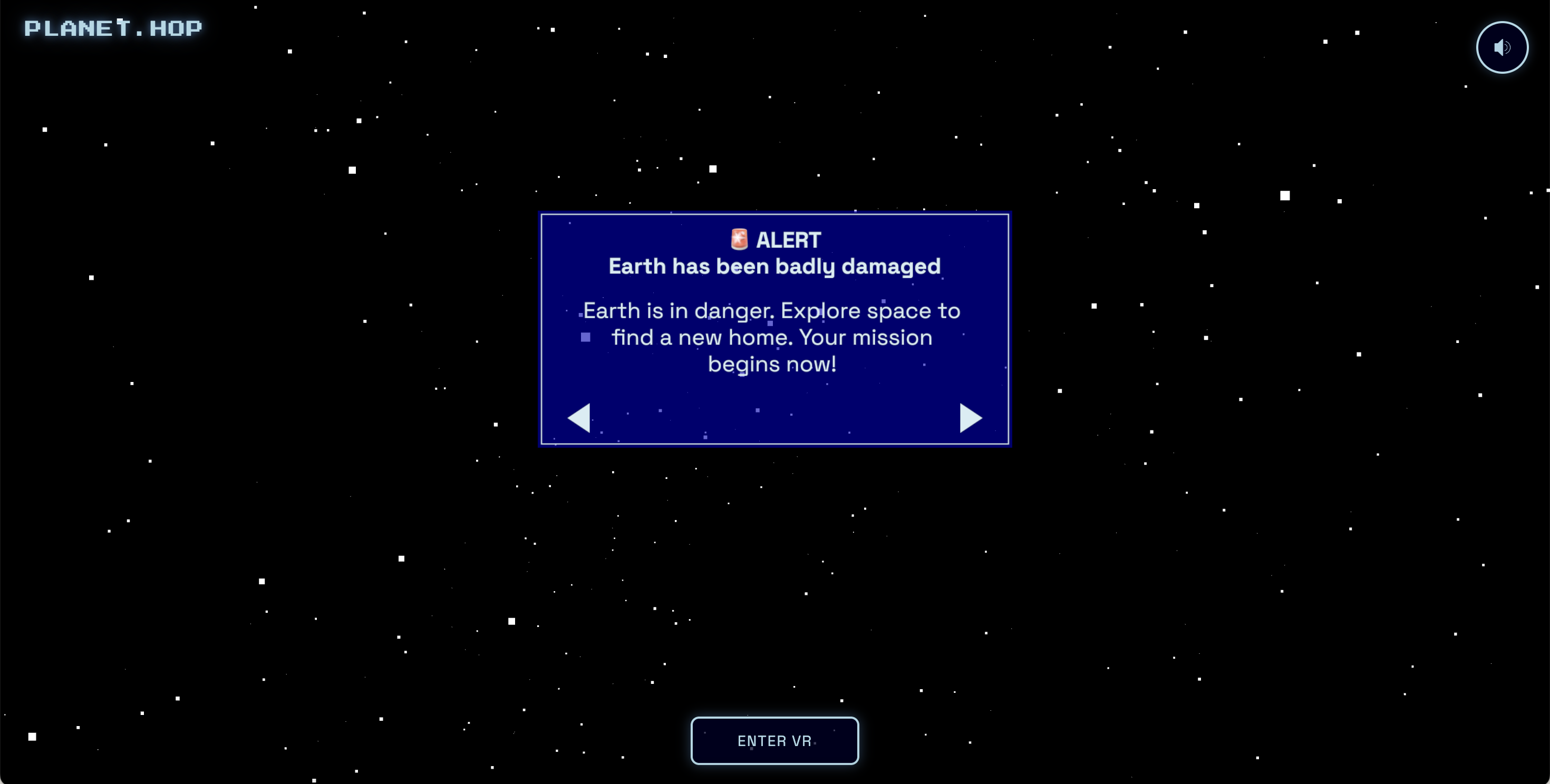
Intro screen
-
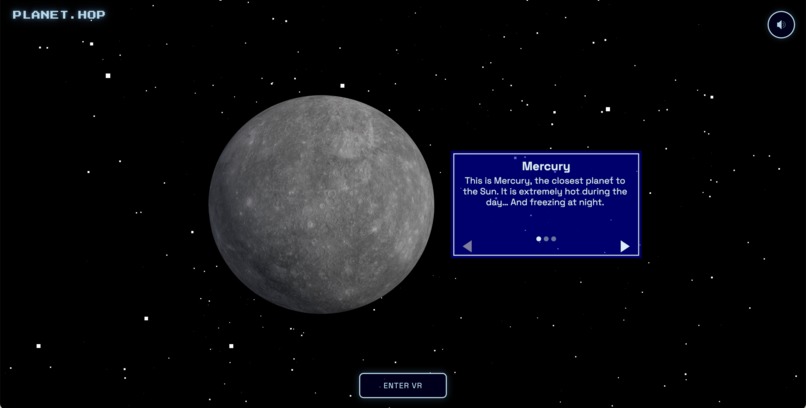
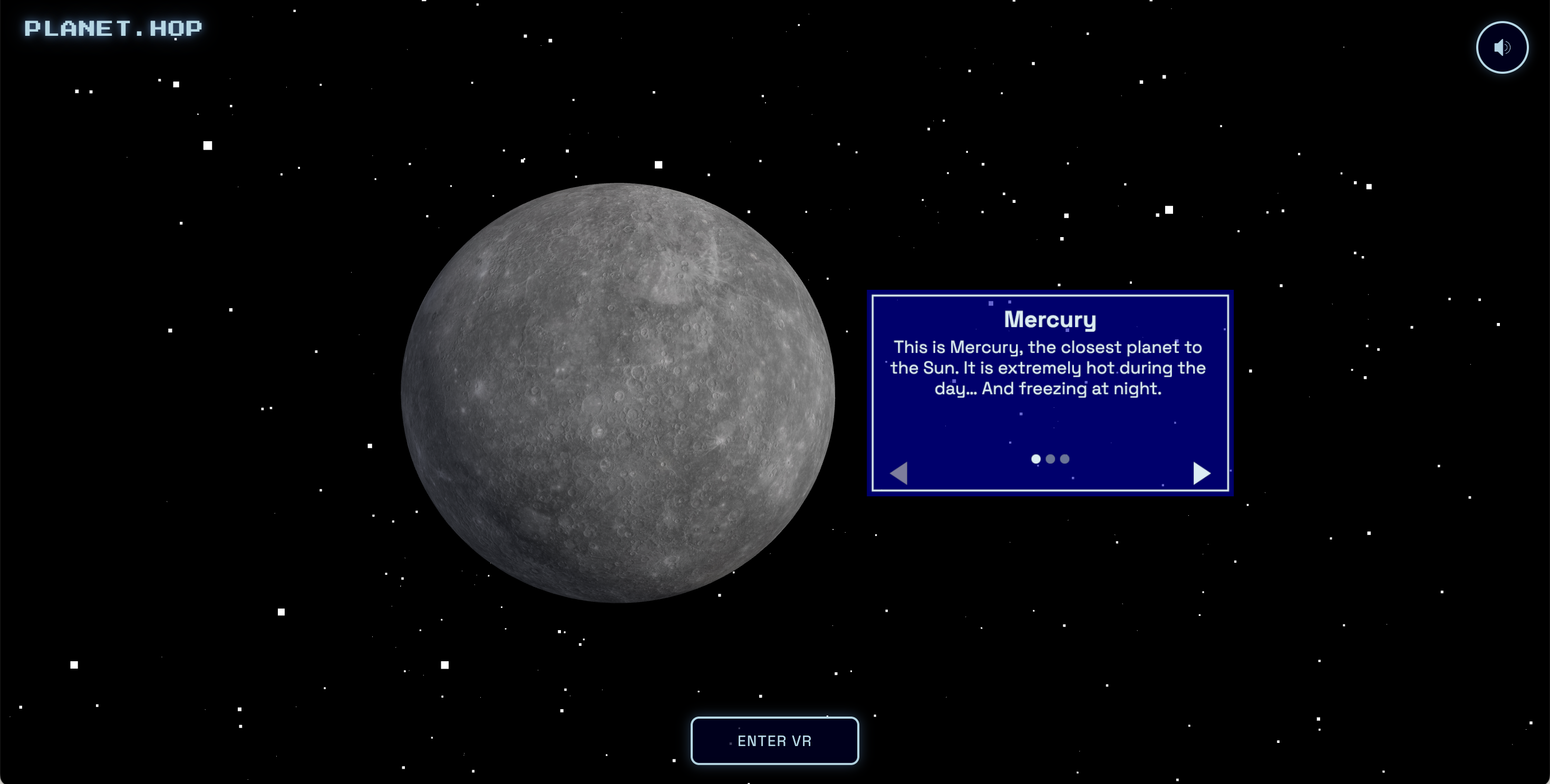
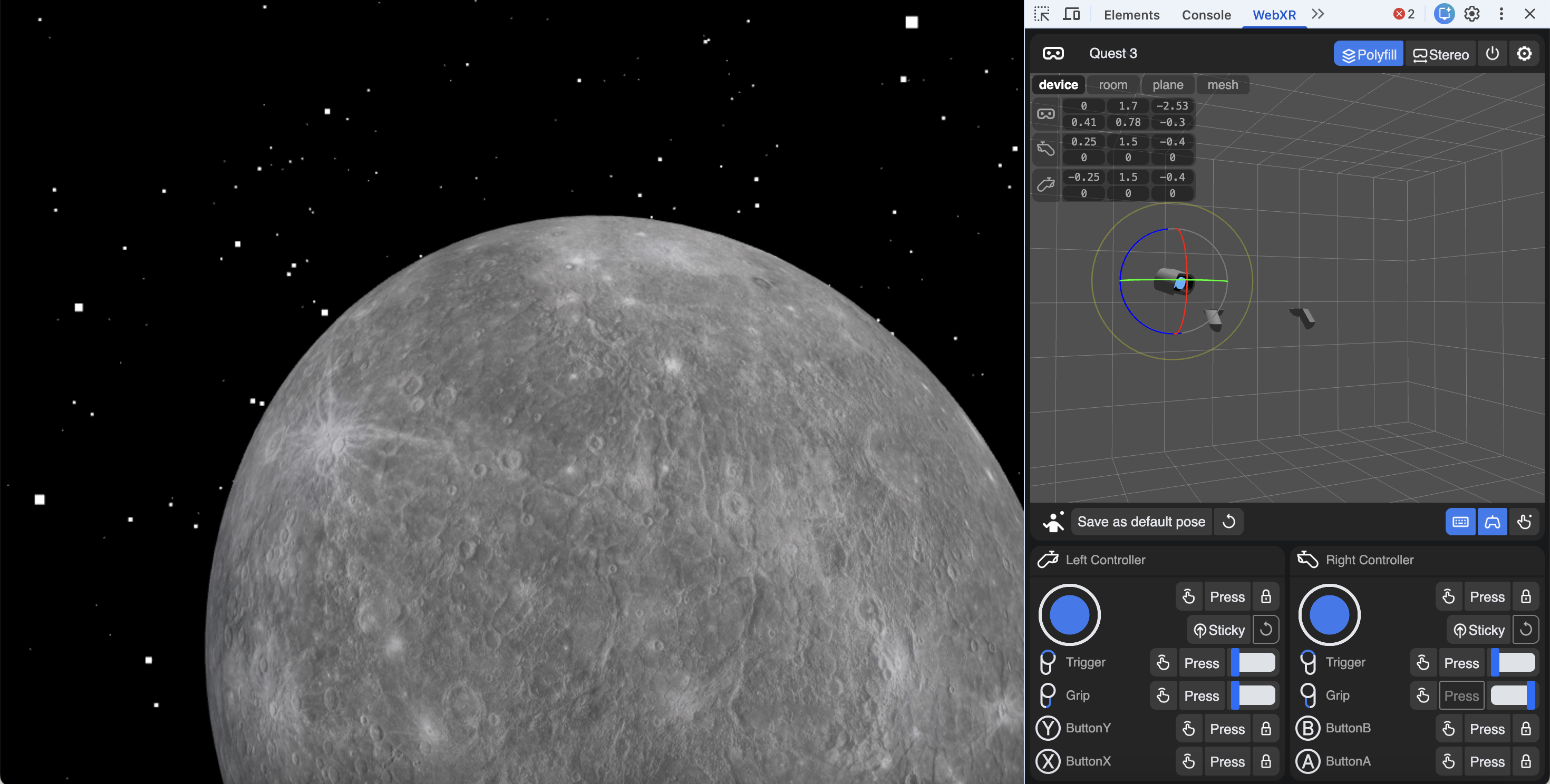
Mercury
-
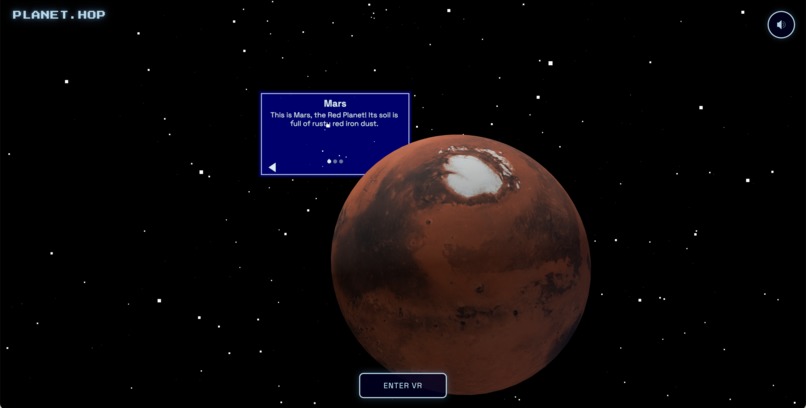
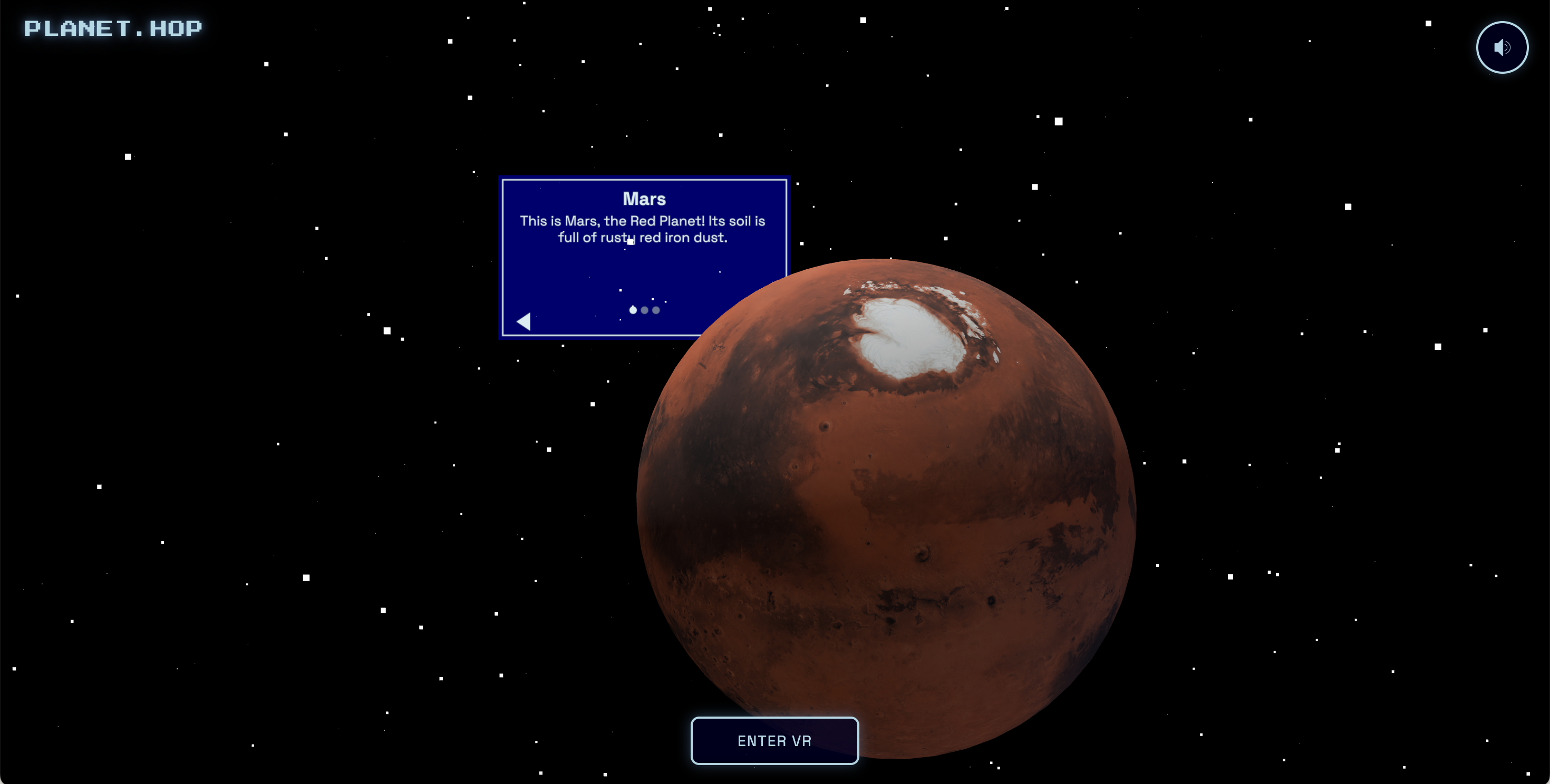
Mars
-
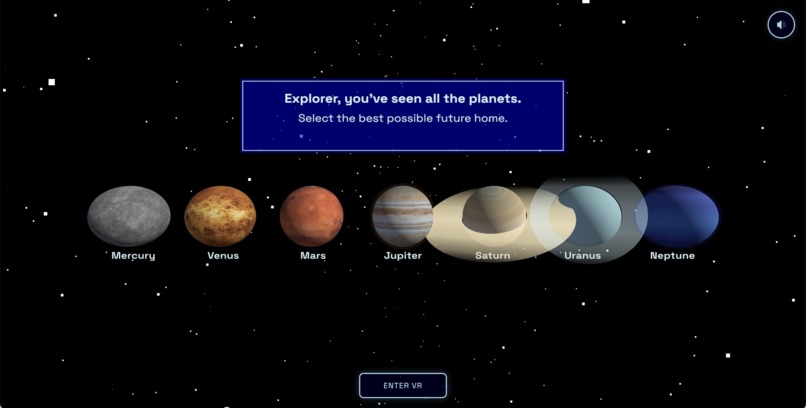
Planet selection page
-
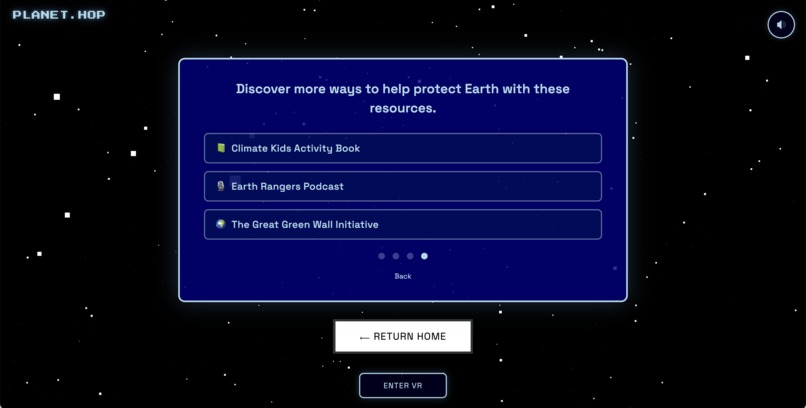
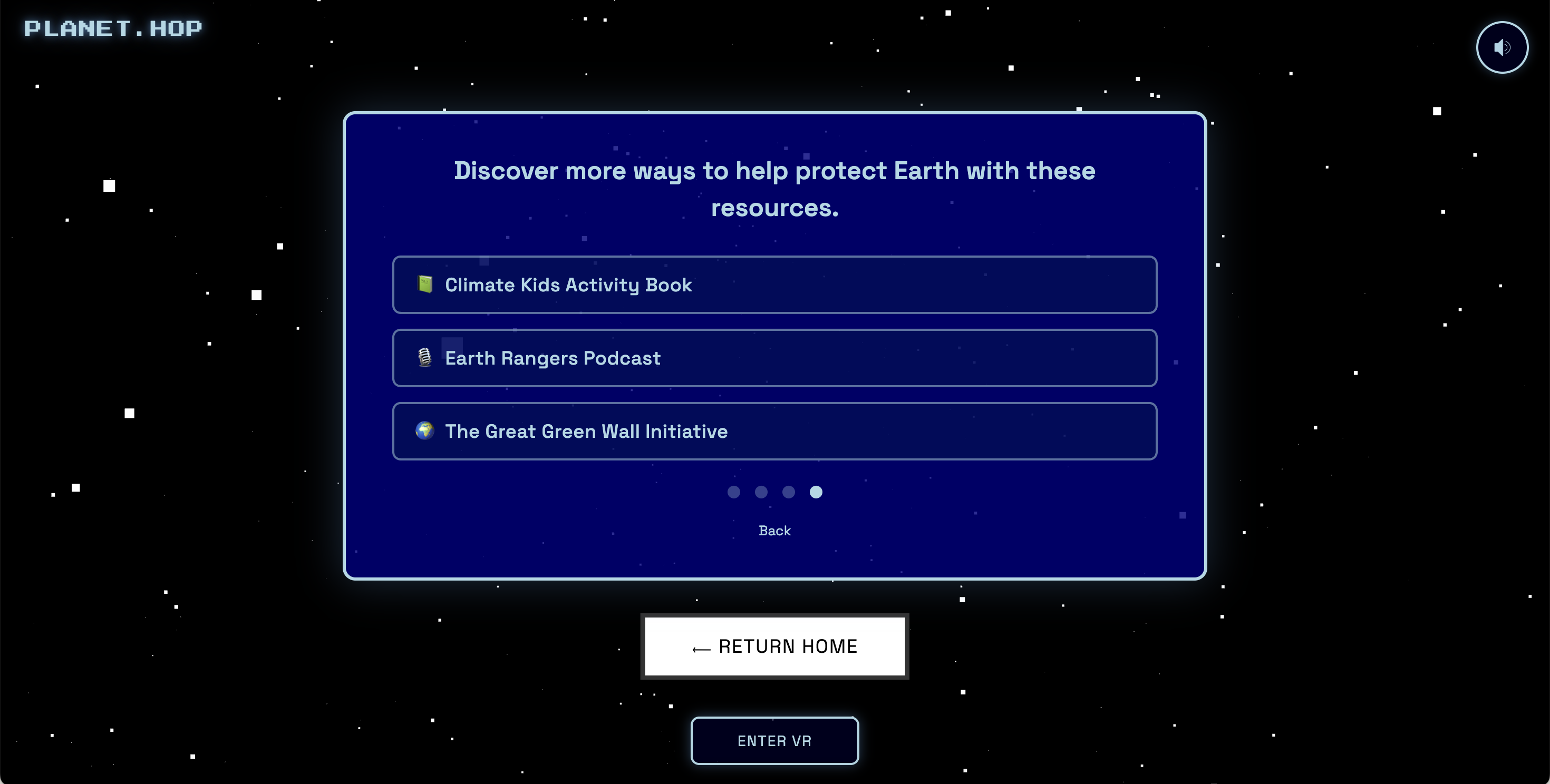
Climate action resources
-
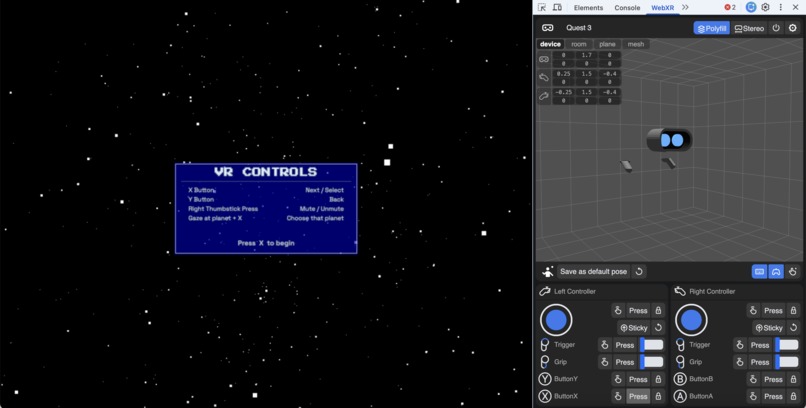
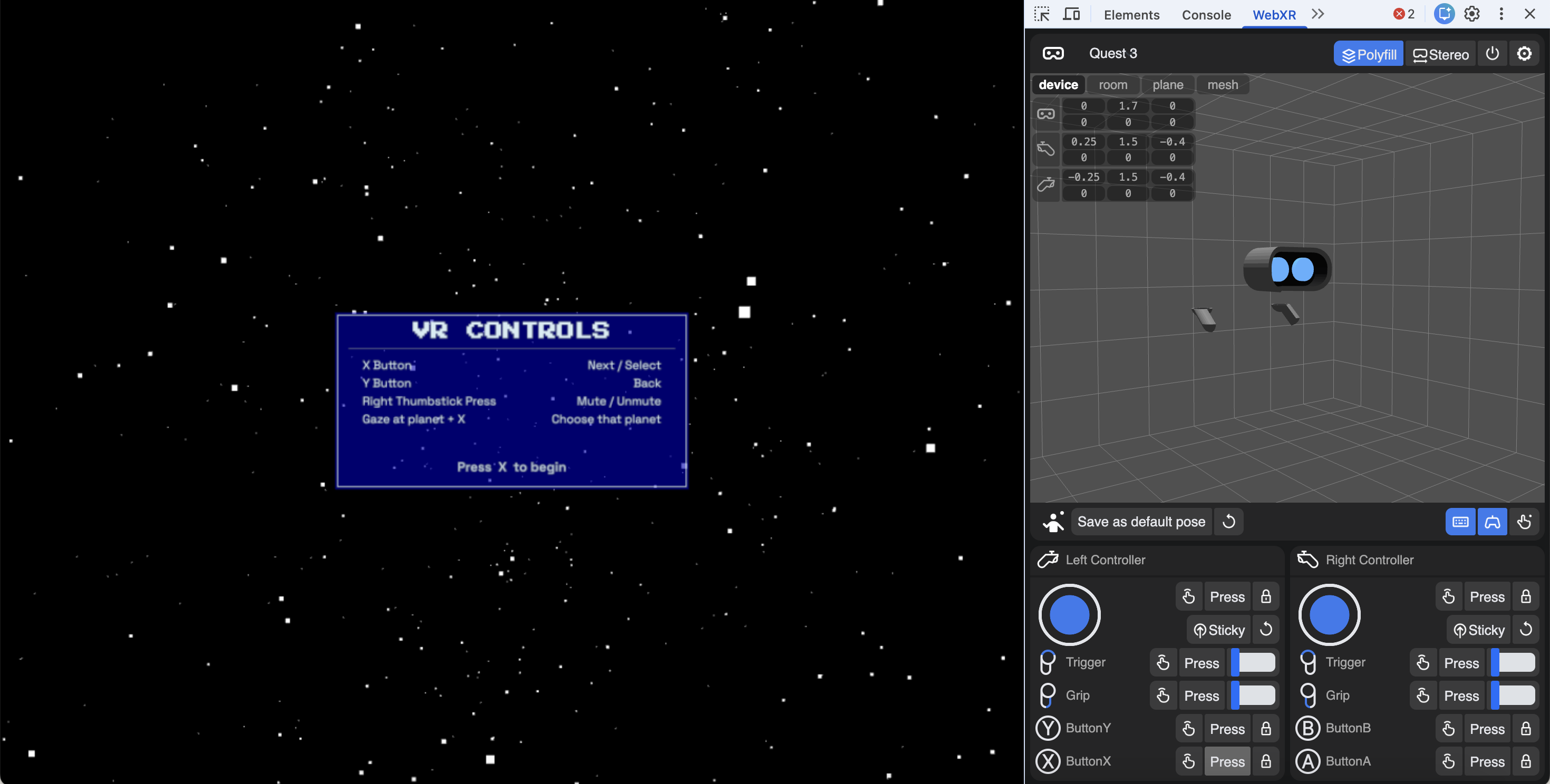
VR headset controls
-
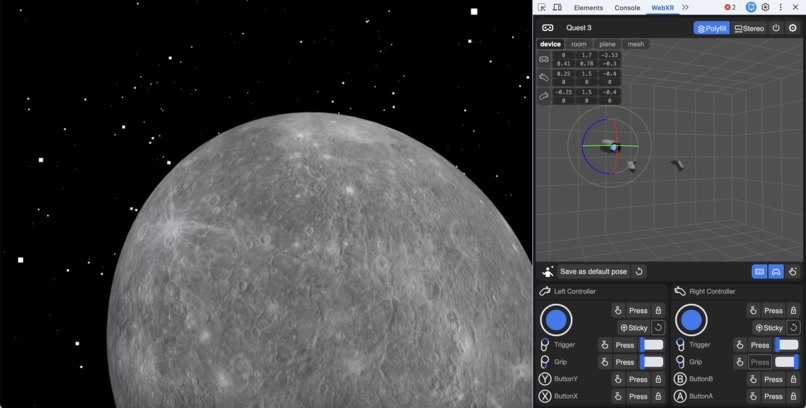
VR headset simulation
Inspiration
💡 The Spark: Watching our younger sibling struggle with climate change lessons that felt disconnected from his life.
🚀 The "Aha!" Moment: We realized kids today are digital natives who learn best through interactive experiences, not just textbooks.
🎯 The Lightbulb: What if we could make learning about Earth's uniqueness as exciting as playing a game?
What It Does
Planet Hop is a free interactive 3D space adventure accessible on browser, mobile, and VR headsets that helps children ages 8–14 learn about the solar system and why protecting Earth matters.
Through a short story-driven journey, players explore each planet, discover why most are unsuitable for human life, and ultimately learn why Earth is uniquely valuable.
Aligns with UN SDG 4 - Quality Education and UN SDG 13 - Climate Action
Key Features:
- Immersive 3D Solar System Exploration: Built with Three.js, players can explore a fully interactive 3D solar system with rotating planets and realistic textures based on NASA imagery, making space science visually engaging and easier to understand.
- Cross-Platform Web + VR Experience: Planet Hop runs in the browser on laptops and phones and includes an “Enter VR” mode for compatible headsets, allowing players to stand inside the solar system and experience the story in immersive 3D.
- Accessible and Inclusive Learning Design: The experience is designed to be accessible and inclusive, with screen reader support, keyboard navigation, high-contrast visuals, bilingual language support (English and Spanish) depending on browser language settings, responsive design, and links to real-world climate action resources at the end of the journey.
4-Line Problem Frame
User: Children ages 8–14 learning about science and the environment.
Problem: Climate change and planetary science are often taught in ways that feel abstract and hard for kids to connect with.
Constraints: The solution must be engaging, easy to access in classrooms or at home, and work across browser, mobile, and optional VR devices.
Success Test: Success is measured by three indicators:
- The percentage of players who complete the solar system journey and select a potential future planet.
- The percentage of players who explore or commit to a climate action resource presented at the end of the game.
- The percentage of players who correctly identify why Earth is uniquely habitable after finishing the experience.
Successful outcomes mean players leave the experience with increased curiosity about science, a better understanding of planetary environments, and greater awareness of everyday climate actions they can take.
3 Line Pitch
Headline: A Space Adventure with a Climate Mission
Subhead: A cross-platform interactive experience where kids explore the solar system, learn why Earth is unique, and discover simple ways to protect our planet.
CTA: Explore
How We Built It
- Frontend: Three.js (3D engine), HTML/CSS/JavaScript, Vite (build tool)
- Audio: Howler.js for immersive sound effects and music
- VR: WebXR for headset compatibility
- Controls: OrbitControls for smooth camera movement
- Deployment: Vercel for instant hosting and sharing
Challenges We Ran Into
VR Headset Testing: We don't own VR headsets!
- Solution: Used Immersive Web Emulator Chrome extension for testing
- Result: Full VR functionality without expensive hardware
Mobile Responsiveness: Touch interactions were tricky
- Solution: Custom touch event handling and mobile-specific layouts
- Result: Smooth experience on phones and tablets
Planet Realism: Textures looked blurry
- Solution: Optimized texture loading and increased anisotropy settings
- Result: Crisp, realistic planet visuals
Accomplishments That We're Proud Of
Complete VR Experience: Built a fully functional VR space adventure
- 3D planets with realistic textures and rotation
- Interactive controls for headset navigation
- Immersive starfield and lighting effects
Accessibility: Didn't just add accessibility as an afterthought
- Screen reader support for all interactive elements
- Full keyboard navigation
- High-contrast visuals and clear typography
What We Learned
- Three.js and WebXR Development
- Balancing visual appeal with performance
- Making technology inclusive from the start
- Creating project documentation such as Decision Log, Risk Log, Evidence Log
What's Next for Planet Hop
- Advanced Interactions: Add ability to enter planets, launch satellites, and interactive voice narration
- Additional Language Support: Expand beyond English/Spanish to include more languages
- Educational Analytics: Track learning outcomes and engagement metrics to measure against our success test
Built With
- css
- howler.js
- html
- javascript
- three.js
- vercel
- vite
- webxr


Log in or sign up for Devpost to join the conversation.