-
-
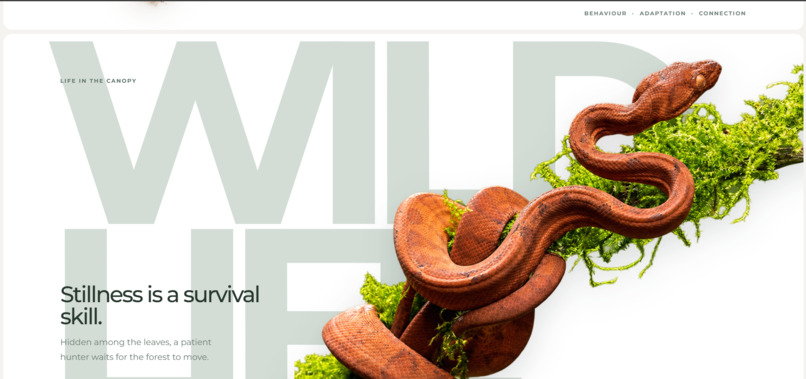
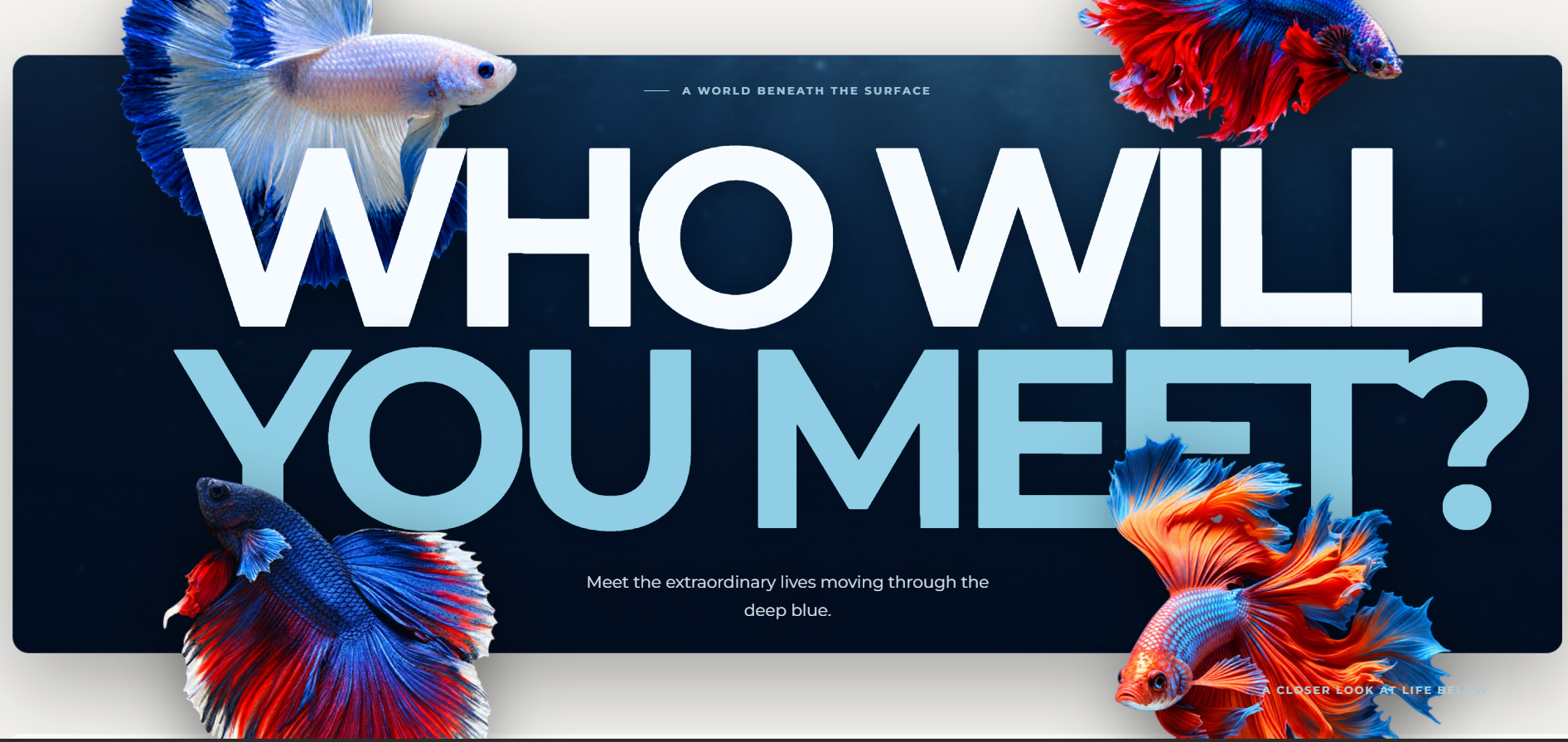
One of the section from Experience part
-
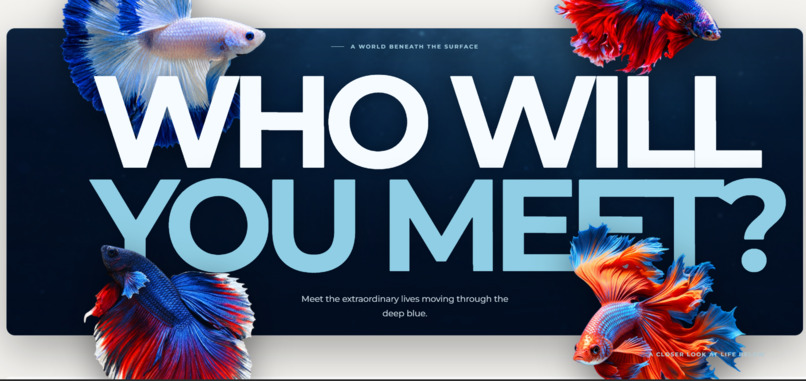
Speakers section
-
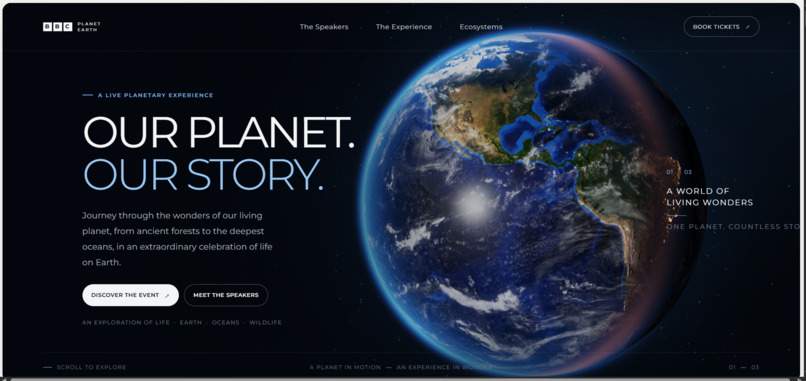
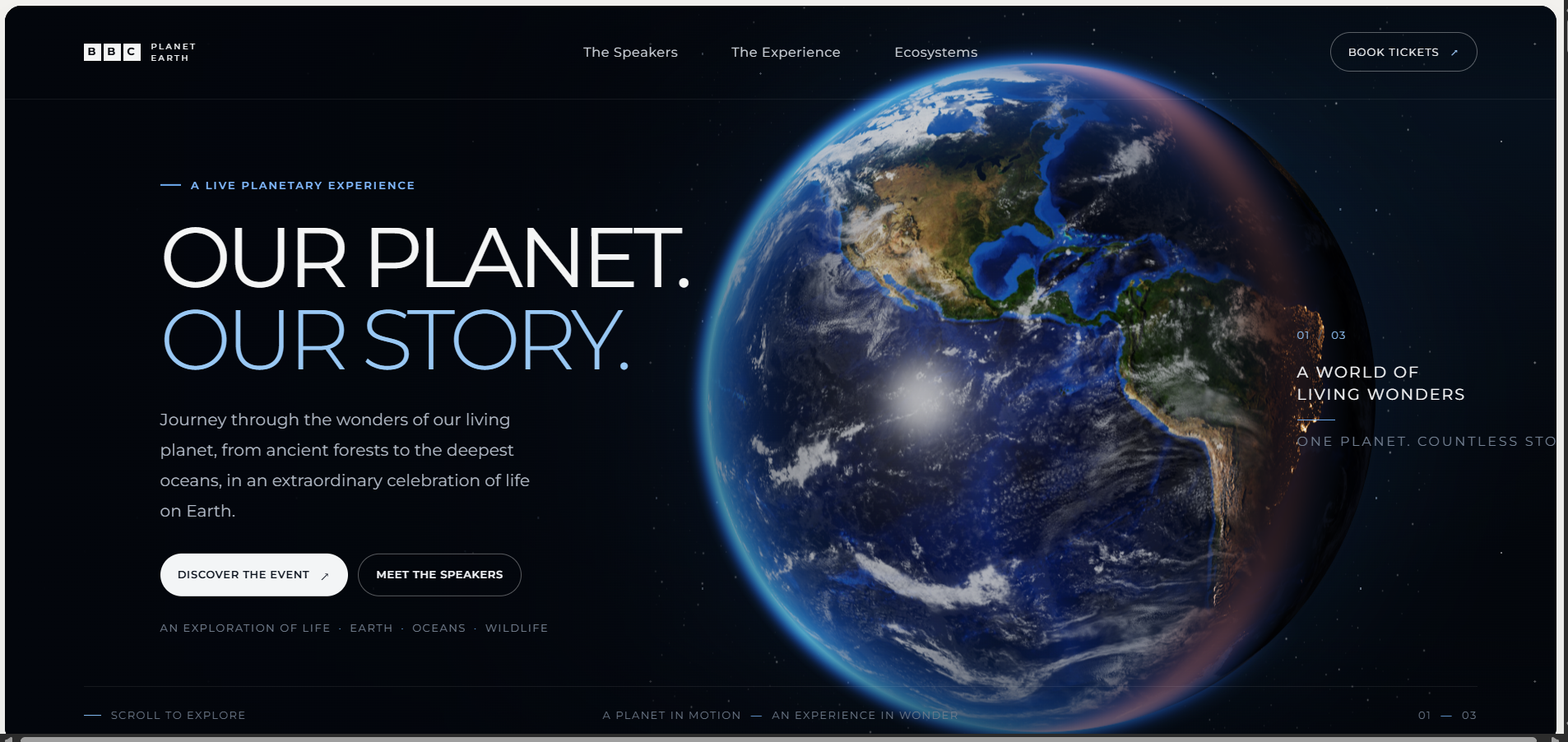
Hero section
-
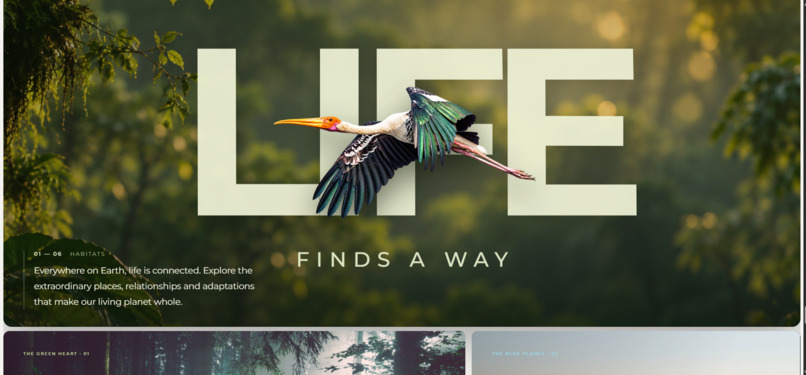
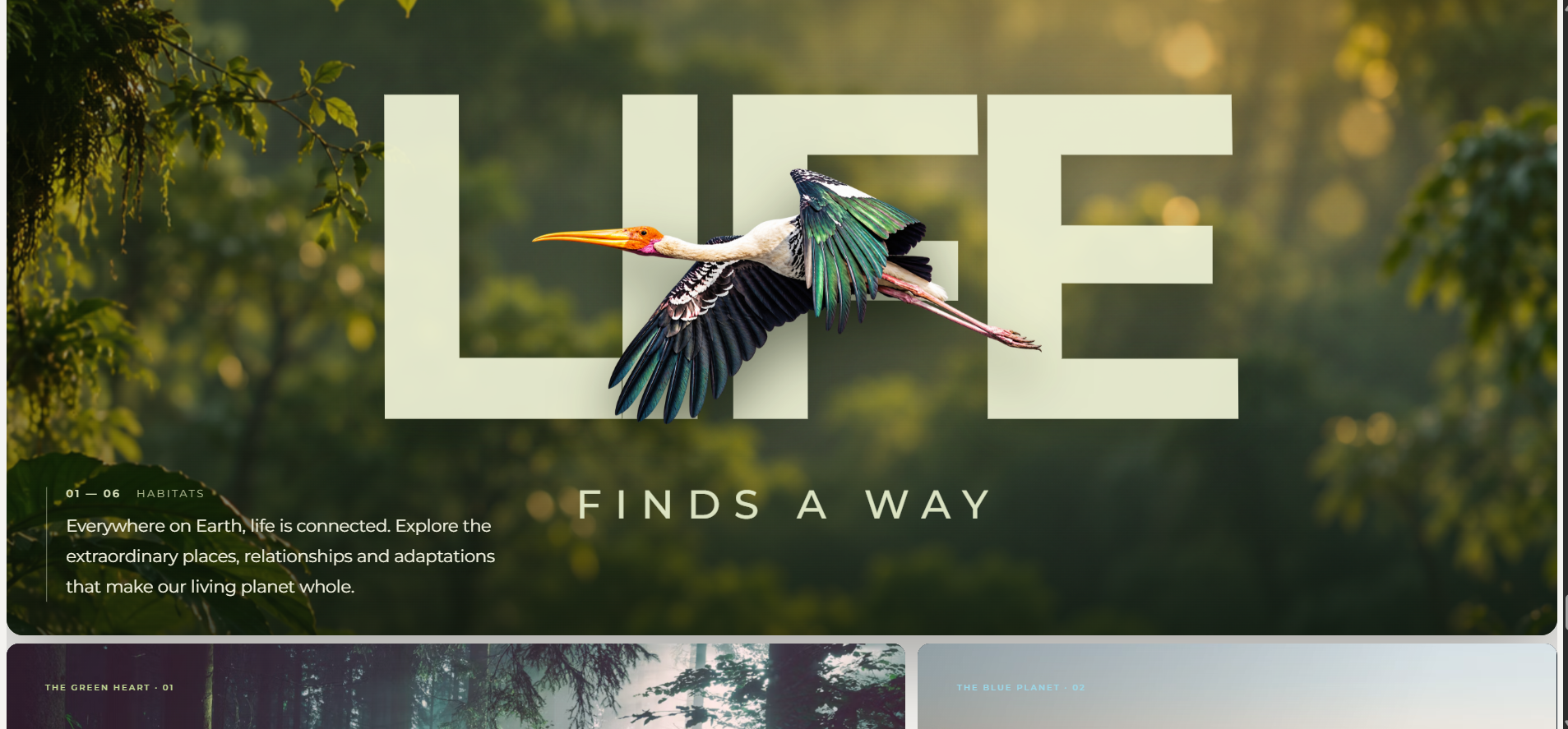
UI from Ecosystems section
-
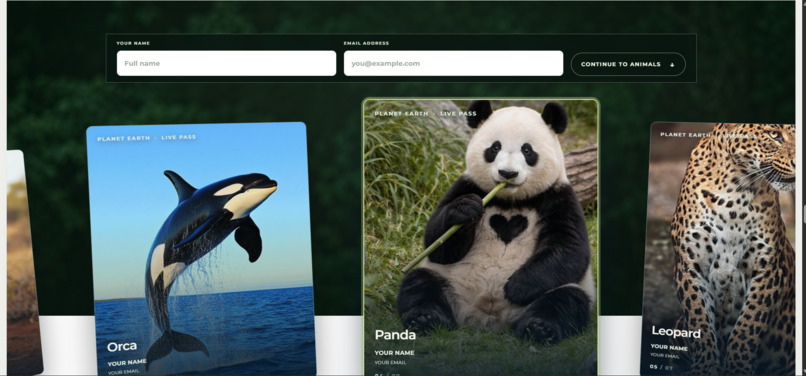
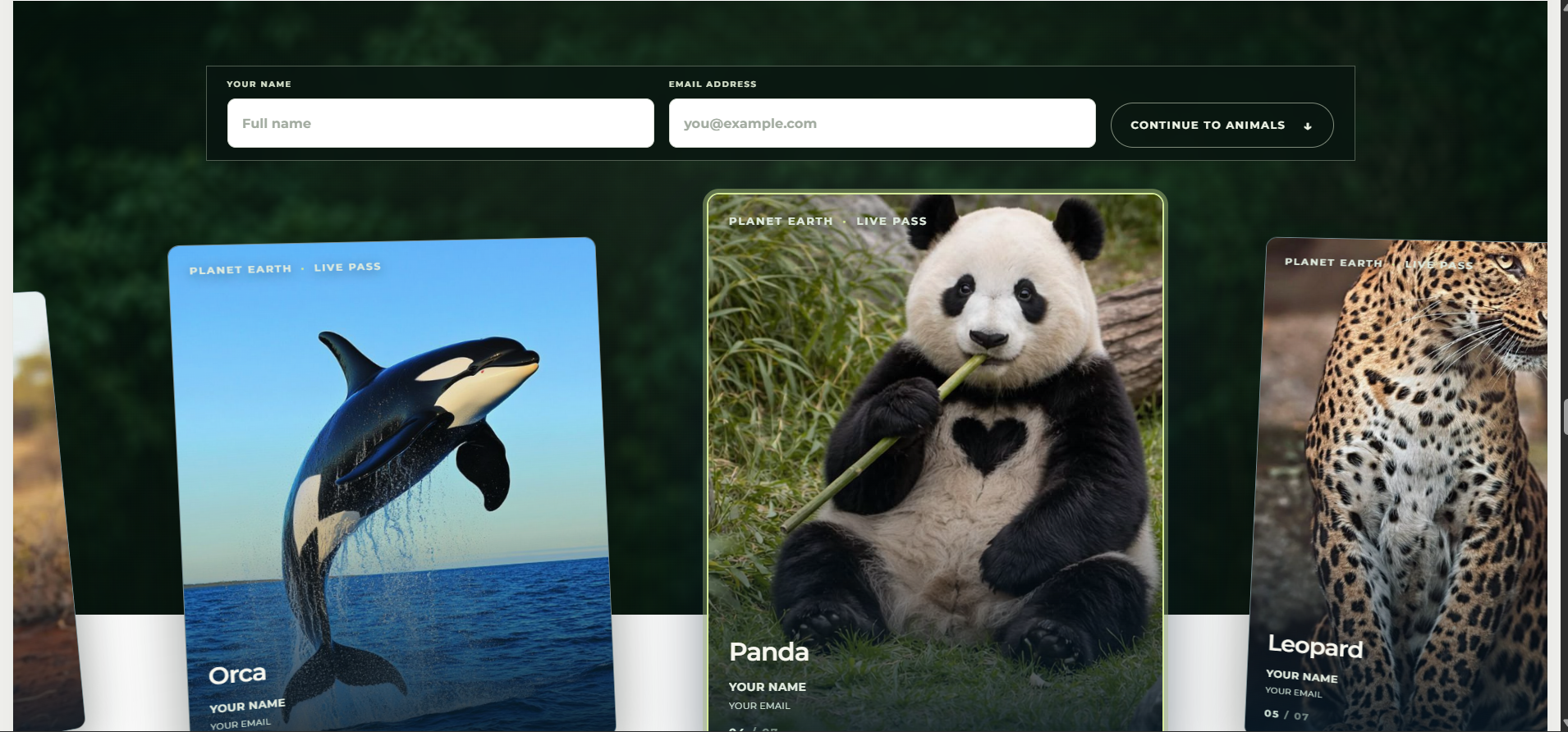
Generate pass section
-
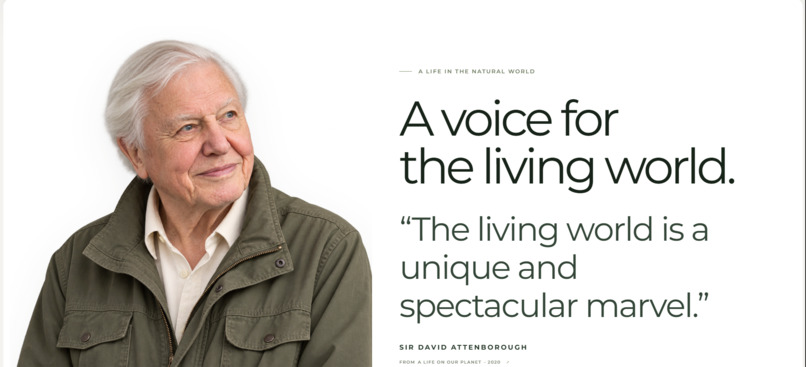
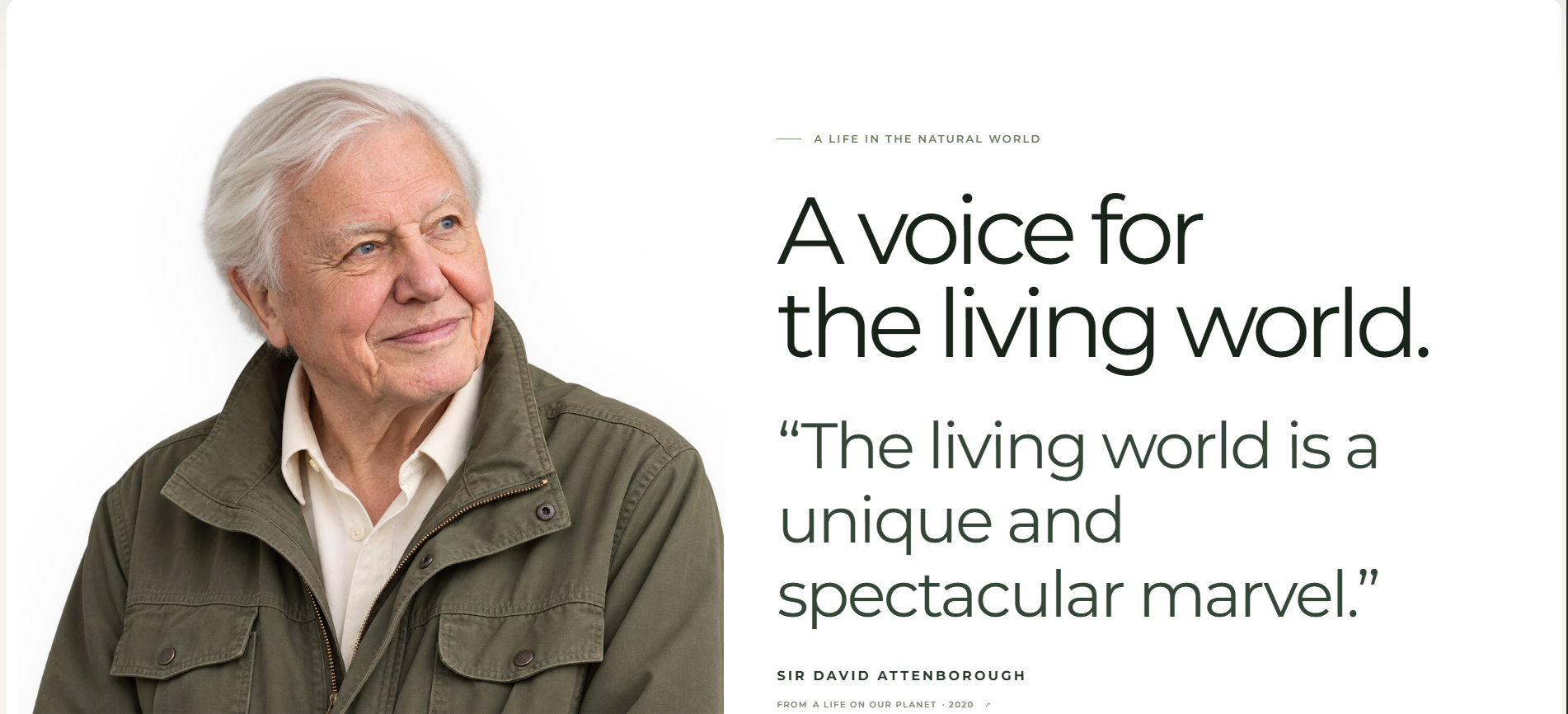
Sir David Attenborough
-
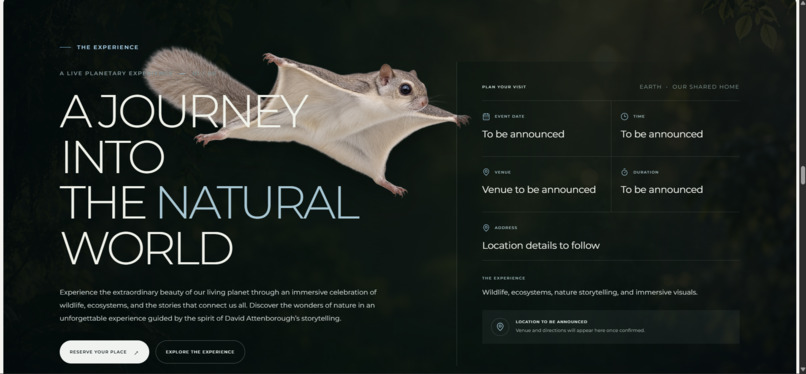
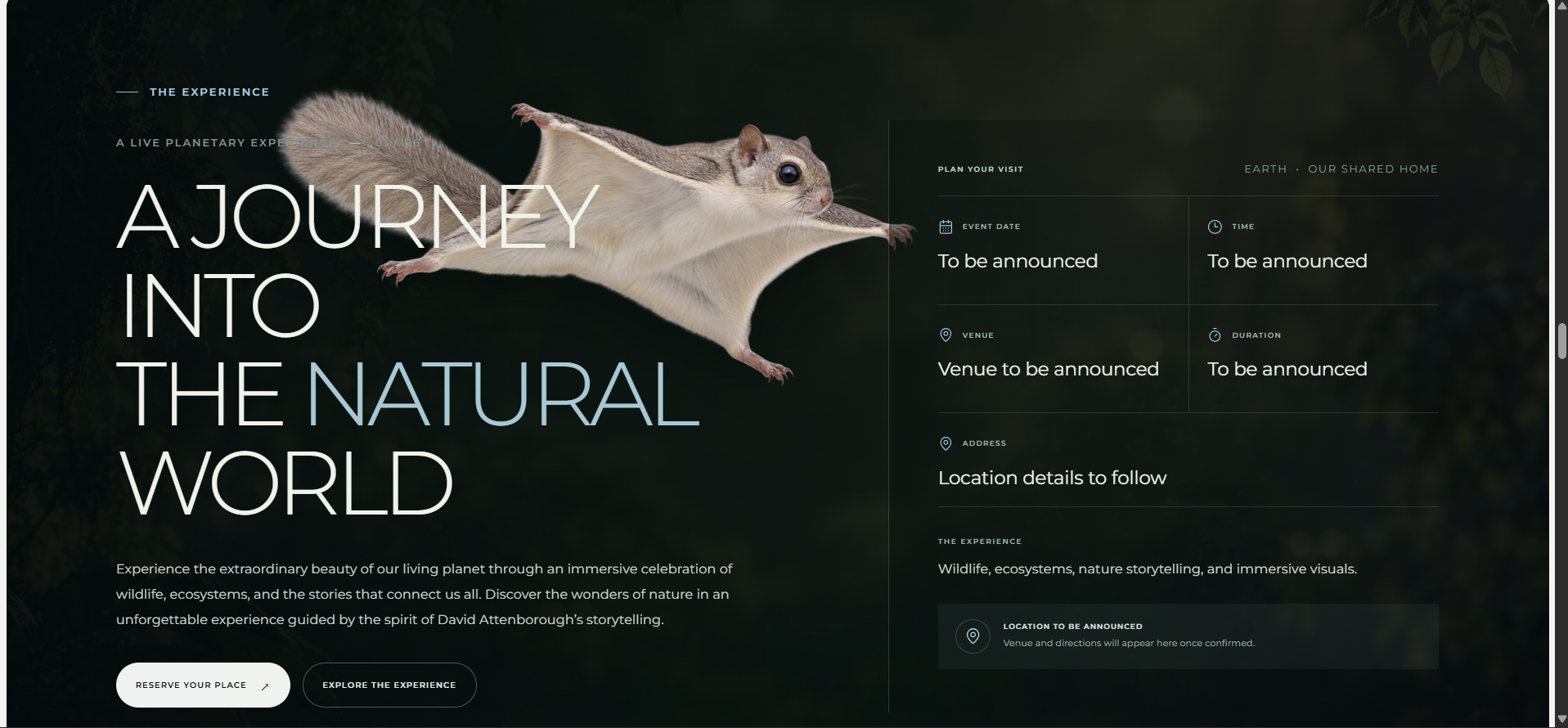
Event Details section
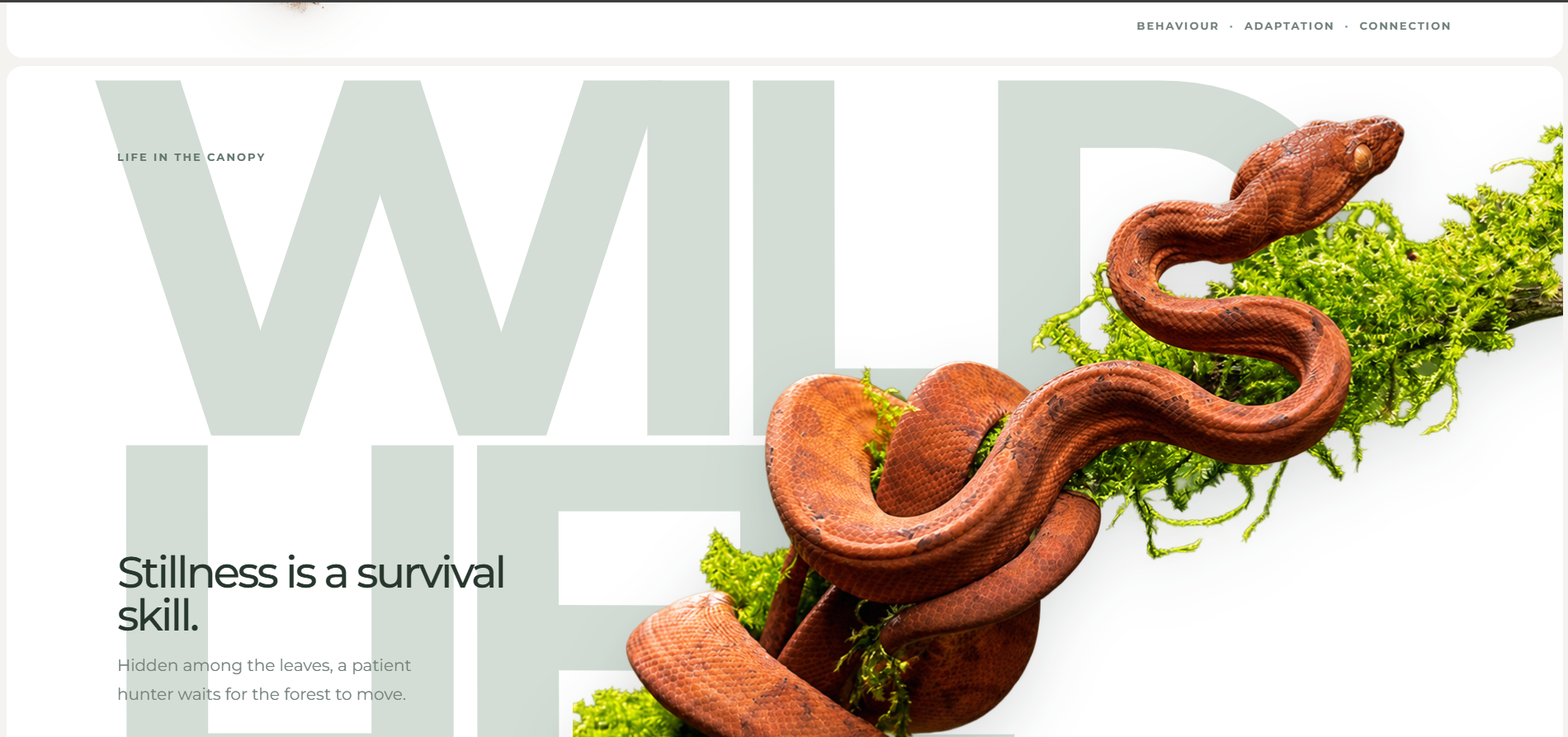
Inspiration
Planet Earth was inspired by the incredible beauty, diversity, and fragility of our natural world. Documentaries narrated by David Attenborough have helped millions of people understand the wonders of wildlife, ecosystems, and the delicate balance that sustains life on our planet.
We wanted to bring that same sense of wonder to the web by creating an immersive digital experience that encourages people to explore and appreciate nature. Instead of presenting information through a conventional website, our vision was to make visitors feel as though they were entering a living world filled with forests, wildlife, oceans, and extraordinary landscapes.
The project also aims to raise awareness about environmental conservation and humanity's responsibility to protect the Earth. We wanted the design itself to communicate this message through cinematic visuals, interactive elements, and meaningful storytelling.
What it does
Planet Earth is an immersive, nature-inspired web experience designed to promote an environmental event featuring themes related to David Attenborough, biodiversity, and the Earth's ecosystems.
The website combines visual storytelling with an engaging event-discovery and ticket-booking experience.
Key features include:
Immersive Hero Section: A cinematic landing page featuring a 3D Earth visual, atmospheric backgrounds, and carefully layered typography to capture visitors' attention immediately.
Interactive Visual Experience: Parallax effects and subtle motion animations create depth, making visual elements move independently as users interact with the website.
Ecosystem Exploration: Dedicated sections introduce visitors to different ecosystems, including forests, oceans, grasslands, and other natural environments.
Wildlife Storytelling: Nature-inspired imagery and compelling text highlight the diversity of life on Earth and the importance of preserving it.
Event Information: Visitors can explore the event's purpose, experiences, highlights, and relevant details.
Ticket Booking Experience: The interface is designed to guide users toward discovering the event and booking tickets through a clear, intuitive journey.
Modern, Responsive Interface: A visually rich design aims to deliver an engaging experience across different screen sizes.
Our goal is to make environmental awareness feel less like reading an article and more like embarking on a journey through the natural world.
How we built it
We built Planet Earth with a modern frontend development approach, combining interactive web technologies with visual design techniques.
React.js: Used to structure the website into reusable components, making individual sections easier to develop, maintain, and customize.
HTML and CSS: Used to create the website's layout, typography, responsive styling, layered backgrounds, and visual identity.
JavaScript: Used to support interactive behaviour and coordinate dynamic website elements.
3D Visuals and WebGL: Explored to create an immersive representation of Earth and bring depth to the hero section.
Animation and Parallax: Used to create layered scrolling effects, subtle movement, and transitions that make the website feel more dynamic.
Visual Assets: Carefully selected nature imagery and atmospheric backgrounds help establish a cinematic, environmentally focused aesthetic.
Component-Based Design: Sections such as the hero, ecosystem experiences, and event information are developed as separate interface components for easier iteration.
We focused on balancing visual ambition with usability. Rather than adding motion everywhere, we aimed to make animations support the storytelling and direct attention toward important content.
Challenges we ran into
One of our biggest challenges was translating an ambitious visual concept into a functional, performant website.
Integrating 3D visuals: Creating a convincing Earth experience required experimentation with 3D assets, rendering techniques, and component integration. Managing rendering errors and ensuring the 3D component worked correctly within the React application was challenging.
Creating smooth animations: Parallax effects and layered scrolling transitions needed careful tuning. The objective was to create a sense of depth without making navigation confusing or overwhelming.
Achieving the intended visual design: Reproducing the desired cinematic aesthetic required multiple iterations involving background images, typography, spacing, positioning, and colour balance.
Managing frontend integration: Integrating independently developed components, resolving import issues, and ensuring styles worked consistently across sections required debugging and refinement.
Balancing performance and visual quality: Large images, 3D scenes, and animations can affect loading times and responsiveness. We had to consider how to preserve the immersive experience without compromising usability.
These challenges taught us that a visually impressive website requires more than attractive assets. It also requires thoughtful engineering, testing, and attention to the user's experience.
Accomplishments that we're proud of
We are proud of turning an ambitious creative concept into a distinctive, interactive web experience centred on our planet.
Our key accomplishments include:
Developing a cinematic visual identity inspired by the beauty of Earth and its ecosystems.
Exploring the integration of 3D Earth visuals into a modern React-based website.
Designing interactive visual elements that make the browsing experience more immersive.
Experimenting with parallax effects and layered scrolling transitions to create a sense of depth.
Building a component-based interface that supports future improvements and additional sections.
Combining environmental storytelling with an event-focused user journey.
Turning a conventional event website concept into an experience that aims to evoke curiosity, wonder, and environmental responsibility.
Most importantly, we are proud that the project combines creative design with a meaningful purpose: encouraging people to reconnect with nature and recognise the importance of protecting our planet.
What we learned
Building Planet Earth helped us understand how creative design and frontend engineering work together to create engaging digital experiences.
We learned how to approach complex React component integration, debug development issues, and structure a visually rich website into manageable sections.
We also gained experience experimenting with 3D web technologies, layered animations, parallax effects, and visual storytelling. The project demonstrated the importance of motion timing, visual hierarchy, contrast, and consistent spacing when building an immersive interface.
Another important lesson was the need to balance creativity with performance and accessibility. Animations should enhance the experience rather than distract from the content, while images and interactive elements should remain usable across devices.
Finally, we learned that the strongest digital experiences do more than look impressive. They communicate a clear purpose, guide users naturally, and create an emotional connection with the subject.
What's next for Planet Earth
Planet Earth is a foundation for a richer, more interactive environmental experience. Our next steps focus on expanding its functionality and making the experience more engaging and accessible.
Planned improvements include:
Deeper Ecosystem Exploration: Introduce interactive experiences for forests, oceans, deserts, polar regions, and other ecosystems, highlighting their wildlife and environmental importance.
More Immersive 3D Experiences: Improve the Earth visual and explore interactive 3D environments that allow visitors to discover different parts of the natural world.
Wildlife and Conservation Stories: Add educational content about endangered species, biodiversity loss, climate change, and conservation initiatives.
Enhanced Event Booking: Develop a complete ticket-booking flow with event schedules, ticket categories, booking confirmation, and secure payment integration where required.
Improved Performance: Optimise 3D assets, images, animations, and loading strategies to make the experience faster and smoother.
Accessibility and Responsiveness: Refine mobile layouts, keyboard navigation, contrast, and reduced-motion support.
Real-World Impact: Explore partnerships with environmental organisations and conservation initiatives to connect the digital experience with meaningful action.
Our long-term vision is to transform Planet Earth into more than an event website: a digital journey that celebrates life on Earth, inspires curiosity about the natural world, and encourages people to become more conscious of their role in protecting it.
Built With
- css
- intersection-observer-api
- javascript
- lenis
- lucide-react
- react
- typescript
- vite

Log in or sign up for Devpost to join the conversation.