-
-
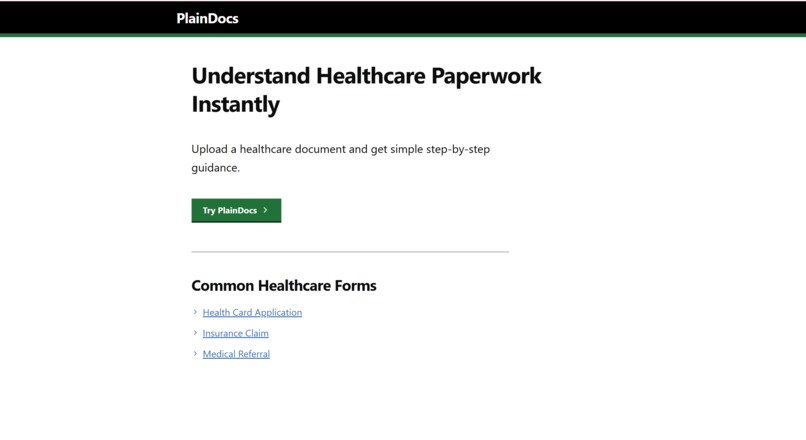
Home page
-
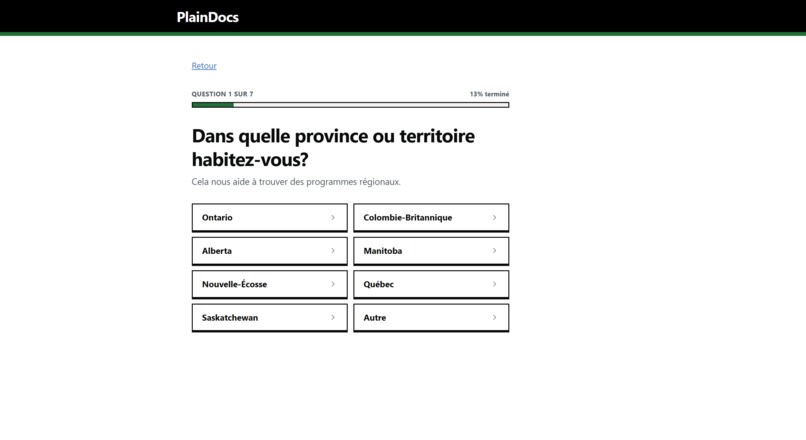
Intake form
-
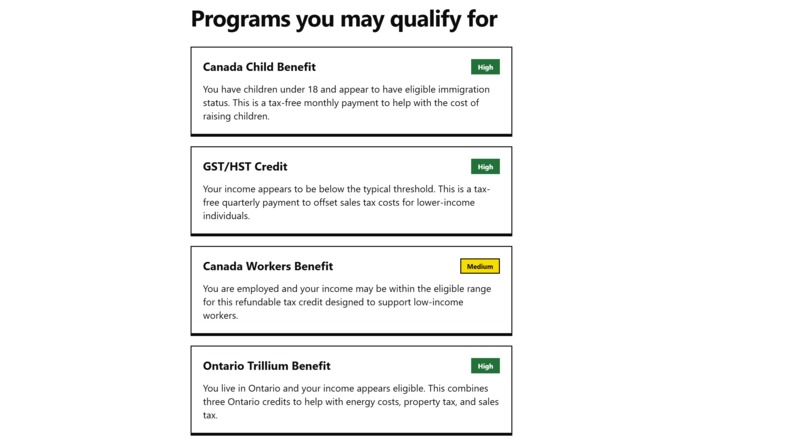
-
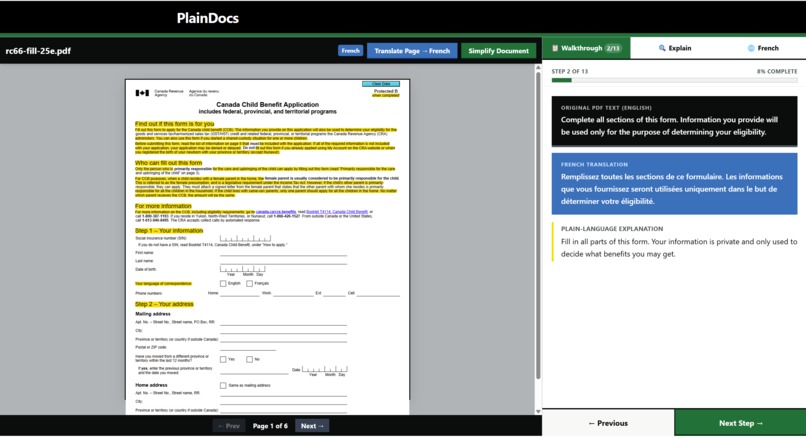
PDF walkthrough
-
PDF translate
Inspiration
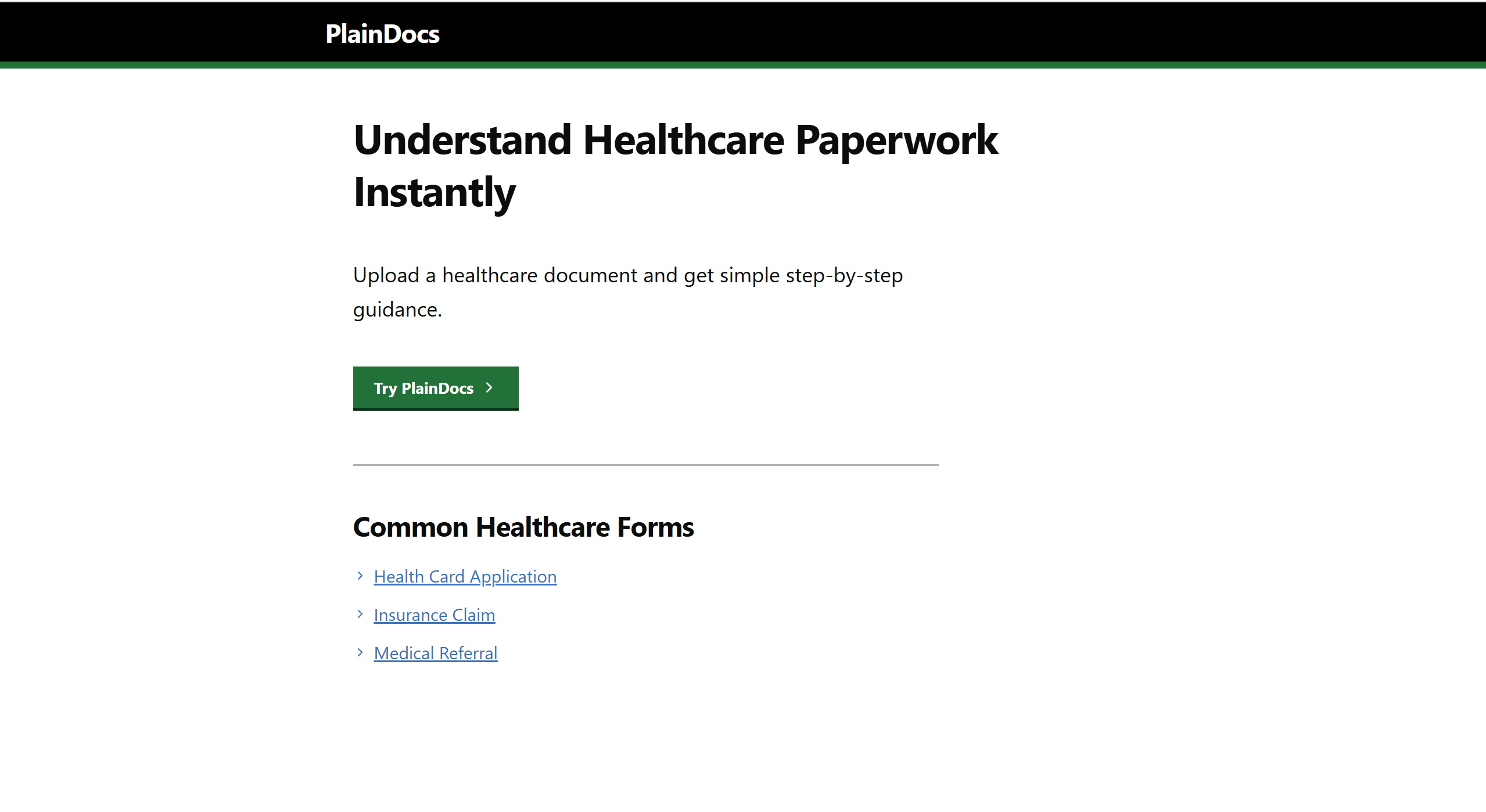
Government forms are confusing for almost everyone, but they’re especially difficult for immigrants and people who are not fluent in English. Many benefits exist to support families, healthcare access, and basic needs, yet people often miss out simply because they don’t understand the forms or the eligibility rules.
We wanted to build something that makes these forms accessible. Instead of forcing people to read complicated government language, we imagined a system that could guide them through the document step-by-step, explain every field in plain language, and translate it instantly into their preferred language.
That idea became PlainDocs.
What it does
PlainDocs helps people understand and complete government benefit forms with AI.
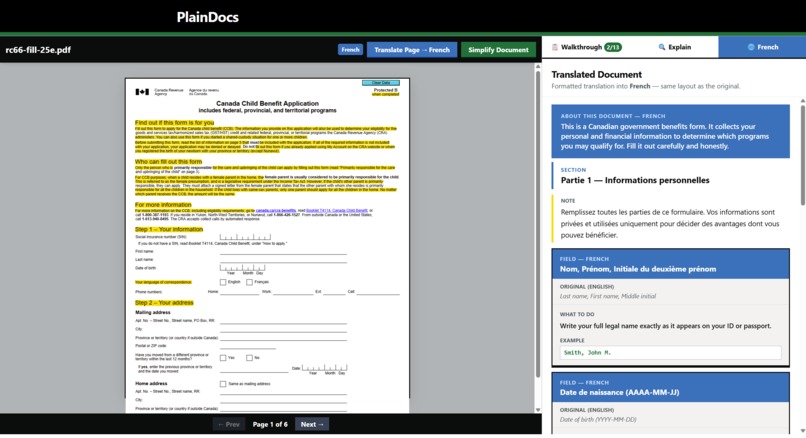
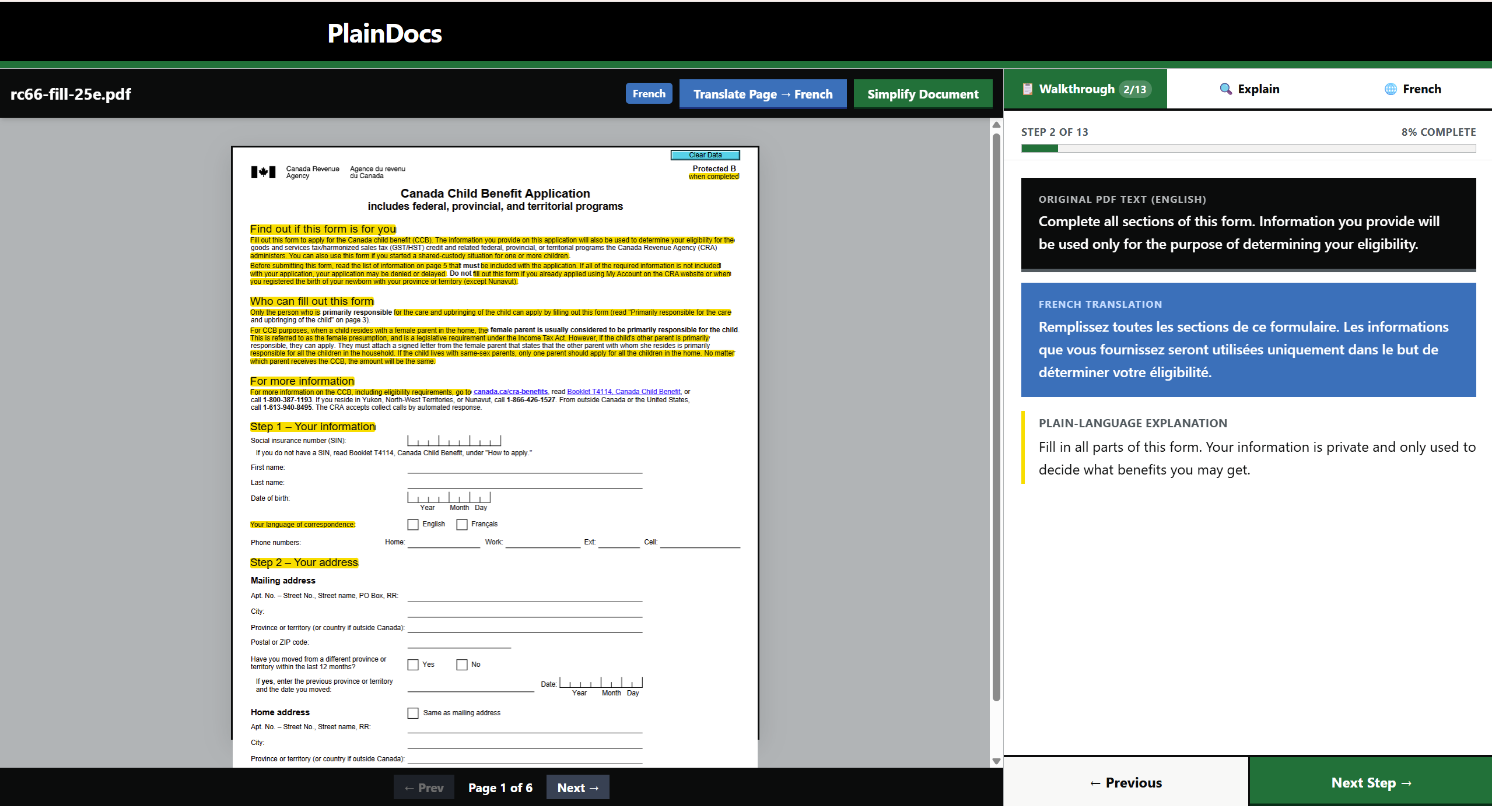
Users can open a real government PDF inside the app and get a guided walkthrough of the document. When they click on a field, the system explains what the question means, what information is required, and provides an example of what to enter.
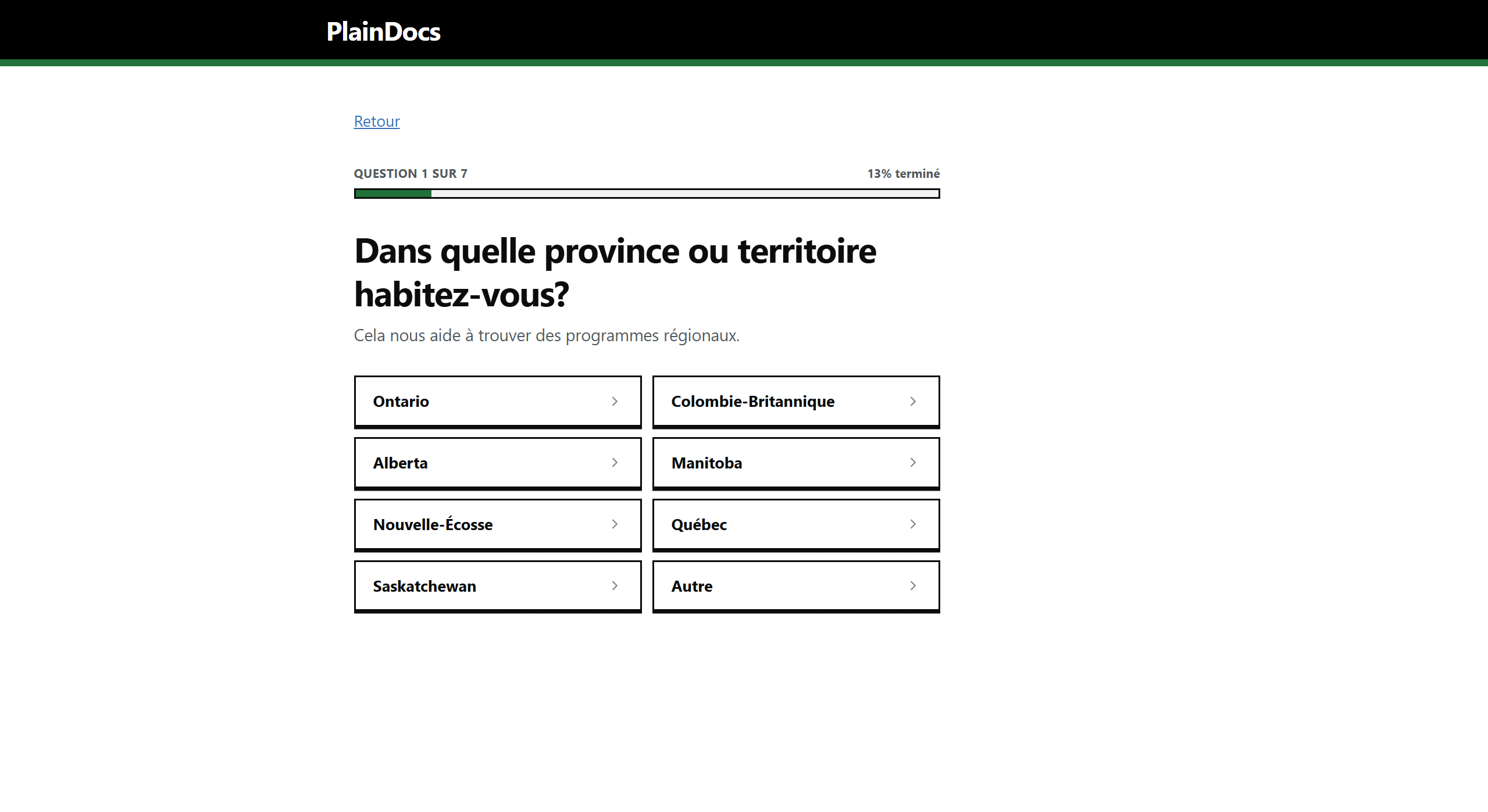
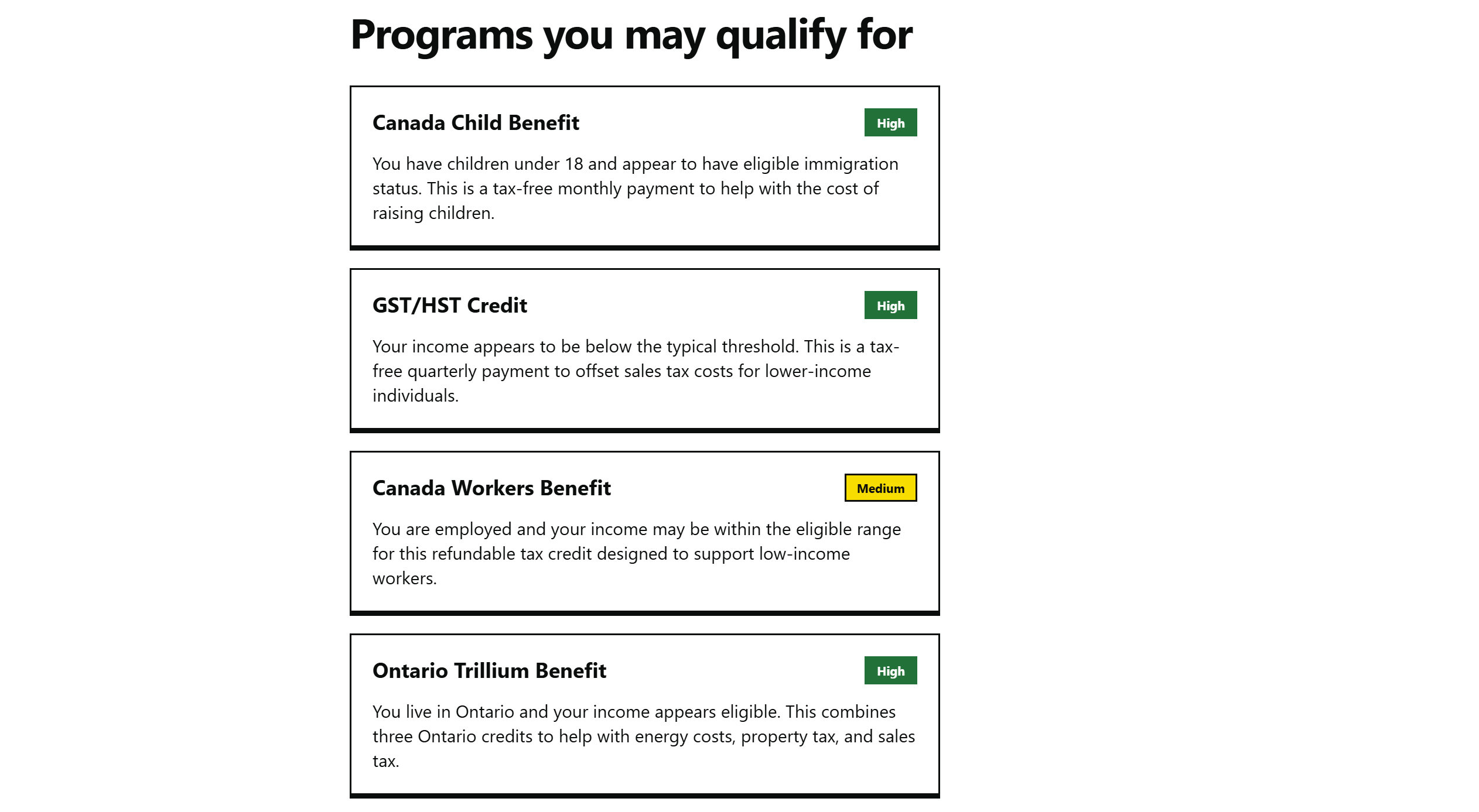
The platform also includes an eligibility checker that asks simple questions and suggests government programs the user may qualify for.
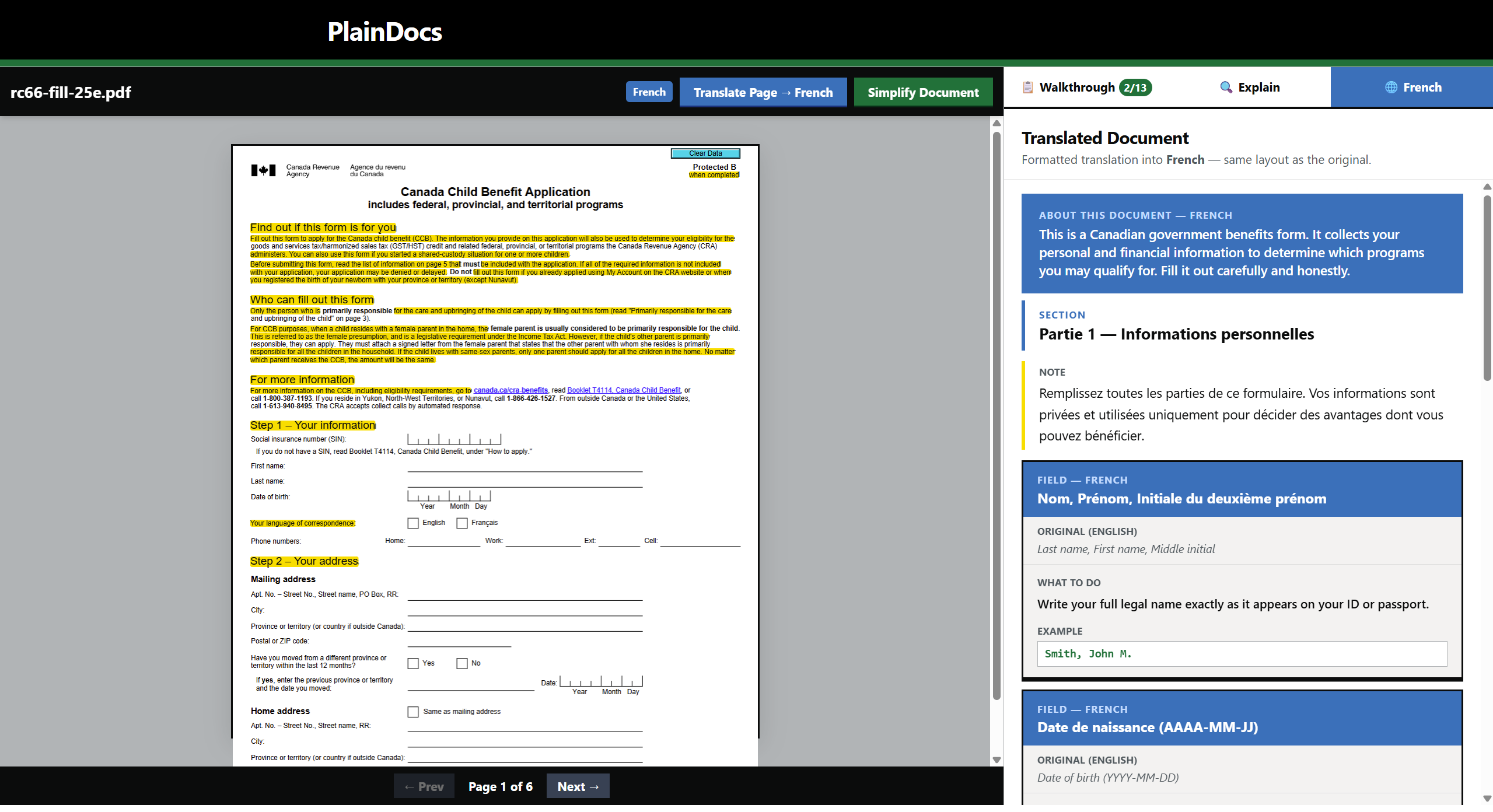
To make the system accessible, PlainDocs can translate the document and explanations into other languages, helping immigrants understand forms that are normally only available in English.
Instead of struggling through a complicated document, users are guided step-by-step through the form.
How we built it
We built PlainDocs using a combination of AI tools and rapid prototyping platforms.
The frontend interface was generated and iterated quickly using Antigravity, which allowed us to build a working product during the hackathon.
For the AI backend, we used Backboard to handle document understanding, reasoning, and structured responses.
The system works in several stages:
Document Processing When a PDF is uploaded, the text is extracted and broken into sections or fields.
Guided Walkthrough The AI explains each section in plain language and guides the user step-by-step through the form.
Eligibility Engine The system asks a series of questions and suggests government benefits the user may qualify for.
Translation Layer The form text and explanations can be translated into other languages to improve accessibility.
The interface shows the original PDF on one side and the AI explanations on the other, creating a guided experience similar to a step-by-step assistant.
Challenges we ran into
One of the biggest challenges was working with PDF documents. Government forms are not structured in a way that makes them easy for AI systems to interpret, so extracting the right fields and mapping them to explanations took several iterations.
Another challenge was making sure translations worked correctly. Initially the system was only translating the AI explanations instead of the actual PDF text, so we had to adjust how the document text was extracted and processed before translation.
Finally, designing a clear user experience was important. We didn’t want to overwhelm users with the entire form at once, so we shifted toward a step-by-step guided flow.
Accomplishments that we're proud of
We’re proud that we were able to build a working prototype in a very short time.
The most exciting part is the interactive PDF walkthrough, where users can click a field in a real government form and immediately see a simple explanation and translation.
We also built an eligibility checker that connects the form-filling process with discovering relevant government benefits.
Most importantly, the project demonstrates how AI can make complex bureaucratic systems easier for people to navigate.
What we learned
This project taught us a lot about building AI systems quickly and focusing on user experience.
We learned that AI is most useful when it’s applied to a very specific problem. Instead of trying to build a general chatbot, we focused on one clear task: helping people understand forms.
We also learned how important it is to guide users through complex processes step-by-step rather than presenting everything at once.
What's next for PlainDocs
Next, we want to expand PlainDocs to support many more government forms and programs across Canada.
Future improvements could include:
Automatically detecting and explaining every field in a document
Supporting more languages for translation
Integrating directly with government application portals
Improving the eligibility engine with more accurate program rules
Our goal is to turn PlainDocs into a platform that helps anyone navigate complex paperwork with confidence.
Built With
- antigravity
- backboard
- css
- gpt-4
- html
- javascript
- json
- openai
- pdf.js

Log in or sign up for Devpost to join the conversation.