-
-
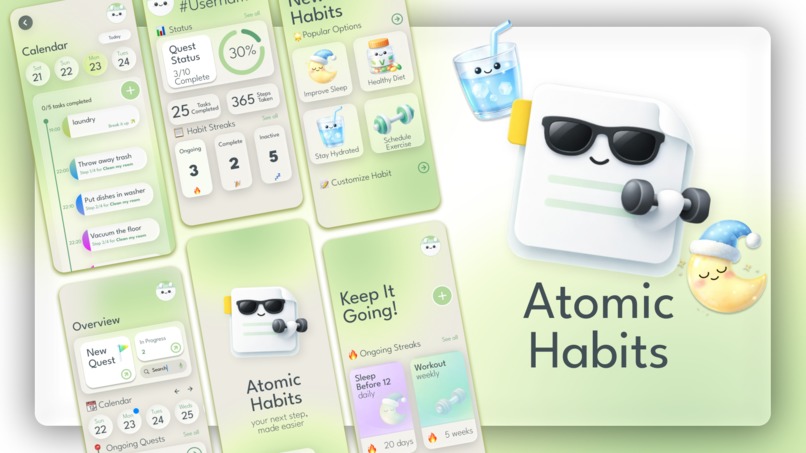
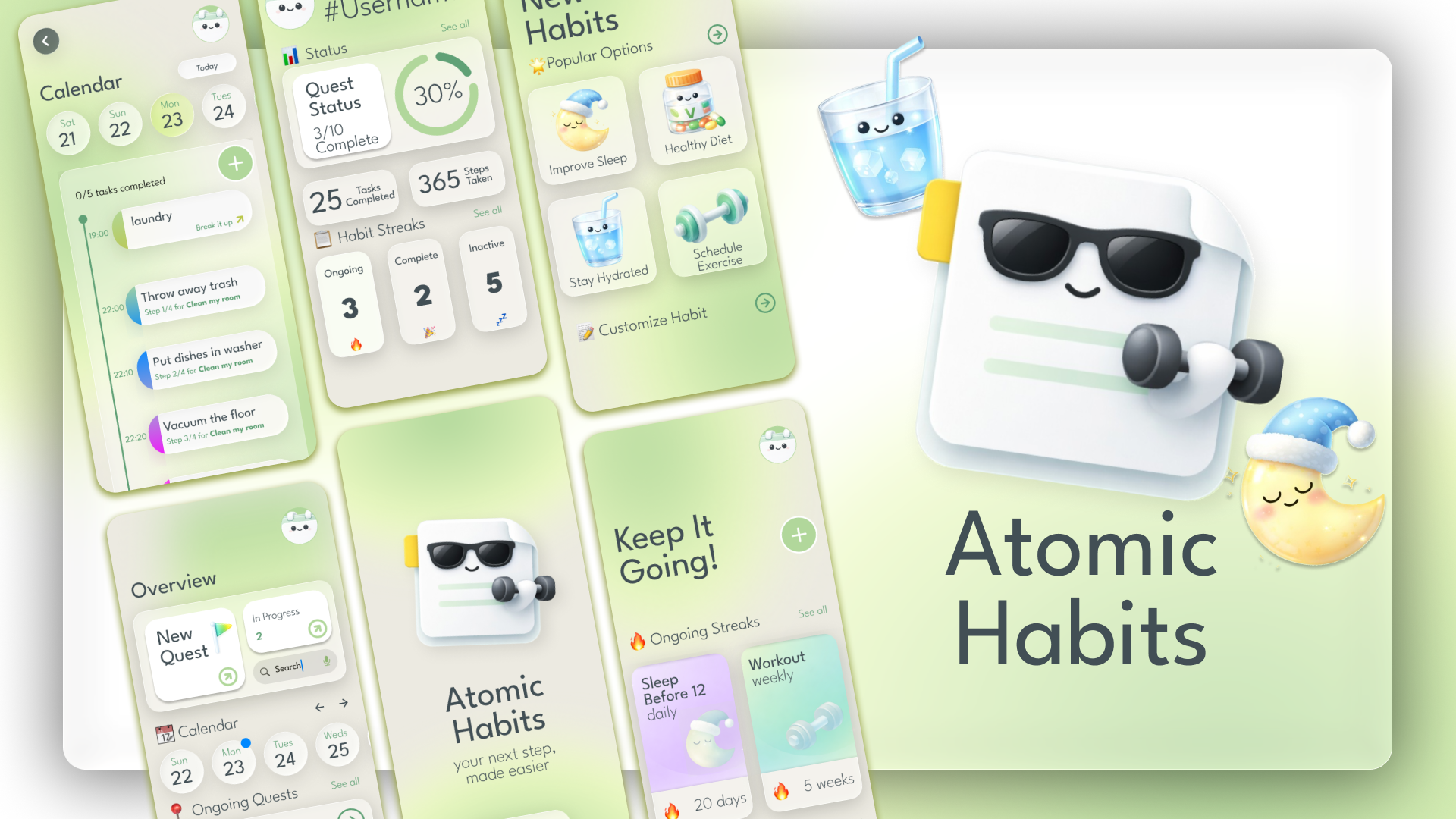
Thumbnail
-
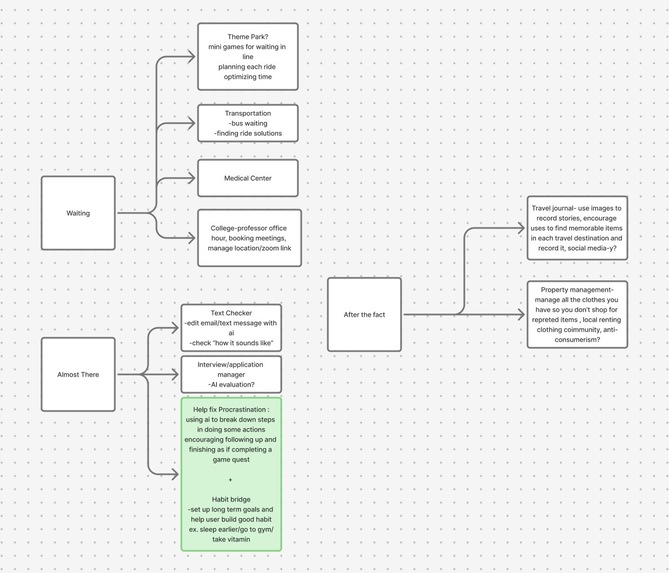
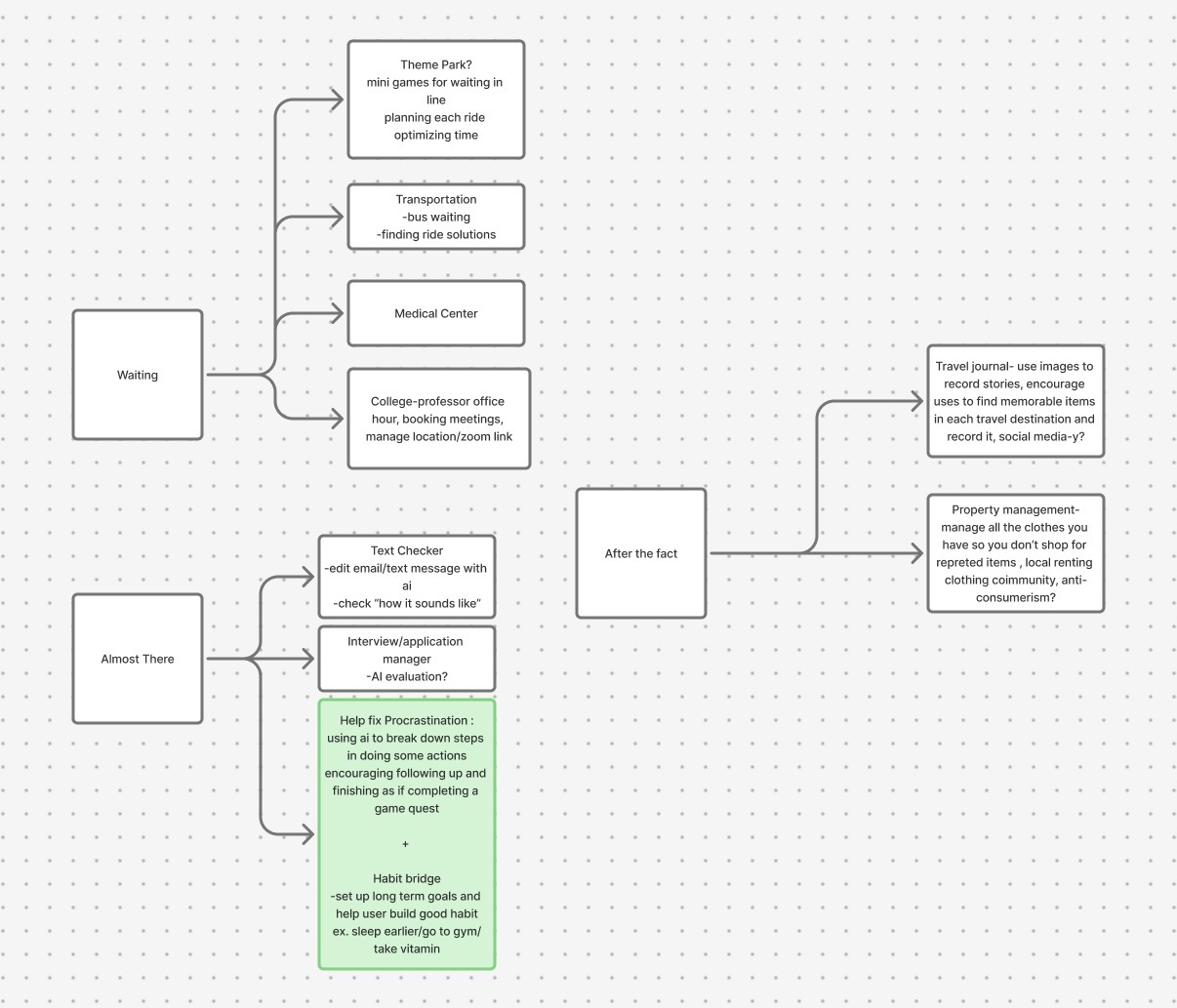
first brainstorm
-
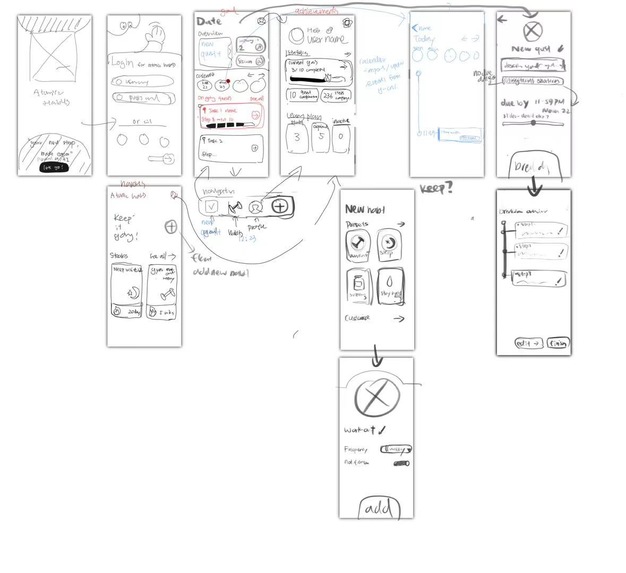
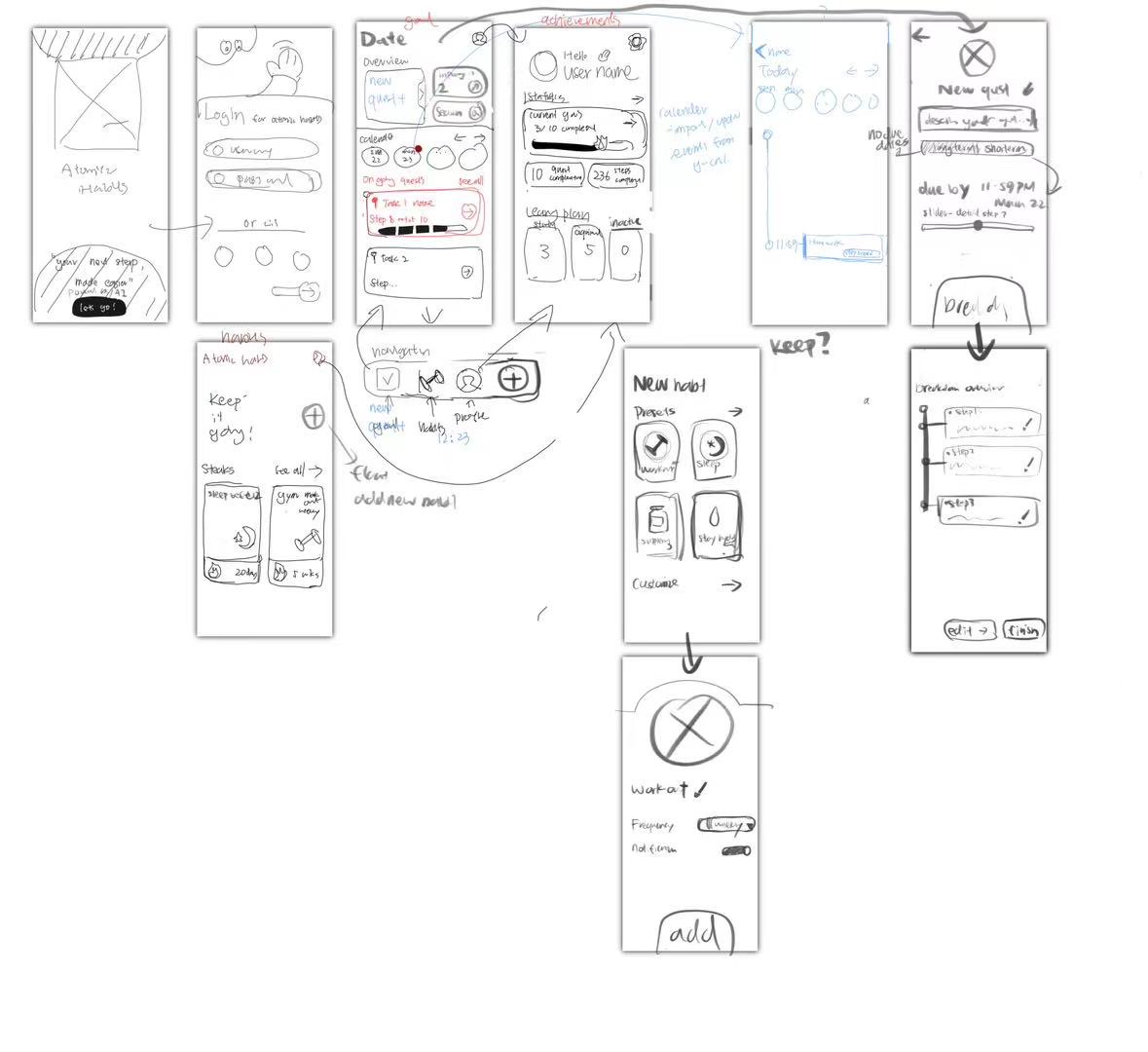
wireframe Sketch
-
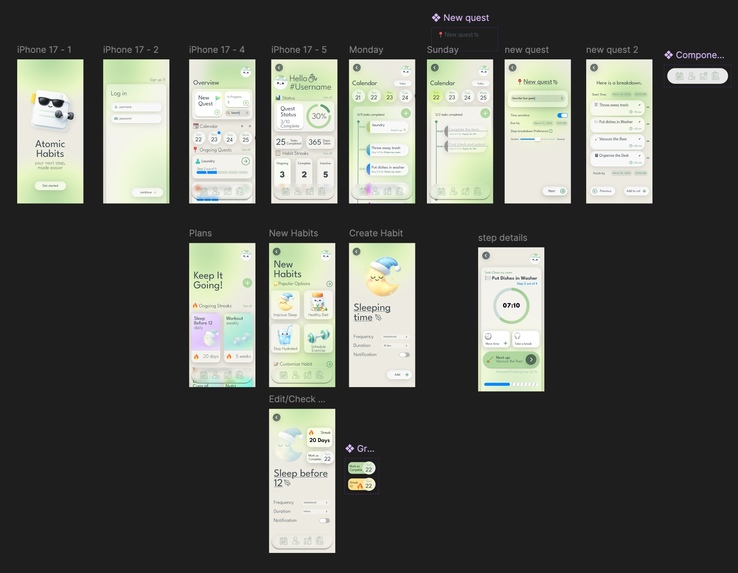
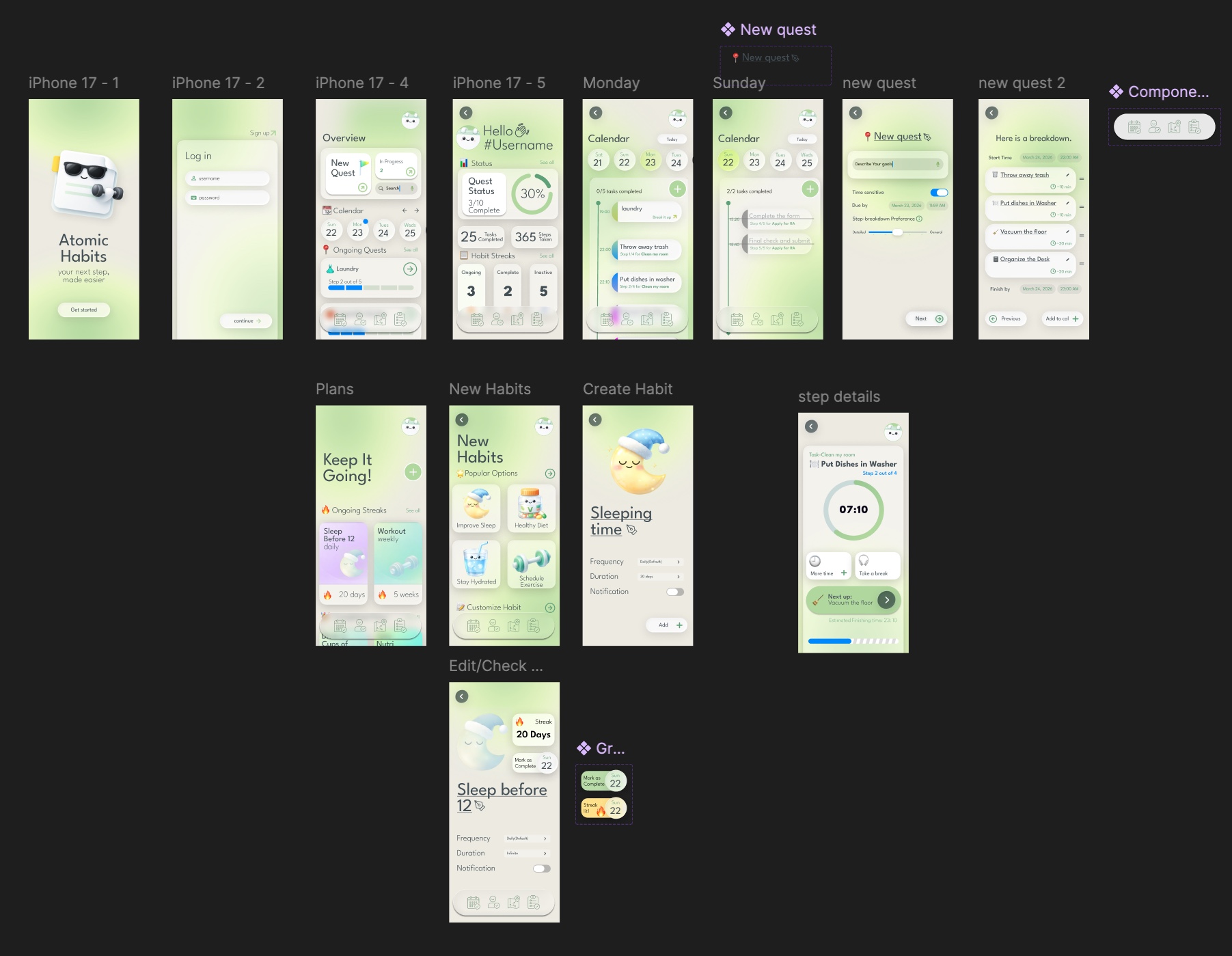
Hifi model in figma
TRACK TWO ALMOST THERE
What is the problem your solution addresses?
Through campus observation and surveys across different age groups, locations, and life stages, we identified a common issue: people struggle to build habits because starting is difficult. Over 65% of respondents reported losing motivation due to ambiguity, as they could not clearly imagine the outcome of their goals google form link. This challenge is especially prominent among individuals aged 15 to 24, including high school students and recent graduates who are just beginning to navigate careers and independent life. We found that the difficulty is not a lack of ambition, but a lack of clarity. As discussed in Atomic Habits by James Clear, people often hesitate because they are limited by their ability to think forward and visualize progress. This creates a mental barrier at the starting point. Our solution focuses on reducing this ambiguity and helping individuals overcome the friction of taking the first step.
Why did you pick this solution, and how does it address the problem?
Research from PubMed Central shows that only 23% of people are able to consistently follow through on the plans they create pmc article. This highlights how difficult it is to build habits without external support and structured guidance. We chose this solution because it directly targets the core issue of ambiguity that prevents people from starting. Our platform uses AI to break down goals into small, clear, and actionable steps. By doing so, users no longer need to spend energy figuring out where to begin. Instead, they are given a structured starting point that lowers the mental barrier to action. This approach not only helps users take the first step, but also builds momentum, making it easier to continue. By reducing uncertainty and simplifying execution, our solution empowers users to move closer to their goals with confidence and consistency.
Built With
- figma
- gpt

Log in or sign up for Devpost to join the conversation.