-
-
Project Logo
-
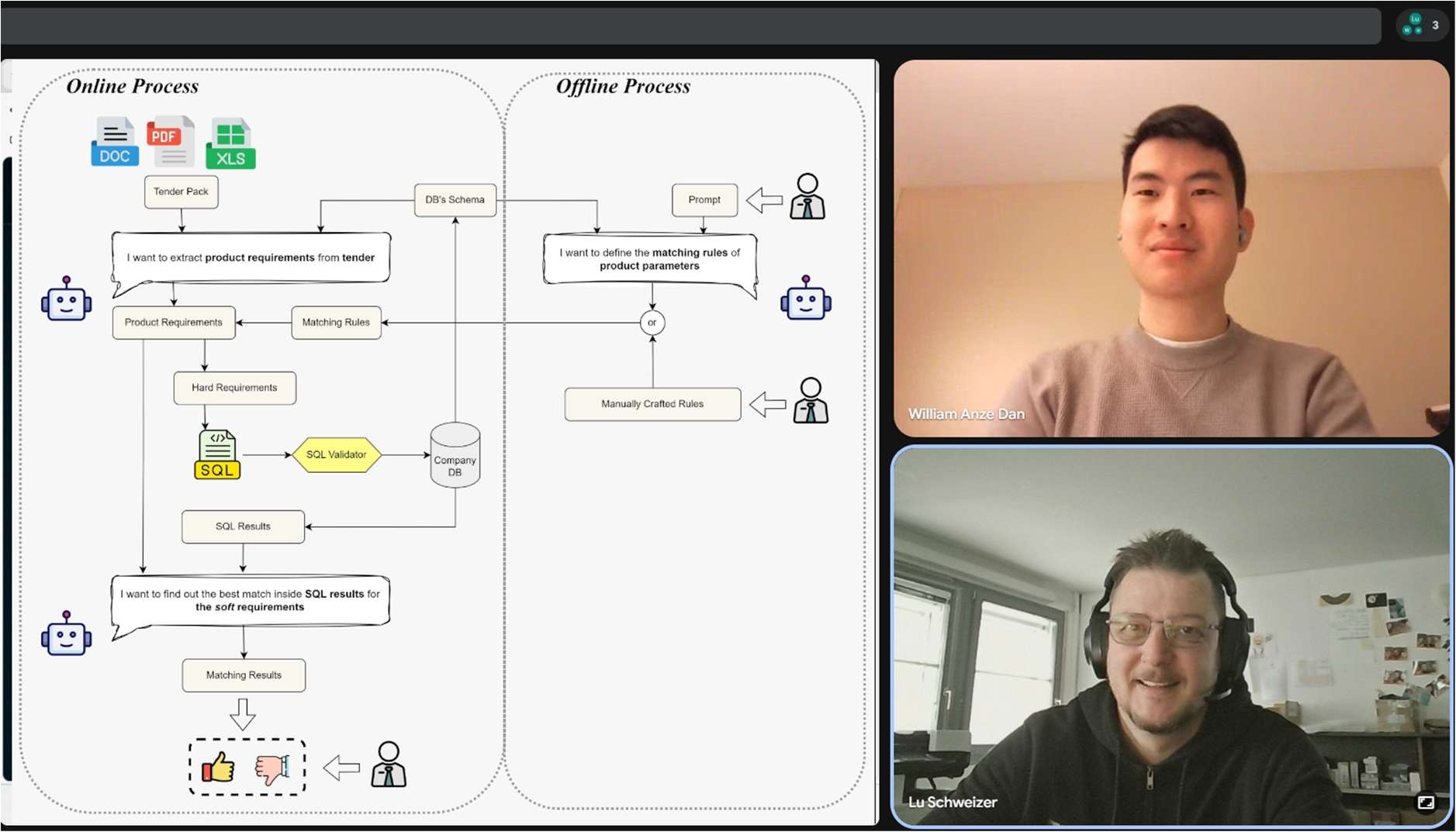
Team Photo
-
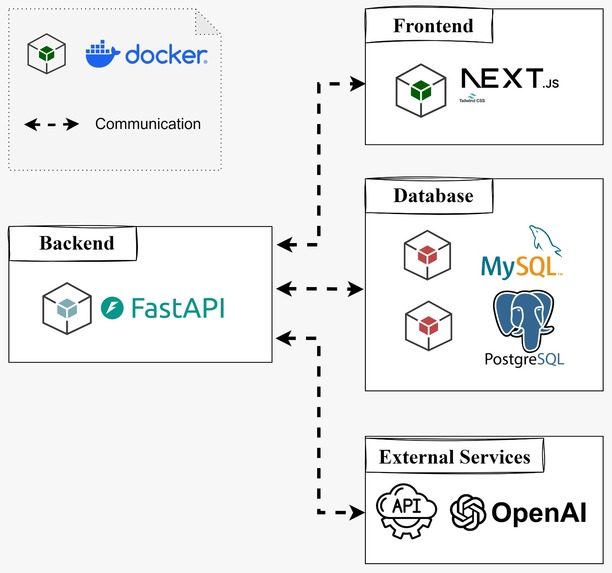
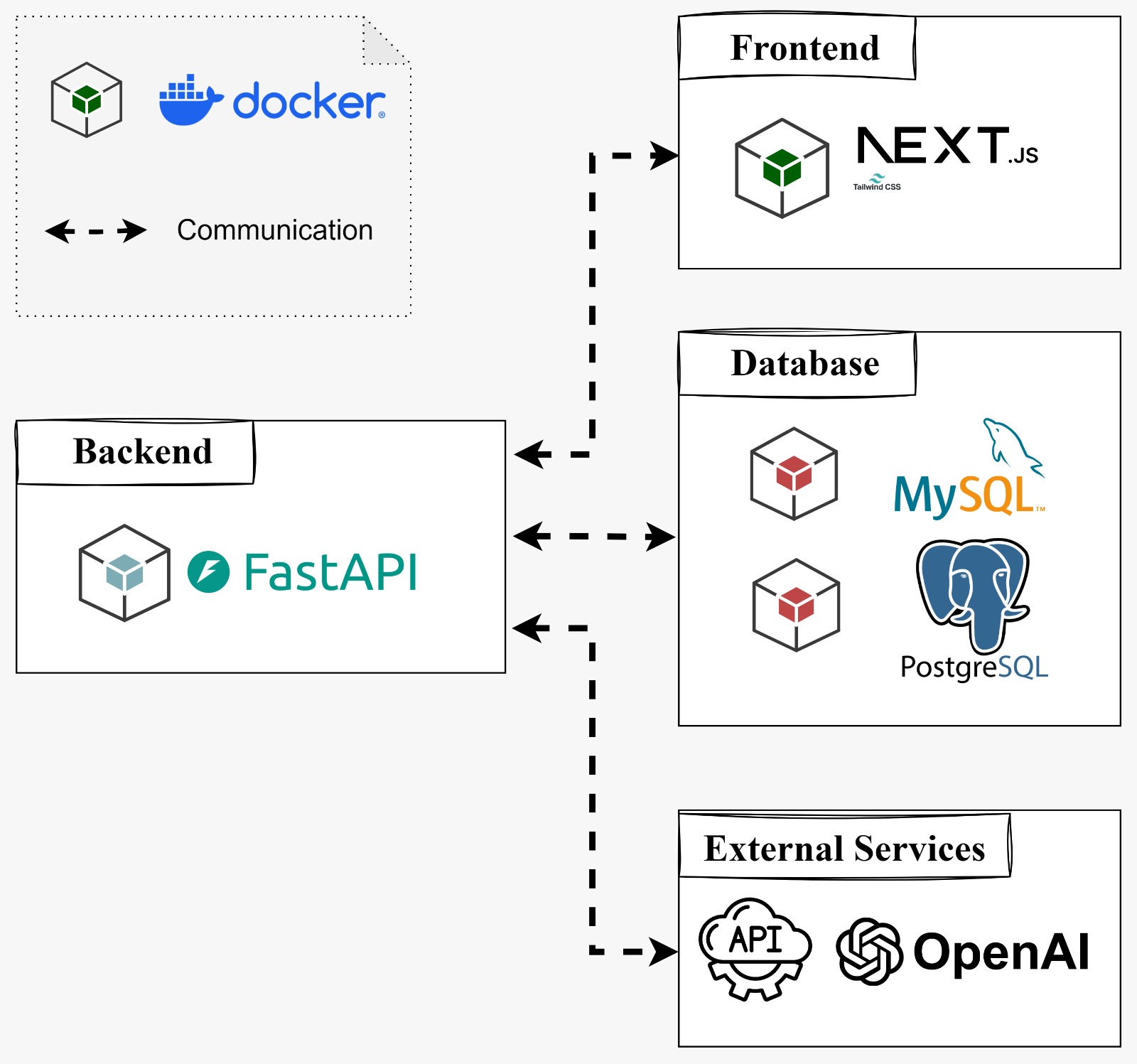
Project Architecture
-
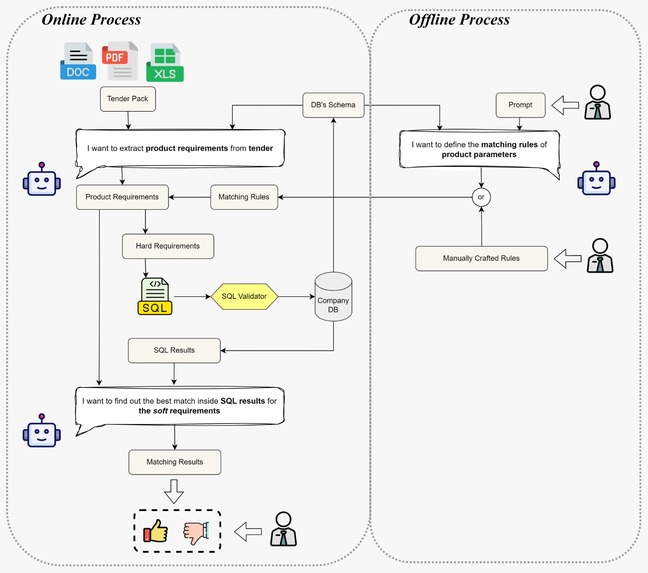
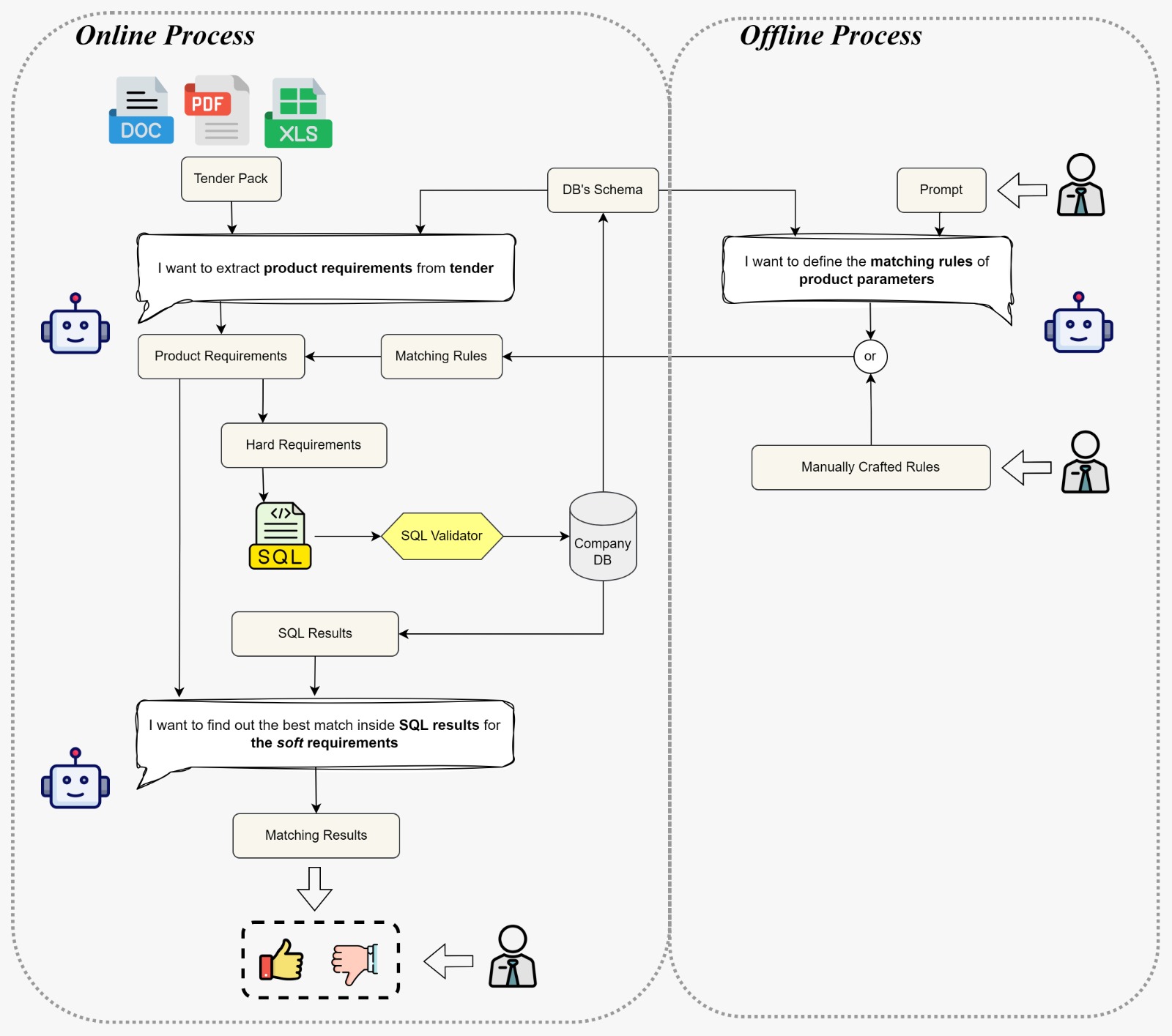
Project Workflow
Inspiration
A lighting engineer often spends ~3 hours per tender manually searching hundreds of pages for matching luminaires. At ~50 projects per year, that is:
$$ 3 \times 50 = 150 \text{ hours/year} $$
of expert time spent on repetitive matching instead of high-value engineering decisions.
We built HEIDITENDER to remove this bottleneck and make tendering faster, more defensible, and less dependent on tribal knowledge.
The Problem We Saw
The status quo is fragmented: teams switch between Word files, Excel sheets, PDF catalogs, and supplier portals.
Requirements are inconsistent, data formats vary by vendor, and critical details (lux levels, IP ratings, norms) are easy to miss. This creates slow manual workflows, frequent re-checks, and bid decisions that are hard to justify under pressure.
How We Built It
HEIDITENDER is not a generic chatbot. It is a governed matching system for lighting tenders:
- Parse long tender submissions.
- Extract structured requirements (room type, lux levels, IP class, standards/norms).
- Apply rule-based filtering and matching logic.
- Compare requirements against the client’s private product database.
- Return ranked products that actually exist, with a traceable explanation for every recommendation.
This gives teams outcomes they can defend technically and commercially.
Challenges We Faced
- Unstructured documents: Tender requirements appear in inconsistent formats and wording.
- Data quality variance: Supplier catalog data is uneven and often incomplete.
- Explainability needs: Recommendations must be auditable, not black-box outputs.
- Trust and adoption: Engineers need transparent logic before relying on automation in bids.
What We Learned
- Domain-specific structure beats generic AI responses in high-stakes workflows.
- Explainability is not optional in procurement decisions.
- The real value is not only speed, but confidence: fewer misses, clearer rationale, better internal alignment.
- Business adoption improves when output maps directly to existing bid processes.
Business Model and ROI
In Switzerland, there are roughly 1,500 firms submitting lighting tenders, totaling about 150,000 submissions/year.
At 10% market share:
$$ 15{,}000 \text{ submissions/year} \quad \text{and} \quad 150 \text{ clients} $$
Revenue model:
- Setup fee: \(150 \times CHF\,10{,}000 = CHF\,1{,}500{,}000\)
- Processing fee: \(15{,}000 \times CHF\,25 = CHF\,375{,}000\)
$$ \text{Year 1 Total} = CHF\,1{,}575{,}000 $$
Client-side economics:
- 100 submissions save about CHF 34,000 in engineer time.
- HEIDITENDER cost: CHF 2,500.
$$ \text{ROI multiple} = \frac{34{,}000}{2{,}500} \approx 13.6\times \ (\text{~}13\times) $$
Immediate value, measurable efficiency, and defensible decision-making from day one.
Built With
- alembic
- bash
- certbot(let's-encrypt)
- docker
- echarts
- fastapi
- google-oidc
- microsoft-oidc
- mysql
- next.js
- nginx
- openai-api
- openai-vector-store
- postgresql
- pydantic
- python
- react
- react-19
- sql
- sqlalchemy
- tailwind-css
- typescript
- uvicorn
- yaml


Log in or sign up for Devpost to join the conversation.