Inspiration - Inefficiency in hurricane prediction of category strength and direction.
What it does - Tracks wind speed and sends sensor data to a microcontroller that will compute it and send it to a database to be used to optimize hurricane identification and prediction.
How we built it
The hardware is a device that uses an integrated anemometer and a ultrasonic sensor to collect data on the strength of wind speed. The device would used in a system with multiple devices distributed across a specific region to collect data with that region
The software has been developed to efficiently process a set of hurricane data with the variables Wind Speed, Hurricane pressure, Latitude, and Longitude. Based off these variables a machine learning algorithm has been developed to increase the efficiency and accuracy of hurricane identification and trajectory prediction
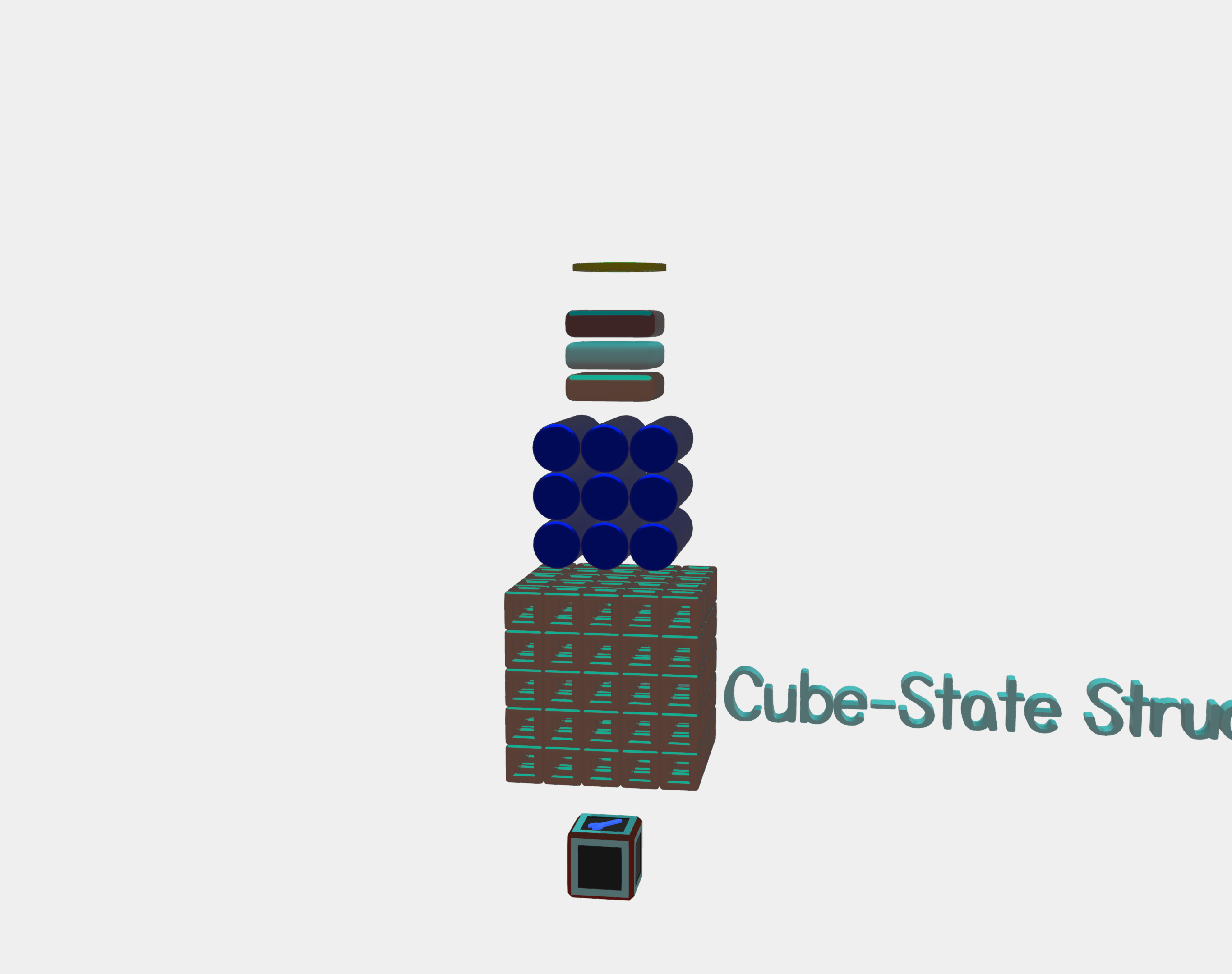
The anemometer and ultrasonic sensor are being implemented on the cubeStat nanosatellite which will encompass a system of sensors and satellites in orbit to continuously collect and deliver data back to the ground. Once the data is obtained the software will process and compute a predicticted position
Challenges we ran into
We ran to issues with the availability of hardware, as the hardware we looking in to wasn't physically available, so we used an online simulator to combat this, and are using it to display our project.

Log in or sign up for Devpost to join the conversation.