Inspiration
As I've become fitter and more active, I've grown more curious about how my own body works. As a long-time VR developer, I knew mixed reality headsets can create a convincing illusion of seeing inside real objects and walls. I wanted to turn that on myself: to see inside my own hands and arms, and to understand the structures that drive my movement. I built a prototype to do that, and this competition pushed me to turn it into a more complete experience.
What it does
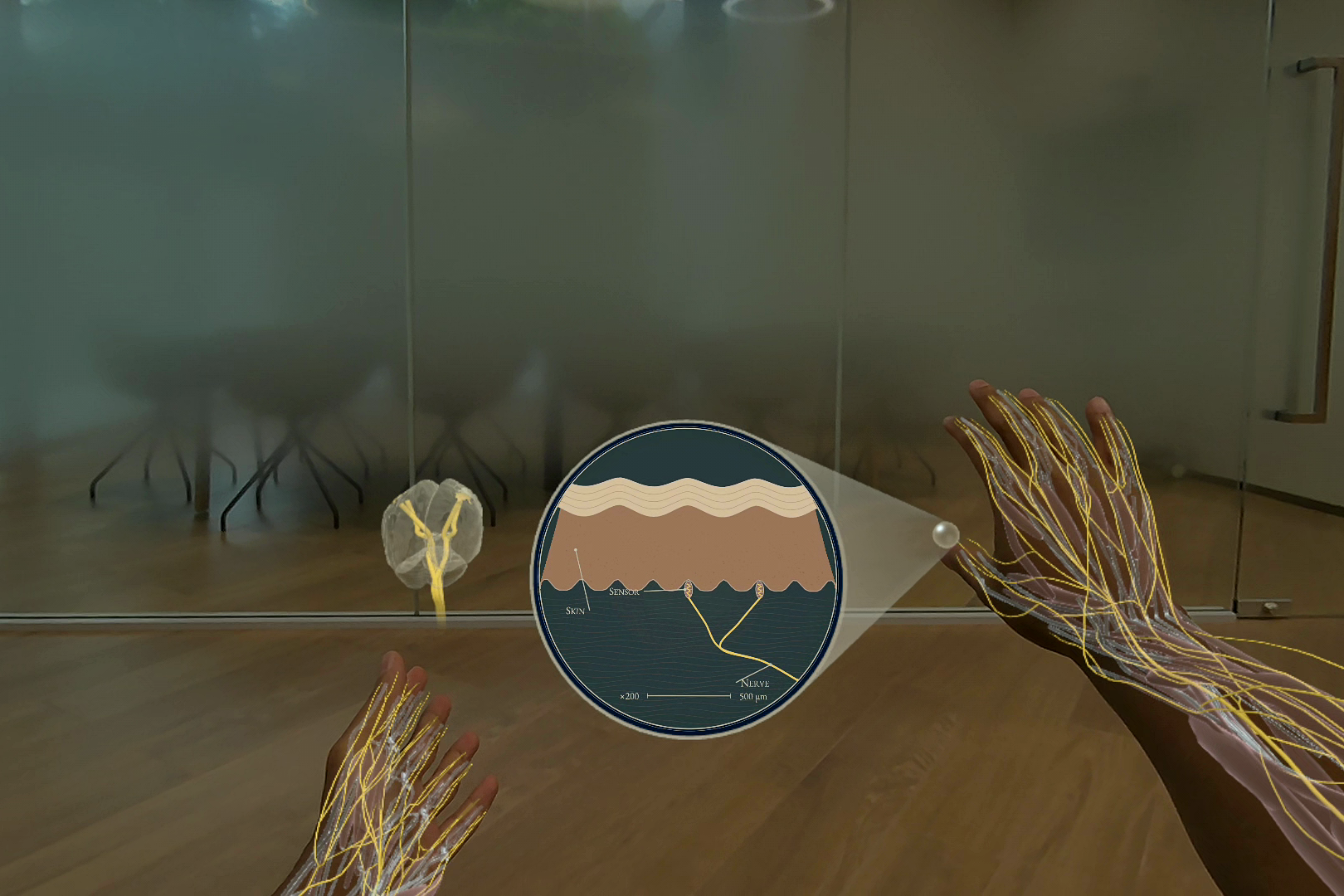
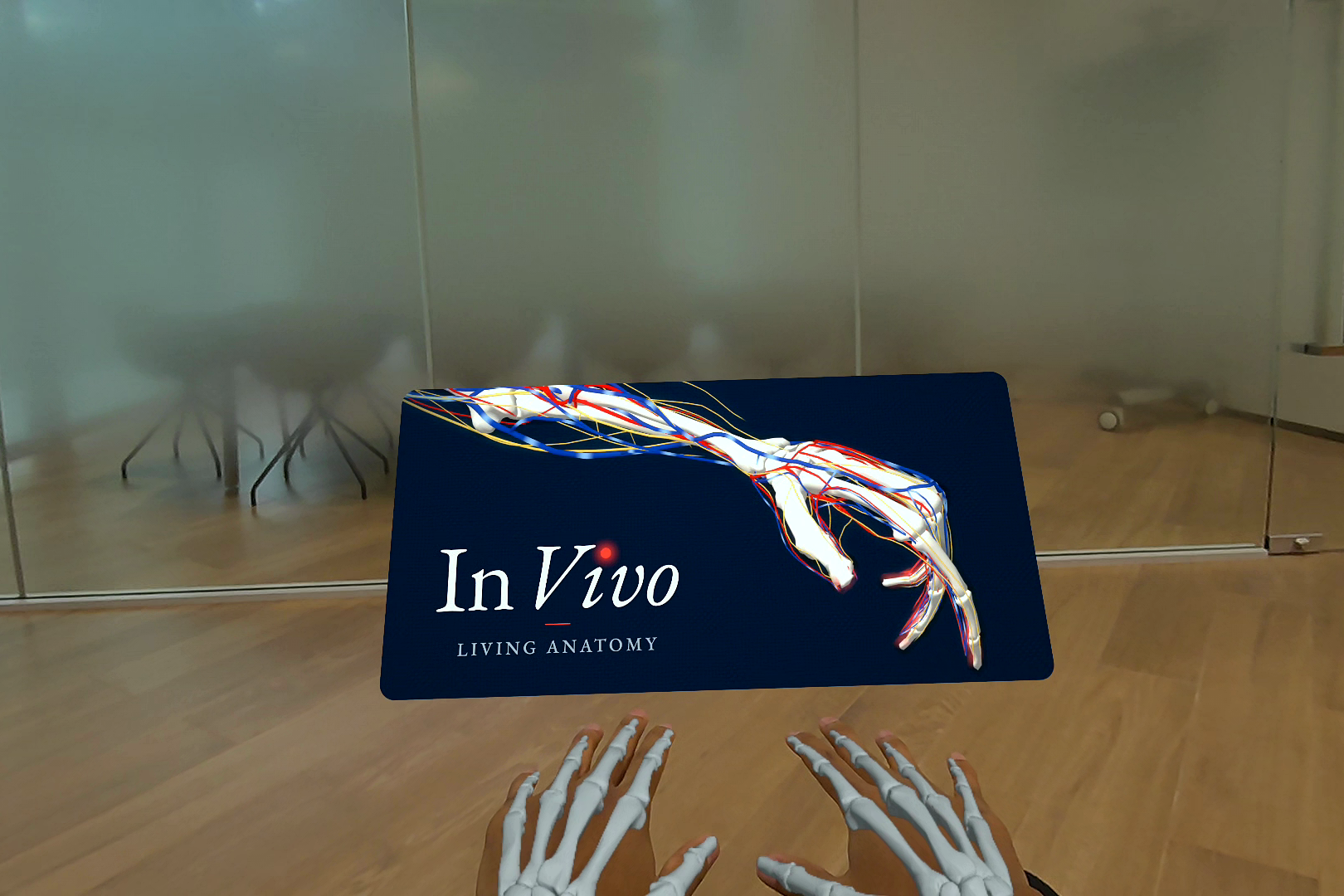
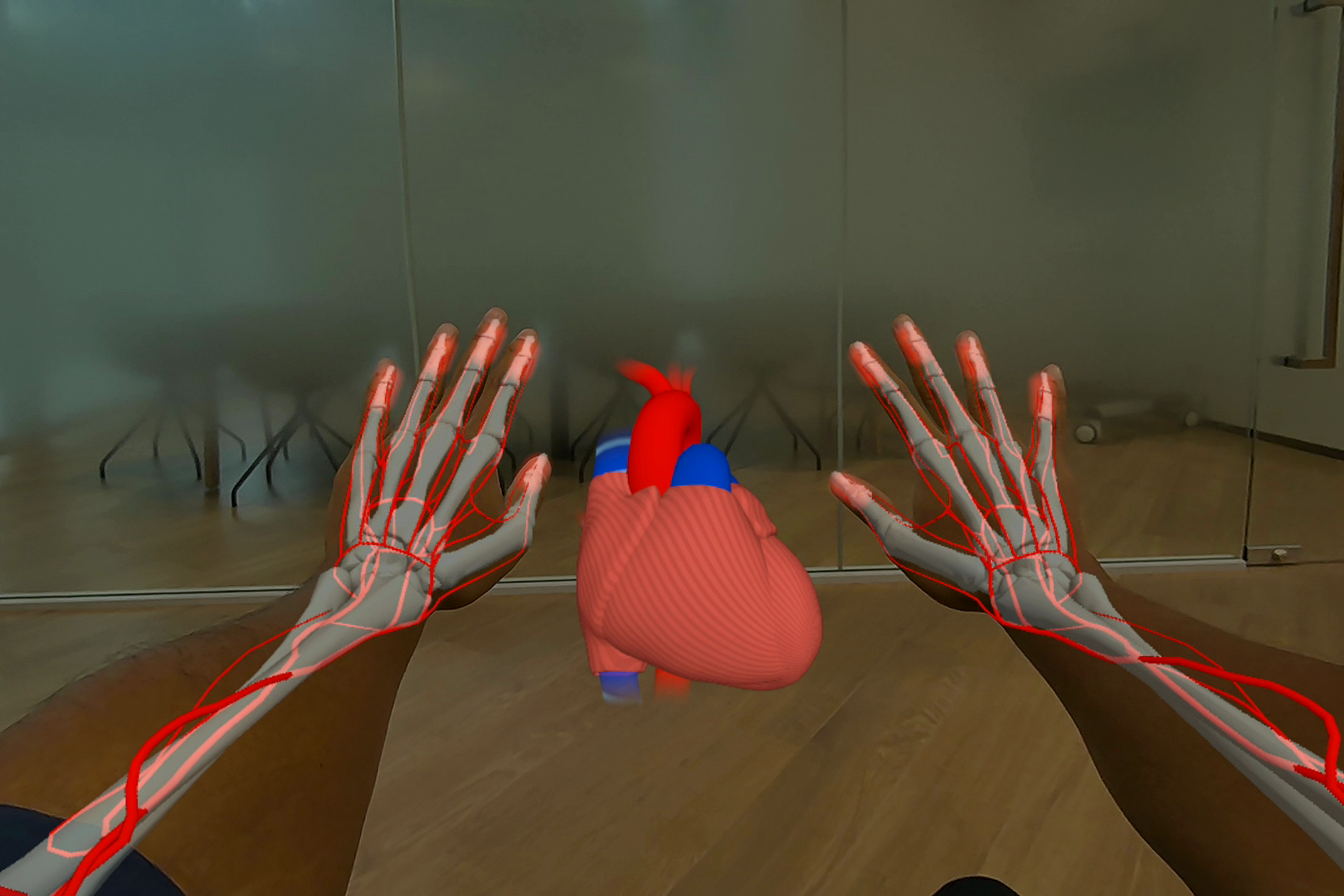
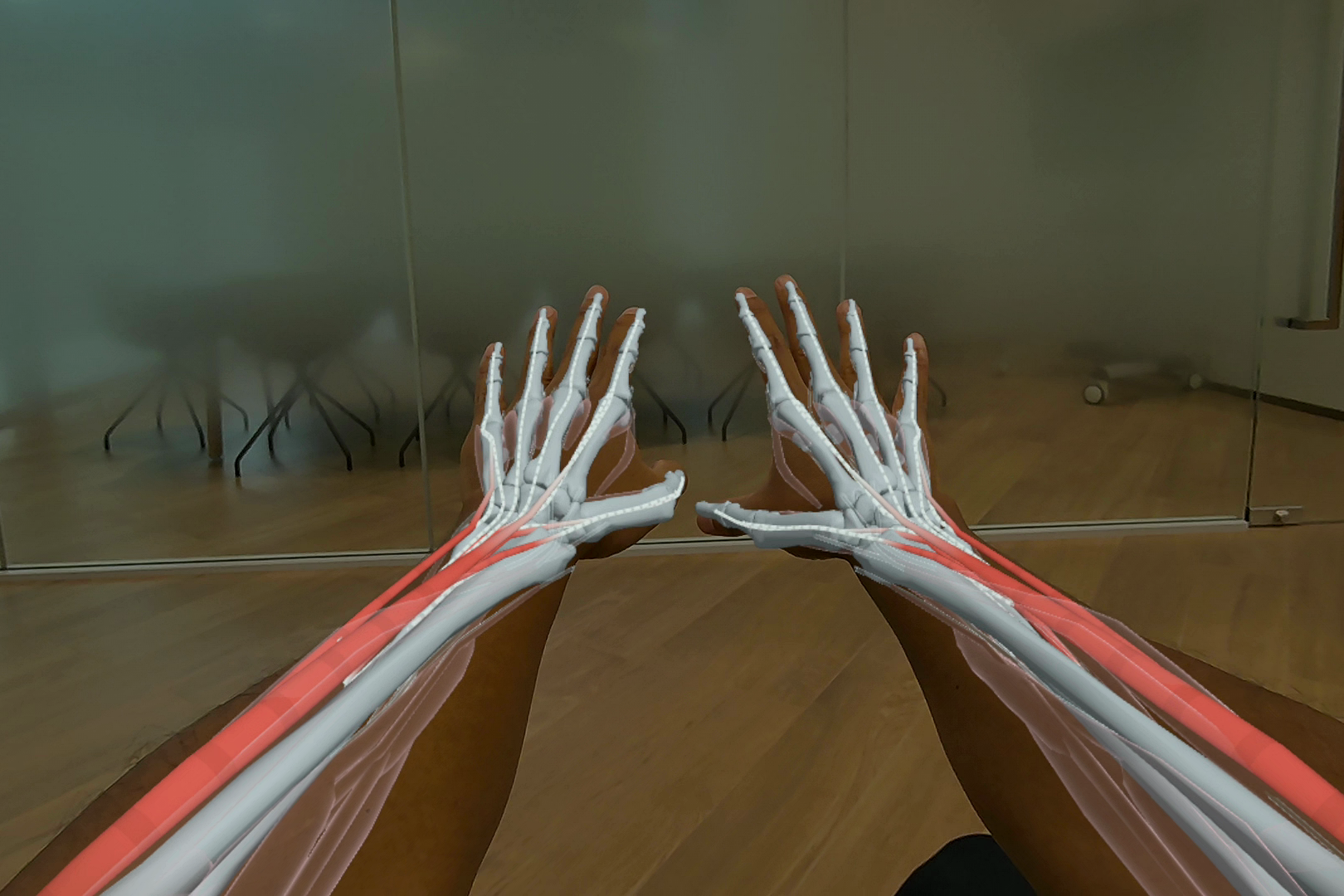
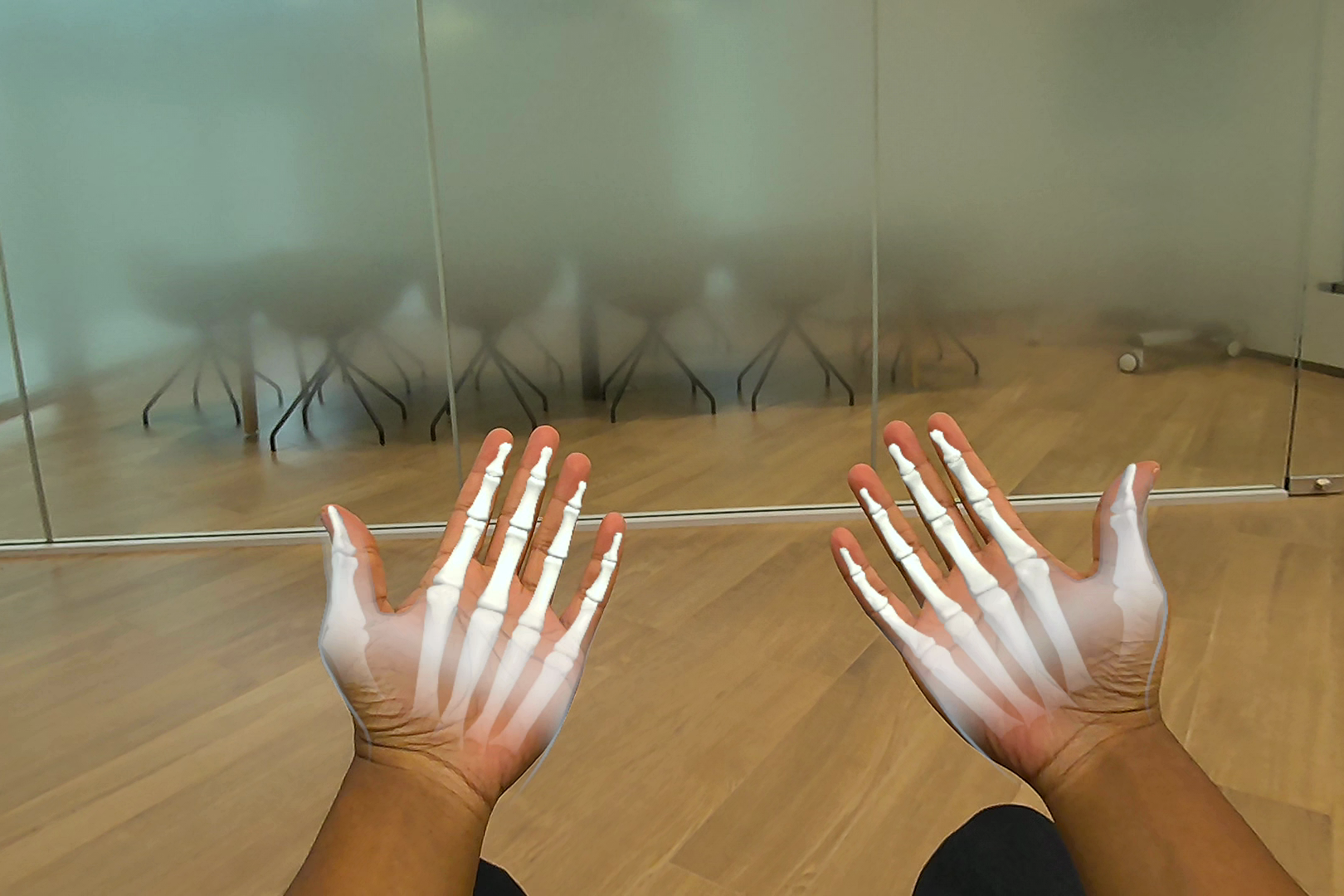
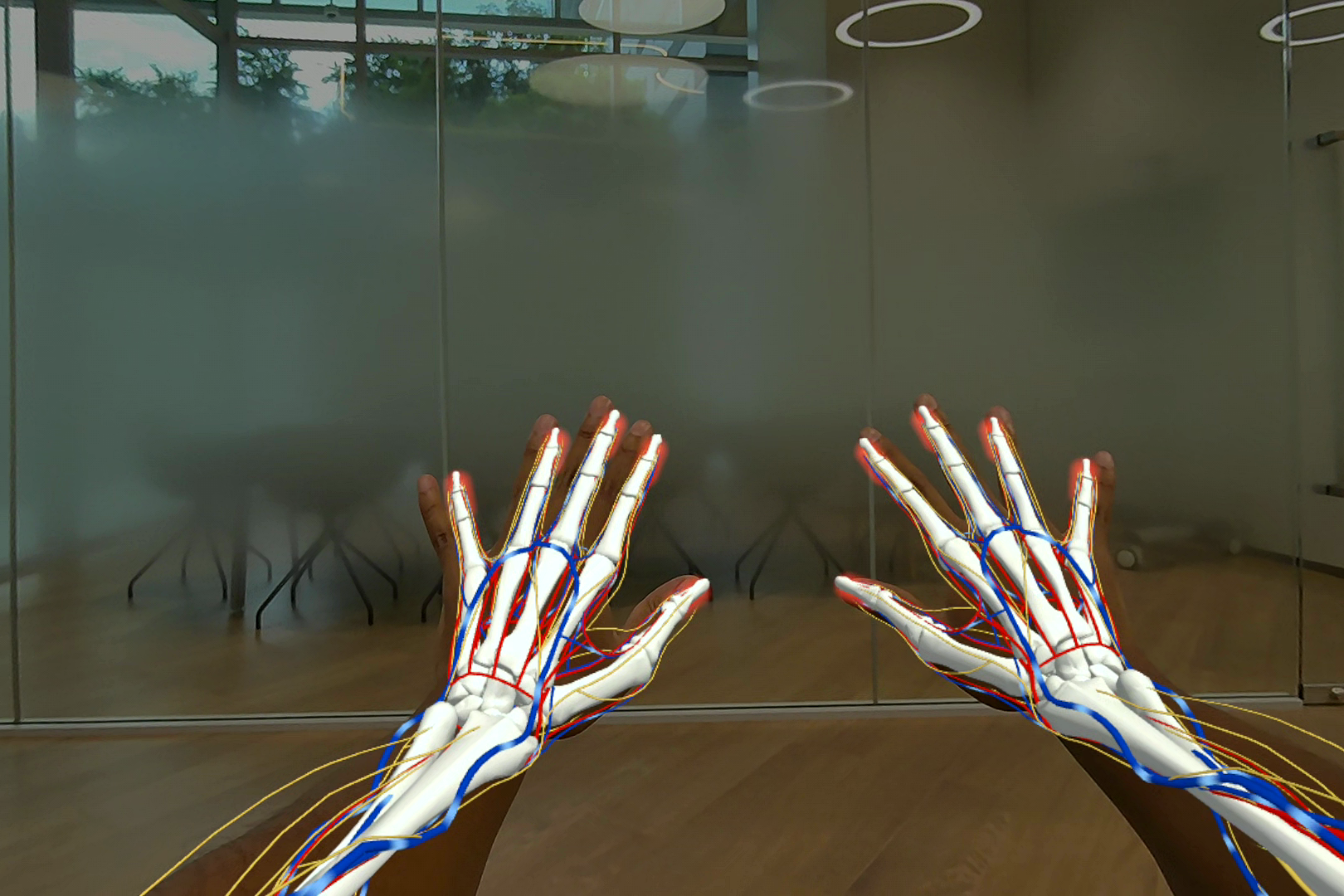
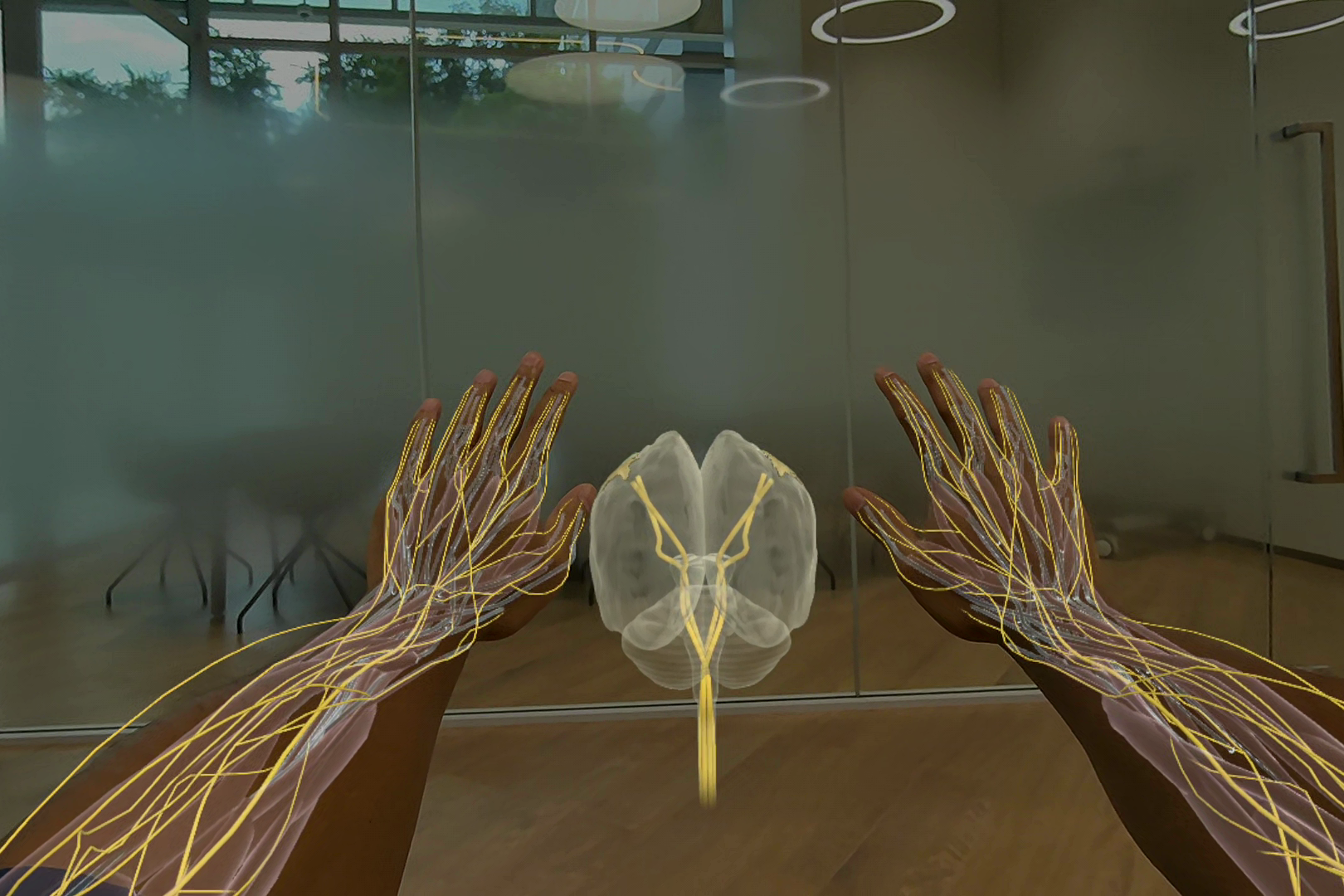
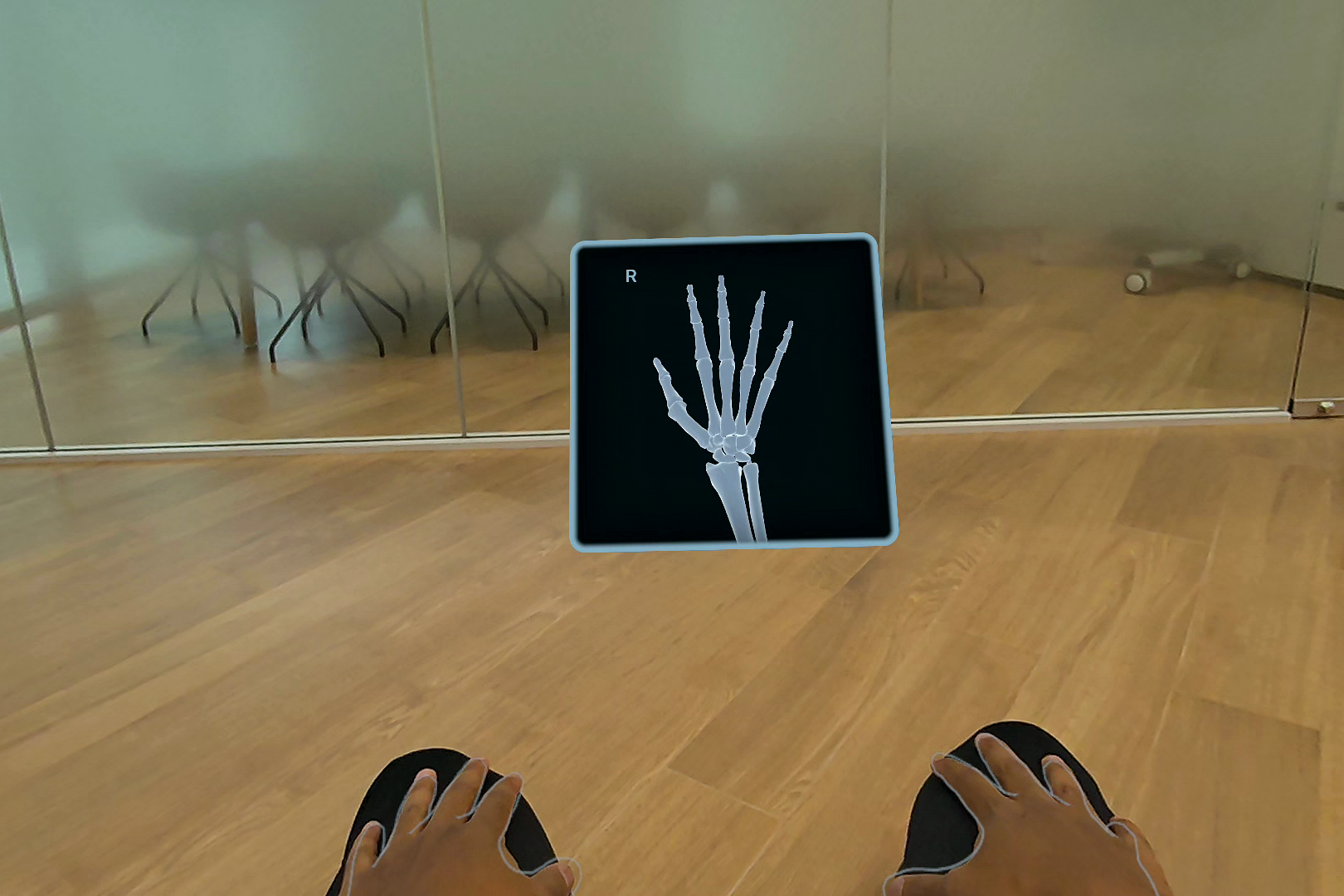
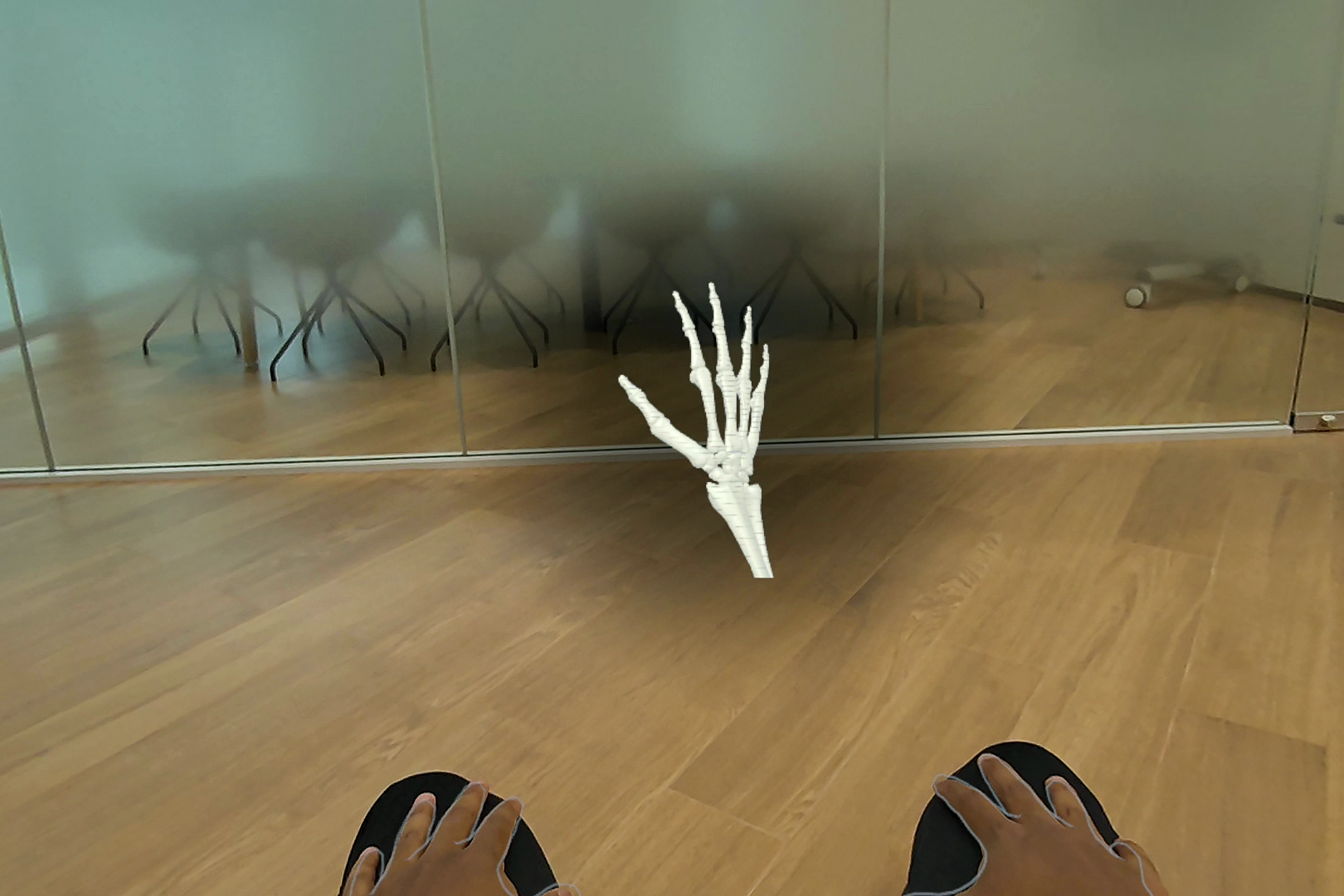
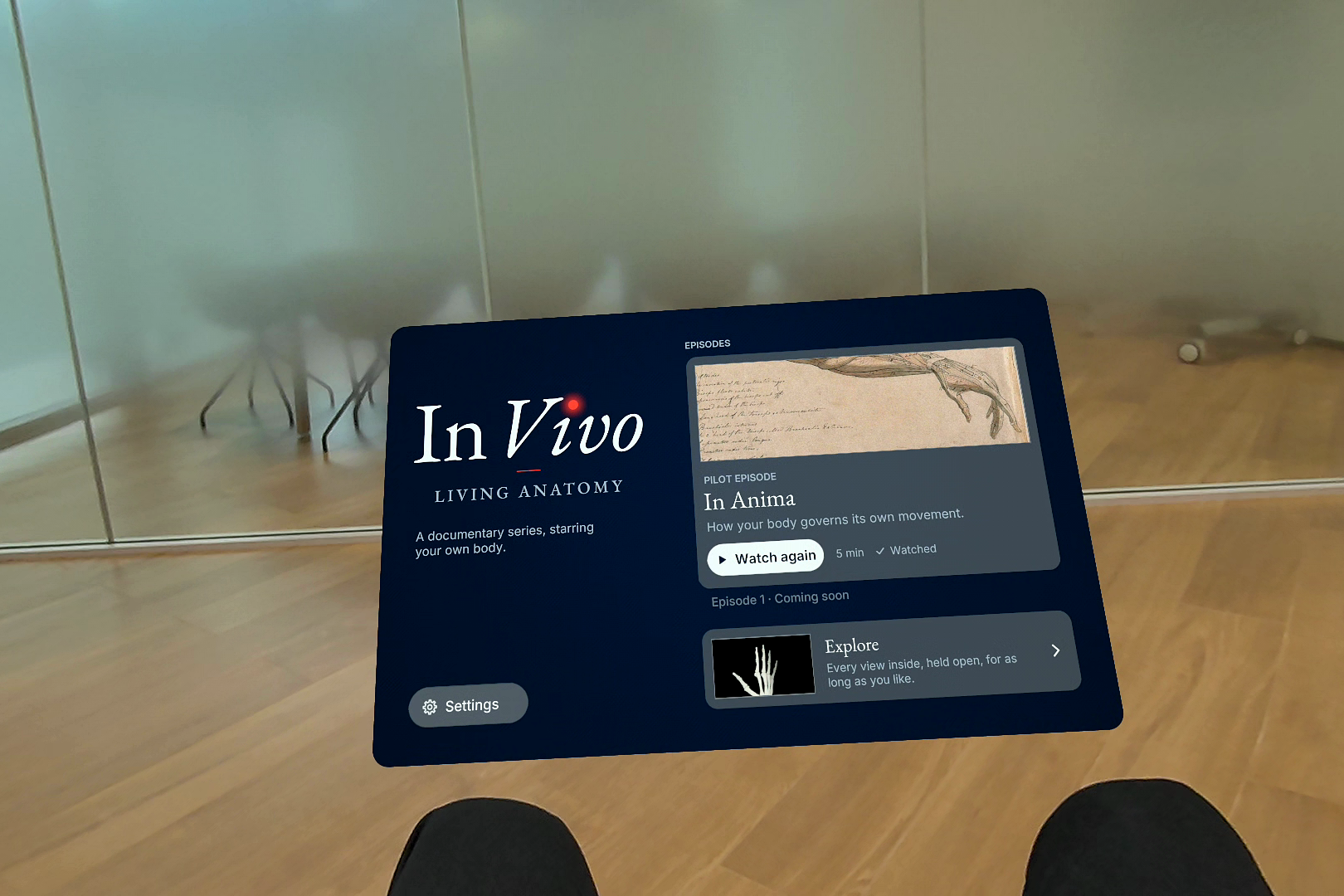
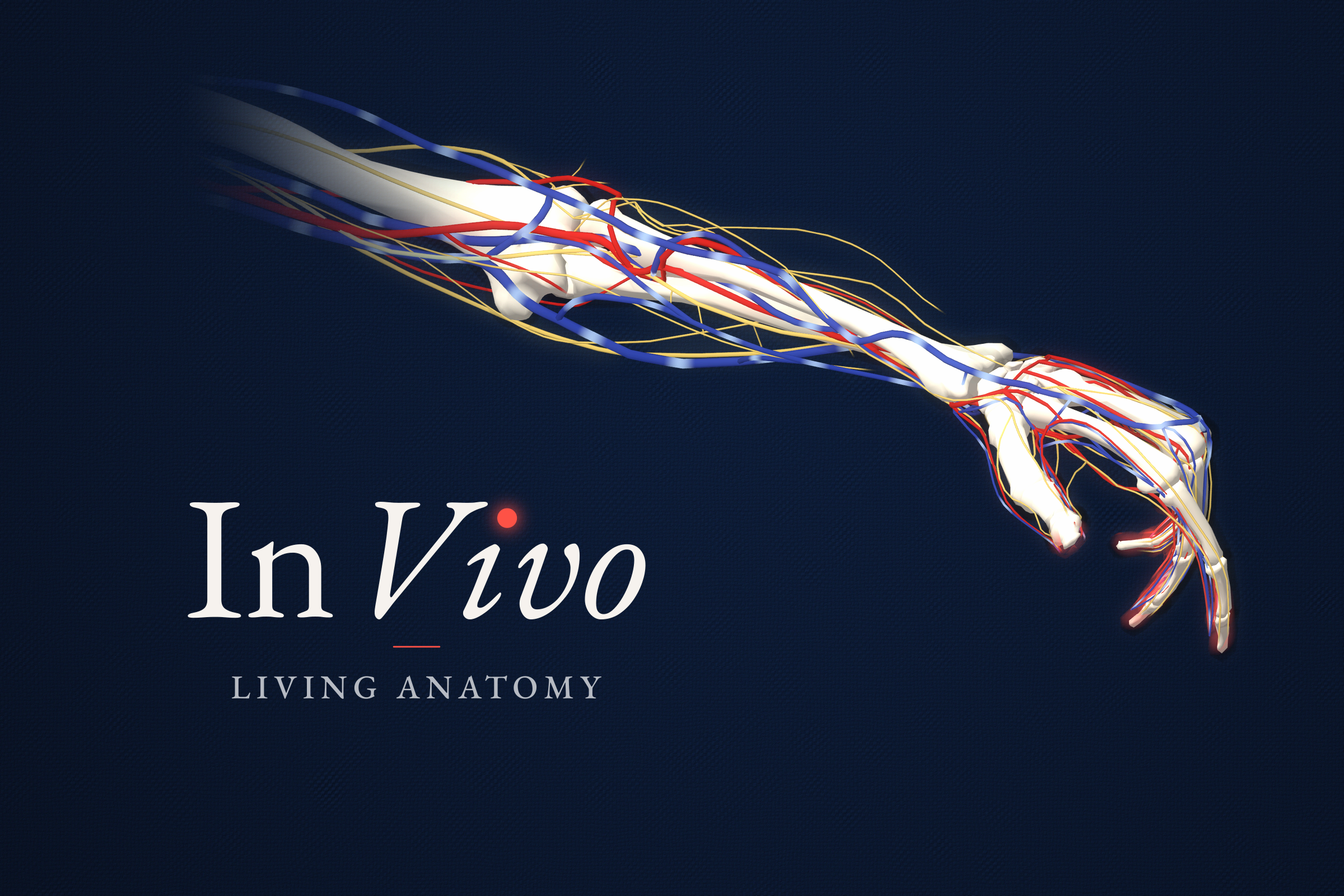
In Vivo is a documentary about your living body, in mixed reality. Using the headset's hand and body tracking, it lays anatomy over your own arms in passthrough: bones, muscles, tendons, blood vessels and nerves that move as you move. A narrator guides you through the episode, which explores how you move: how muscles pull on bones, how your heart and lungs keep them supplied, and how nerves tell a muscle when to tighten. Simple asks, like making a fist, let you drive what you're seeing. An Explore mode is also included, which lets you see the different views used in the episode at your own pace. In Vivo is planned as a series, and the core of this submission is a pilot episode.
How we built it
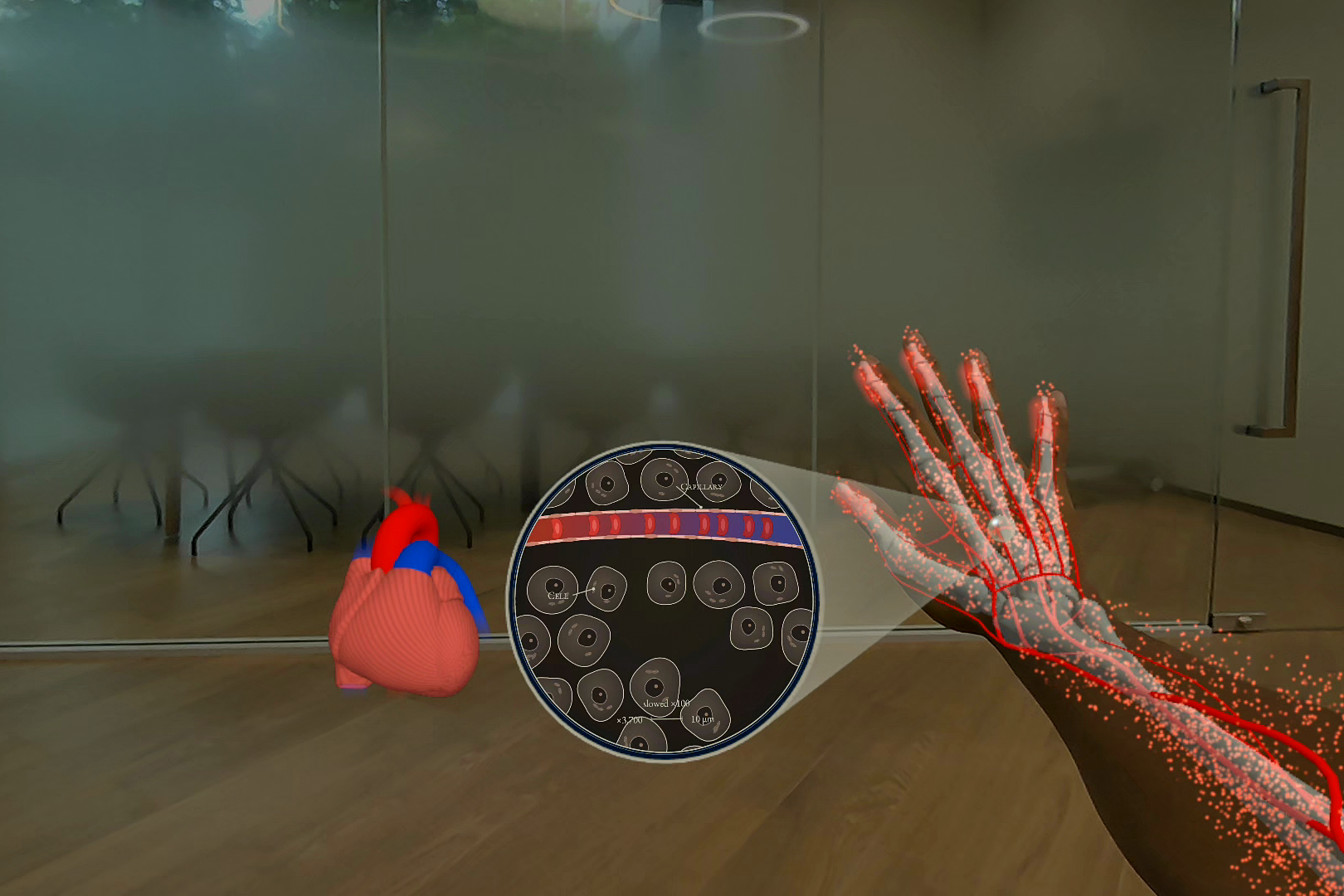
The anatomy comes from Z-Anatomy, a free and open-source human anatomy atlas. With that as the foundation, I directed AI agents through the work of rigging anatomical structures to your tracked hands and arms, modelling muscles and tendons as lines of force that wrap the bones. Getting the anatomy to sit true on a moving arm took many iterations. The harder part turned out to be the story: weaving a compelling narrative for the episode and building views that tie each explanation to your own body. Examples of these views include a magnifying lens projected from your palm that shows what happens at the scale of cells, and a heart whose every beat you can watch arrive as a pulse in the arteries of your arm.
Challenges we ran into
In playtests, people quickly became fixated on how cool their hands looked with all the systems overlaid, and lost the thread of the story. Managing attention became the key design challenge. To help mitigate this, I made the heads-up content richer and more visually connected to your body, so that following the explanation and looking at your arm are the same thing.
Accomplishments that we're proud of
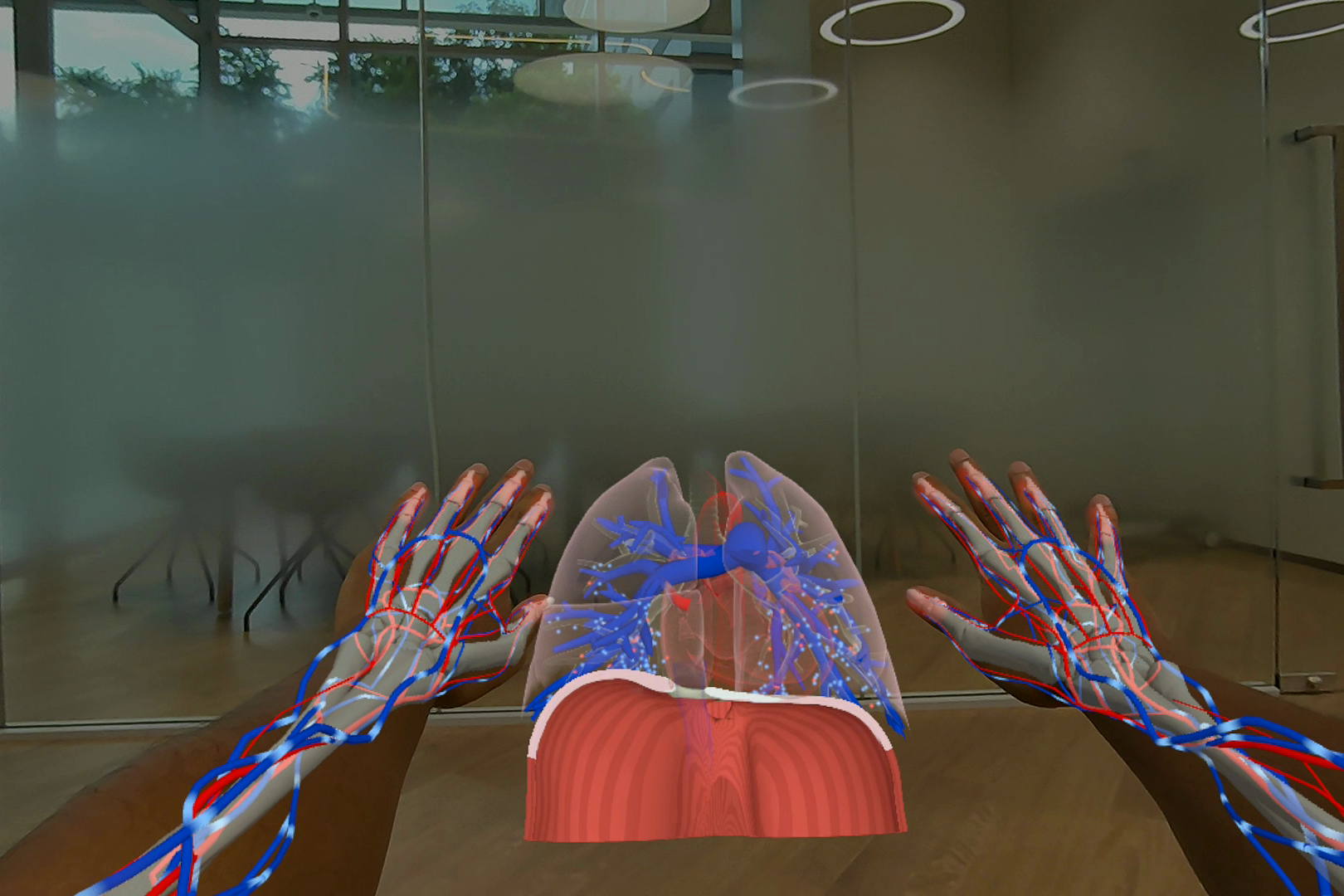
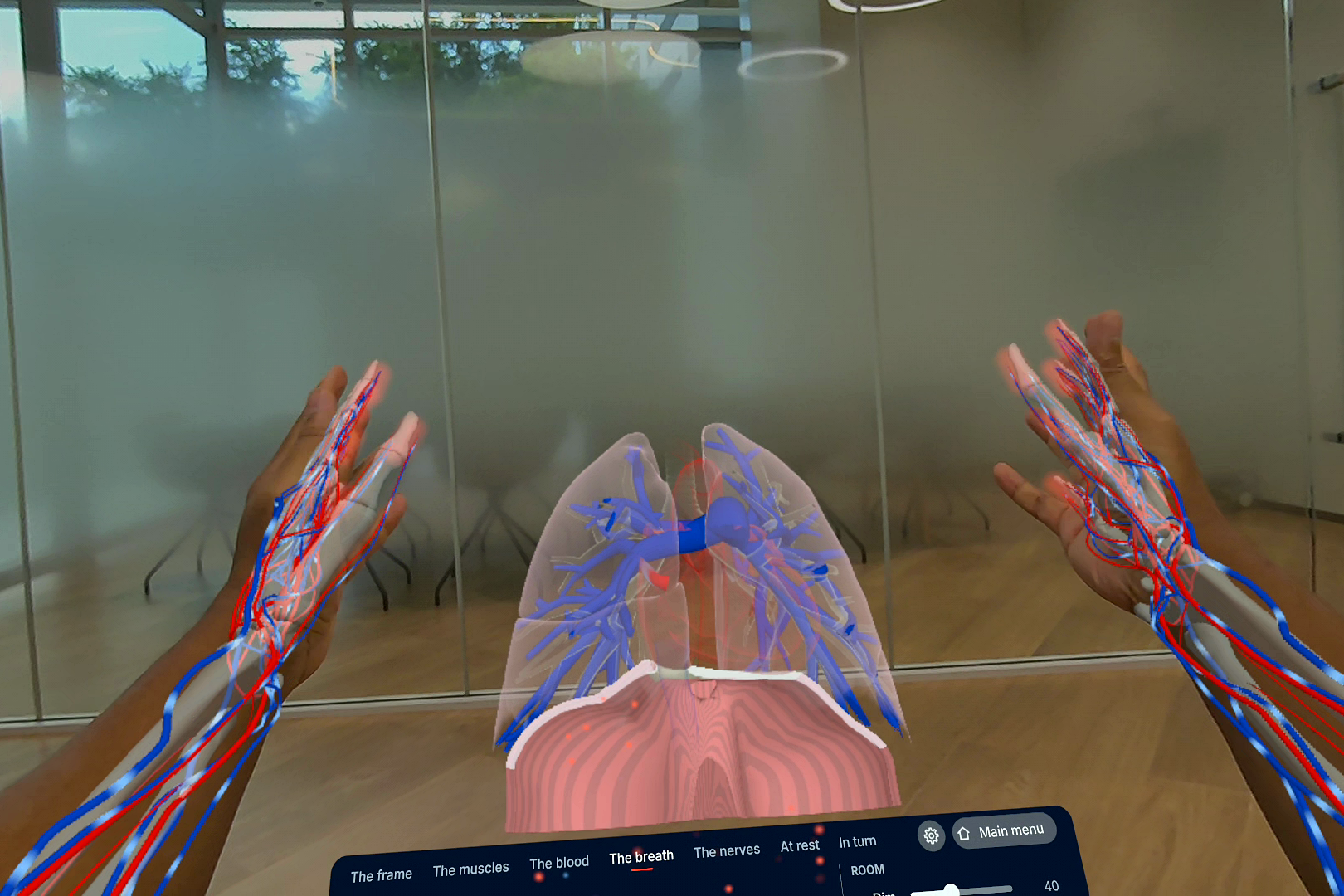
The anatomy holds up when you move. Turn your wrist, spread your fingers or curl them closed, and the bones, tendons and muscles underneath follow closely enough that people stop testing it and start watching. The views that tie each explanation to your own body work the way I hoped. A lens projected from your palm shows what happens at the scale of cells. As the diaphragm draws down, you see air stream in past your own face and fill a pair of lungs in front of you, then leave the same way. There's room for many more of these. I'm also proud of the episode itself. Writing a story that explains real physiology in a few minutes, with light asks like making a fist to keep you involved, took many drafts, and I'm happy with where it landed.
What we learned
I don't have a background in anatomy, and I wanted the content to be accurate, so working on this project meant learning a great deal about the subject matter of human anatomy and physiology. That includes where each muscle attaches, how oxygen crosses a capillary wall and how a nerve tells a muscle to tighten. Part of the fun of making this kind of thing is how much there is to learn.
What's next for In Vivo: Living Anatomy
The pilot covers one story, how you move, told through your hands and arms. The same approach can go much further. Each episode can take one question about your body and answer it on your body: how you breathe, how you feel touch, how you heal. The heart, lungs and brain already appear in the pilot as supporting views, and each one could carry an episode of its own. Longer term, I'd like In Vivo to grow into a full series about your own living body.