-
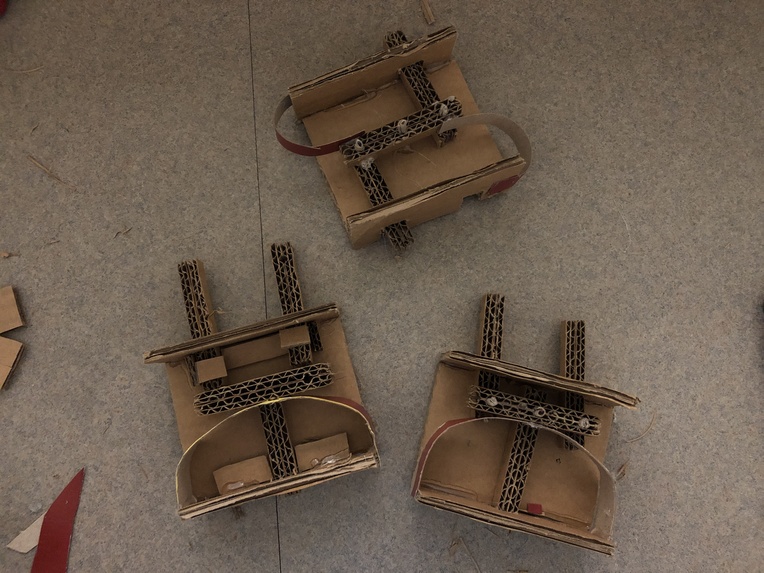
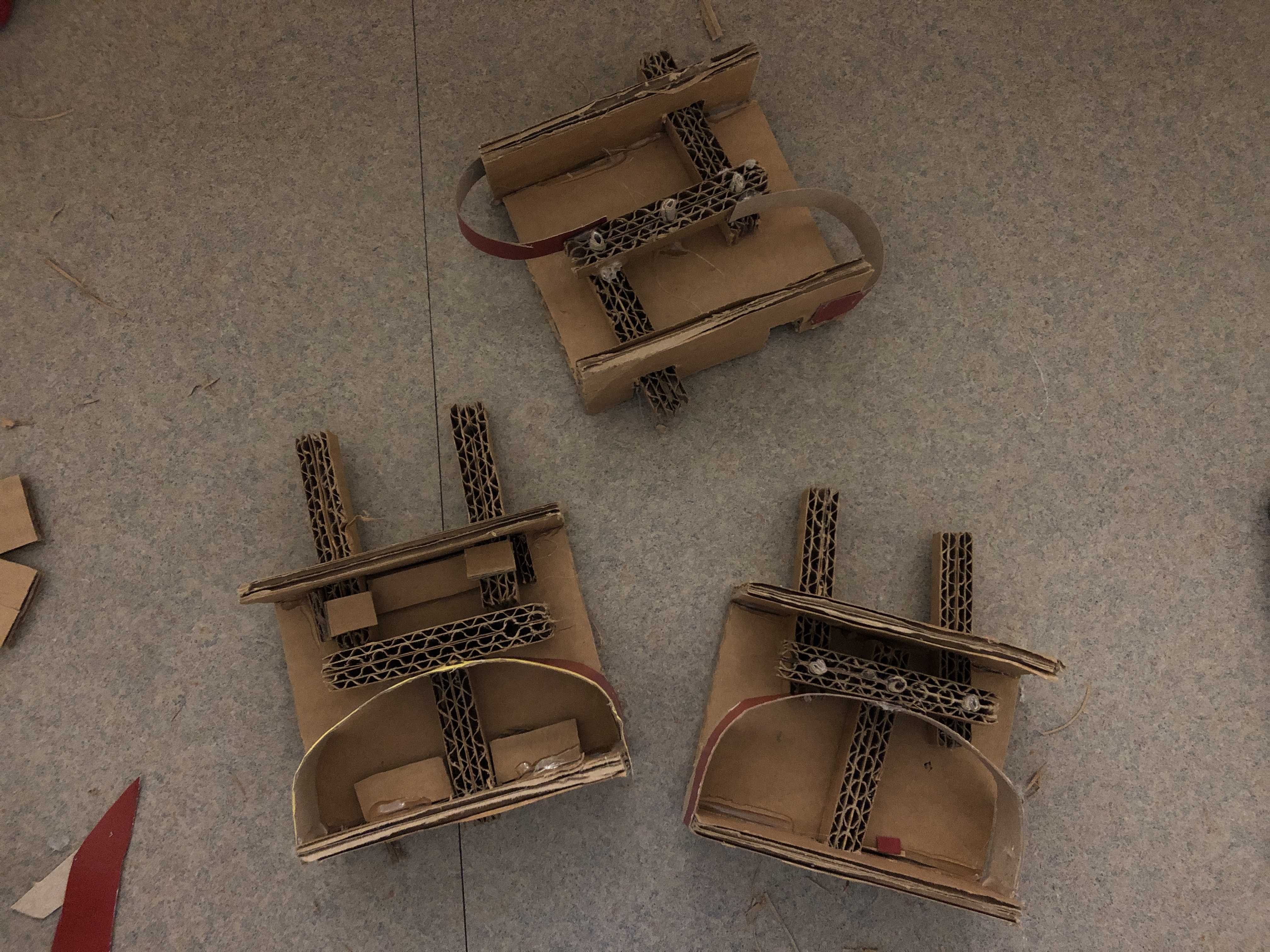
Original gate collection
-
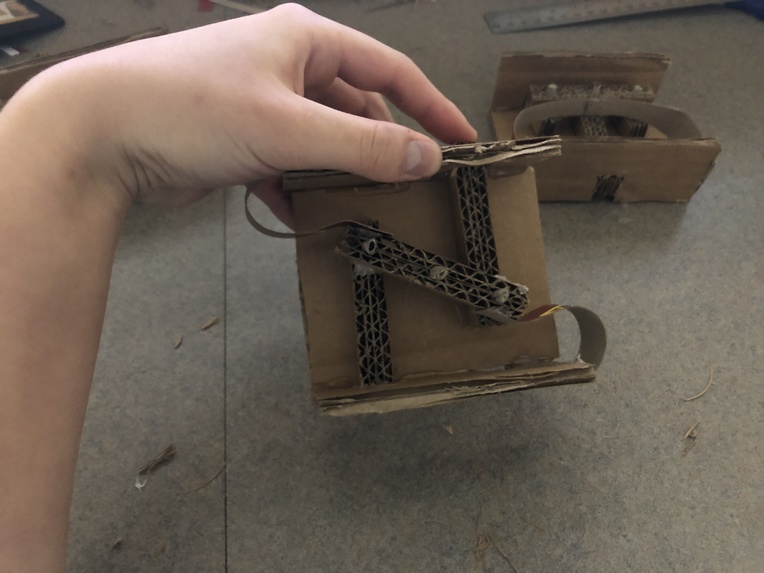
Inverter usage
-
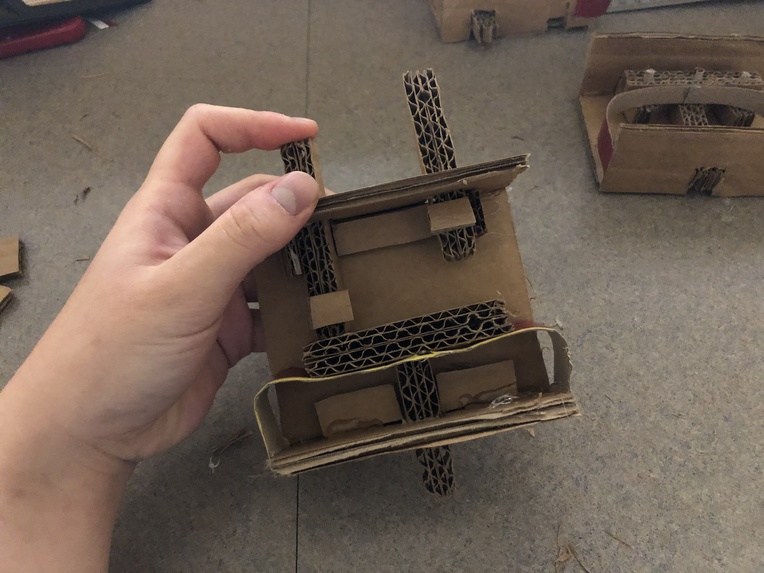
OR gate usage (single active input activates output)
-
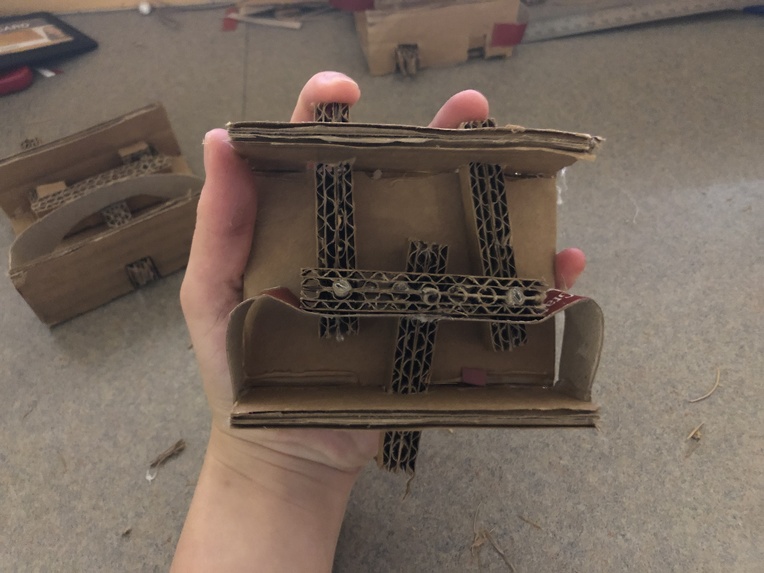
AND gate usage (both inputs need to be active to activate output)
-
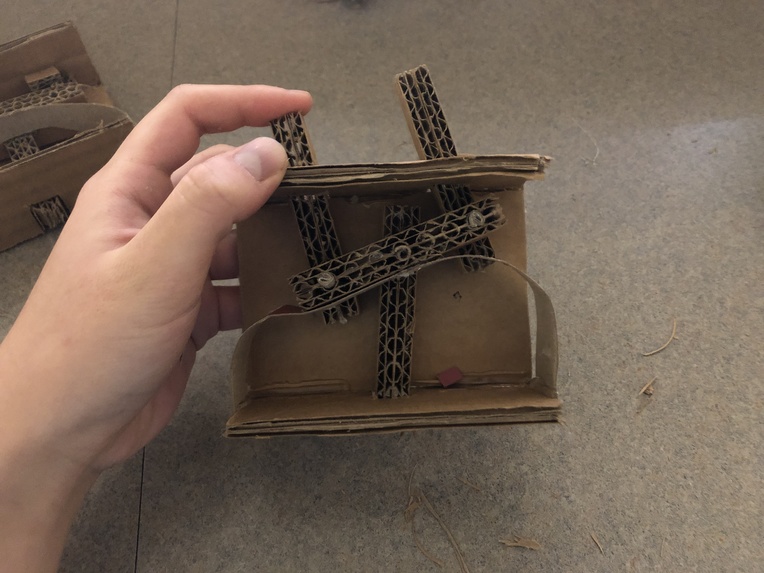
AND gate usage (single active input does not activate output)
Inspiration
There is a severe lack of interactive physical elements for impressionable young minds to use to learn about combinational logic - a foundational concept for learning about how a computer works from the ground up. We decided to disrupt the educational market with our solution, enabling children to understand the basic idea of different logic gates in a fun and interactive way.
Functionality
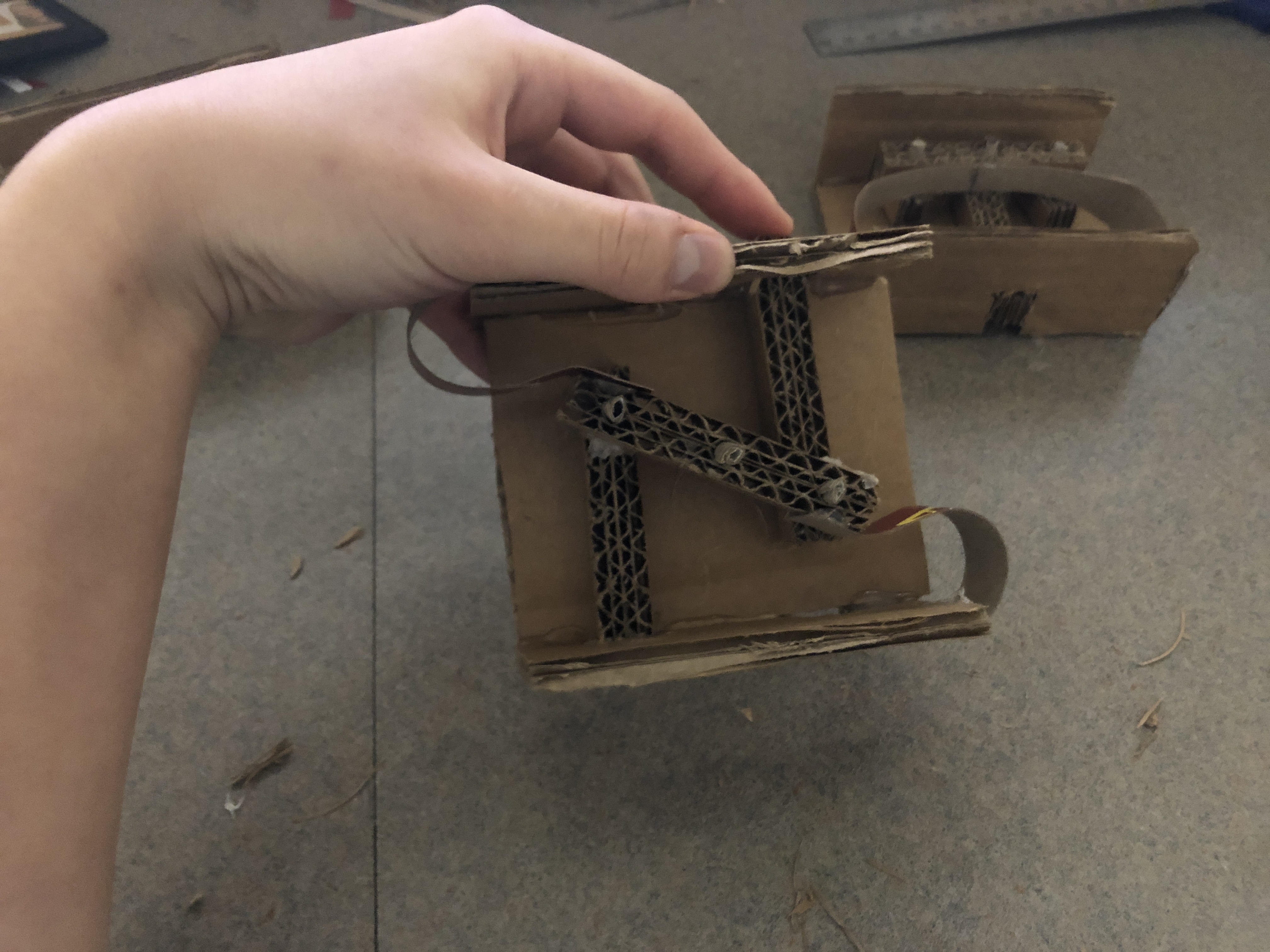
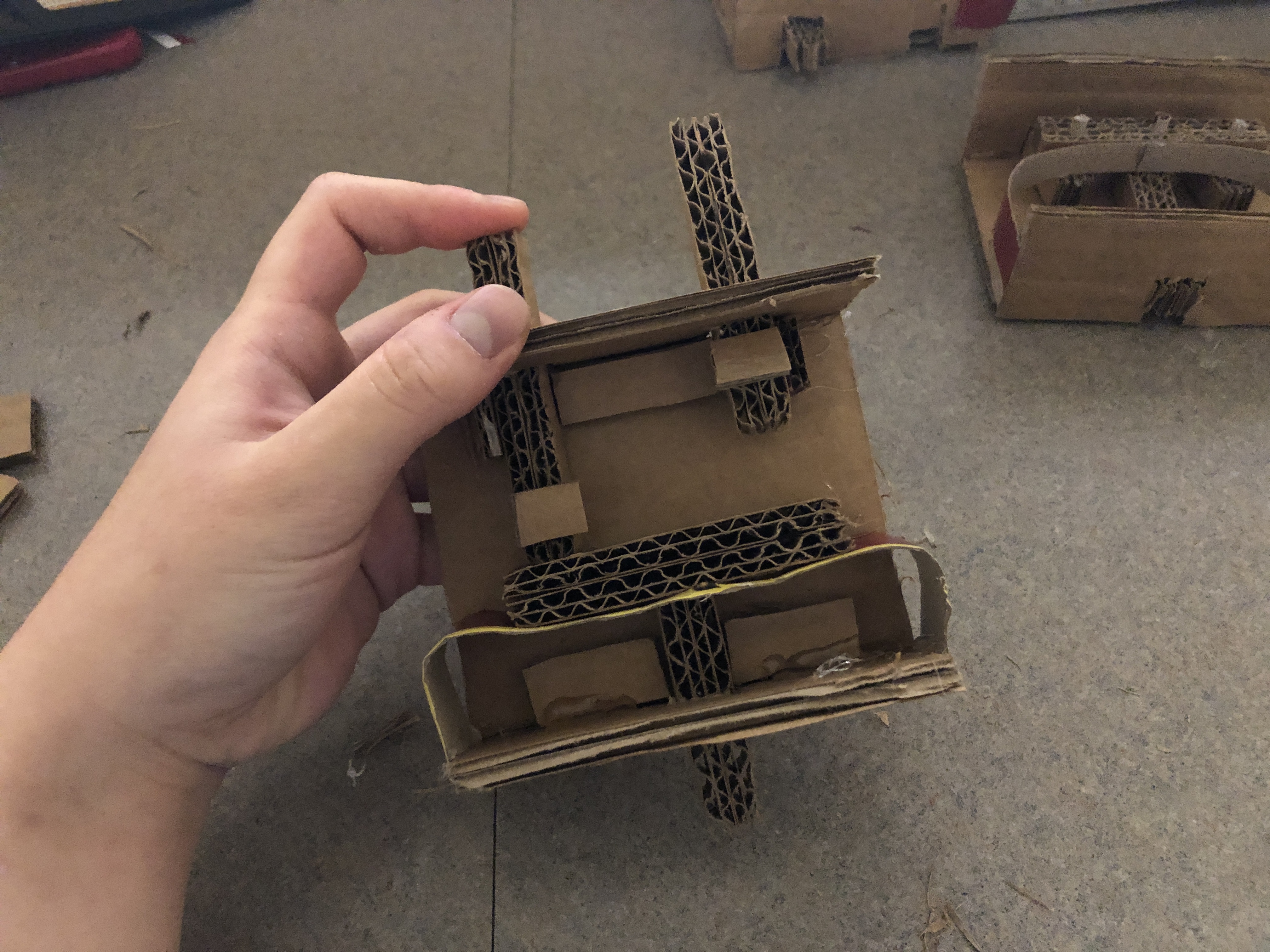
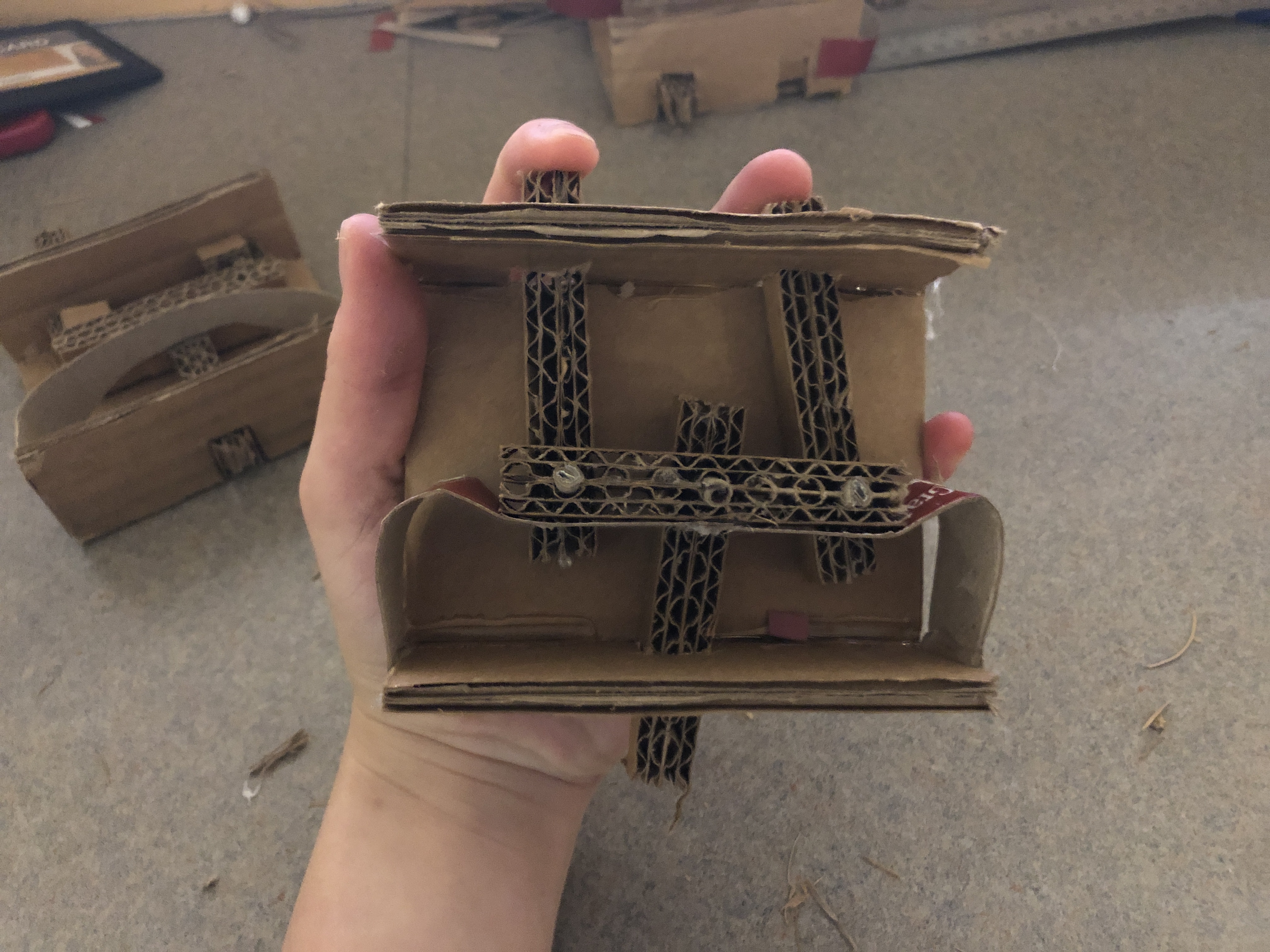
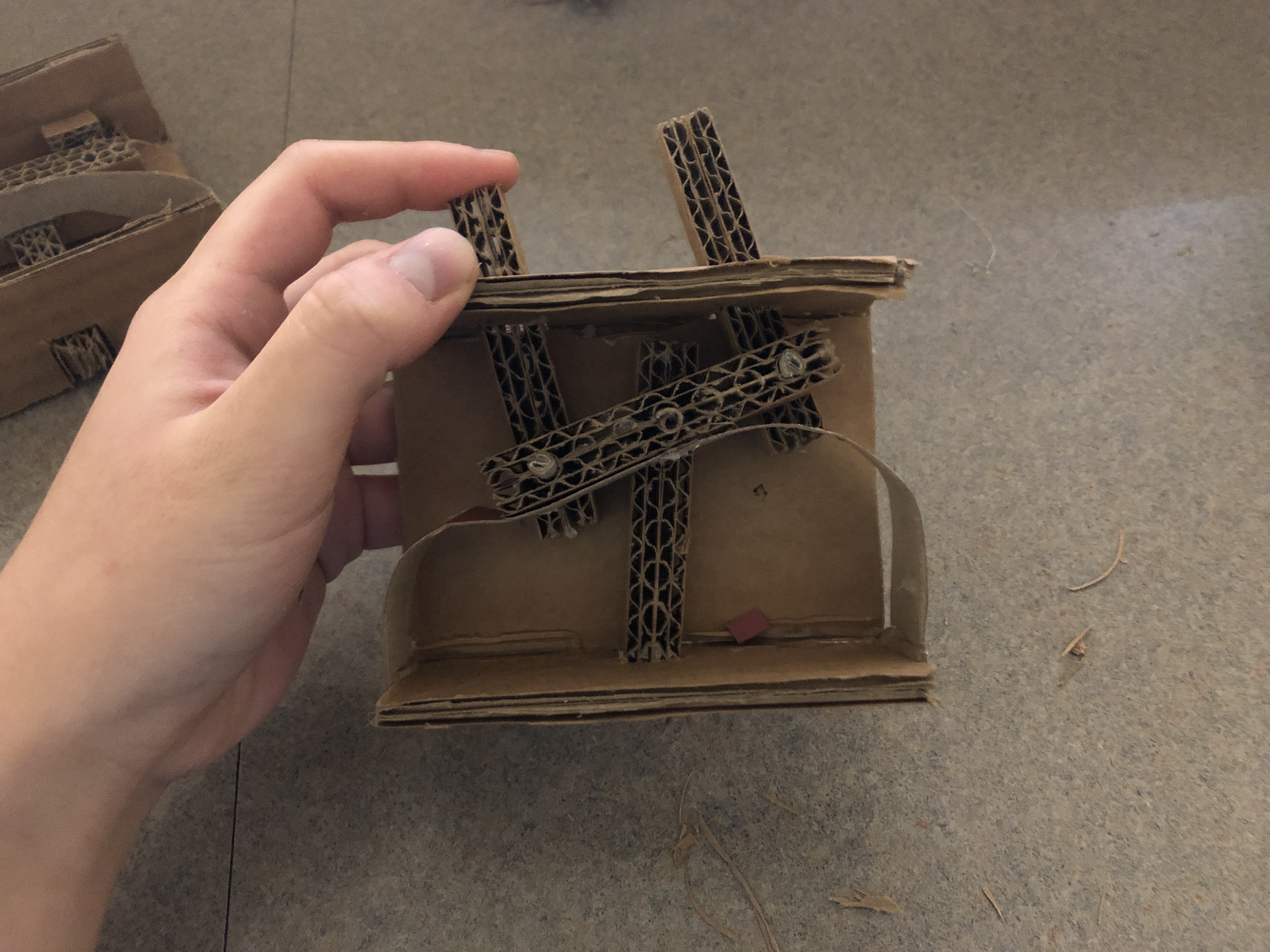
The AND gate requires the user to push the 2 inputs at the same time in order for the output to appear. The OR gate requires at least 1 of the inputs to be pushed for the output to appear. When 1 input of the NOT gate is pushed, the output appears on the opposite side of the gate, representing the inverting behavior.
How We Built It
We leveraged the corrugated texture within adjacent layers of cardboard as fulcrums to connect the input and output cardboard elements together. We applied fundamental mechanical principles to our design.
Challenges
Creating a spring mechanism for the output to appear smoothly was quite the challenge. We experimented with a folding method for a spring, but the result was not what we expected. So we decided to go with a simple bending method with a thinner piece of cardboard.
Accomplishments
Successfully recreating the key behaviors of combinational logic gates in a mechanical fashion and allowing users to exercise their creativity in placing the gates in their own order to form a circuit.
Takeaways
The design process benefits from a trial-and-error approach to problem solving. Oftentimes, the process seems more, if not equally, as valuable than the journey.
Next Steps
Developing flip-flops that can remember their state and reset whenever an external mechanical force (e.g. a clock) is applied to the system.
Built With
- cardboard

Log in or sign up for Devpost to join the conversation.