-
-
RFI/RFS
-

Assessment Completed

Inspiration
The growing complexity of PLACI compliance inspired us to create a solution that simplifies the process for air cargo carriers. With multiple jurisdictions requiring different message formats and data models, carriers face challenges in integrating and tracking their filings efficiently. We saw the need for a unified approach that automates compliance, ensures real-time visibility, and reduces manual work. PLAC-One was built to provide a seamless and scalable solution to these challenges.
What it does
PLAC1 automates and streamlines PLACI compliance by leveraging IATA’s ONE Record standard. It enables carriers to generate PLACI filings directly from ONE Record data, transforming it into the required format for different regulatory bodies such as ACAS, NAIC, and ICS2. The system also retrieves responses from authorities and maps them back into the ONE Record model, allowing carriers to track filing statuses in real time. With a centralized dashboard, users can monitor submissions, receive alerts on rejected filings, and ensure smooth compliance operations.
How we built it
PLAC1 is built using the ONE Record standard, which provides a unified data model for seamless data exchange. The system generates PLACI messages by mapping standardized shipment data to the specific formats required by different regulatory authorities. API integrations allow for automated submission of filings and retrieval of responses. These responses are converted back into the ONE Record format, ensuring a consistent and structured approach to compliance tracking.
Challenges we ran into
One of the main challenges was handling the varying requirements of different PLACI initiatives. Each regulatory system has its own data model and messaging structure, which required precise mapping to ensure compliance. Additionally, integrating responses from these systems back into ONE Record while maintaining data integrity was a complex task.
Accomplishments that we're proud of
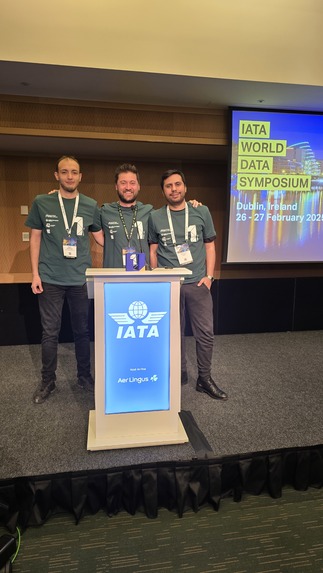
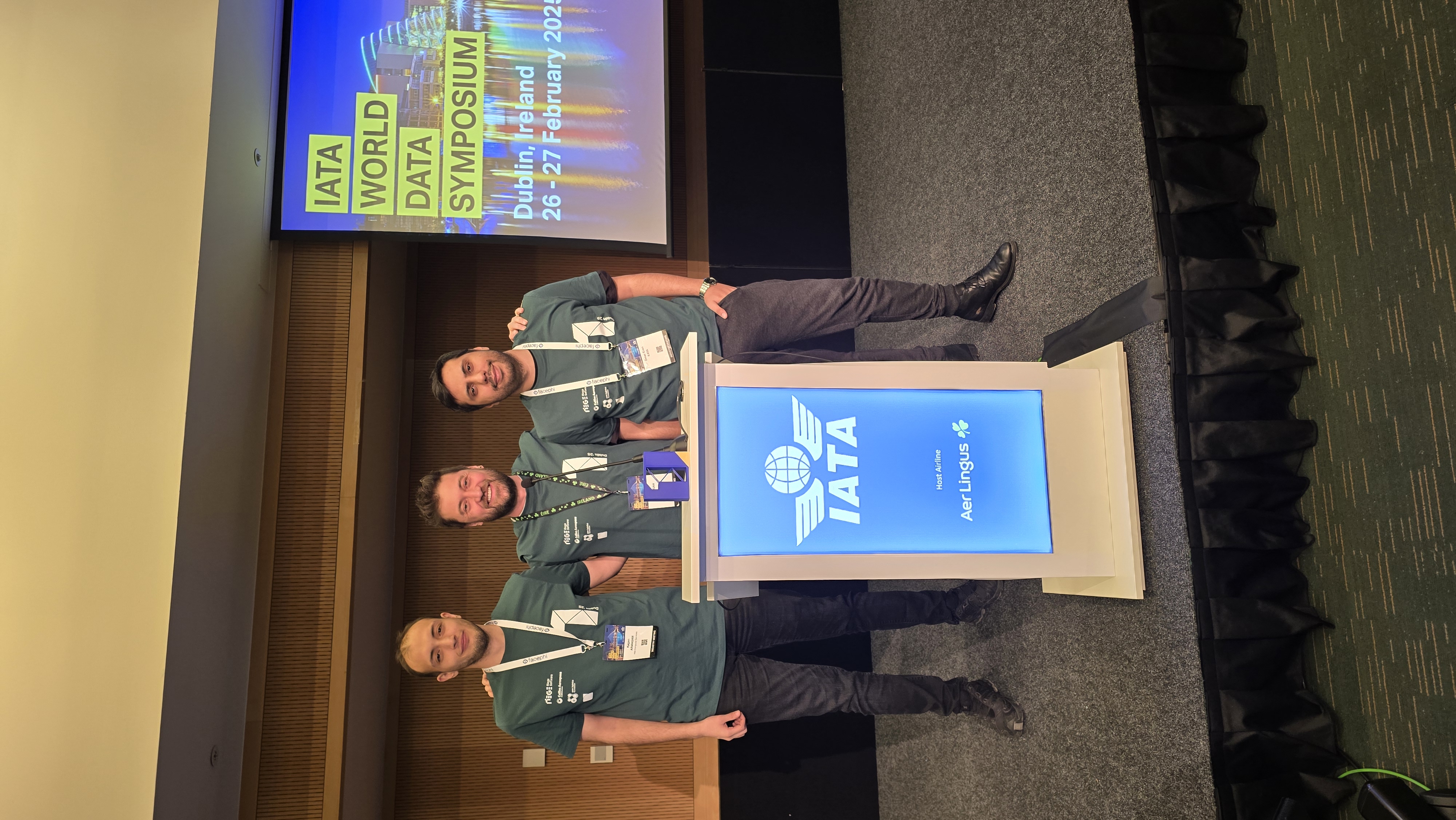
Another accomplishment we’re proud of is successfully developing PLAC1 with a smaller team than our previous hackathon project. Despite having fewer team members, we optimized our workflow, divided tasks efficiently, and maintained strong collaboration to ensure steady progress. This challenge pushed us to work smarter, streamline development, and focus on the most impactful features. Completing a complex solution like PLAC1 with limited resources highlights our ability to adapt, problem-solve, and deliver under pressure.
What we learned
Through the development of PLAC1, we gained a deeper understanding of the challenges surrounding regulatory compliance in air cargo. We learned how important a standardized data model is in reducing complexity and ensuring smooth integrations with different authorities. Additionally, we strengthened our skills in API development, data transformation, and compliance automation.
What's next for PLAC1
Moving forward, we aim to expand PLAC1’s capabilities by integrating additional PLACI initiatives, such as those planned for Canada and the UK. The goal is to create a fully adaptable platform that evolves with regulatory changes, ensuring long-term compliance for carriers.
Another key development area is leveraging machine learning for compliance optimization. By analyzing historical filing data and regulatory responses, PLAC1 could provide predictive insights to help carriers anticipate issues and improve submission accuracy.


Log in or sign up for Devpost to join the conversation.