-
-
App icon
-
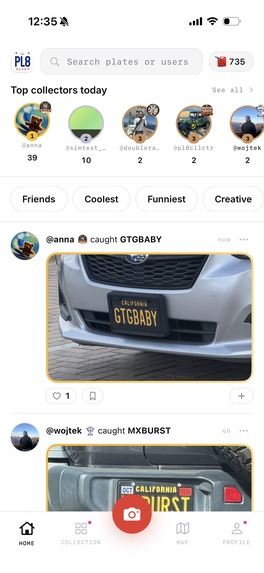
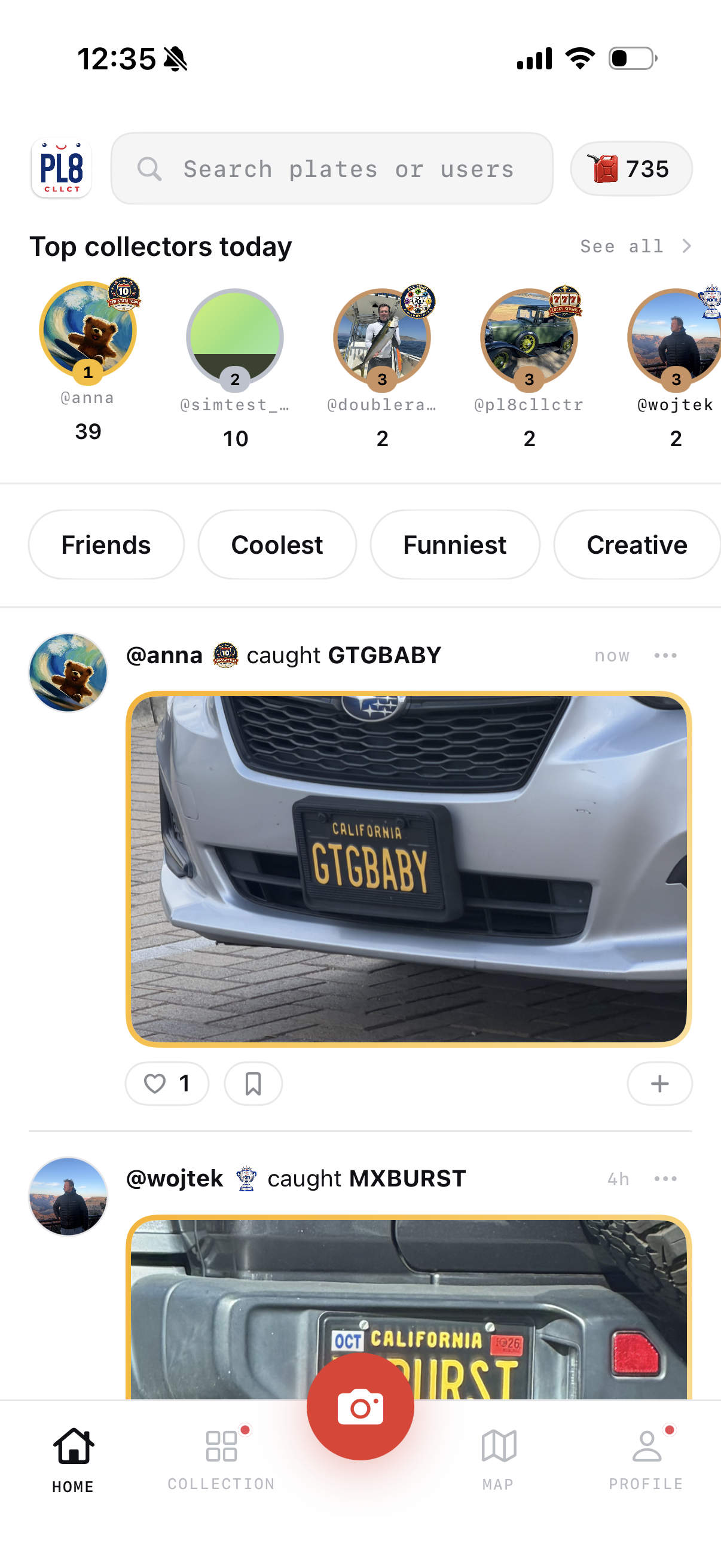
Home page with feed of recent catches and top collectors
-
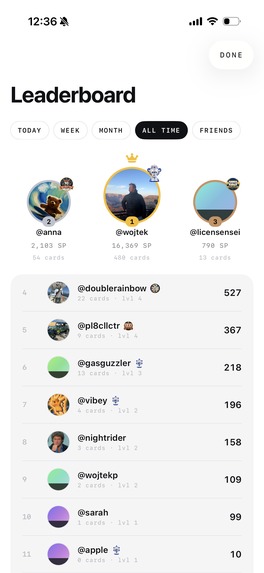
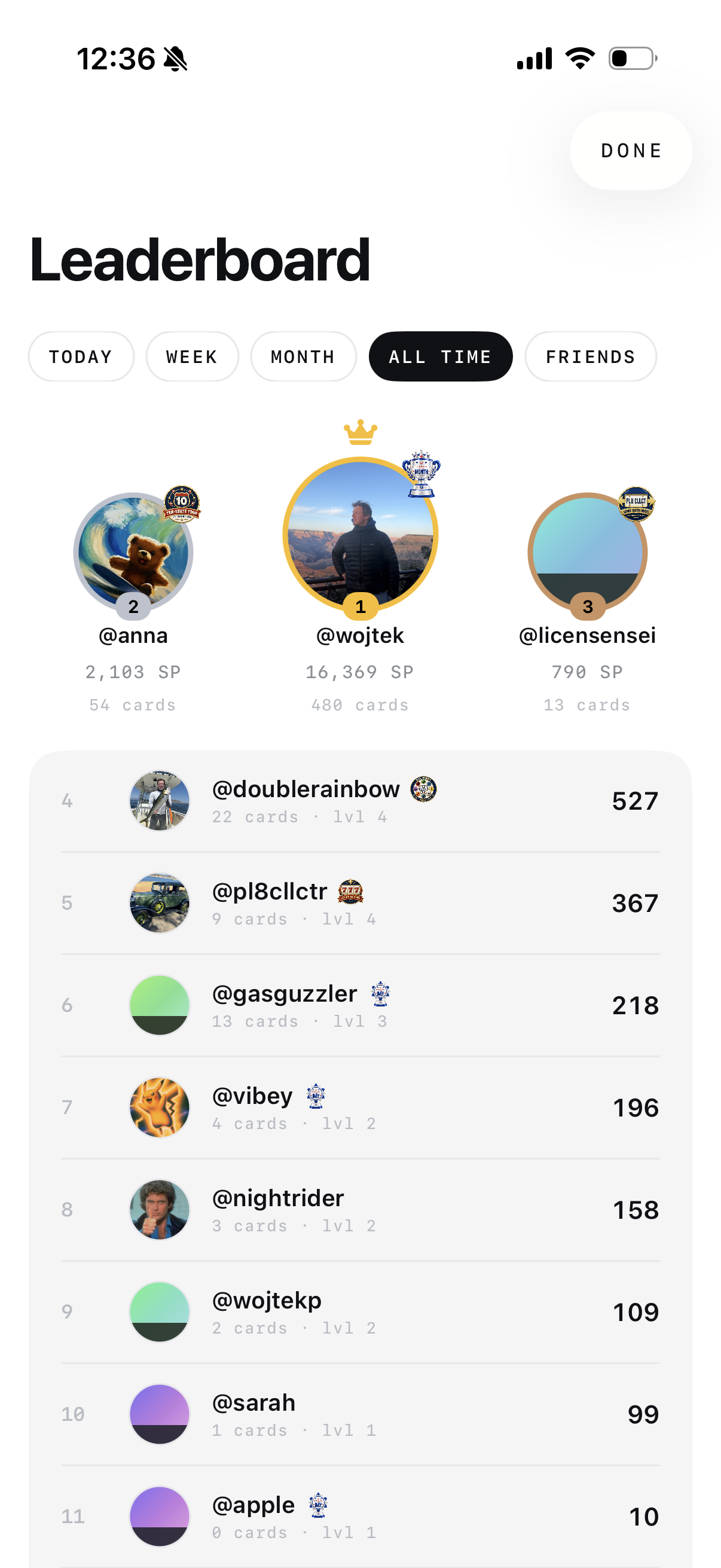
Leaderboards of top collectors
-
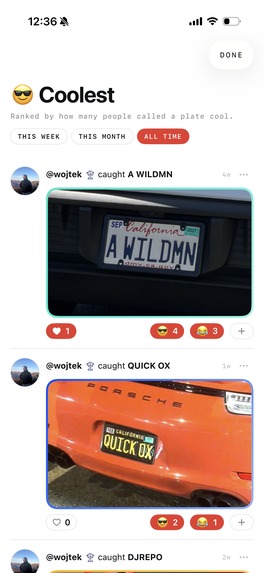
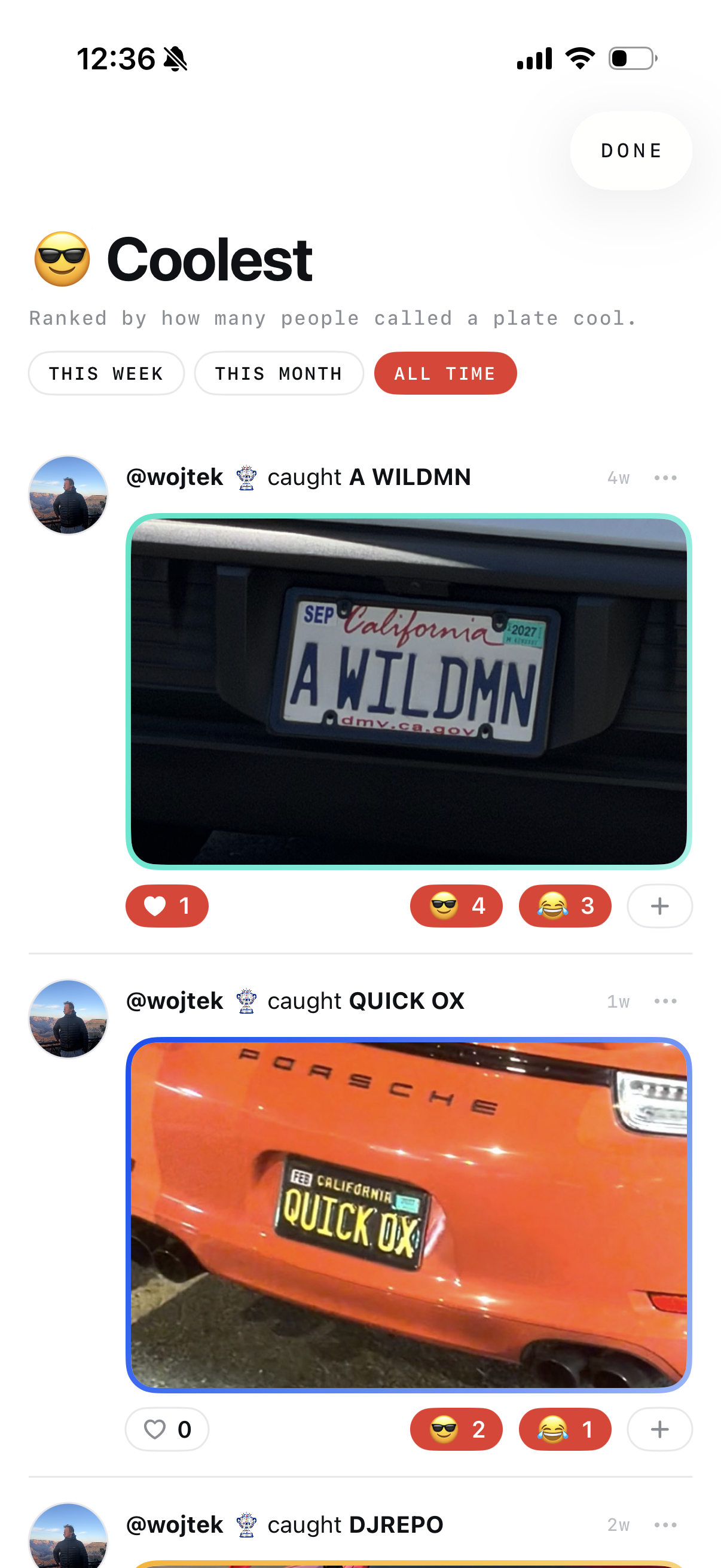
Filter view of coolest plates found by all collectors
-
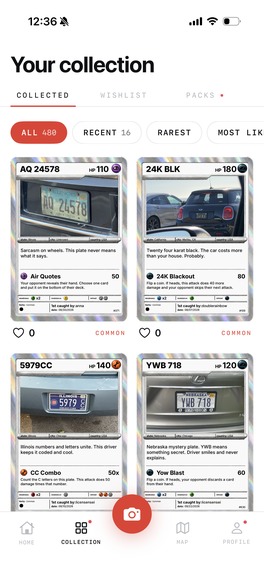
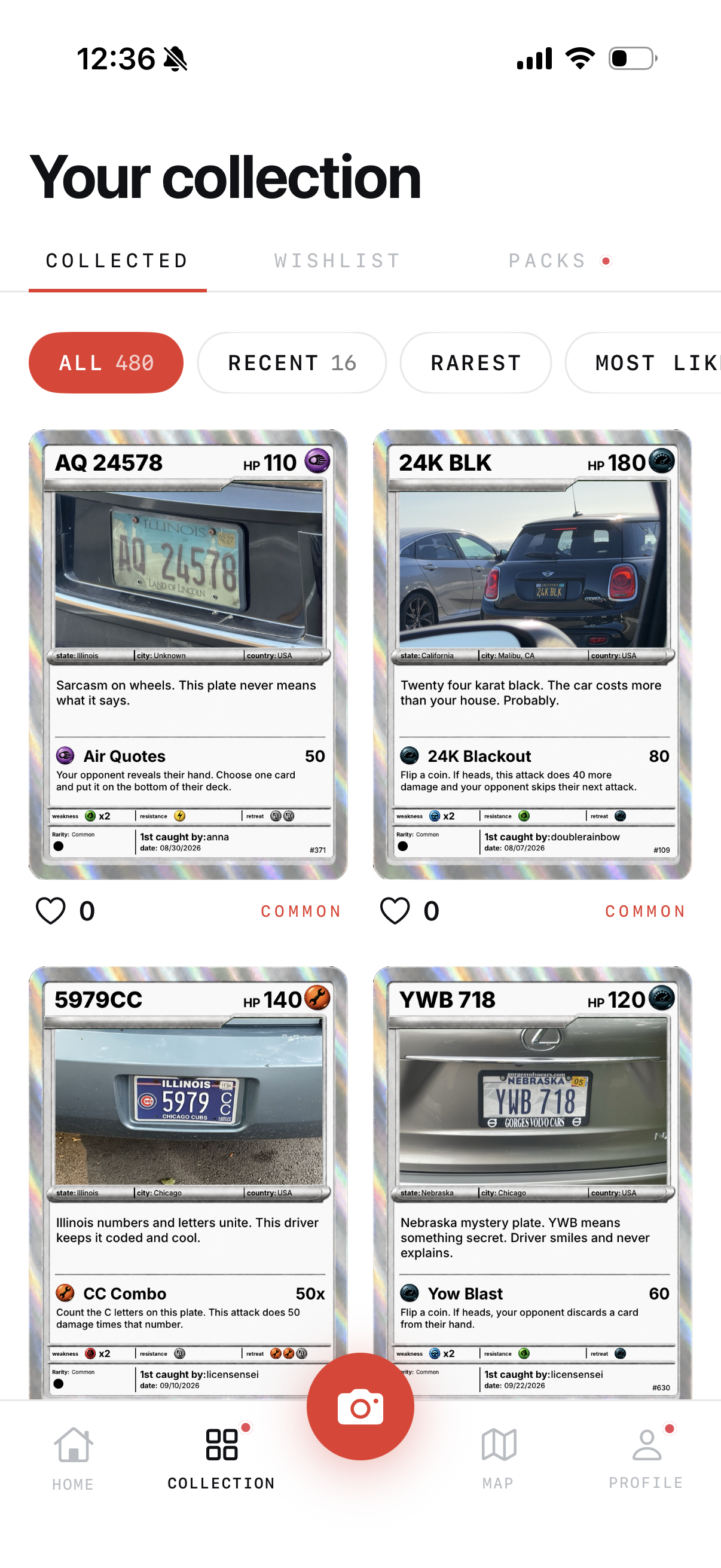
A view of your collection
-
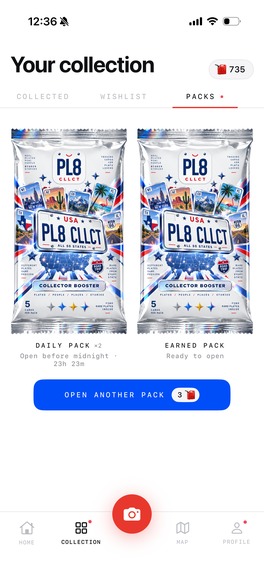
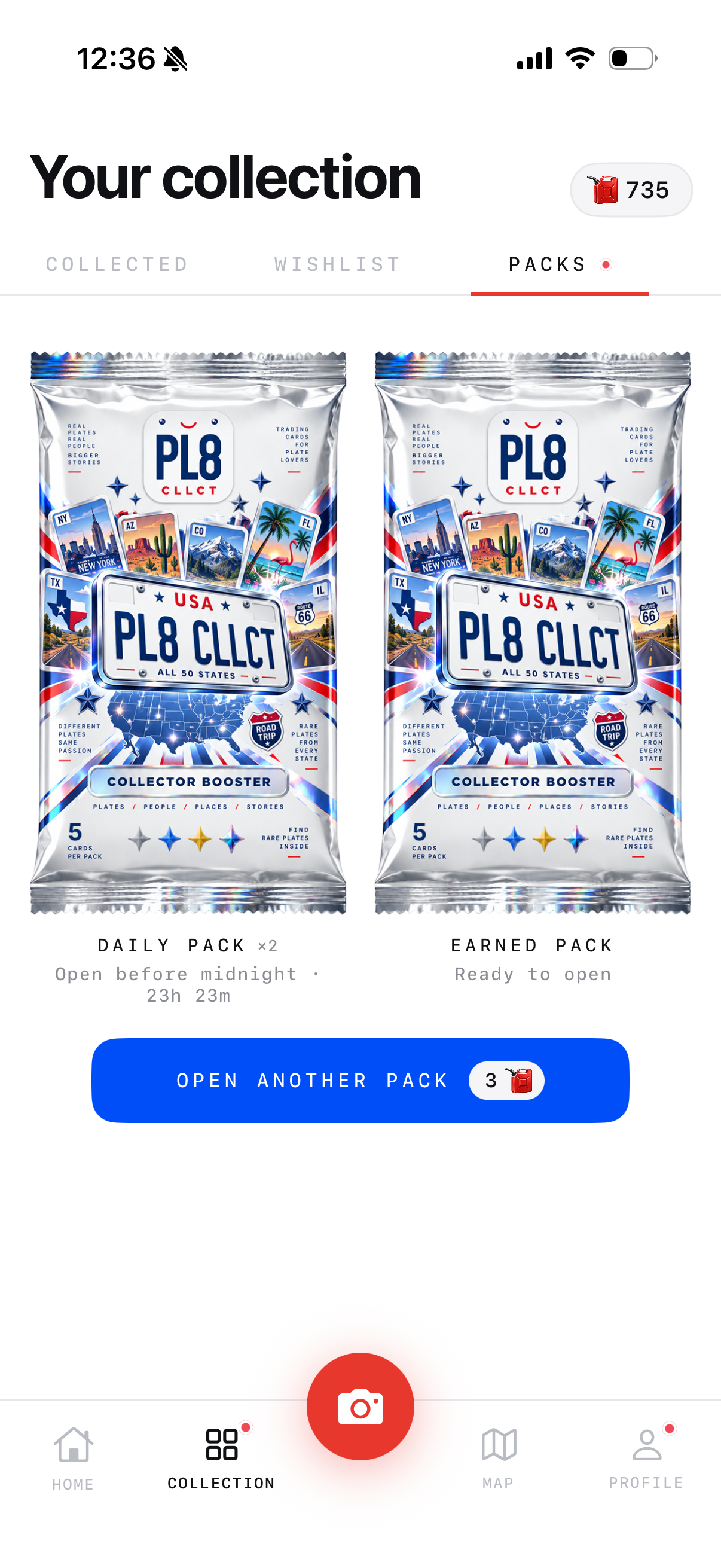
Screen from which to open a collector pack
-
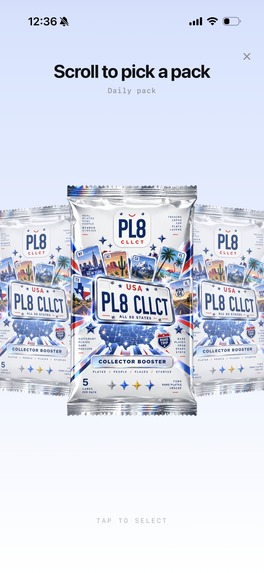
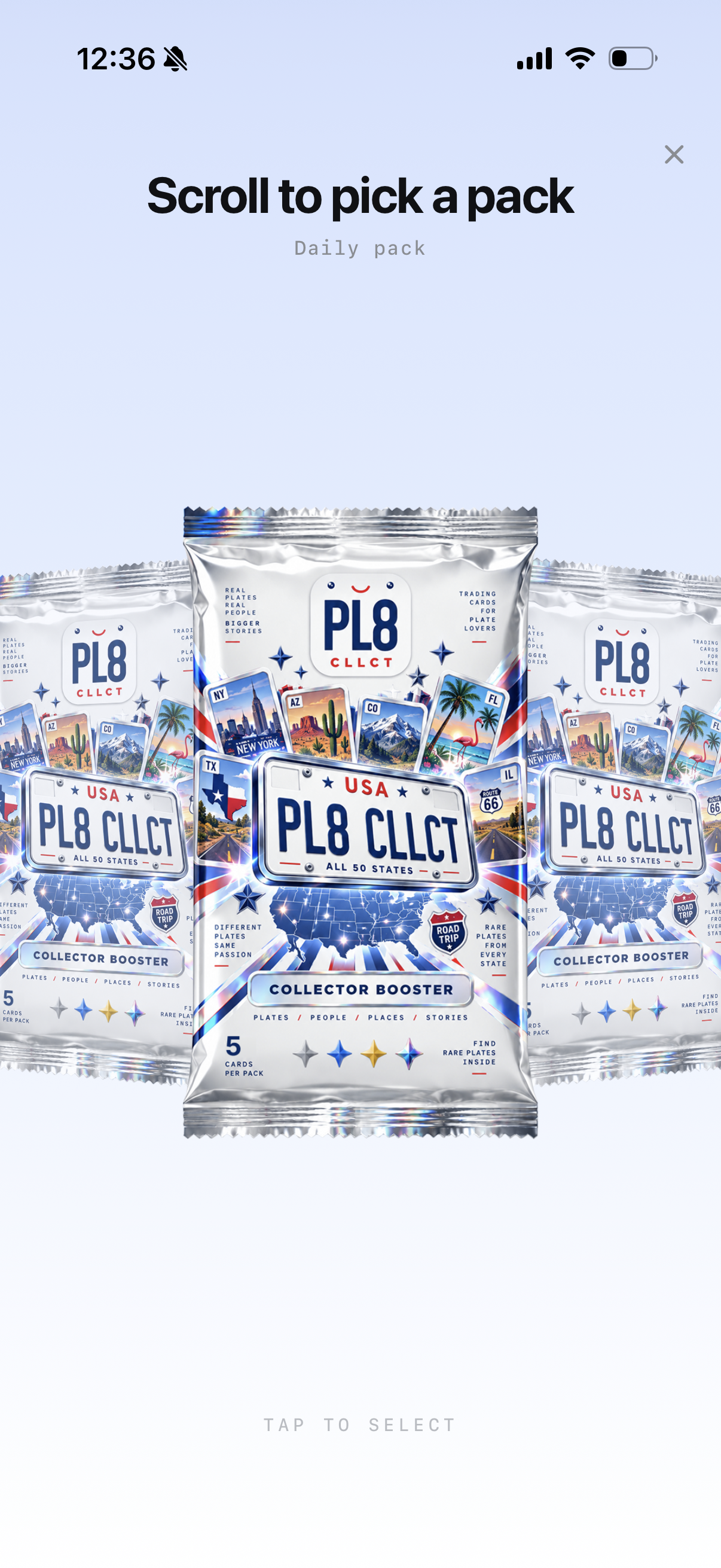
Screen to scroll and pick a random pack
-
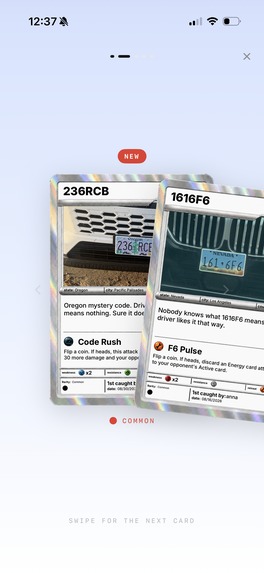
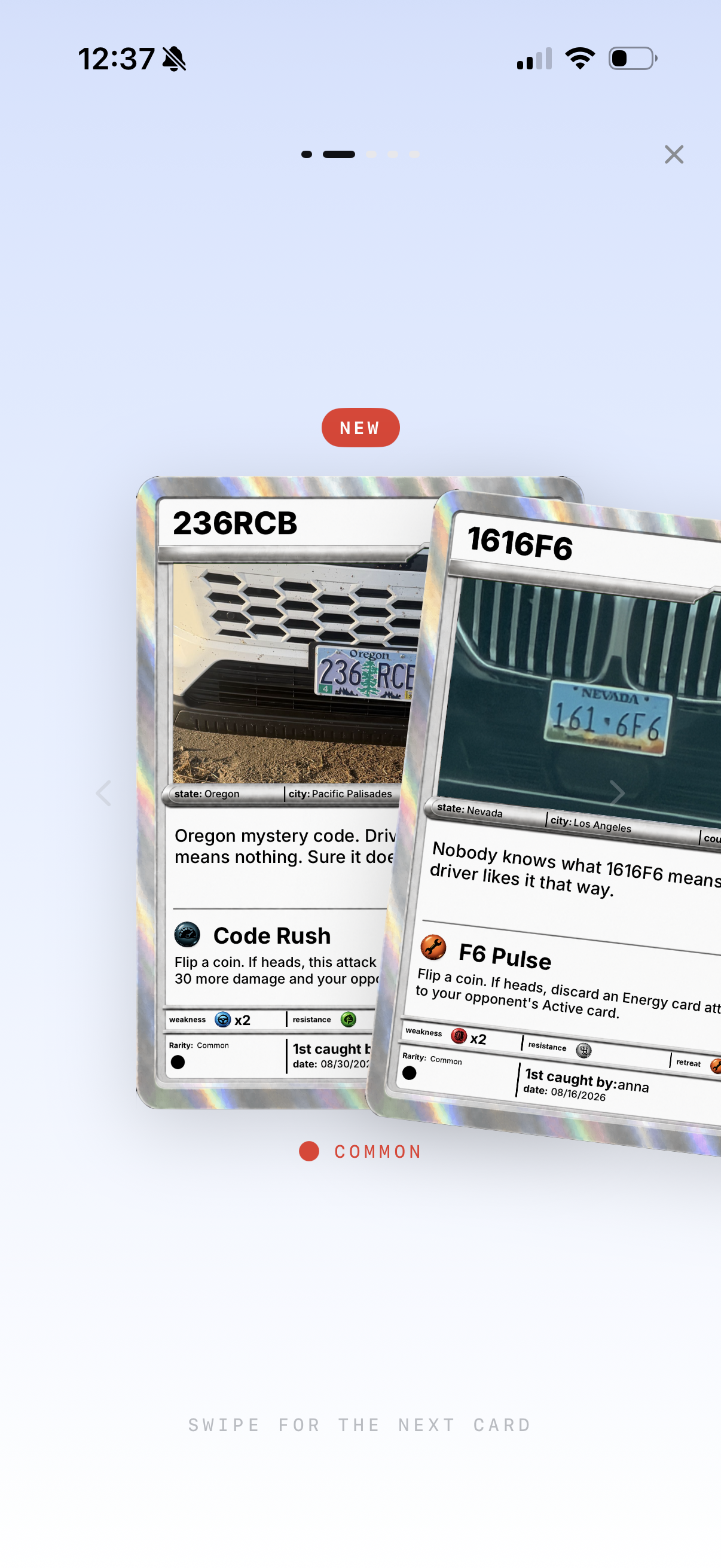
Swiping through cards from the pack
-
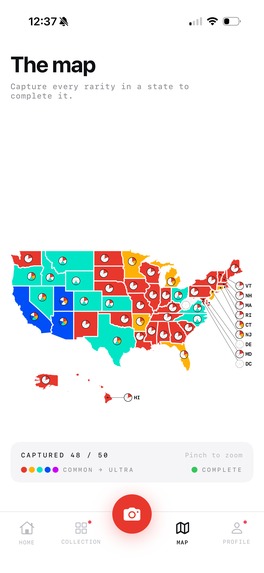
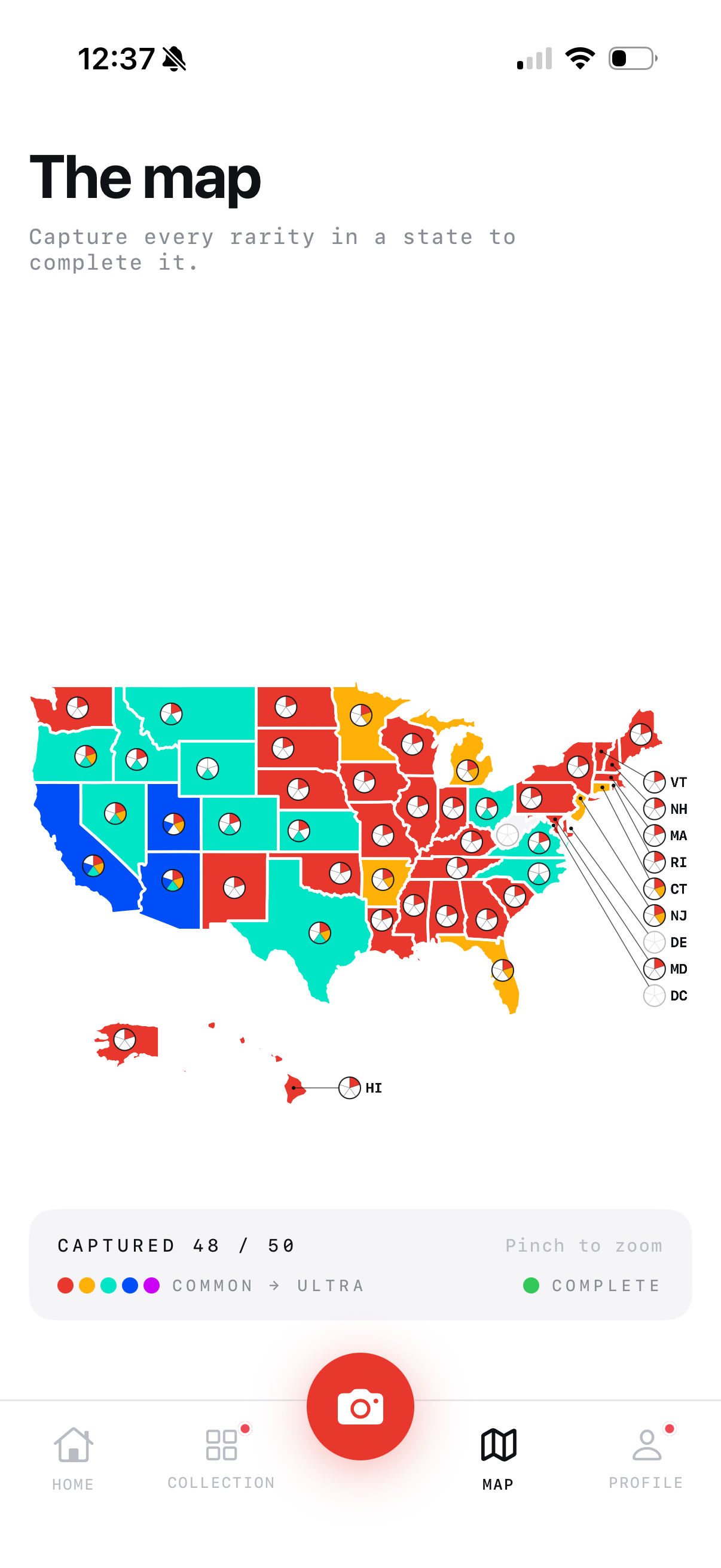
Map of all the states users can "color" by collecting plates from that state
-
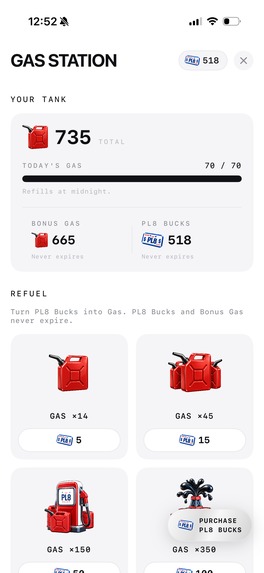
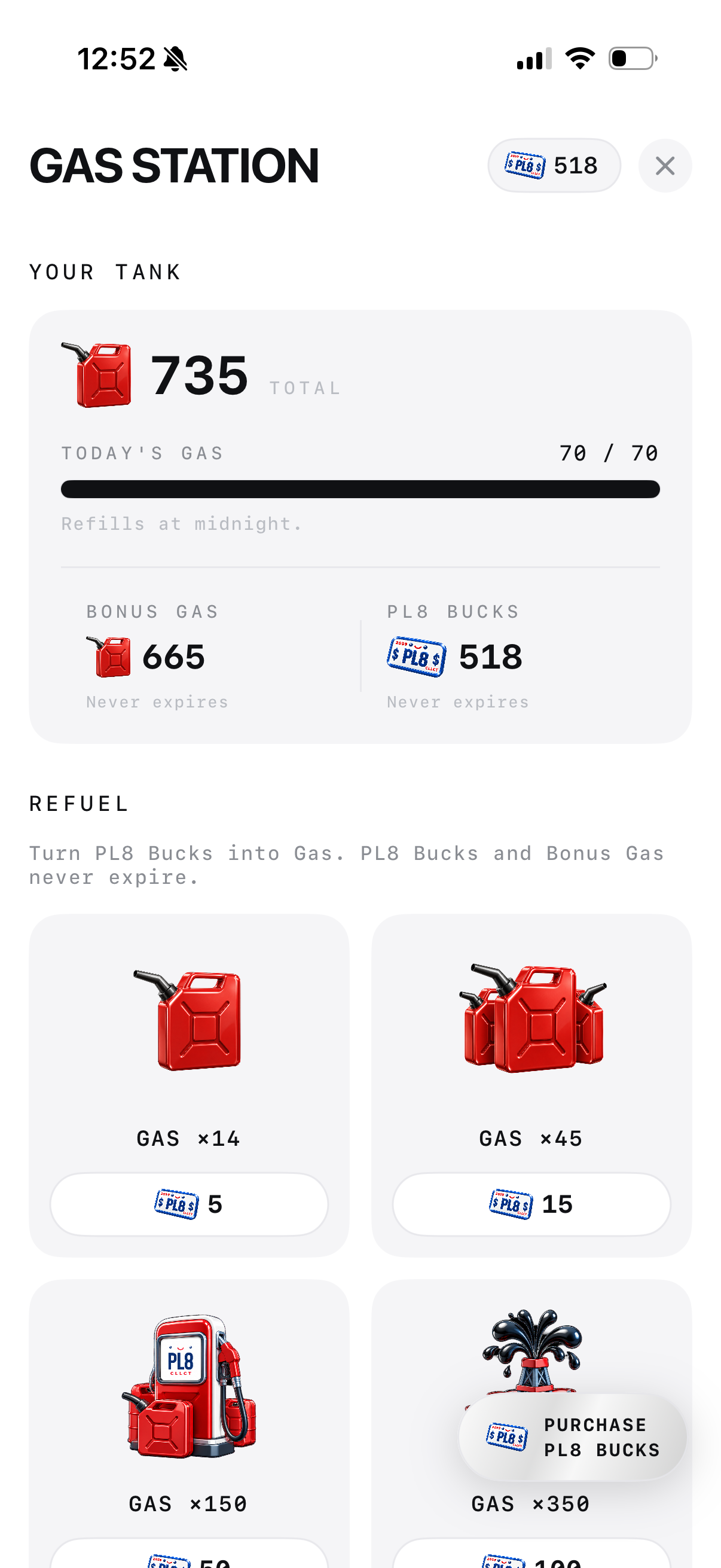
Gas station for buying gas that is used to create cards and open packs
-
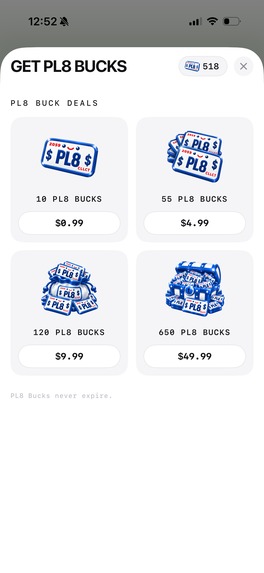
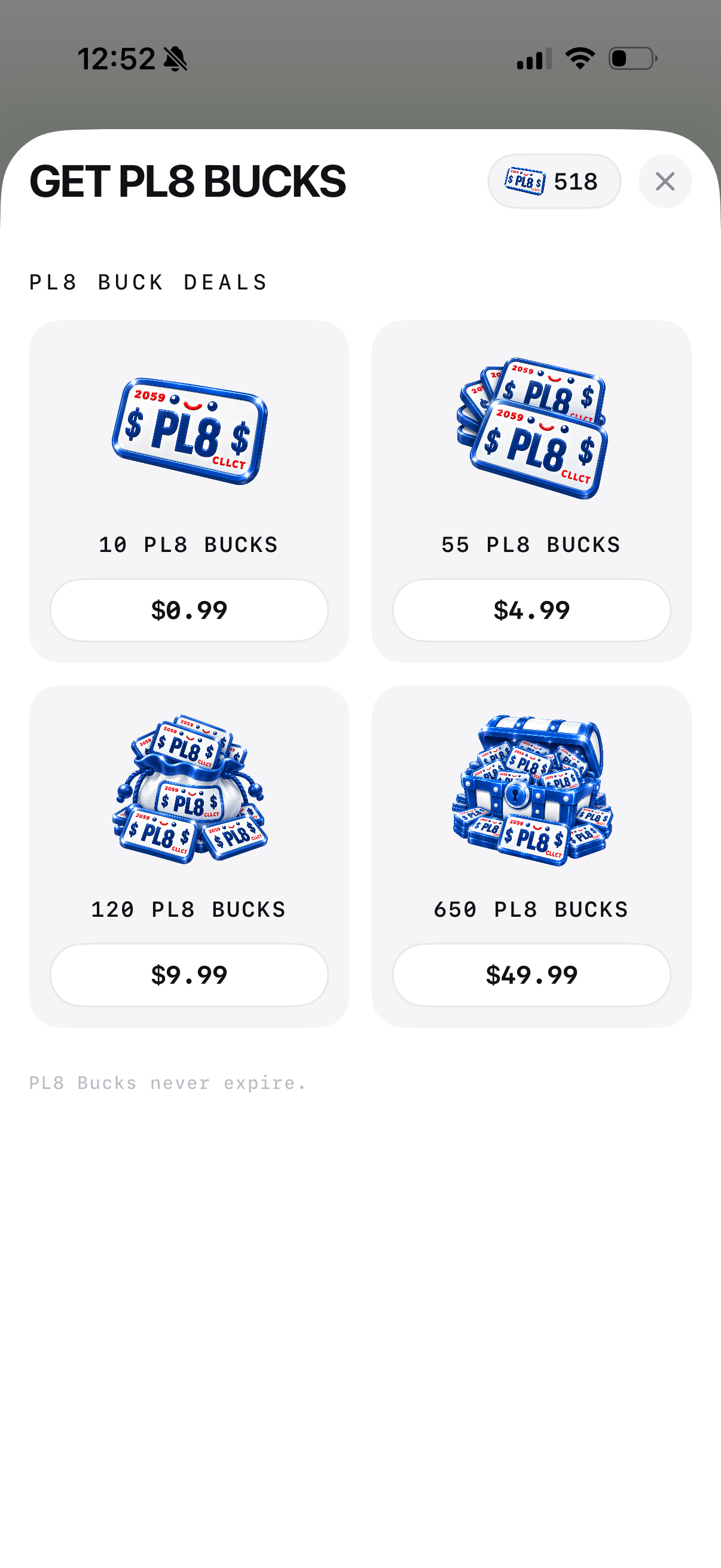
PL8 BUCKS store for buying plate bucks that can be used to buy more gas
-
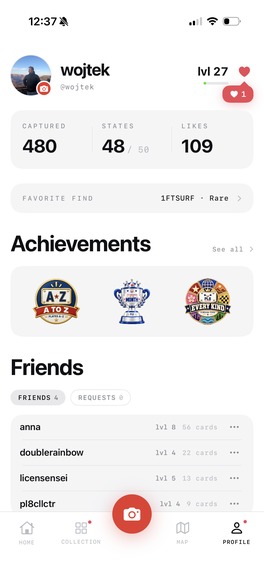
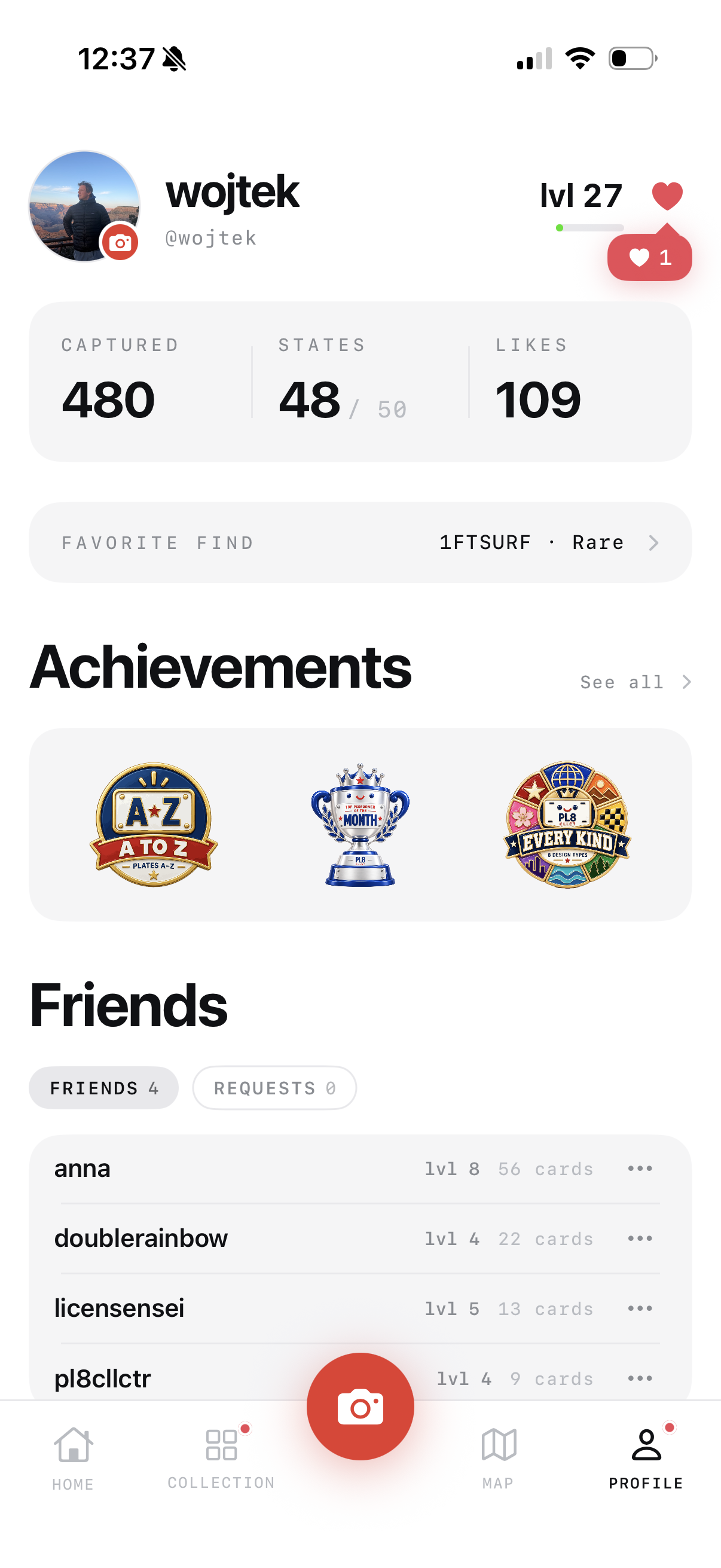
User's profile screen
-
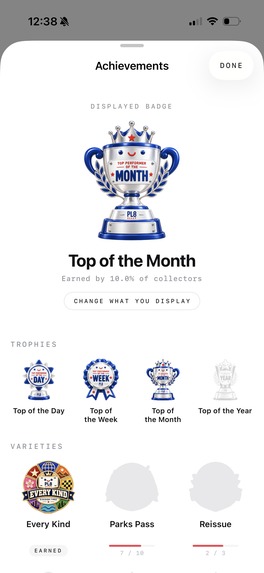
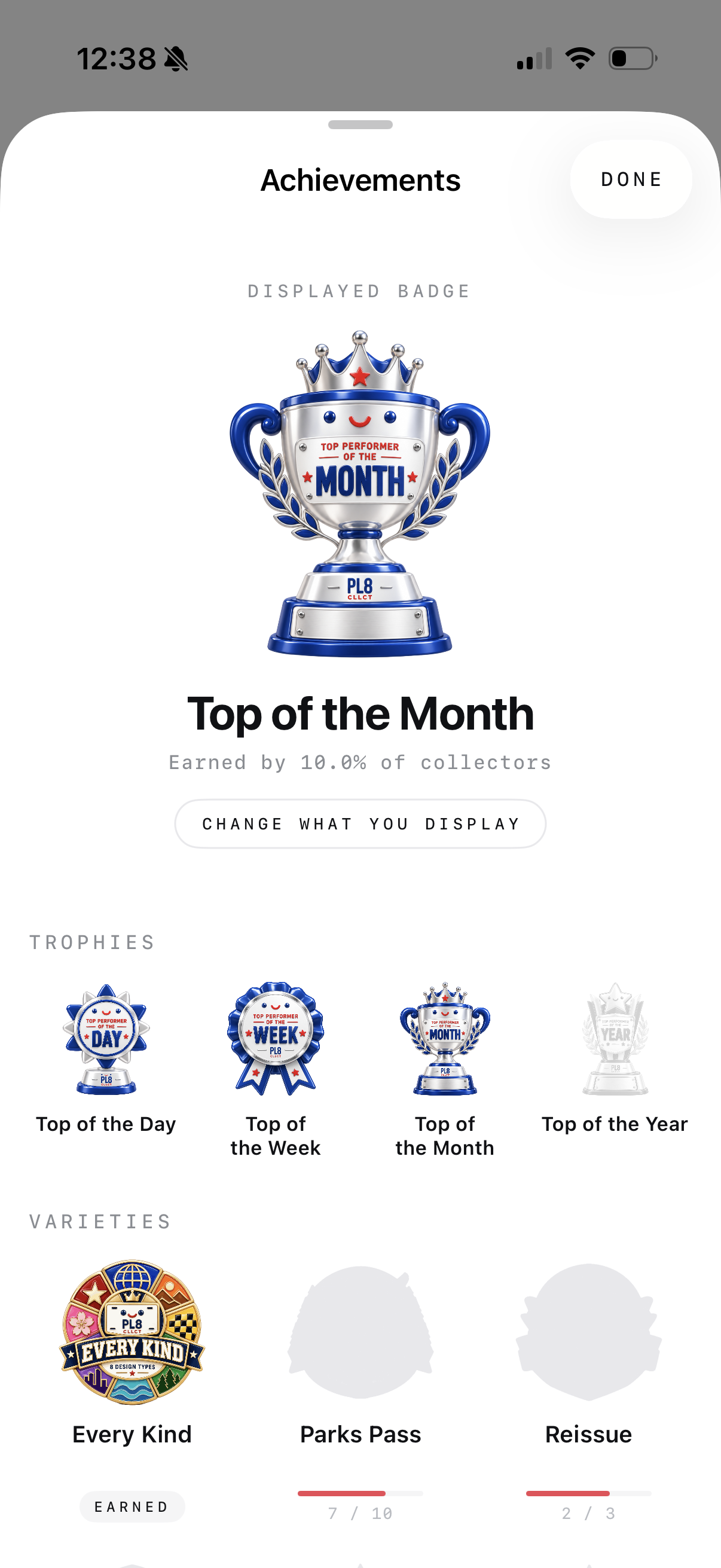
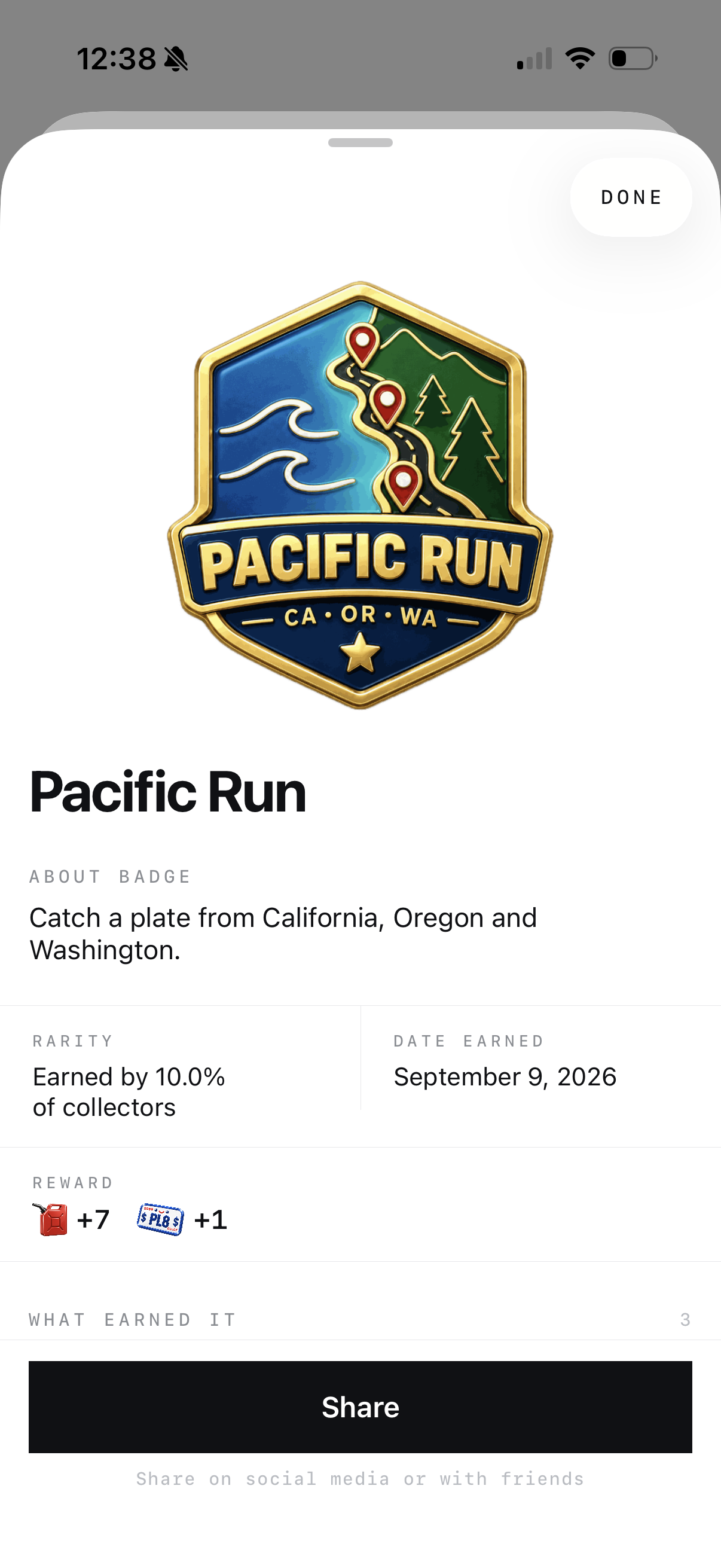
Screen of badges obtained and to be obtained
-
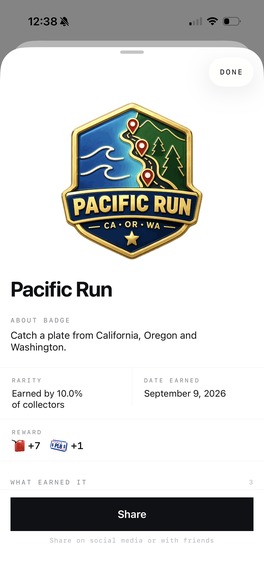
Individual badge view
-
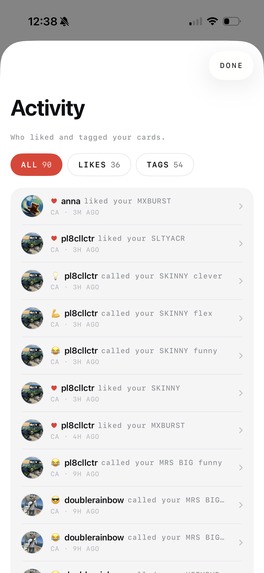
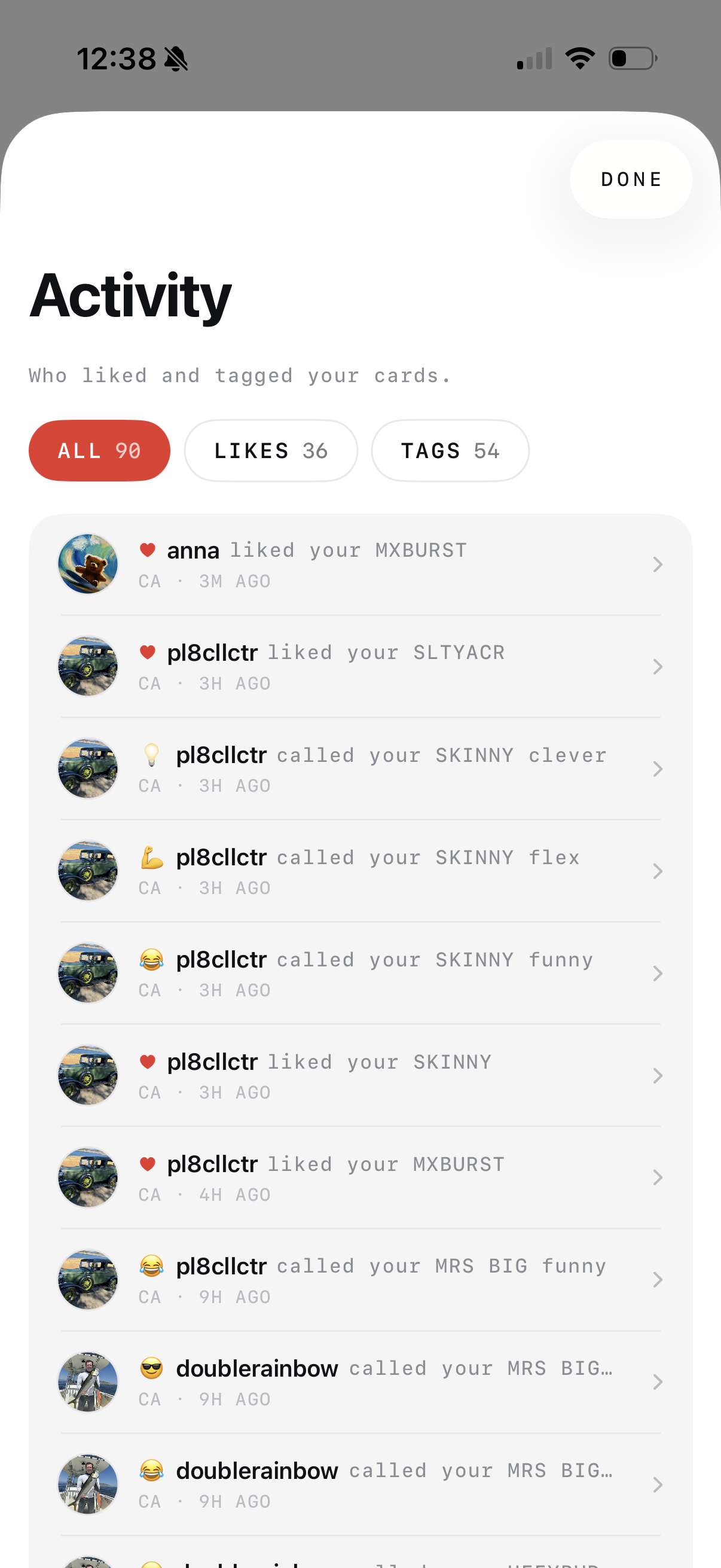
View of all the likes and tags a user received on their cards from other users
Inspiration
My inspiration is a little embarrassing, but this year I got back into Pokémon. Like, really back into it. I started collecting cards, cracking booster boxes and packs, and chasing that little thrill of pulling something rare and shiny.
A big part of the appeal was how physical it all felt. I work in software, so pretty much everything in my life happens on a computer or phone. Holding actual cards, building a collection, and searching for rare ones was a really nice change.
At the same time, I live in Los Angeles, and I don't know what it is about this place, but it's absolutely packed with custom vanity license plates. Every time I step outside I see a bunch of them, and there are always new ones.
Somewhere along the way, it clicked: vanity plates are basically real-life Pokémon.
They're always moving around, you have to actually go out and find them, and they even have a natural sense of rarity. There are common number-and-letter combinations, creative plates where someone somehow squeezes a word or phrase into seven characters, and then the really rare single-word plates, where only one can exist in each state.
That idea became PL8 CLLCT.
What it does
PL8 CLLCT is basically Pokémon GO for license plates.
When you spot an interesting vanity plate, you can capture it and turn it into a collectible card. The app analyzes the plate, assigns it a rarity, and adds a little AI-generated comment about it that will hopefully make you laugh.
If you're the first person on PL8 CLLCT to catch a particular plate, your name stays on that card for every collector who finds it after you. So there is a little bit of status in discovering something first.
Each catch also saves an approximate location, such as the city or neighborhood, rather than the exact location. This keeps things privacy-conscious while still letting other collectors see roughly where a plate has been spotted and try to track it down themselves.
There are also levels, leaderboards, achievements, collections, and other game mechanics built around the simple idea of going out into the real world and seeing what you can find.
Why I built it
Beyond just thinking the idea was fun, I really liked the idea of building an app that actually pulls you off your phone.
You're never going to find a new plate sitting at home scrolling. If you want to grow your collection, climb the leaderboard, or be the first person to discover something rare, you have to go outside and look around.
And once you start looking for plates, you can't stop seeing them. It's kind of crazy how many interesting things are around us every day that we normally don't pay attention to. I think that applies to a lot more than license plates.
Also, a lot of apps try to solve screen time by blocking social media or setting limits. I'd love for PL8 CLLCT to approach the problem from the opposite direction: instead of taking something away, give people a new hobby that only really works when they're participating in the real world.
How I built it
PL8 CLLCT is the first app I've ever published on the App Store.
I started by sketching out early concepts and building rough prototypes in Replit design. From there, I began developing the app with Claude in the terminal, initially as an Expo React Native project and eventually rebuilding it as a native iOS app.
The app connects several different services to make everything work together. RevenueCat handles premium subscriptions, AdMob handles advertising, and OneSignal powers push notifications. I also set up the database and APIs behind the app, including the AI system that analyzes each license plate and generates the content for its card.
Challenges I faced
A huge part of the development process was learning how to use AI as an actual building tool rather than just something I chatted with. I set up a workflow where Claude, Xcode, and the iOS Simulator could all work together, which let me build, test, debug, and iterate on ideas surprisingly quickly.
What I learned
I learned so much about how to actually work with AI day to day, not just chat with it. I learned how to create design iterations in Replit design, set up Claude in the terminal and get it working hand in hand with Xcode and the iOS Simulator, so I could build, run, and test changes super quickly. I also learned how to set up databases and the APIs that run the AI model that analyzes each plate and writes its card.

Log in or sign up for Devpost to join the conversation.