Inspiration
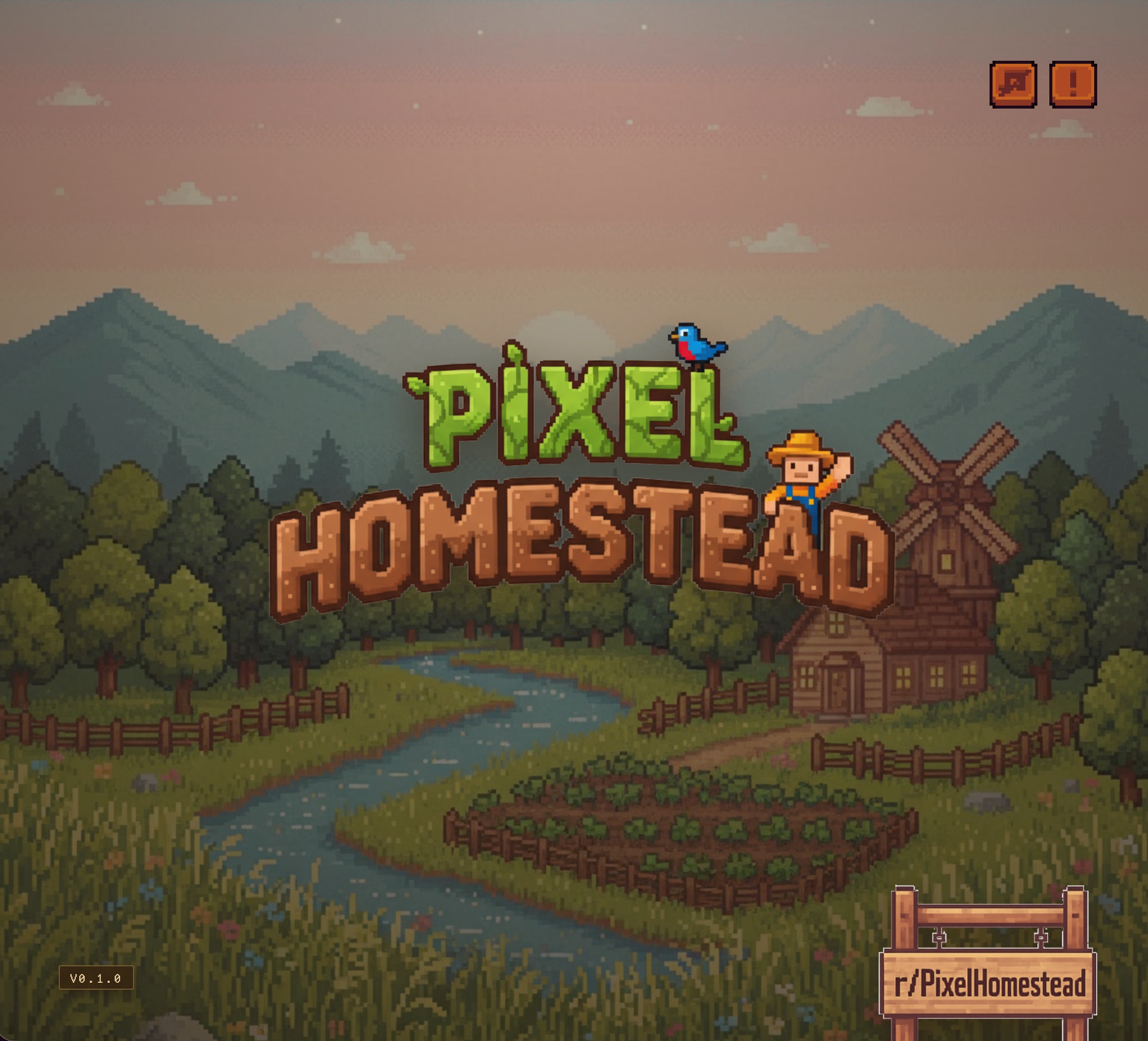
Pixel Homestead started as a love letter to slow mornings and the collaborative energy I feel in the cozy corners of Reddit. It kind of grew rapidly: it started when I wanted to test the capabilities of building a basic engine that could render pixel art sprites efficiently in the browser and it quickly grew from there into a farming game with a crazy amount of additional features planned.
What it does
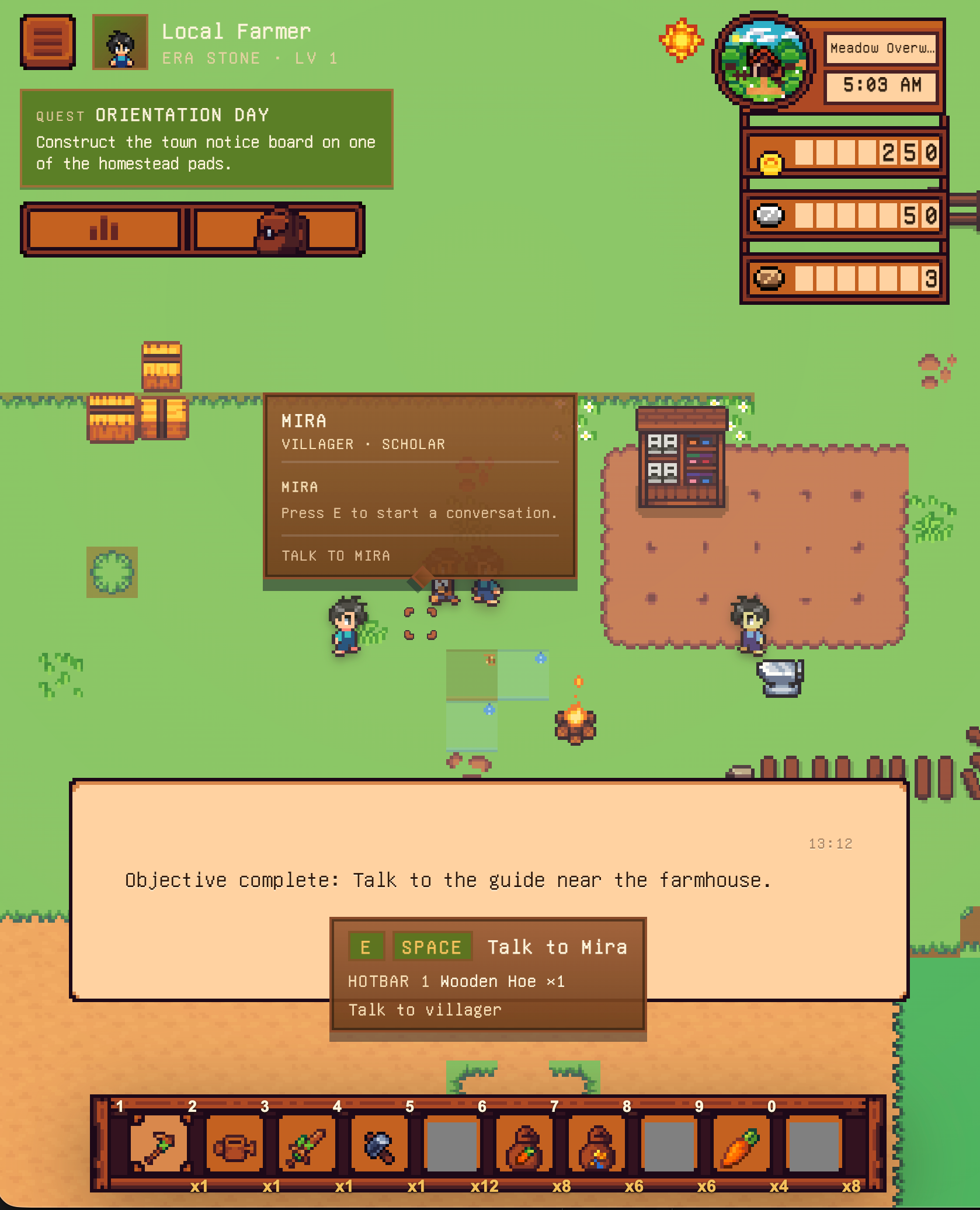
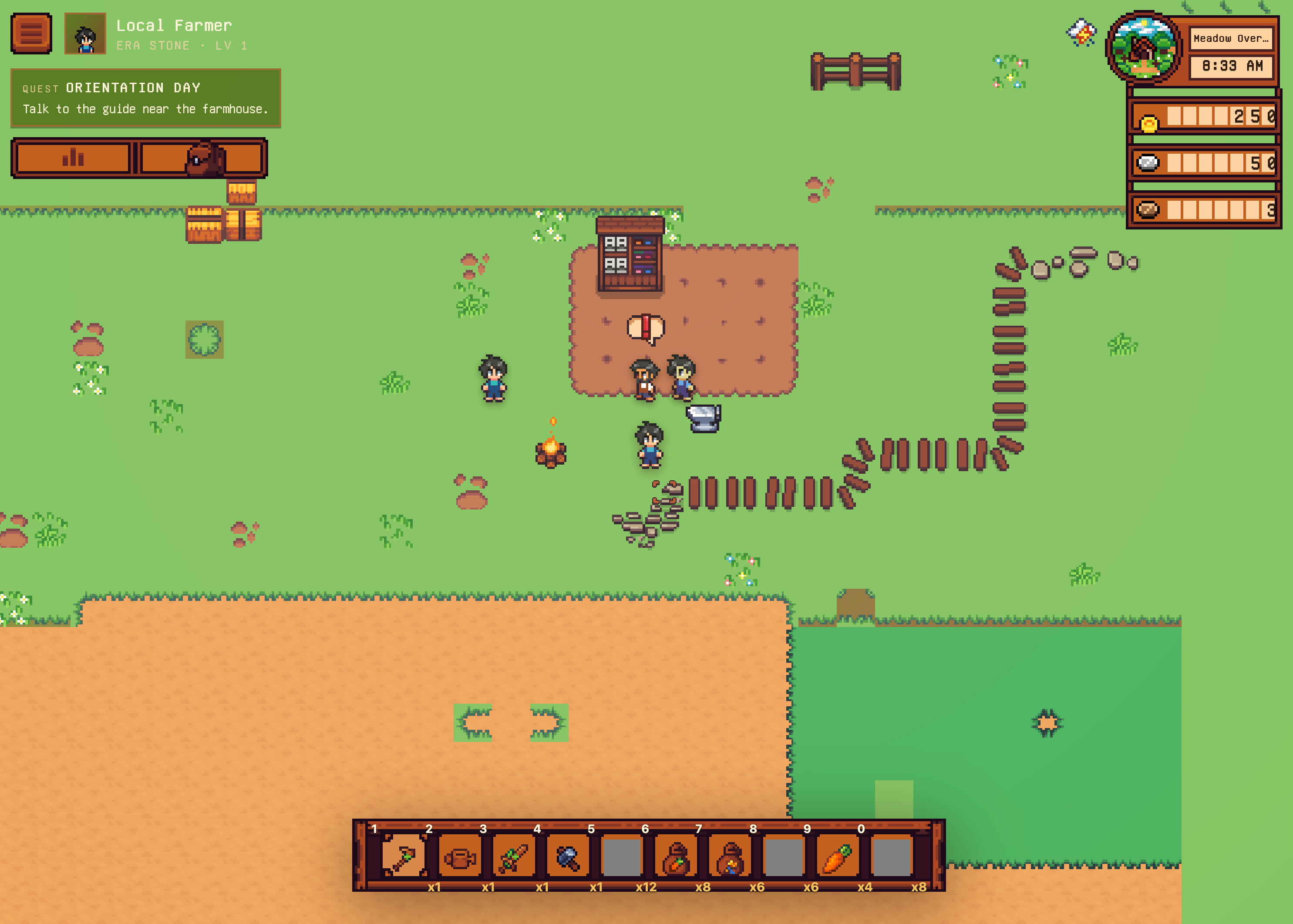
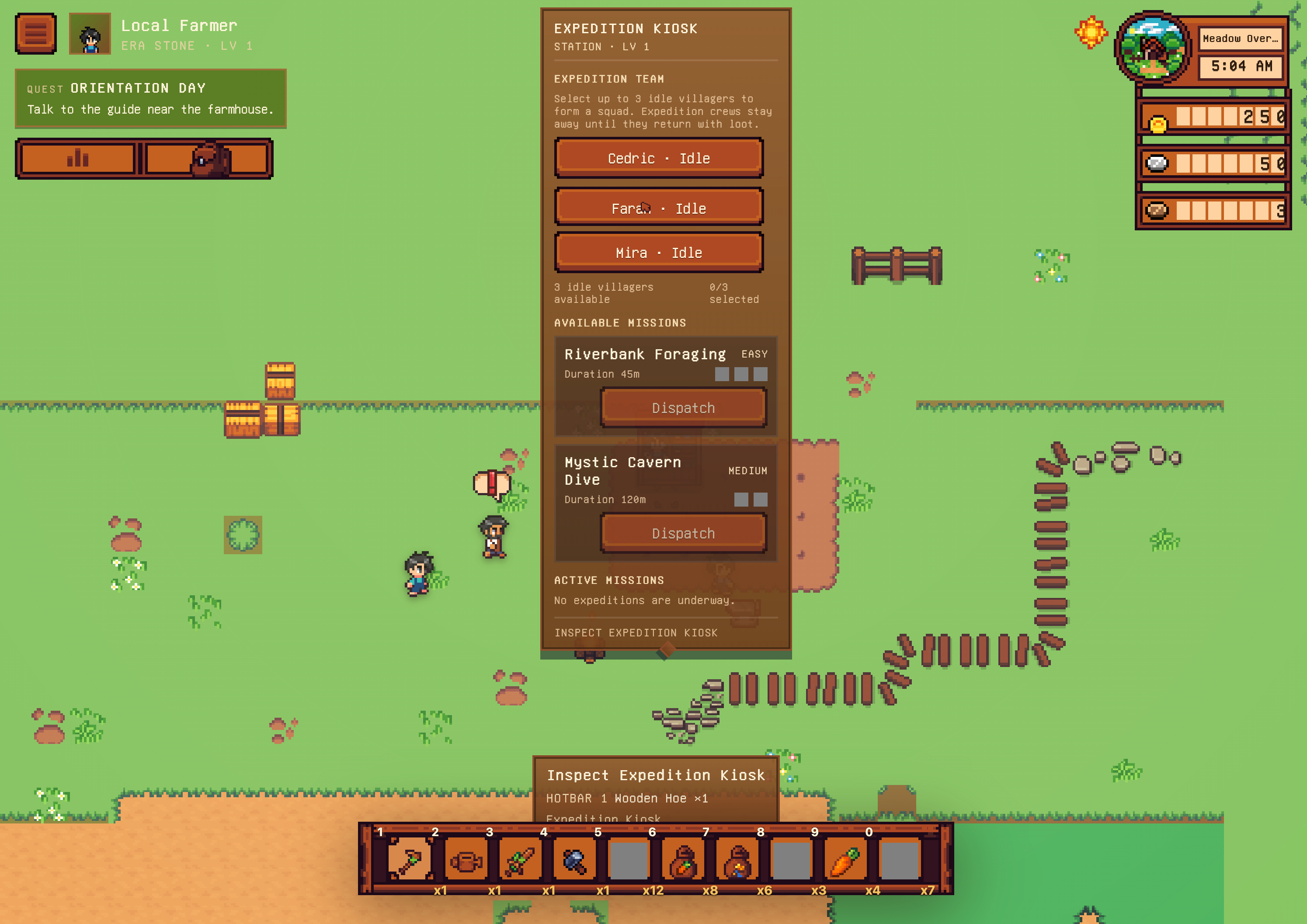
Today the game (barely) stitches together elemental alchemy, overworld farming, crafting chains, and villager life into a 16x16 pixel homestead. Players harvest, mix, and build directly in the world. Seasons tint every tile, adaptive music shifts with the weather, and world notifications float across the field so progress always feels alive.
This is my first "hackathon". I decided to solo this as I don't have much time in my life nor as much energy as I used to due to some health issues lately. I didn't think I would be able to put out a demo which is why I didn't want to mess anyone else's time and just work on it myself :)
The game is very basic. It's more of a proof of concept of how the engine can work in browsers. There is no gameplay right now, nor multiplayer functionality (the goal would have been to allow users to create characters and appear in this pixel-art world simultaneously). For this reason I DO NOT expect to win anything, I am sharing because I am proud of the work so far!
How I built it
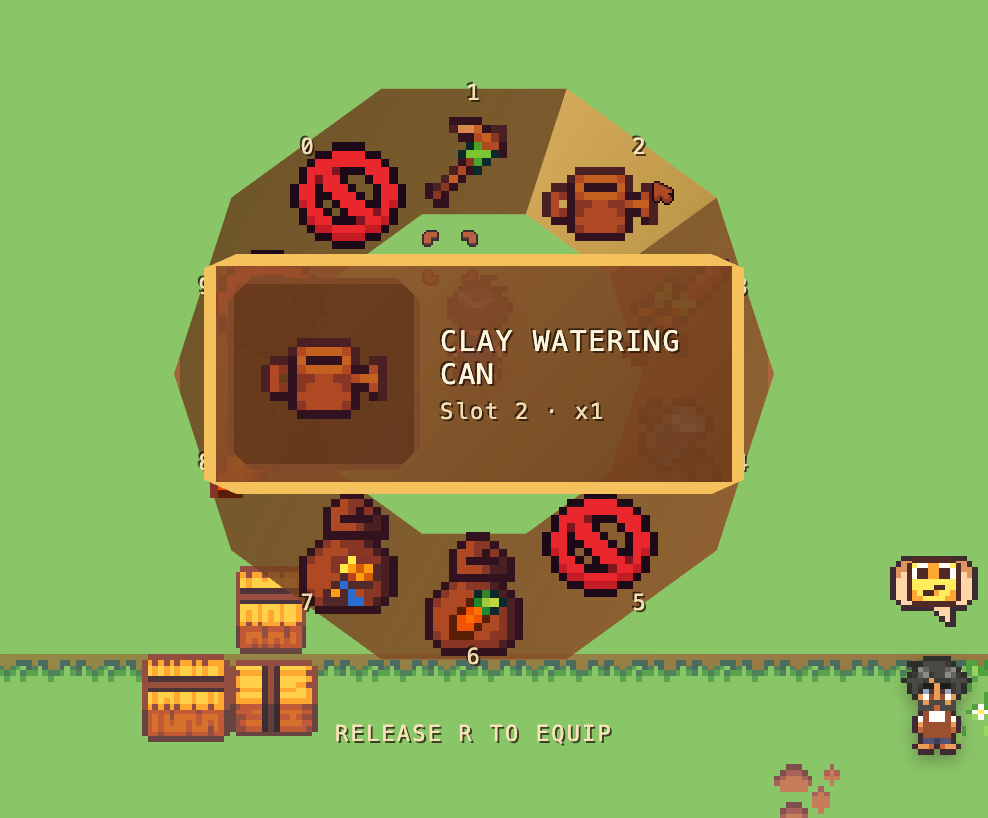
I anchored everything in a strict TypeScript React stack running on Devvit Web, wiring Vite for speed and Vitest for confidence. I kept a world-first mindset: instead of stacking screens, I wrote the overworld to handle planting, smithing, expeditions, and trading through context-aware panels and radial selectors. Chunk metadata drives soil, construction pads, and villager paths, so JSON authored maps become living spaces without manual tweaks. A steady drumbeat of tests covers navigation, crafting queues, crop growth, and offline quest fallbacks, letting me move fast while keeping the build stable.
Challenges I ran into
Devvit's bridge occasionally disappeared mid-session, so I built offline quest progression and state reconciliation to keep tutorials from stalling. Pixel art demanded discipline.. so every HUD element had to stay crisp while juggling z-index layers for world, lighting, HUD, and overlays. Coordinating multi-tile crops, moisture decay, and fertilizer logic across real-time ticks pushed the state model harder than expected. Finally, I had to create developer tools to allow me to map art assets to "tiles" and also a MapTool that lets me draw assets directly onto the world (which at the same time is cleverly split into chunks).
Accomplishments that I'm proud of
While it's quite barebones in terms of what you can do, I am quite happy with the current progress from a technical point of view. I understand the terms of this hackaton are to release a completed concept but I thought I'd submit it anyway just to share the progress I've made so far.
I definitely plan to continue working on it in the new future. I just need a few days now to rest as I frantically worked to push this demo live this week haha.
What I learned
Documenting before coding pays off MASSIVELY. The design docs and implementation plan let the agents pull in the same direction. Respecting the art bible early spared painful restyles later, and leaning on testing for every system (from soil moisture to quest fallbacks) freed me to refactor aggressively.
What's next for PixelHomestead
A LOT! I'm kind of loving this project so far. I'm going to work on making this into a fully fledged browser game hooked into Reddit.
Built With
- css
- devvit
- markdown
- typescript

Log in or sign up for Devpost to join the conversation.