-
-
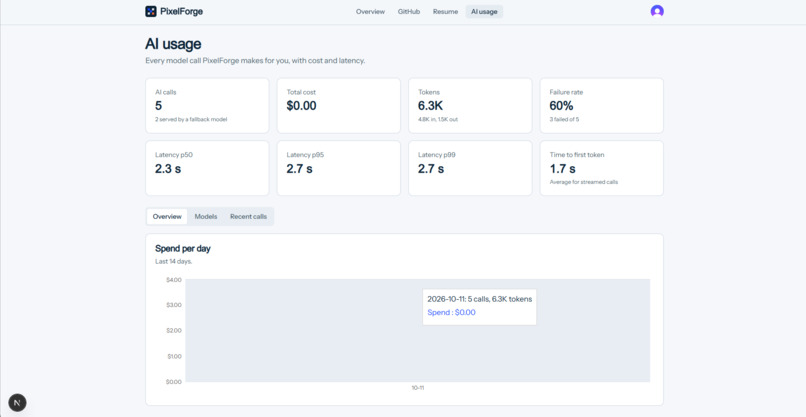
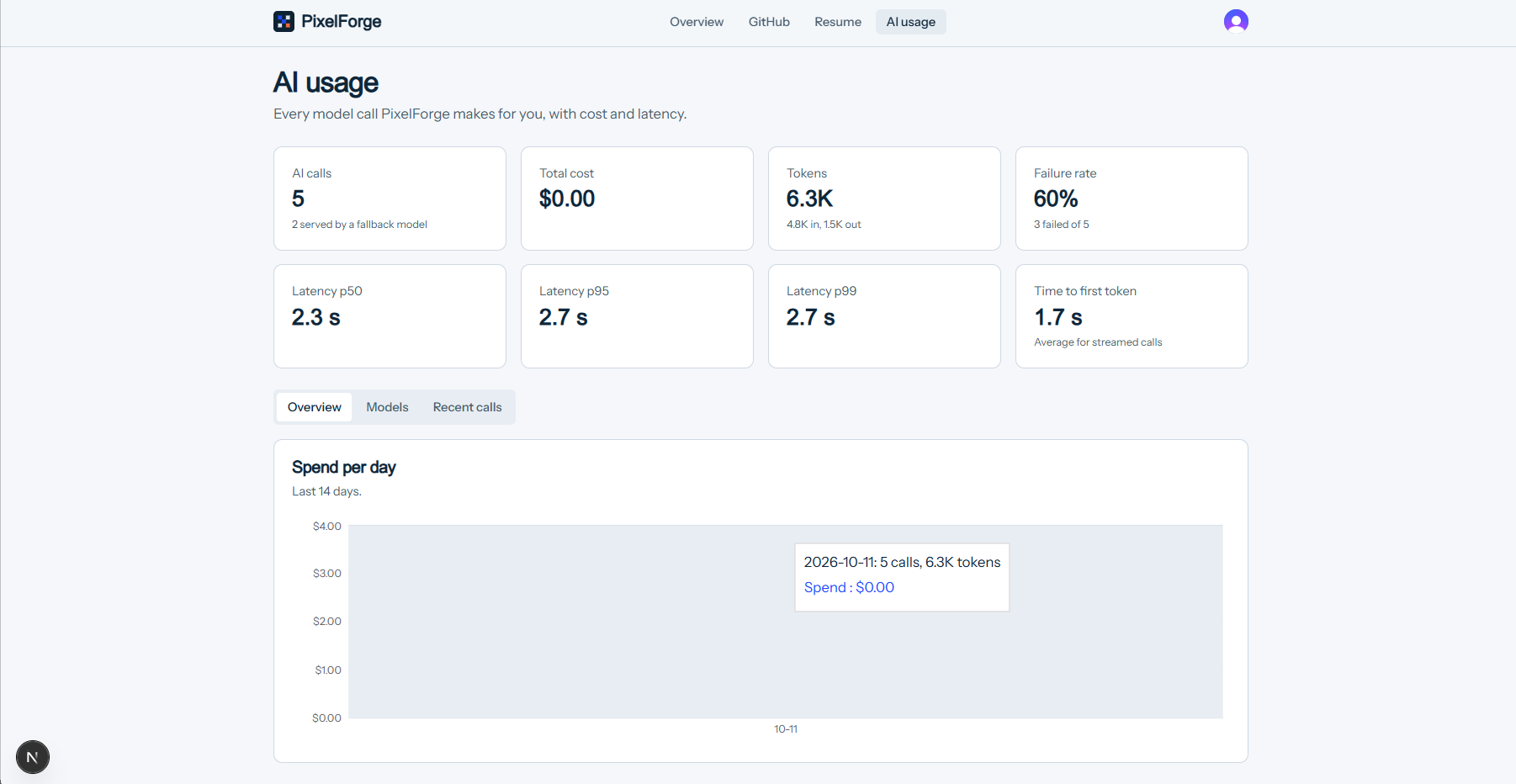
ai usage
-
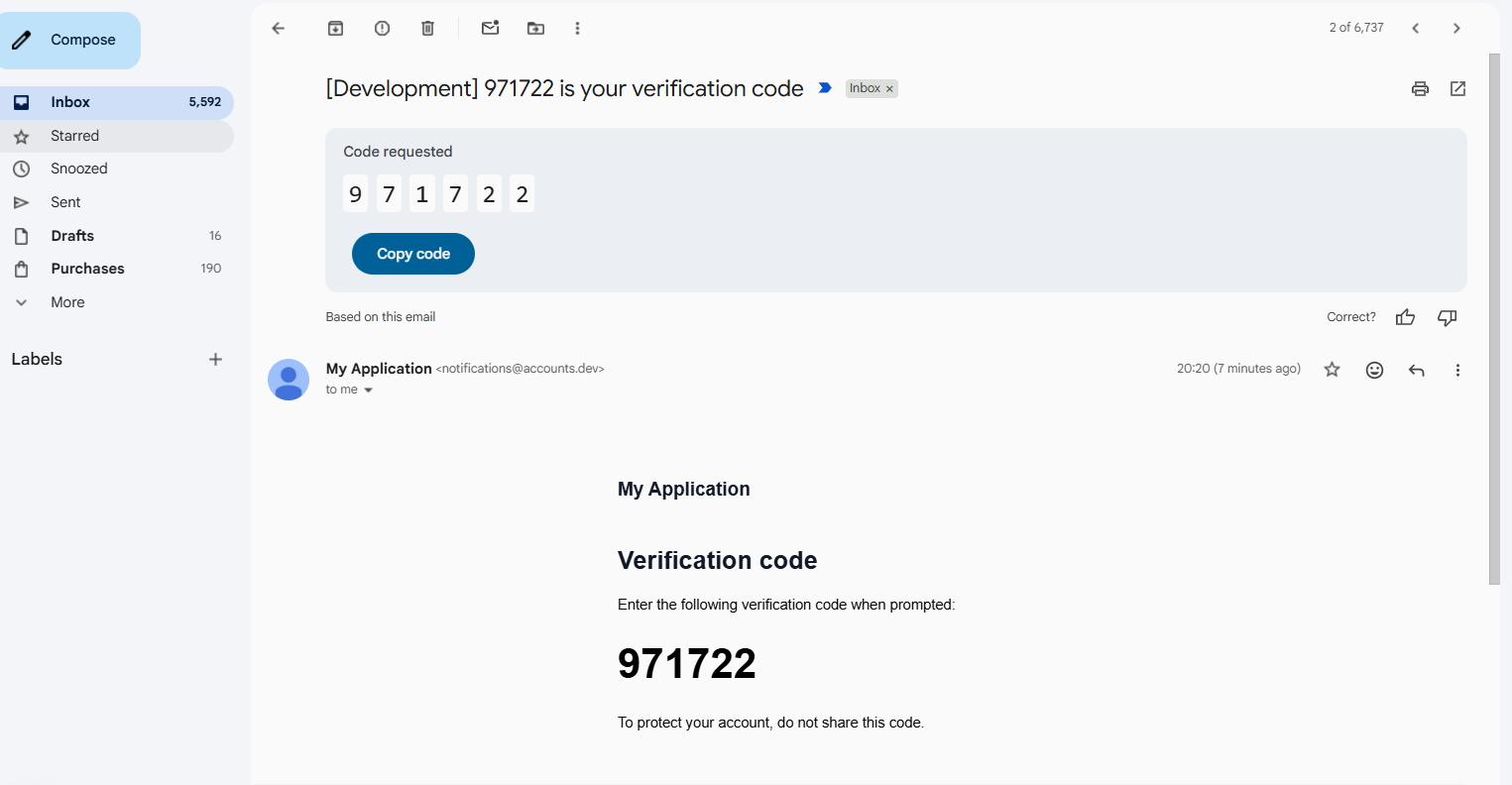
otp
-
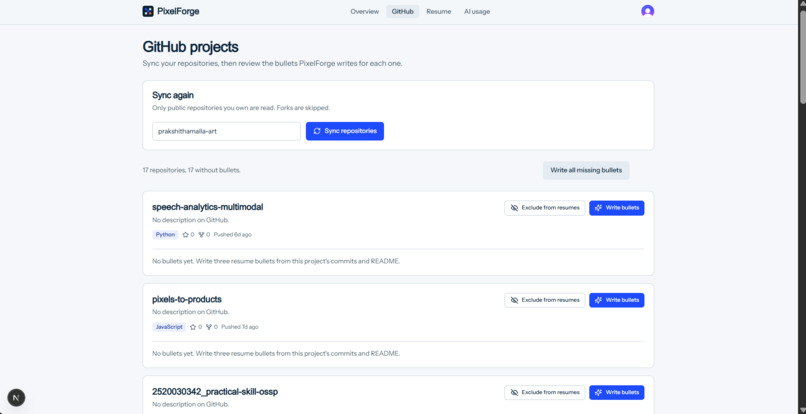
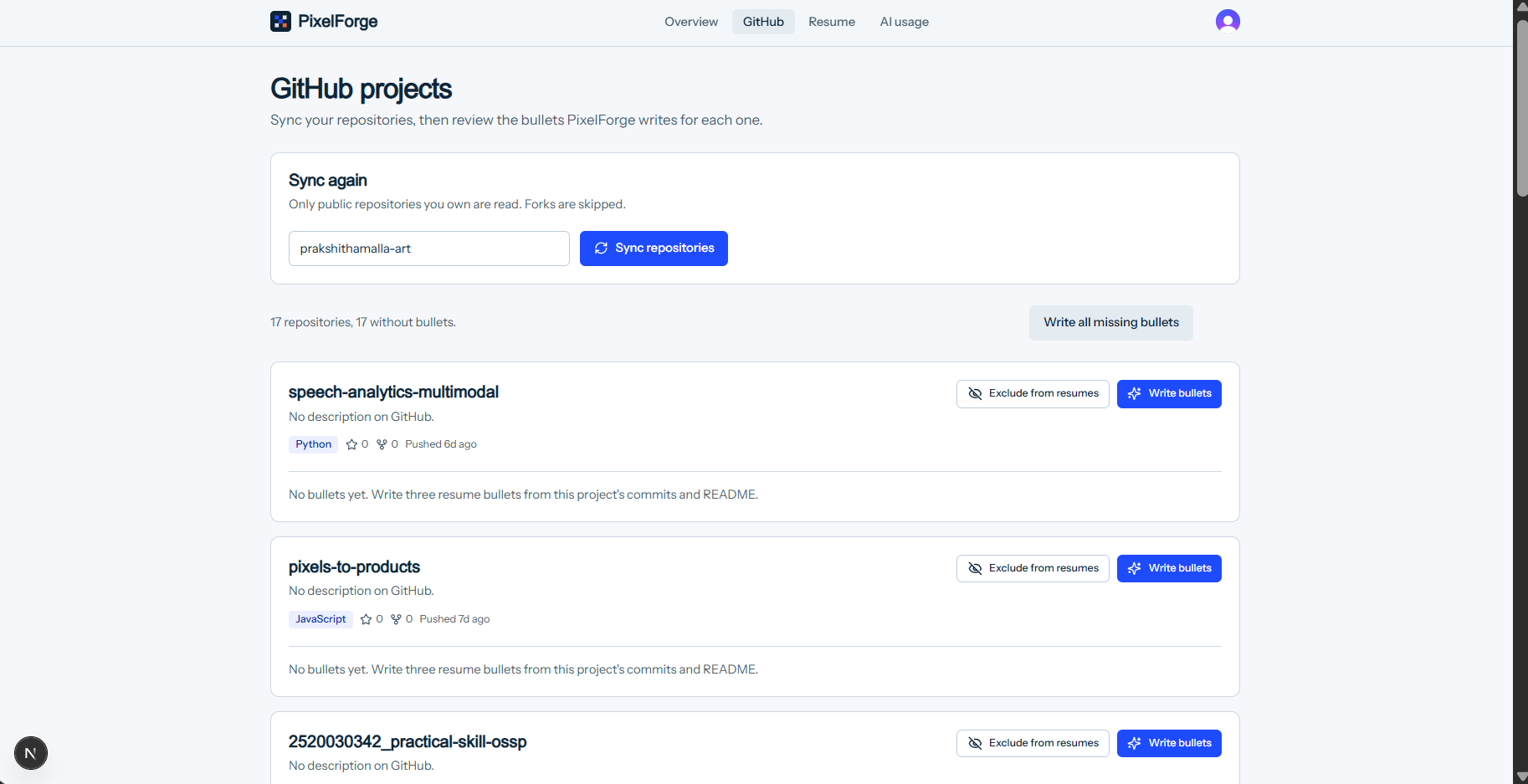
github repo
-
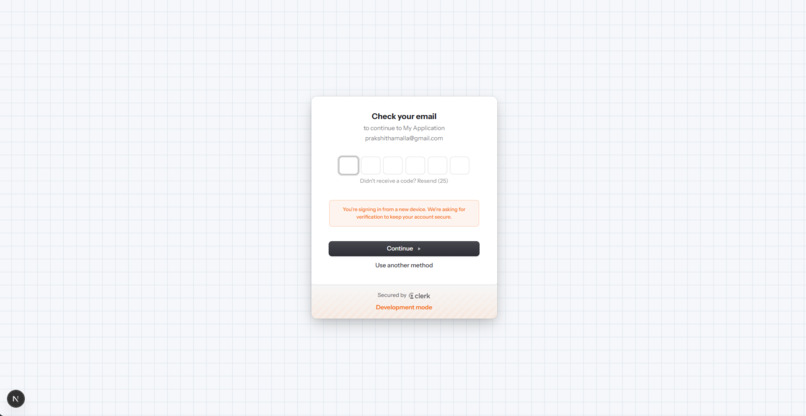
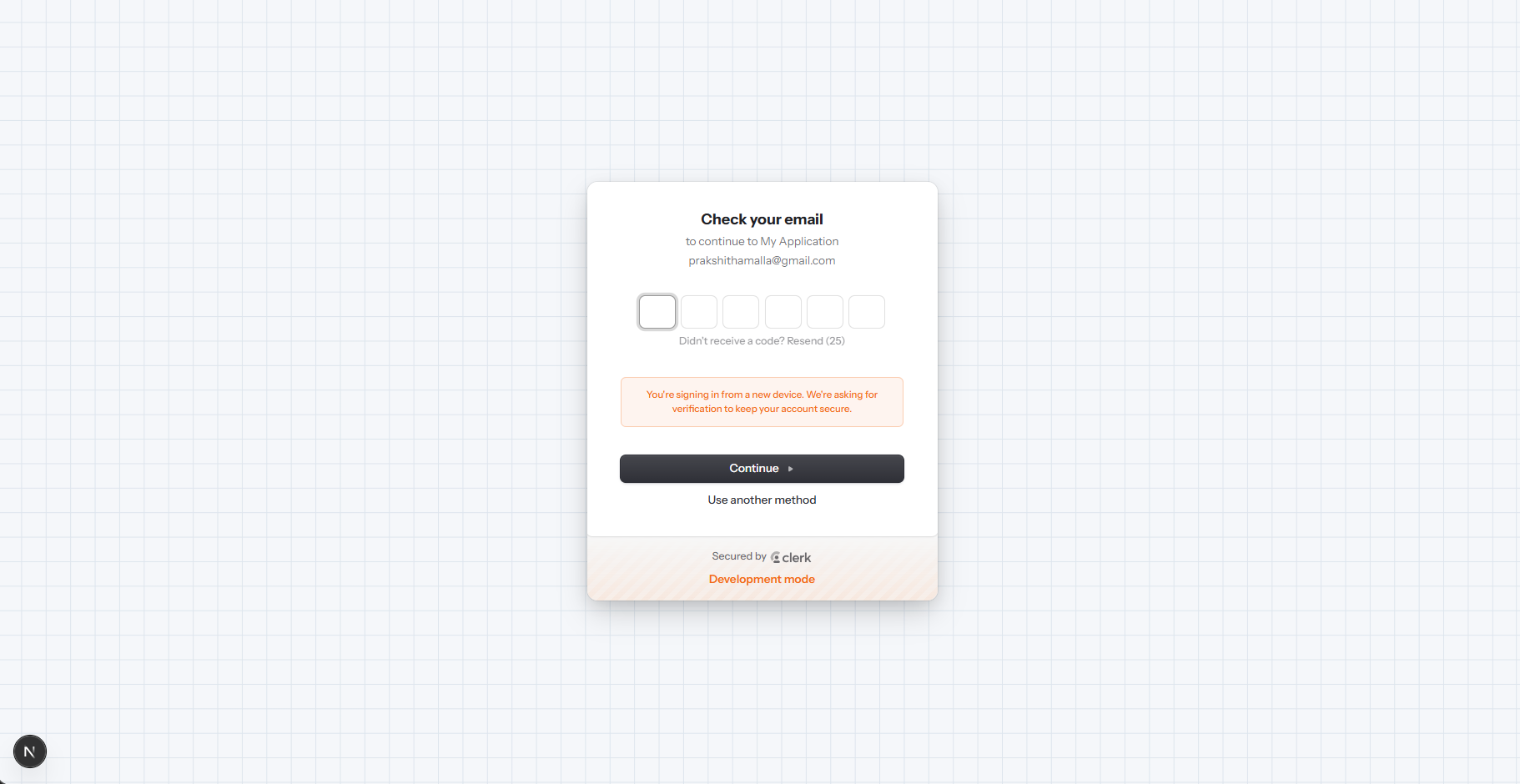
signin/signup dashboard
-
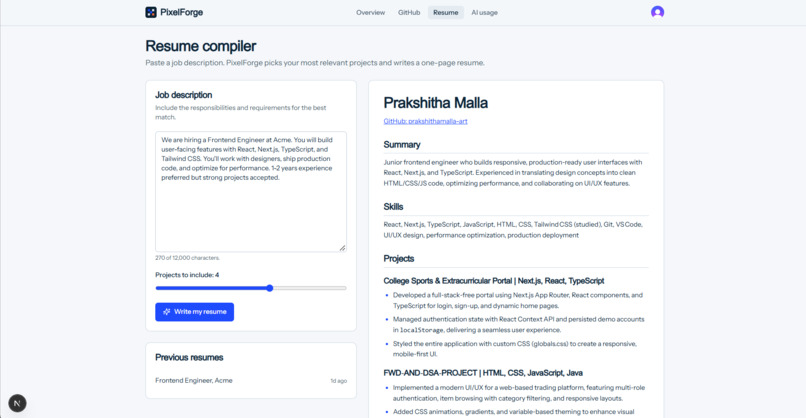
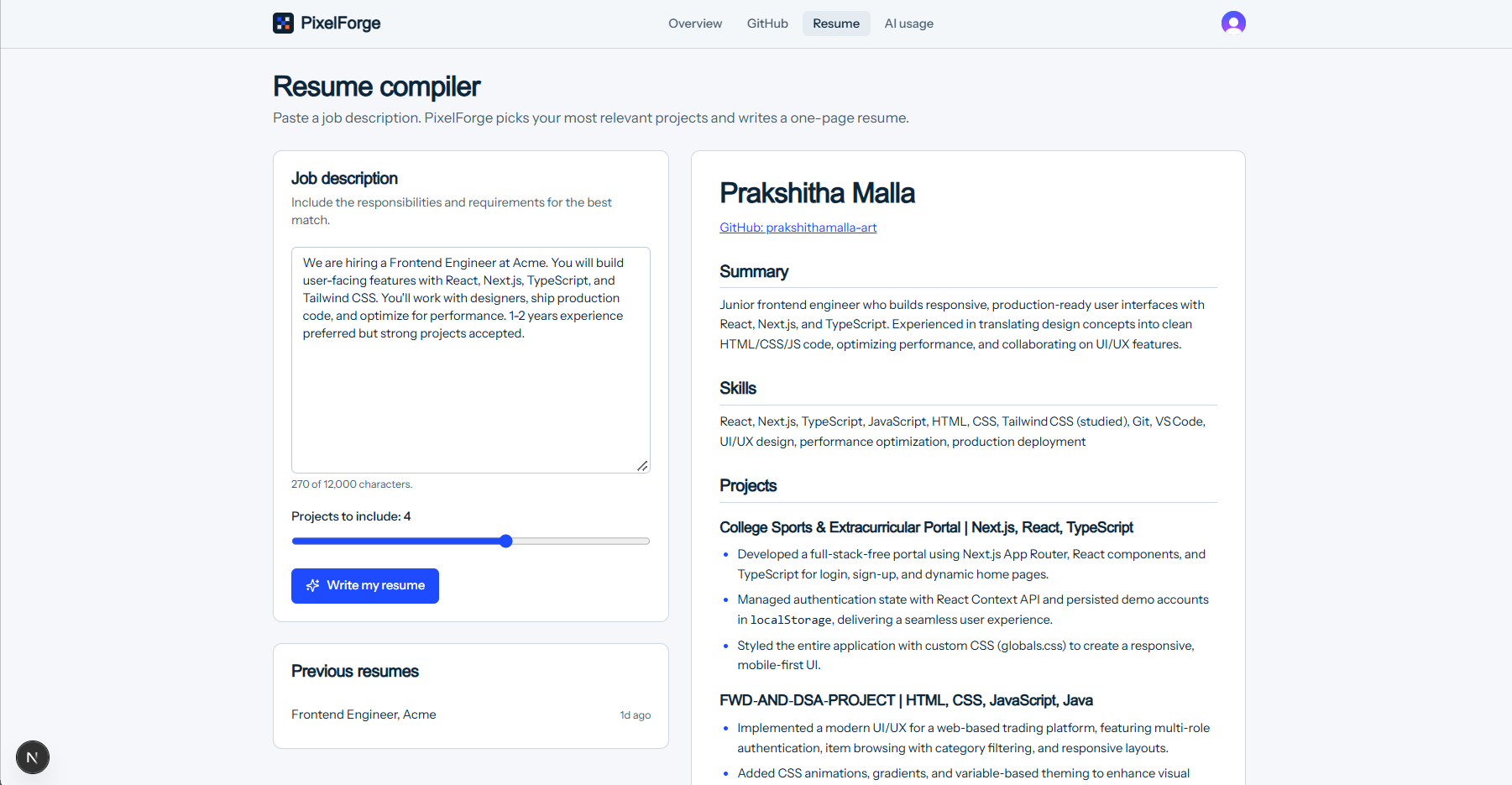
resume
-
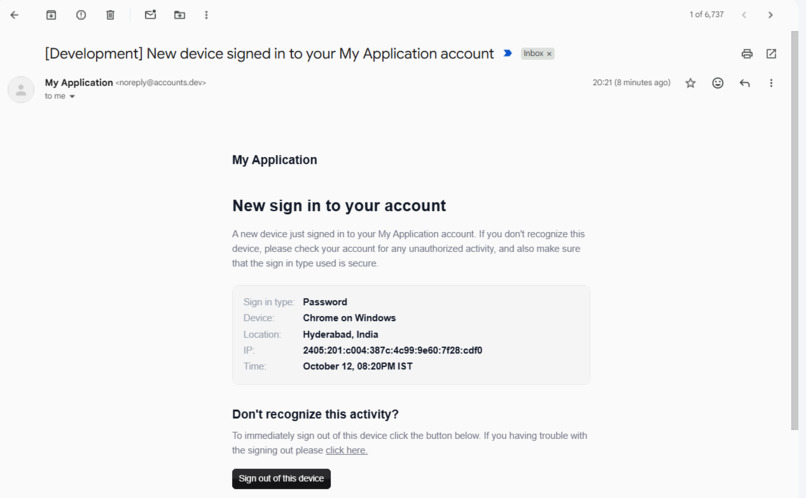
2fa
-
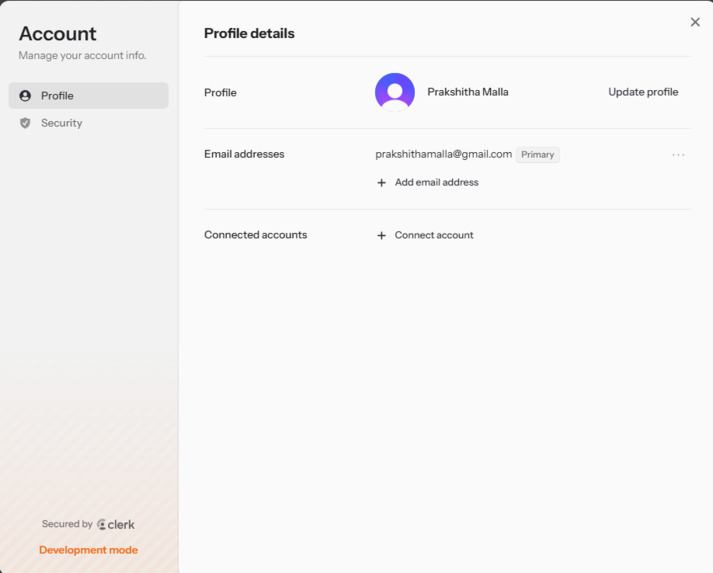
profile/security
Inspiration
I'm a second-year CSE student at KL University. I have 3 deployed projects, 150+ open source PRs, and a GitHub that updates almost every day. But when I applied for internships, I was sending out the same 1-page resume as everyone else — generic bullet points, no real metrics, no proof of work.
The problem isn't that students don't have skills. It's that their resumes don't show them. A student who built 10 projects and solved 500 LeetCode problems looks identical on paper to someone who did nothing. First-generation students with no network, no career counseling, and no alumni mentorship are hit hardest.
I wanted to fix this.
What it does PixelForge is a Live Developer Identity Platform. Instead of manually writing a resume, you connect your GitHub, LeetCode, and coursework. PixelForge:
- Syncs your real work — repos, commits, languages, problem-solving stats
- Extracts skills and achievements — what you actually built, not what you claim
- Generates a tailored resume — paste a job description, get a 1-page resume in 30 seconds
- Writes real bullets — "Reduced API latency by 40%" instead of "hardworking team player"
- AI twin for recruiters — recruiters can chat with an AI version of your profile for quick screening
How I built it
- Frontend: Next.js 15 (App Router), Tailwind CSS, Clerk for auth
- Backend: FastAPI, PostgreSQL (Neon), SQLAlchemy
- AI: Gemini 3.1 Pro + Groq (multi-model router with fallback)
- Embeddings: sentence-transformers for semantic matching
- Deploy: Render (backend) + Netlify (frontend)
The AI layer uses a router that picks the best model per task — Gemini for resume rewriting, Groq for cost-efficient fallback. Every AI call is logged to an AI usage dashboard so the user can see cost, latency, and token usage.
Challenges I faced
- GitHub API rate limits — unauthenticated calls are capped at 60/hour. Added a token for 5,000/hour.
- Semantic matching — matching repos to job descriptions needed embeddings, not keyword search.
- Multi-model routing — building a fallback chain so the product doesn't break if one API goes down.
- AI usage transparency — every hackathon requires disclosing AI usage. I built a dashboard that tracks every call.
What I learned
- Building with real tools beats building in a sandbox.
- AI is a force multiplier. The AI wrote the boilerplate. I wrote the logic and made the product decisions.
- Shipping matters more than perfecting.
What's next
- Expand to LeetCode, Codeforces, and Kaggle integrations
- Mobile app for on-the-go resume generation
- Recruiter portal with AI twin chat
- Regional language support (Hindi, Telugu)
Built With
- ai
- api
- clerk
- css
- fastapi
- gemini
- github
- groq
- llm
- neon
- next.js
- postgresql
- python
- react
- sqlalchemy
- tailwind
- typescript

Log in or sign up for Devpost to join the conversation.