-
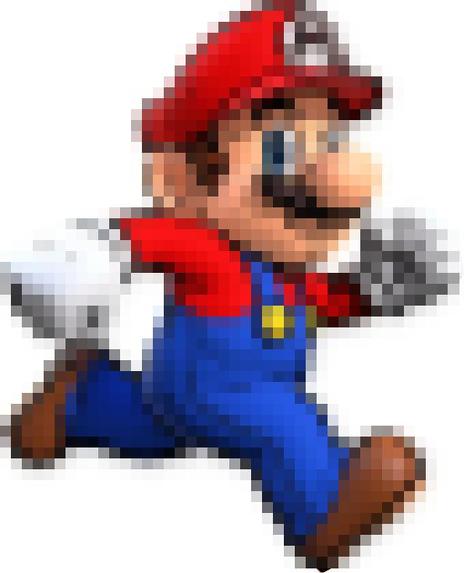
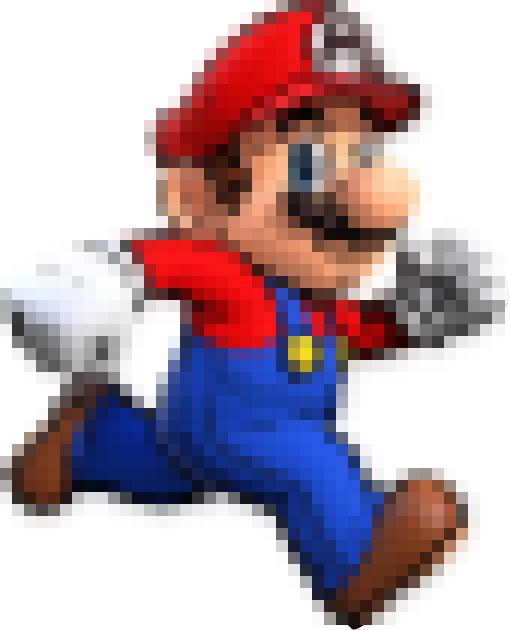
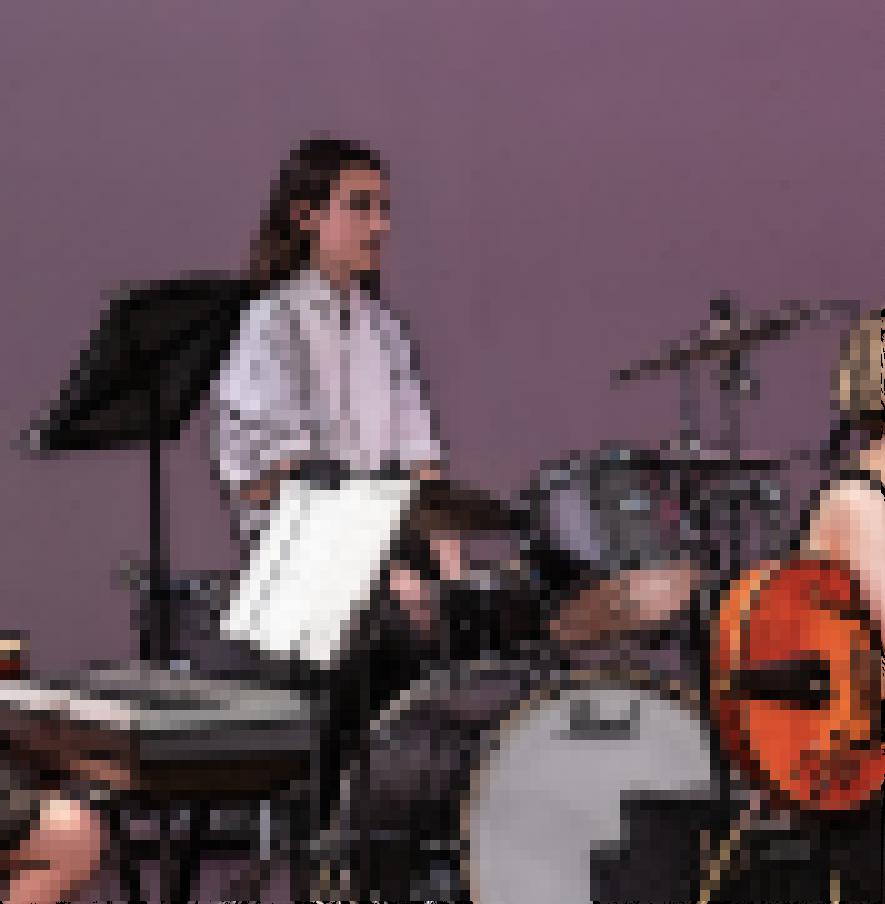
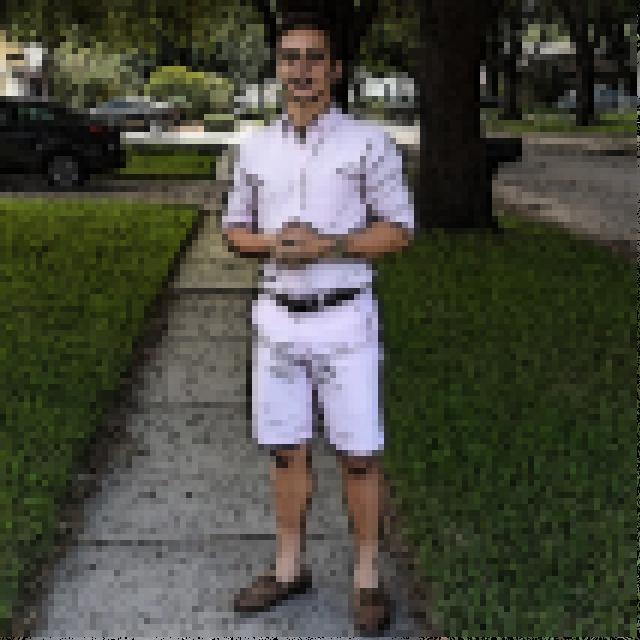
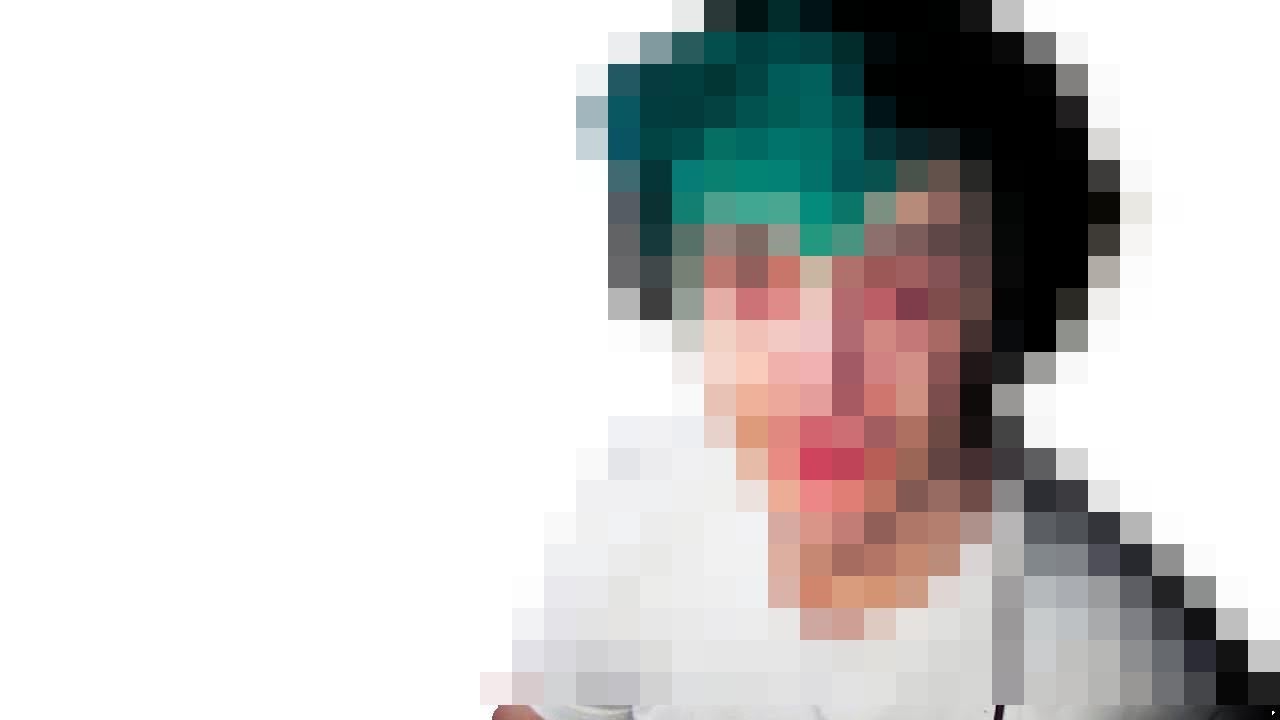
Outline, scale: 12
-
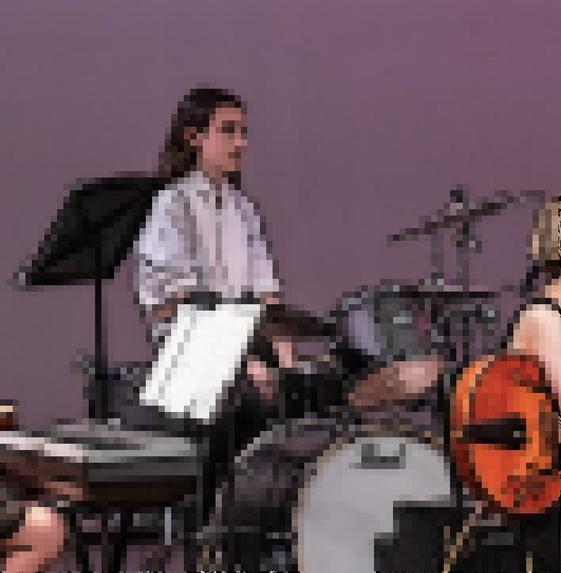
Outline, scale: 10
-
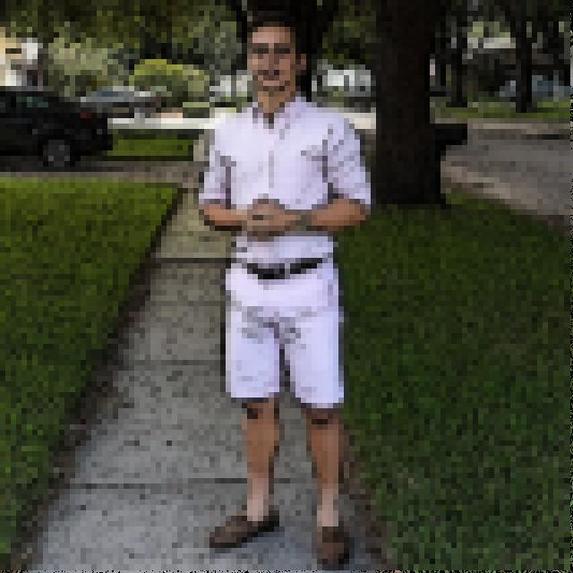
Outline, scale: 6
-
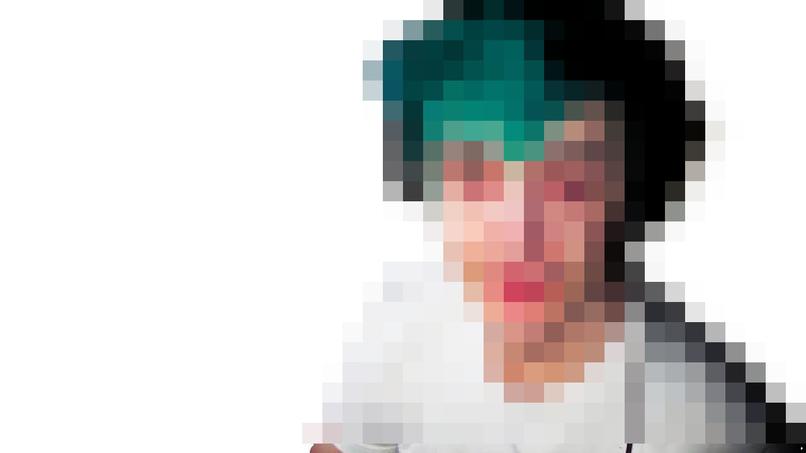
Background removal, outline, scale: 32
Inspiration
The retro theme of this year's hackUMBC is what inspired the idea of the Pixelerizer. Our project brings up memories and nostalgia from the era of pixel art 2D video games.
What it does
Pixelerizer utilizes our custom image compression algorithm to take any image and output a replica in the style of a pixel art sprite.
How we built it
We utilized Python and the Python Image Library (PIL) and OpenCV libraries to create Pixelerizer. We used OpenCV to create a stronger outline for our pixel images and PIL to edit the pixels for our compression algorithm.
Challenges we ran into
Our team had difficulties utilizing certain aspects of PIL and OpenCV. We attempted to utilize multiple background removal algorithms before choosing one for the final product. There are some complicated backgrounds the algorithm struggles with, but it works very well in the vast majority of cases. We also have some issues with images of particular sizes not being completely pixelerized, with certain aspect ratios leaving vertical and horizontal strips of non-pixelerized images.
Accomplishments that we're proud of
We take a lot of pride in starting with a very basic idea and expanding it into a versatile tool with multiple uses. By adding options for background removal, outlines, and pixelization type Pixelerizer can be used in various settings and applications.
What we learned
Developing Pixelerizer taught us the strength of making the best possible version of a simple idea instead of trying to make the minimum viable product of a complicated idea.
What's next for Pixelerizer
We hope to improve our outline and background removal algorithms and nail down some bugs related to certain aspect ratios. We hope for Pixelerizer to be used to generate reference images for game development and to create stylized images.

Log in or sign up for Devpost to join the conversation.