-
-
Pixel Memory
-
Pixel Memory
-
Pixel Memory

Inspiration
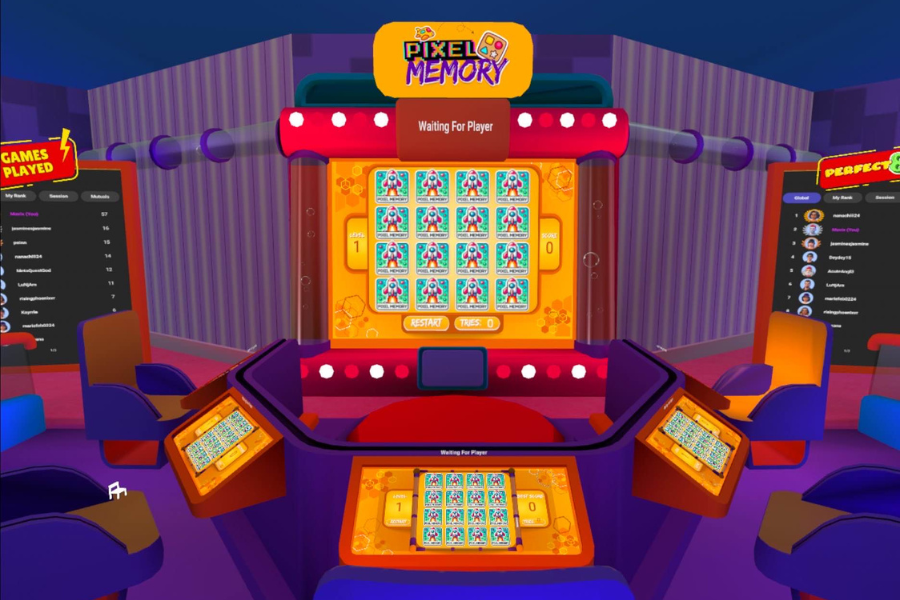
Pixel Memory was born from a love of creating safe, welcoming spaces where people from all walks of life can connect and have fun. It’s also a tribute to the 90s, bringing the charm of that era’s games to a new generation in a way that feels fresh and exciting. The idea was to blend nostalgia with unique, challenging designs that are fun for everyone.
What it does
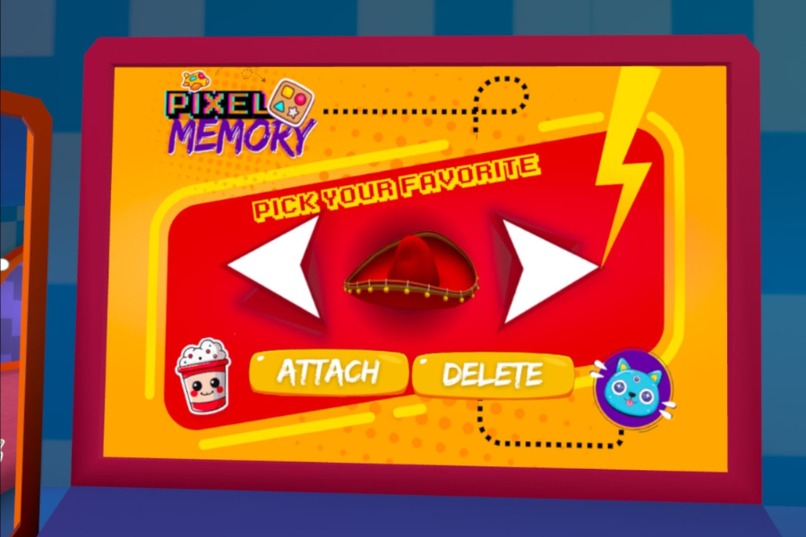
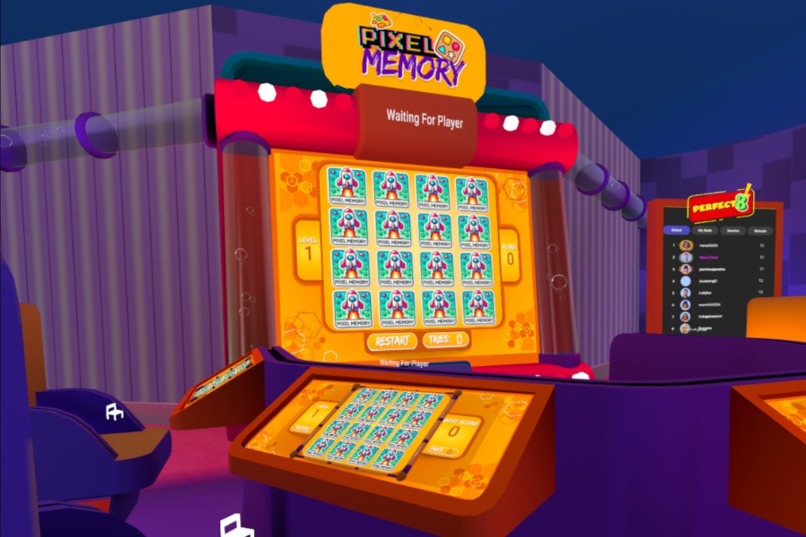
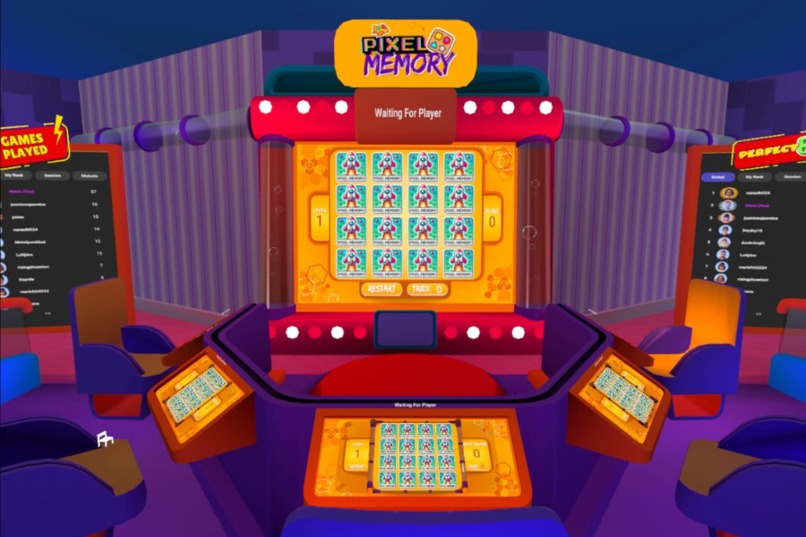
Pixel Memory is a card-matching game that takes the classic Memory gameplay and gives it a modern twist. Whether you’re playing in VR or on your phone, you’ll find yourself flipping and matching cards in a colorful, immersive world. It’s simple, fun, and designed to bring a smile to your face while offering something a little deeper for those who love a challenge.
How we built it
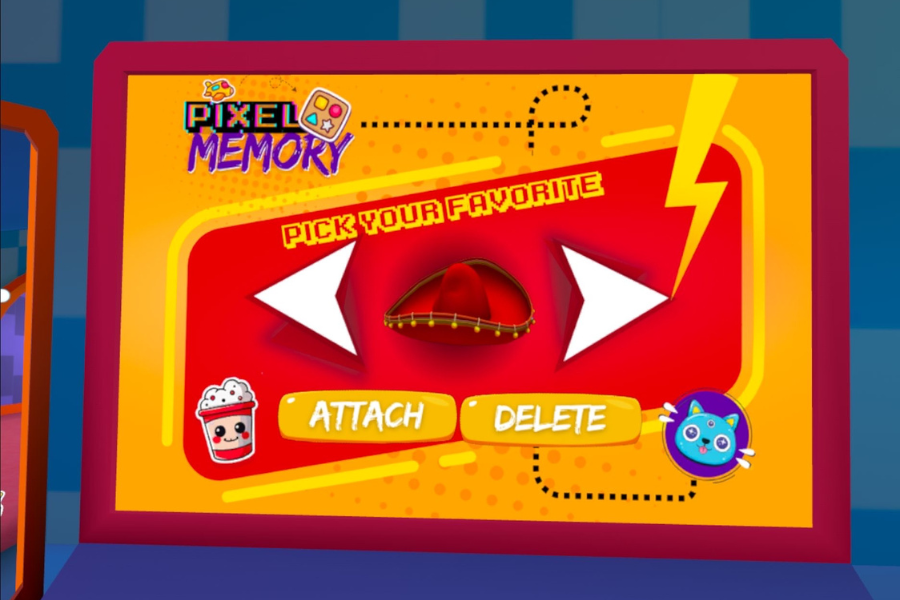
Pixel Memory was built using a combination of powerful tools and creative resources. We used the desktop editor to write the game in TypeScript, creating custom UIs and importing custom 3D models to bring the game’s visuals to life. Blender played a key role in designing those models from scratch. Everything was made possible through the resources provided by the Meta Horizon Creator Program, and the support from mentors was invaluable in guiding the project to completion. It was a true blend of technical and creative teamwork!
Challenges we ran into
The biggest challenge was figuring out how to translate an immersive VR experience into something that felt just as engaging on mobile. VR offers a sense of presence and interaction that’s hard to replicate on a smaller screen, so we had to get creative to maintain the same level of excitement and interaction. Balancing the two platforms while keeping the gameplay social and fun was definitely a tricky but rewarding process.
Accomplishments that we're proud of
We’re really proud of how the game feels—it’s fun, it’s nostalgic, and it brings people together. Seeing it all come together, from the 90s-inspired visuals to the inclusive gameplay, feels like a huge win. It’s exciting to know we’ve created something that players from all kinds of backgrounds can enjoy.
What we learned
I learned that sometimes the best ideas come from small, simple concepts, and it’s amazing how much creativity you can pack into them. I also discovered how to keep attention and engagement across different platforms, like VR and mobile, which was a fun and rewarding challenge. Plus, I had a great time diving into the world of 2D games and exploring what makes them so enjoyable.
What's next for Pixel Memory
The next step for Pixel Memory is to evolve into a series of educational games that inspire both young minds and adults. By integrating learning opportunities into gameplay, the goal is to make the game both fun and enriching. On a personal level, I plan to use this project to continue improving my scripting skills while creating experiences that bring communities closer together.
Built With
- blender
- codeblocks
- google-drive
- horizonworlds
- metahorizonapi
- substancepainter
- typescript


Log in or sign up for Devpost to join the conversation.