-
-
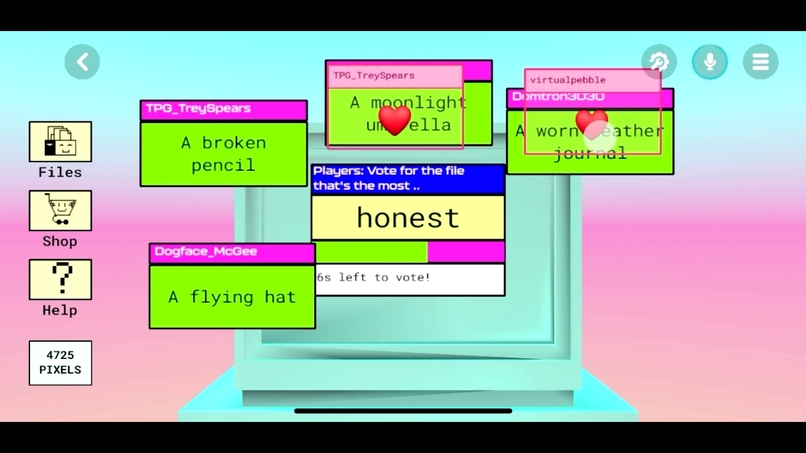
Main Gameplay
-
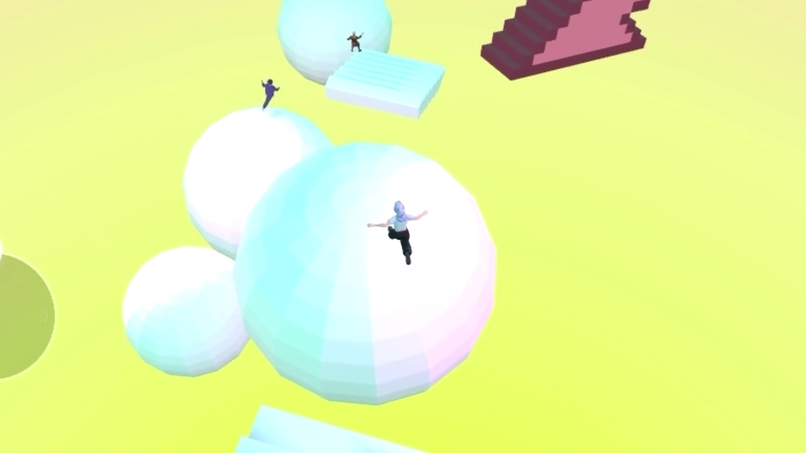
Exploring the world
-
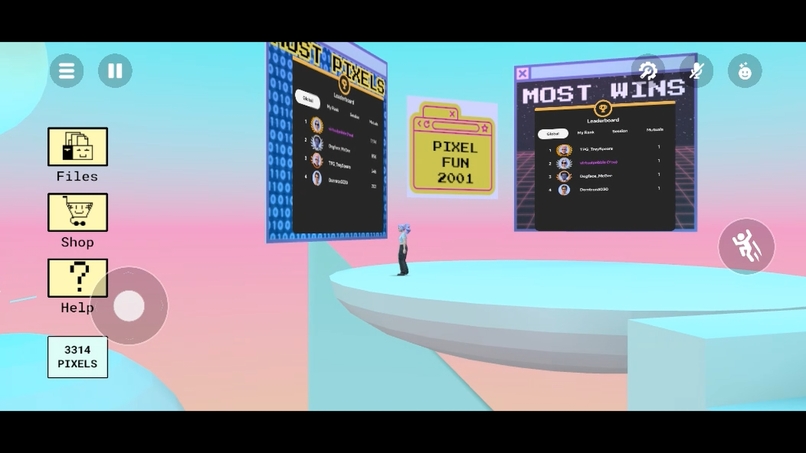
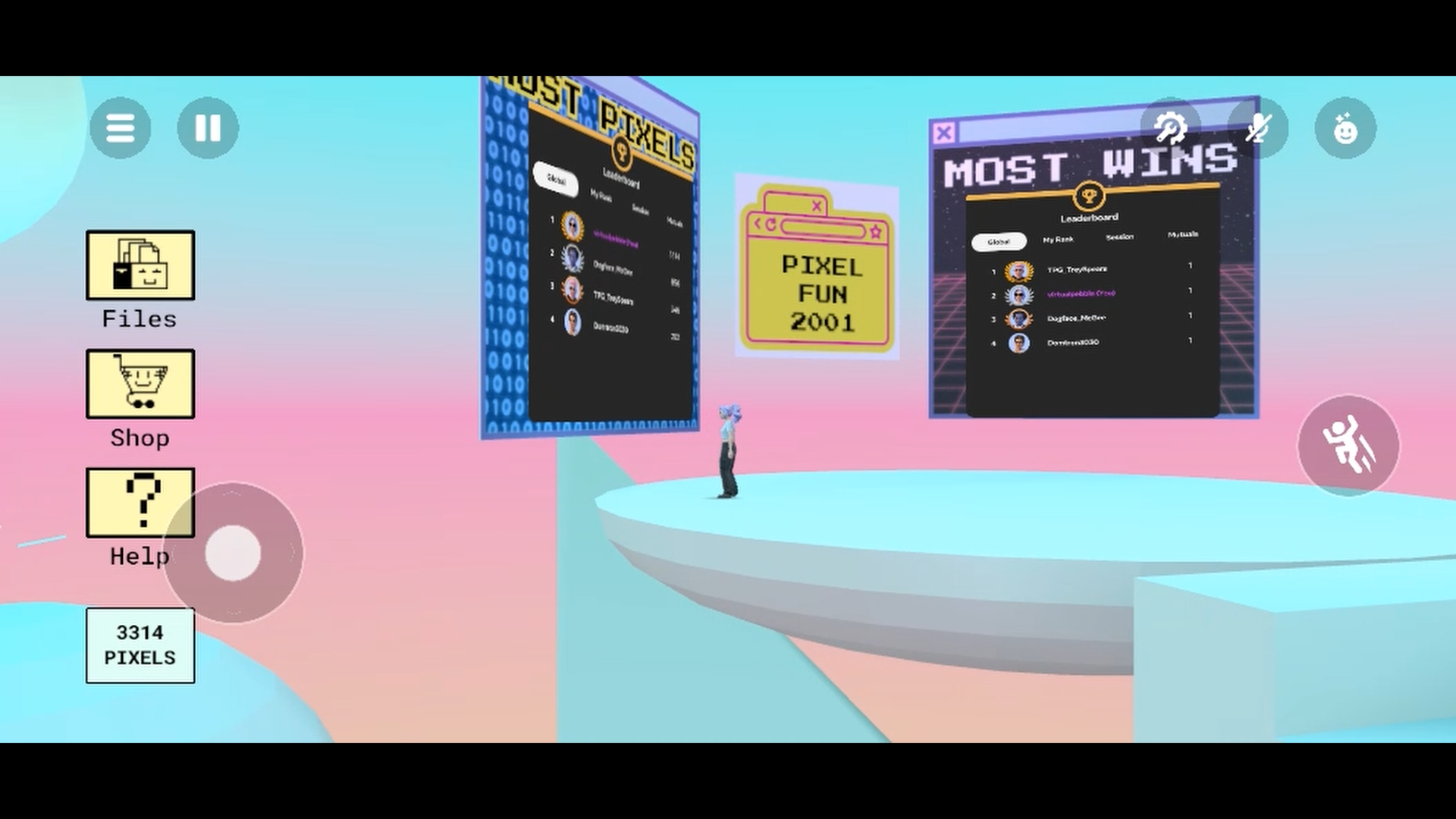
Scoreboards
-
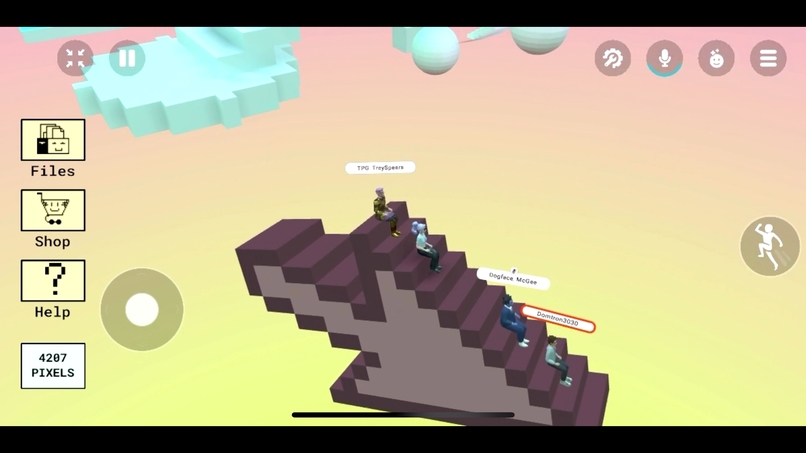
Going for a ride
-
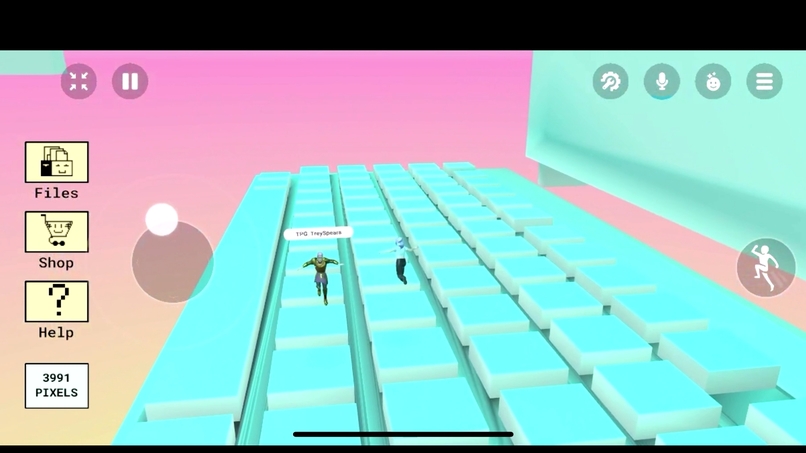
Keyboard Quest
Inspiration
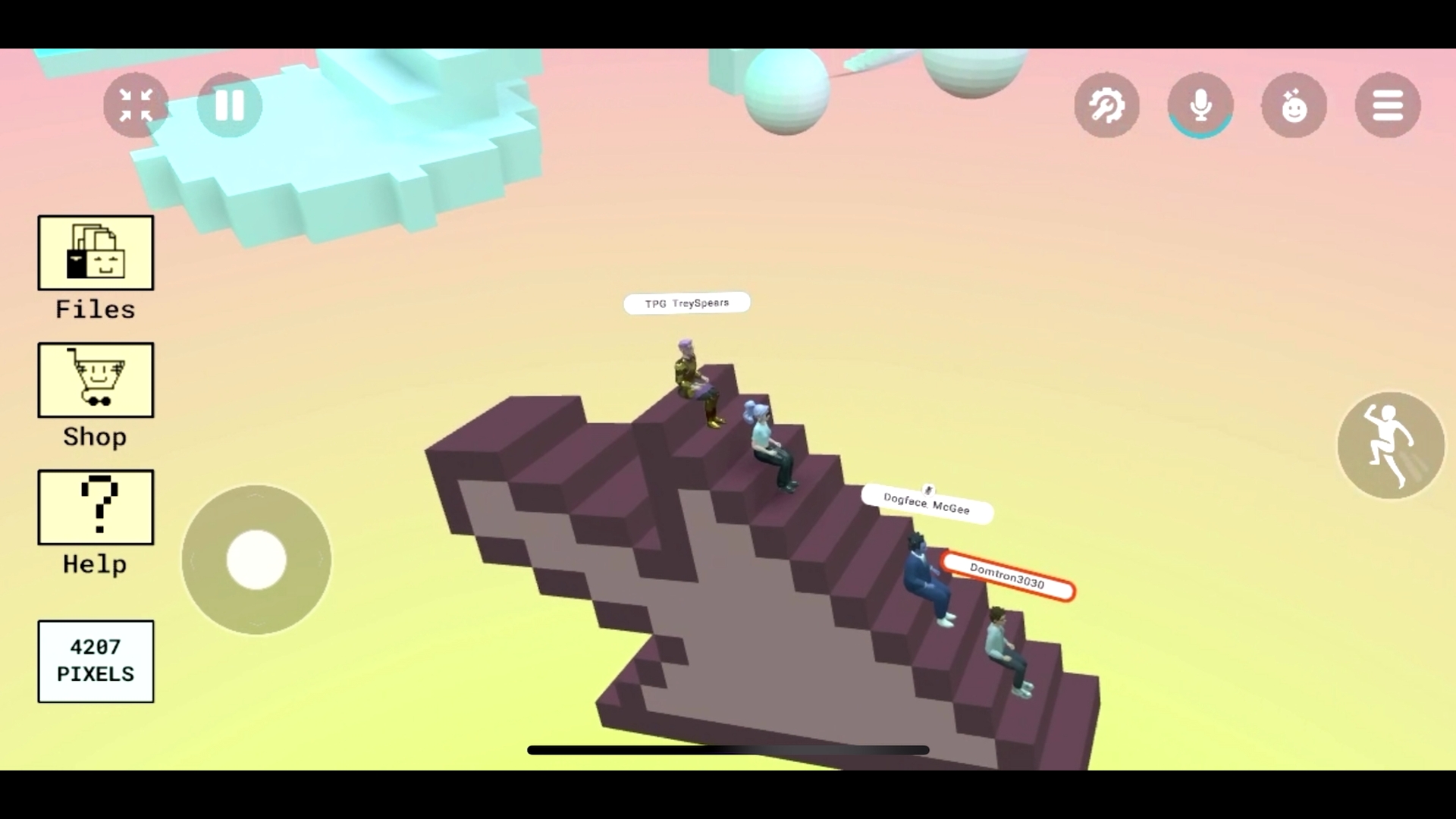
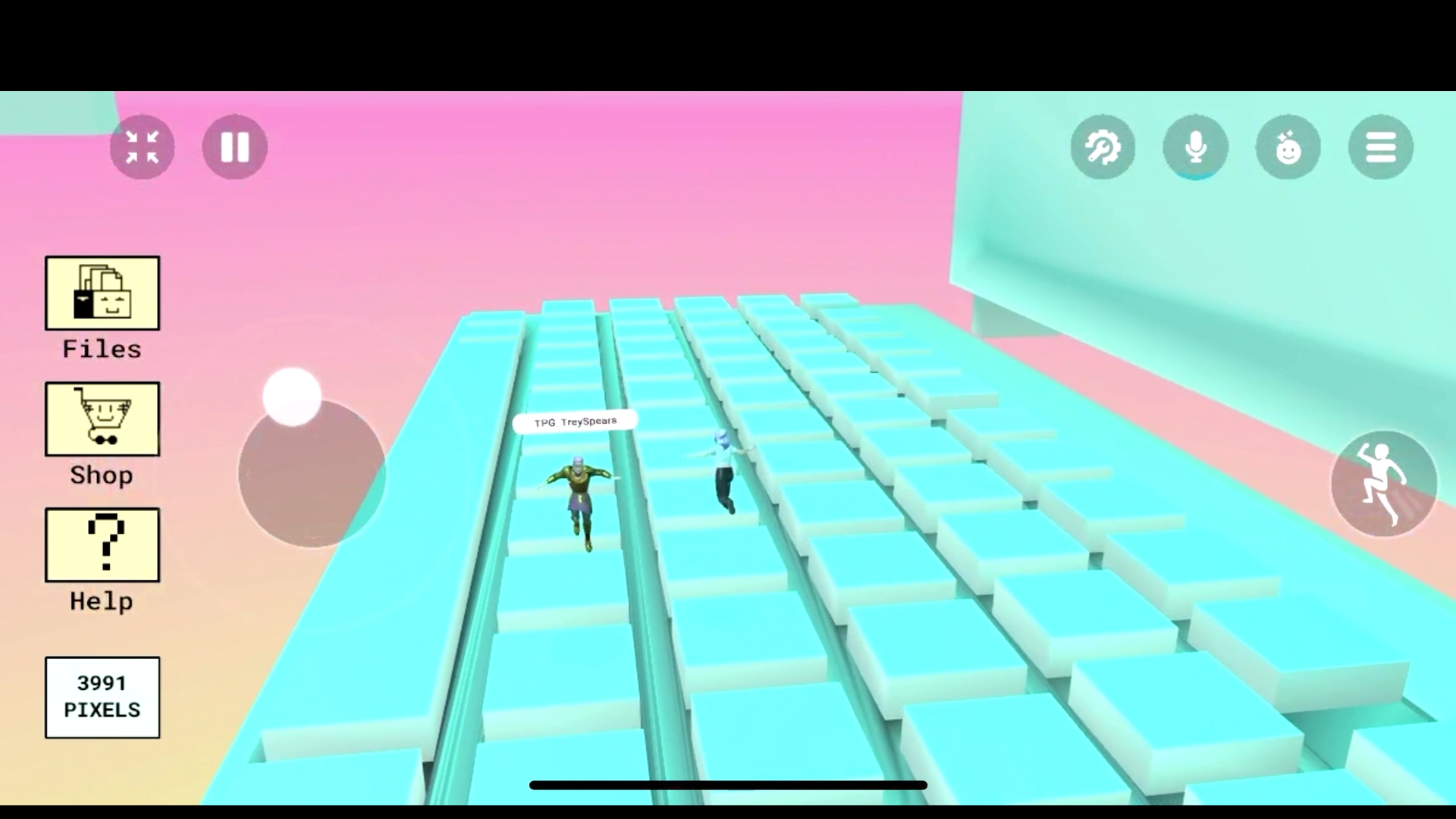
This world was inspired by the nostalgia of early internet culture. I’ve always enjoyed playful language games, so I incorporated mechanics inspired by card games like Apples to Apples and Cards Against Humanity.
Visually, I drew from early 2000s computer imagery: bold neon colors, pastel UI kits, old operating systems, and lo-fi graphics. My goal was to recreate the feeling of being inside a giant retro internet system that’s vibrant, interactive, and full of surprises.
What it does
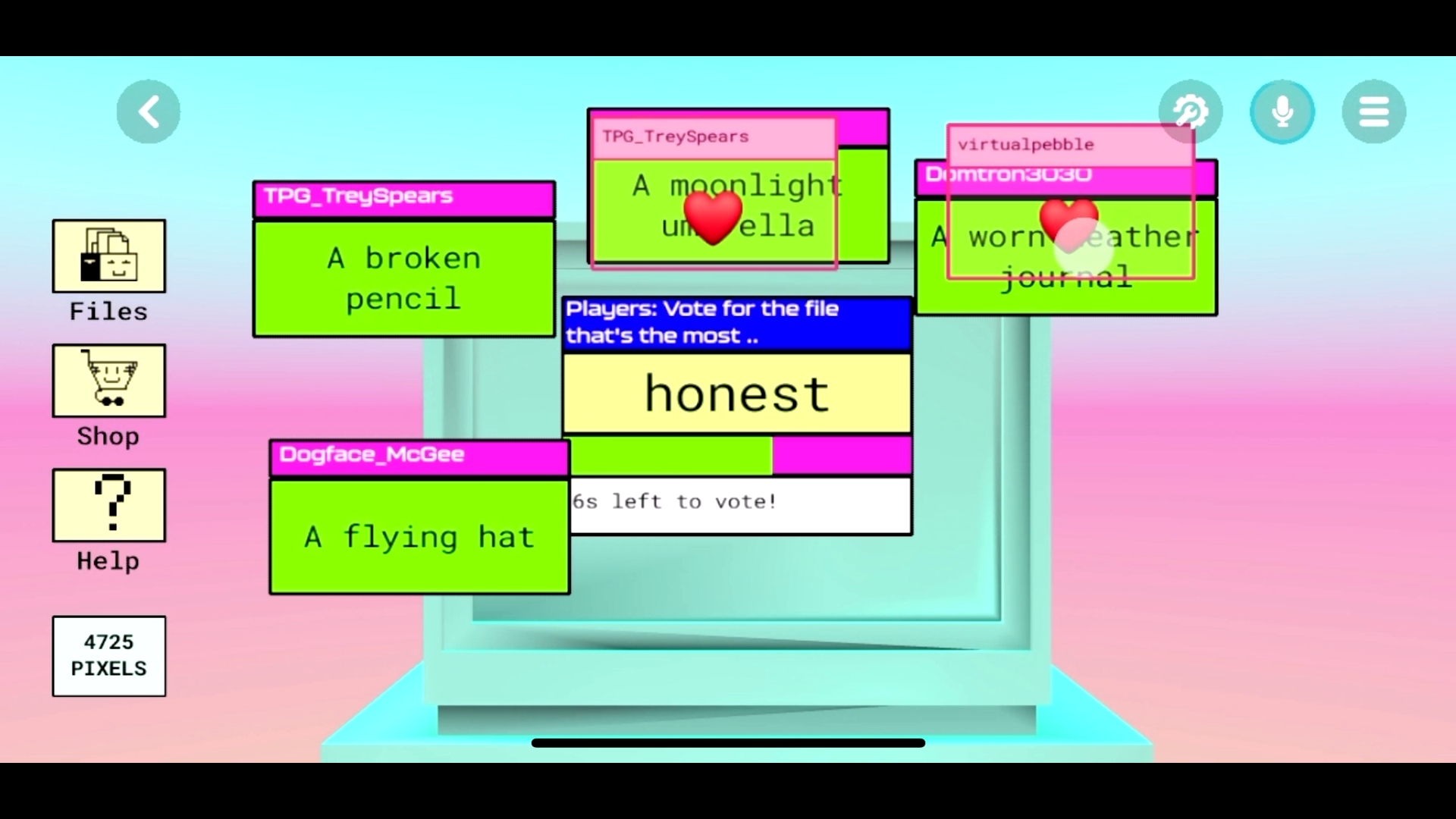
In the main game, players respond to silly prompts by sending pixelated “files” from their inventory. Each round, everyone submits a file (noun) to match the prompt (adjective), and then votes on their favorites. Players earn pixel points, which can be used to unlock new files and upgrades.
Players can express themselves through the files they collect, enjoy surprises, and interact with others in a weird, nostalgic universe.
How I built it
I combined a variety of creative and technical tools to shape both the visual and interactive experience. The soundtrack was composed in FL Studio, 3D models were crafted in Blender, and I used LibreSprite to design pixel art elements that give the world its retro-digital aesthetic. I then brought everything together in the Horizon Desktop Editor, using its environment tools to build a stylized cyber world with dynamic lighting and atmospheric effects.
I used TypeScript to build core logic such as point tracking, local and public UIs, camera interaction systems, and upgrade mechanics. I tested the experience with friends, gathering feedback to fine-tune gameplay flow, eliminate bugs, and make the interface clear for first-time players.
Challenges I ran into
One of the main challenges was mastering the data and animation bindings within Horizon’s UI system, especially for round-based logic and real-time feedback. Creating a shared experience that also felt personalized required careful use of local and server-side events to balance persistence and responsiveness.
Debugging mobile-specific issues and optimizing for performance while maintaining a rich aesthetic also took extra iteration.
Accomplishments that I'm proud of
I’m proud of how immersive the world feels, especially the visual storytelling. Right away, you feel like a small process inside a strange internet machine. I used lighting and sound cues to evoke a cohesive cyber atmosphere.
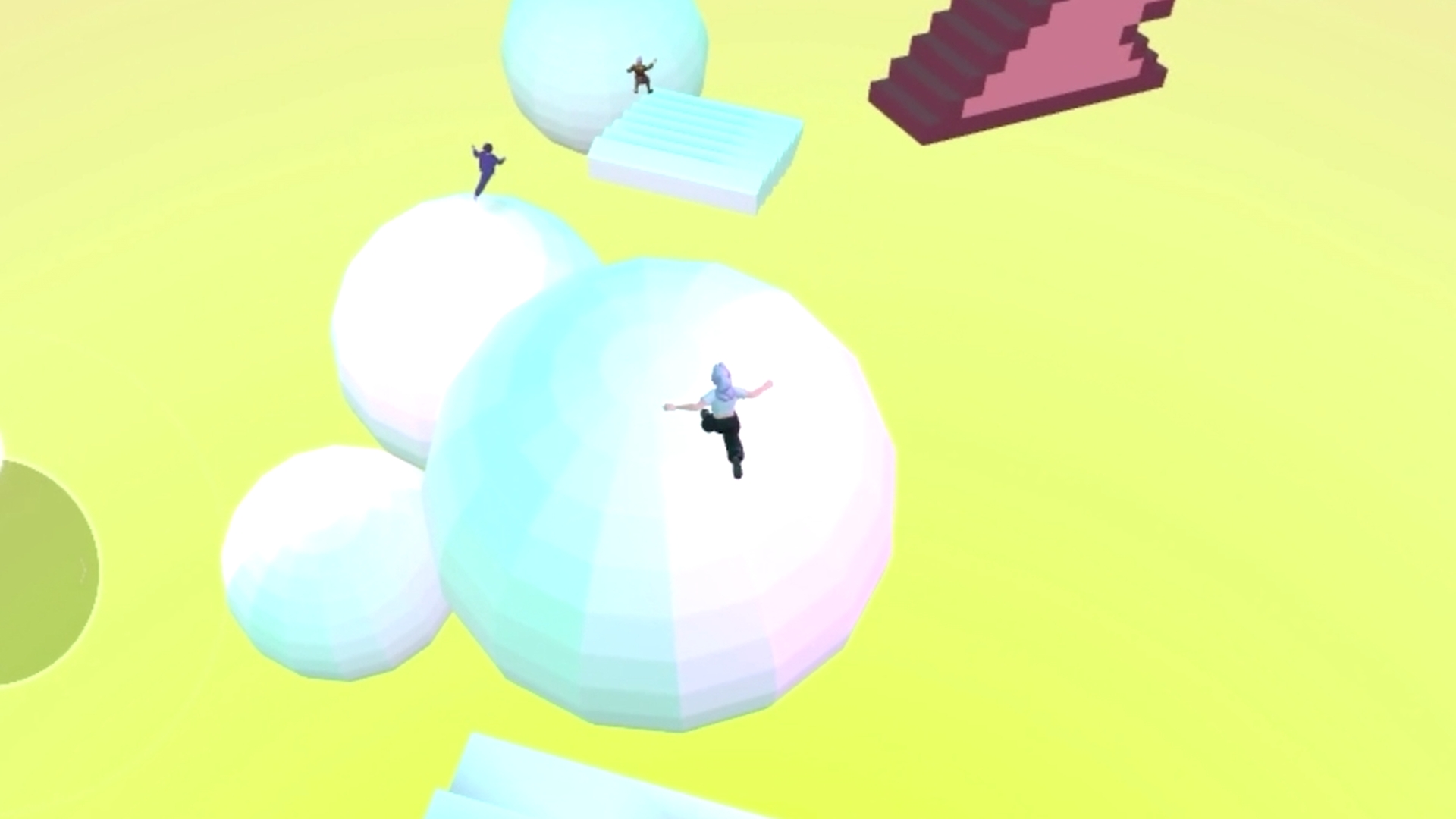
I'm also really happy with how the gameplay turned out. It’s light and can bring out people’s humor right away. There’s different ways to enjoy the world (participating in game rounds, collecting pixels, finding surprise areas) and it’s fun to see what people choose to do.
What I learned
I learned more about Meta Horizon's Desktop Editor and API, especially managing persistent game state. Designing for mobile 3D game comfort was new for me, and I gained a better understanding of pacing, layout, and UI responsiveness in limited screen space. This also gave me new ideas about how to layer humor and creativity into light, asynchronous play.
What's next for Pixel Fun 2001
I’m working on full VR support now, with plans to release to both platforms after the competition. In the long term, I’d like to expand the progression system with more upgrades, unlockables, and potentially networked areas that let players hop between different themed servers.
Built With
- blender
- flstudio
- meta
- metahorizon
- typescript


Log in or sign up for Devpost to join the conversation.