-
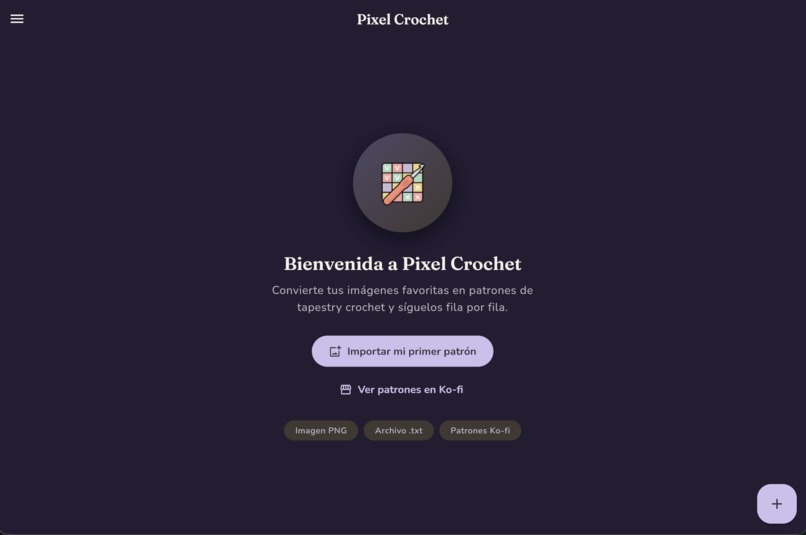
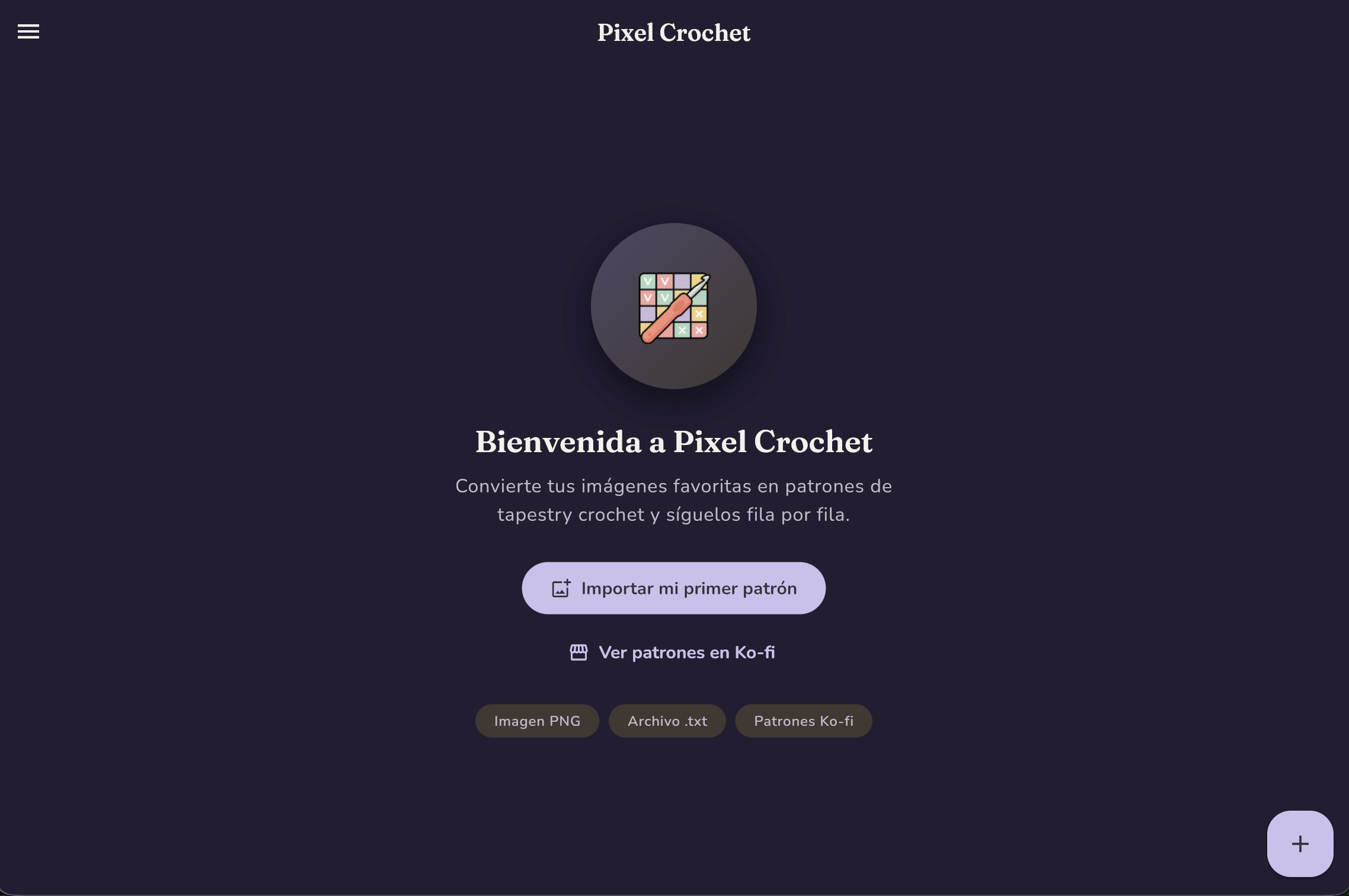
Home Page
-
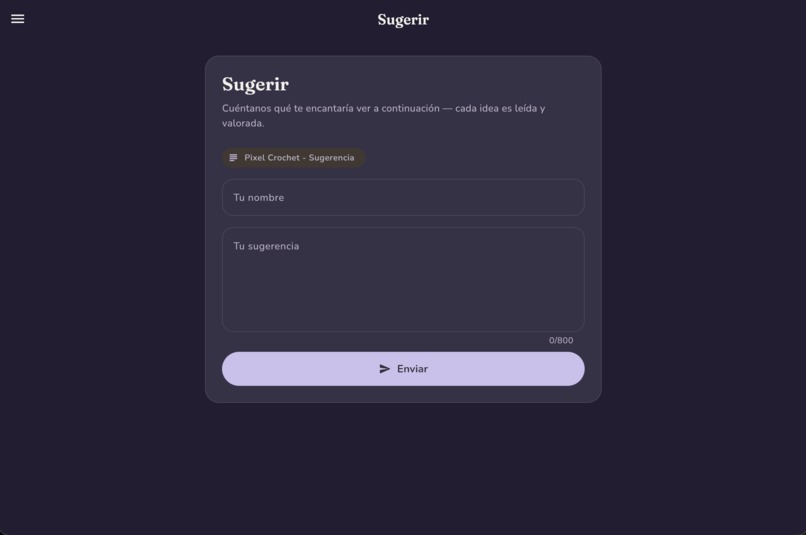
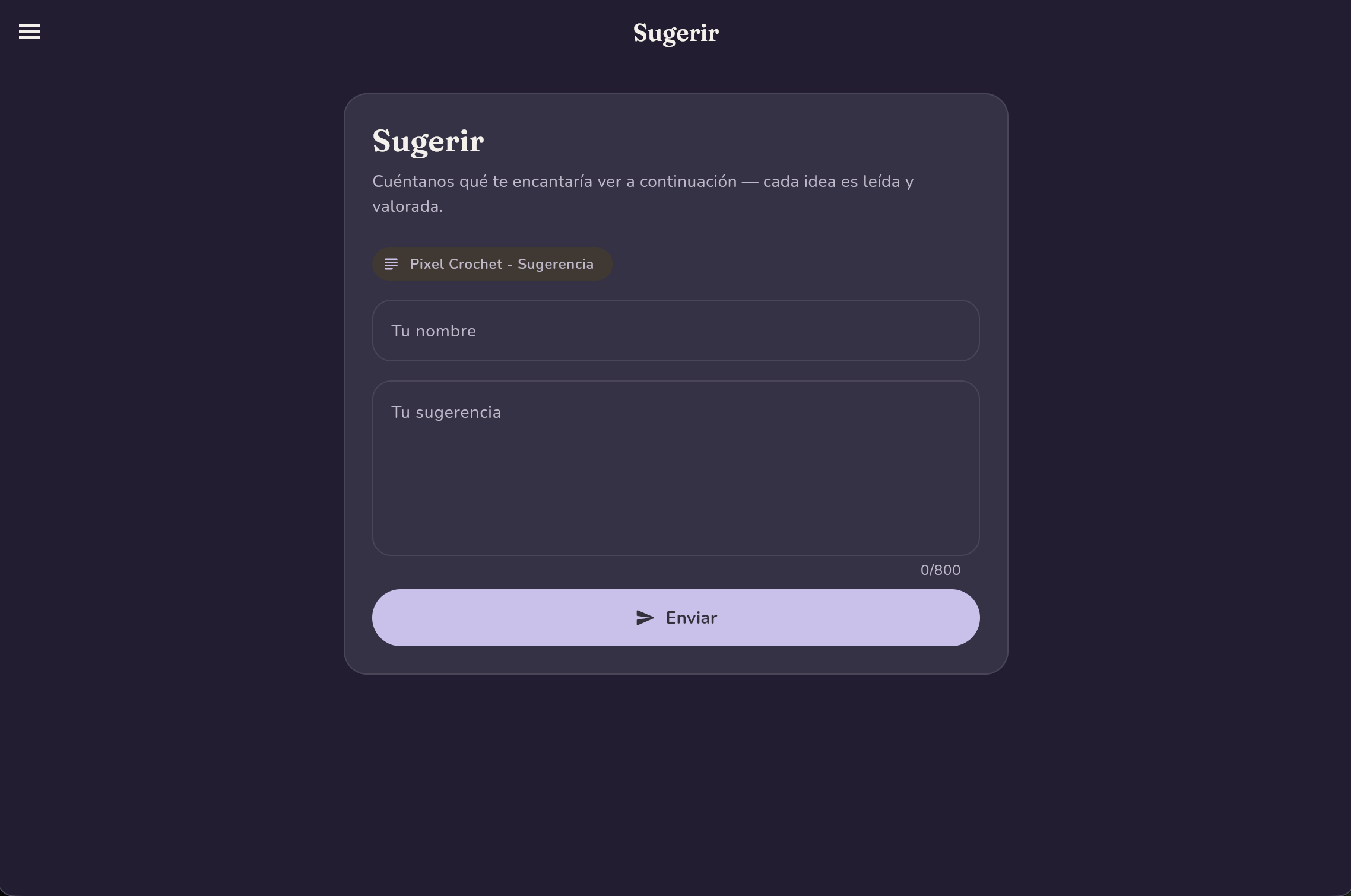
Suggest Page
-
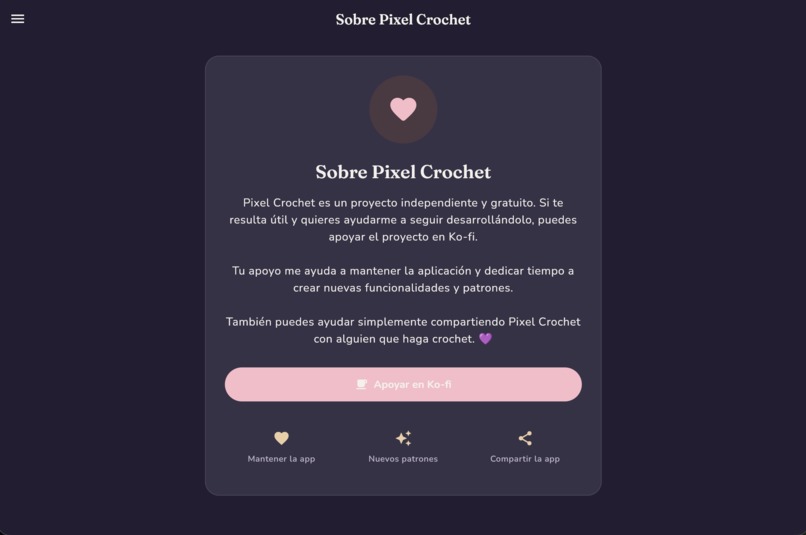
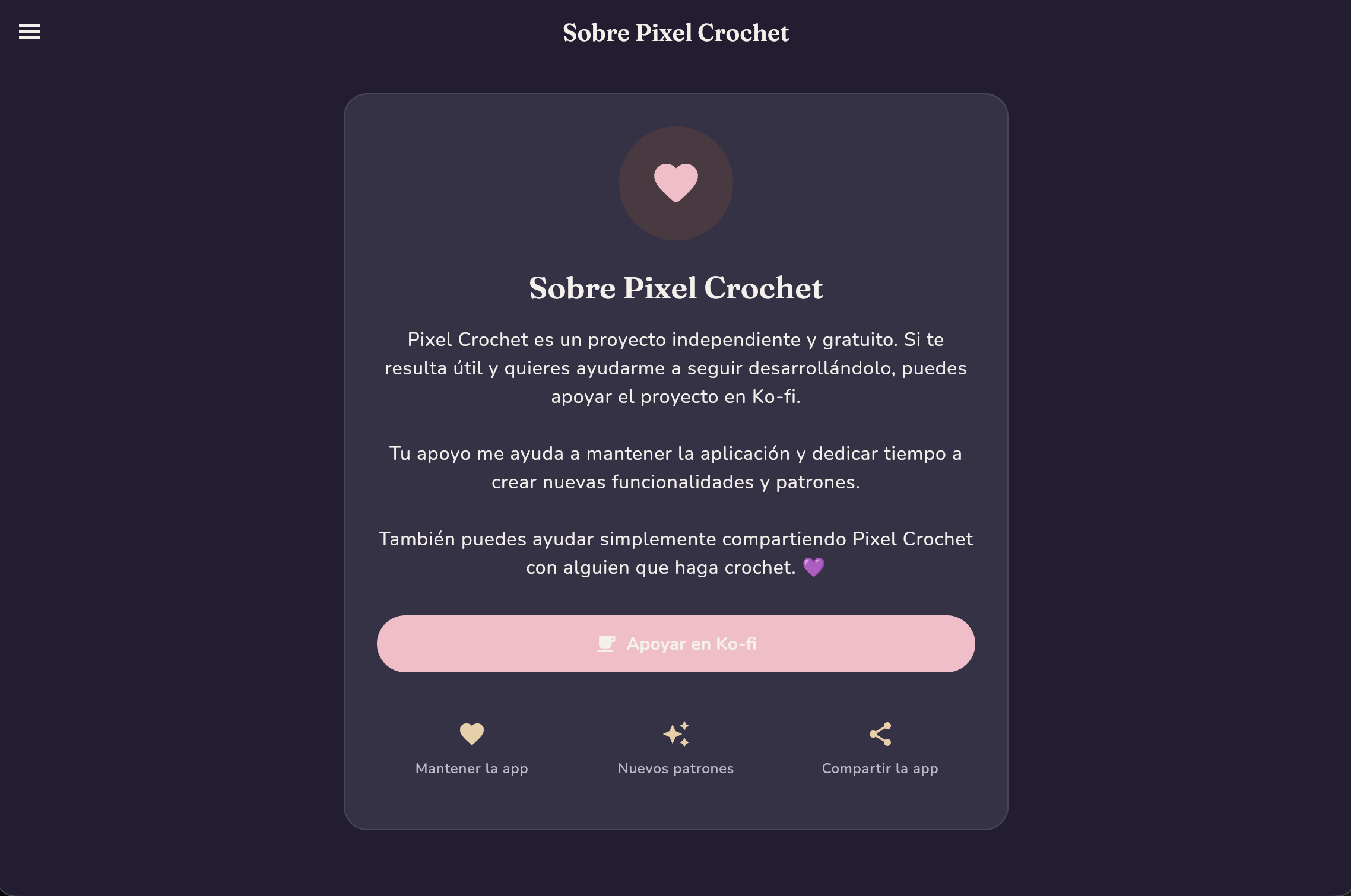
About Page
-
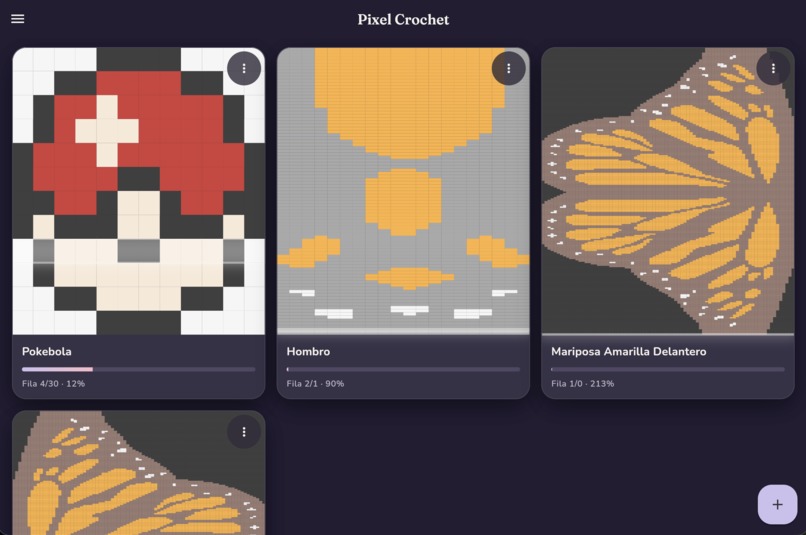
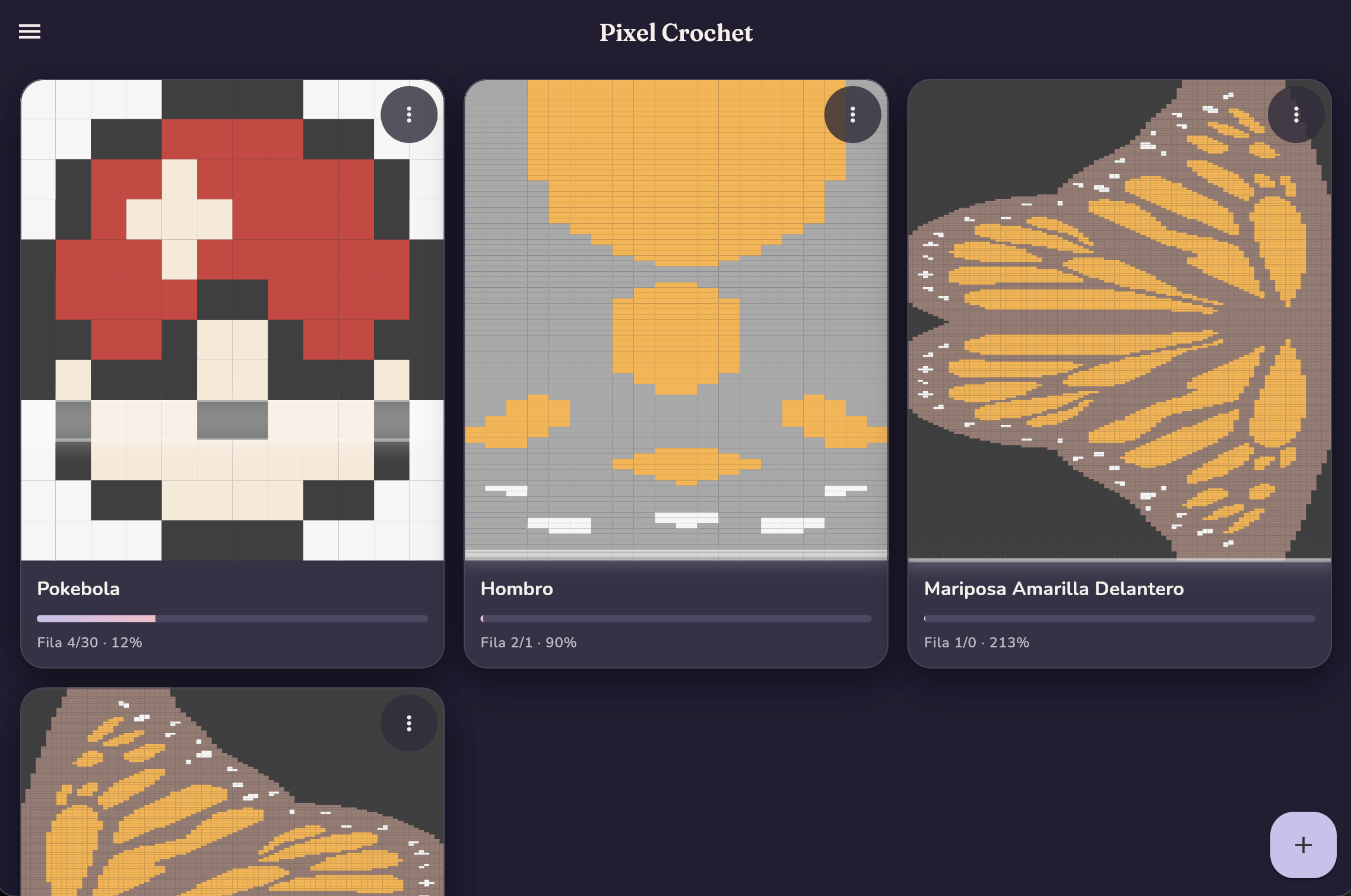
Home Page with patterns
-
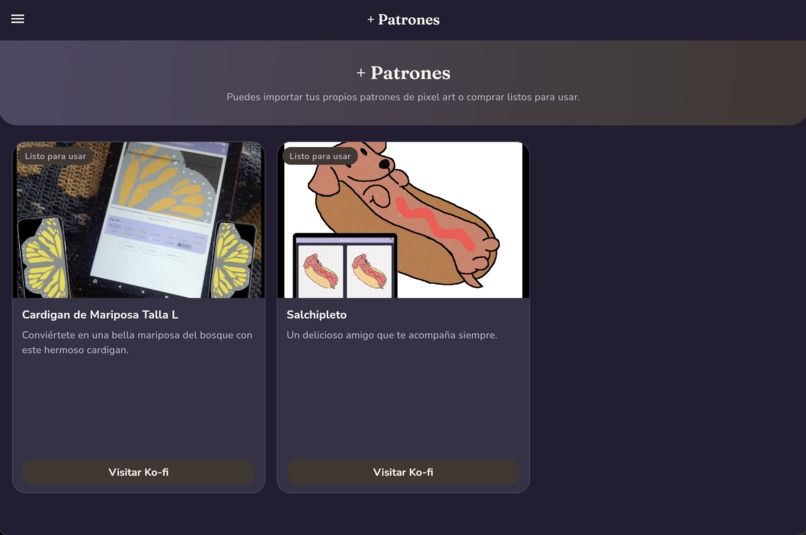
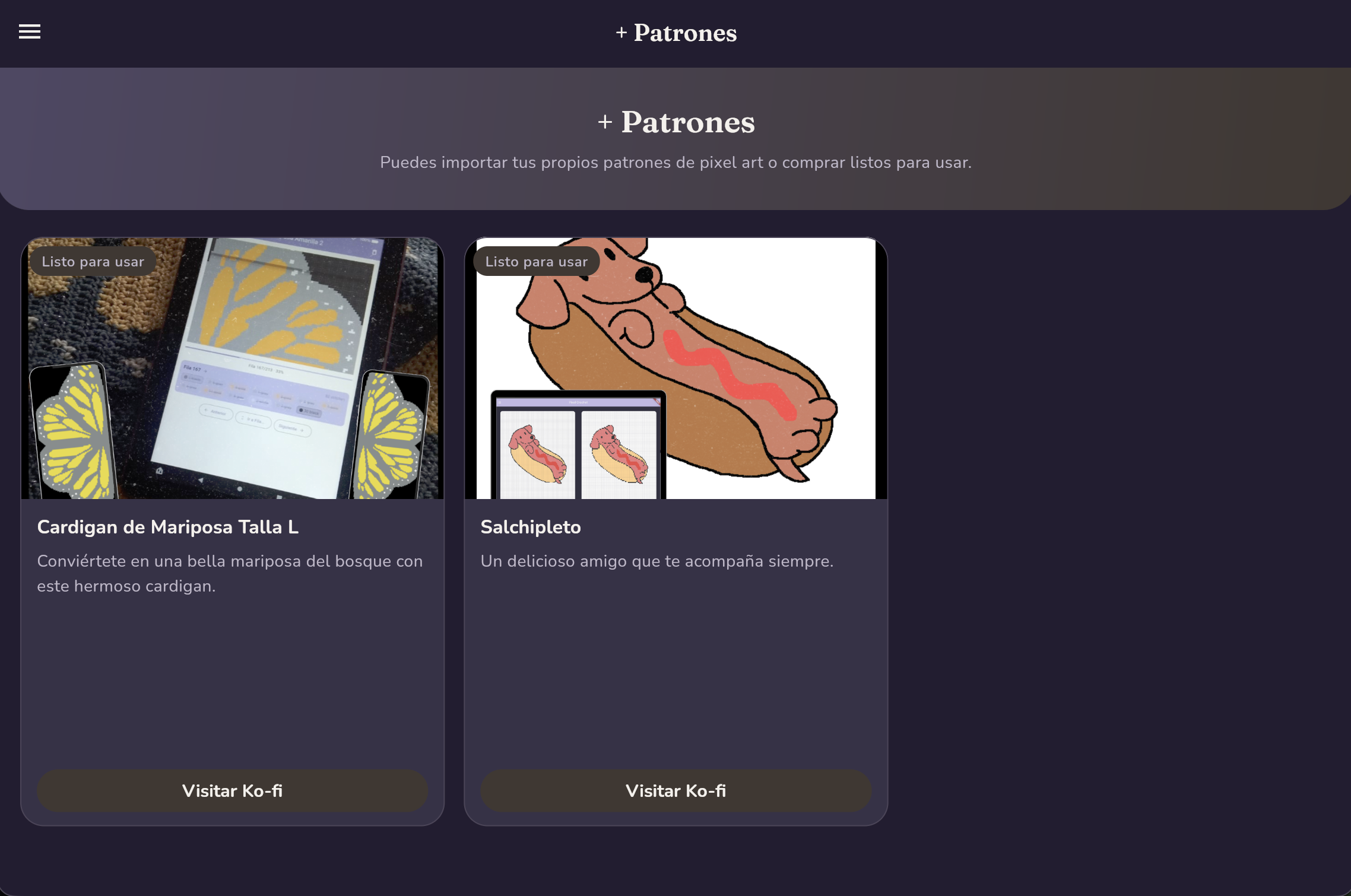
More Patterns Page
Inspiration
My mom wanted to crochet a butterfly cardigan, but the pattern only existed as a grid chart. She had to count every stitch by hand, and more than once she lost her place and had to unravel rows of work she'd already finished. Watching that happen over and over is what pushed me to build something that could make following a grid pattern less error-prone and more forgiving.
What it does
Pixel Crochet is a row tracker for crochet grid patterns. It helps crocheters keep track of exactly where they are in a pattern, row by row, so a distraction or an interruption doesn't mean losing your count — or your progress. The app is available in both Spanish and English.
How I built it
I built Pixel Crochet in Flutter, using a feature-first architecture with Riverpod for state management and go_router for navigation. Localization support for Spanish and English was built in from the start, since this needed to work for my mom as much as for anyone else. I wrote unit tests covering the core logic — the pattern parser, storage, image processing, and the project provider — to keep the row-tracking reliable, since a bug here means exactly the kind of miscount the app exists to prevent.
Challenges I ran into
Distribution turned out to be the hardest part, not the code. With Play Store address verification pending, I had to weigh alternatives — an APK via GitHub Releases versus a web/PWA build — and landed on the web/PWA route as the most accessible option for a general, non-technical audience like my mom.
Accomplishments that I'm proud of
Building something that solves a real problem for a real person — my mom — rather than a hypothetical one. I'm also proud of the test coverage on the core logic and of shipping bilingual support from day one instead of bolting it on later.
What I learned
I learned a lot about Flutter's feature-first architecture and Riverpod, but the bigger lesson was about distribution: getting an app in front of real users doesn't stop at working code — app store review processes and verification delays are a real constraint you have to design around, and a PWA can be the pragmatic answer.
What's next for Pixel Crochet
The next step will be to allow users to design their own patterns using pixel art. This will further expand the range of items you can knit. I’d also like to ensure that every user has their own account, allowing you to see what your friends are knitting. Just imagine it: you’re relaxing when suddenly you get a notification: ‘Marta has just finished her new cardigan and uploaded photos of it.’
Live app: link — free, open source (MIT), no account required. Converts images or Stitch Fiddle patterns into a row-by-row guide: color, stitch count, and auto-saved progress. Available in Spanish and English; web, Android, and iOS; your photos never leave your device.
Built With
- c2c-crochet
- flutter
- gorouter
- graphgan
- pixel-crochet
- riverpod
- tapestry-crochet
- vercel


Log in or sign up for Devpost to join the conversation.