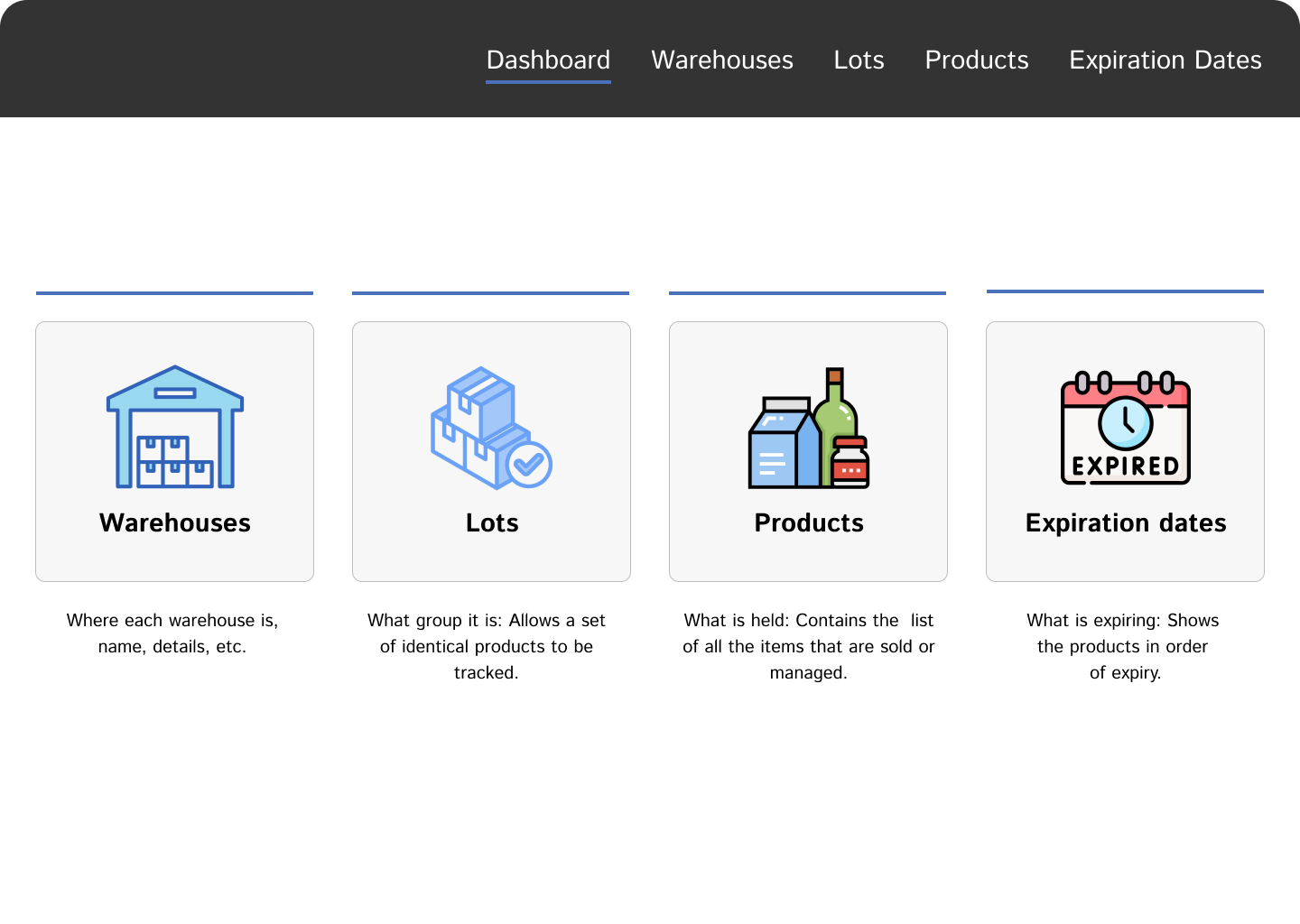
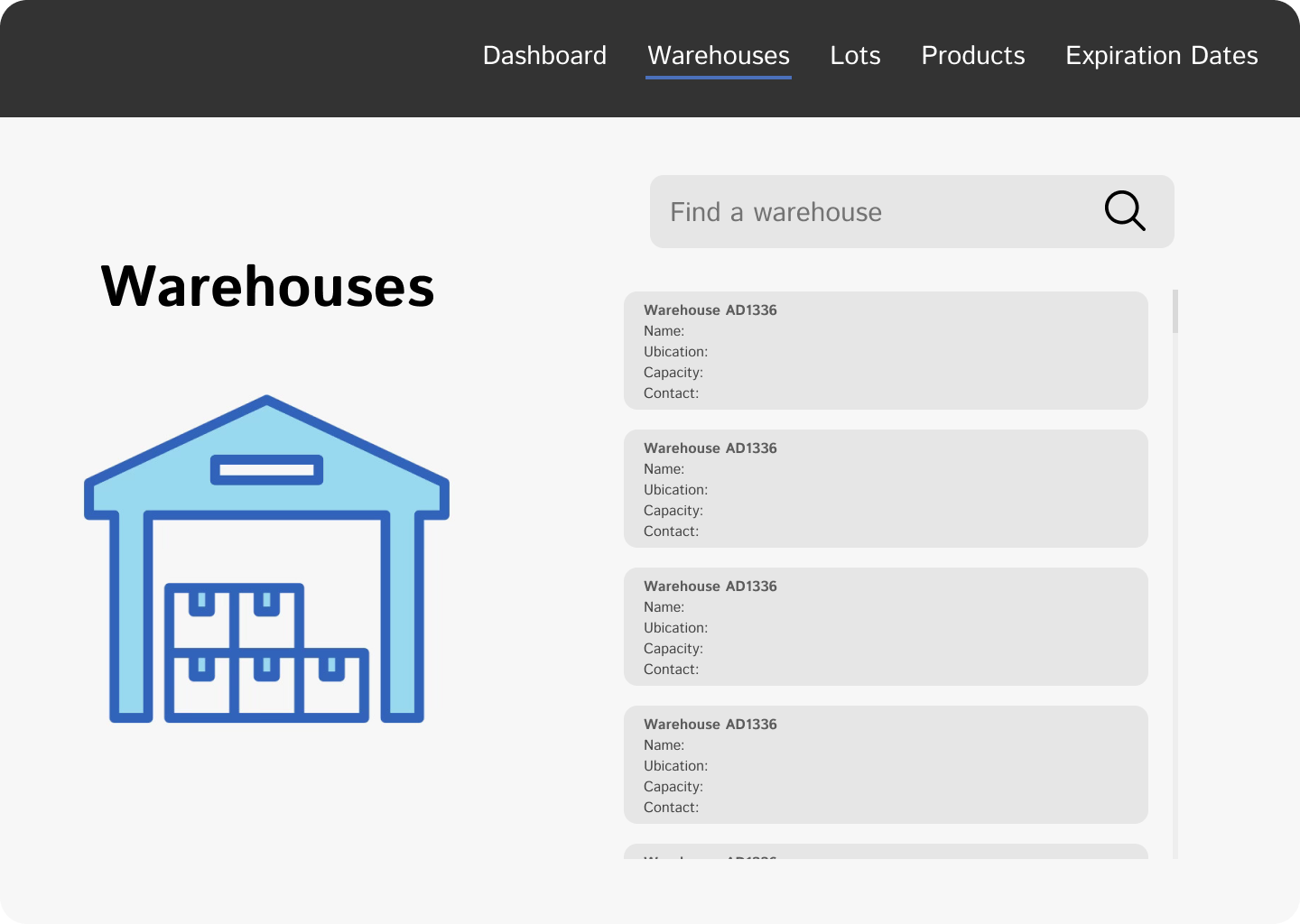
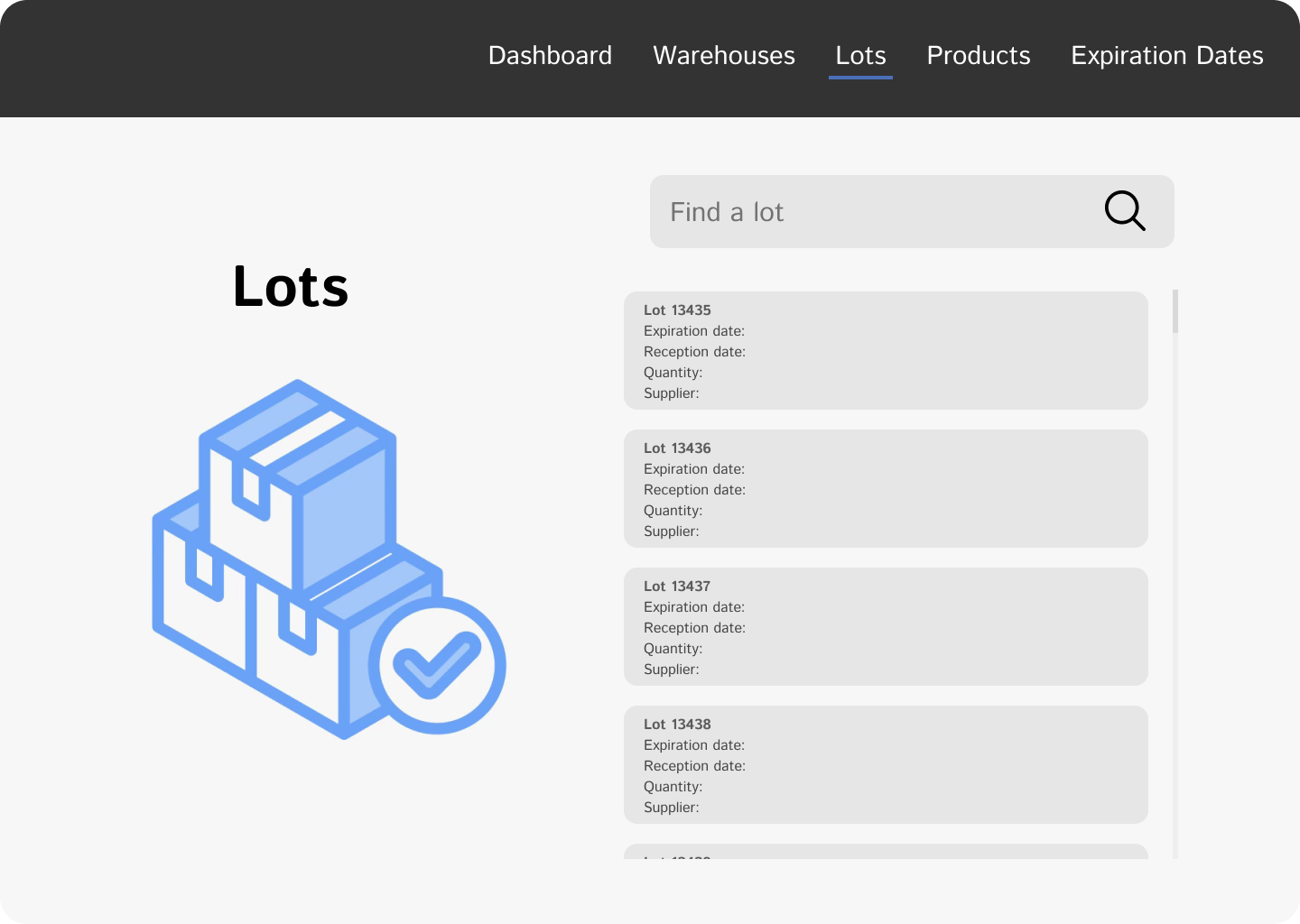
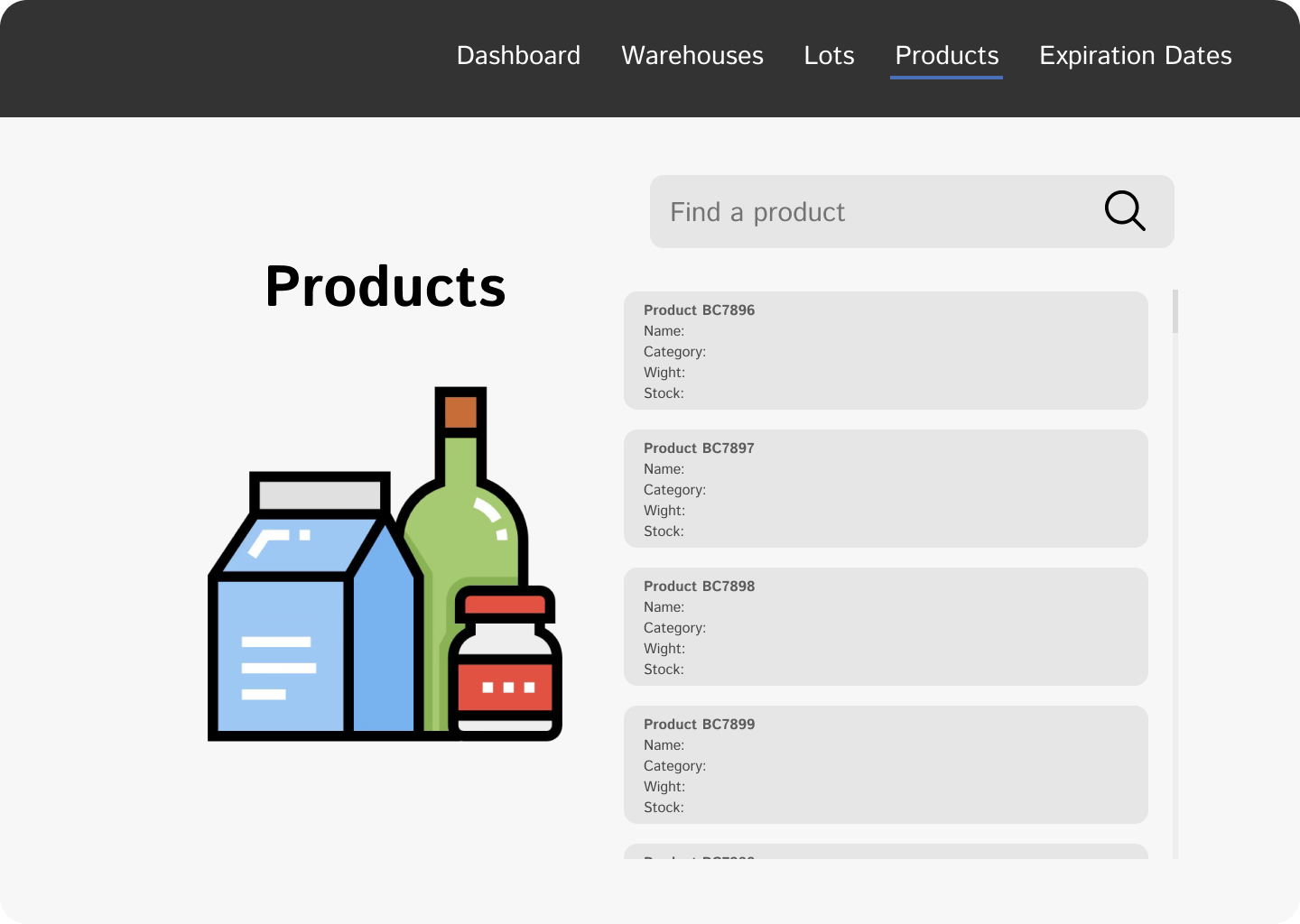
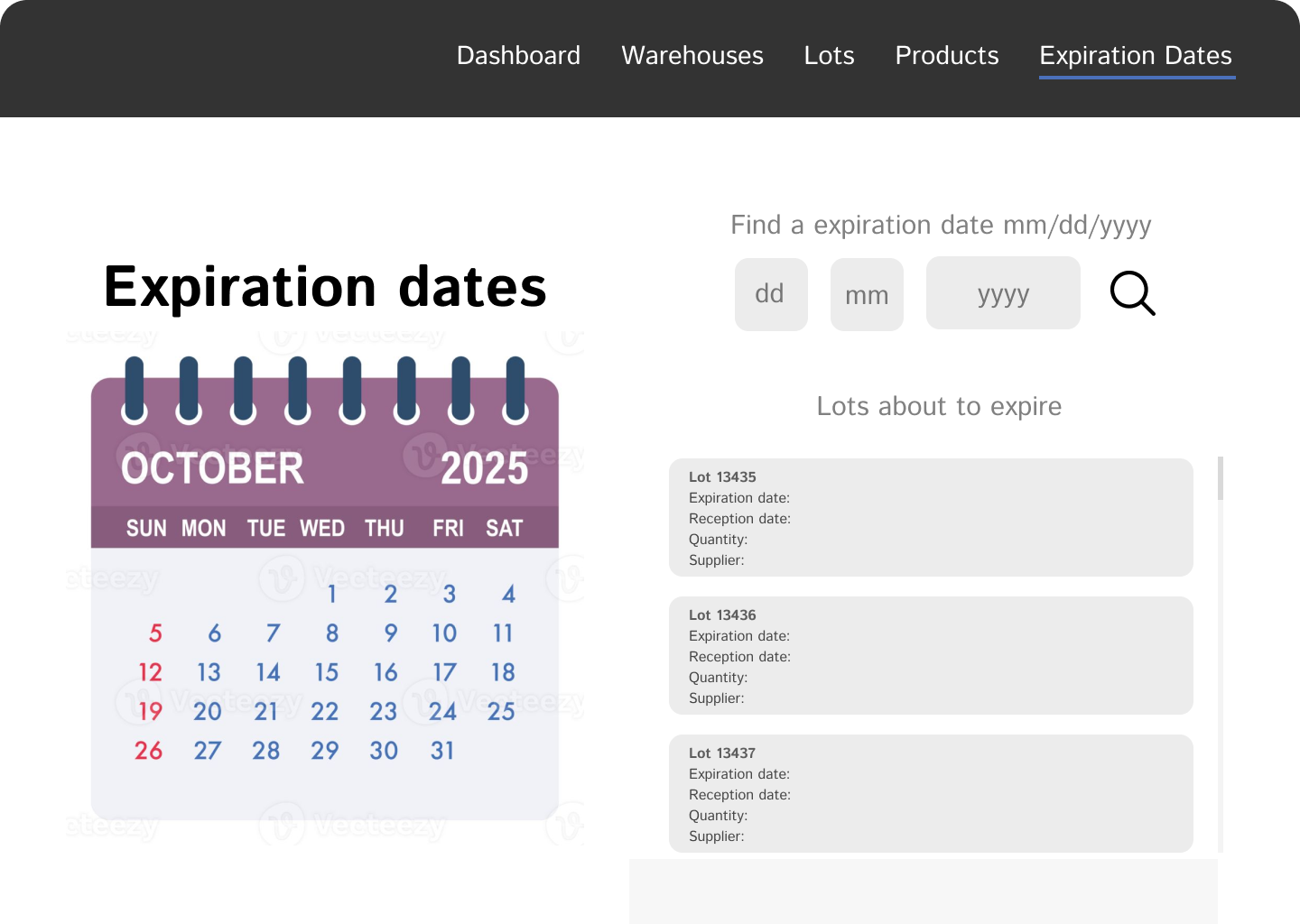
Inspiration The PIVTA project (Integrated Traceability and Automatic Verification Platform) arose to eliminate dependence on manual work and human criteria in expiration verification. The main inspiration was reducing the risk of an expired product going unnoticed, which is critical in fast-paced catering operations where checks must be performed quickly under pressure. We sought a solution based on data and artificial vision.
Project Construction PIVTA was built as a comprehensive solution automating the freshness process:
- Smart Traceability: We assign digital identifiers (such as QR or RFID codes) to each LOT upon receipt or production. This identification links to a central system that registers the Expiry_Date.
- Artificial Vision Verification: We developed an application (for mobile phone or tablet) that uses a camera and artificial intelligence or artificial vision to automatically read and verify expiration dates. The system immediately highlights expired or nearly expired items. This drastically reduces the time dedicated to manual visual checks.
- Inventory Management (IoT): Containers are equipped with sensors or readers that identify products and activate an Alert System (e.g., via lights or visual notifications) when an item approaches its limit, providing real-time visibility.
- Predictive Analysis: Rotation is based on the PEPS rule (First In, First Out), prioritizing the expiration date. The system calculates "Days remaining" and utilizes an AI-based forecasting tool to suggest the best usage sequence.
Learning and Lessons To ensure rotation suggestions were actionable, we defined priority tiers based on risk (High: 0–7 days; Medium: 8–30 days; Low: > 30 days) to guide immediate use or Weekly Planning. We learned that ensuring products are used in the correct order makes the general operation smoother.
Challenges and Impact A key challenge was simplifying tasks and ensuring the solution was intuitive and easy to use, allowing employees to perform checks faster and with confidence, even while working under pressure. By predicting which items will expire, the direct positive impact is that product losses will be minimized and unnecessary disposal of still-valid items will be avoided, contributing to the reduction of food waste.


Log in or sign up for Devpost to join the conversation.