
Codegeist 2025 Essay: Building High-Performance Platforms with Atlassian Forge
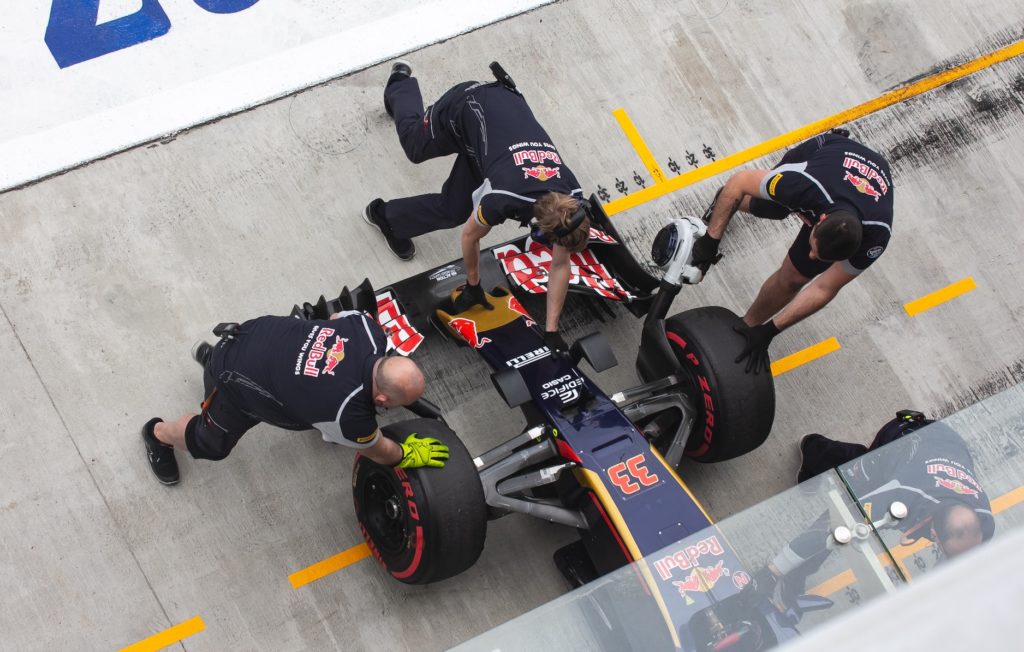
Innovation has always inspired me when technology meets precision, speed, and teamwork. Codegeist 2025: Atlassian Williams Racing Edition represents exactly that intersection. The spirit of Formula 1—where milliseconds matter, collaboration is critical, and systems must perform flawlessly—closely mirrors the challenges faced by modern software and business teams. This hackathon motivated me to design and build a platform that removes friction, accelerates decision-making, and empowers teams to operate with clarity and confidence.
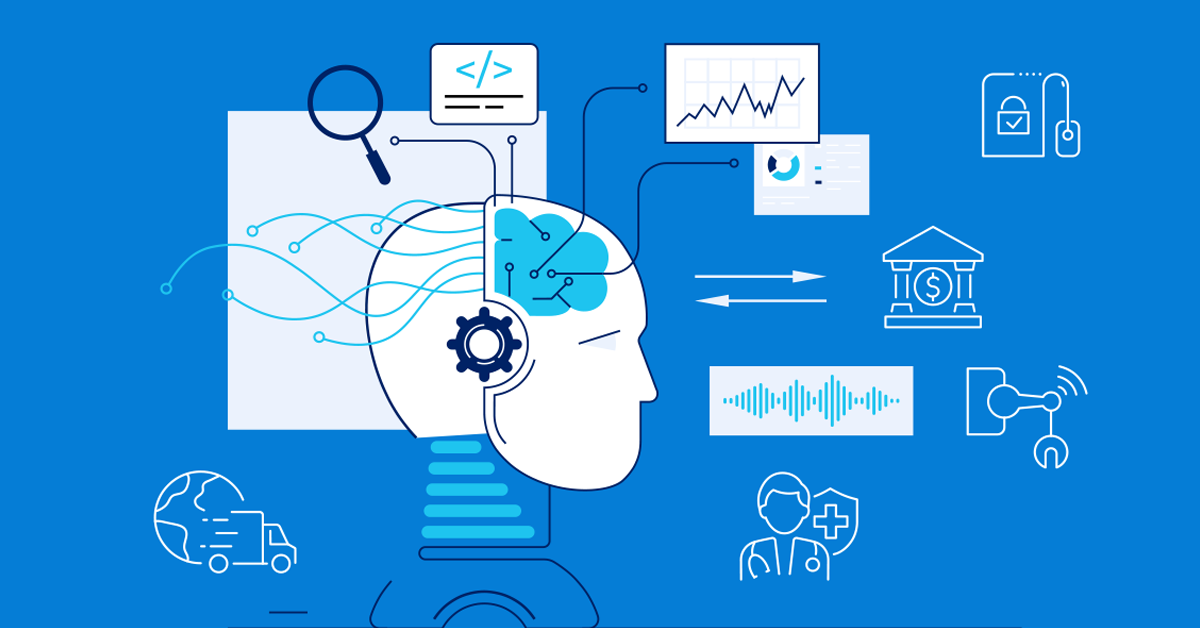
My inspiration stems from observing how teams struggle not because of lack of talent, but because of fragmented tools, delayed visibility, and manual processes. Jira, Confluence, Bitbucket, and Jira Service Management are already powerful on their own, but when extended intelligently through Atlassian Forge, they become a unified performance engine. I was inspired to build an app that acts like a digital race engineer—surfacing the right insights at the right moment, coordinating workflows, and enabling teams to focus on what truly matters: execution.
The core idea behind my project is to support software and business teams by automating context awareness across Atlassian products. Using Forge, the platform integrates directly with Jira and Confluence to track work status, surface risks early, and align documentation with real-time progress. By reducing context switching and manual updates, teams gain speed without sacrificing accuracy—much like a finely tuned pit crew.
One of the main challenges I encountered was balancing flexibility with simplicity. Atlassian teams are diverse: developers, product managers, business stakeholders, and support teams all use the same tools differently. Designing an app that adapts to these workflows while remaining intuitive required careful consideration of user experience, permissions, and performance constraints within Forge’s secure environment. Another challenge was ensuring scalability—building a solution that feels lightweight but can grow alongside enterprise-level needs.
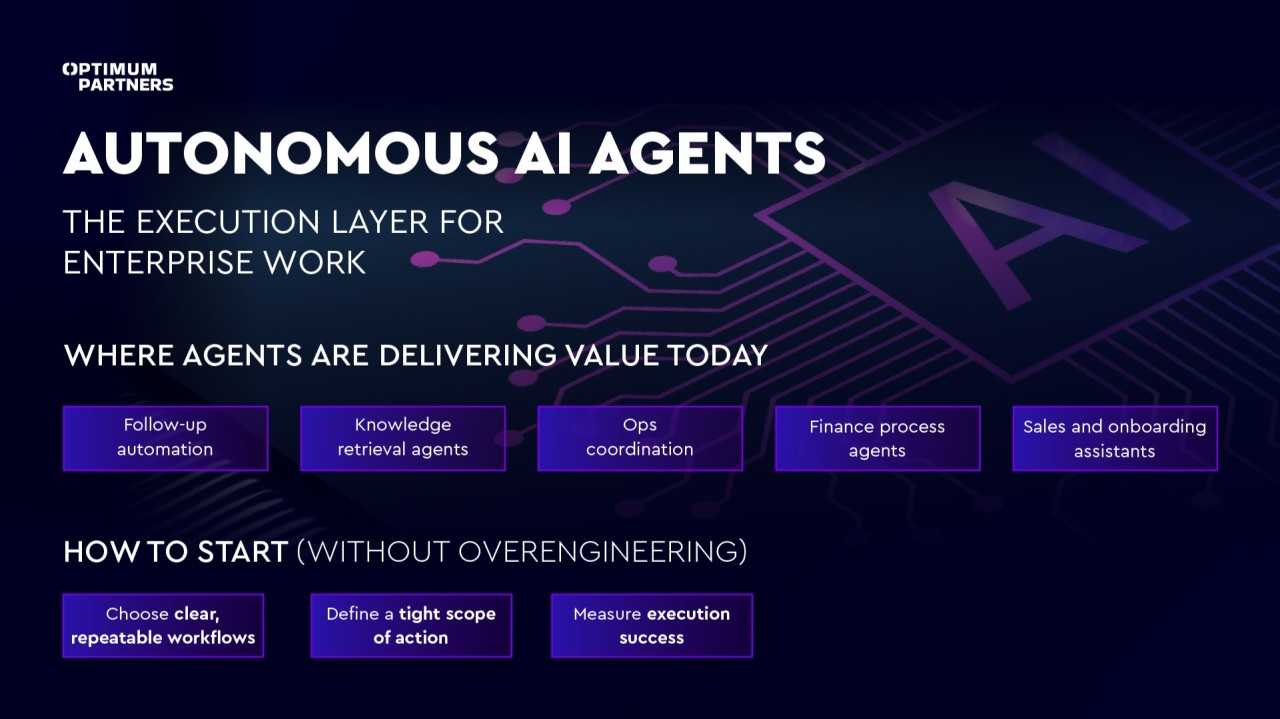
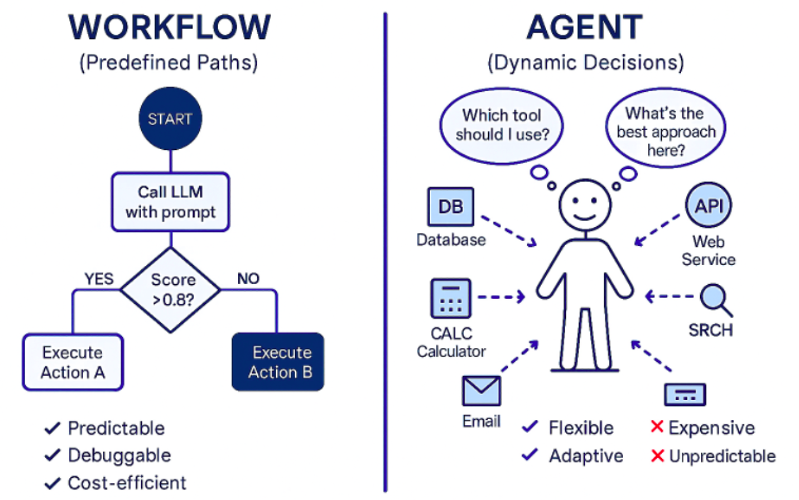
To address these challenges, I leaned into Forge’s strengths: secure-by-default architecture, seamless Atlassian integrations, and extensibility through platform capabilities. I also explored how Rovo agents could enhance automation by performing contextual tasks—such as summarizing project health, flagging delivery risks, or recommending next actions—without adding cognitive load to users.
Looking ahead, the next phase of this platform will focus on deeper intelligence and specialization. By expanding Rovo agent capabilities and aligning with the Runs on Atlassian program, the app can evolve into a trusted co-pilot for teams across industries, including automotive, finance, and operations. Additional roadmap plans include predictive insights, cross-team dependency mapping, and deployment analytics tied directly to Bitbucket pipelines.
Codegeist 2025 is more than a hackathon—it is a catalyst. It challenged me to think like a race strategist: design for speed, reliability, and collaboration under pressure. With Atlassian Forge, I am not just building an app; I am building a platform that helps teams move faster, think smarter, and win together.
Built With
- and
- around
- centered
- primarily
- react
- this-application-is-built-using-a-modern-web-development-stack
- typescript

Log in or sign up for Devpost to join the conversation.