-
-
-
Watch the “Try It Out” videos for the full immersive experience, including spatial audio.
-
-
Watch the “Try It Out” videos for the full immersive experience, including spatial audio.
-
-
Watch the “Try It Out” videos for the full immersive experience, including spatial audio.
-
-
Watch the “Try It Out” videos for the full immersive experience, including spatial audio.
-
-
Watch the “Try It Out” videos for the full immersive experience, including spatial audio.
-
-
Watch the “Try It Out” videos for the full immersive experience, including spatial audio.
-
-
Watch the “Try It Out” videos for the full immersive experience, including spatial audio.
-
-
Watch the “Try It Out” videos for the full immersive experience, including spatial audio.
Inspiration
Most presentation tools teach people how to speak. We wanted to build something that teaches people how to respond.
The idea for PitchLoop VR came from noticing how disconnected communication practice feels today — especially for students preparing for interviews, pitches, critiques, or presentations. You rehearse alone, maybe record yourself once, and receive feedback after the moment is already over. But real communication doesn’t happen in silence. It happens under pressure, around distractions, while reading reactions in the room.
As designers and builders, we kept asking ourselves: What if students could practice the feeling of the room before the real moment arrived?
That question became PitchLoop VR.
We didn’t want to create another presentation simulator. We wanted to create an adaptive rehearsal space — one that feels alive, reactive, and collaborative.
What it does
PitchLoop VR is an adaptive communication rehearsal platform built for Apple Vision Pro.
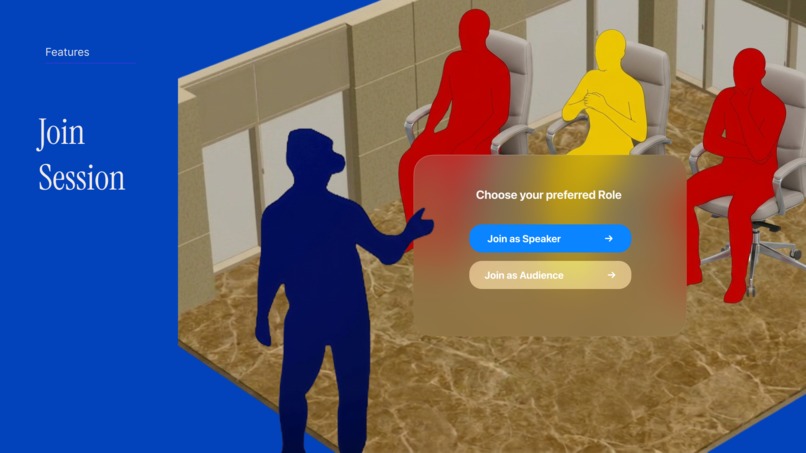
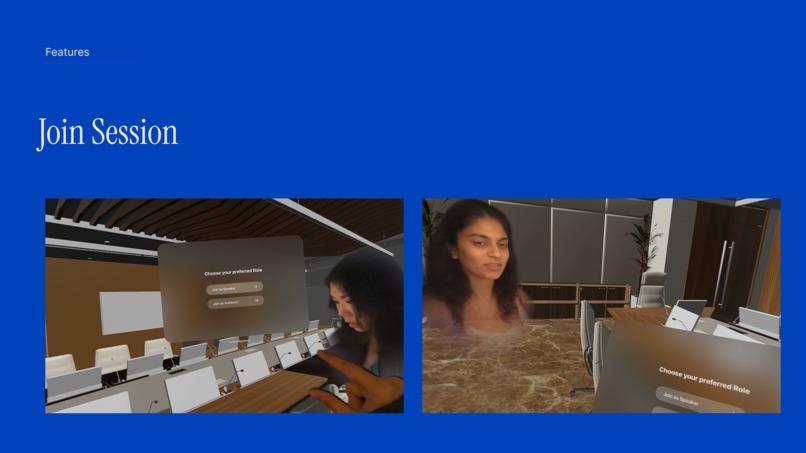
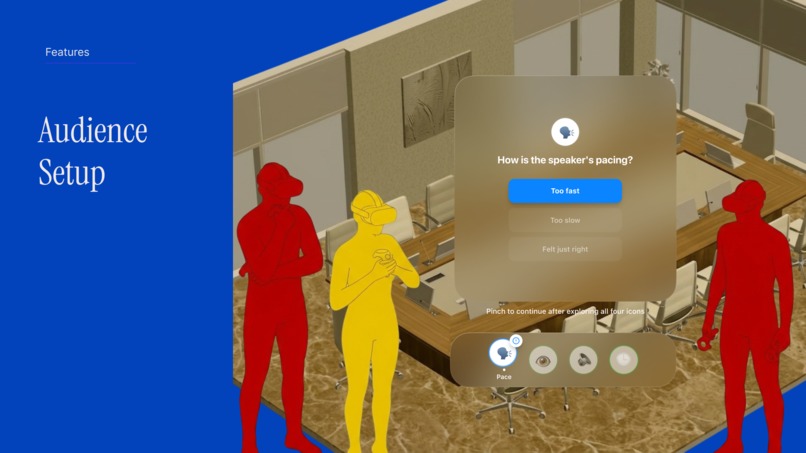
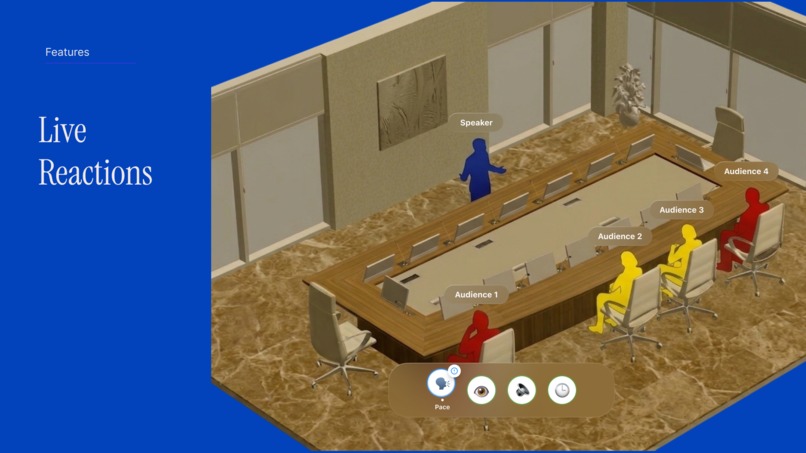
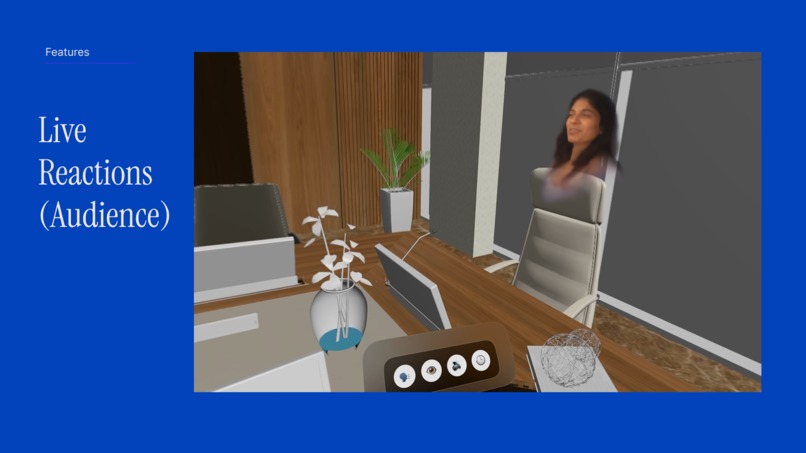
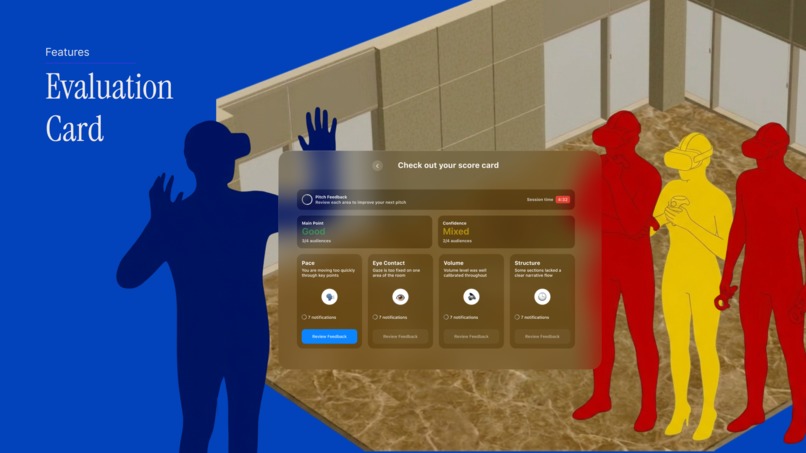
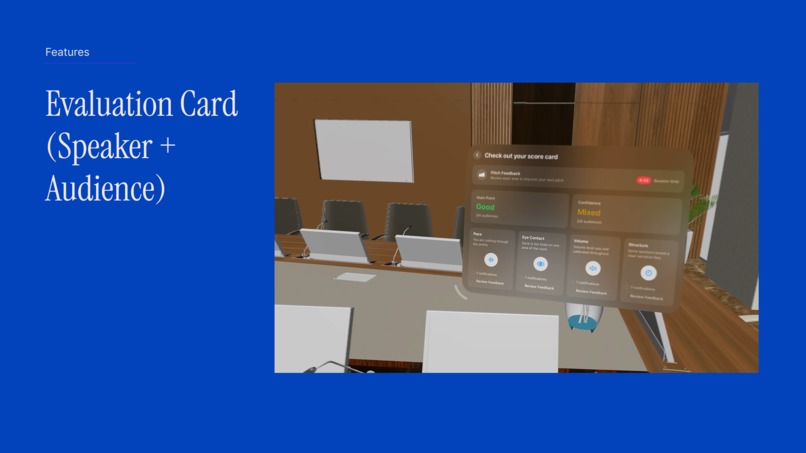
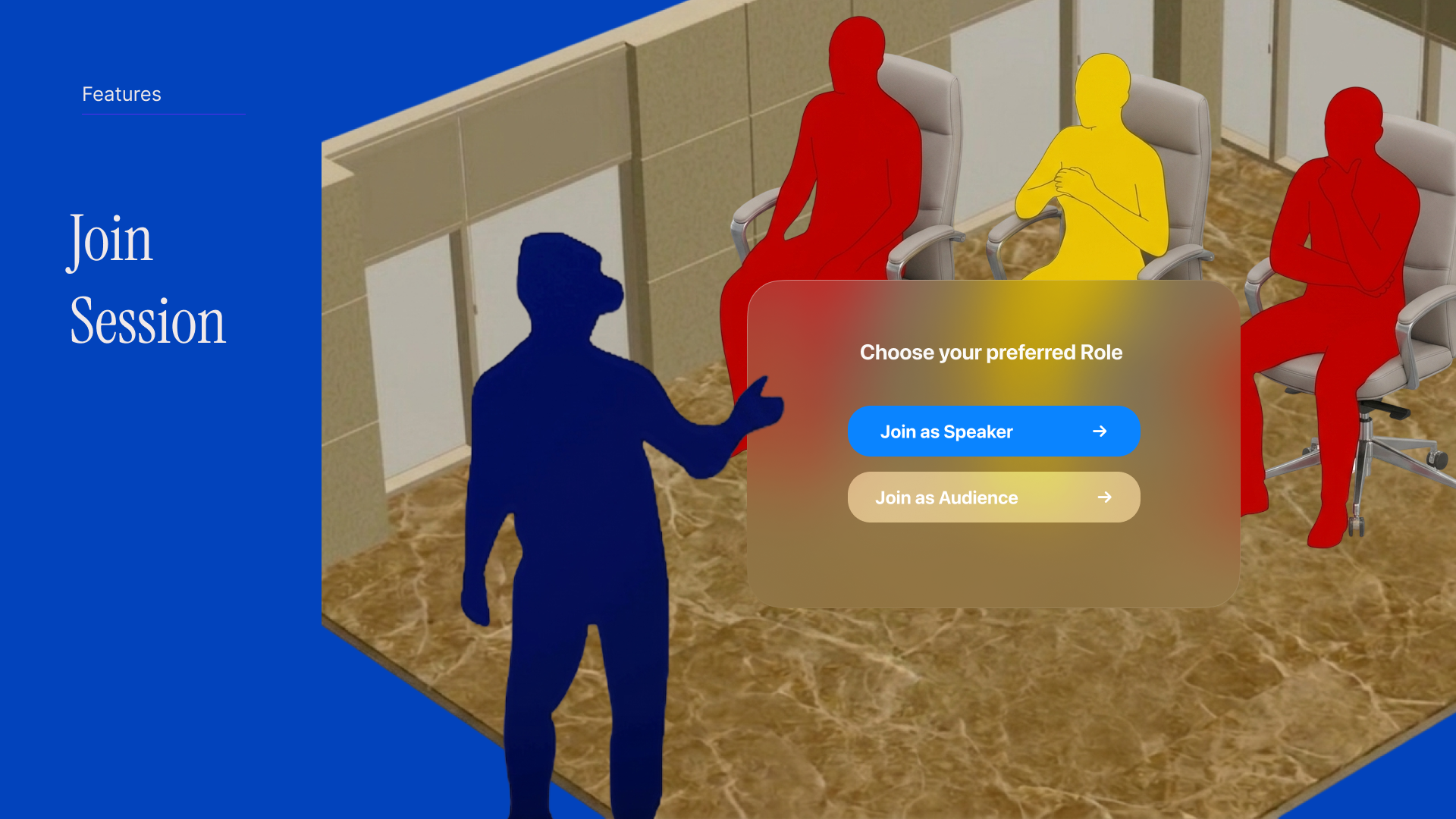
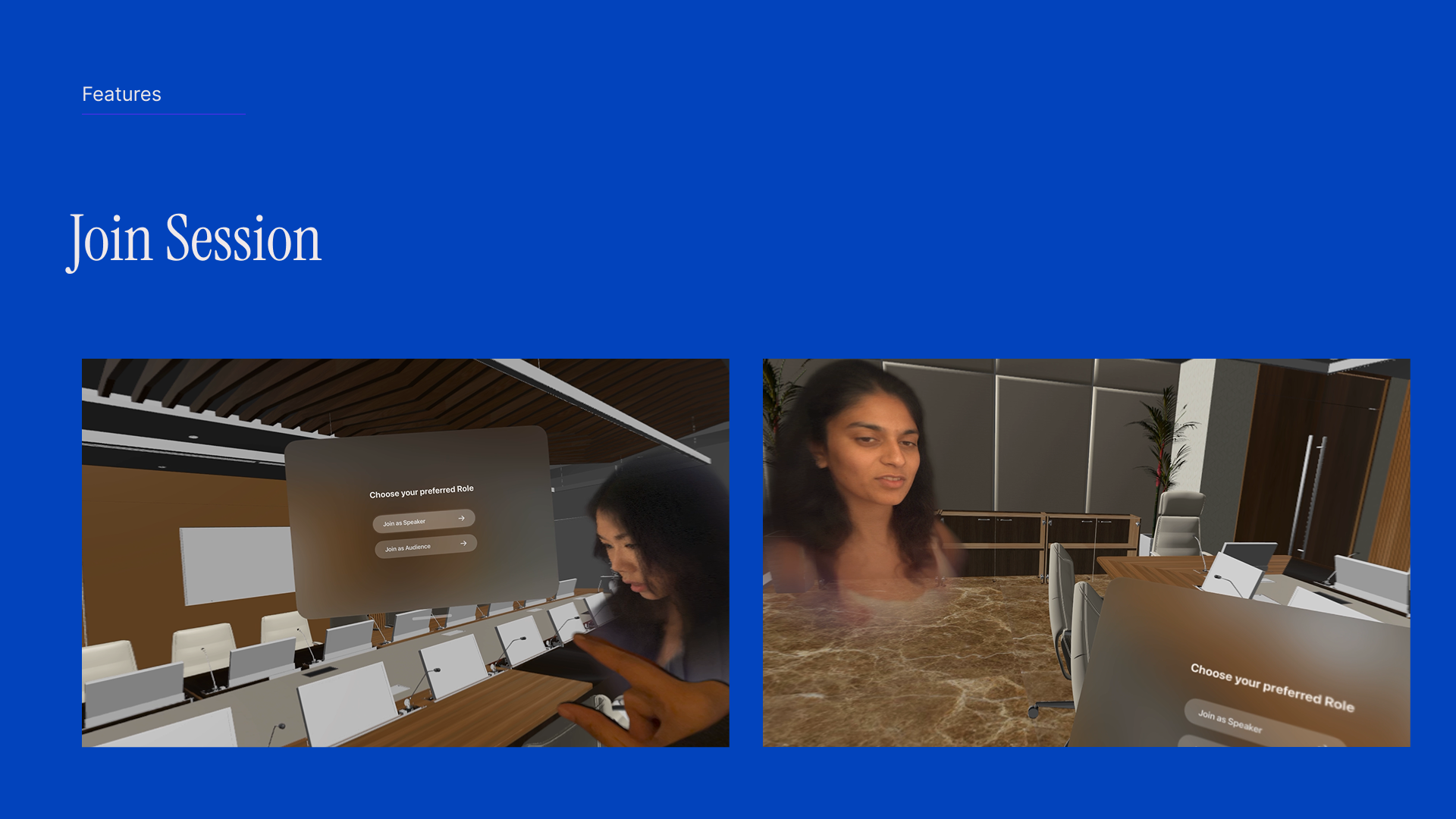
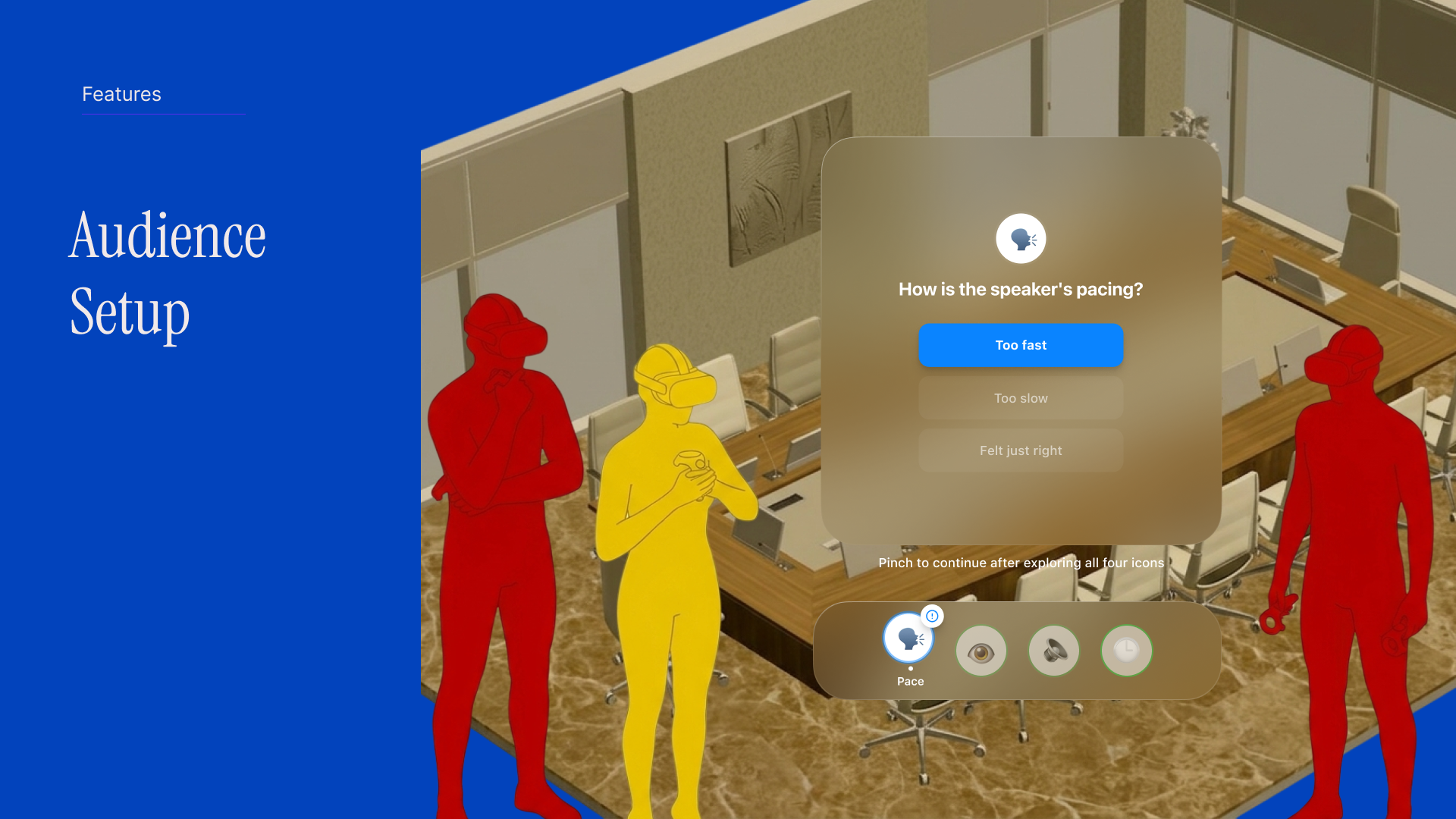
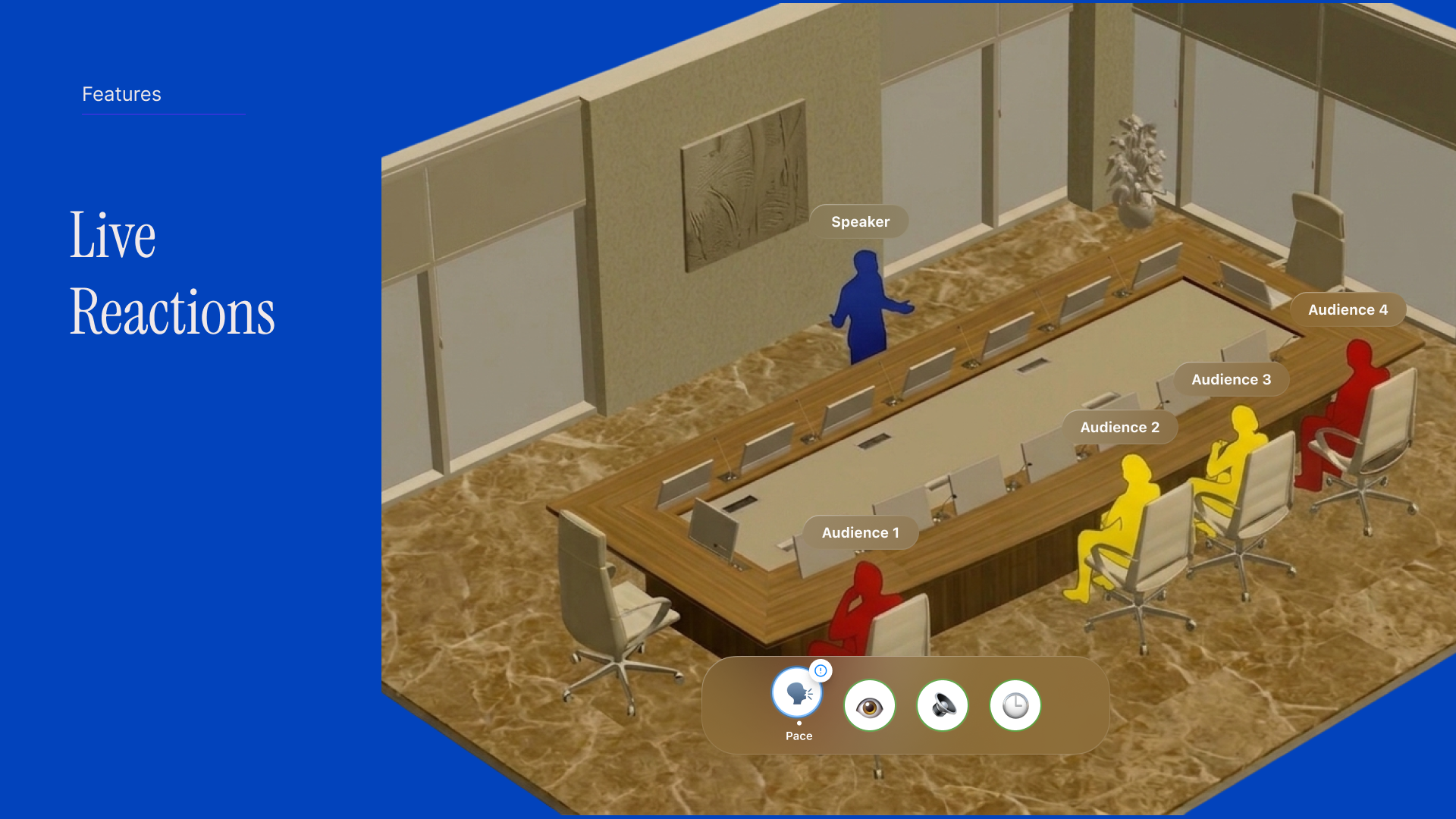
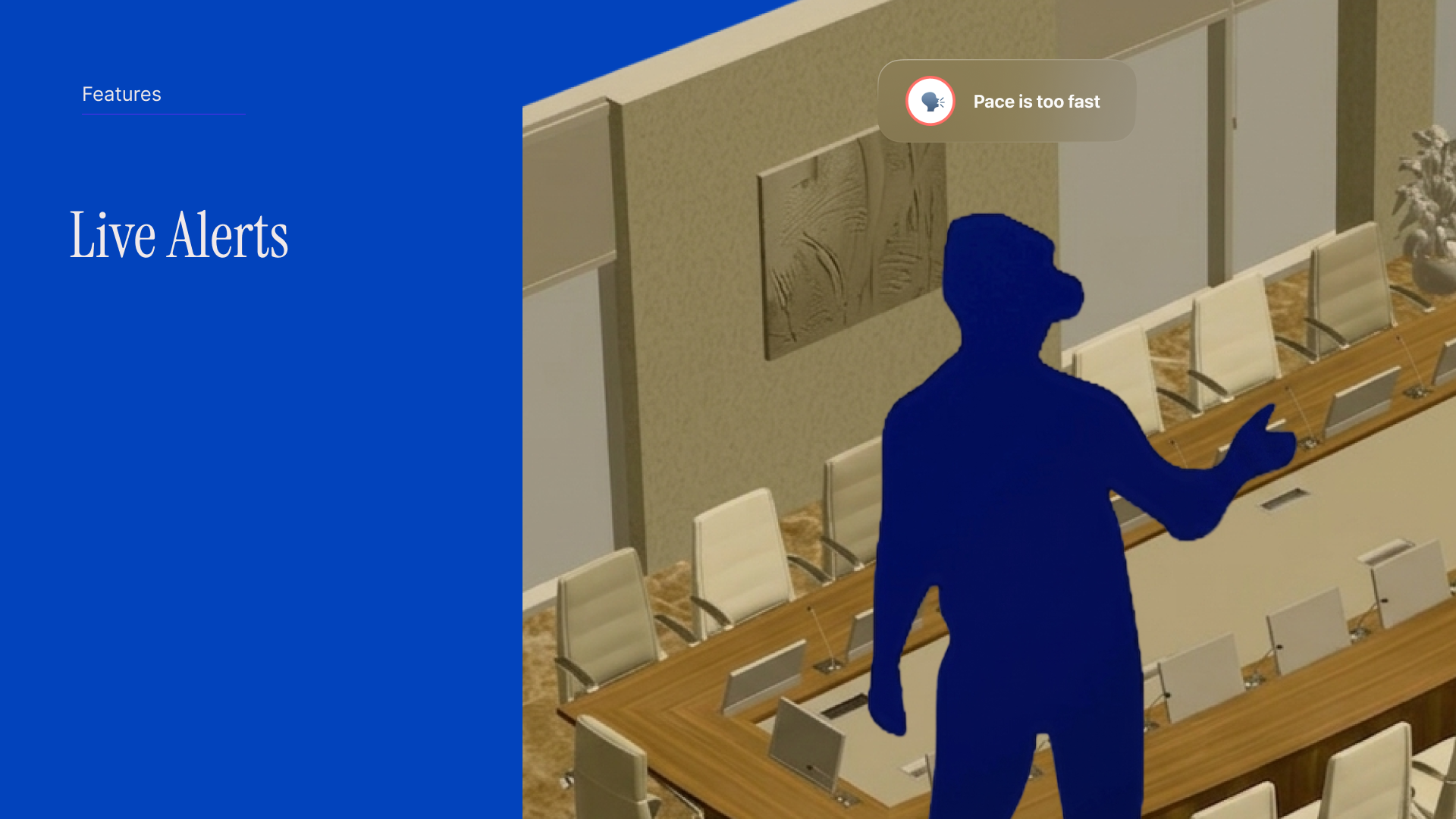
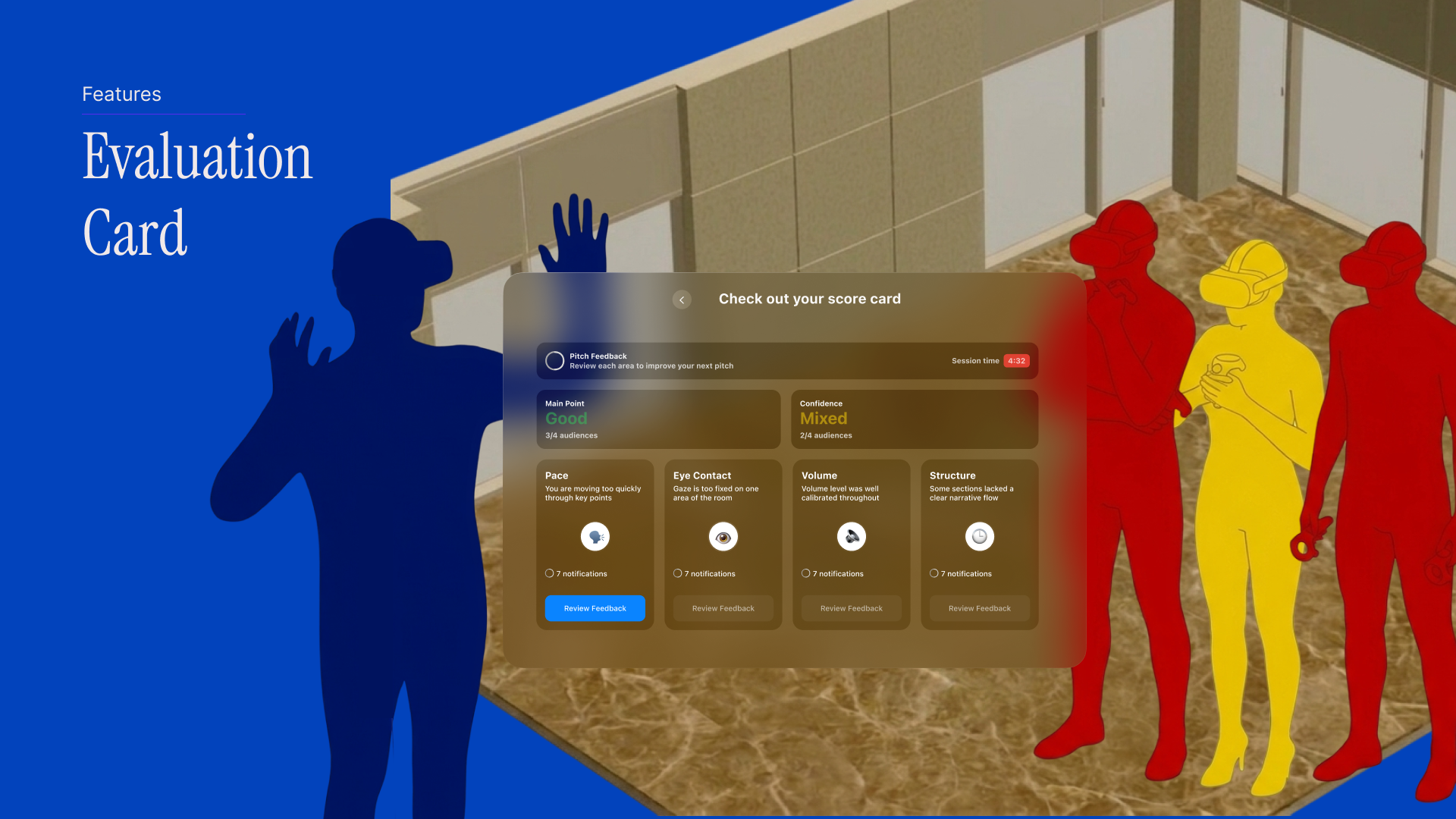
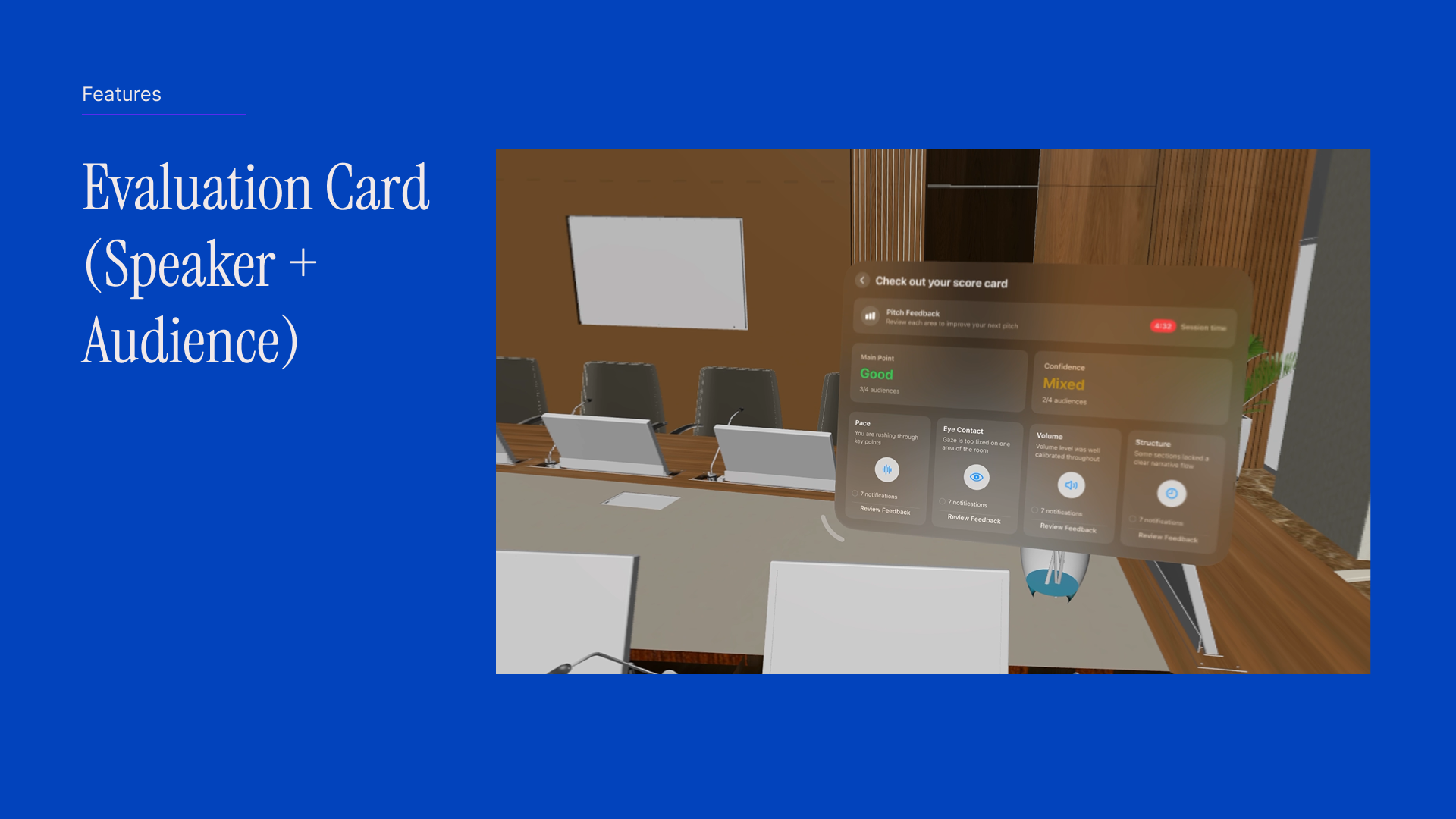
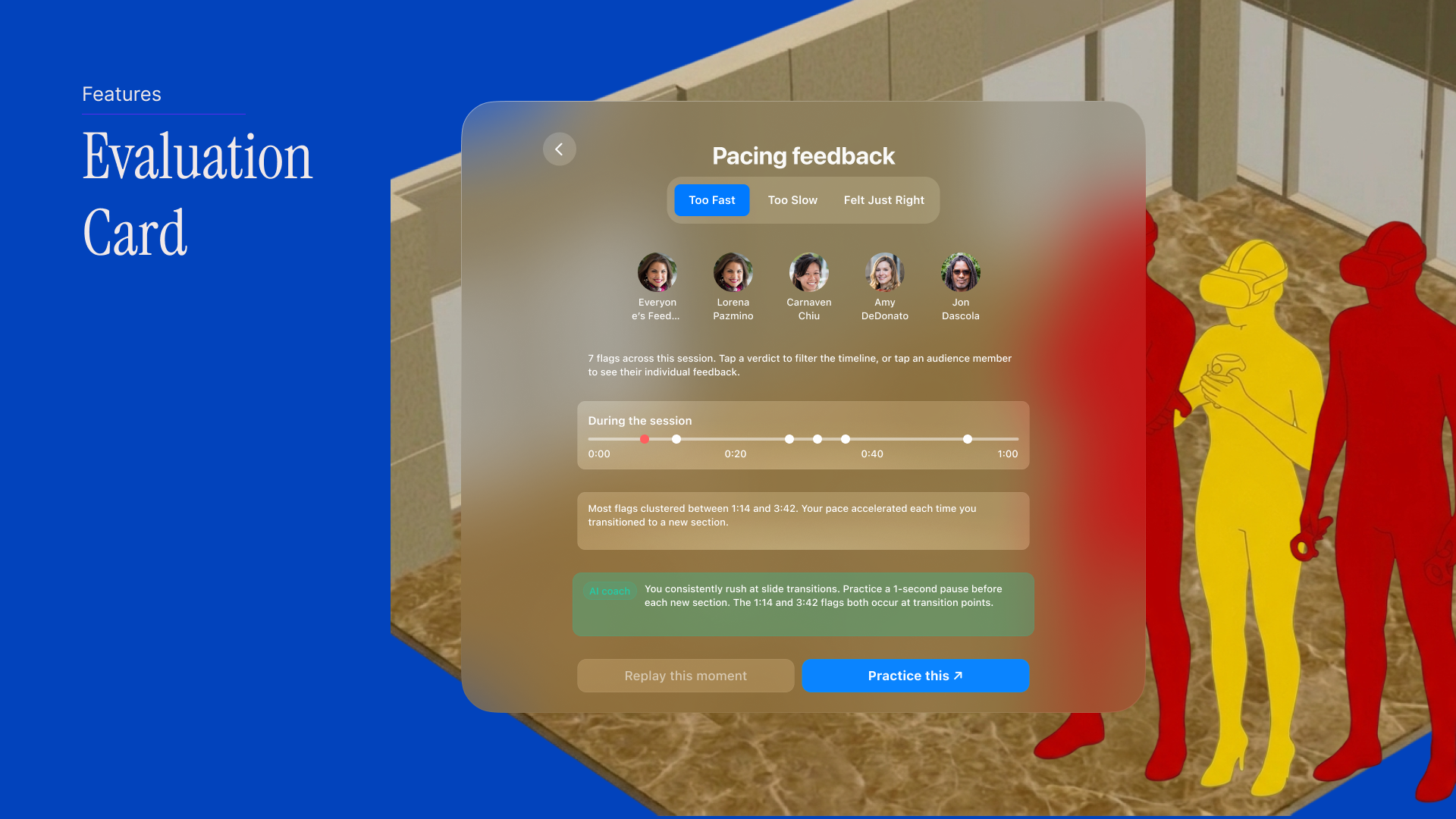
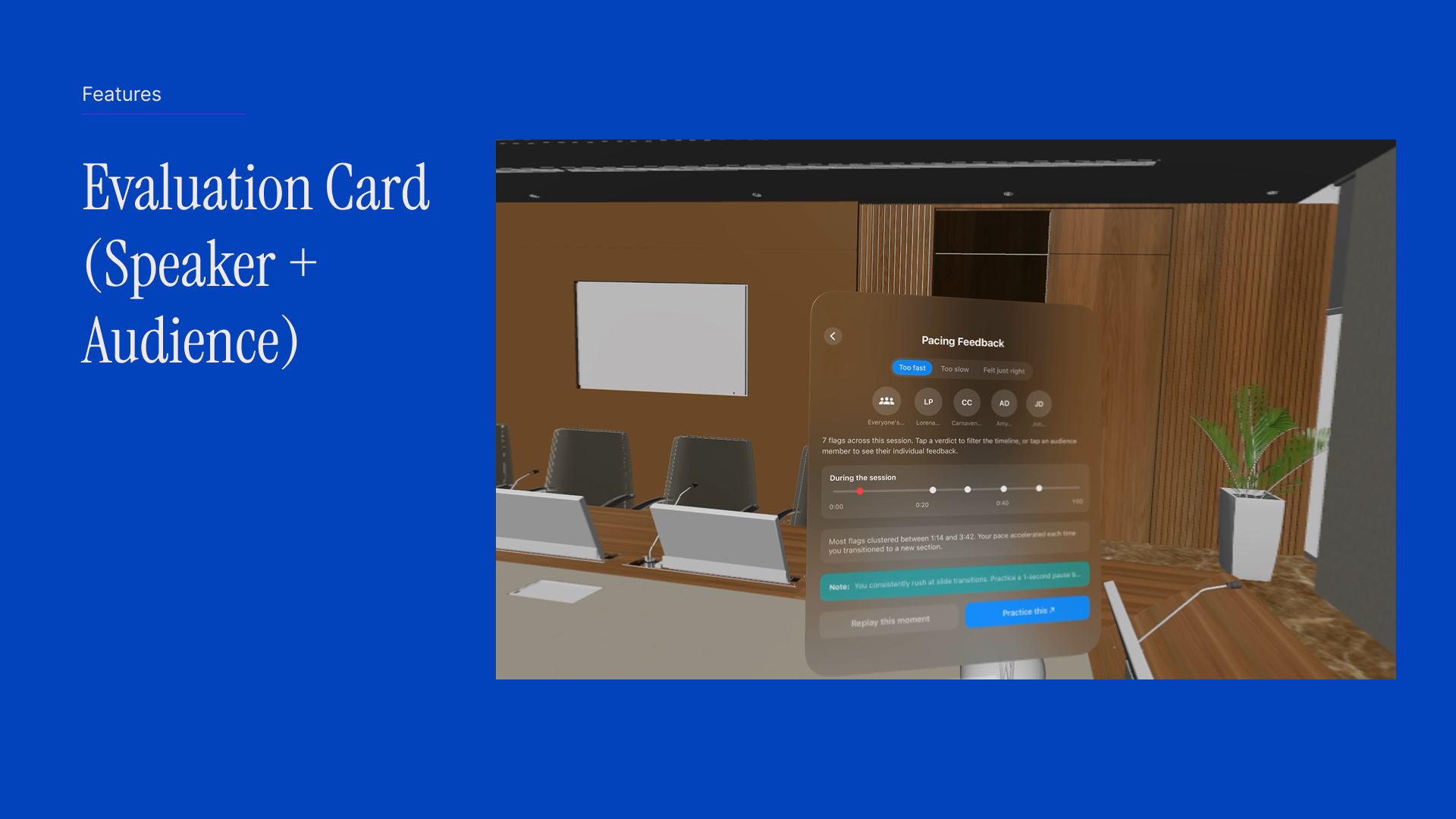
It places students inside immersive pitch-room environments where they can practice speaking in front of peers while receiving live audience feedback in real time.
The experience goes beyond scripted presentation practice by introducing:
- live audience reactions,
- distracting environmental sounds,
- collaborative peer feedback,
- and immersive spatial presence.
Students not only learn how to present — they learn how to adapt, recover, observe, and respond under pressure.
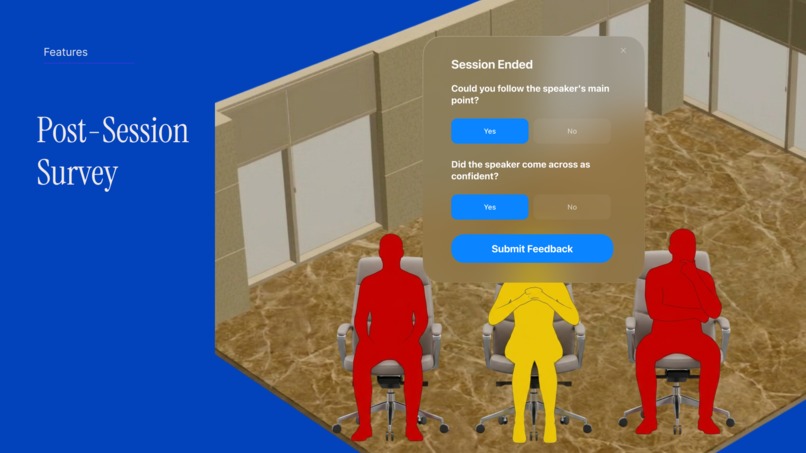
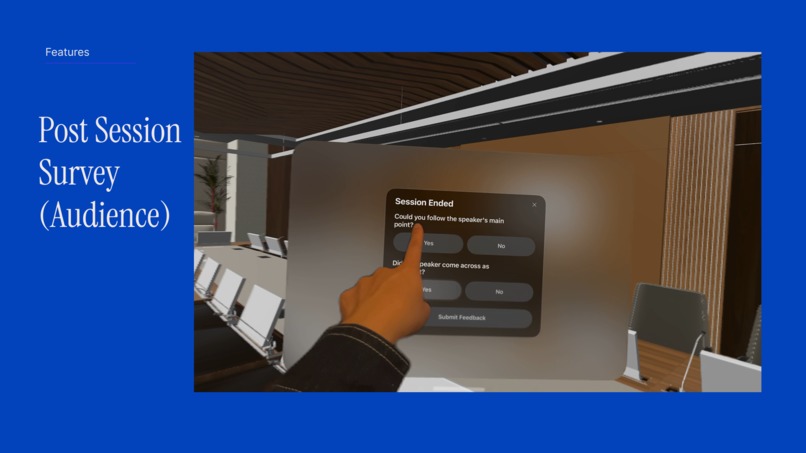
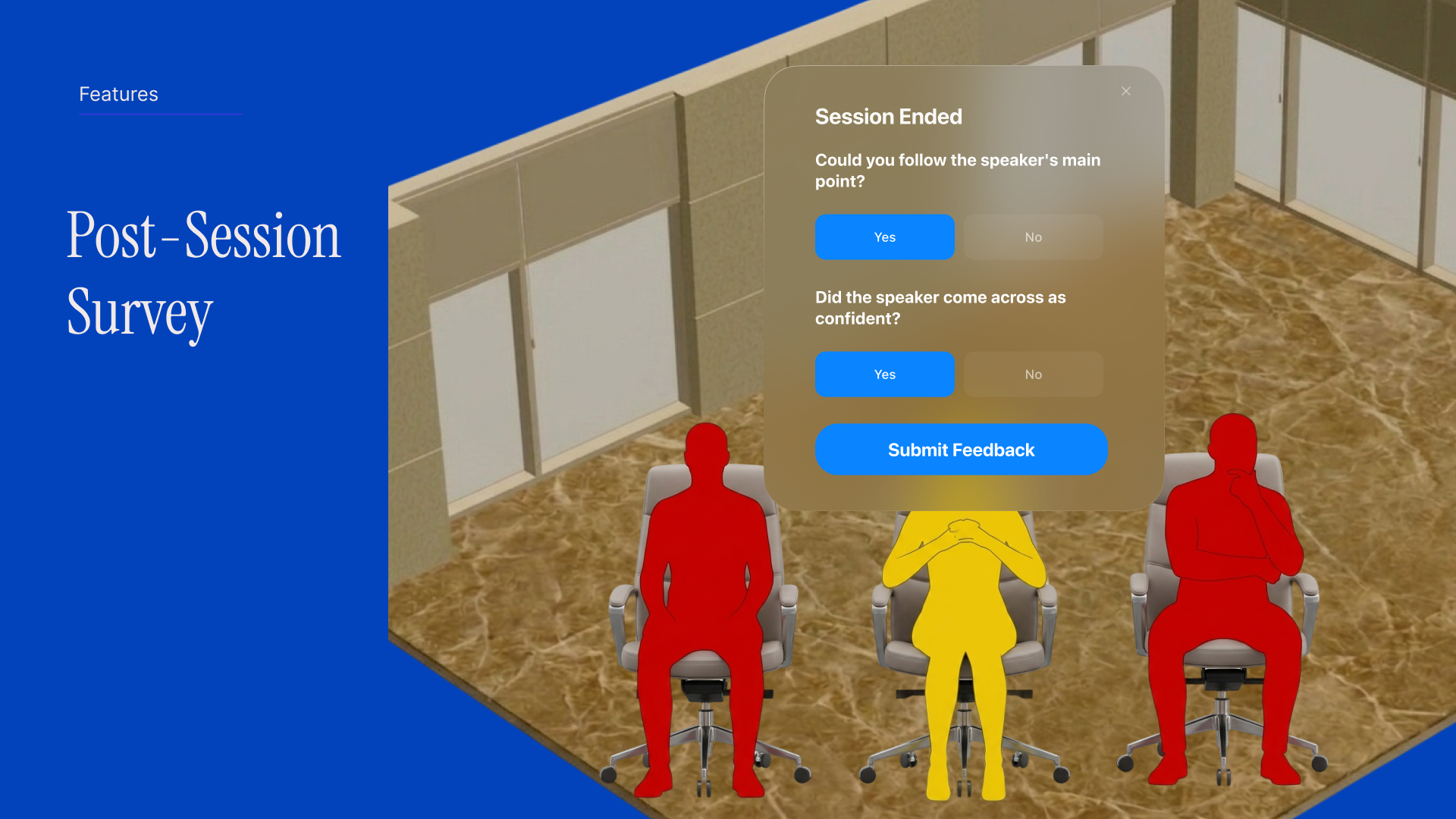
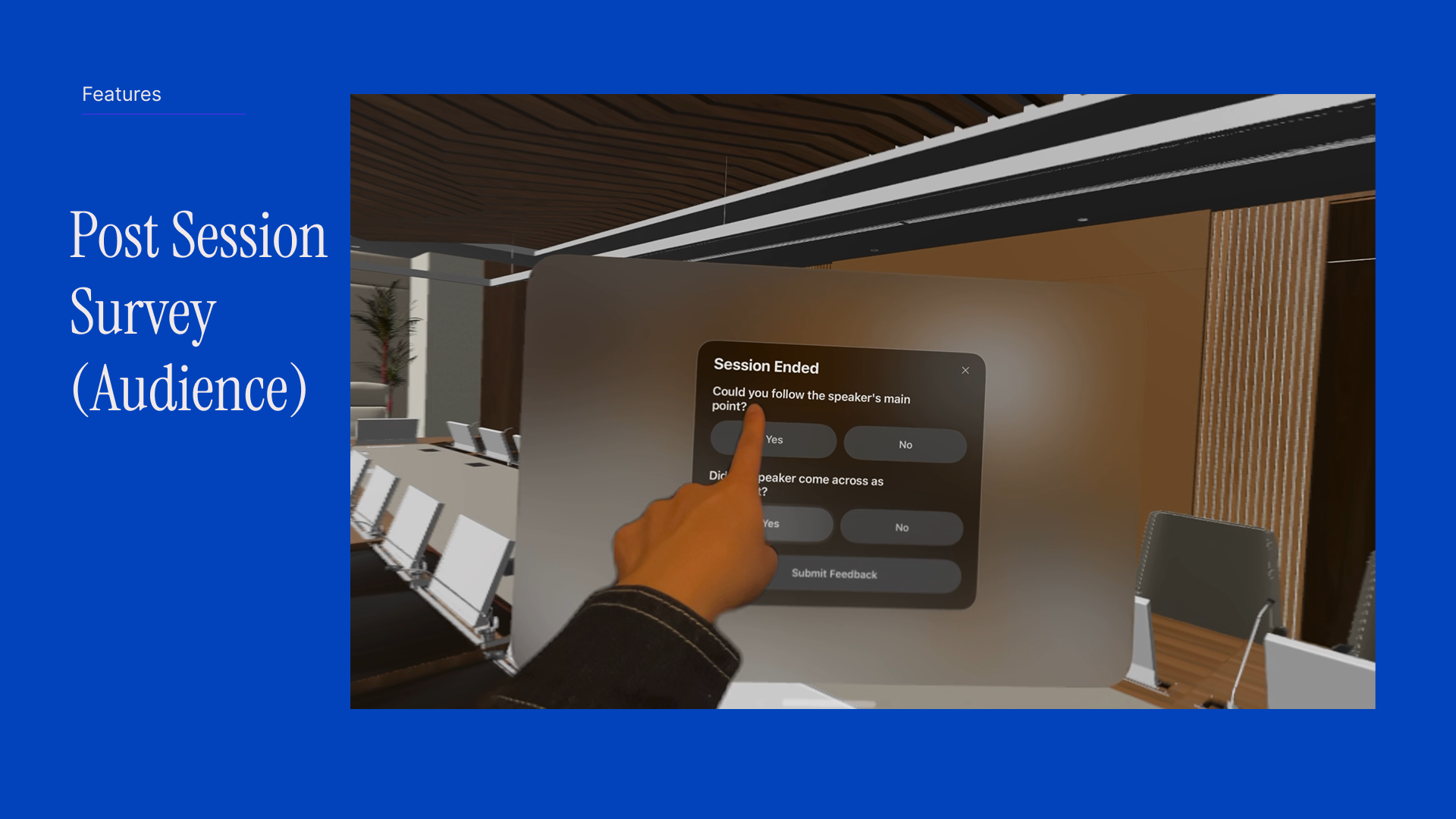
One of the features we’re most excited about is collaborative peer feedback. Instead of turning communication into a solo activity, PitchLoop VR creates a shared learning experience where students actively practice both speaking and giving meaningful feedback to others.
The result is a rehearsal experience that feels far closer to real-world communication than traditional practice tools.
How we built it
We built PitchLoop VR for Apple Vision Pro using visionOS and spatial computing features that allowed us to make communication feel genuinely present.
The experience combines:
- immersive pitch-room environments,
- Spatial Personas,
- SharePlay collaboration,
- gaze-aware interaction,
- and live spatial feedback systems.
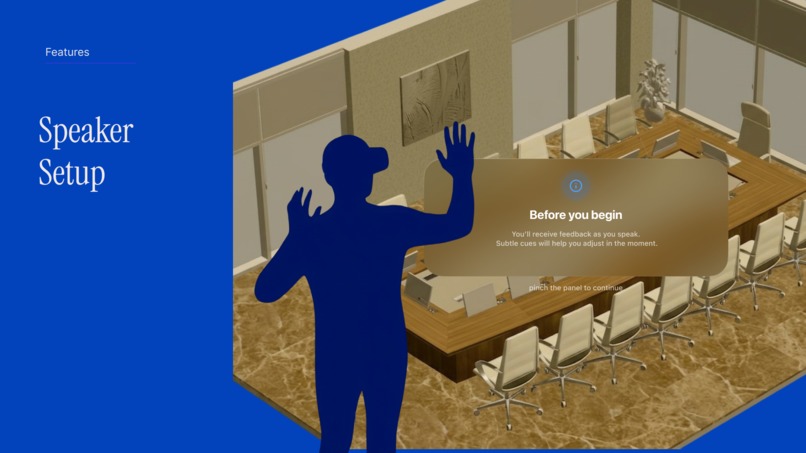
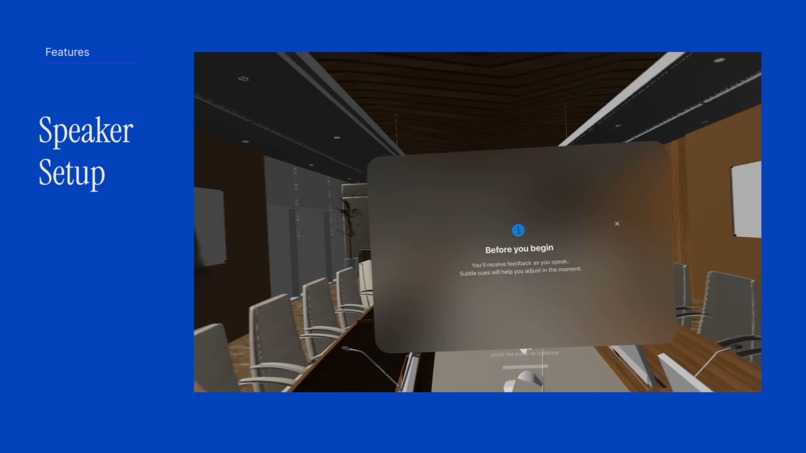
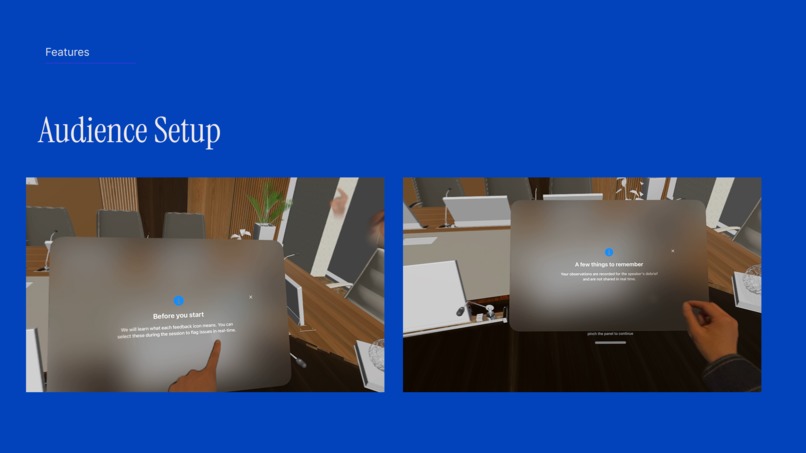
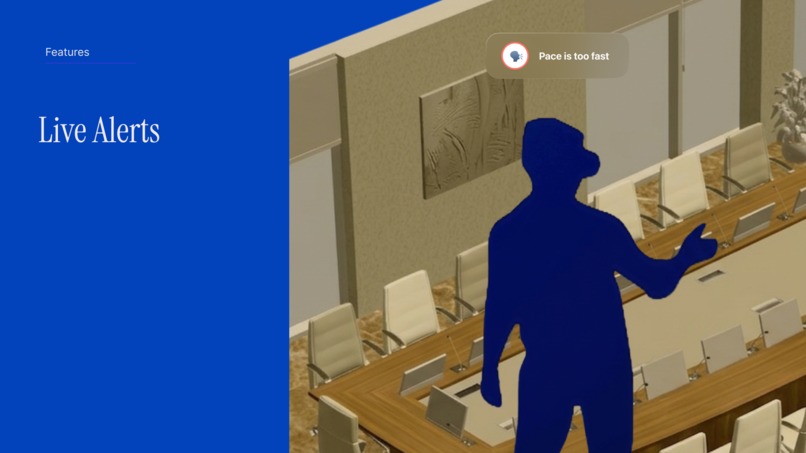
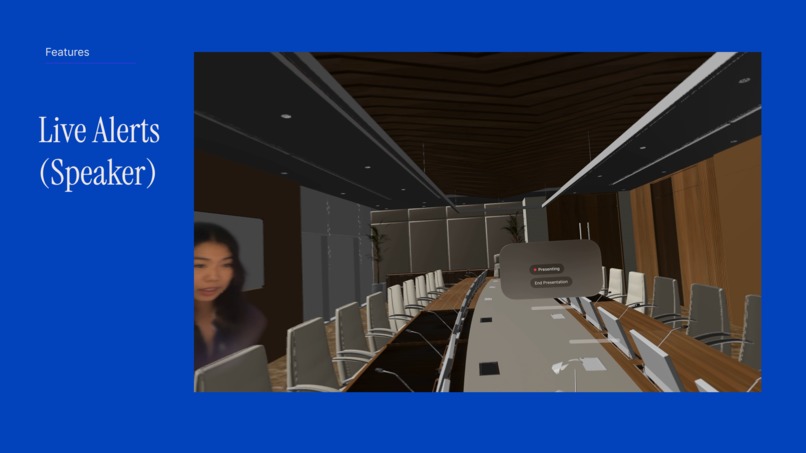
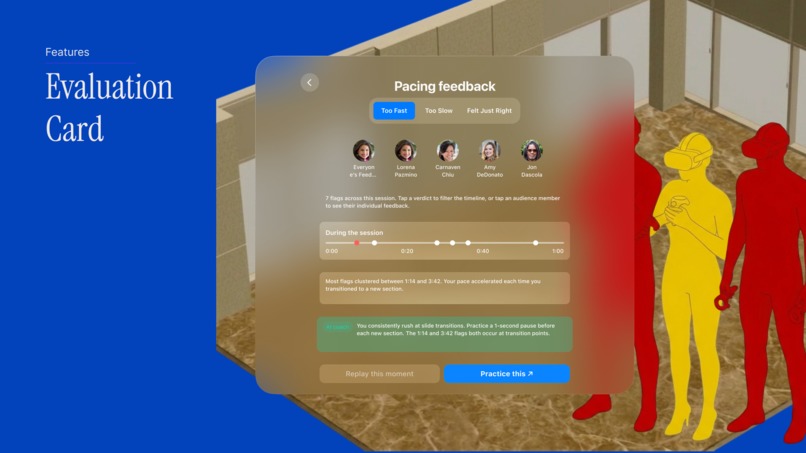
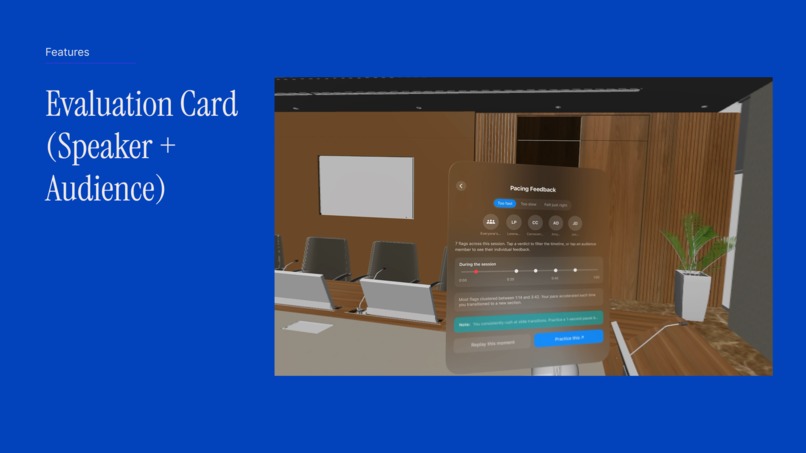
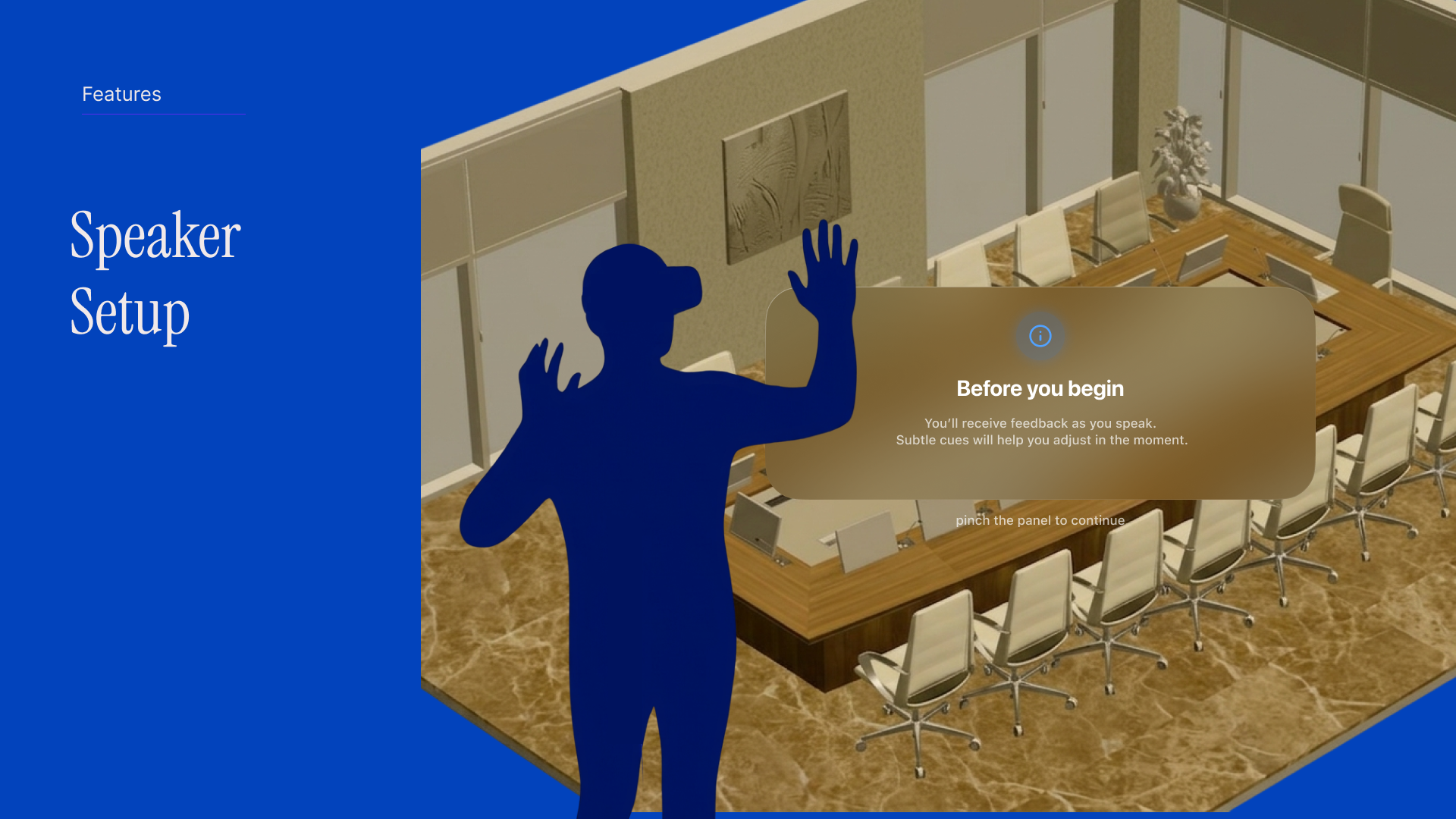
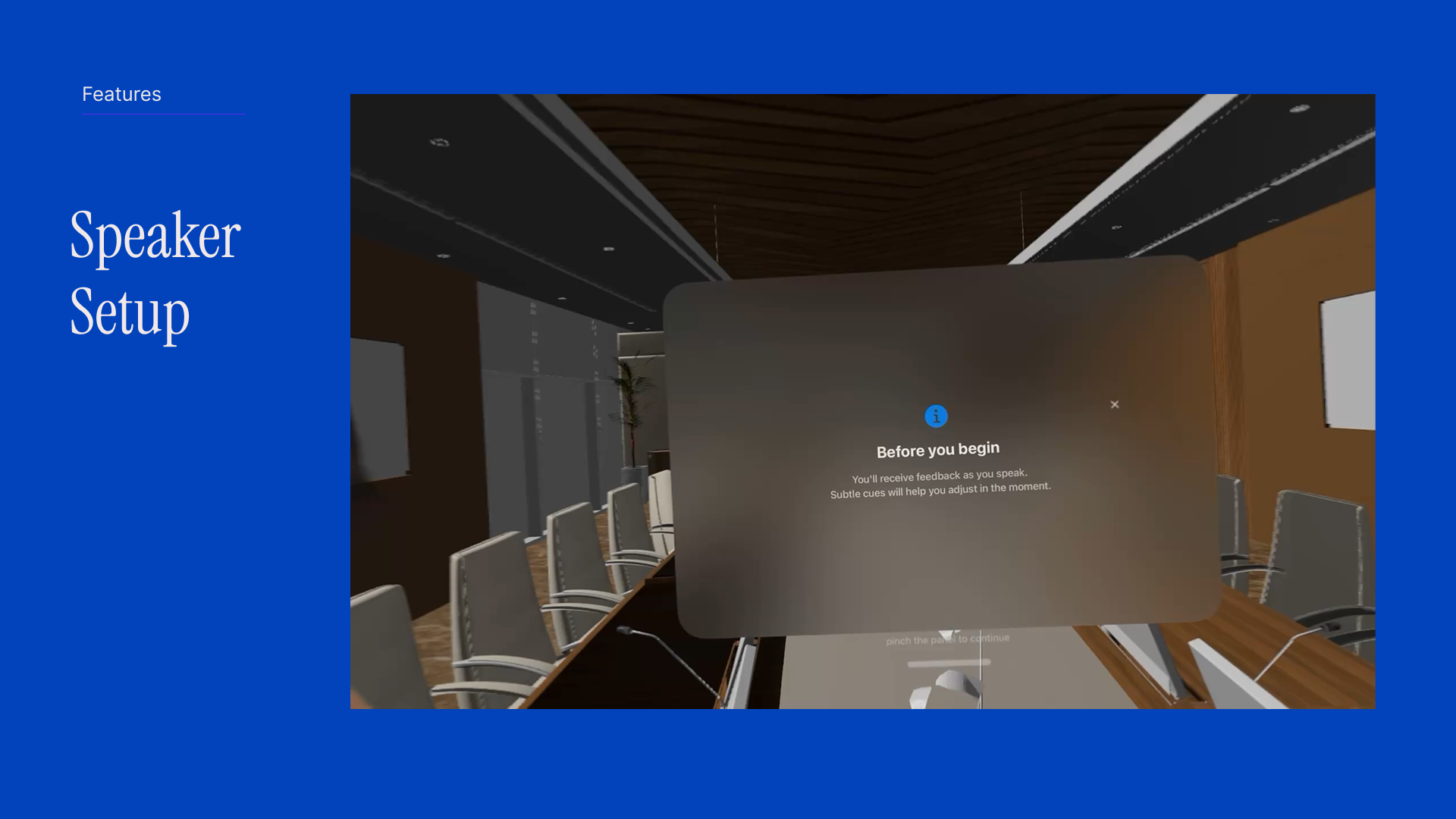
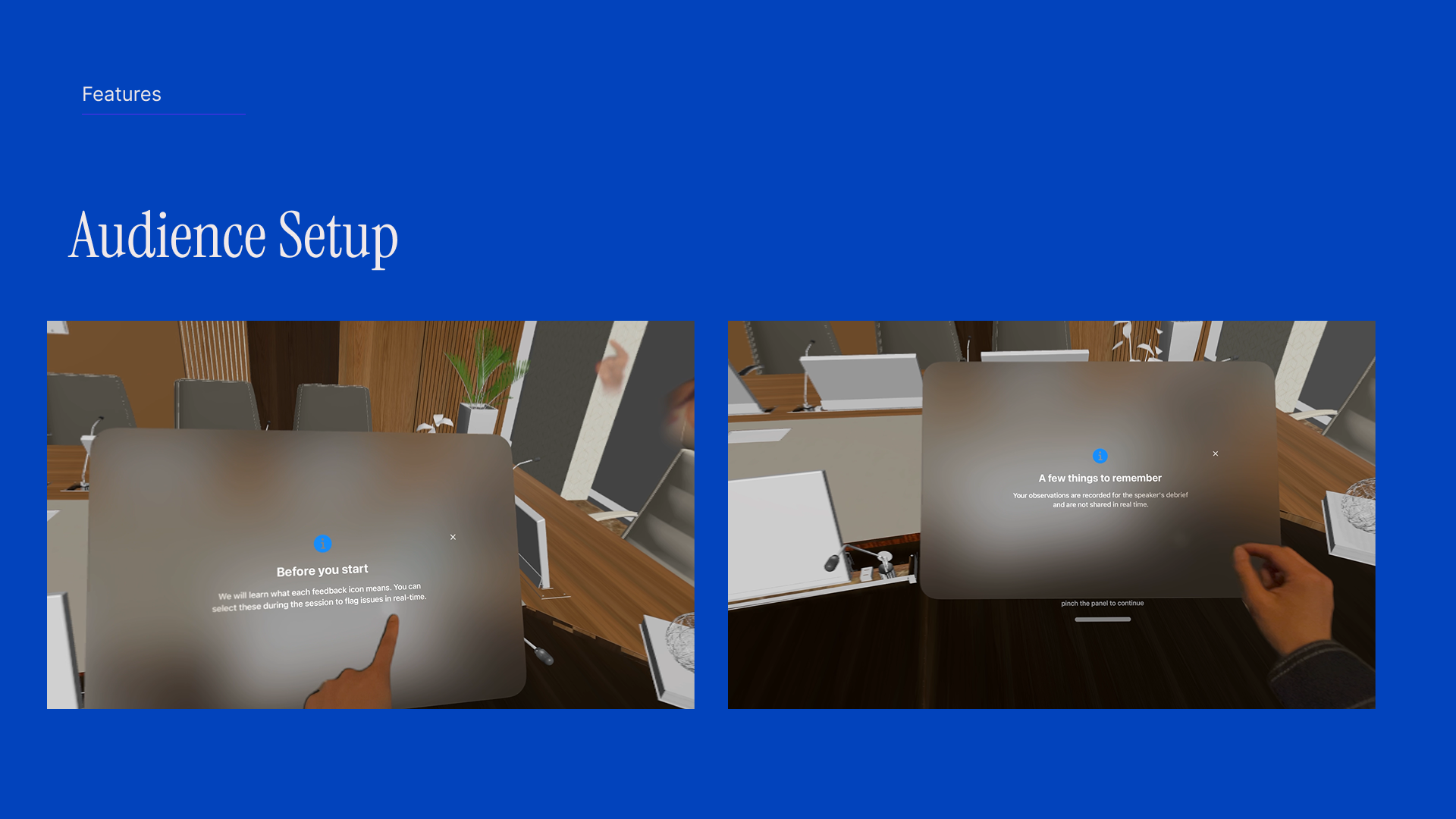
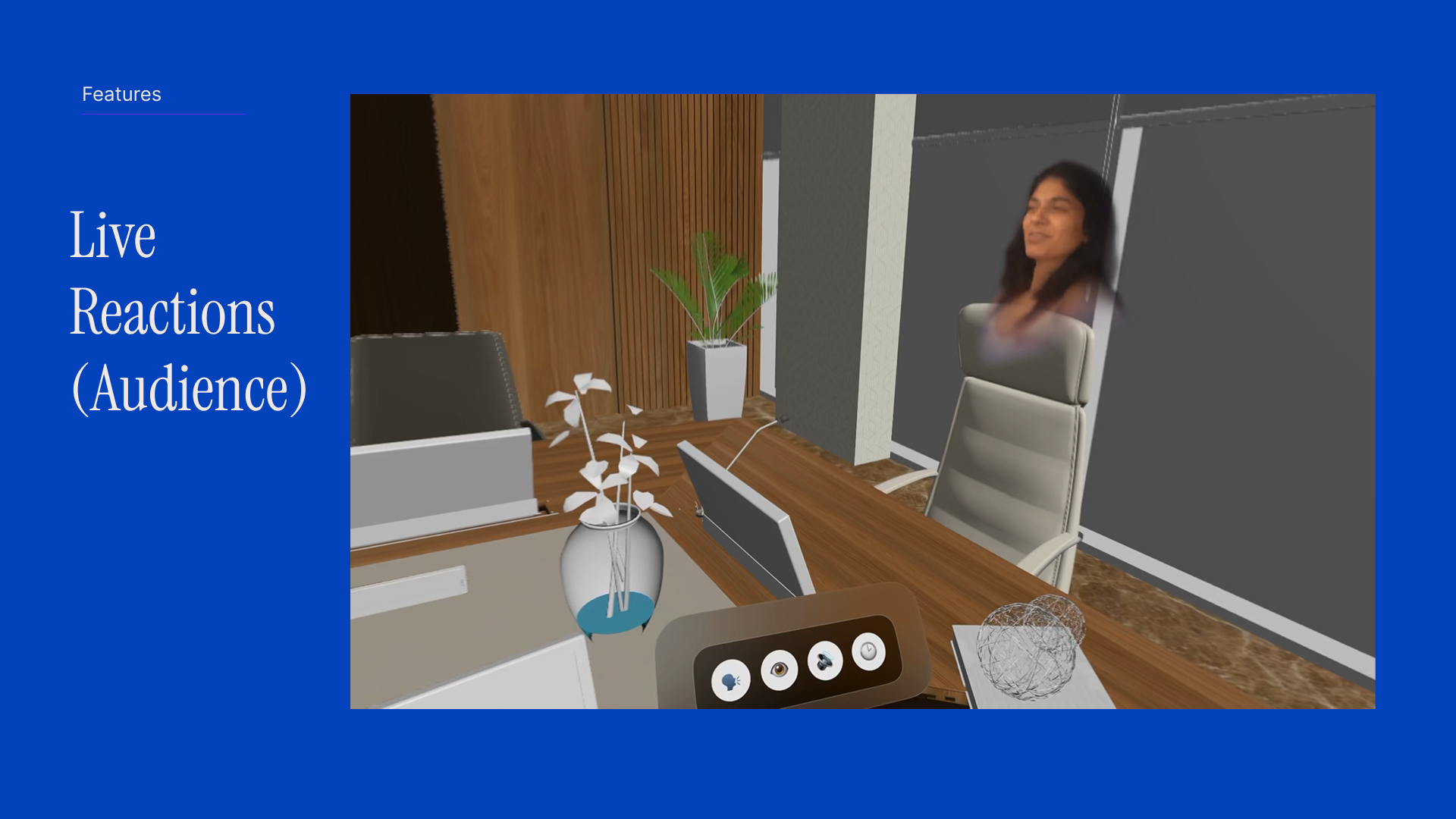
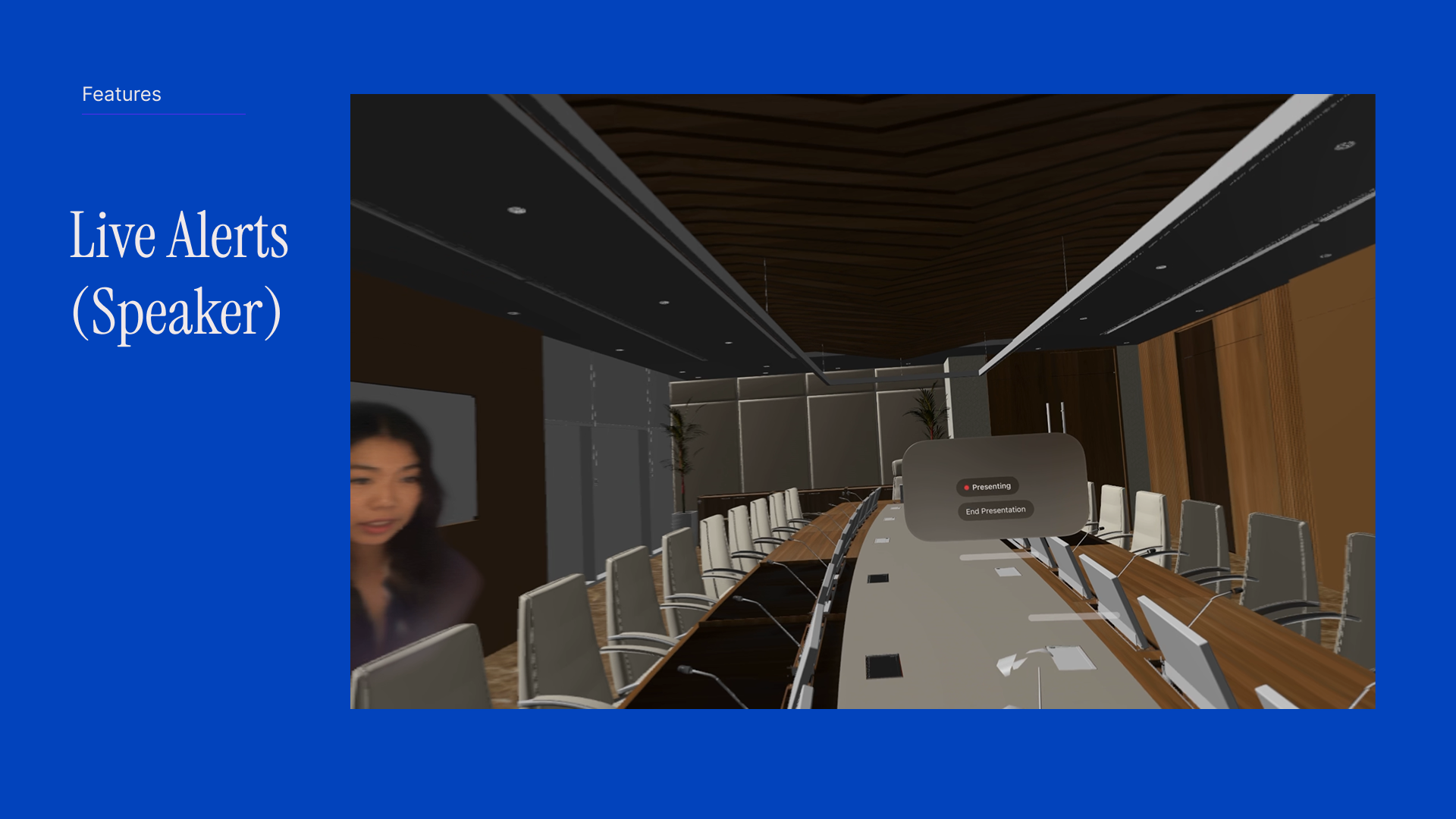
We designed adaptive feedback cues that appear during presentations to help users understand audience engagement in real time without breaking immersion.
To simulate high-stakes environments, we introduced ambient distractions and dynamic room behavior inspired by real pitch rooms, interviews, and classroom presentations.
A major focus throughout development was making the experience feel natural rather than overwhelming. Every interaction was designed to support learning while still maintaining the emotional pressure of a real audience environment.
Challenges we ran into
One of the biggest challenges was balancing realism with usability.
We wanted the environment to feel immersive and high-pressure, but not distracting to the point where learning breaks down. Finding the right level of audience reaction, spatial notifications, and environmental noise took multiple iterations.
Another challenge was designing feedback that felt immediate and useful without overwhelming the speaker during a presentation. Since communication already requires a lot of cognitive load, we had to carefully think through timing, placement, and interaction design.
Building collaborative experiences for spatial computing also pushed us to rethink how feedback and presence should work in XR environments compared to traditional video-call platforms.
Accomplishments that we're proud of
We’re proud that PitchLoop VR feels less like a demo and more like a future-ready communication product.
Some of the things we’re most proud of include:
- creating immersive high-pressure pitch environments,
- designing live adaptive feedback systems,
- integrating collaborative peer-learning experiences,
- and building around Apple Vision Pro’s spatial capabilities in a meaningful way rather than using XR as a gimmick.
Most importantly, we created an experience that focuses on emotional realism — not just visual immersion.
What we learned
This project completely changed the way we think about communication training.
We learned that effective communication is deeply physical and emotional. Eye contact, room presence, interruptions, audience behavior, and confidence all shape how people communicate — and these are things traditional tools rarely capture well.
We also learned how powerful spatial computing can become when it’s designed around human behavior instead of just interaction mechanics.
Most importantly, we realized that immersive technology has huge potential in education when it creates experiences that are difficult to replicate in the real world.
What's next for PitchLoop VR
We see PitchLoop VR expanding far beyond presentation practice.
In the future, we want to explore:
- AI-generated audience behavior,
- adaptive interview simulations,
- public speaking anxiety coaching,
- classroom integration,
- recruiter and mentor feedback rooms,
- and communication training for industries like healthcare, leadership, and sales.
We also want to deepen the use of spatial analytics and emotional feedback to make communication coaching more personalized and actionable over time.
Our long-term vision is simple:
Confidence shouldn’t begin in the real room. It should begin before you enter it.

Log in or sign up for Devpost to join the conversation.