-
-
Trace origin
Inspiration
Pistis Labs started from a simple idea: your coffee has a passport and your phone has drama, but most of those stories are invisible. Brands spend millions crafting narratives because stories create connection, yet everyday people rarely get access to the real histories behind what they see. We wanted to use AI to make human stories instantly accessible and let anyone trace origins, discover hidden journeys, and connect emotionally with everyday objects.
What it does
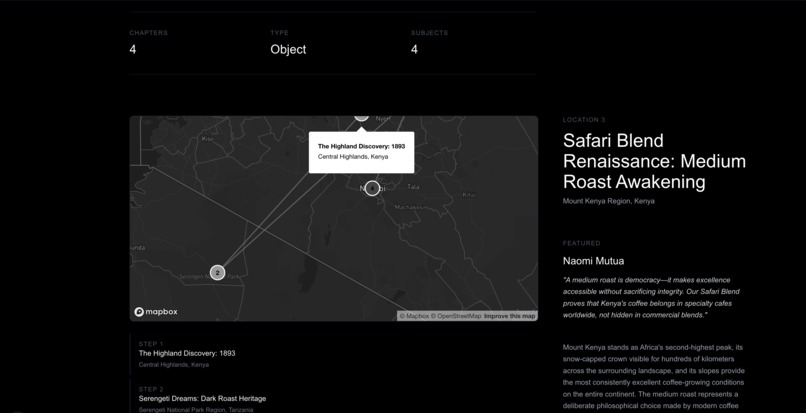
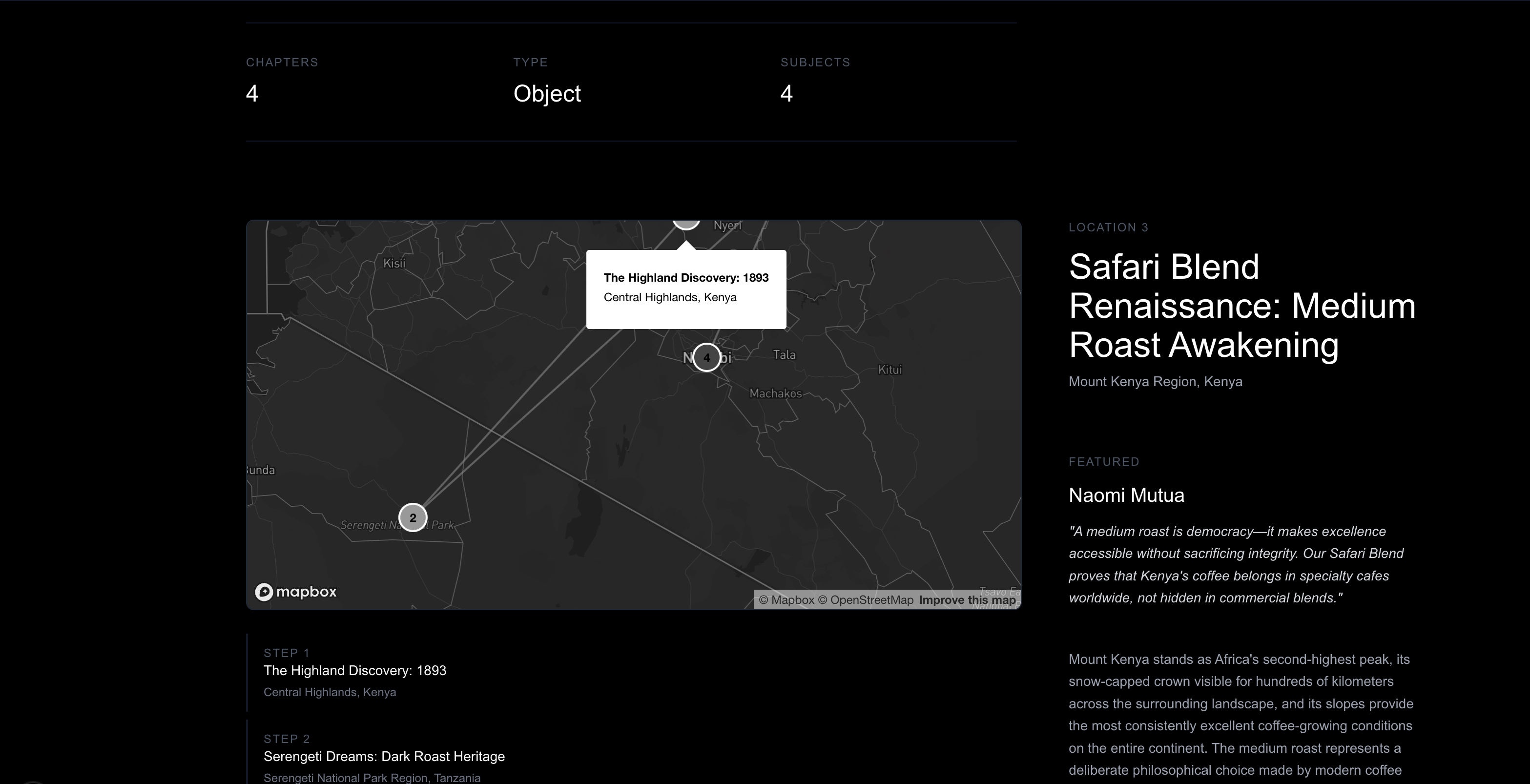
Pistis Labs is an AI storytelling platform that turns any image into a cinematic journey through history, geography, and human impact. Upload a photo of a product, place, or moment, and the system generates a rich documentary-style narrative explaining where it came from, how it evolved, and why it matters. Interactive maps and contextual imagery make the experience immersive, helping users explore context, follow global journeys, and see the bigger story behind what they see.
How we built it
We built Pistis Labs using Next.js, React, and TypeScript for the frontend, with Mapbox for interactive journey visualization. AI analysis runs through serverless RunPod Flash workers that process uploaded images and send them to Claude Haiku for narrative generation. Additional imagery is pulled dynamically from Pexels and Unsplash APIs. The architecture is designed to scale to zero, enabling fast AI-powered storytelling without maintaining expensive always-on infrastructure.
Challenges we ran into
One major challenge was balancing story depth with speed. Generating rich narratives while keeping latency low required careful prompt engineering and orchestration between serverless workers and APIs. Another challenge was keeping generated locations, maps, and stories coherent so the narrative felt believable and immersive rather than random.
Accomplishments that we're proud of
We’re proud that Pistis Labs moves beyond simple image recognition and creates emotionally engaging experiences that feel like mini documentaries. Combining AI storytelling, maps, and contextual imagery created a unique interaction where users don’t just identify objects, they understand their journey. We’re also proud of building a fully serverless AI pipeline during a hackathon.
What we learned
We learned that storytelling dramatically increases engagement with AI. People connect more deeply when AI explains meaning instead of just labels. We also learned how powerful serverless GPU infrastructure can be for creative experimentation and how combining multiple modalities creates a stronger sense of discovery.
What's next for Pistis Labs
Next, we want to improve narrative accuracy with additional vision models, add voice and video storytelling, and allow users to explore connections between objects and stories. Long term, we imagine Pistis Labs becoming an intelligence layer that helps anyone trace origins, discover human impact, and reveal the hidden stories behind everything around them.
Project in Github: https://github.com/chbayah-sudo/pistis-labs
Built With
- anthropic-claude-api
- docker
- fastapi
- javascript
- mapbox-gl-js
- next.js
- node.js
- pexels-api
- python
- react
- runpod-flash
- tailwind-css
- typescript
- unsplash-api
- vercel

Log in or sign up for Devpost to join the conversation.