-
-
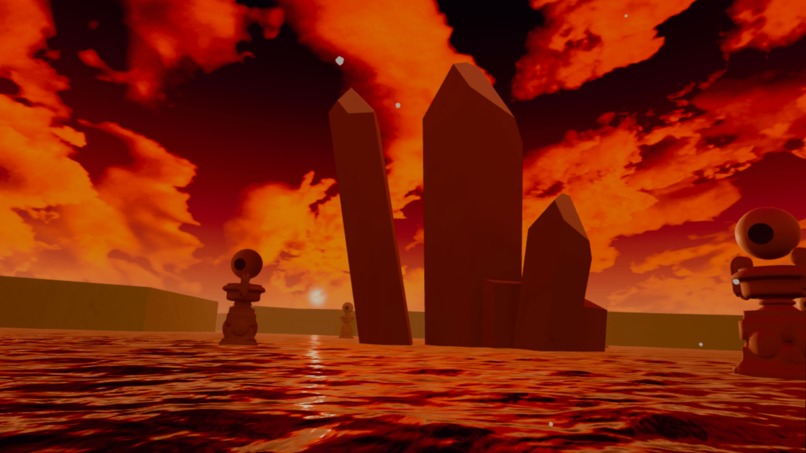
Resonances collecting stage
-
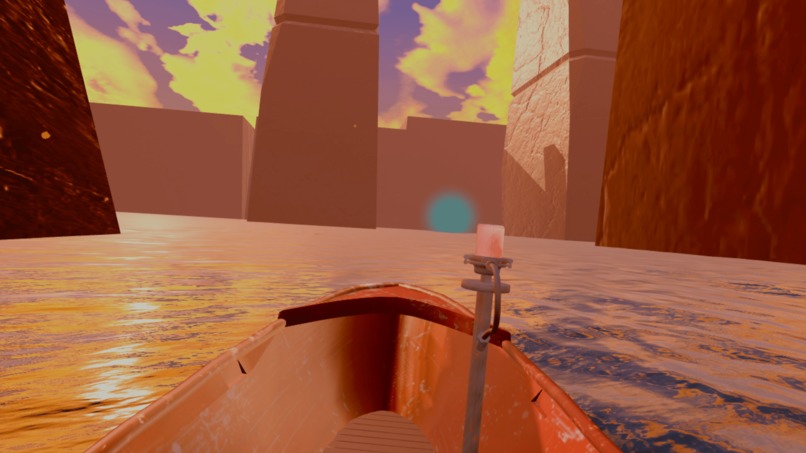
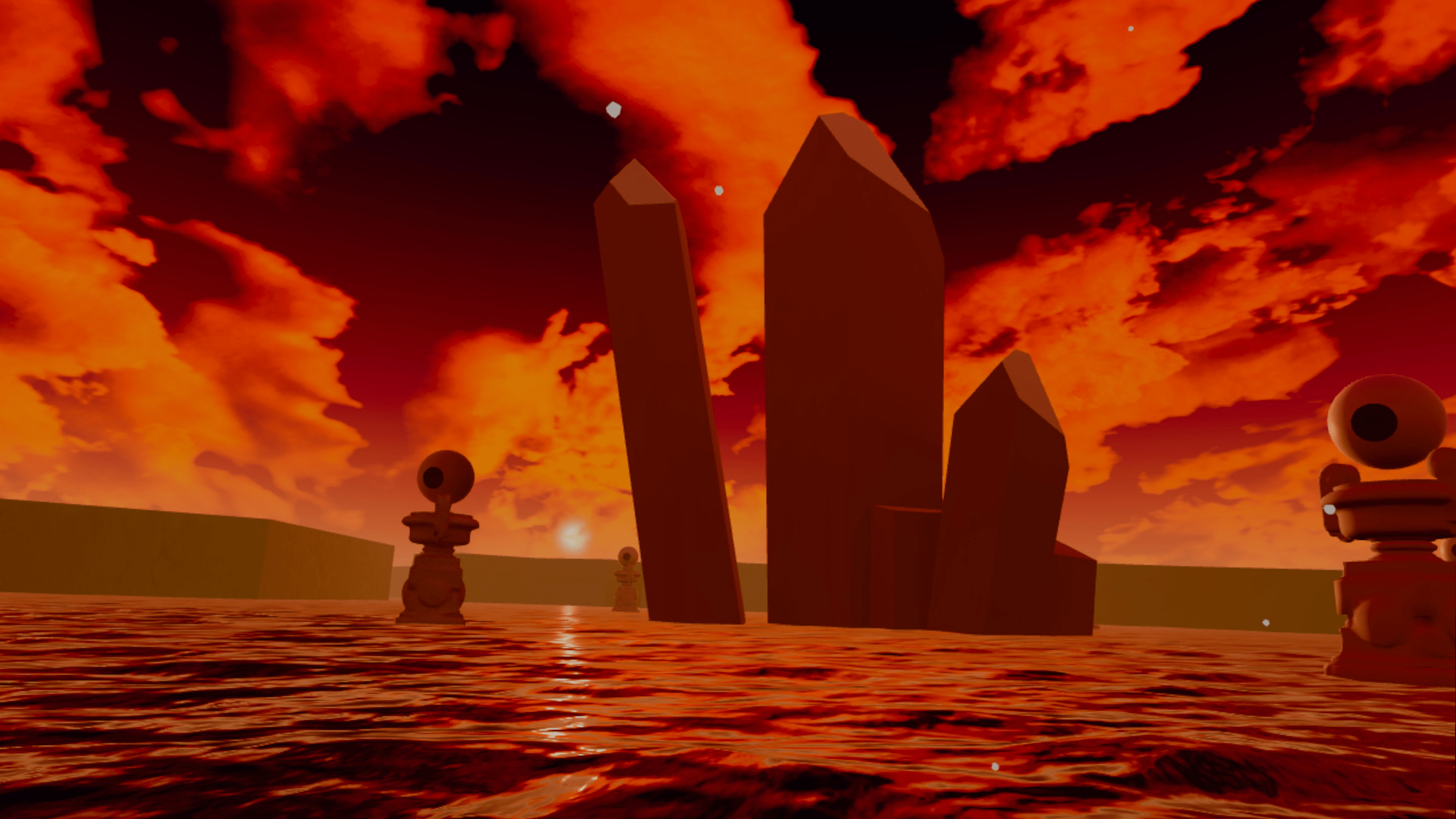
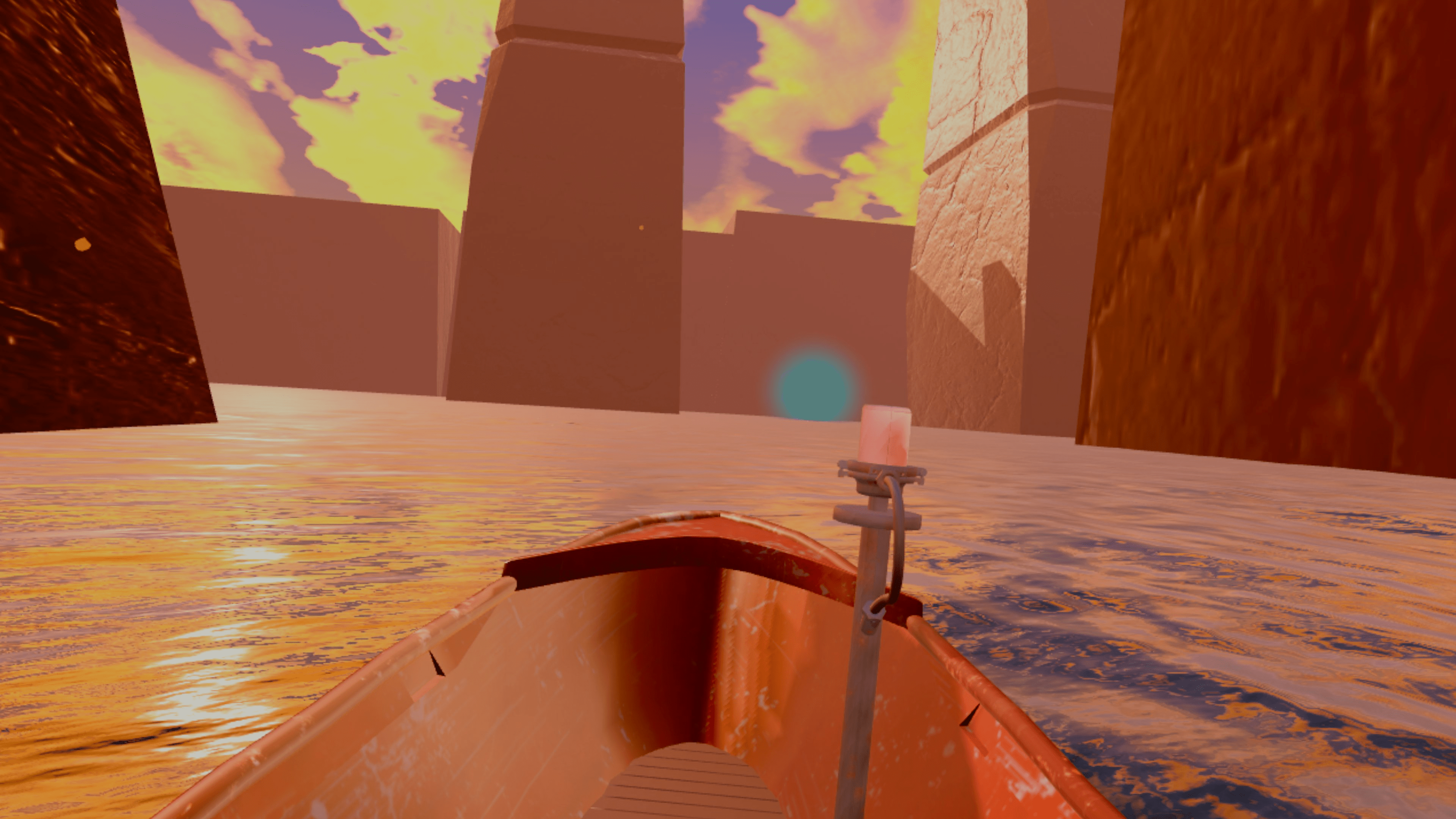
Navigation stage
-
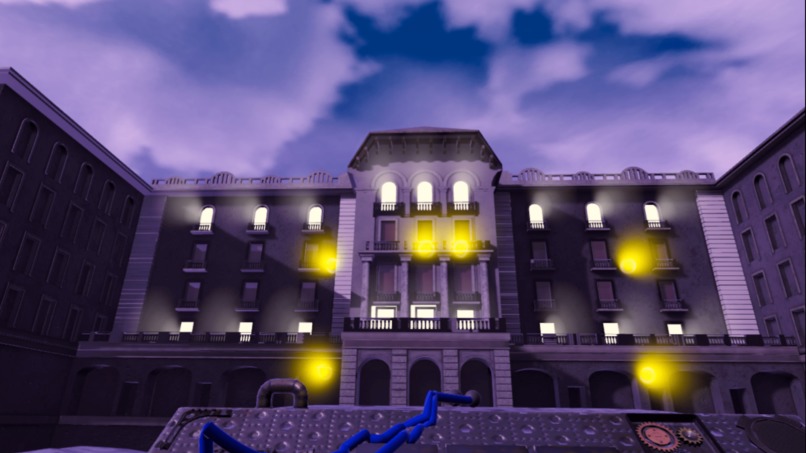
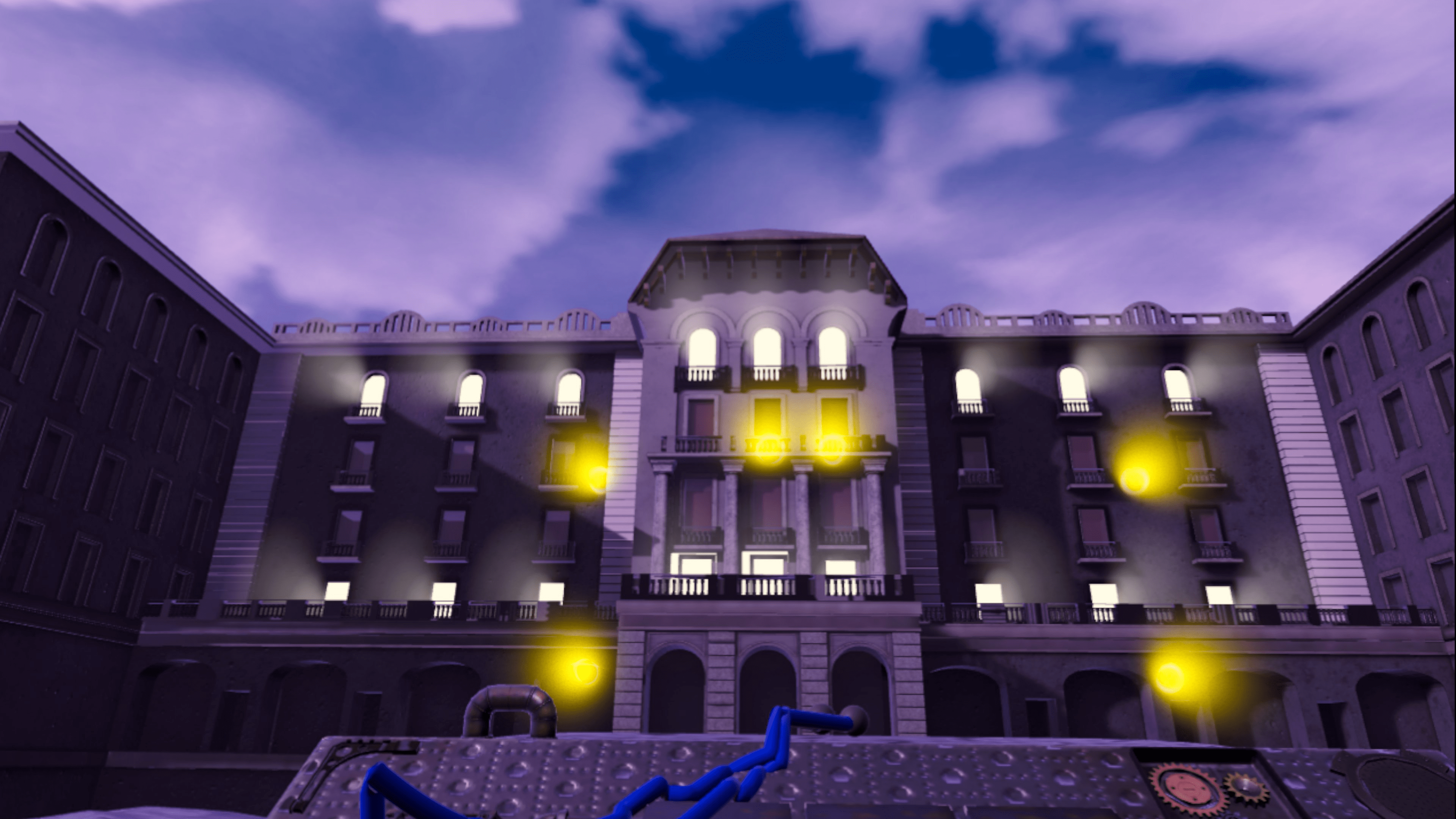
Piriapolis iconic hotel
-
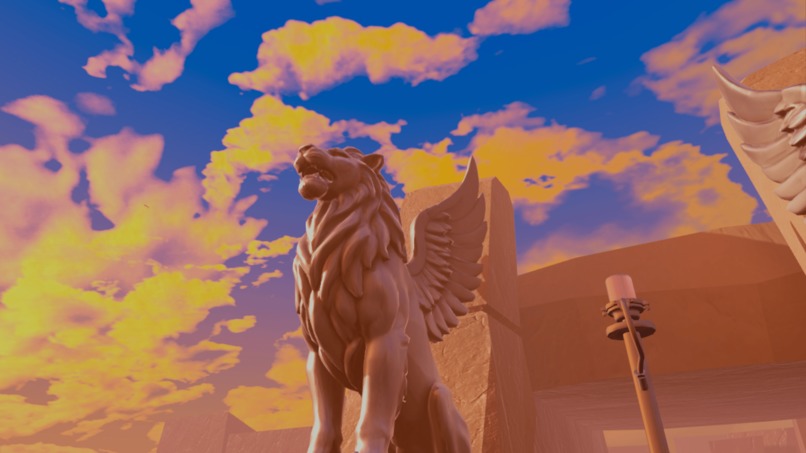
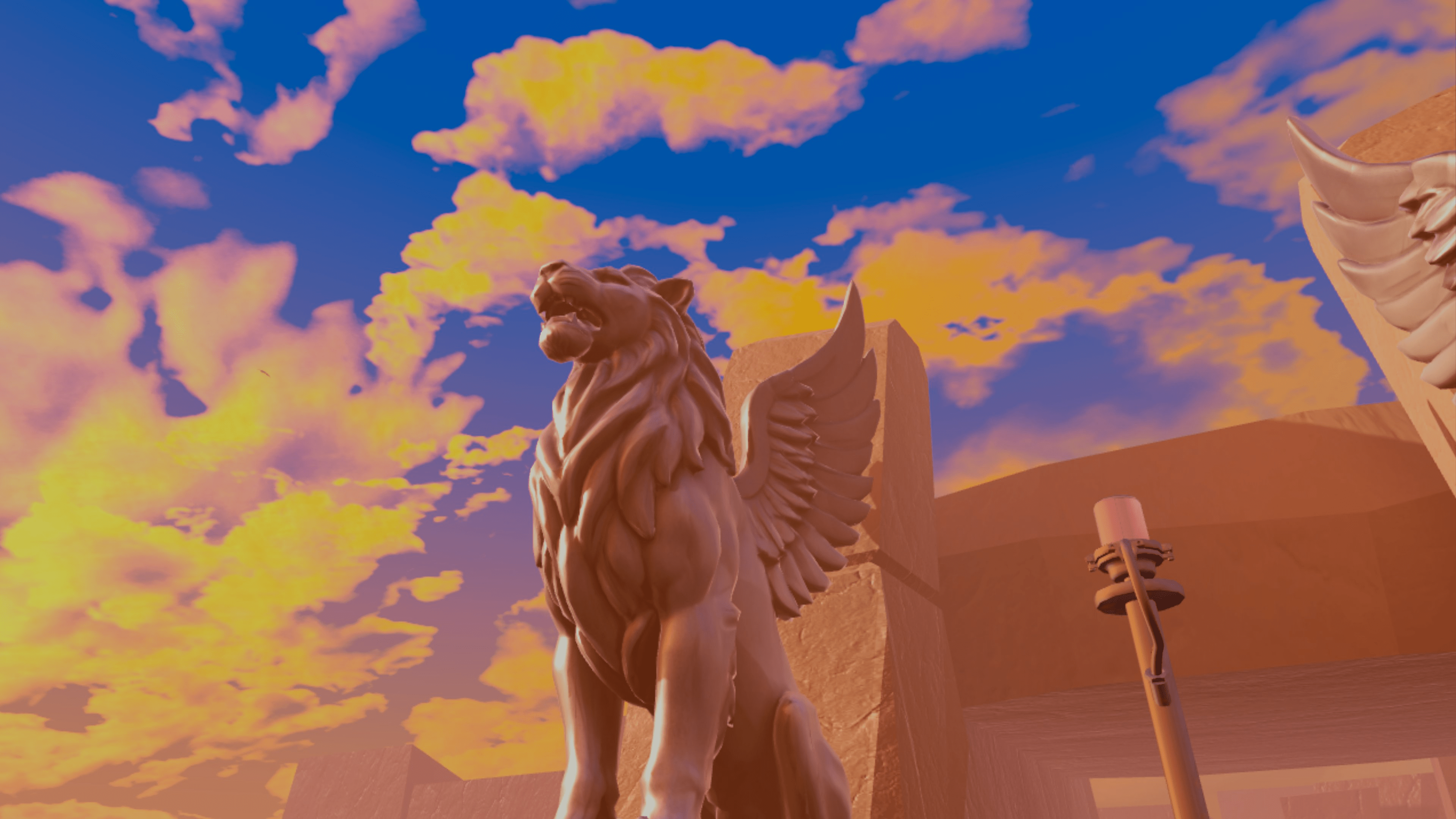
Symbols of Piriapolis
-
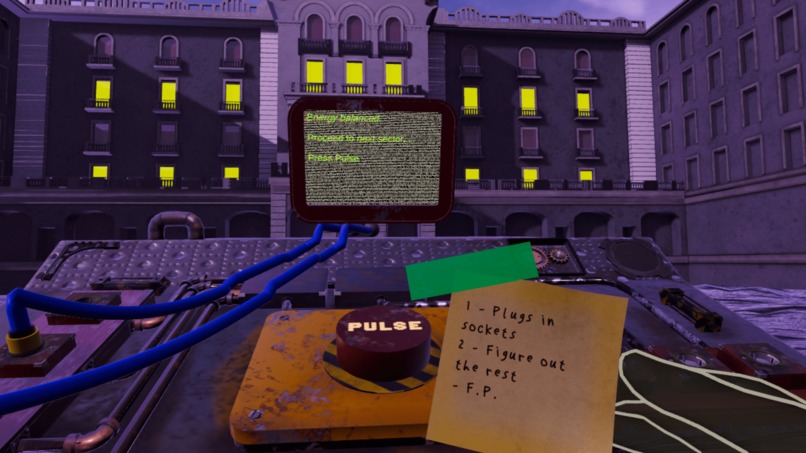
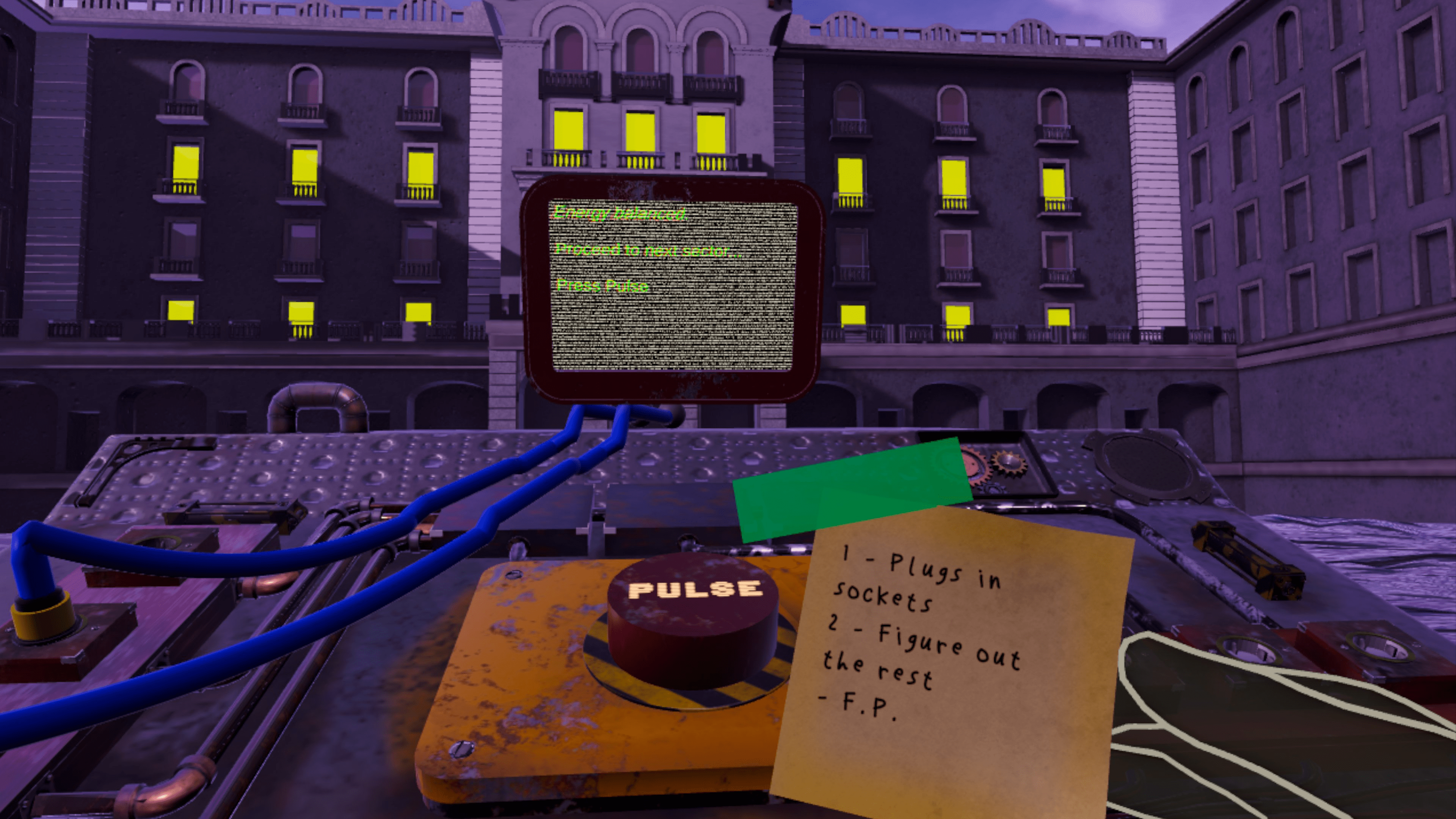
Puzzle mechanics
-
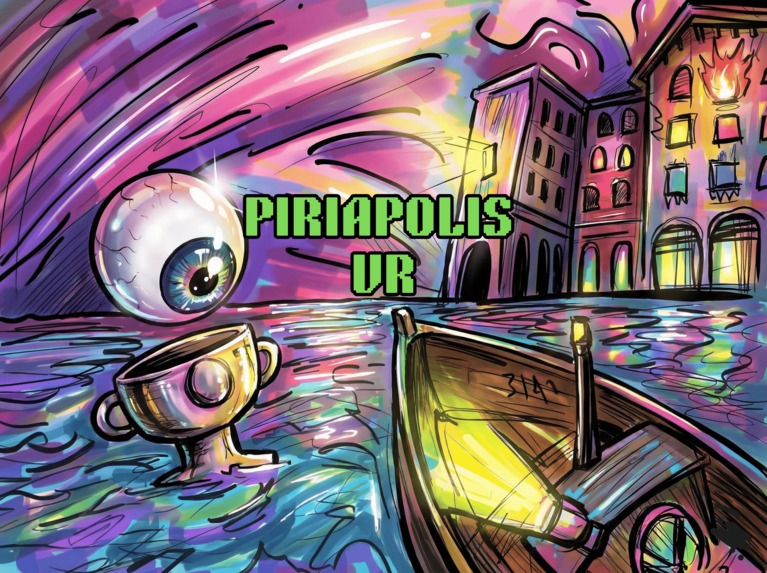
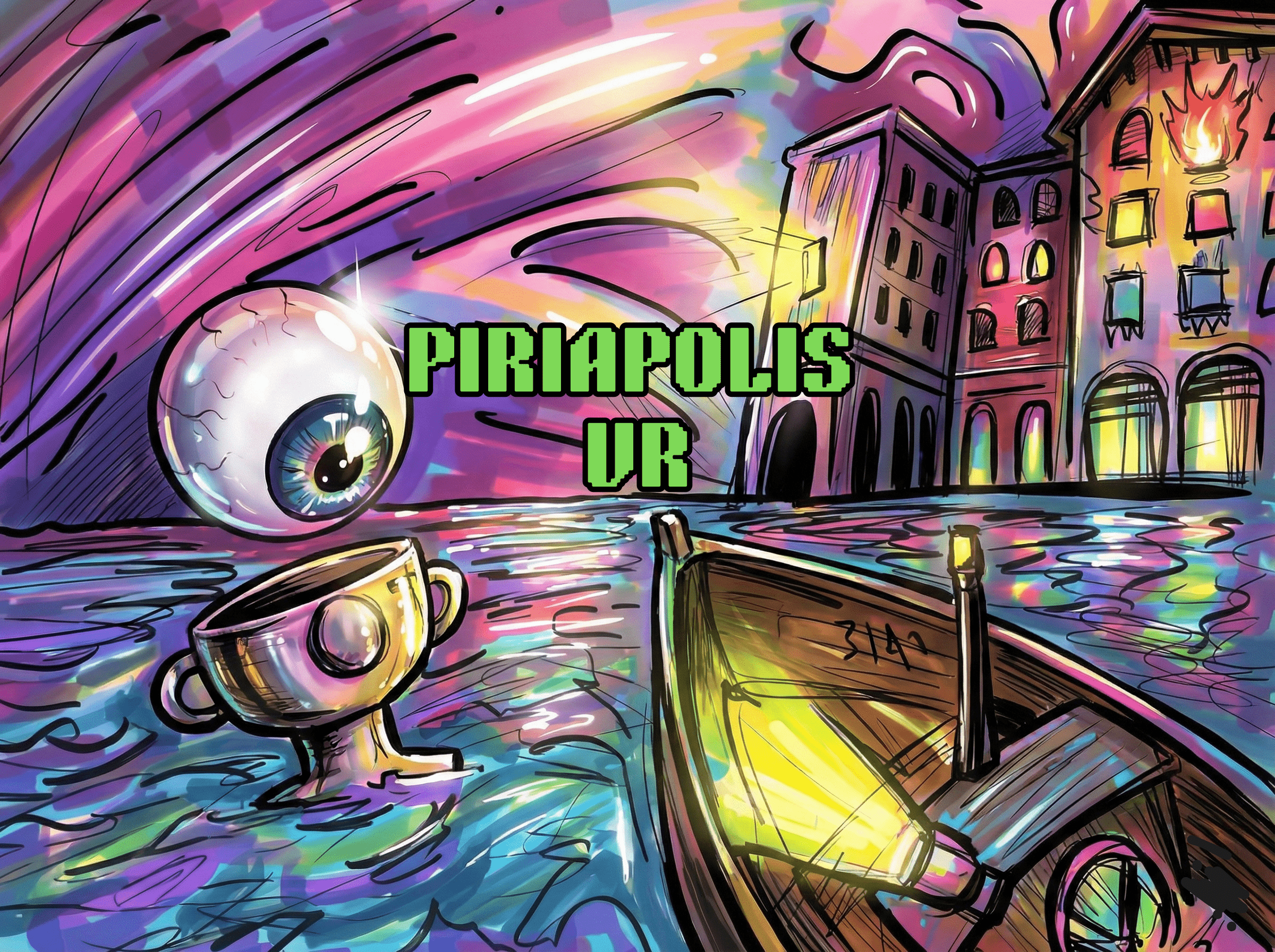
Poster
Inspiration
PIRIAPOLIS VR is inspired by the real seaside town of Piriápolis, Uruguay, a place filled with mystique, symbolism, and a unique energy that captivates both locals and visitors from around the world. The town’s history is deeply tied to its founder, an alchemist who was said to design its architecture following energetic patterns meant to channel cosmic forces. Over the years, these stories have evolved into legends that give Piriápolis its almost magical atmosphere. The game takes this mythology one step further, imagining that the alchemist’s experiments with reality-altering artifacts triggered a mysterious flood that submerged most of the city. Only a few recognizable landmarks remain above water, enigmatic places that anyone familiar with Piriápolis will immediately recognize.
What it does
PIRIAPOLIS VR combines exploration and puzzle-solving in a visually immersive experience. Players traverse the partially submerged city by boat, discovering hidden stories within its ruins while hunting down strange electromagnetic resonances, remnants of the alchemist’s failed experiments. Using a special artifact device, players engage in plug-and-socket puzzles to capture and stabilize these resonances, gradually restoring balance to the world. Each completed area unlocks new sections of the city, new devices to study, and deeper insights into the alchemist’s mysterious work. The experience blends exploration, atmosphere, and touch mechanics to create something that feels both mysterious and meditative, a mix between interactive fiction and hands-on problem solving in VR.
How we built it
PIRIAPOLIS VR was designed as a short-form, narrative-driven VR experience, structured in chapters. The current project focuses on the first chapter, offering about one hour of gameplay that combines story-driven exploration with engaging puzzle mechanics. While the narrative and environmental discovery unfold within a compact, cinematic experience, the puzzle component provides infinite replayability for players who enjoy experimenting and mastering the mechanics.
Challenges we ran into
One of the biggest challenges was designing and refining the interactions. Beyond creating a rich atmosphere, we wanted players to feel connected to the world through meaningful, tactile mechanics. This required building lots of interactions both in the exploration phase, where players navigate by boat through the flooded city, and in the puzzle sequences, where they manipulate different types of devices and components to solve each challenge. Making these interactions feel natural, precise, and satisfying in VR demanded extensive iteration and user testing. Another major challenge was optimization. We wanted PIRIAPOLIS VR to look visually stunning while maintaining strong performance across VR hardware. Achieving this balance between visual fidelity and smooth gameplay required significant technical effort and fine-tuning.
Accomplishments that we're proud of
We’re proud of how successfully the project captures the spirit of the real Piriápolis, transforming local mythology into a compelling interactive story. We also take pride in the quality of interaction design, achieving intuitive and satisfying mechanics that feel natural in VR.
What we learned
We learned a lot about optimizing for VR hardware without sacrificing visual quality. We also learned a lot about the building blocks of interactive components. And we created processes to make our work much more efficient in Unity in VR.
What's next for Piriapolis VR
We’re currently focused on completing and releasing the first chapter, which represents the core of the experience and establishes the visual and narrative foundation of the world. Future chapters will expand the story, exploring new landmarks, new puzzles, and deeper mysteries surrounding the alchemist and his experiments. Our long-term vision is to continue developing episodic content, building a series of immersive chapters that together form a full narrative arc, one that celebrates Uruguayan mythology, history, and imagination through the lens of cutting-edge VR storytelling.


Log in or sign up for Devpost to join the conversation.