-
-
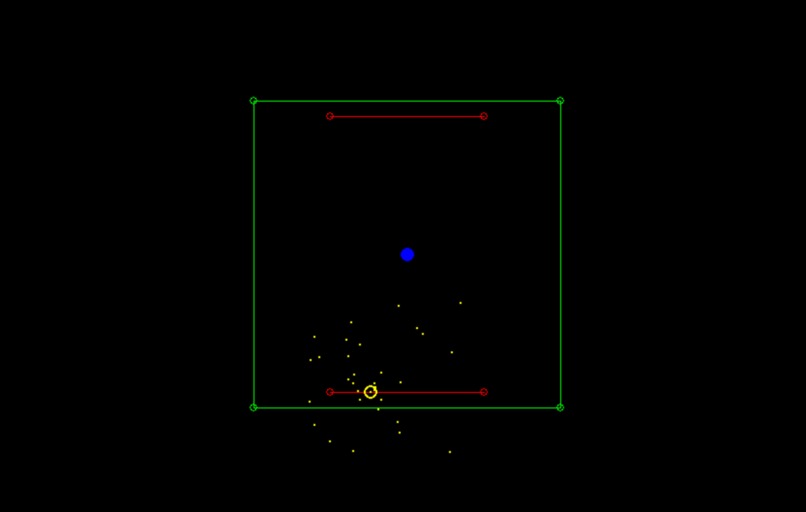
Simulation
-
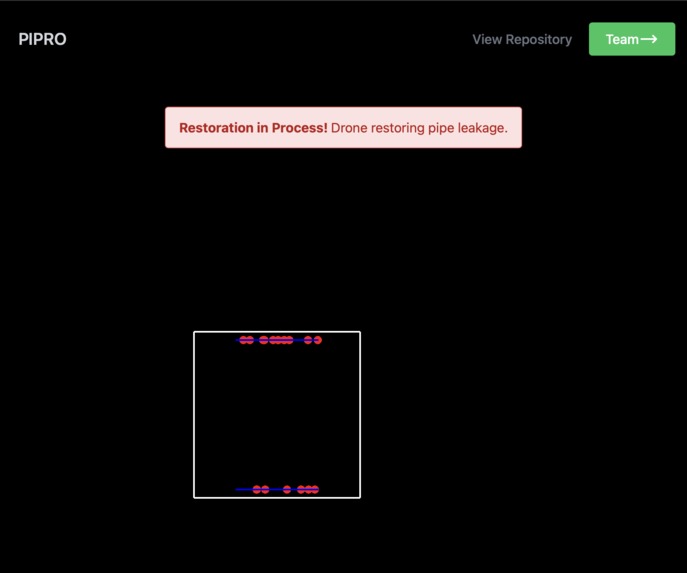
User Front-end
-
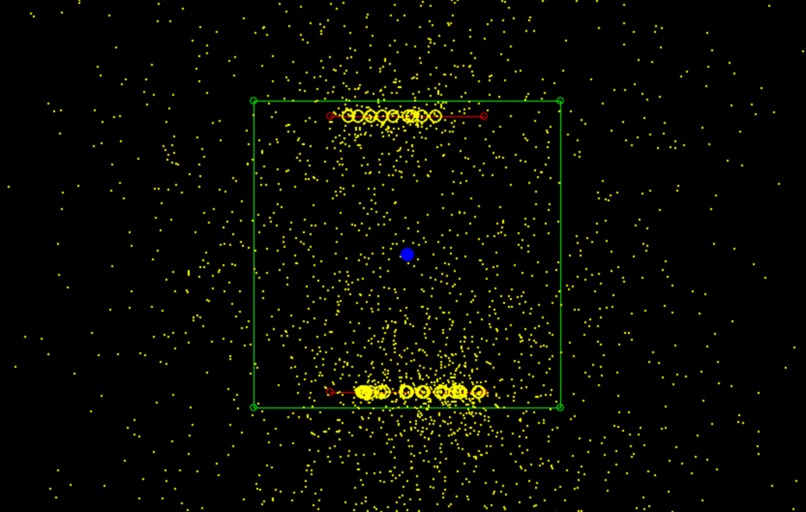
Very Leaky

Inspiration
A new study has found that leaks of methane, the main ingredient in natural gas and itself a potent greenhouse gas, are twice as big as official tallies suggest in major cities along the U.S. eastern seaboard. The study suggests many of these fugitive leaks come from homes and businesses—and could represent a far bigger problem than leaks from the industrial extraction of the fossil fuel itself.
How we built it
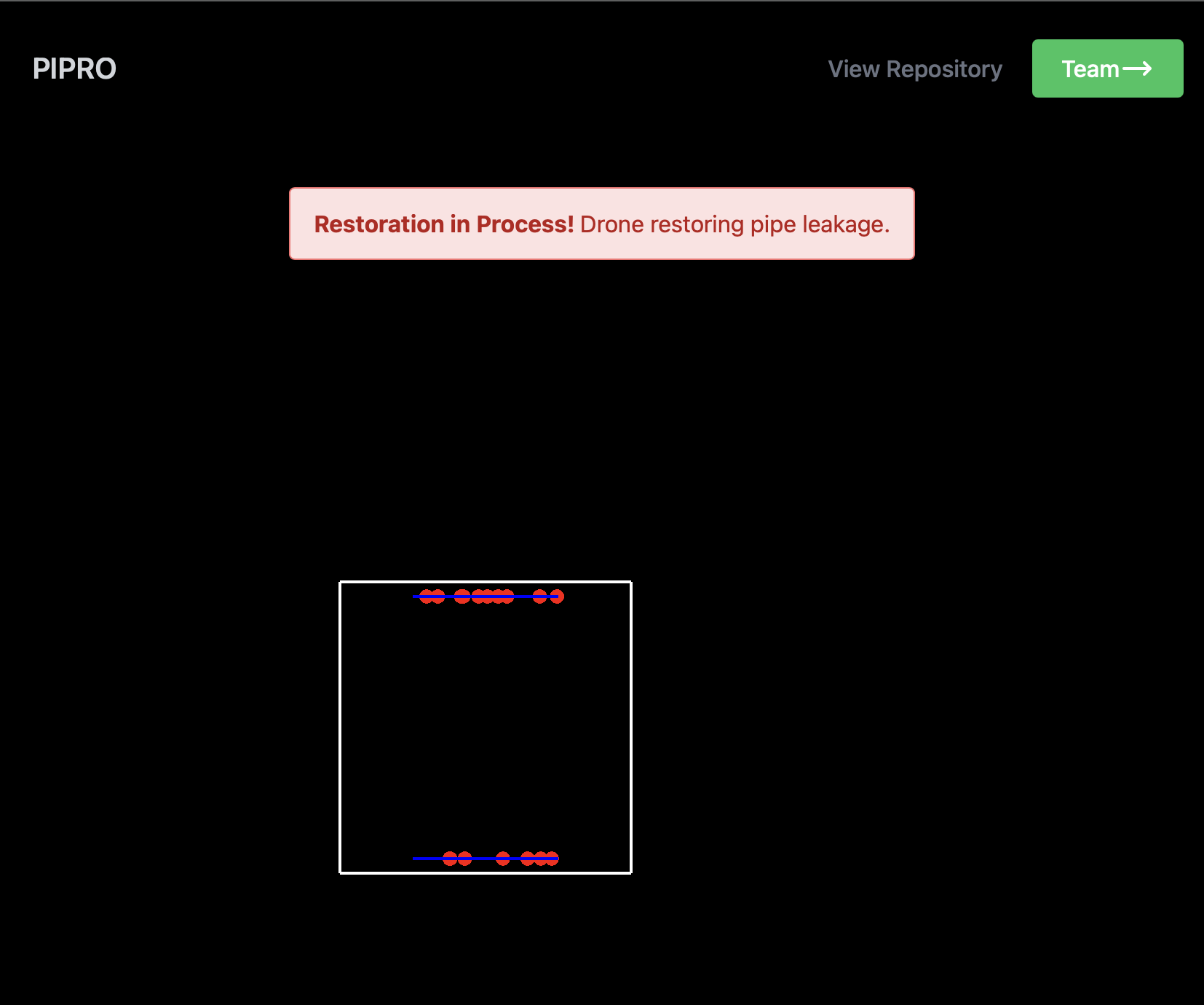
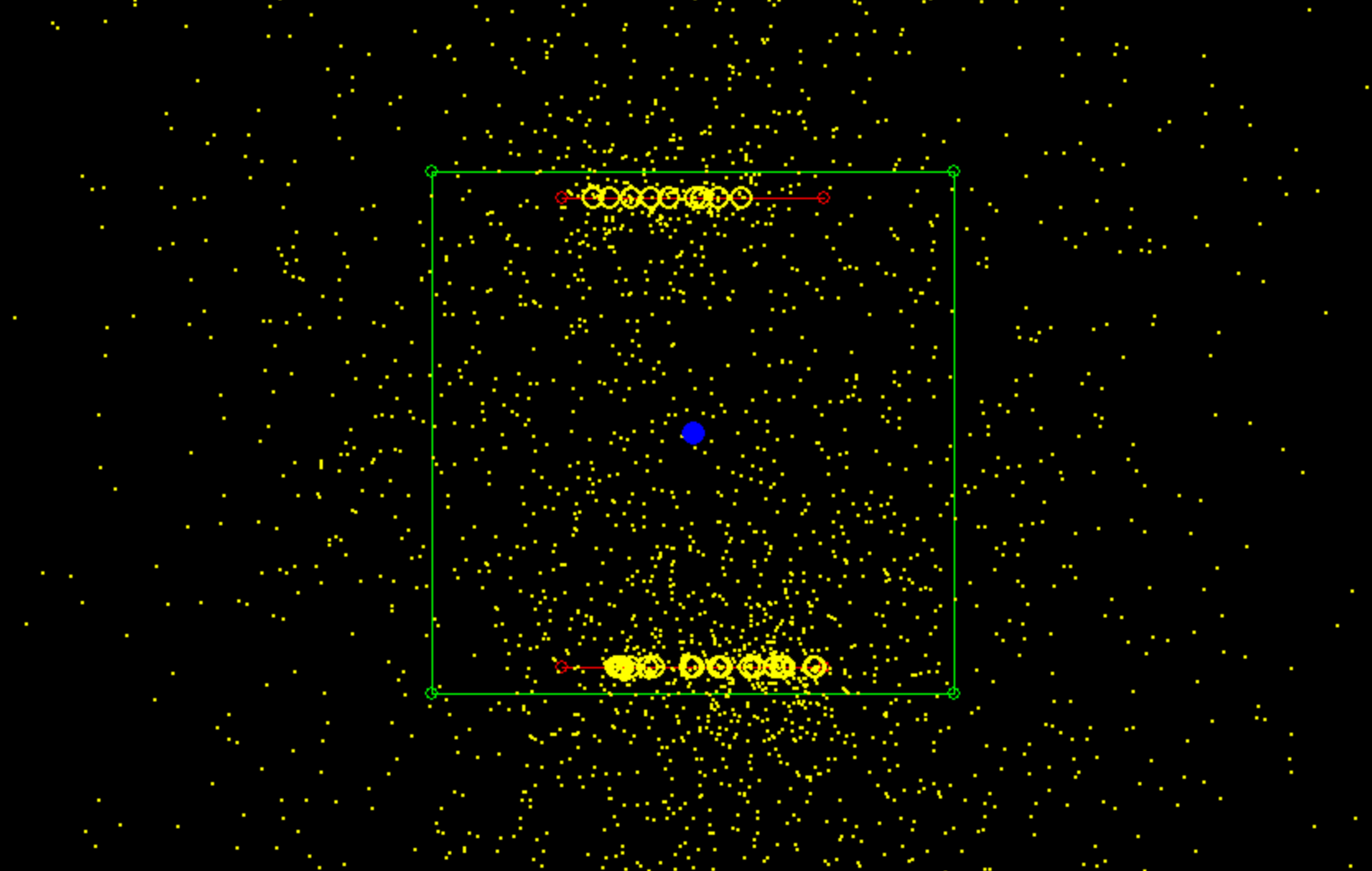
Our app consists of 3 main components: the flask web server, ReactJS front-end, and Pygame 2D simulation. The simulation is simplistic visually, but accomplishes the task of generating pipe leaks and simulating how a real drone might detect such leaks. The simulation also simulates how the drone might communicate with a server to notify about the leaks. The server, built in flask, communicates with the simulation and the front-end to build a bridge between the drone and the "user experience". The front-end, built with ReactJS and P5, shows a map of the simulation and displays location pings of where the drone detects leaks.
Challenges we ran into
We are all first year students and this was our first Hackathon, and even though our programming concepts were very strong, we lacked the insights to build the simulation in 3D. We also had some issues linking the server to the front-end but we eventually figured it out.
Accomplishments that we're proud of
We all worked and finished the project on time, so our time-management skills were fantastic. We managed to accomplish what we set out to do and were very happy with our final model.
What we learned
We learned how to work as a team and what the development cycle for such apps looks like. We also learned how a full-stack app connects components from different software areas to make a system that works together to accomplish a task, in this case, a simulation connected to a web server. Although we each had some minimal experience in the parts we worked on, we learned from each other. For example, only one of us knew Flask at the start, but now we all know it! Same goes for ReactJS in the frontend, and pygame which we used to simulate basic 2D physics and pipe leaks.
What's next for Pipro
In the future, Pipro's server and frontend could be made faster and more intuitive. We could add account creation ability which would link to someone's "drone". Currently, our "drone" runs within a very simplified 2D simulation. In the future, this simulation might move into 3D, but someday, maybe into the real world through robotics. We hope that Pipro helps robotics experts around the world simulate specific real-world scenarios. The problem domain is huge and we are sure there are several other applications for Pipro


Log in or sign up for Devpost to join the conversation.