-

1st place overall!
-
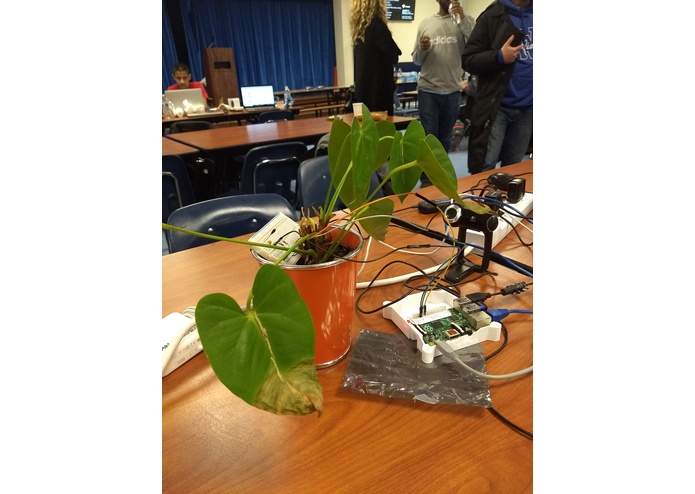
Product
-
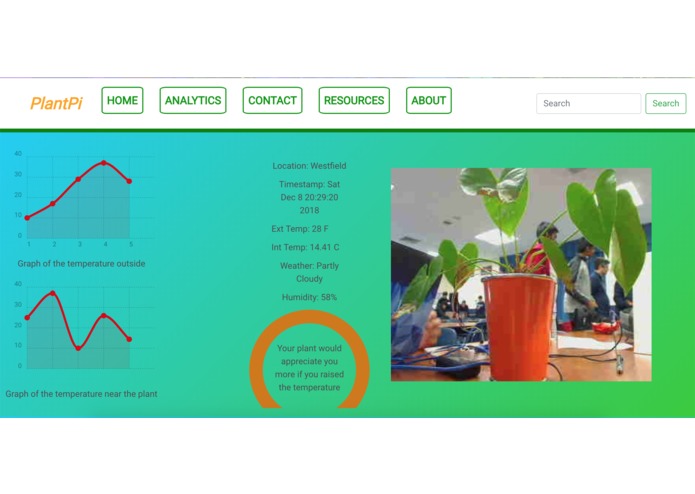
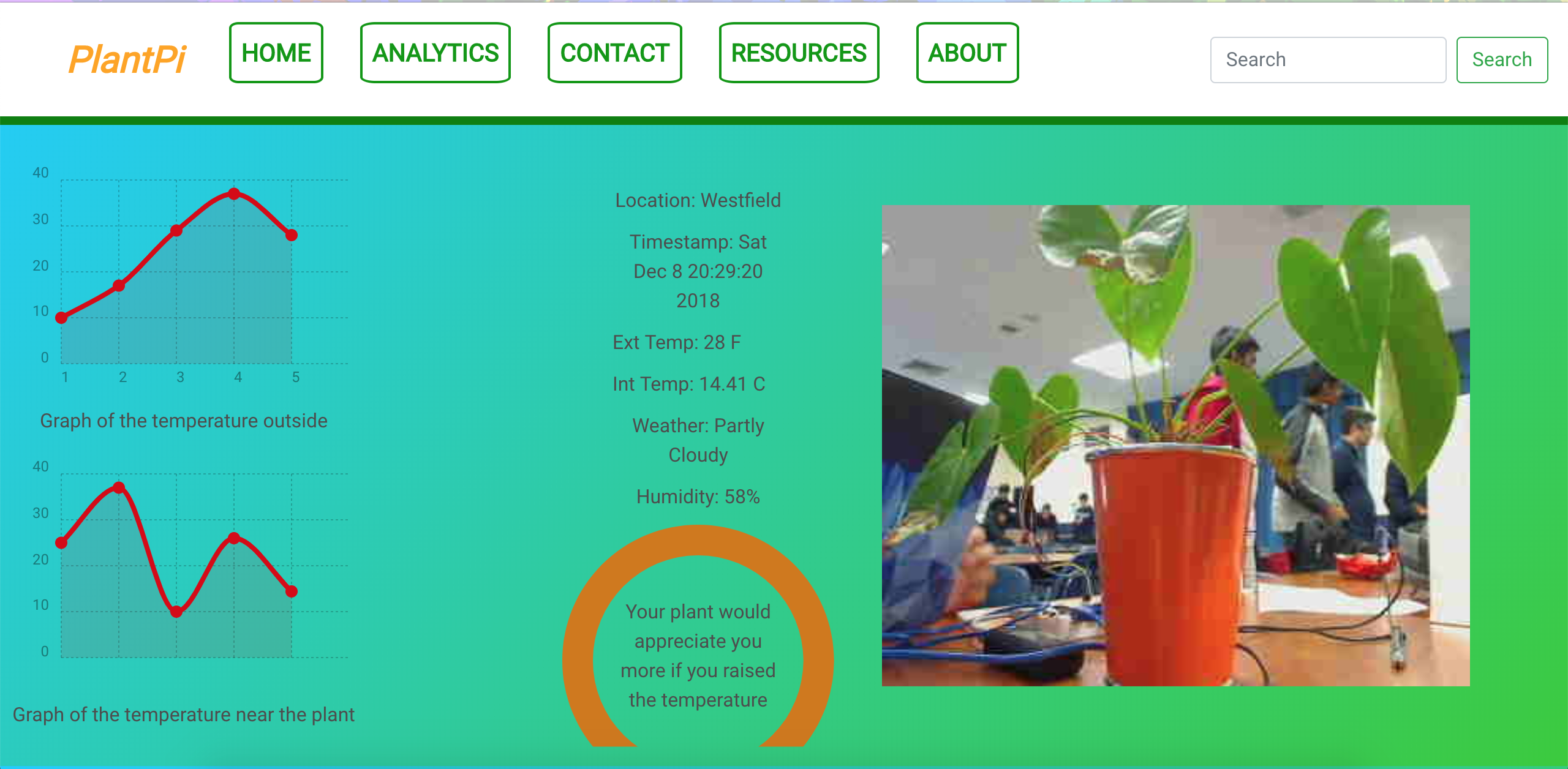
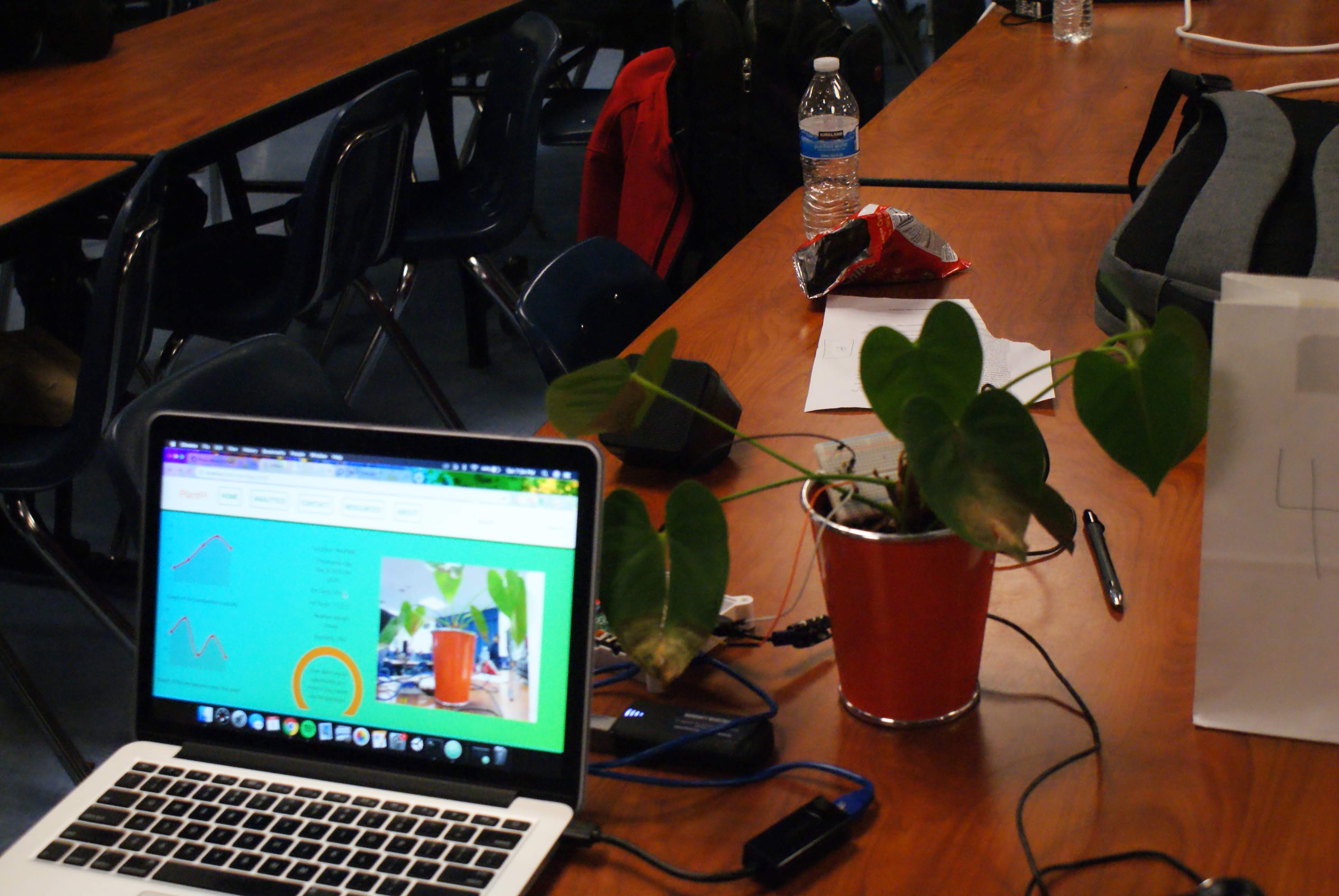
Webpage with Analytics
-

the creators
-
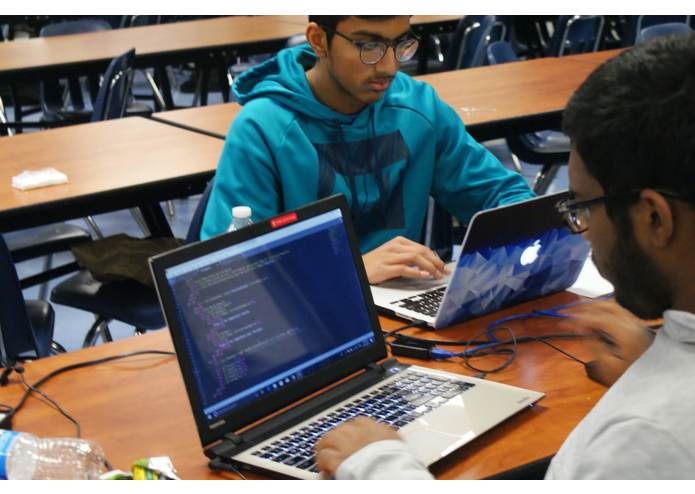
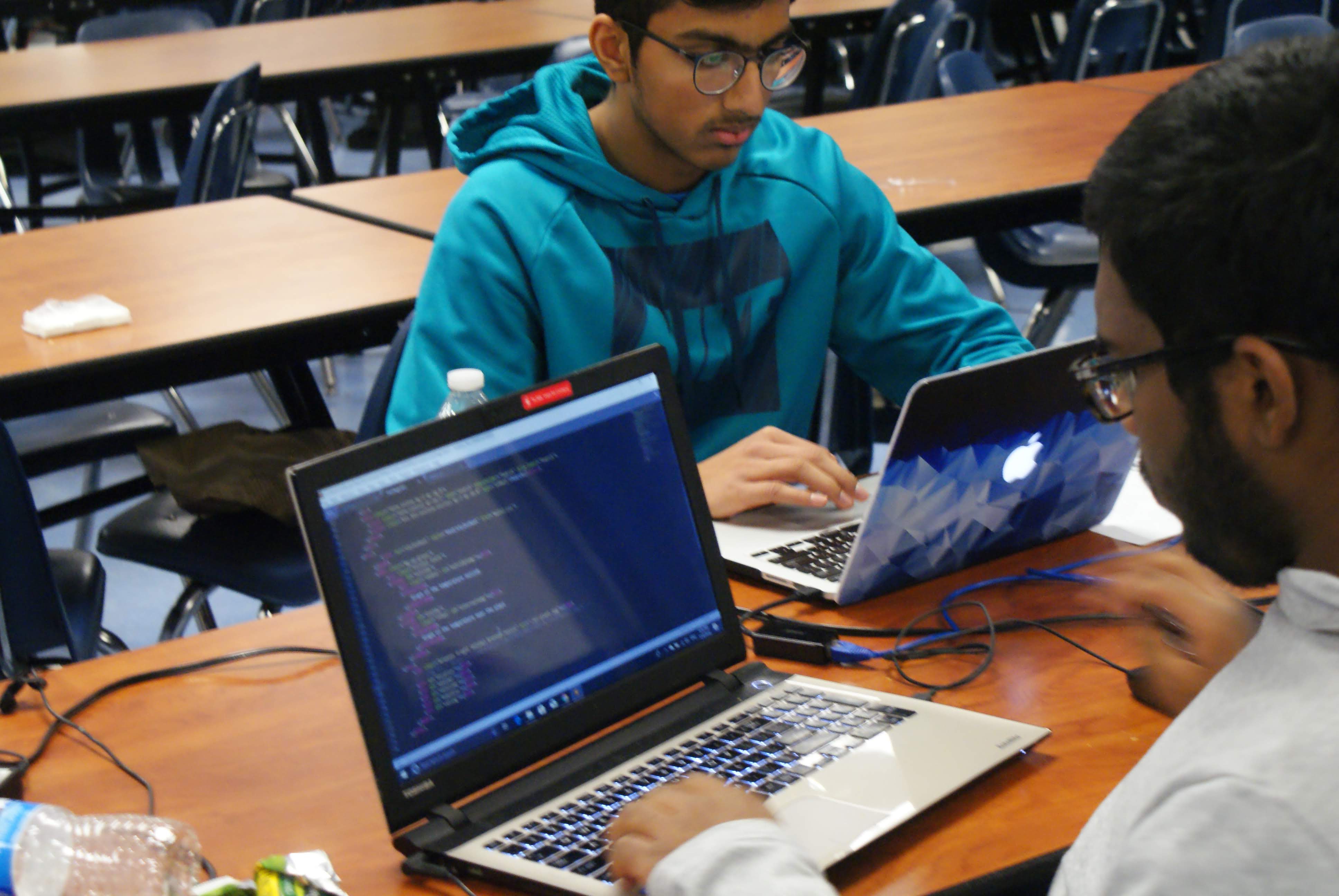
hard at work
-
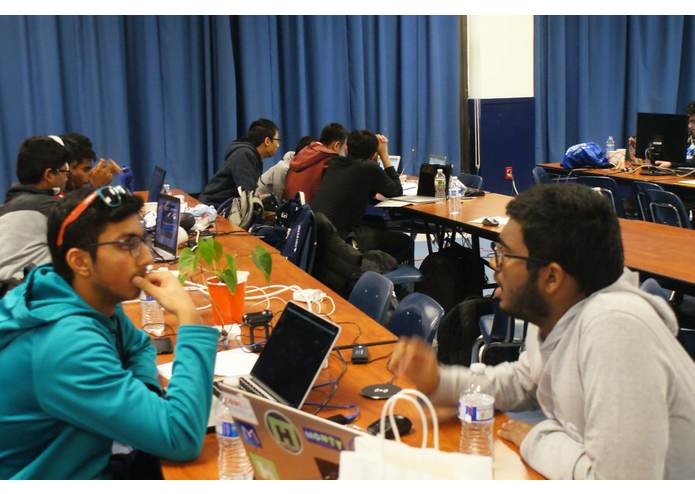
Collaboration
-
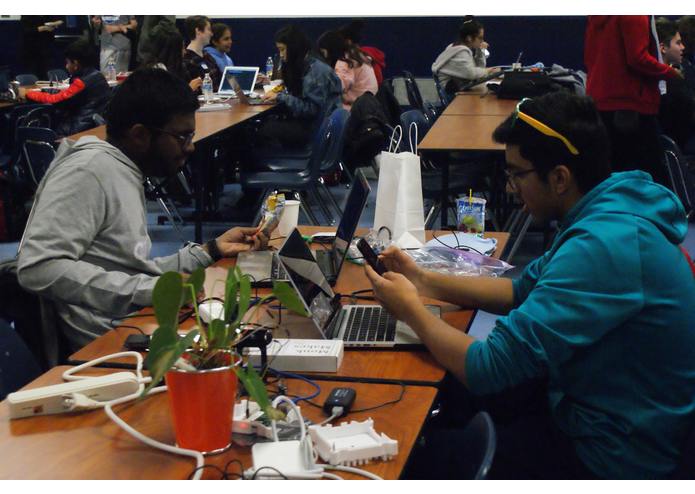
Working
-
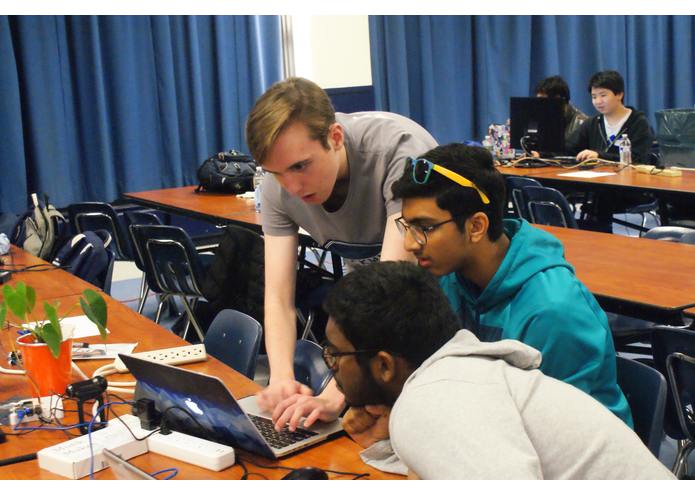
When you need help
-
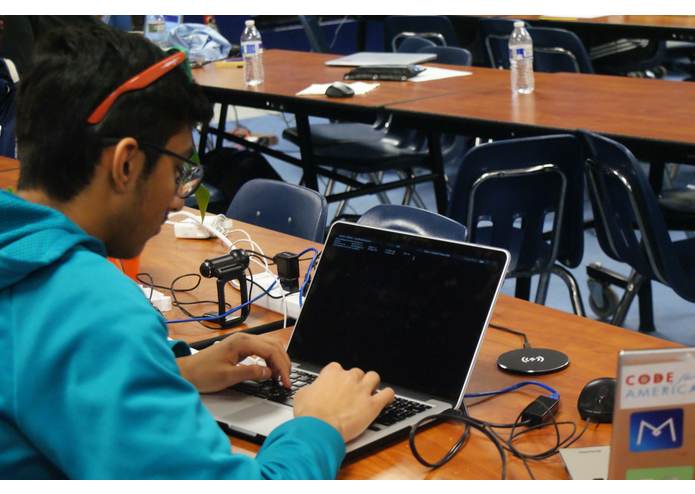
Terminal
-
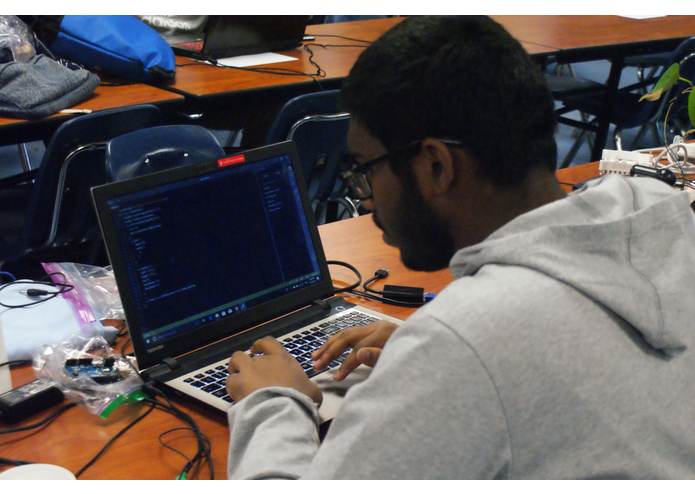
Coding
-

having a good time
-

The best demo pic at WHS
-
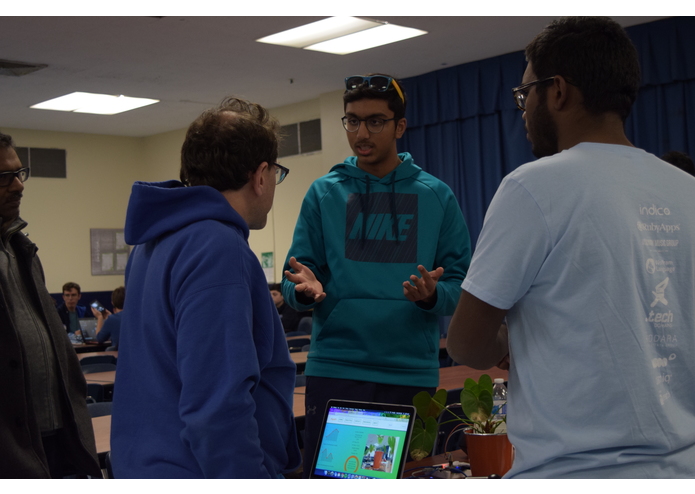
demo to the judge
-
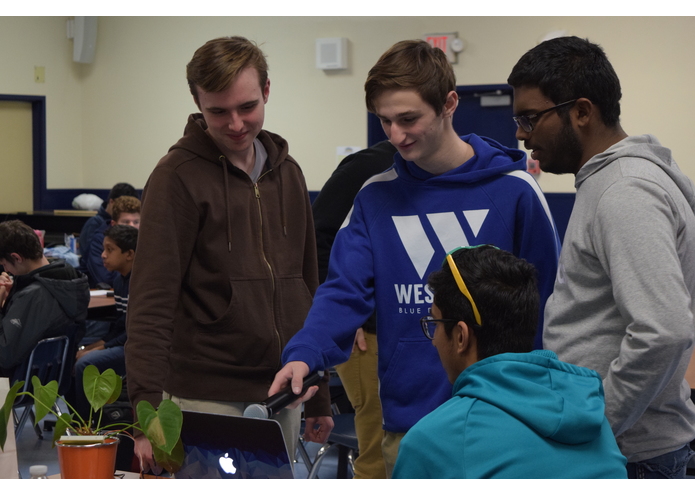
demo to the organizers
-
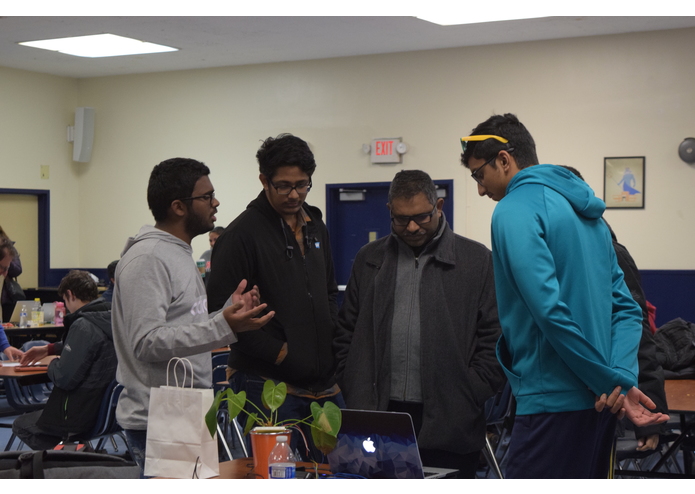
demo
-

Our Plant
-

all the winners
-
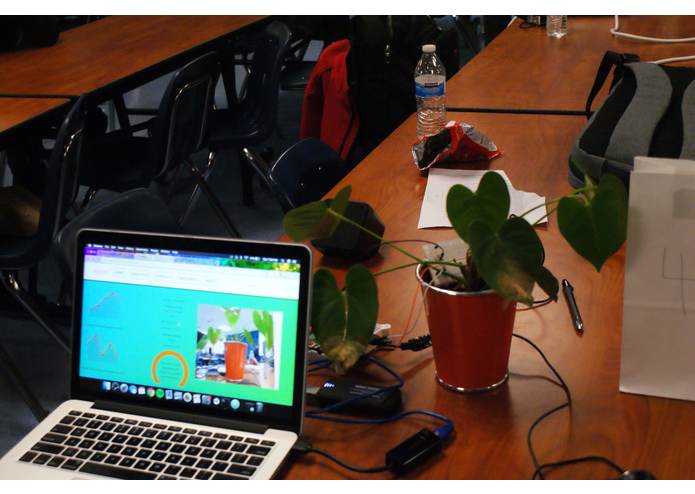
product
-
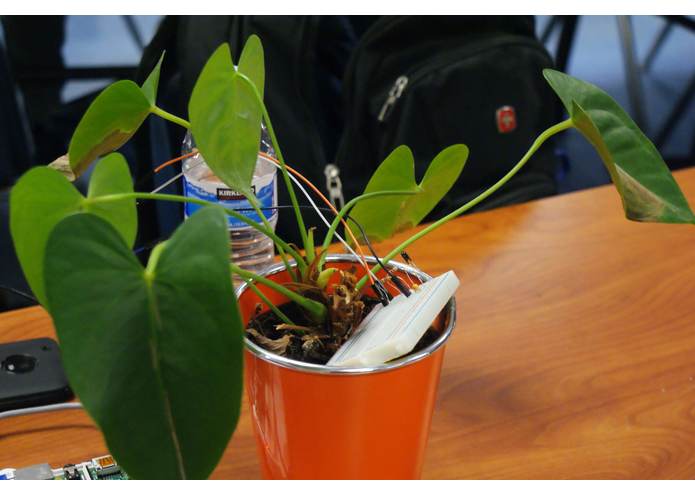
Product


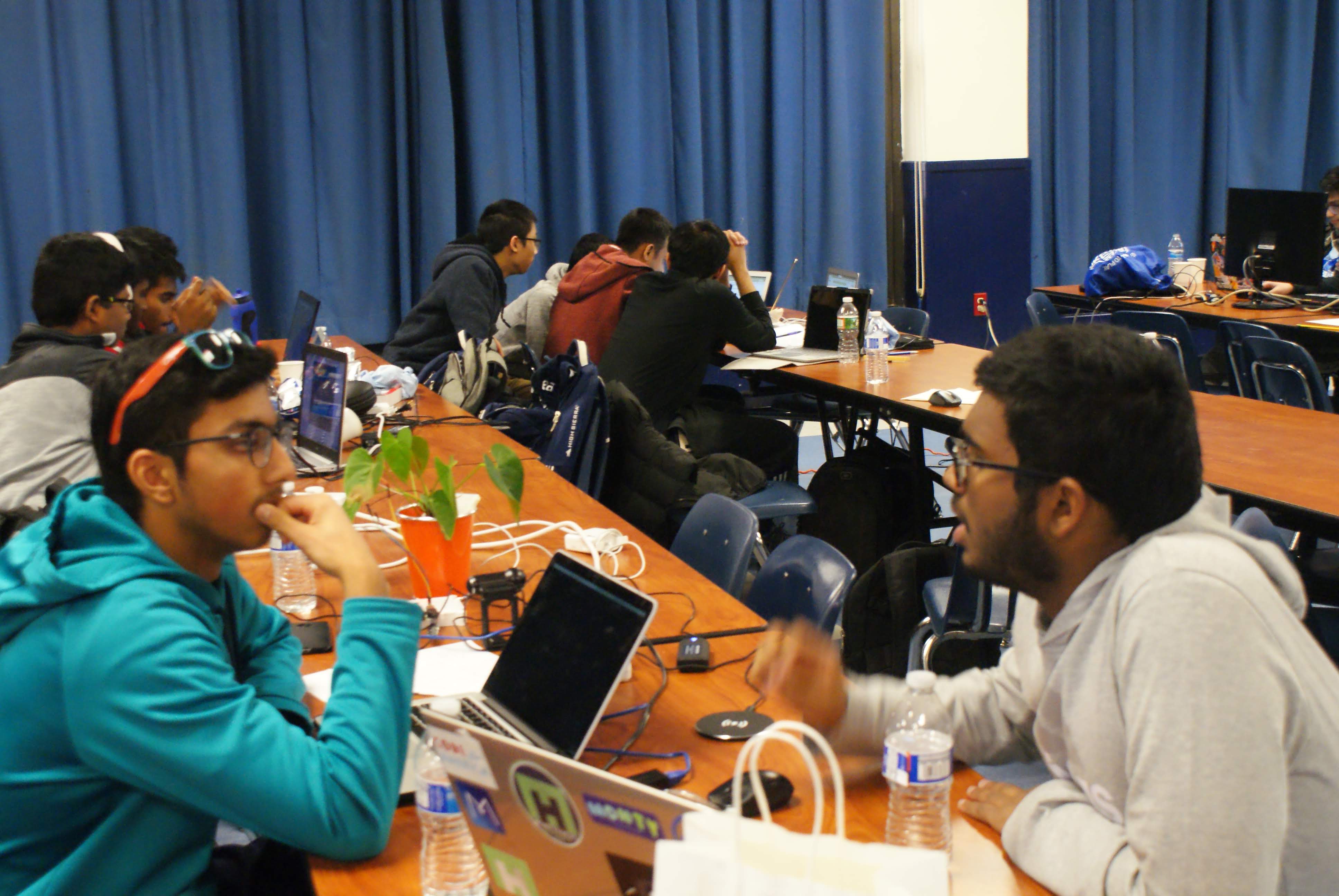
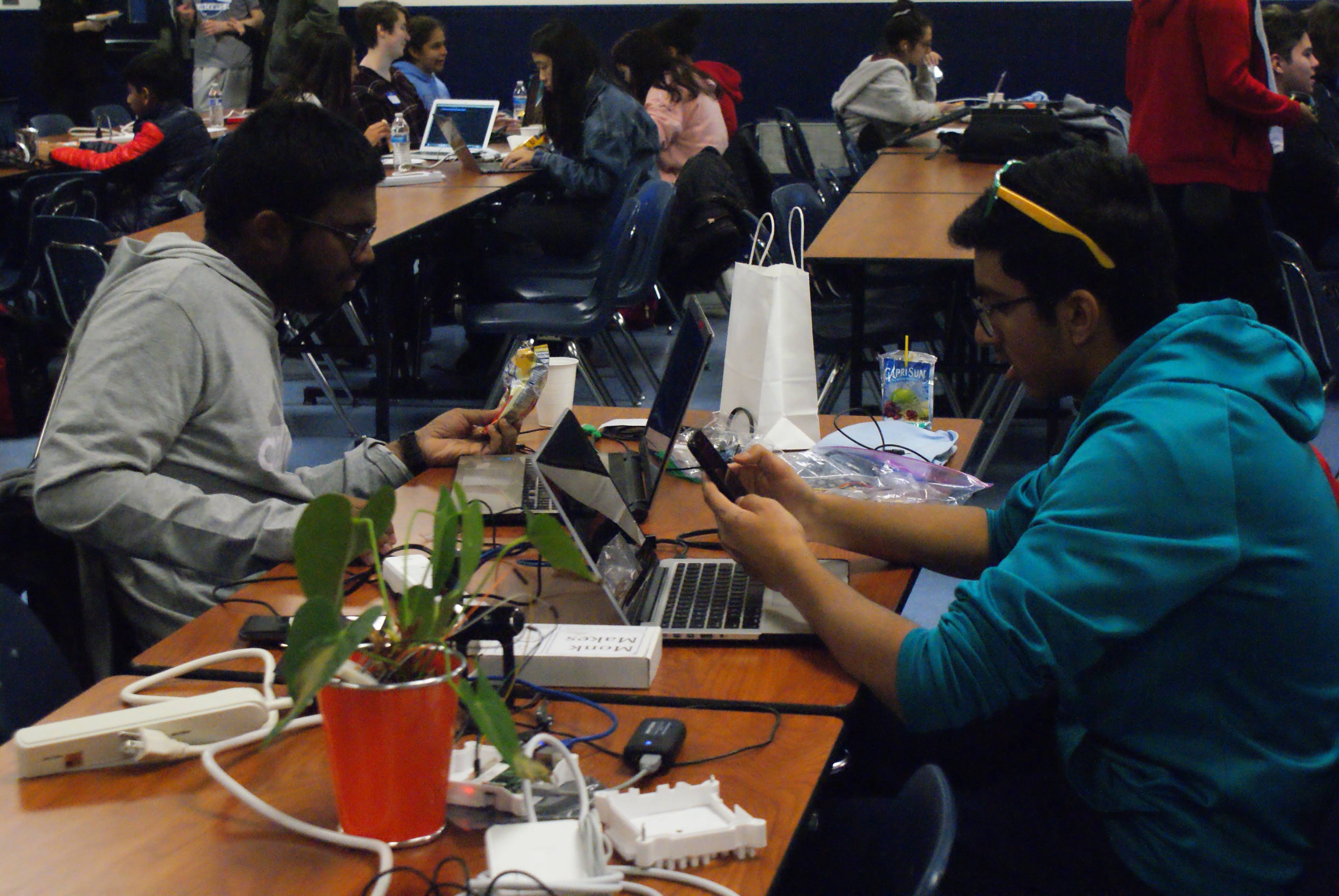

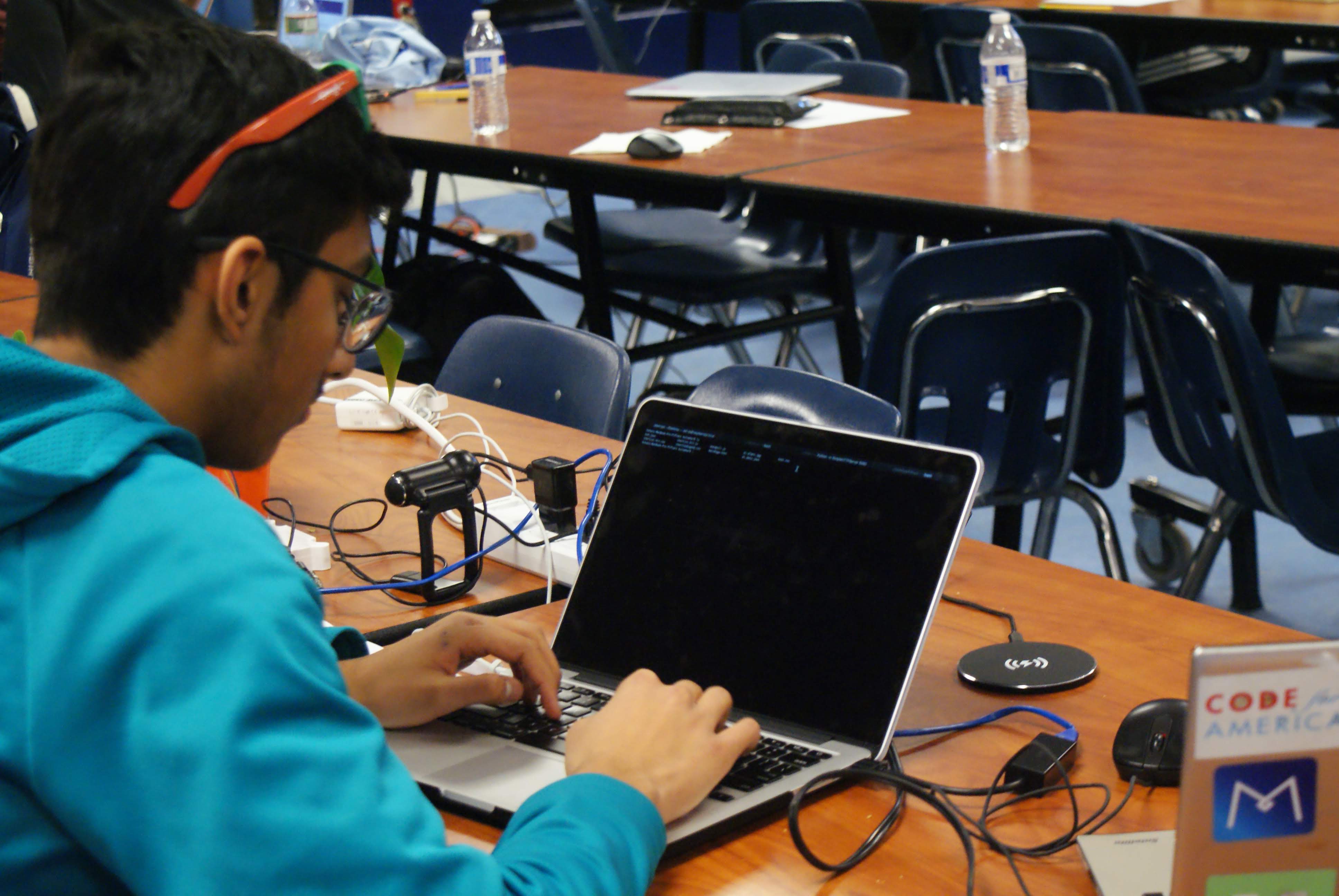
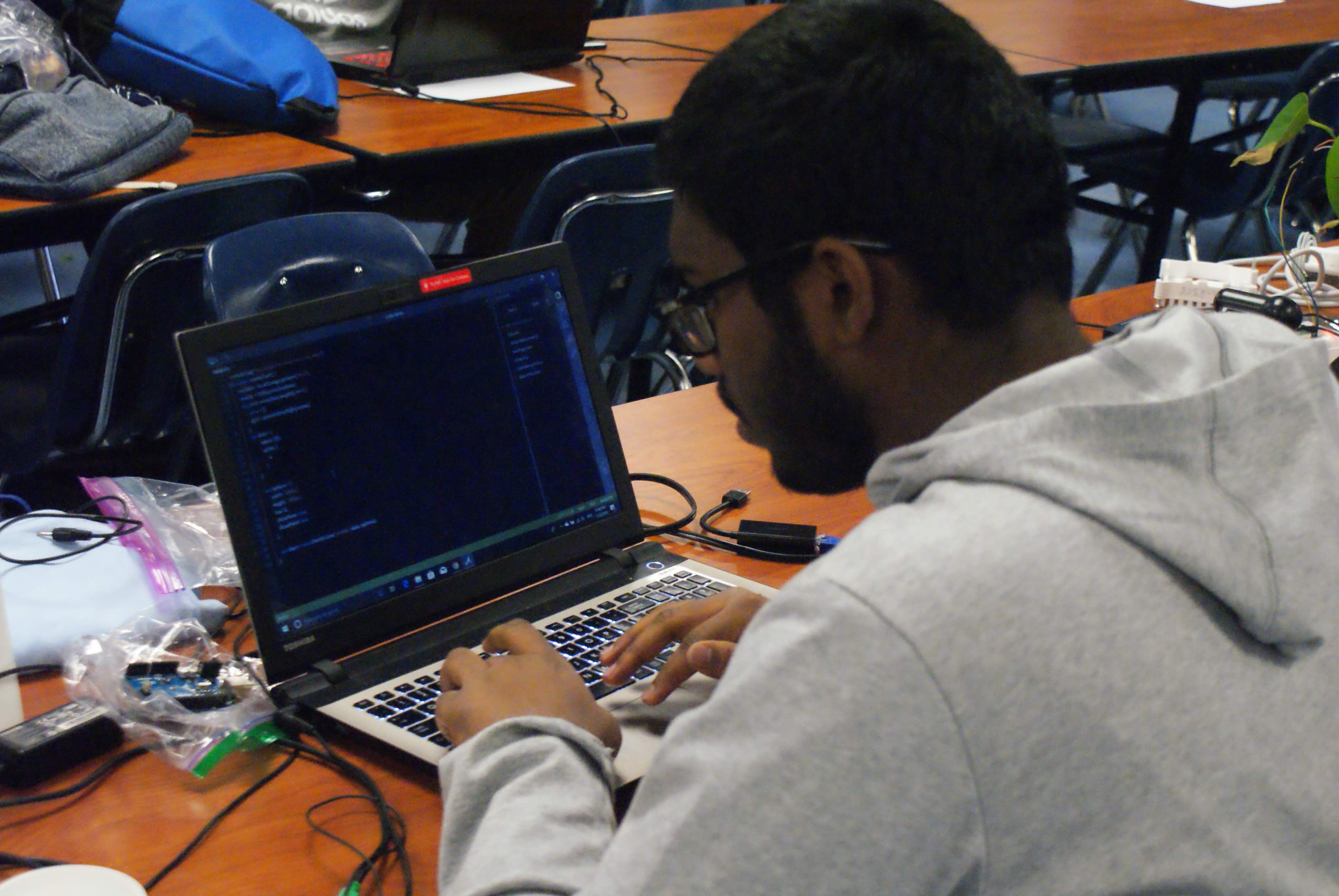


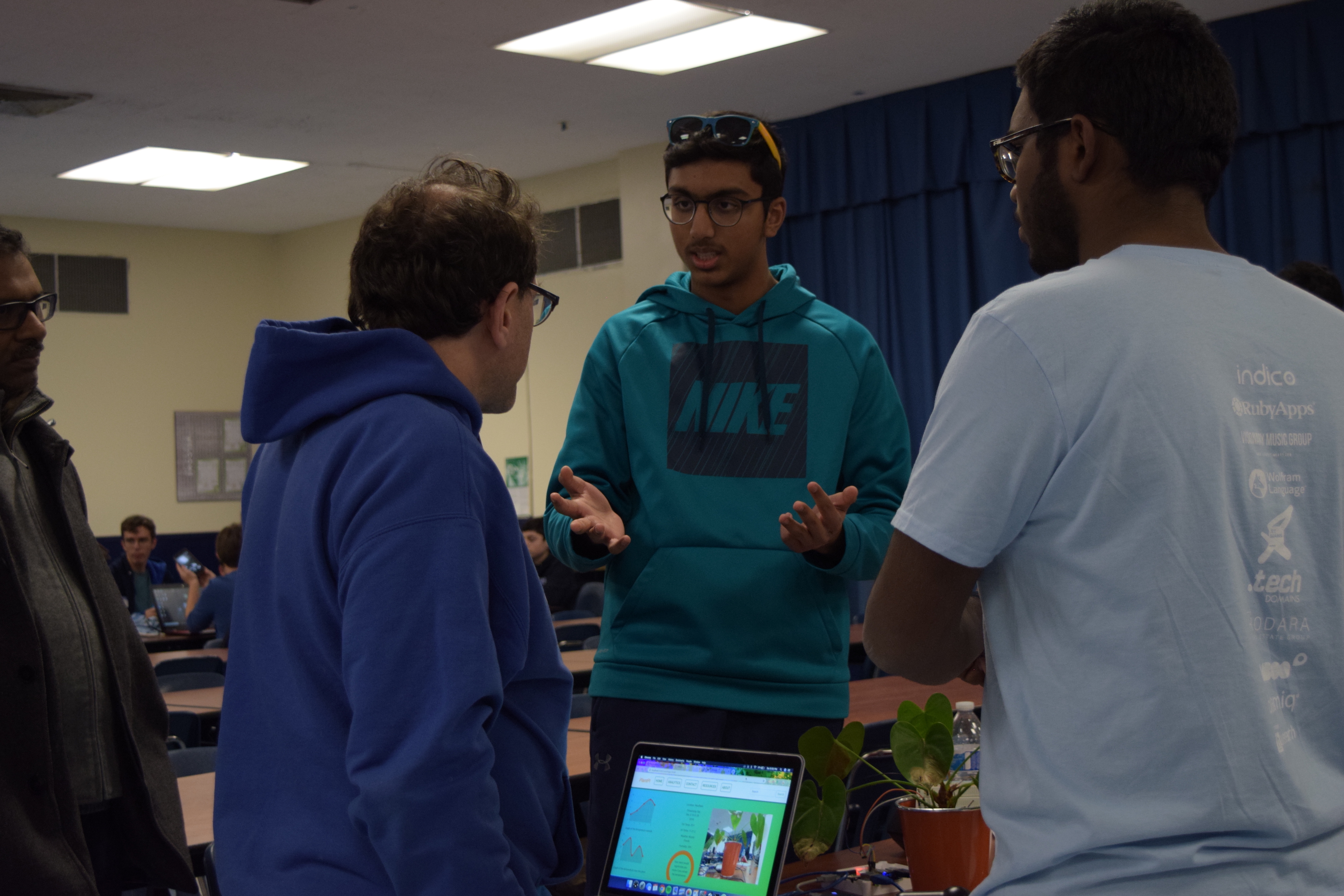


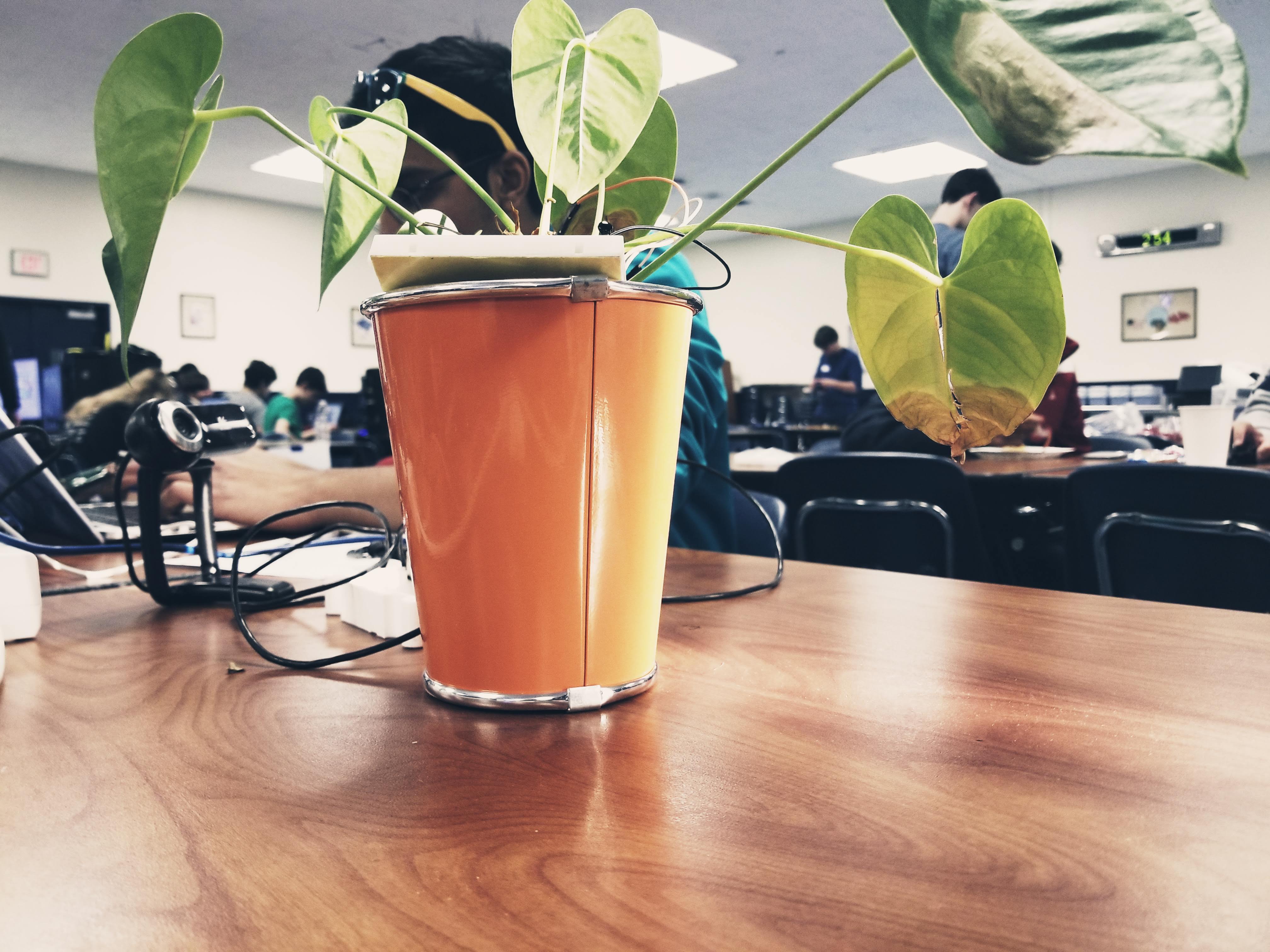

Winner at hackWHS (Westfield High School) for 1st Place Overall Hack
Inspiration
How can we effectively monitor the conditions that our plant lies in?
What it does
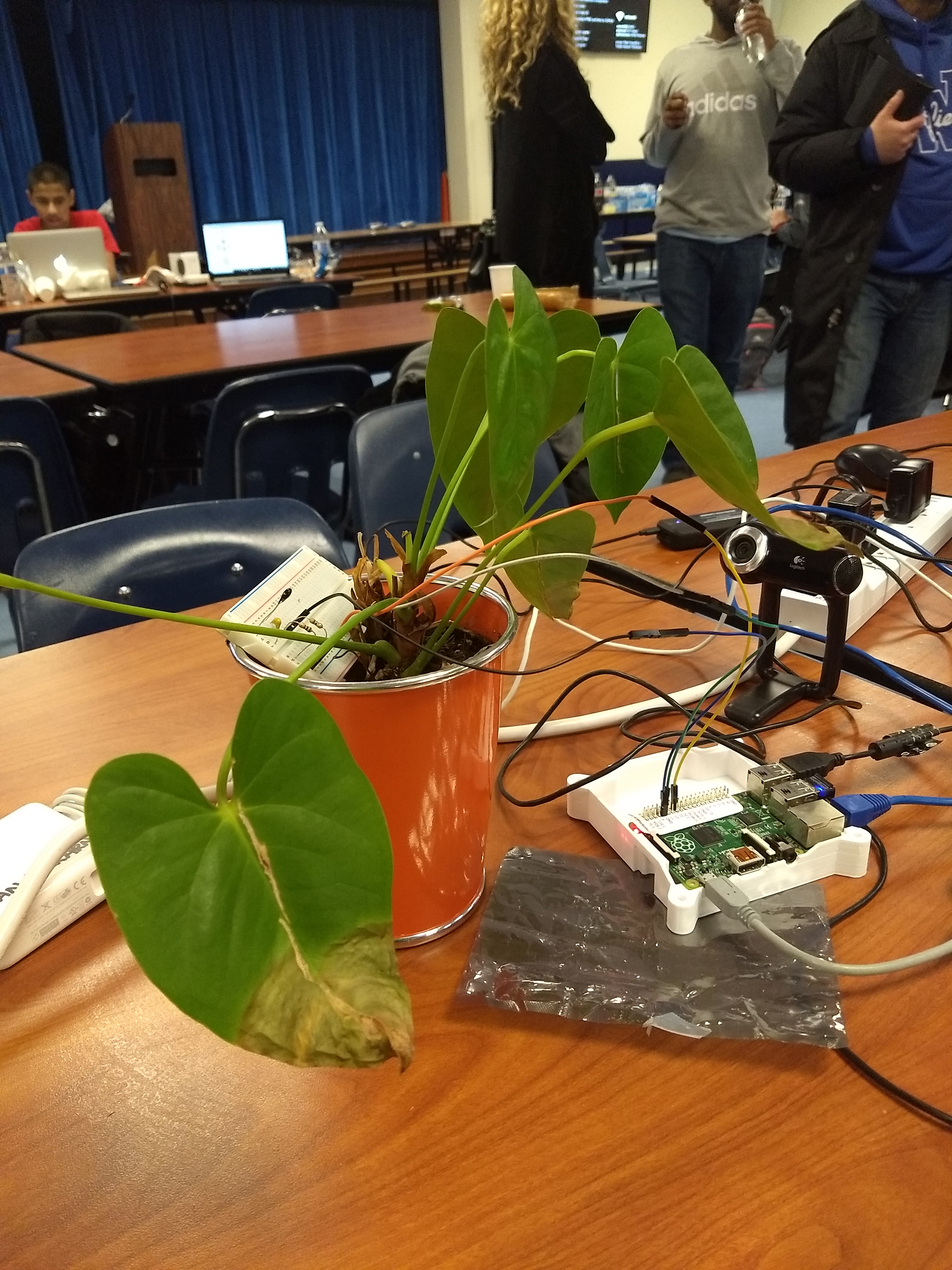
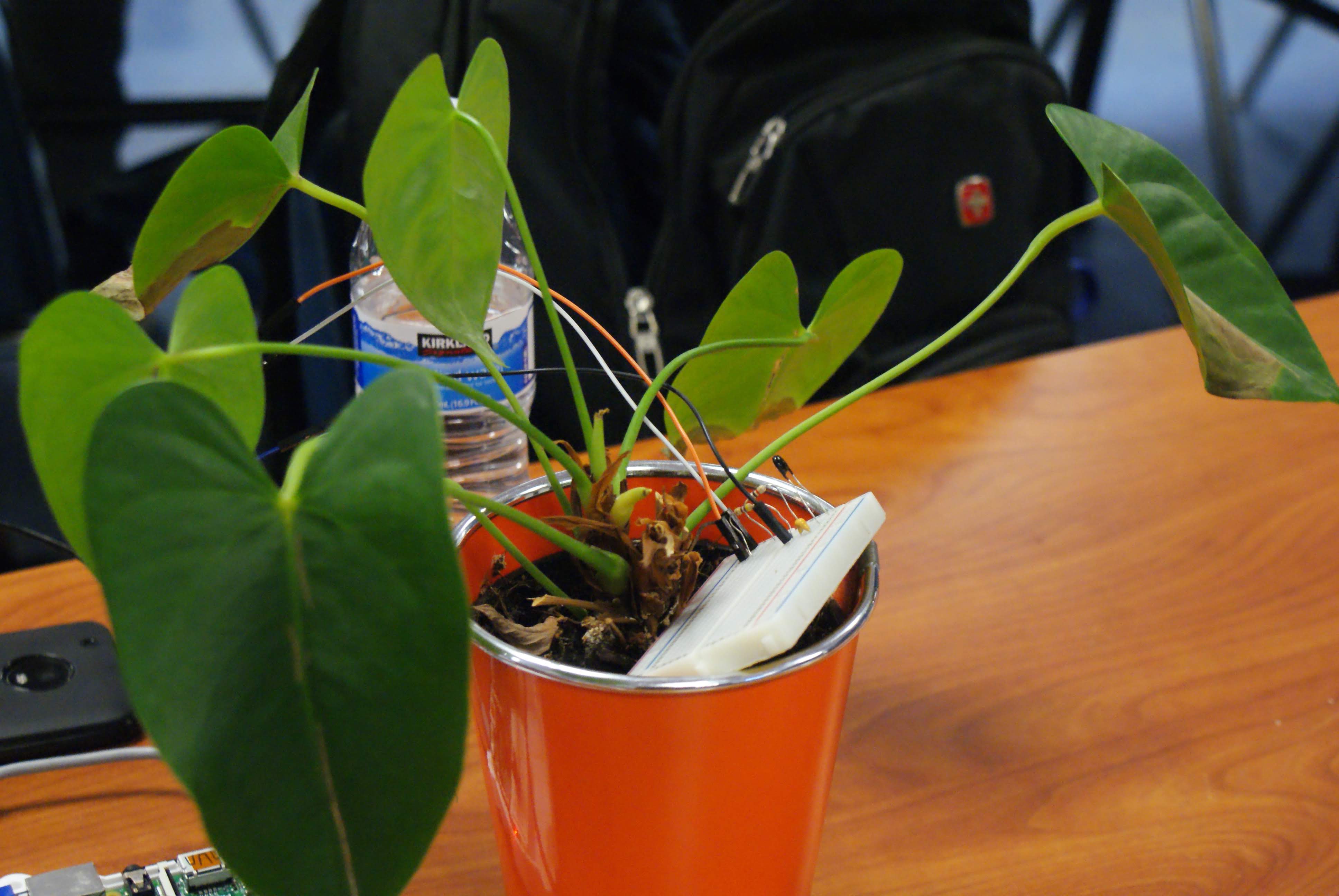
The Raspberry Pi collects data using a thermistor of the environment around the plant. Then, the Pi parses this data into a JSON file. The Pi also takes a picture of the plant using a webcam and sends both the JSON and the image to the main computer. The main computer uses Beautiful Soup's web scraping technology to scrape weather, humidity, time, location, and external temperature and stores this data in another JSON file. The main computer sends this data as an SMS text message to the owner of the plant. Then, the main computer hosts a webpage on a local server which compiles all of this data and presents it. Thus, the owner of the plant has many mediums of communication to obtain information about their plant.
How we built it
Built using a combination of hardware (Raspberry Pi, electronics), software (web design, text messages), and APIs.
Challenges we ran into
Being able to import and read JSON data from local files.
Accomplishments that we're proud of
Noice looking website, clean graphs, simple interface, quality picture of the plant, and efficiency in code and time.
What we learned
How to access data from local JSON files using asynchronous functions. How to plot graphs in javascript. How to format websites and navbars to make them look noice.
What's next for PiPlant
Storing multiple timestamps in a database so the user can see the history of the plant and its development.
Built With
- beautiful-soup
- bootstrap
- breadboard-electronics
- chartist.js
- css3
- fswebcam
- html5
- javascript
- json
- plants
- python
- raspberry-pi
- twilio


Log in or sign up for Devpost to join the conversation.