
Inspiration
Pipes was inspired by frustration with current voice assistants. Devices like the Echo Dot felt too focused on closed ecosystems and unwanted shopping prompts, while Home Assistant offered better automations but weak voice assistant options. The goal was to create a higher-quality, open-source, low-cost personal assistant that everyday users could build from easily available parts.
What it does
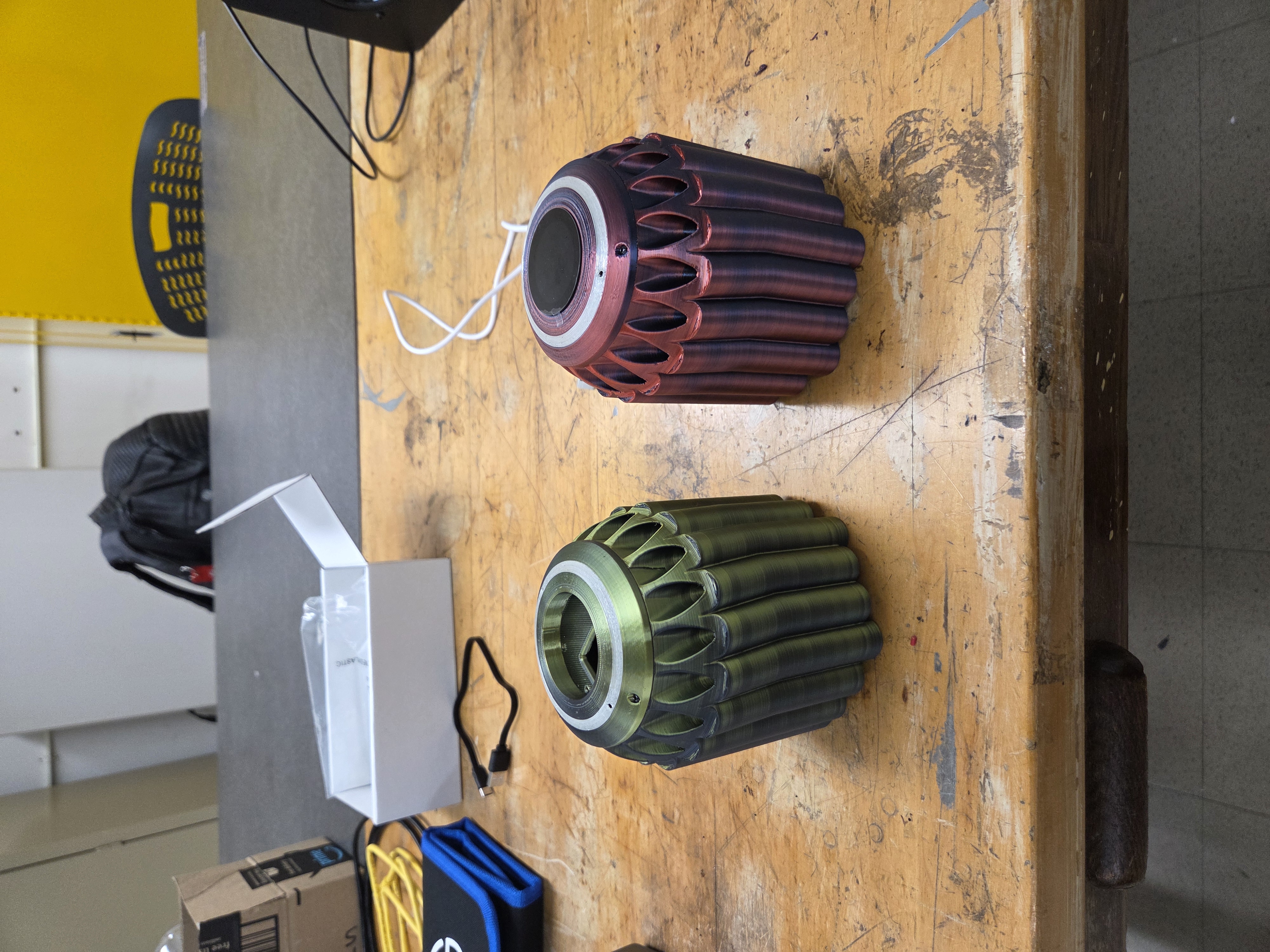
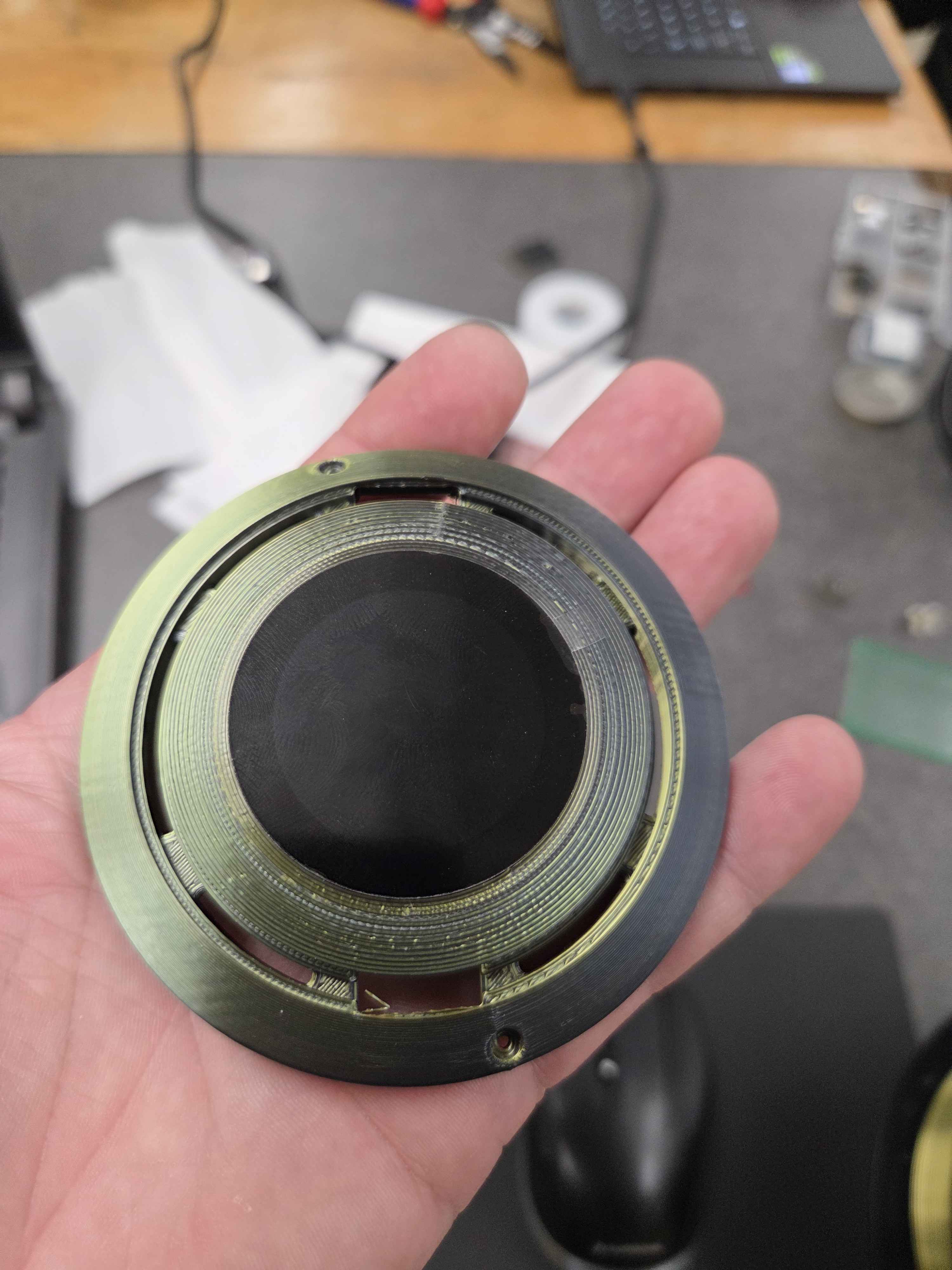
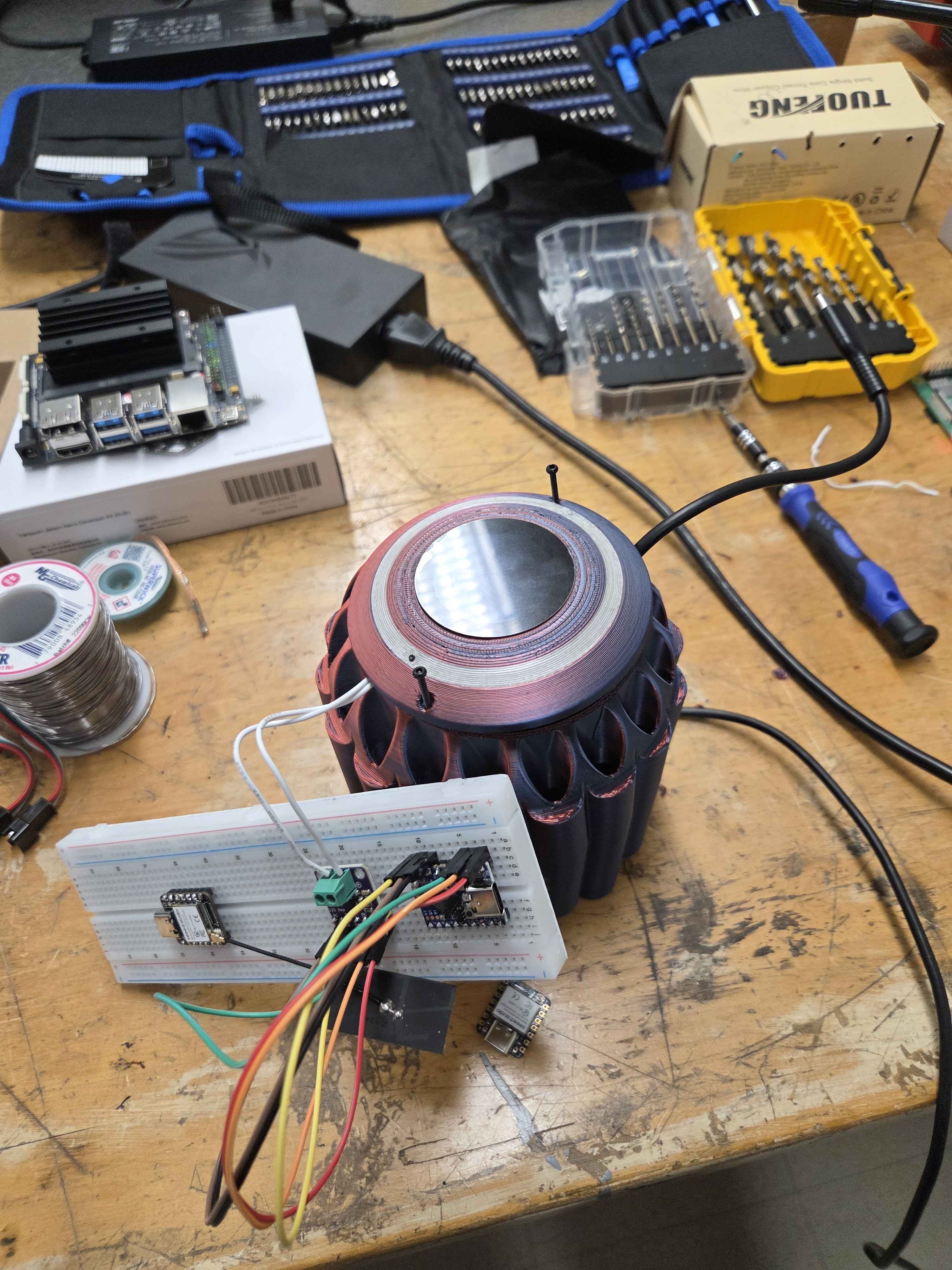
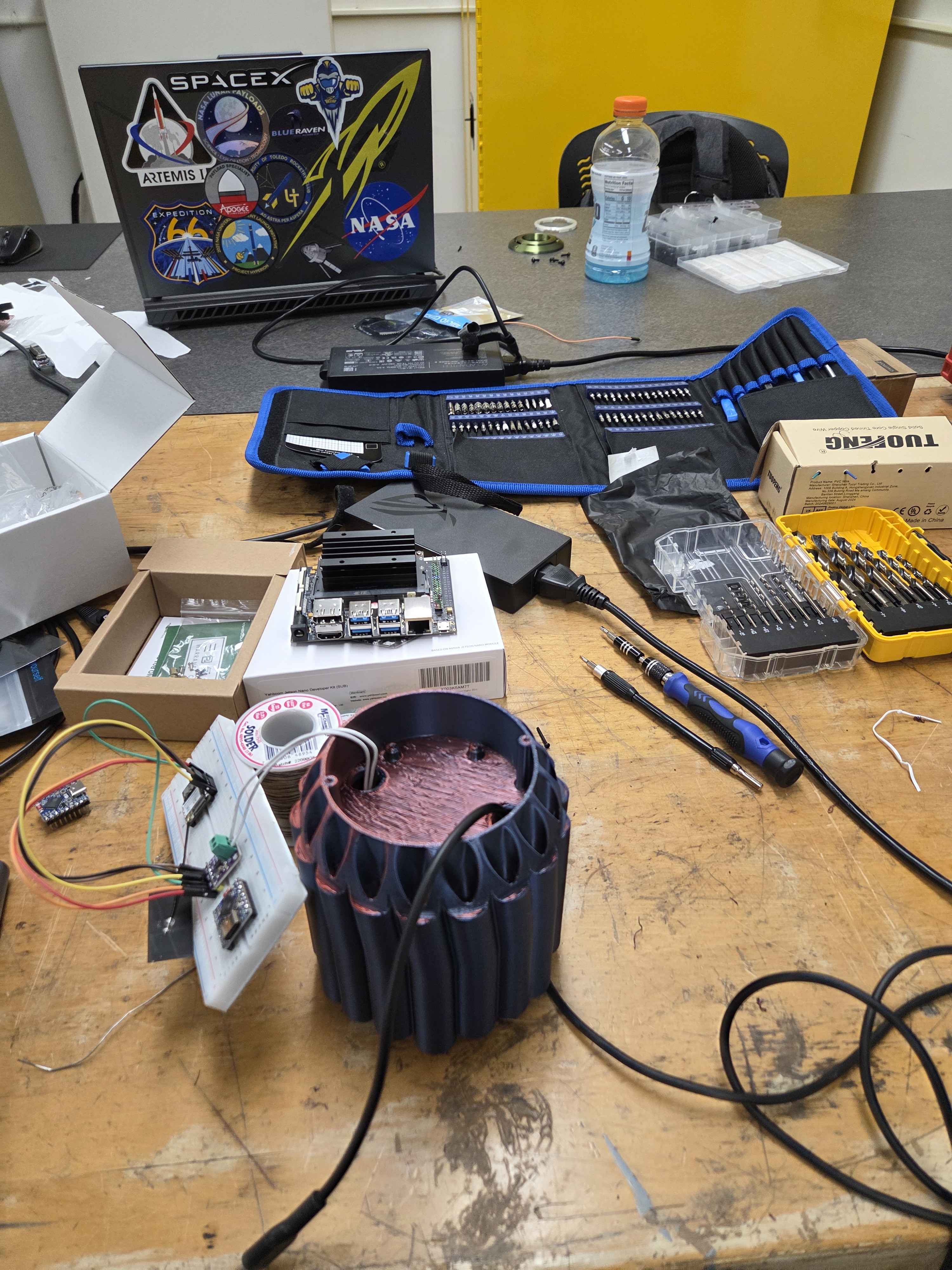
Pipes is a smart home personal voice assistant system designed as a low-cost, open-source alternative to commercial smart speakers. It features a custom structure that acts as both an audio enclosure and electronics housing, along with visual light indicators and an accessible touchscreen interface. The long-term goal is a base-and-satellite system that can provide voice assistance, whole-home audio support, and future security features.
How we built it
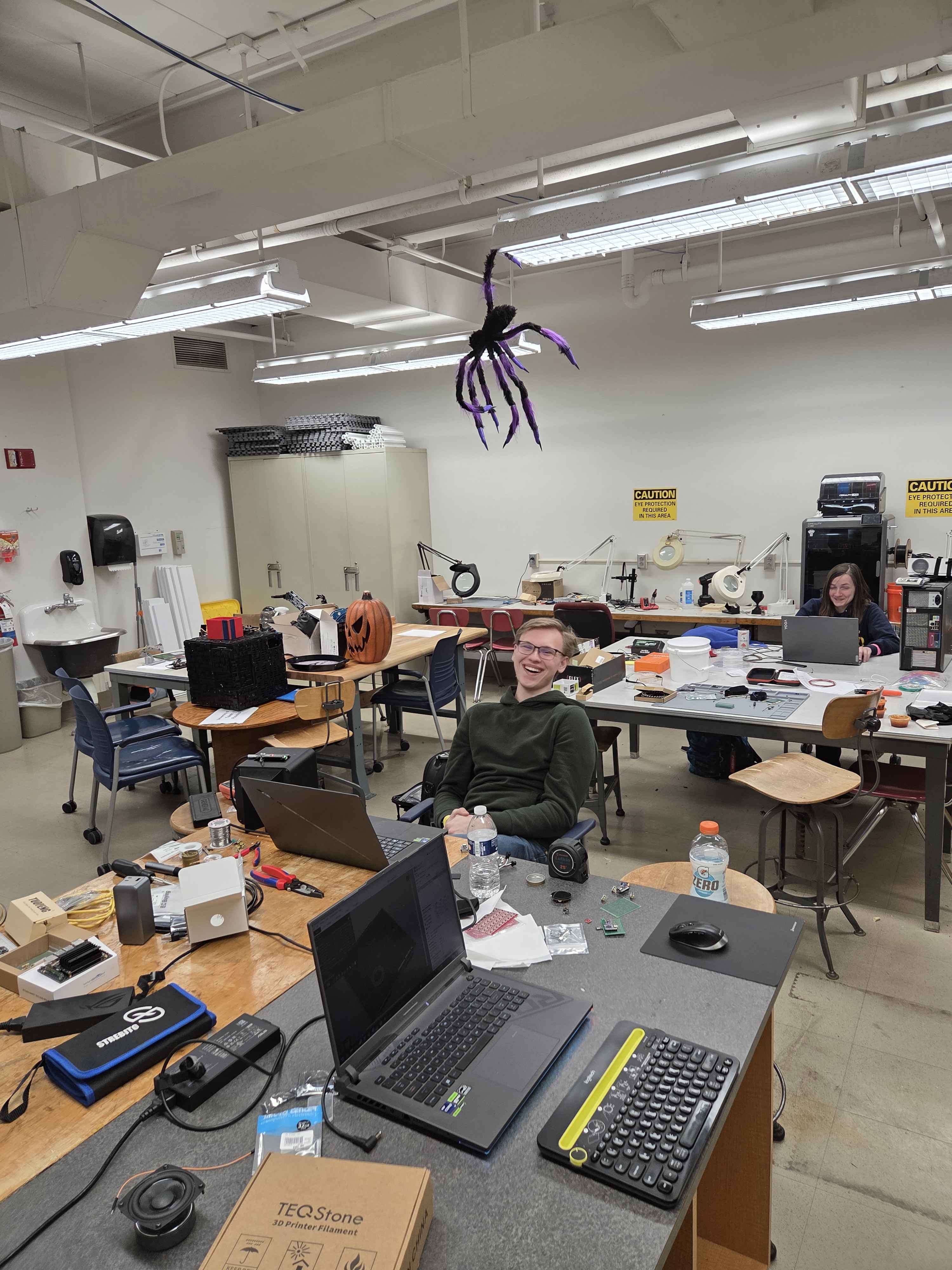
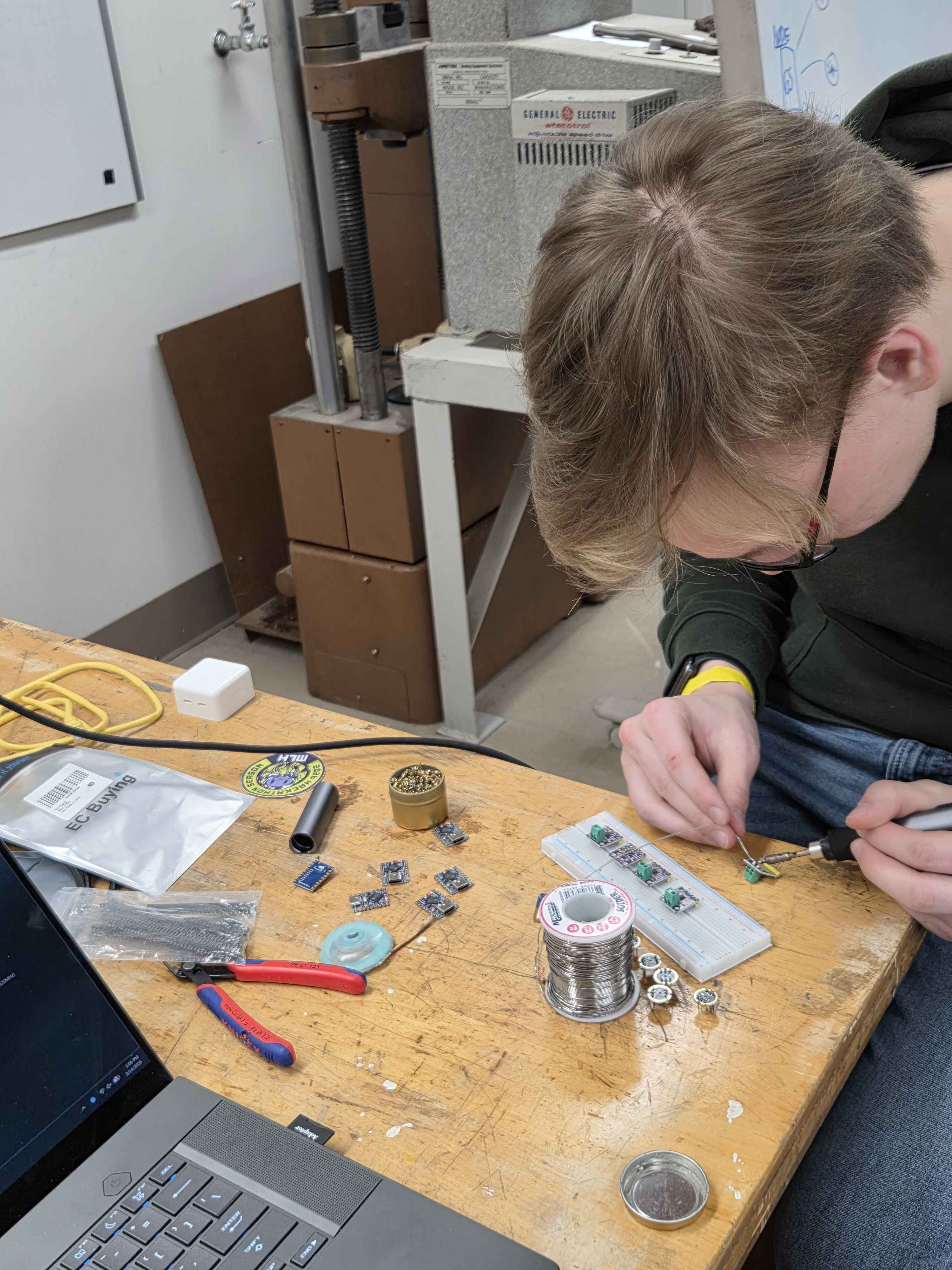
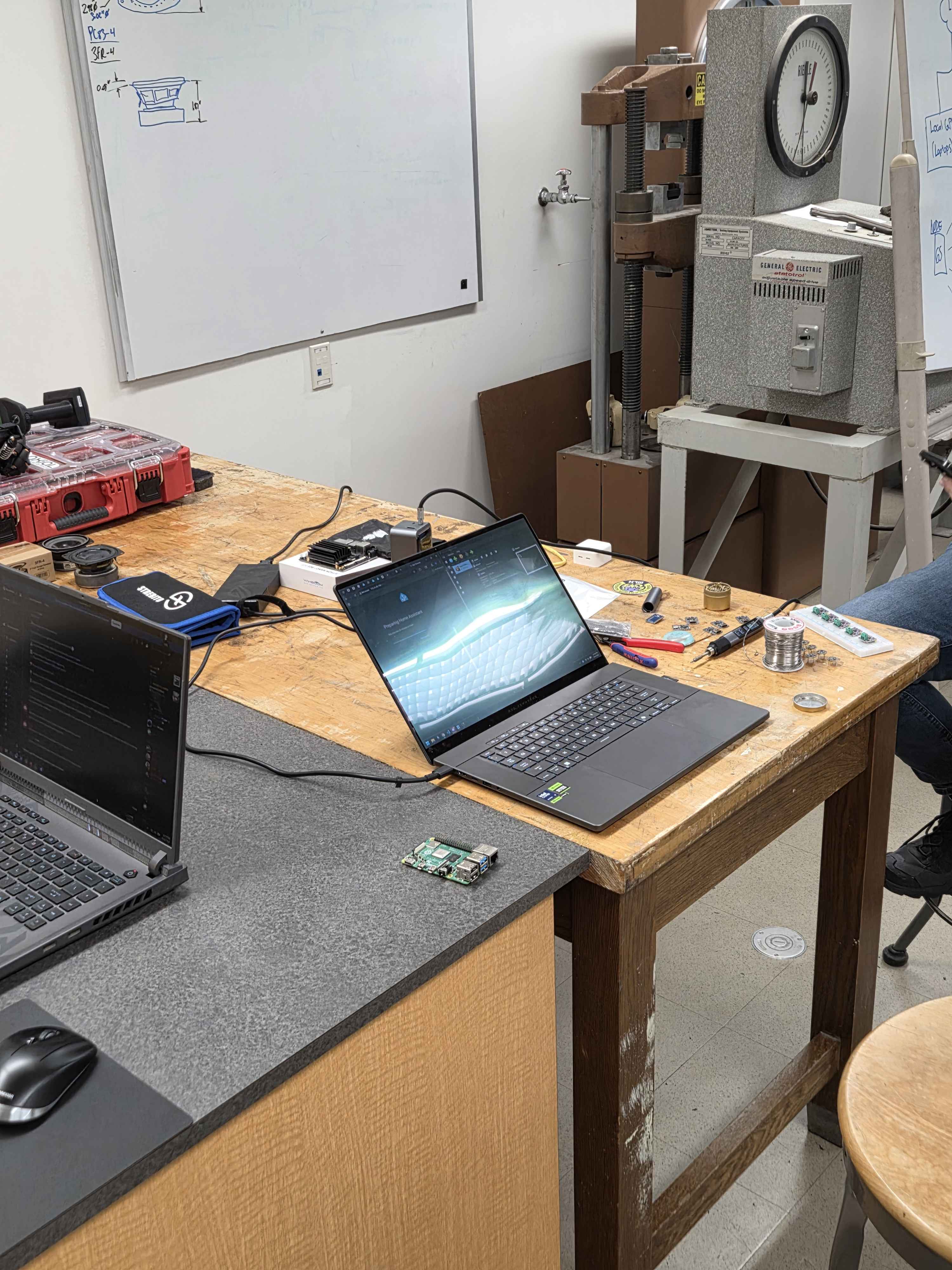
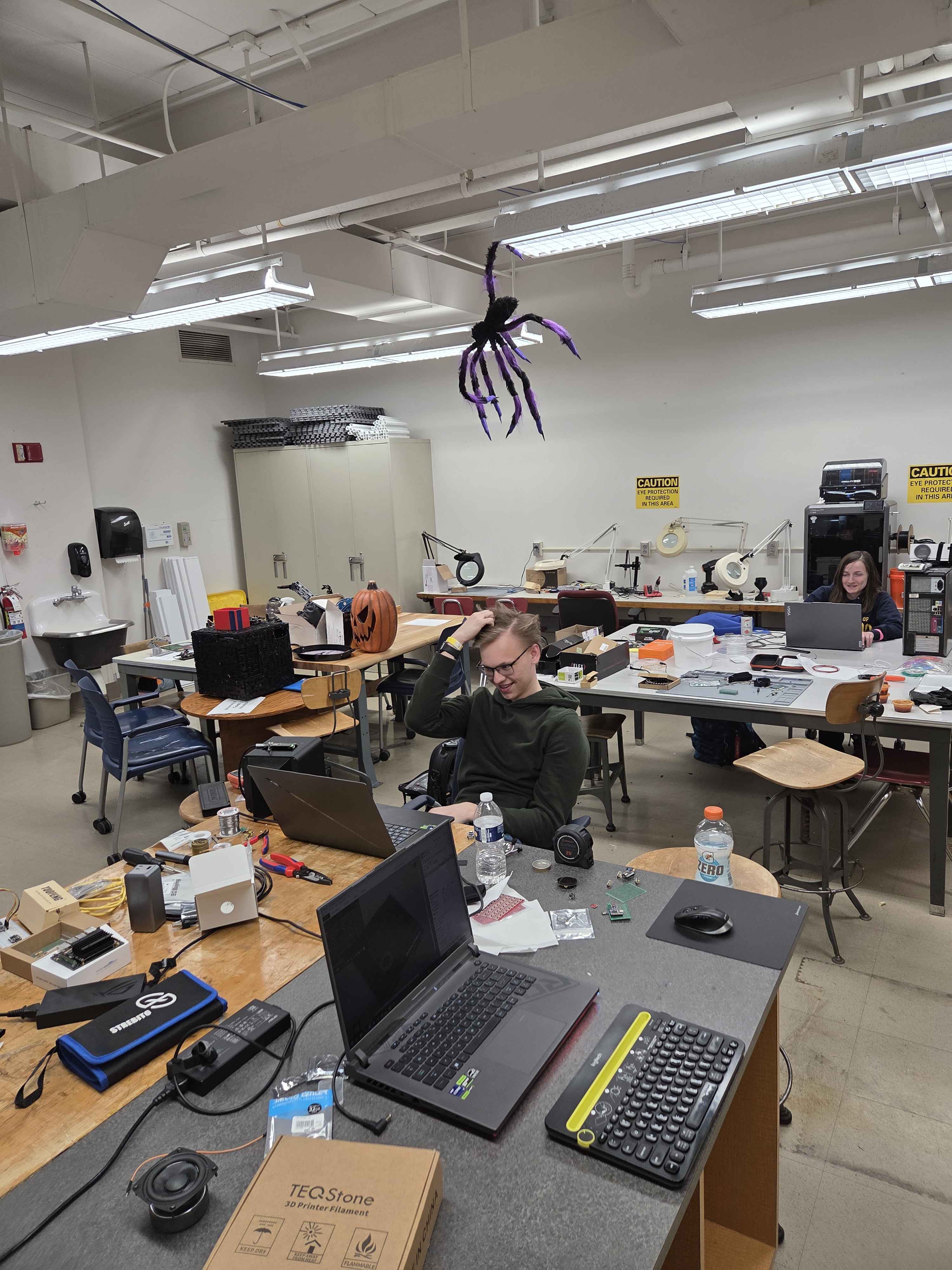
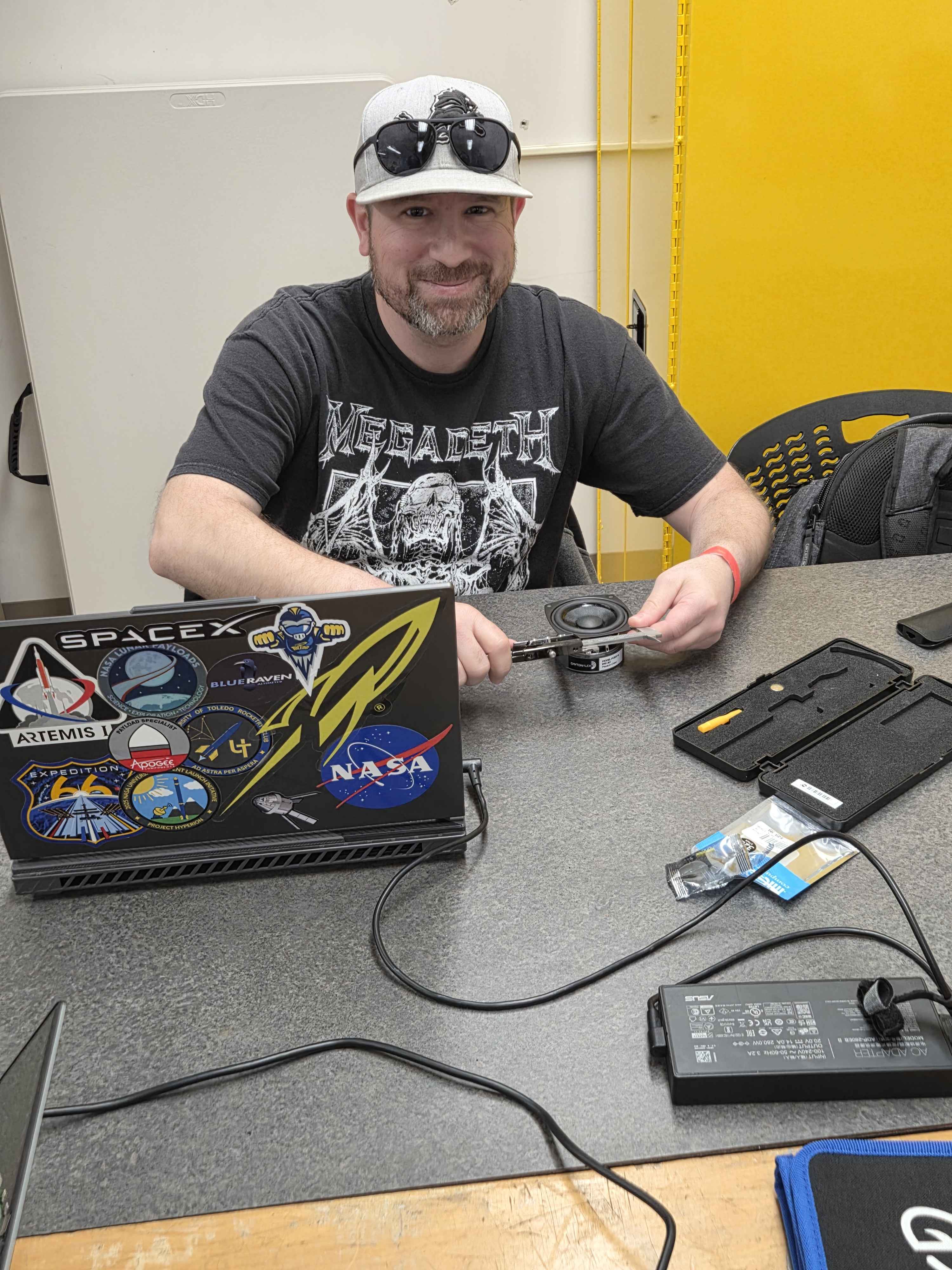
We built Pipes by gathering filament, electronics, and other needed parts, then testing hardware combinations step by step. Programming, hardware assembly, mechanical design, and 3D printing were developed at the same time. As each subsystem began working, we moved into more advanced testing and integration, swapping components when needed and building toward a working prototype.
Challenges we ran into
We faced major networking problems early on because we did not have Wi-Fi or LAN access for our mDNS-based boards, which forced us to buy extra networking equipment. We also ran into hardware limitations, including memory limits on the main microcontroller, DAC compatibility issues, and slow setup and performance from the Raspberry Pi. On top of that, AI voice control, API integration, printing logistics, and limited time made the project much harder to complete.
Accomplishments that we're proud of
We are proud that we completed a large amount of the programming needed to make the system functional, especially with support from AI tools and ElevenLabs. We also successfully finished the mechanical structure and created a polished-looking prototype. Even though not every feature was completed, we proved the concept and built a strong foundation for future work.
What we learned
We learned that system integration is much harder than individual part testing and that even previously working ideas can fail in a larger build. We also learned how important flexibility, troubleshooting, and rapid iteration are when combining hardware, software, and AI tools. The project gave us valuable experience in managing real-world engineering tradeoffs.
What's next for Pipes Personal Voice Assistant System
The next step is to continue development until Pipes becomes a more complete and reliable product. We still need to improve the software, refine the hardware, and finish features that were not completed during the project. A major focus going forward will be developing the satellite units so Pipes can fully support its intended whole-home assistant system.
Built With
- elevenlabs
- homeassistant
- python
- yaml
