-
-
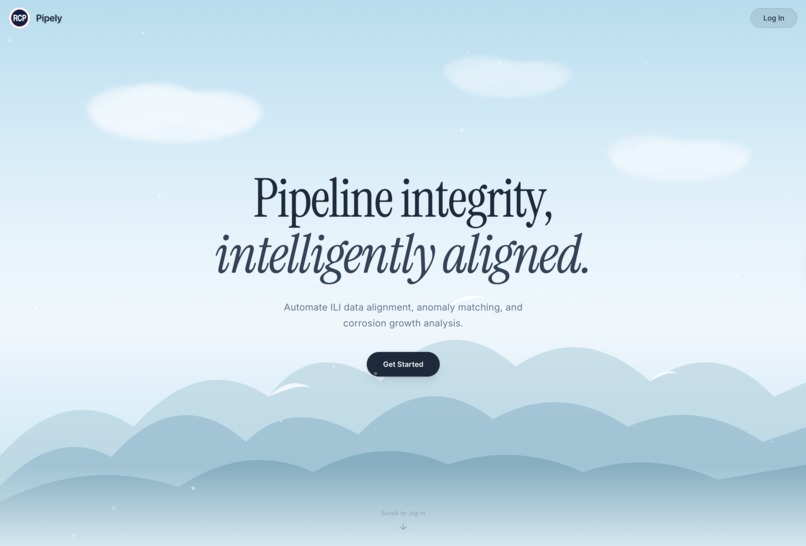
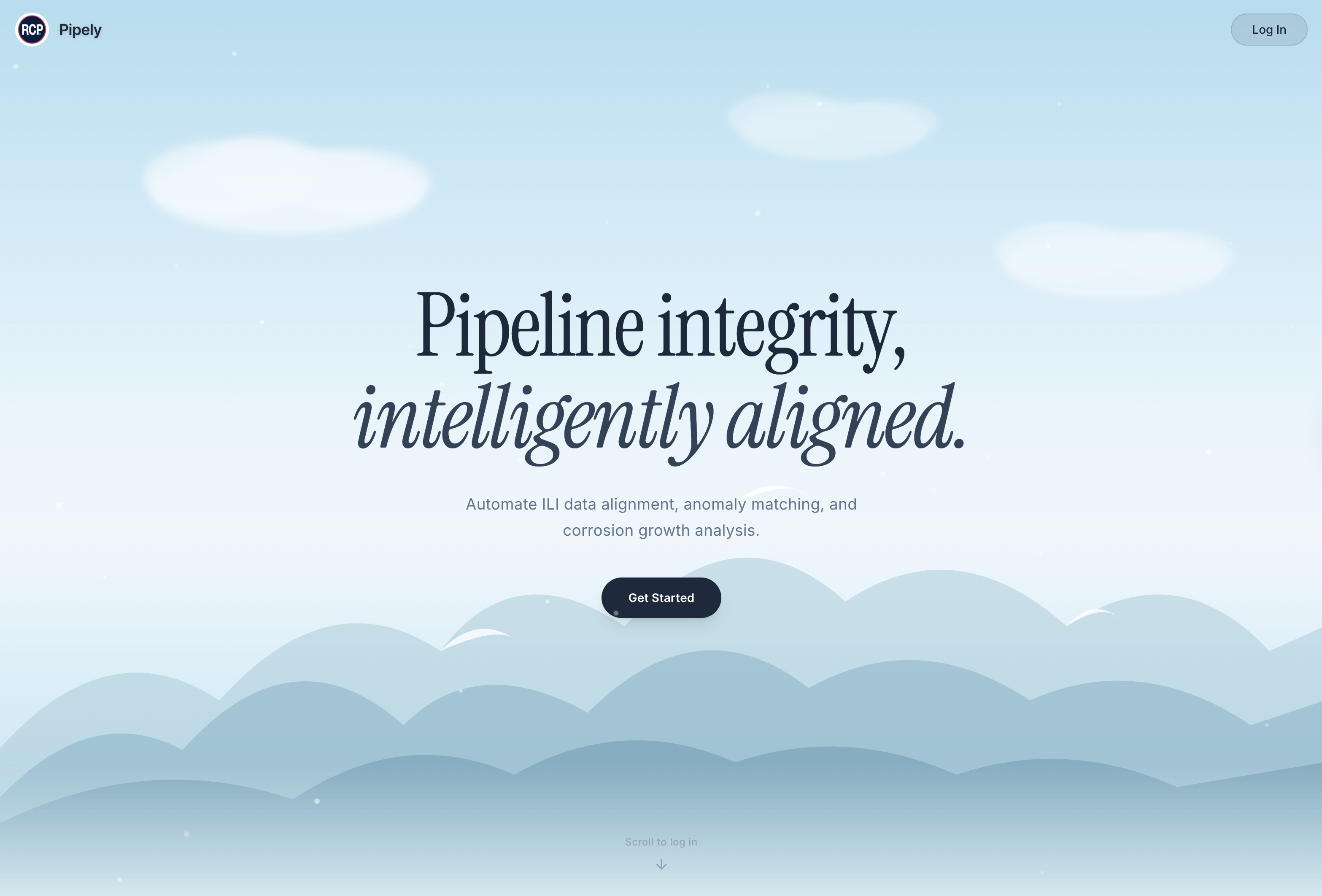
Landing Page
-
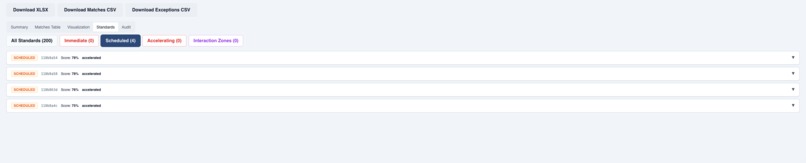
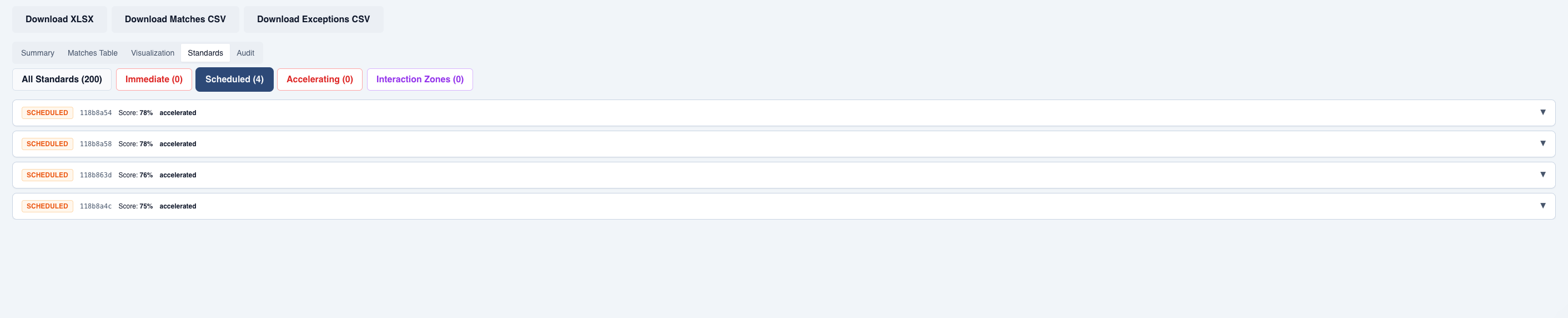
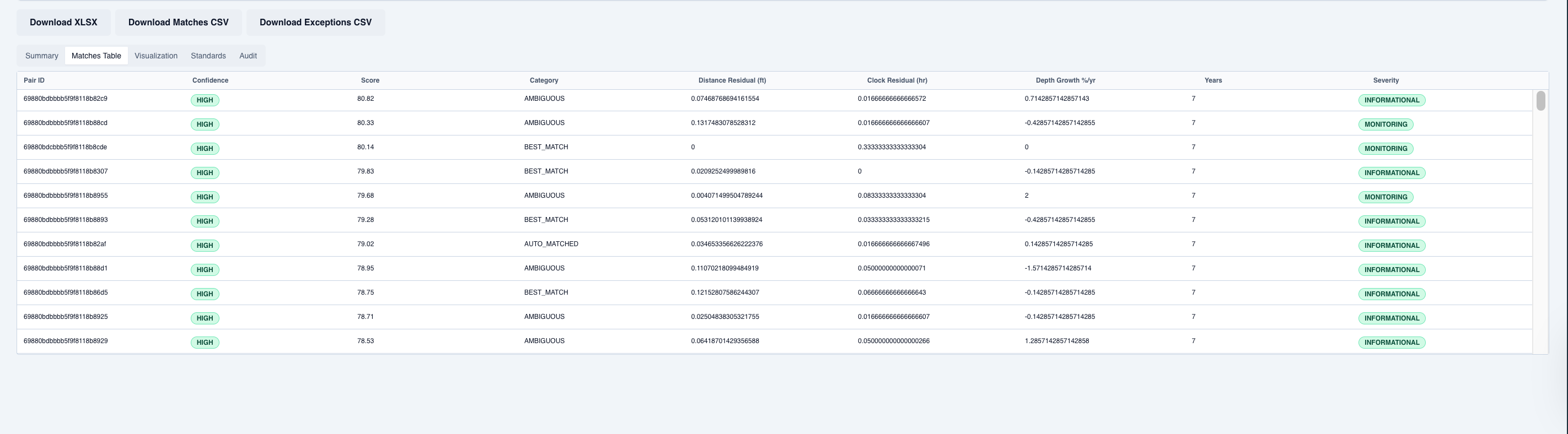
Standard, n < 80% (Needs to be scheduled based on law)
-
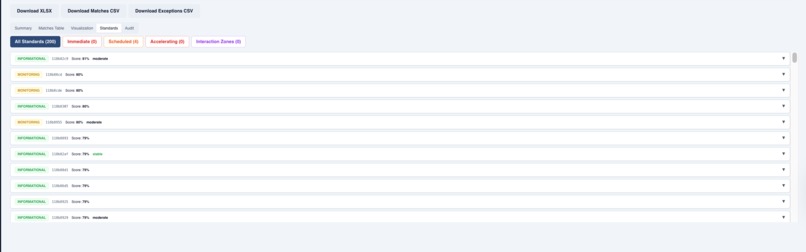
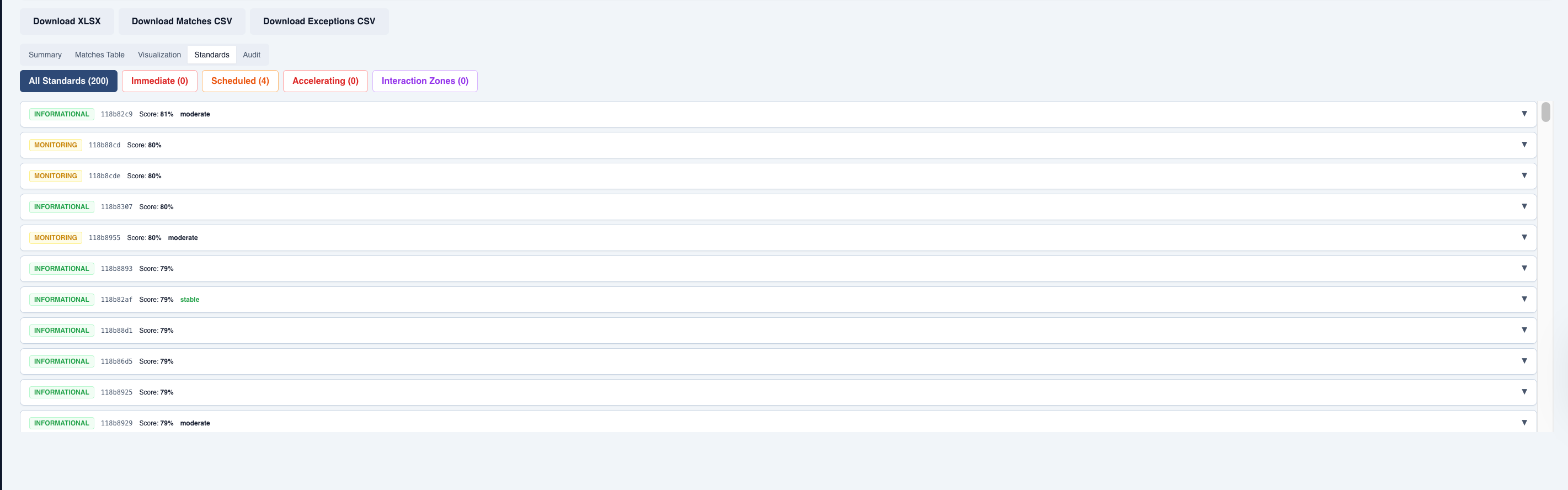
Standard, n > 80% (Informational)
-
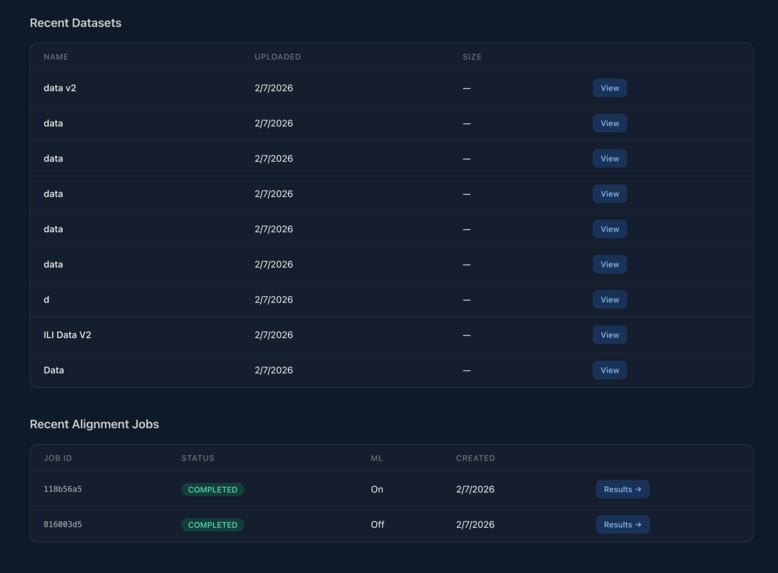
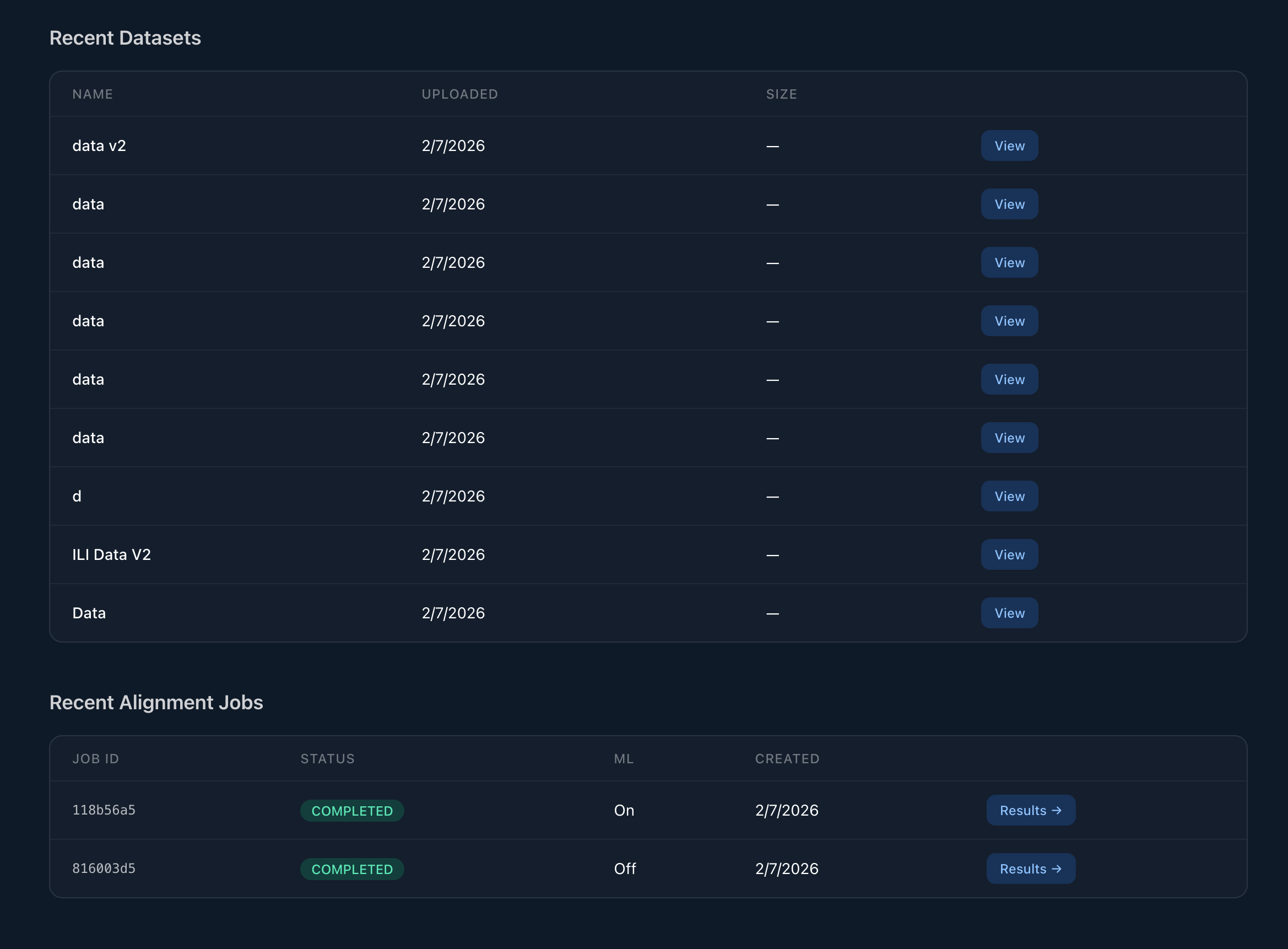
Datasets + Alignment Jobs (Both ML/No ML)
-
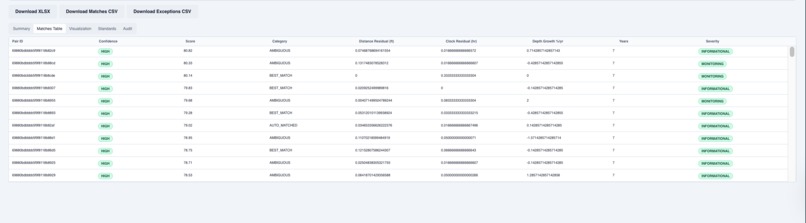
Matches
-
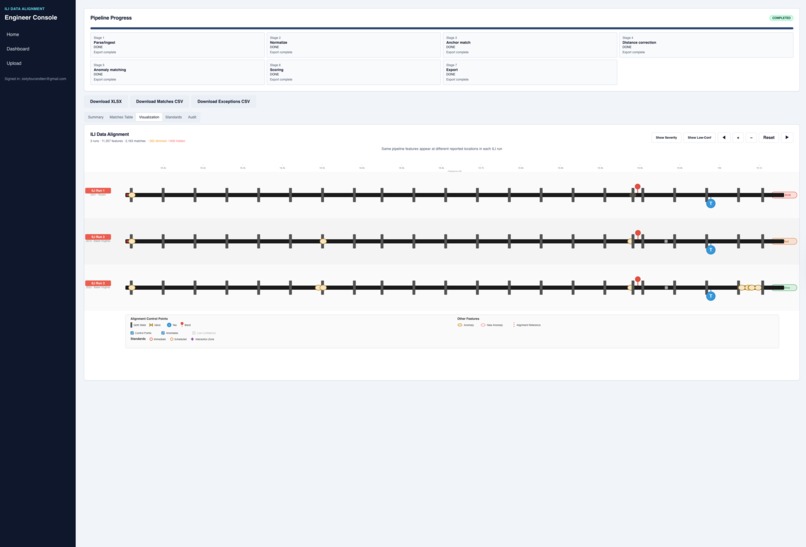
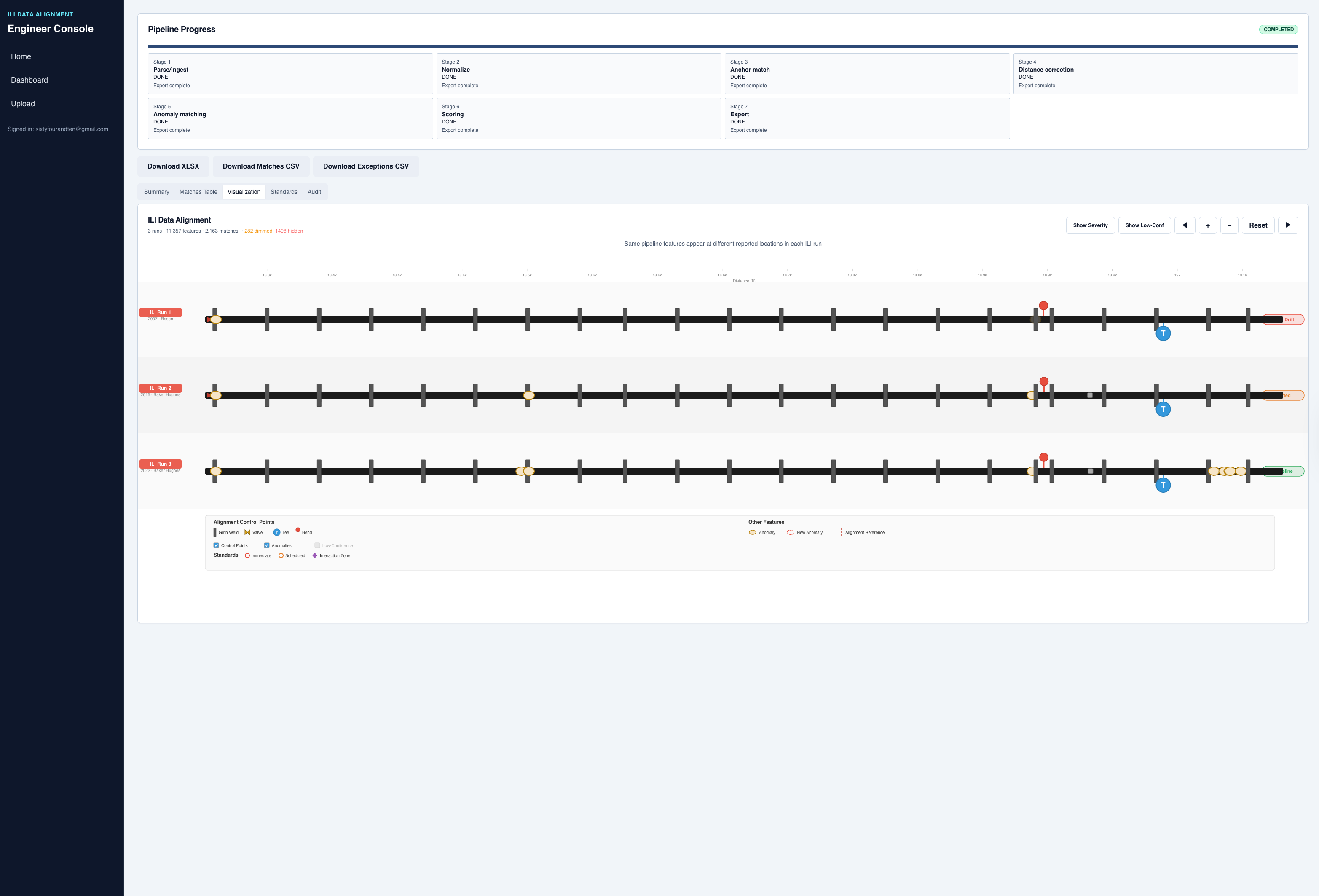
Visualization
-
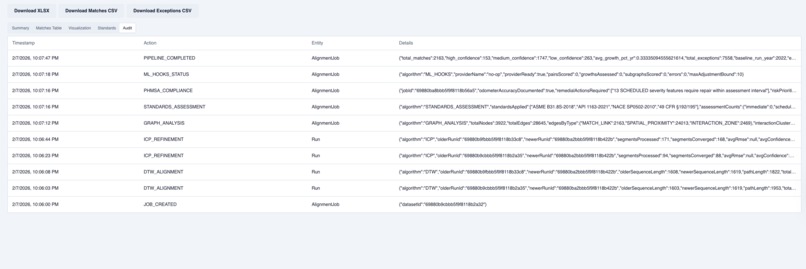
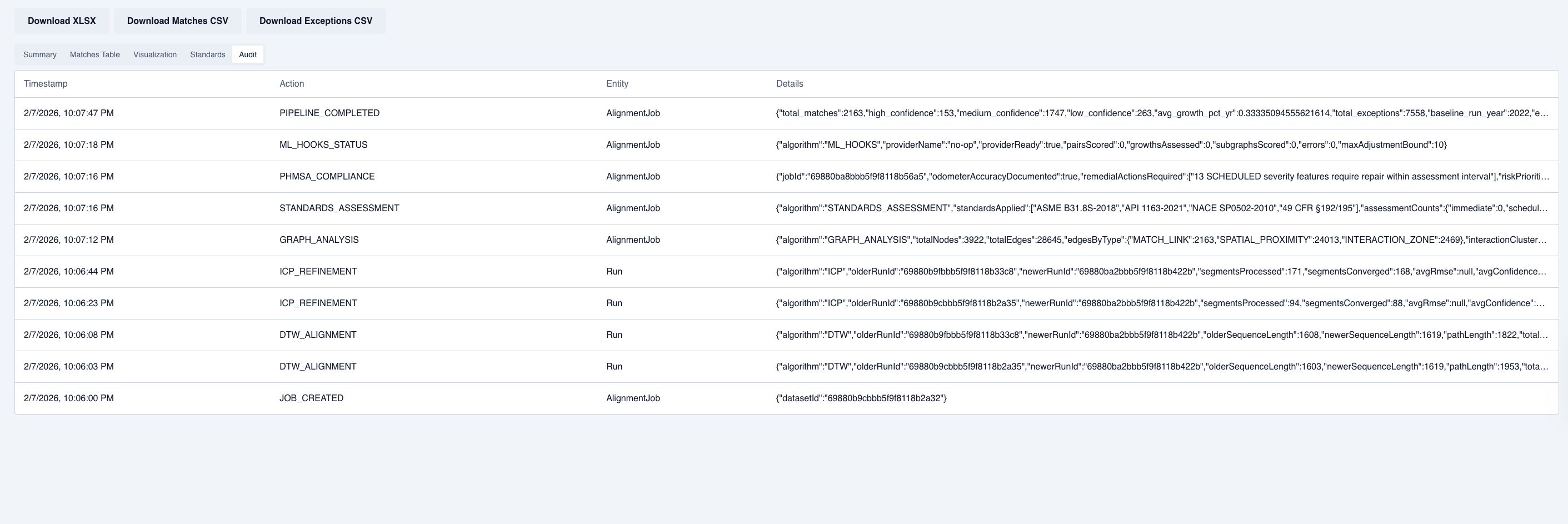
Auditing (Logging)
-
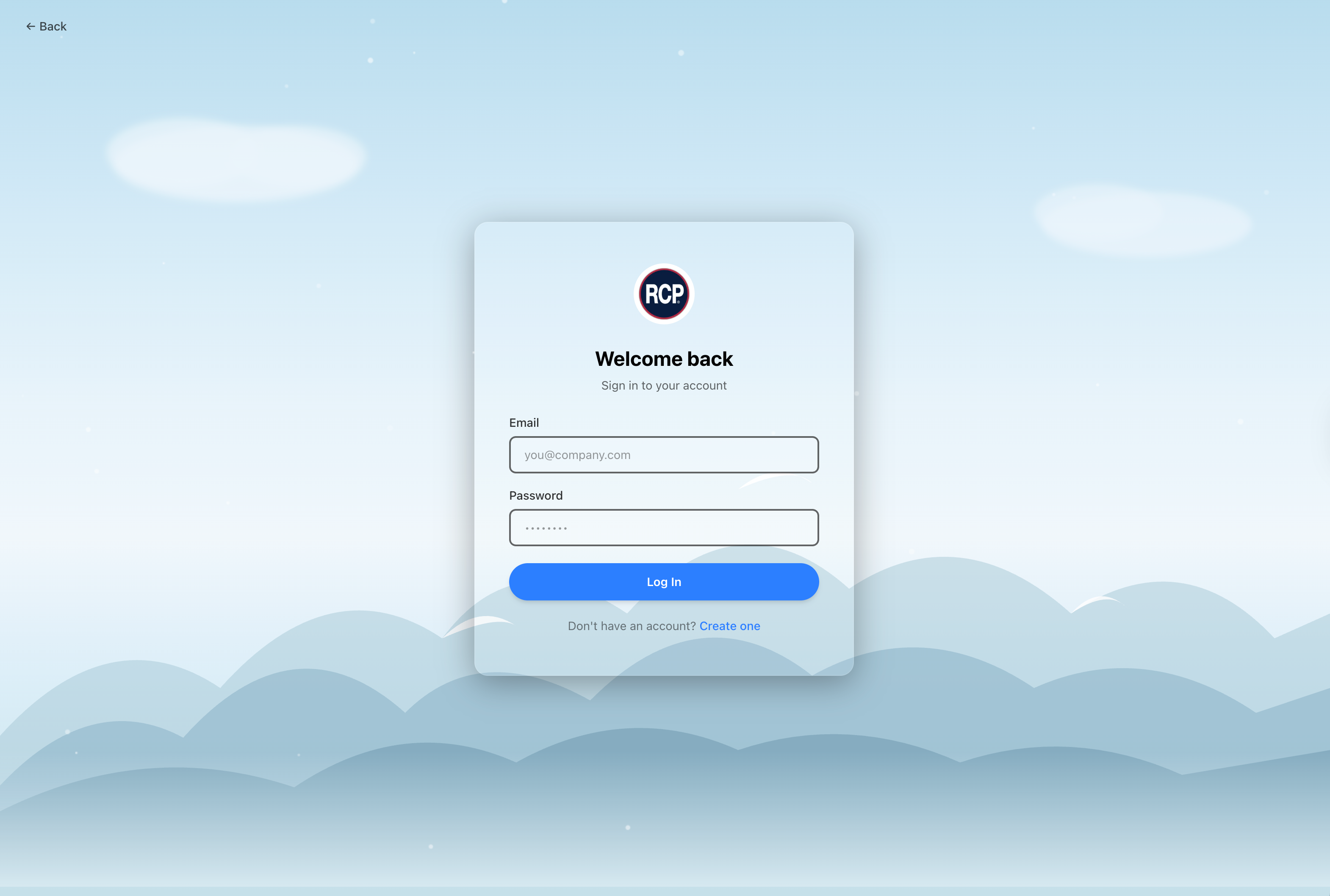
Login Page
Inspiration
Pipeline integrity management is a critical safety concern in the oil and gas industry. Inline Inspection (ILI) tools generate massive datasets that need to be aligned across multiple inspection runs to track corrosion growth, detect anomalies, and predict failures. Currently, engineers spend countless hours manually aligning this data in spreadsheets — a tedious, error-prone process that can have serious safety consequences if done incorrectly.
We built Pipely to automate this entire workflow with AI, turning what used to take days into minutes.
What it does
Pipely is a full-stack platform that automates ILI data alignment through a 7-stage pipeline:
- Ingest - Drag-and-drop upload of ILI inspection datasets (CSV/Excel)
- Normalize - Standardizes column names, units, and feature types using Gemini AI
- Anchor - Identifies weld-to-weld reference points across inspection runs
- Correct - Applies clock-position and distance corrections
- Match - Pairs anomalies across runs using deterministic + ML similarity scoring
- Score - Enriches matches with industry standards (ASME B31.8S, API 1163, NACE SP0502)
- Export - Generates audit-ready reports with PHMSA compliance records
The platform also features:
- AI-powered canonicalization via Google Gemini for inconsistent field names
- XGBoost ML sidecar for enhanced similarity matching (80/20 deterministic/ML blend)
- Interactive visualizations for aligned pipeline data
- Standards assessment with severity classifications and growth analysis
How we built it
Frontend - Next.js 16 with React 19, styled with Tailwind CSS 4. The landing page features a GSAP-animated mountain landscape with drifting clouds and falling snow, using Instrument Serif typography for an elegant, modern feel.
Backend - Next.js 14 API routes with Mongoose ODM connecting to MongoDB Atlas. The 7-stage pipeline is orchestrated through numbered TypeScript modules with pure utility functions. Authentication via NextAuth with JWT sessions.
ML Sidecar - Python FastAPI service running XGBoost for similarity scoring and DBSCAN clustering, with a no-op fallback for graceful degradation.
Architecture - Monorepo with proxy-based communication. The frontend proxies API calls to the backend via Next.js rewrites, keeping both apps independently deployable.
Challenges we ran into
- Standards compliance - Implementing ASME B31.8S severity calculations, API 1163 tool qualification logic, and NACE SP0502 corrosion growth classification required deep domain research
- Data normalization - ILI datasets come in wildly inconsistent formats; we used Gemini AI to canonicalize field names but had to carefully guard against hallucinated mappings
- ML blending - Balancing deterministic matching with ML predictions required an 80/20 cap to ensure the ML sidecar remains advisory, never overriding proven matching logic
- Two Next.js versions — Running Next.js 14 (backend) and Next.js 16 (frontend) in the same monorepo required careful proxy configuration and port management
Accomplishments that we're proud of
- Full 7-stage pipeline that processes real ILI inspection data end-to-end
- Industry-standard compliance built in (ASME, API, NACE, PHMSA)
- Beautiful animated landing page that makes pipeline data feel approachable
- Graceful degradation - the system works without Redis, without the ML sidecar, and without Gemini AI
What we learned
- Deep knowledge of pipeline integrity management standards
- How to architect a monorepo with two independent Next.js applications
- Practical ML/deterministic hybrid systems with fallback patterns
- GSAP animation techniques for creating immersive web experiences
What's next for Pipely
- Real-time collaboration for engineering teams
- PDF report generation for regulatory submissions
- Historical trend analysis across 3+ inspection runs
- Deployment to Azure with containerized microservices
Built With
- d3.js
- gemini
- gsap
- mongodb
- next.js
- nextauth
- numpy
- python
- react
- scikit-learn
- typescript


Log in or sign up for Devpost to join the conversation.