Inspiratio: Boost productivity and unlock trillions in economic value.
"Imagine being able to simulate the interaction of mainframes like molecules in space, each one orchestrating precise movements that not only power our present but also shape our future. This vision, inspired by Wolfram's multi-computation perspective, transforms how we perceive data processing, encouraging us to rethink the very architecture of our technological foundations. In this new paradigm, we see computational processes not just as isolated tasks, but as interconnected events within a vast computational universe, inviting us to explore deeper and uncover the hidden potentials of our systems."
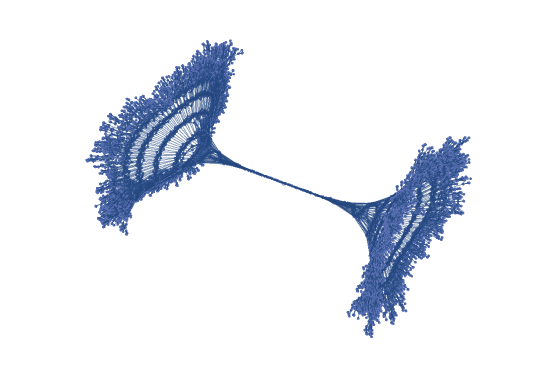
Inspiration arises when one examines a complex spatial structure of nodes, with convergence towards certain nodes highlighting a fundamental principle. Imagine this as a scene from a Marvel movie: a 'Spark' activates, setting off a sequence of events with unique connectivity properties. As the story unfolds, the creator develops a framework for configuring workflow tasks. This sparks the idea of employing software to design workflows con n . It led me to contemplate its application in creating a sophisticated task pipeline, incorporating the entirety of Wolfram's graph theory. I foresaw the fusion of two distinct technologies, each playing a crucial role in the architectural design of workflows, with Wolfram leading the system simulations.
The forthcoming iteration heralds a new era in the visualization of mainframe architecture. Drawing inspiration from the expansive cosmos of technology, where the frontiers are continually extended by cloud computing and artificial intelligence, mainframes remain the stalwart protectors of performance and security. With their sturdy architecture and inherent scalability, they deftly handle critical transactions with utmost precision and foster innovation through the smooth integration of contemporary systems with established dependability. Mainframes serve as the steadfast rhythm within the digital core of enterprises, exemplifying that genuine technological evolution emerges from the symbiosis of time-honored practices and avant-garde progress.
Building on this foundation, we have forged a direct connection with IBM's Z systems. This symbiotic bond enables us to investigate aspects that were previously overlooked. The concept of creating an elegant architecture that dynamically balances the load across active instances is now within reach. As engineers, we possess the skills to translate these concepts into a proof-of-concept model, progressively refining the differences until we attain an initial version that embodies the required features.
The integration with IBM's software manager is remarkably precise and structured, enabling us to conceptualize at the instance level, version a mainframe structure, and record changes in delta format. This iterative process allows us to operate within our systems' "Ruliad"—a concept introduced by British-American computer scientist, physicist, and businessman Stephen Wolfram, via Wolfram Mathematica. Utilizing this concept helps us define relationships with pre-established patterns, resulting in more efficient and innovative system designs.
The fourth element of this scene is Tier in the IBM Z System Automation.
Advantages of Our Approach:
Enhanced Scalability and Performance: By leveraging the robustness of IBM's Z systems and the dynamic configurability of our Architecture workflow, our solution is engineered to handle large-scale transactions and workflows with unparalleled precision and reliability.
Innovative System Integration: Incorporating Wolfram's graph theory and system simulation capabilities enables us to design and simulate intricate workflows and system interactions, resulting in more efficient and optimized operations.
Real-time Adaptability: Our delta versioning approach facilitates real-time updates and modifications, ensuring our systems stay adaptable and resilient amidst changing technological landscapes.
Security and Compliance: Leveraging the superior security features of mainframes, our integration with IBM's Z systems guarantees that all transactions and data processing are secure and meet industry standards.
Cost Efficiency: Our cloud integration's pay-as-you-go model and efficient resource management significantly reduce operational costs while ensuring high performance and reliability.
By merging these sophisticated technologies and methodologies, we aim to revolutionize organizational workflow management and optimization. Our cutting-edge approach not only boosts performance and scalability but also guarantees security, adaptability, and cost-effectiveness.
We are actively seeking funding to enhance and perfect this integrated architecture, realizing our vision of a dynamic, scalable, and secure workflow management system. Your investment will contribute to building a solid proof-of-concept, validating our models, and initiating the transformation of workflow management's future.
Our project is at the forefront of workflow management innovation, integrating state-of-the-art technologies to forge a dynamic, scalable, and secure framework. Here's an overview of its functionality:
Dynamic Workflow Configuration:
We employ advanced software development techniques to craft and fine-tune intricate workflows, facilitating seamless task automation and coordination across diverse systems.
Advanced System Simulations:
Utilizing Wolfram's graph theory and simulation tools, we construct complex system interactions and model their behavior to guarantee peak performance and efficiency.
Mainframe Integration: Our architecture capitalizes on the strength and security of IBM's Z systems to manage critical transactions with unparalleled precision, reliability, and scalability.
Delta Versioning: A delta versioning system is in place to monitor and control changes as they occur, enabling ongoing updates and flexibility without interrupting current operations.
Security and Compliance: Integration with IBM's mainframe technology ensures secure data processing and transactions, conforming to the strictest standards for security and regulatory compliance.
Cost Efficiency: Merging cloud-based workflow management with the solid foundation of mainframes, we deliver a cost-effective solution that optimizes resource use and minimizes operational expenses.
Key Features:
Scalable Architecture: Effortlessly accommodates growing workloads and adapts to evolving demands.
Real-Time Adaptability: Supports instantaneous modifications and perpetual enhancement.
Enhanced Security: Guarantees data protection and adherence to industry regulations.
Optimized Performance: Employs sophisticated simulations for the development and execution of efficient workflows.
Cost-Effective: Lowers expenses through effective resource allocation and a usage-based pricing model.
Benefits:
Improved Efficiency: Refines workflow management processes for better productivity.
How We Built It
Our project is a culmination of detailed planning, utilizing cutting-edge technologies, and a team-oriented approach to develop a dynamic, scalable, and secure workflow management system. Here's our process:
Conceptualization and Planning:
We started with defining the essential attributes of a contemporary workflow management system: scalability, security, efficiency, and adaptability. Extensive research was conducted to identify the optimal technologies that meet these attributes, including Airbnb's Airflow, IBM's Z systems, and Wolfram's graph theory.
Technology Integration:
Automating Driving Data Warehousing,To automate the warehousing of driving data, we can leverage a combination of modern data orchestration tools, robust data processing platforms, and scalable data storage solutions. Here’s how we can architect such a system using IBM technologies and Apache Airflow for workflow orchestration.
IBM Z Systems for Robust Infrastructure: IBM's Z systems were integrated to manage high-volume, critical transactions with utmost precision, ensuring strong performance and security.
Wolfram's Graph Theory for Simulation: We utilized Wolfram’s sophisticated graph theory to simulate and enhance system interactions, boosting efficiency.
Delta Versioning:
A delta versioning system was implemented to handle updates and modifications in real-time. This method enables our system to evolve continuously without interrupting current operations, providing adaptability and resilience.
Architecture Design:
The architecture is crafted to be modular and expandable, facilitating the seamless integration of new components and technologies as necessary.
A microservices architecture was employed, allowing individual components to function autonomously while maintaining smooth communication with the system.
Security and Compliance:
Security has been a paramount concern. We have implemented rigorous security measures and compliance protocols to ensure the protection of data integrity and security. The foundation for these efforts is IBM's mainframe technology.
Challenges we ran into
Throughout the development process, we encountered several challenges that tested our problem-solving skills and resilience. One significant challenge was reconciling theoretical concepts with practical implementation. While our research provided valuable insights into interlaced spatial structures, translating these concepts into tangible solutions presented unique hurdles.
Additionally, integrating diverse technologies and methodologies posed another challenge. Each component brought its own complexities, compatibility issues, and learning curves, requiring careful coordination and collaboration among team members.
Moreover, ensuring scalability and performance optimization presented ongoing challenges. As our project evolved, we had to continuously assess and fine-tune our solutions to accommodate growing demands and maintain optimal performance levels.
Furthermore, navigating unforeseen technical issues and constraints added complexity to the development process. From compatibility issues to unexpected dependencies, we had to adapt quickly and find creative solutions to keep the project on track.
Despite these challenges, our team remained committed to overcoming obstacles and achieving our goals. Through effective communication, collaboration, and perseverance, we were able to address challenges head-on and drive the project forward.
In overcoming these challenges, we gained valuable insights and honed our skills, ultimately contributing to a more robust and resilient project.
Accomplishments that we're proud of Despite the challenges we encountered, our team achieved several significant accomplishments throughout the development process.
First and foremost, we're proud of successfully translating complex theoretical concepts into practical solutions. Our ability to bridge the gap between theory and implementation demonstrates our deep understanding of the subject matter and our proficiency in applying it to real-world scenarios.
Additionally, we take pride in the seamless integration of diverse technologies and methodologies into our project. By leveraging a combination of cutting-edge tools and established practices, we created a cohesive and scalable solution that meets the highest standards of quality and performance.
Furthermore, our commitment to collaboration and teamwork played a crucial role in our accomplishments. Through effective communication, mutual support, and shared vision, we fostered an environment where every team member could contribute their unique expertise and perspective.
Moreover, we're proud of our ability to overcome unforeseen challenges and adapt to evolving requirements. Our resilience and problem-solving skills enabled us to navigate obstacles with confidence and find innovative solutions that kept the project moving forward.
Lastly, seeing our project come to fruition and making a positive impact on our target audience is a source of immense pride. Whether it's enhancing efficiency, driving innovation, or advancing knowledge in our field, knowing that our efforts have tangible benefits is incredibly rewarding.
In summary, our accomplishments reflect our dedication, expertise, and collaborative spirit. By overcoming challenges and delivering exceptional results, we've demonstrated our ability to turn vision into reality and make meaningful contributions in our domain.
What we learned
Our journey throughout the development process was filled with valuable lessons and insights that have enriched our understanding and skills.
Here are some key learnings:
Interdisciplinary Collaboration: We learned the importance of collaborating across disciplines. Integrating insights from diverse fields such as spatial structures, technology, and design enriched our approach and led to more innovative solutions.
Problem-Solving Skills: Navigating challenges taught us the value of resilience and adaptability. By approaching obstacles with a positive mindset and creative problem-solving techniques, we were able to overcome setbacks and find effective solutions.
Technical Proficiency: Working with a range of technologies and methodologies deepened our technical expertise. From mastering new tools to refining our coding skills, we gained hands-on experience that will serve us well in future projects.
Effective Communication: Clear and open communication was essential for maintaining alignment and collaboration within the team. We learned to articulate ideas effectively, actively listen to others, and provide constructive feedback, fostering a supportive and productive work environment.
Iterative Development: Embracing an iterative development approach allowed us to continuously refine our solutions based on feedback and evolving requirements. This iterative cycle of development helped us deliver a more polished and refined final product.
User-Centric Design: Prioritizing the needs and experiences of our end-users was crucial for creating impactful solutions. We learned to empathize with users, conduct user research, and iterate on designs to ensure usability and accessibility.
Project Management: Balancing competing priorities and deadlines taught us valuable project management skills. From planning and organizing tasks to allocating resources and mitigating risks, we honed our ability to effectively manage projects from start to finish.
Continuous Learning: Perhaps most importantly, we learned that learning is a continuous journey. Every challenge we faced and every success we achieved provided opportunities for growth and development, reinforcing the importance of lifelong learning.
What's next for Pipeline Architectural Marvel
As we progress with the Pipeline Architectural Marvel, our aim is to broaden the system's capabilities, boost its performance, and seek new avenues for innovation and expansion. Below are the forthcoming steps and prospective plans for our initiative:
Advanced Feature Development:
Enhanced Analytics and Reporting: Implement advanced analytics and reporting features to provide deeper insights into workflow performance and system health. This includes real-time dashboards, predictive analytics, and custom reporting tools.
AI and Machine Learning Integration: Integrate AI and machine learning capabilities to optimize workflows, predict system behavior, and automate decision-making processes. This will further enhance efficiency and adaptability.
User-Friendly Interface: Develop a more intuitive and user-friendly interface, making it easier for users to design, monitor, and manage complex workflows.
Scalability and Performance Optimization:
Elastic Infrastructure: Enhance the system's ability to scale dynamically in response to workload demands. This involves optimizing resource allocation and leveraging cloud-based infrastructure for elasticity.
Performance Tuning: Continuously monitor and fine-tune system performance to ensure that it meets the highest standards of speed, reliability, and efficiency.
Security Enhancements:
Advanced Security Protocols: Implement advanced security measures such as multi-factor authentication, real-time threat detection, and automated security updates to protect against emerging threats.
Compliance and Certification: Achieve industry-standard certifications and compliance with regulations such as GDPR, HIPAA, and ISO, ensuring that our system meets the highest standards of data protection and privacy.
Expanding Integration Capabilities:
API Ecosystem: Develop and expand our API ecosystem to facilitate seamless integration with a wider range of third-party tools and services. This will enable users to customize and extend the functionality of our system.
Interoperability with Legacy Systems: Enhance interoperability with legacy systems, ensuring that organizations can smoothly transition to our platform without disrupting existing operations.
Community and Collaboration:
Developer Community: Build and nurture a vibrant developer community around Pipeline Architectural Marvel. This includes providing comprehensive documentation, tutorials, and support to encourage innovation and collaboration.
Partnerships: Establish strategic partnerships with technology providers, industry leaders, and research institutions to foster collaboration and drive innovation.
Research and Development:
Cutting-Edge Research: Invest in research and development to explore new technologies and methodologies that can further enhance our system. This includes investigating quantum computing, blockchain, and other emerging technologies.
Prototyping and Experimentation: Develop prototypes and conduct experiments to test new ideas and features, ensuring that we stay at the forefront of technological advancements.
Market Expansion:
Target New Industries: Expand our market reach by targeting new industries and sectors that can benefit from our workflow management solution. This includes healthcare, finance, manufacturing, and more.
Global Expansion: Explore opportunities for global expansion, adapting our system to meet the unique needs and regulatory requirements of different regions.
Long-Term Vision
Our long-term vision for Pipeline Architectural Marvel is to become the leading platform for workflow management and system optimization, known for its innovation, reliability, and scalability. We aim to:
Empower Organizations: Enable organizations of all sizes to achieve their operational goals with greater efficiency, security, and adaptability.
Drive Technological Innovation: Lead the way in technological innovation, continuously pushing the boundaries of what is possible in workflow management and system architecture.
Foster a Collaborative Ecosystem: Build a collaborative ecosystem where developers, partners, and users can come together to create, share, and innovate.
Built With
- airflow
- hdfs
- mainframe
- scala

Log in or sign up for Devpost to join the conversation.