-
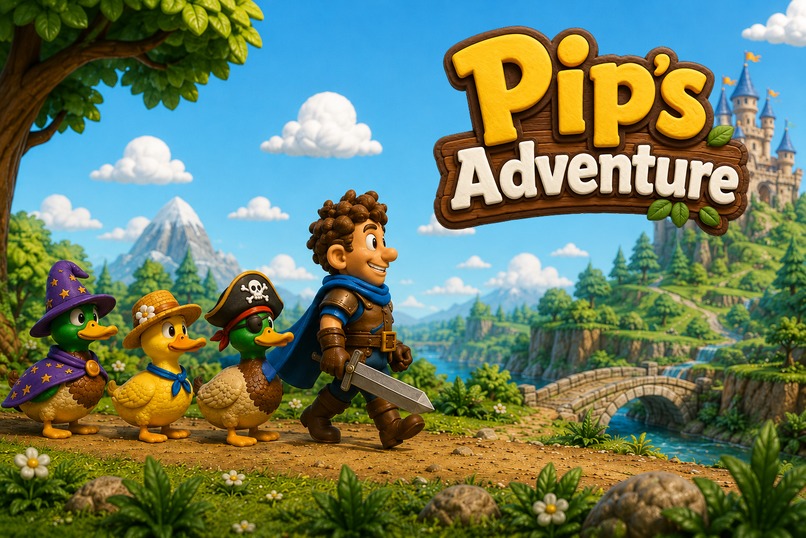
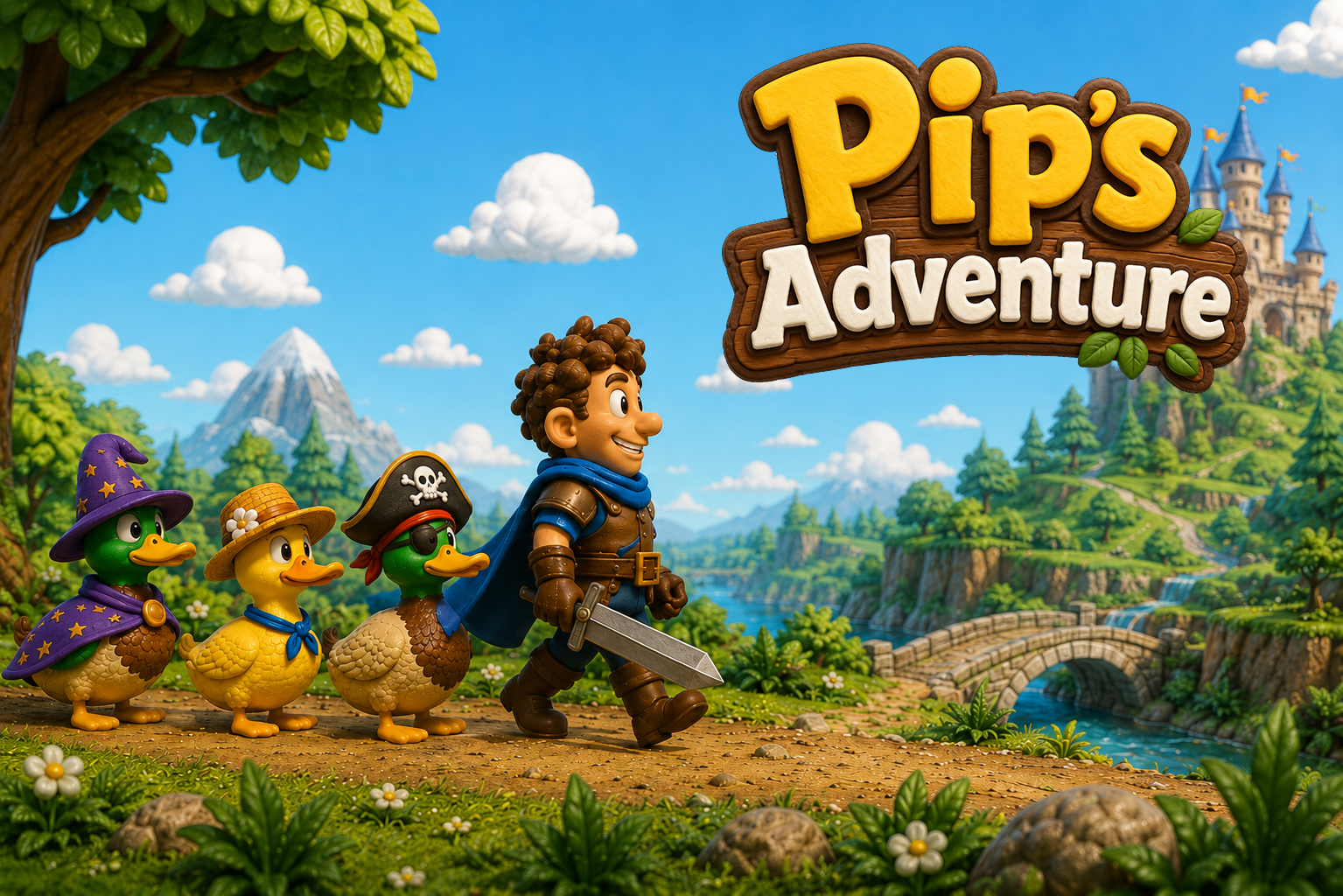
Pip's Adventure, comes with ducks!
-
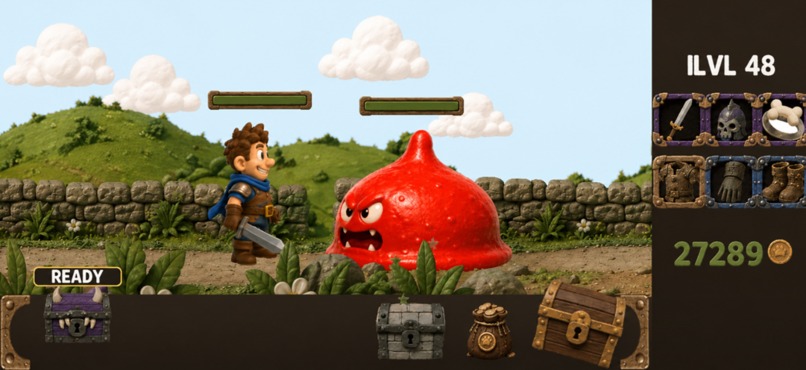
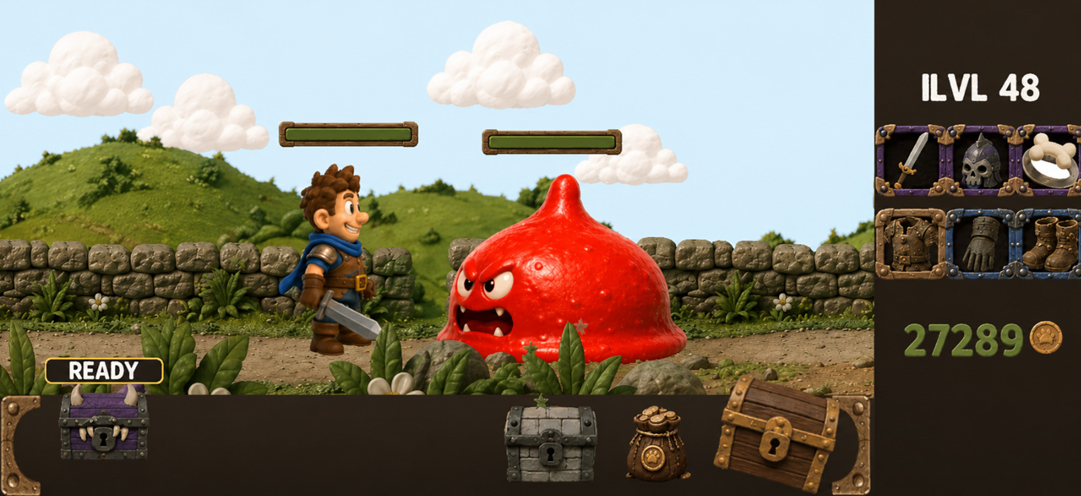
Game-in-a-frame
-
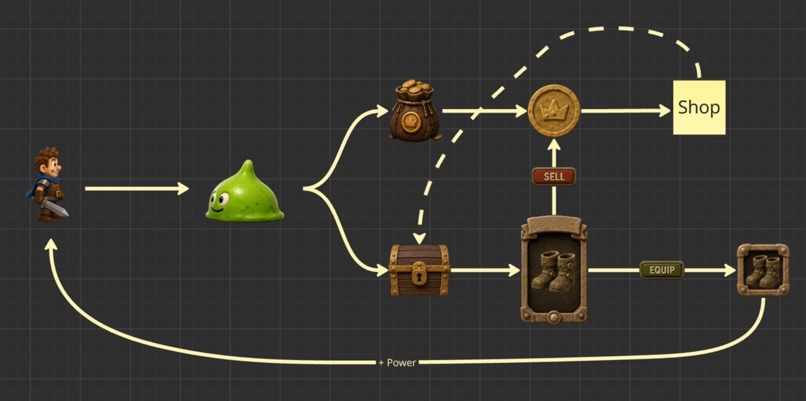
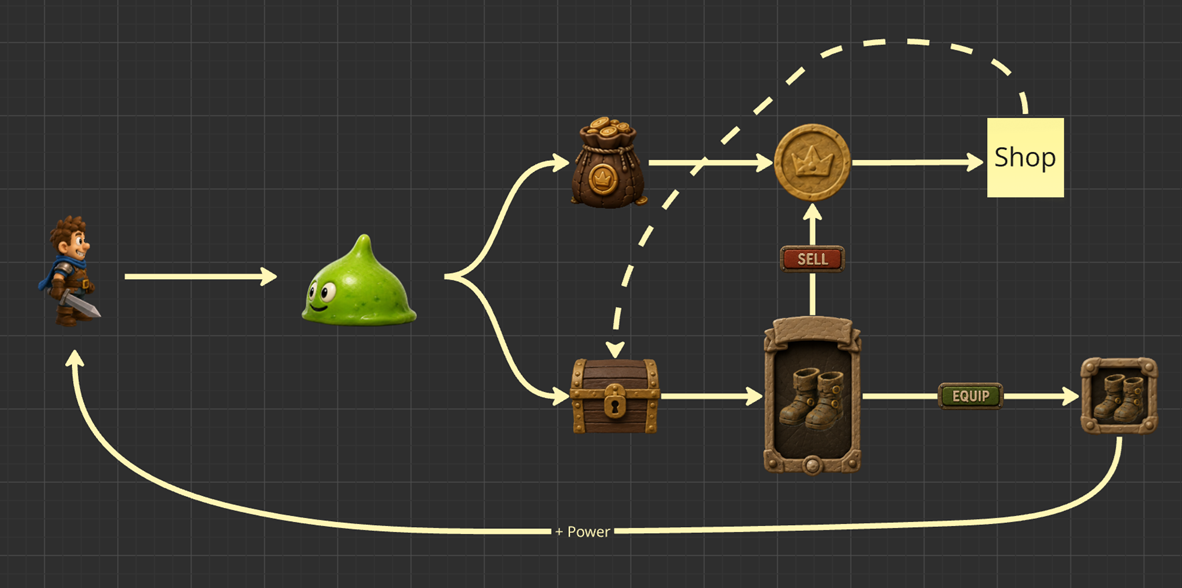
The Core Loop
-
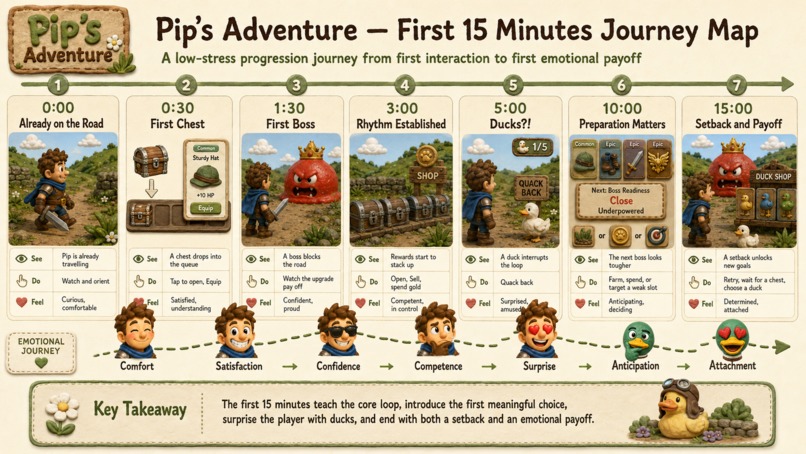
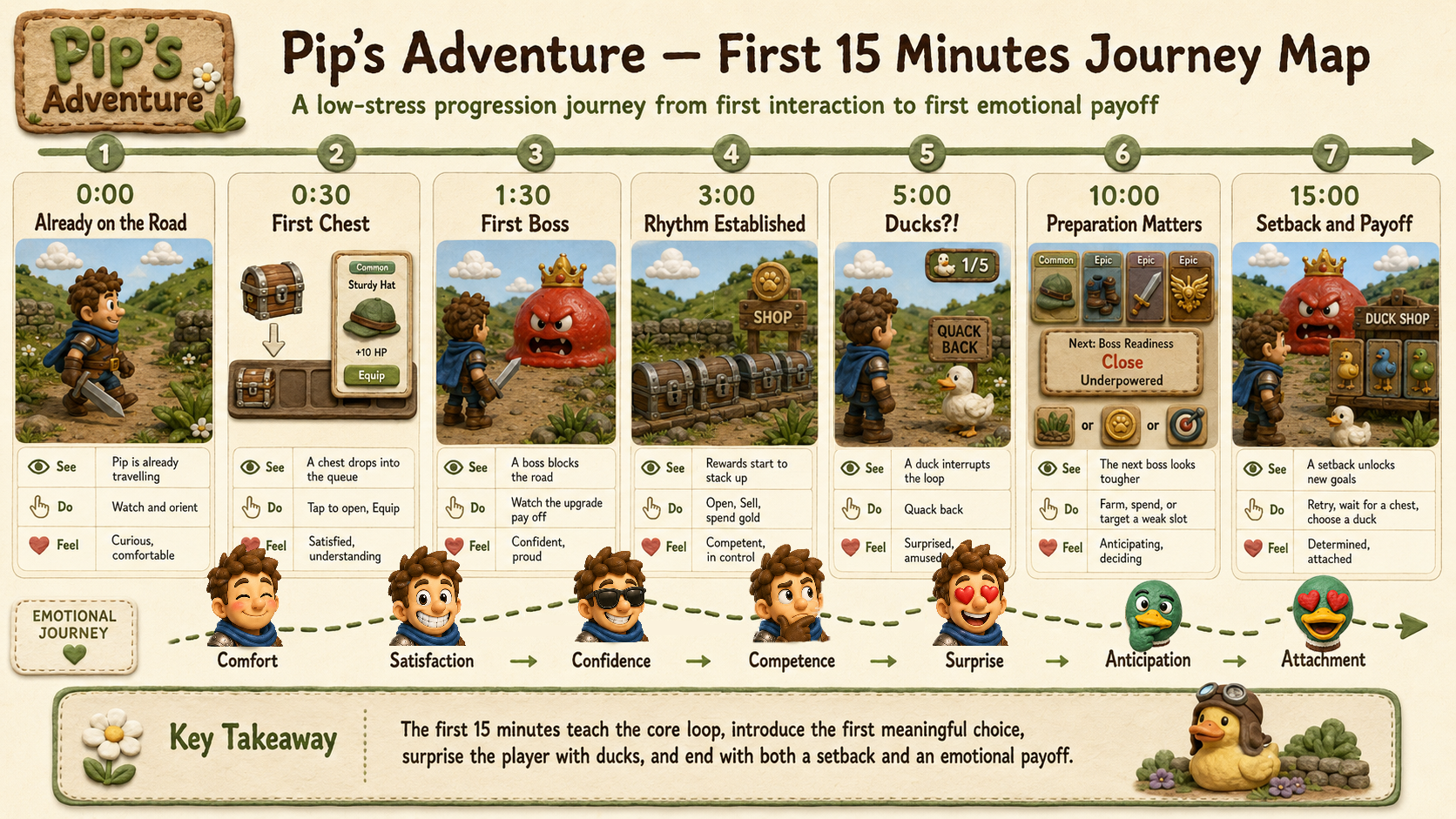
The Player Journey
-
Pip's Adventure!
Inspiration
I chose to develop Pip’s Adventure because I wanted to explore whether an idle progression game could feel genuinely comforting rather than demanding. The starting point was simple: Pip’s village has been attacked by slimes, so he has picked up a sword and set off through the English countryside to sort the whole thing out.
Pip handles the fighting, while the player looks after him by opening rewards, choosing equipment, spending gold and preparing him for the next boss.
What it does
The project gradually became less about making another automated battler and more about designing a game for the end of a long day.
Every system was tested against four pillars: Low Stress, Forward Momentum, Charm and Connection. A full reward queue makes Pip sit down for a rest rather than wasting loot. Losing to a boss means he is not ready yet, rather than being punished. The player can spend gold immediately or arrange a targeted delivery from a snail mailman for a later session.
The ducks arrived slightly later in the process and quickly became the heart of the design. What begins as an unexpected opportunity to quack back eventually becomes a growing procession of named companions with proudly useless talents such as cooking and organisation. They do not make Pip stronger. They make the journey feel like it belongs to the player.
Challenges we ran into
The biggest challenge was balancing a familiar idle progression loop with the promise of a genuinely low-stress experience. Many systems that are common in the genre rely on loss, pressure or obligation, so several early ideas had to be reconsidered.
A risk-and-reward bonus stage was removed because losing accumulated rewards worked against Forward Momentum. A broader collection of animal systems was reduced so that the ducks could remain surprising and special. Even smaller details, such as what happens when the reward queue fills, had to be redesigned around the intended player rather than accepted simply because they were familiar genre conventions.
The claymation presentation also created a technical challenge. The game relies on layered parallax environments and animated sprite sheets, so the visual pipeline had to remain charming while still being realistic for a mobile platform.
Accomplishments that we're proud of
I love the claymation countryside aesthetic, and am especially pleased with how well the four pillars worked out as rubrics for the design: Pip resting when the player looks away, the boss-readiness guidance, the mail-order snail and the increasingly ridiculous gaggle of ducks all replace more aggressive genre conventions with alternatives that feel more characterful and, I believe, more engaging.
What we learned
The competition was a great opportunity to force myself to think through the full player experience from beginning to end. It is usually very tempting to jump straight into building, which can leave progression, return systems and technical dependencies to be solved only after they have already become expensive problems.
Mapping the first 15 minutes, pressure-testing each system against the design pillars and planning the build in stages made the project much clearer. It also reinforced how useful it is to remove a feature when it weakens the intended experience, even when that feature initially sounds exciting.
What's next for Pip's Adventure
Having fallen in love with the idea while designing it, I now cannot wait to get access to the new tools and begin bringing Pip’s Adventure to life.
The first goal will be to prove the core loop and claymation pipeline with a small playable build. From there, I would love to gradually add the systems that give the project its personality, especially the Duck Shop, the mail-order snail and the growing little party following Pip along the road.
Built With
- google-docs
- miro


Log in or sign up for Devpost to join the conversation.