-
-
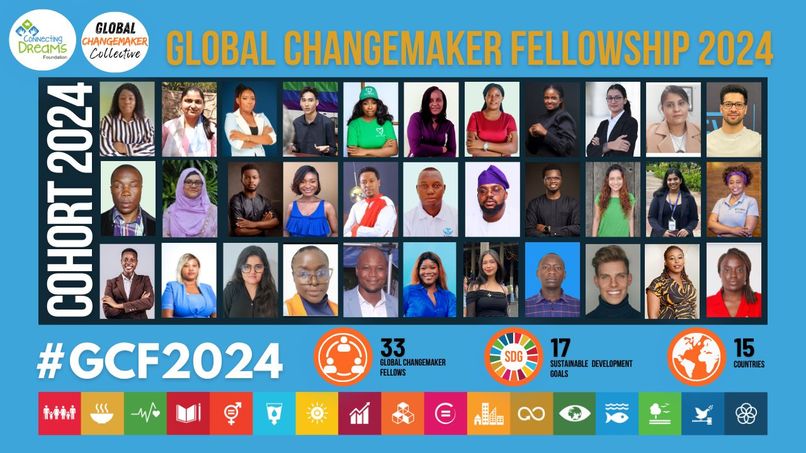
Mst. Fahmida Sultana Naznin was nominated for GCF fellowship (top 33 all over 7000 applicants from 115 countries) for PinkLifeLine
-
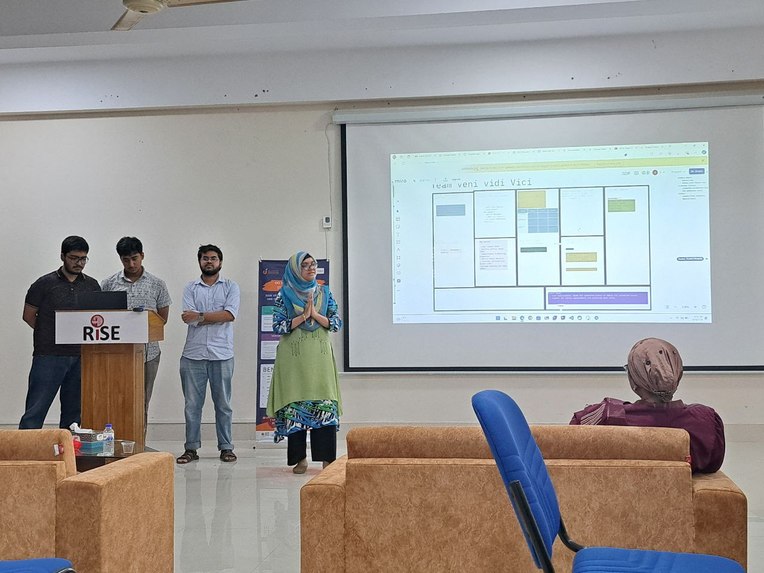
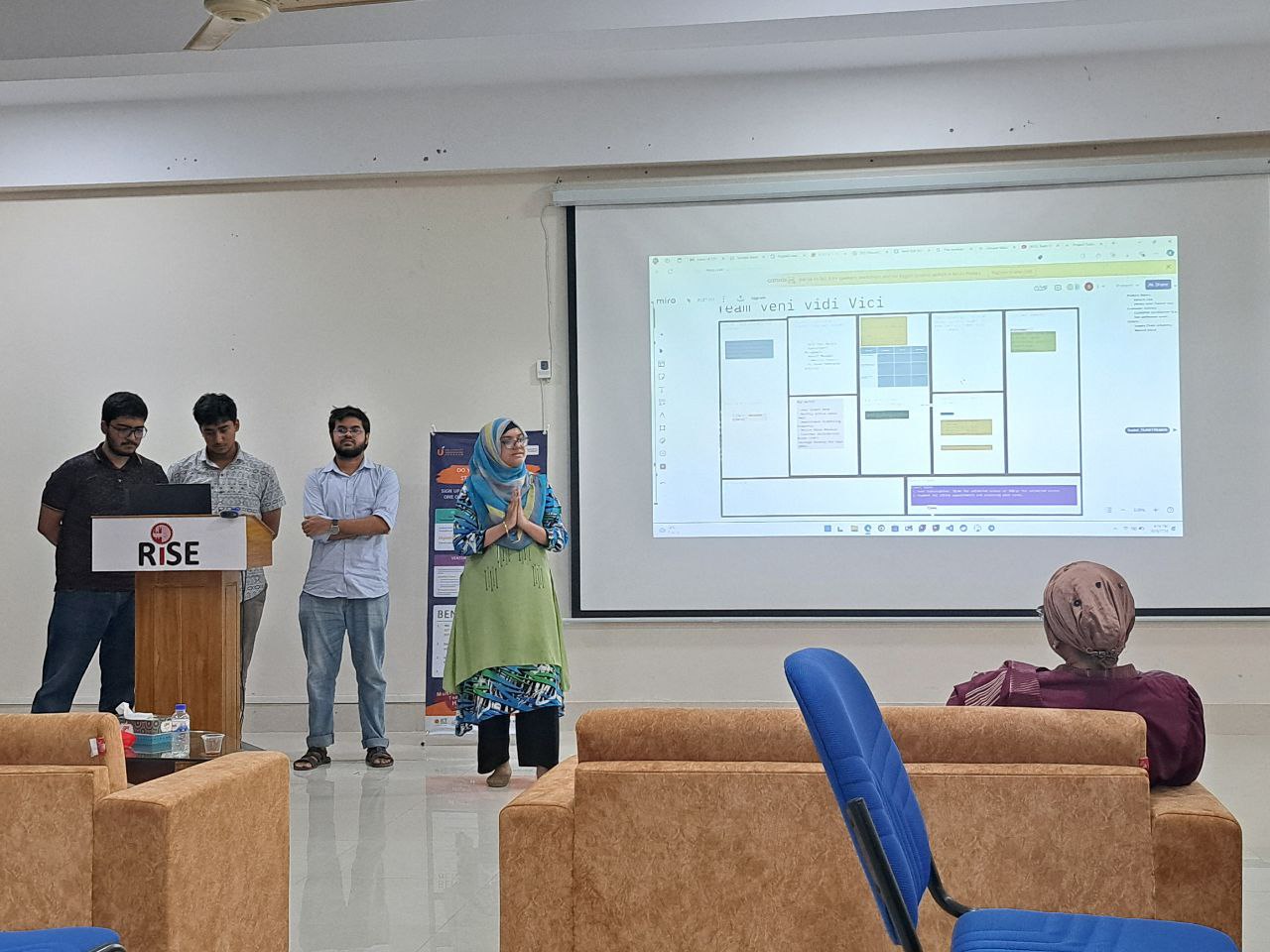
BUET UIHP Cohort-1 organized by RISE-BUET, in collaboration with the ICT Division, Bangladesh Hi-Tech Park, and The World Bank
-
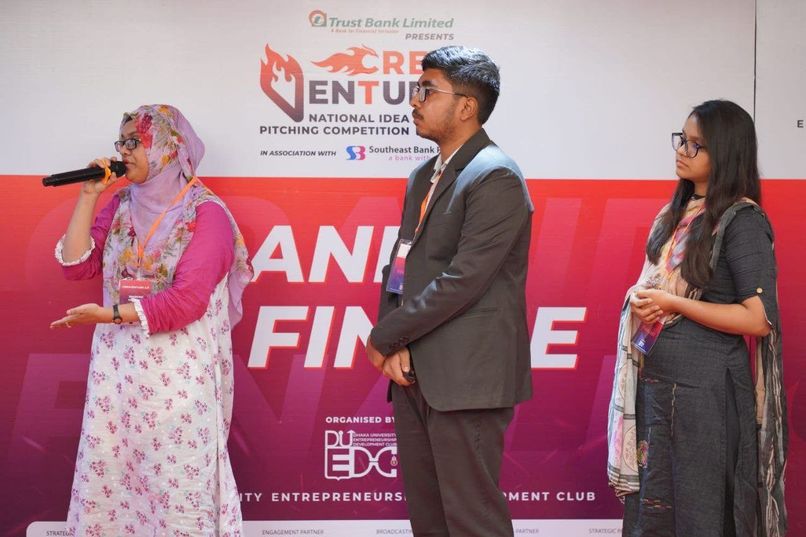
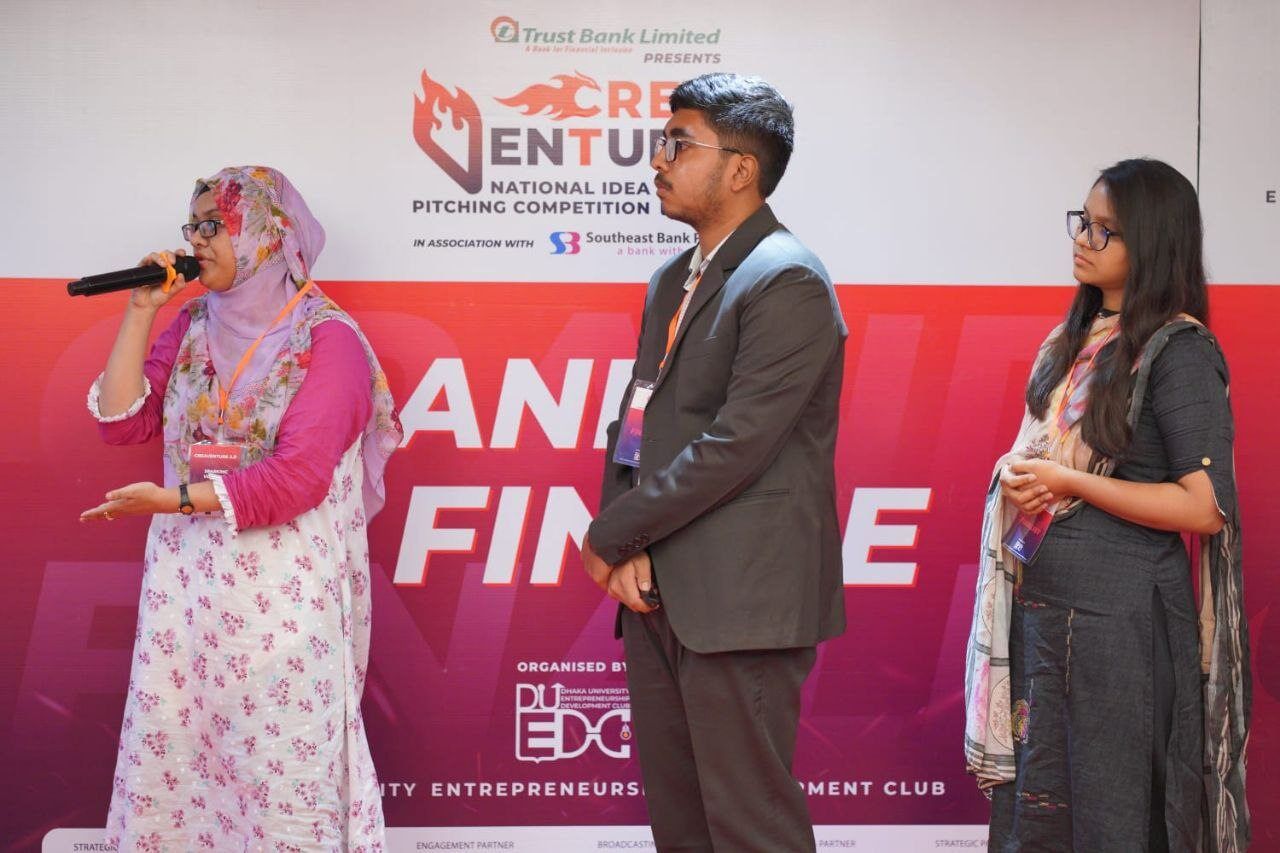
finals (Top 8) of Creaventure 3.0 – organized by DUEDC in association with Southeast Bank PLC.
Inspiration
In December 2023, Mohsen Ara—a cherished aunt and mother of two—received the devastating news of Stage 4 breast cancer. Her family was heartbroken, and her nephew, Rudro, shared the pain they all endured. Late detection had stolen precious time, limiting her treatment options and making her path more difficult.
Beyond the diagnosis, navigating care was a struggle. Finding hospitals, locating doctors, and understanding costs were overwhelming. Each doctor change scattered her records, adding confusion and delays.
We soon realized this was not just Mohsen’s story. Many families faced the same barriers. There was a clear need for a dedicated platform—a place that could guide people from early detection through every step of the journey. Witnessing Mohsen’s journey up close was heartbreaking. Being shaken, we shared her story with friends and discussed it with our university professors, who were researching similar topics. We visited public hospitals like Dhaka Medical College Hospital and Rangpur Hospital and spoke with doctors.
We were stunned to learn that, according to WHO, breast cancer was the most common cancer in women in 157 out of 185 countries in 2022. Globally, 2.3 million women were diagnosed, and 670,000 lost their lives. In low-HDI countries, the odds are even harsher. Doctors emphasized the urgent need for a platform to support regular screenings and guide patients through their journey. Statistics were sobering: 1 in 27 women will be diagnosed with breast cancer in her lifetime, and for every 48, one will die. The American Cancer Society shares that with early detection, the five-year survival rate is 99%. Monthly self-exams can truly save lives.
What it does
In 2024, we developed PinkLifeLine—a comprehensive platform designed to support breast cancer patients and their families. PinkLifeLine allows users to book appointments with specialized healthcare providers, compare treatment costs, and access expert-verified educational content. The platform includes self-assessment tools, home-based chemotherapy services, advanced medical report management, and a community forum for emotional and mental support. Our primary focus is early detection and empowering women to perform monthly self-screenings, with an easy-to-use, accessible self-testing system. From prevention to cure, PinkLifeLine guides women through every step of the breast cancer journey.
How we built it
PinkLifeLine's platform integrates several advanced features to support breast cancer patients. The online appointment system is powered by GetStream.io, enabling seamless scheduling with doctors, while live prescriptions are facilitated through WebSocket for real-time updates. Reports can be shared with doctors, offering flexible time limits.
A community feature uses H3 geohashing for finding nearby help, and report management leverages Tesseract for OCR and Geminy for keyword detection. The blog section is highly customizable with Jodit, and AI-powered reporting on posts is supported by TensorFlow.js and the toxicity model.
An AI assistant and home nursing support further enhance patient care. The platform's backend is built with Spring Boot, Next.js for the frontend, and Google Cloud for MySQL as the database, ensuring a robust and scalable system.
For more detailed information about the system architecture and frameworks used, please refer to the README.md.
Challenges we ran into
As a team of engineering students, collaborating with medical professionals was a critical yet challenging step in developing PinkLifeLine. Building a sensitive health solution required constant medical input to ensure accuracy and safety. Fortunately, we gained two MBBS students as volunteer team members, who bridged the gap by connecting us with doctors and patients. They provided vital insights, guided testing, and offered real-time feedback to refine the app based on real needs and professional recommendations.
Accomplishments that we're proud of
Building the app was just the beginning; reaching our target audience has been the real challenge. Our journey started with attending various seminars, where we identified limitations, refined our plan, and worked to make PinkLifeLine scalable. We tested the app at BUET and, in October 2024, joined BUET UIHP Cohort-1, a 4-month program organized by RISE-BUET, in collaboration with the ICT Division, Bangladesh Hi-Tech Park, and The World Bank. Through this program, we are receiving invaluable training, evaluation, and testing support.
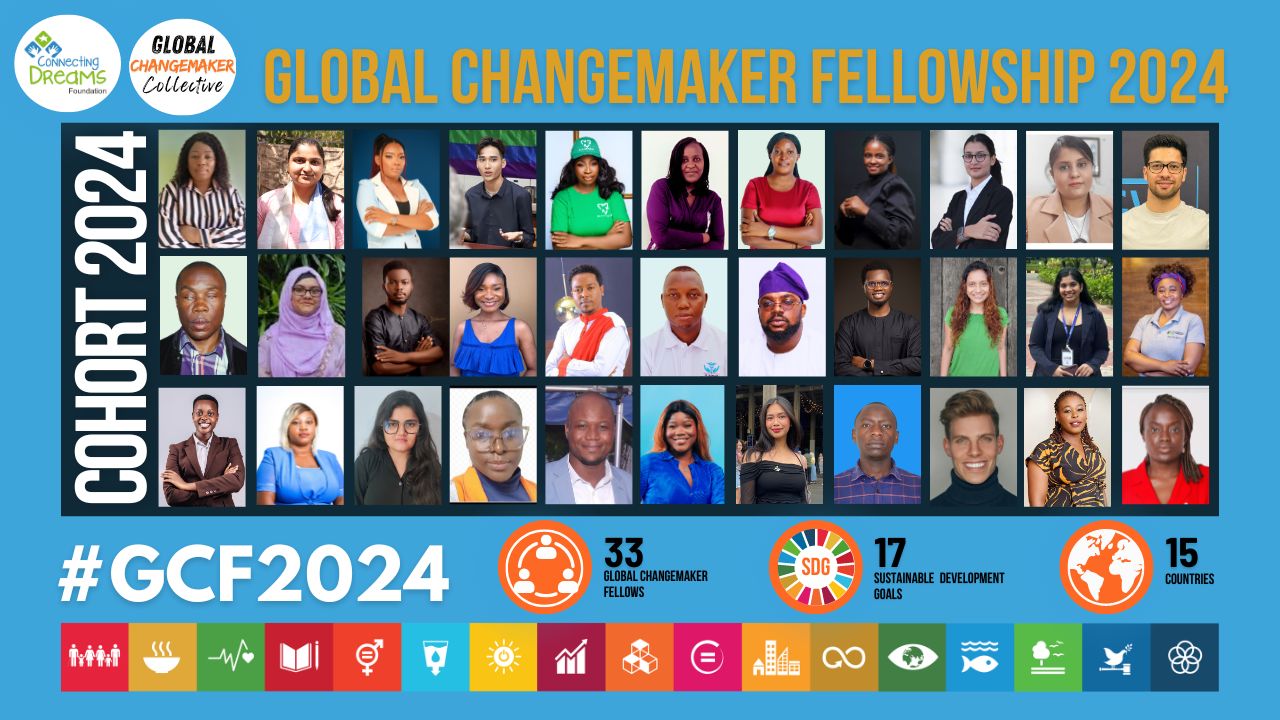
Additionally, one of our team members was nominated for The Global Changemaker Fellowship—a prestigious 6-month virtual program that connects and nurtures social change leaders for PinkLifeLine, where she was selected as one of 33 fellows from over 7,000 applicants worldwide. Now, we look forward to securing funding to bring PinkLifeLine to women everywhere, right at their doorstep.
What we learned
We learned that technical development alone is not enough to create an impactful healthcare solution. Real-time experience was essential, so we sought guidance from professors, consulted doctors, and visited hospitals to understand real-world challenges. Attending workshops and sessions helped us refine our approach, making the solution more practical and responsive to user needs. This journey taught us the importance of collaboration, continuous learning, and staying closely connected to the real situations our technology aims to address.
What's next for PinkLifeLine
Our mission is to reach every woman in Bangladesh, making PinkLifeLine a platform for inspiring regular self-screening and promoting early detection. To achieve this, we are actively seeking funding to support a nationwide launch of the app. Additionally, we are in the development phase of a non-invasive self-testing kit designed to further empower women in managing their breast health. This kit uses red LEDs (630-660 nm) to detect heat variations and identify lumps as small as 5-7 mm, all in a portable and user-friendly design.
Built With
- cloudmonitoring
- gemini
- gke
- google-cloud
- google-cloud-for-mysql
- kubernetes
- memorystore
- nextjs
- springboot
- tensorflow-models/toxicity
- terraform
- testcontainers


Log in or sign up for Devpost to join the conversation.