Inspiration
Managing household chores and grocery shopping is often a source of frustration, especially in shared living spaces like families and roommates. People forget tasks, responsibilities aren’t always clear, and it’s easy to lose track of what needs to be done. We wanted to create a fun and effective way to stay organized while keeping everyone engaged. Inspired by gamified apps like Duolingo, we designed a system where users not only complete chores but also earn rewards, making household management feel less like a burden and more like a team effort.
What it does
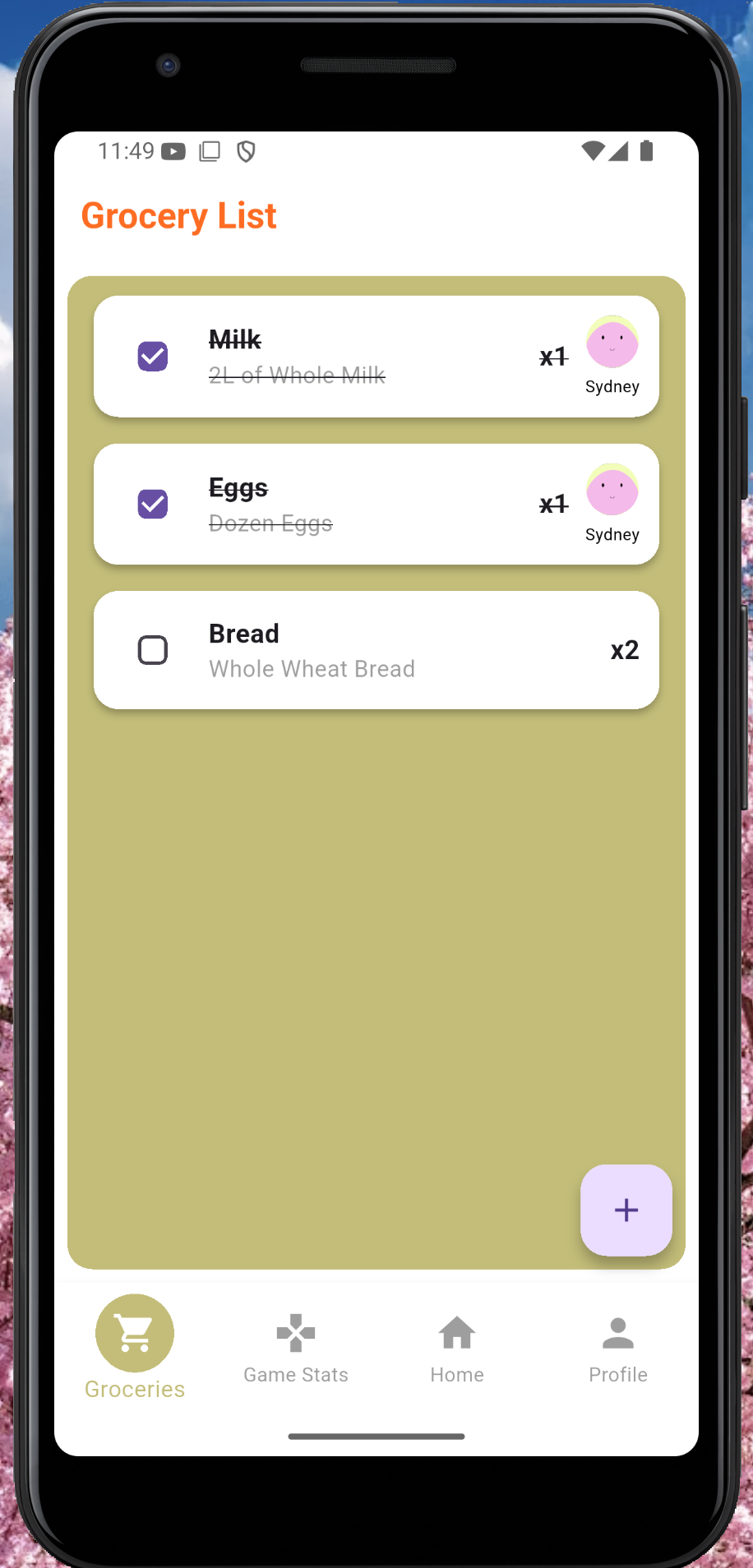
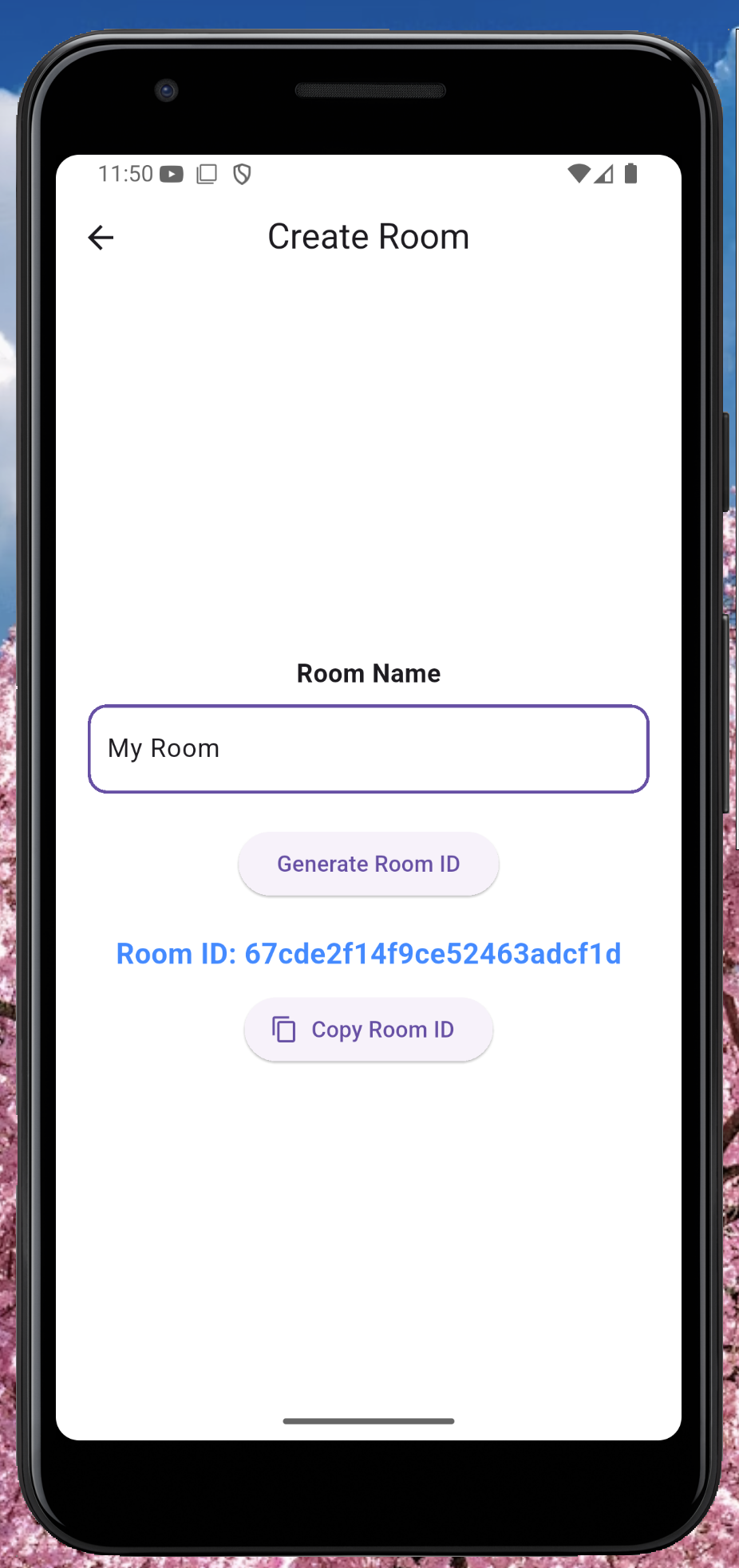
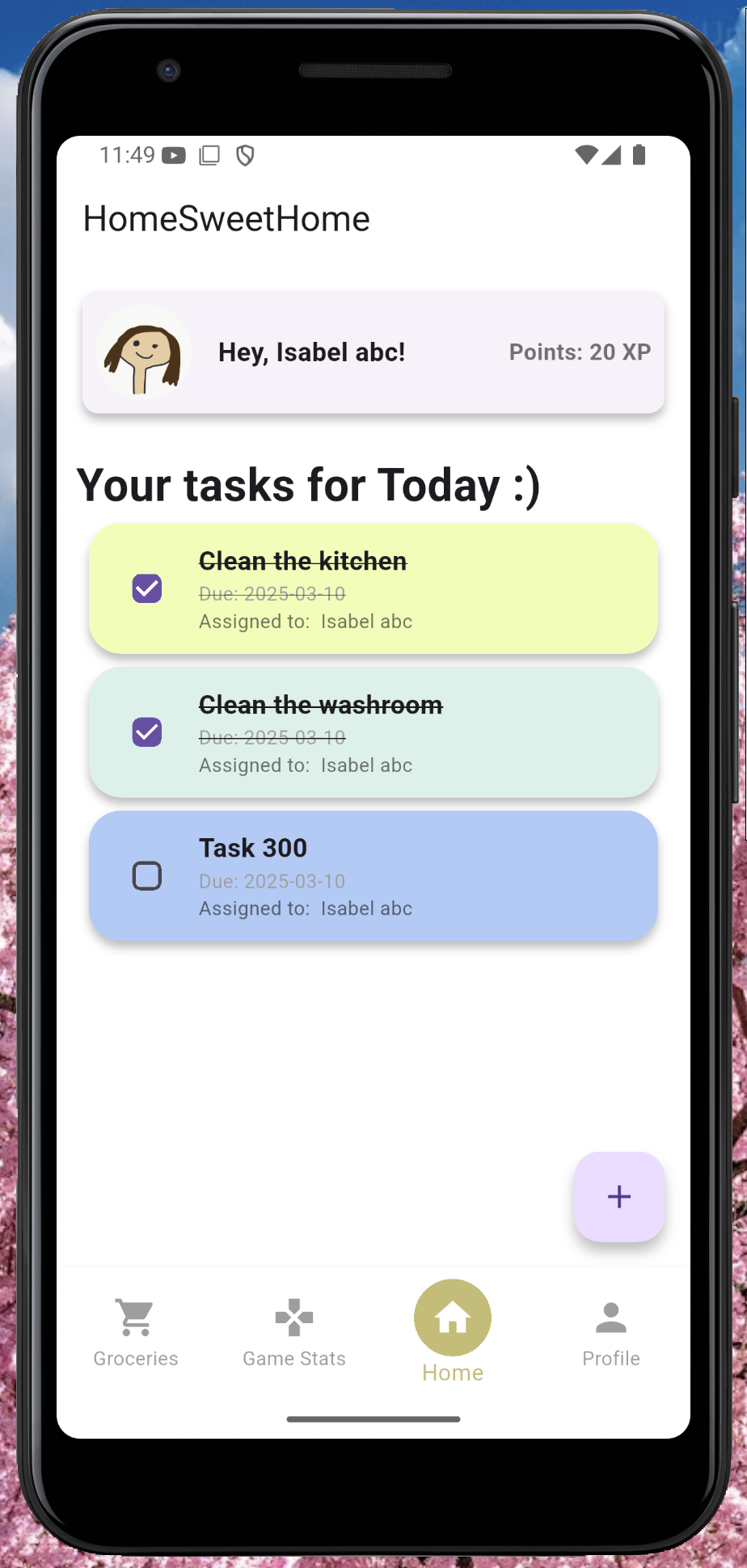
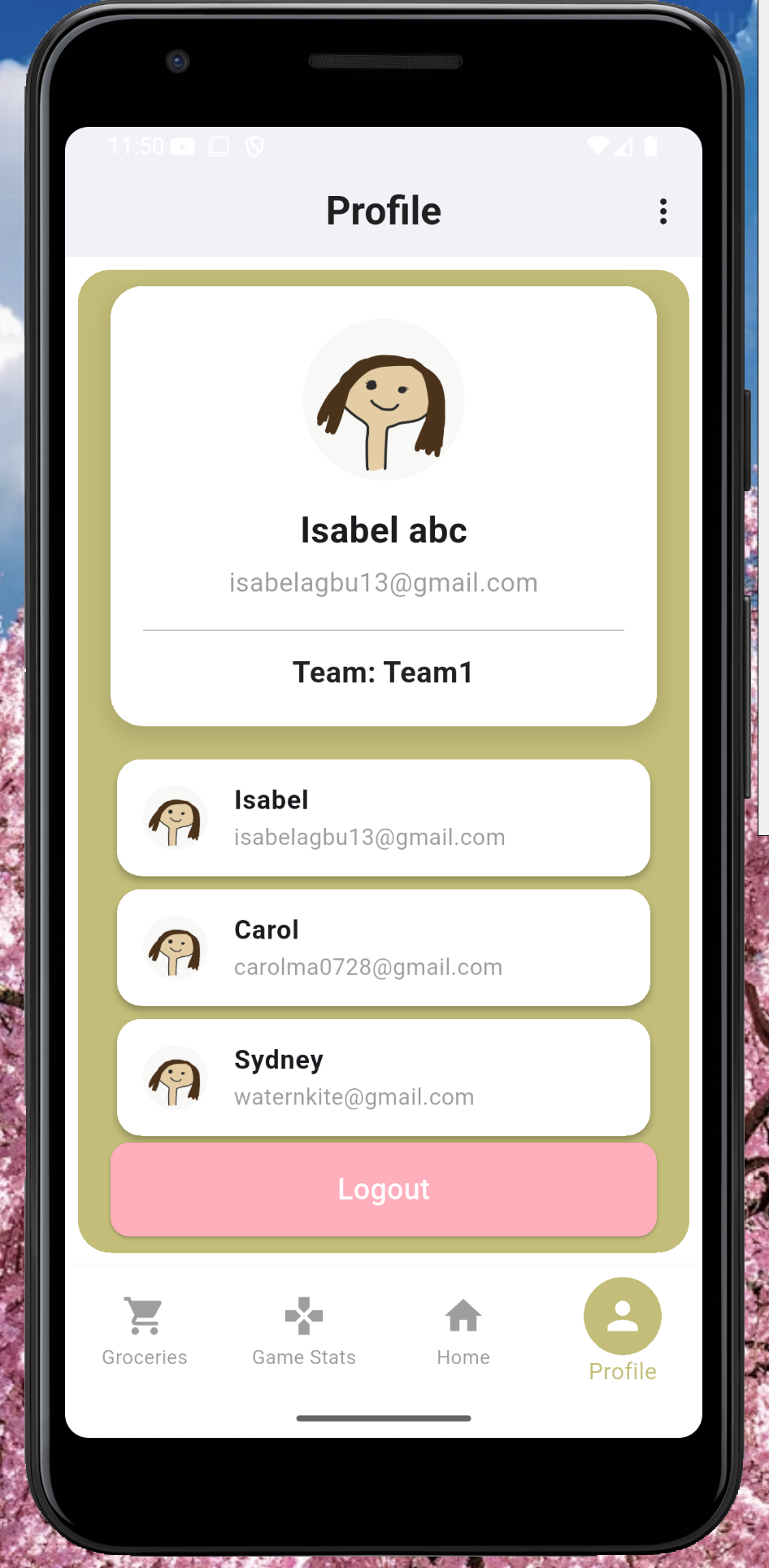
Our app simplifies household management by providing a shared to-do list for chores and grocery shopping. Users can create, assign, and track chores with real-time status updates. Groceries are managed in a collaborative list, ensuring no one forgets essential items. The app also introduces a gamified system—users earn points for completing tasks, which can be redeemed for incentives, adding motivation and fun to everyday responsibilities. Each user has a profile, allowing for role-based task assignments and progress tracking, making it easier to maintain a well-balanced and accountable household.
How we built it
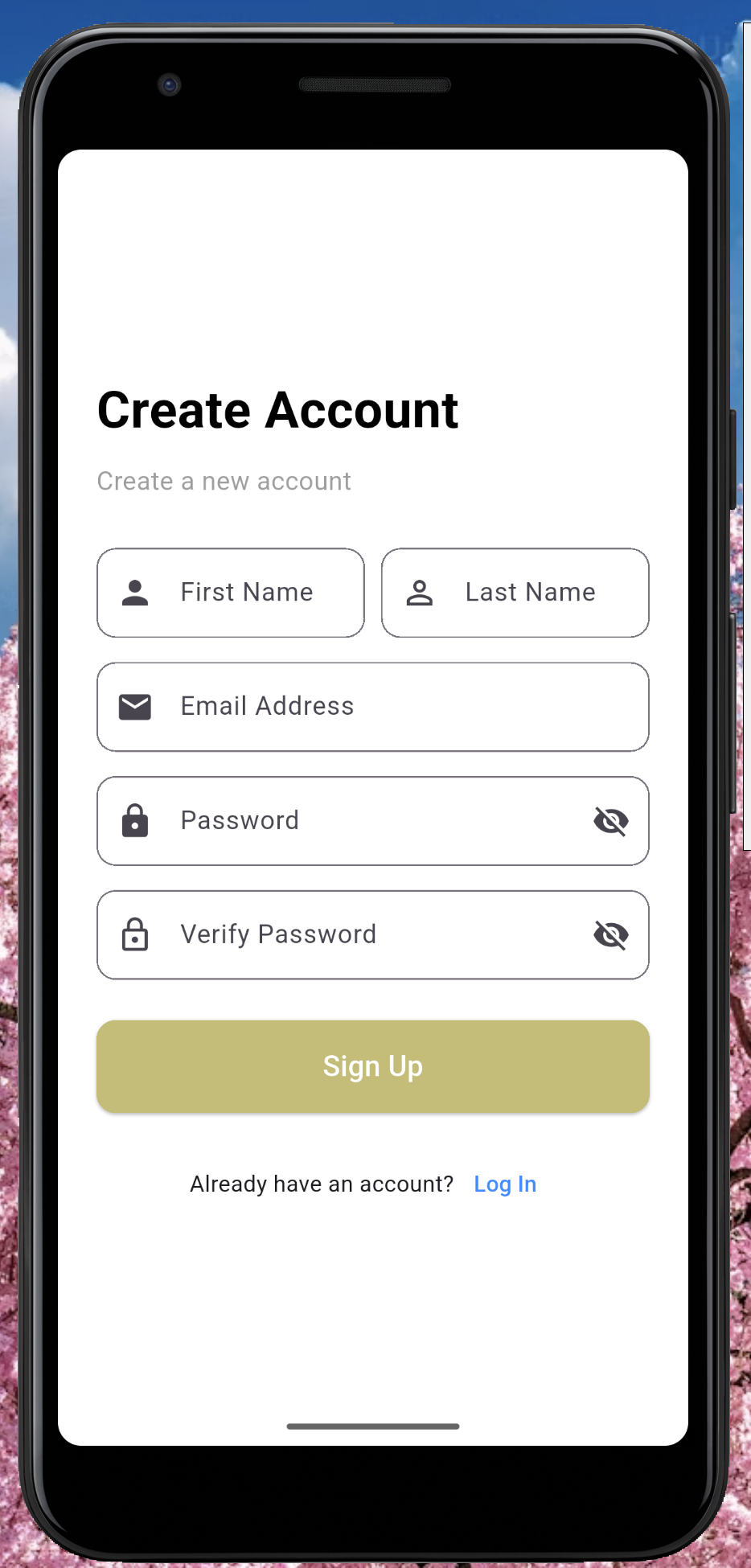
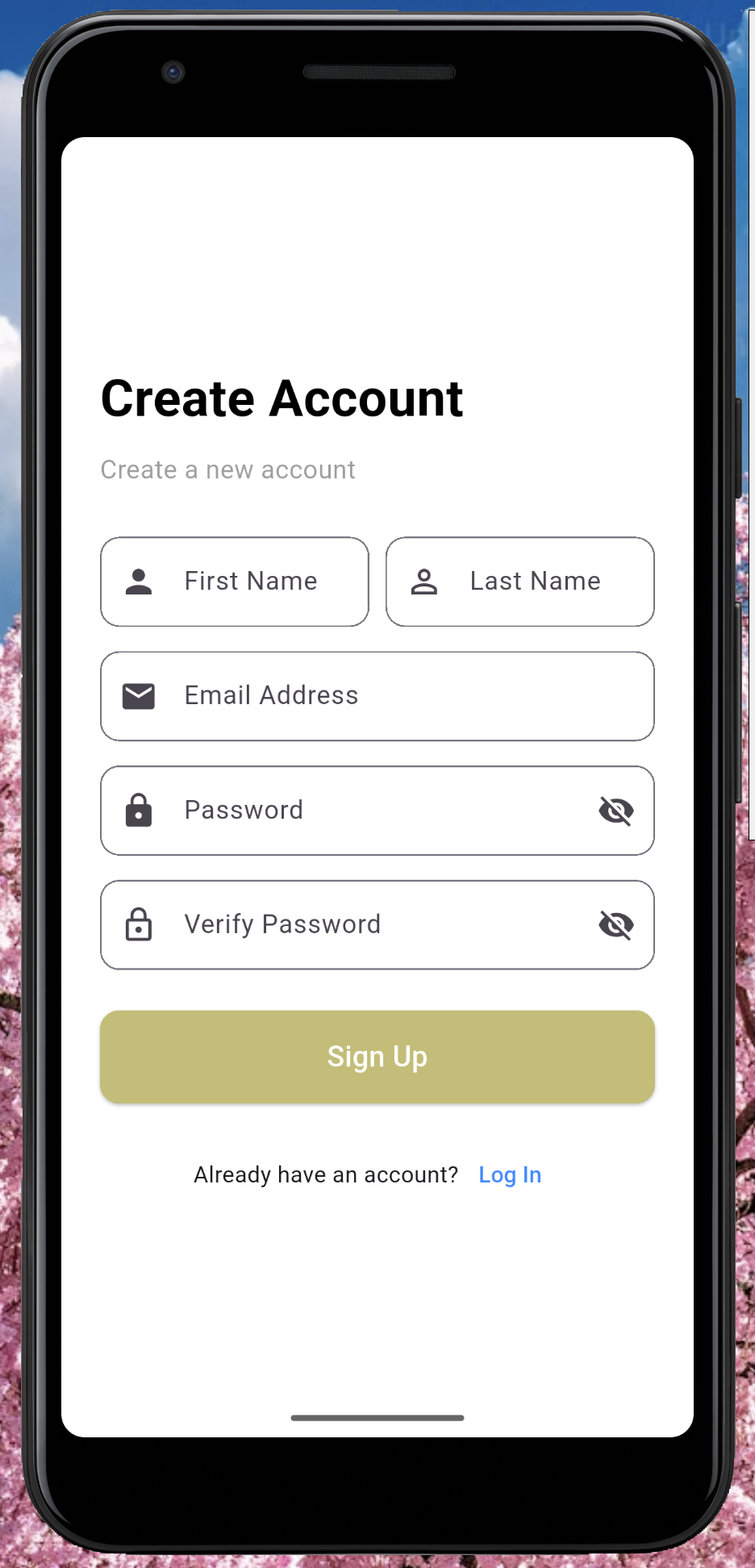
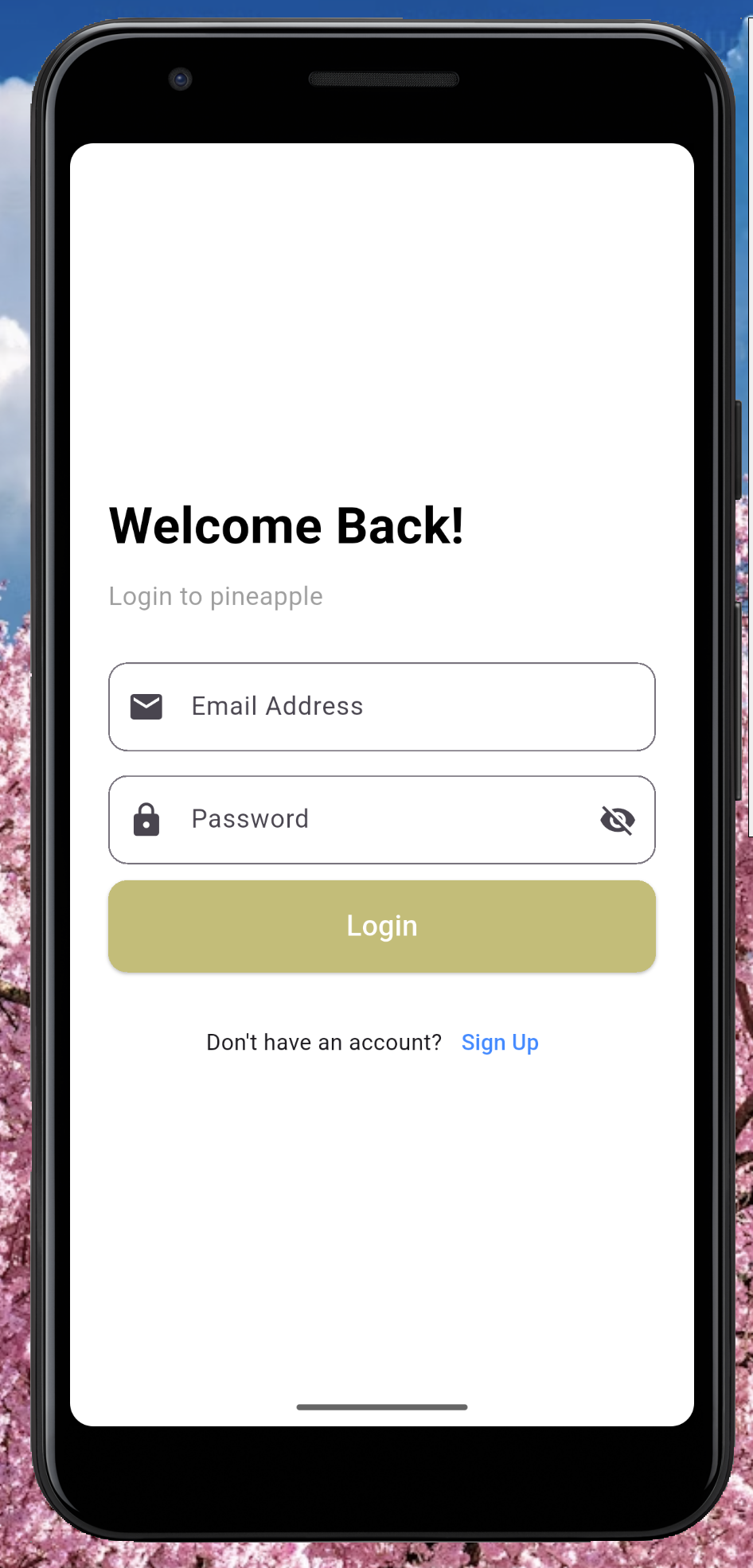
For the frontend, we used Dart and Flutter to develop a cross-platform mobile application, ensuring a smooth and responsive user experience on both iOS and Android. Flutter's widget-based architecture allowed us to build an intuitive UI with seamless navigation, making it easy for users to manage chores, track progress, and interact with the gamified system. For the backend, we implemented Firebase Authentication to handle user sign-ups and logins securely. To manage and store all application data, including tasks, groceries, user profiles, and reward points, we integrated an external MongoDB database. This setup ensures scalability, efficient data retrieval, and real-time synchronization, allowing all users within a household to stay updated on shared tasks and grocery lists instantly.
Challenges we ran into
One of the biggest challenges was that three of us were new to mobile development, so getting started with Flutter and Dart took time. Setting up the development environment, learning best practices, and troubleshooting unexpected UI behavior were all part of our learning curve. Integrating Firebase Authentication and connecting it with our external MongoDB database also posed challenges. We had to ensure secure authentication while maintaining smooth data flow between Firebase and MongoDB, which required careful API design and proper handling of real-time updates.
Accomplishments that we're proud of
We're proud of sticking to the end and not giving up, overcoming countless troubleshooting challenges.
What we learned
We learned how to develop mobile applications using Flutter and gained hands-on experience in mobile development workflows. Additionally, we learned how to interact with Firebase from a backend perspective, particularly in handling authentication and cloud messaging. We also improved our skills in database schema design and API architecture, ensuring efficient data storage, retrieval, and synchronization.
What's next for HomeSweetHome
Implement notifications & reminders (ping) Integrate with calendars Support recurring tasks Improve UI & user experience


Log in or sign up for Devpost to join the conversation.