-
-
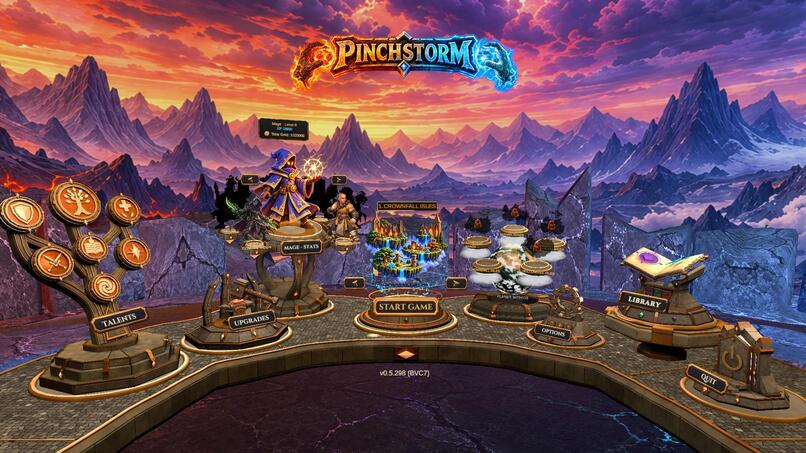
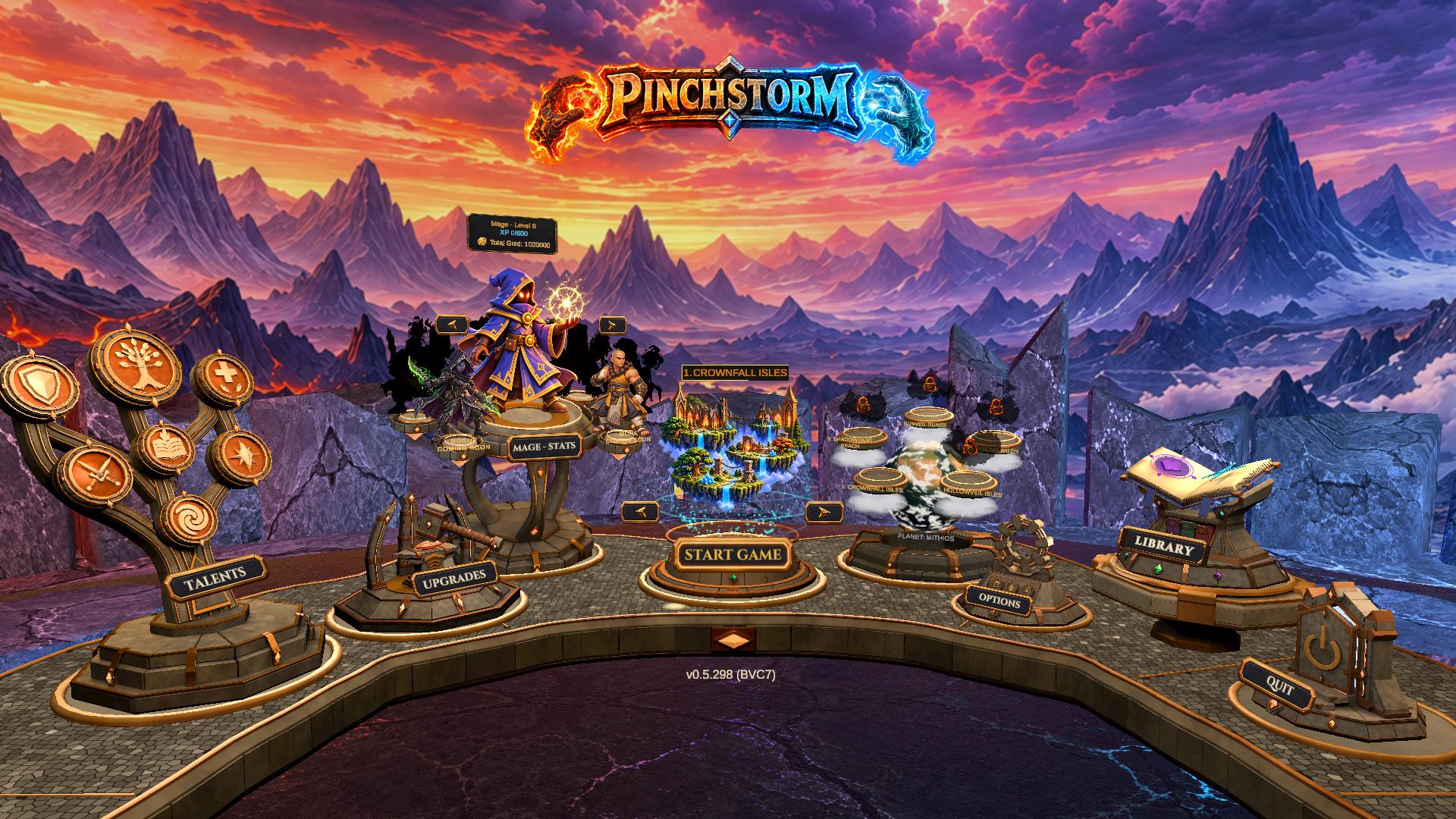
Main Menu
-
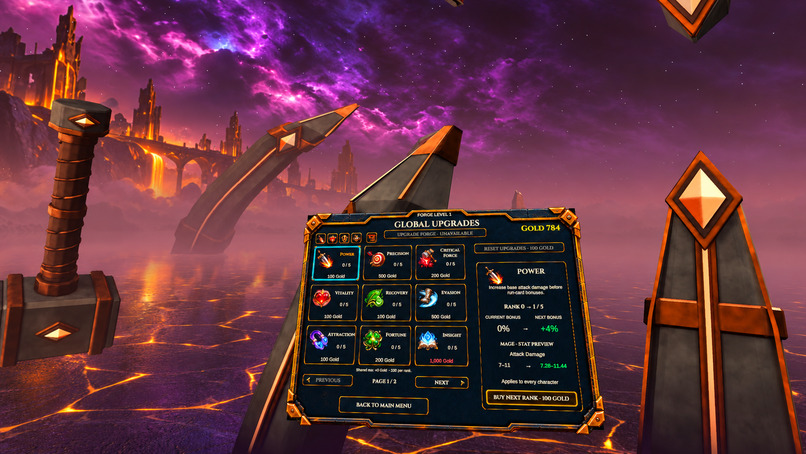
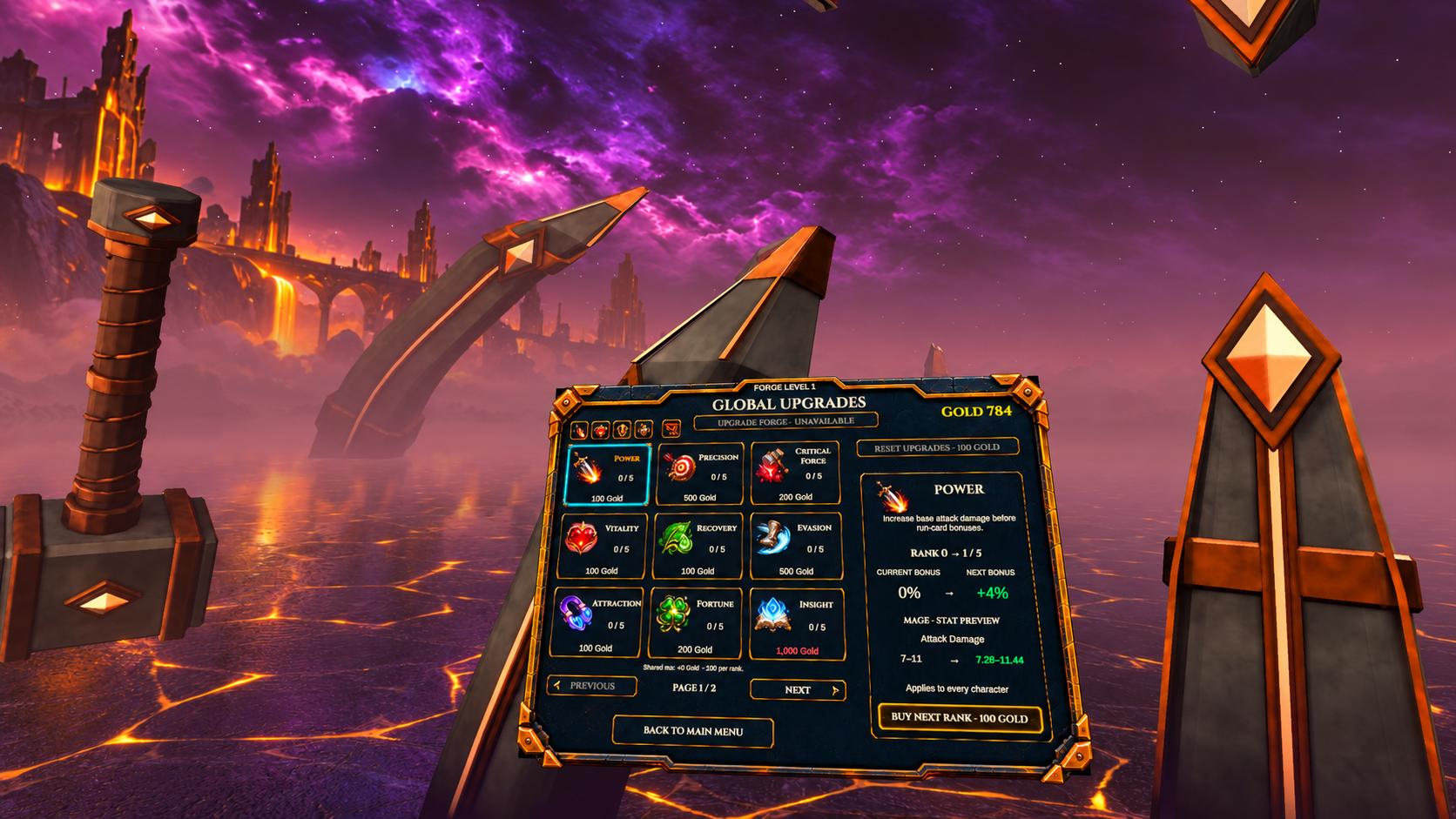
Forge
-
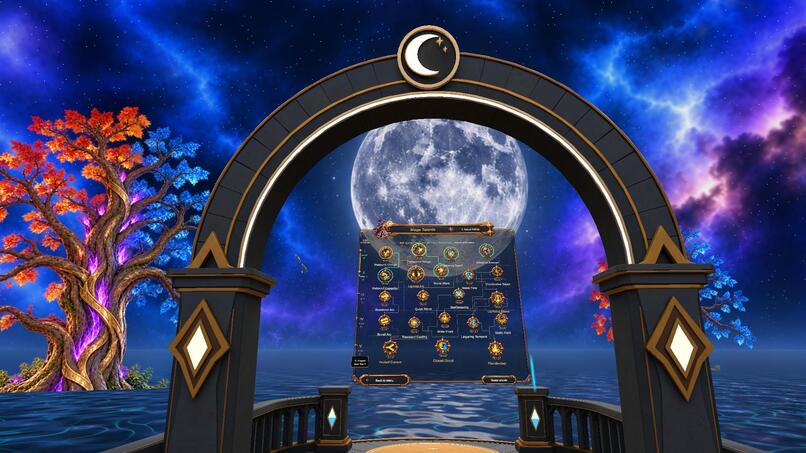
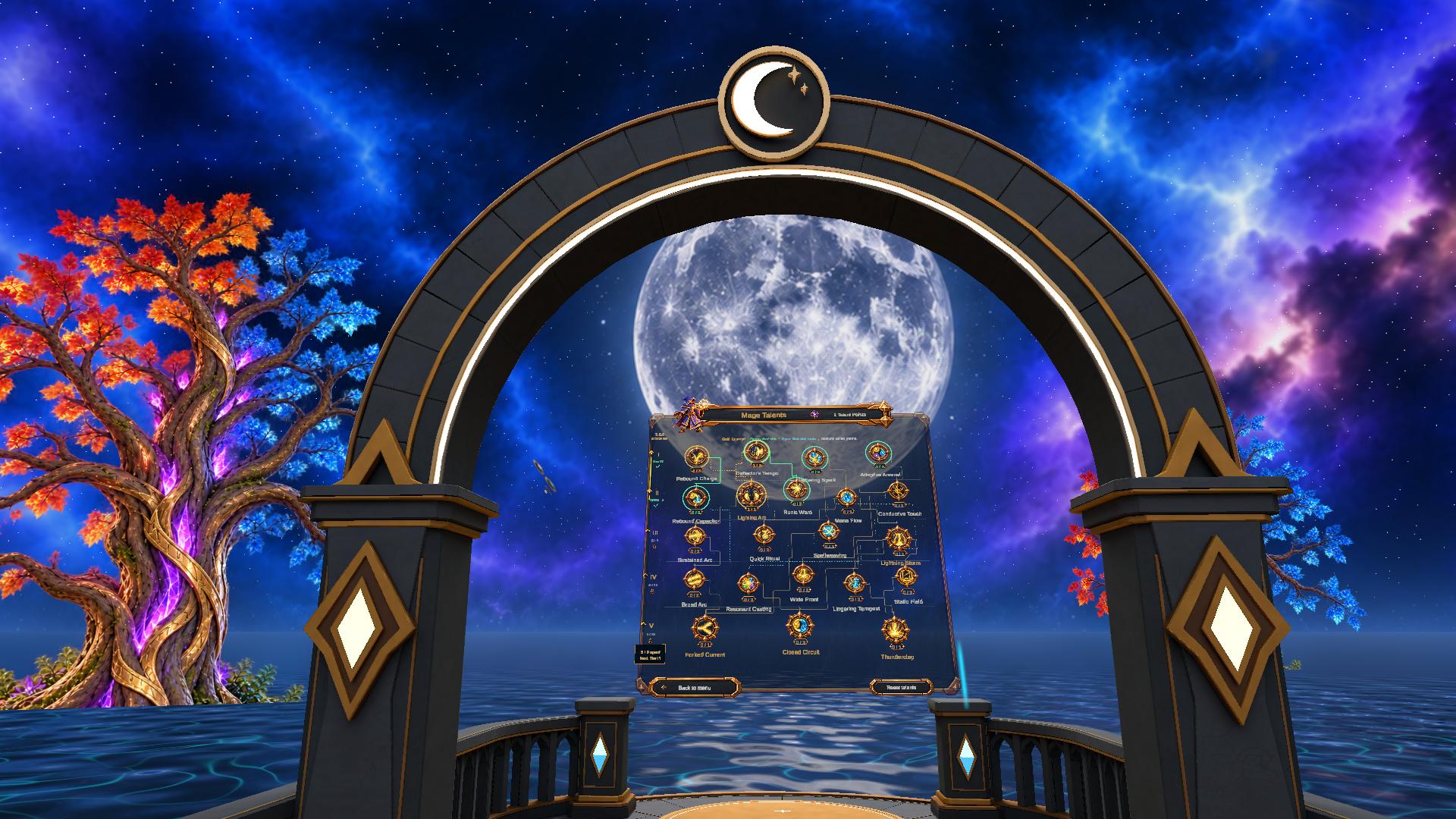
Talents
-
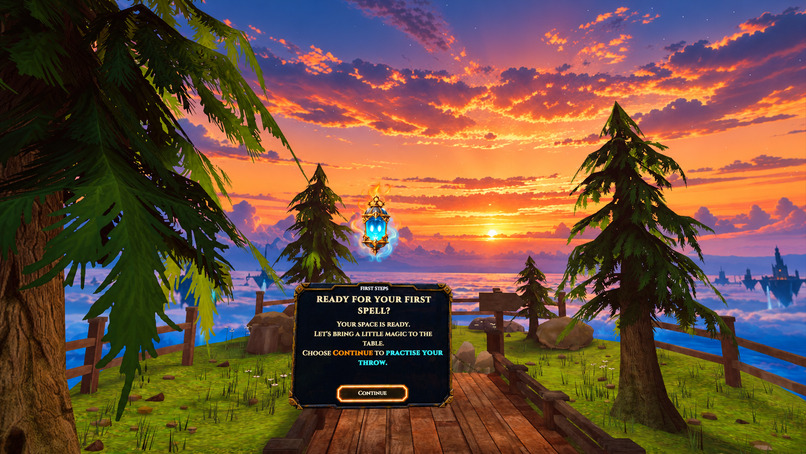
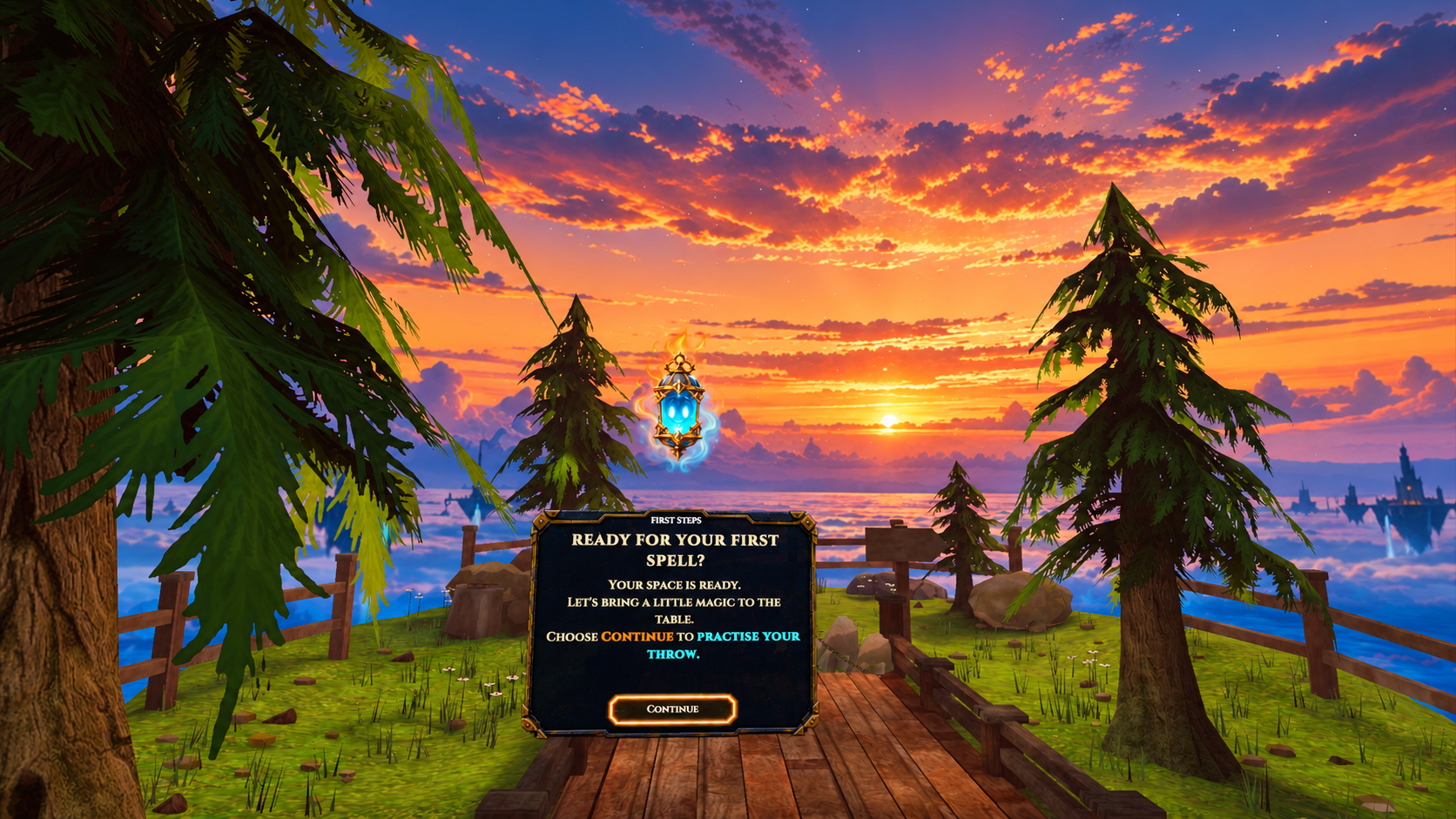
Tutorial
-
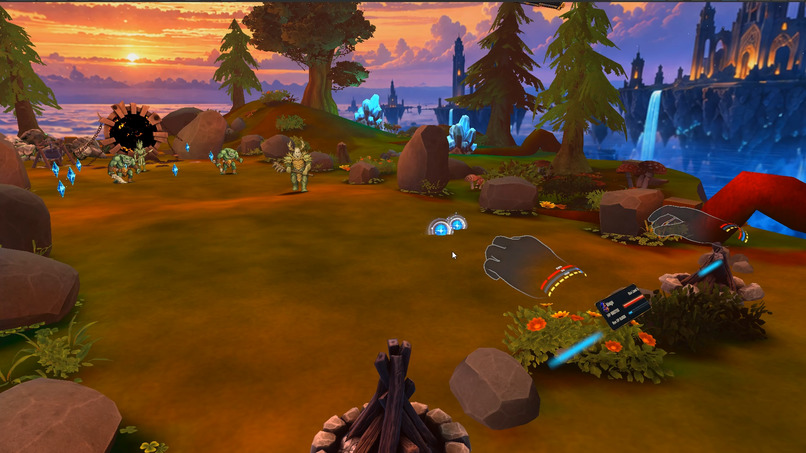
Island 1 - Beginning
-
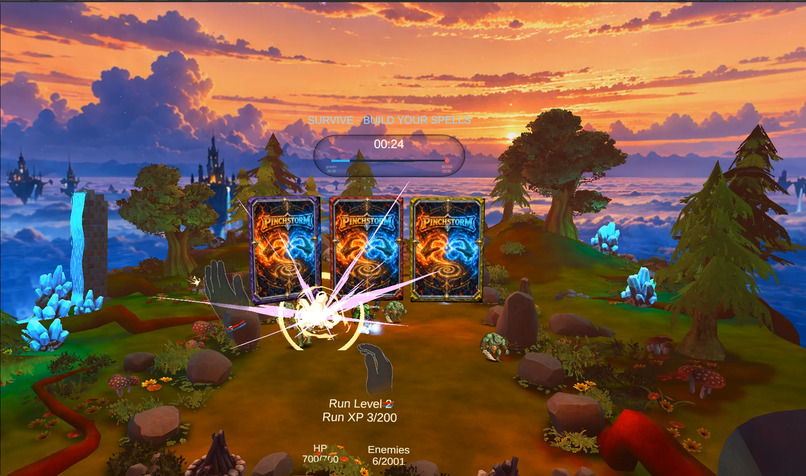
Island 1 - Upgrade Cards
-
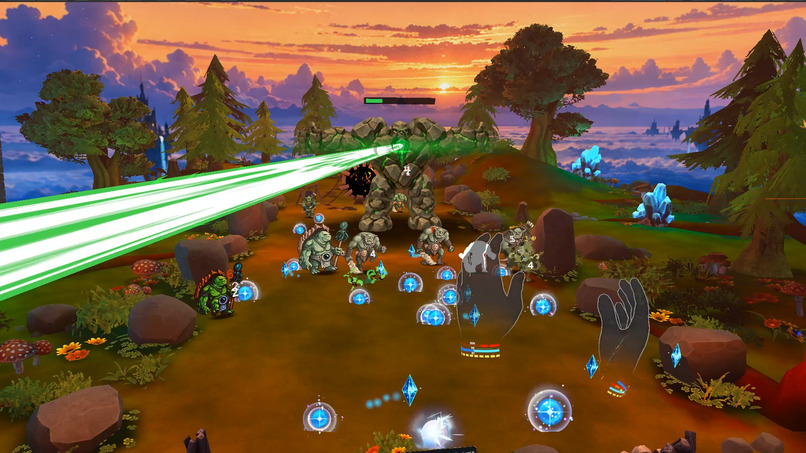
Island 1 - Boss
-
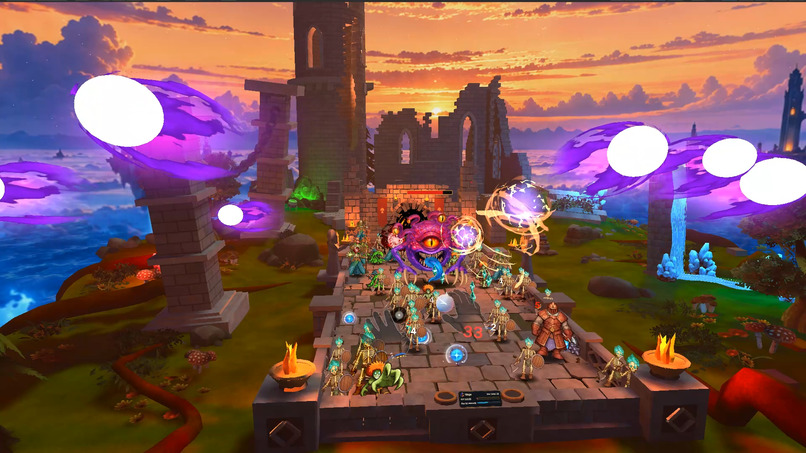
Island 2 - Boss
Inspiration
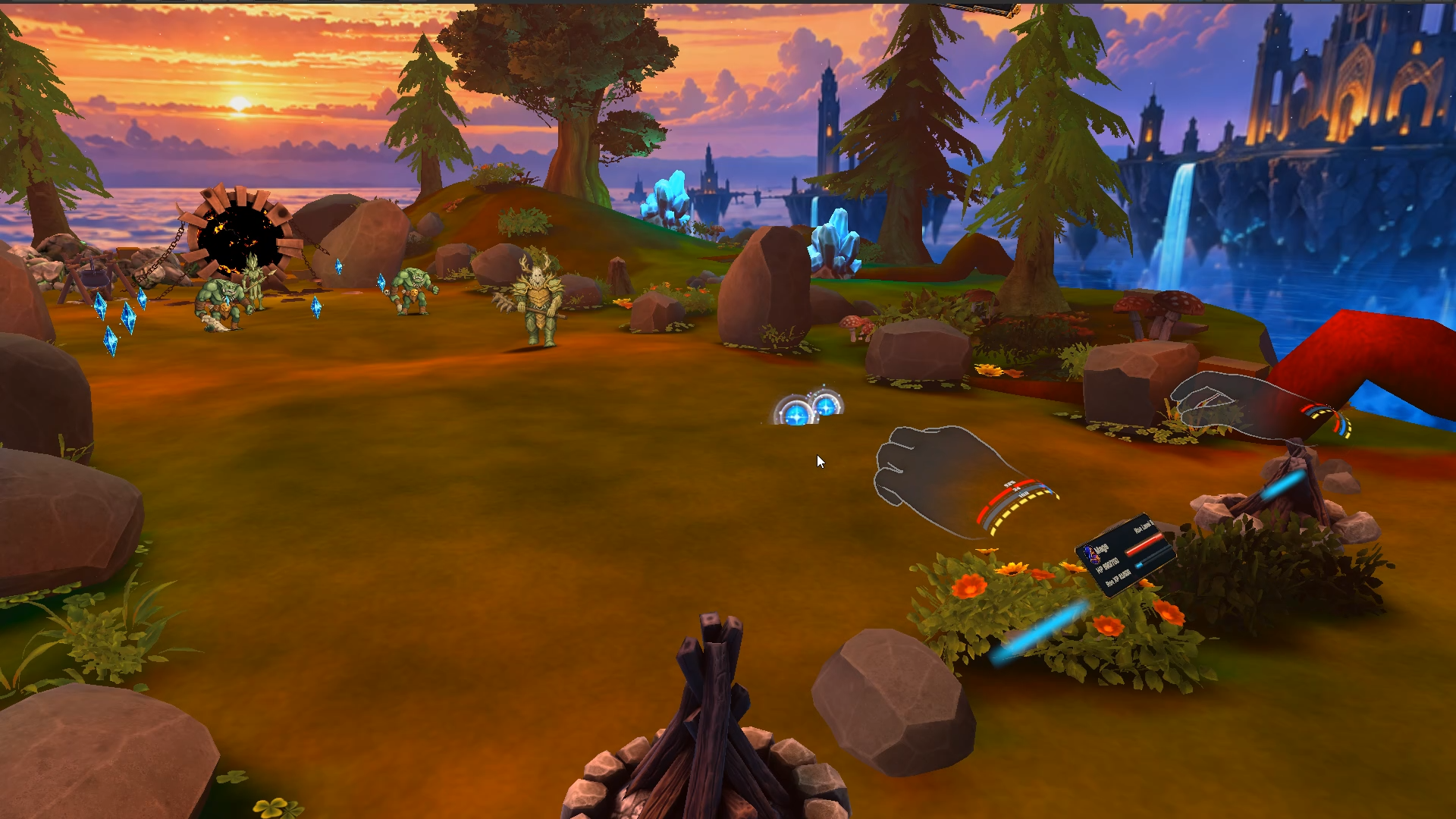
Pinchstorm brings together the satisfaction of addictive, chain-reaction chaos of bouncing-projectile games like in BALL x PIT , Vampire Survivors and the unmistakable power of casting, throwing and deflecting magic with your own hands. Instead of pressing a button to fire, we wanted players to feel every spell build between their fingers pinching magic into existence, hurling it into the horde, swatting incoming attacks straight back, and channelling gestures that make your hands feel genuinely powerful.
What it does
Pinch -> Throw -> Level Up -> Forge -> Survive
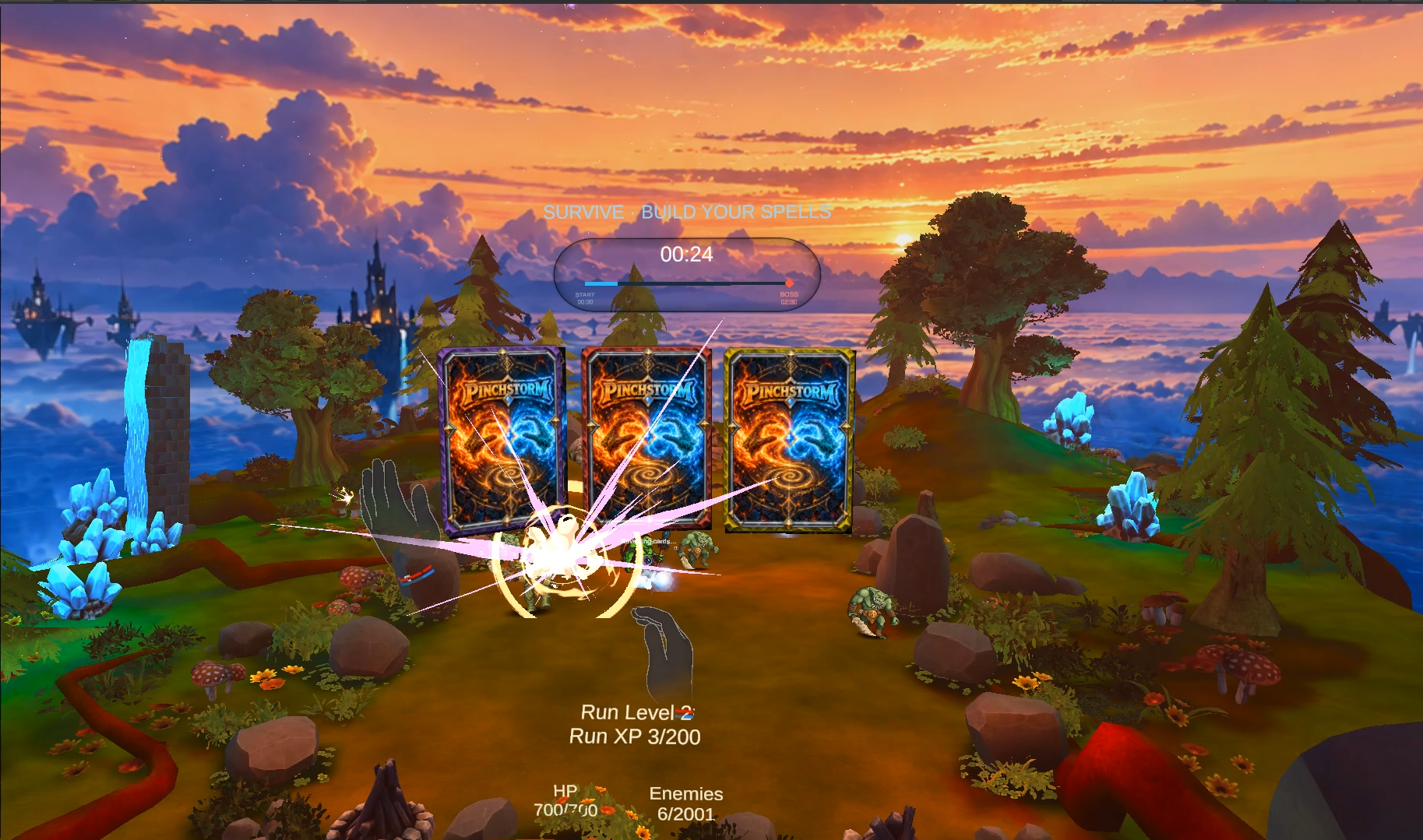
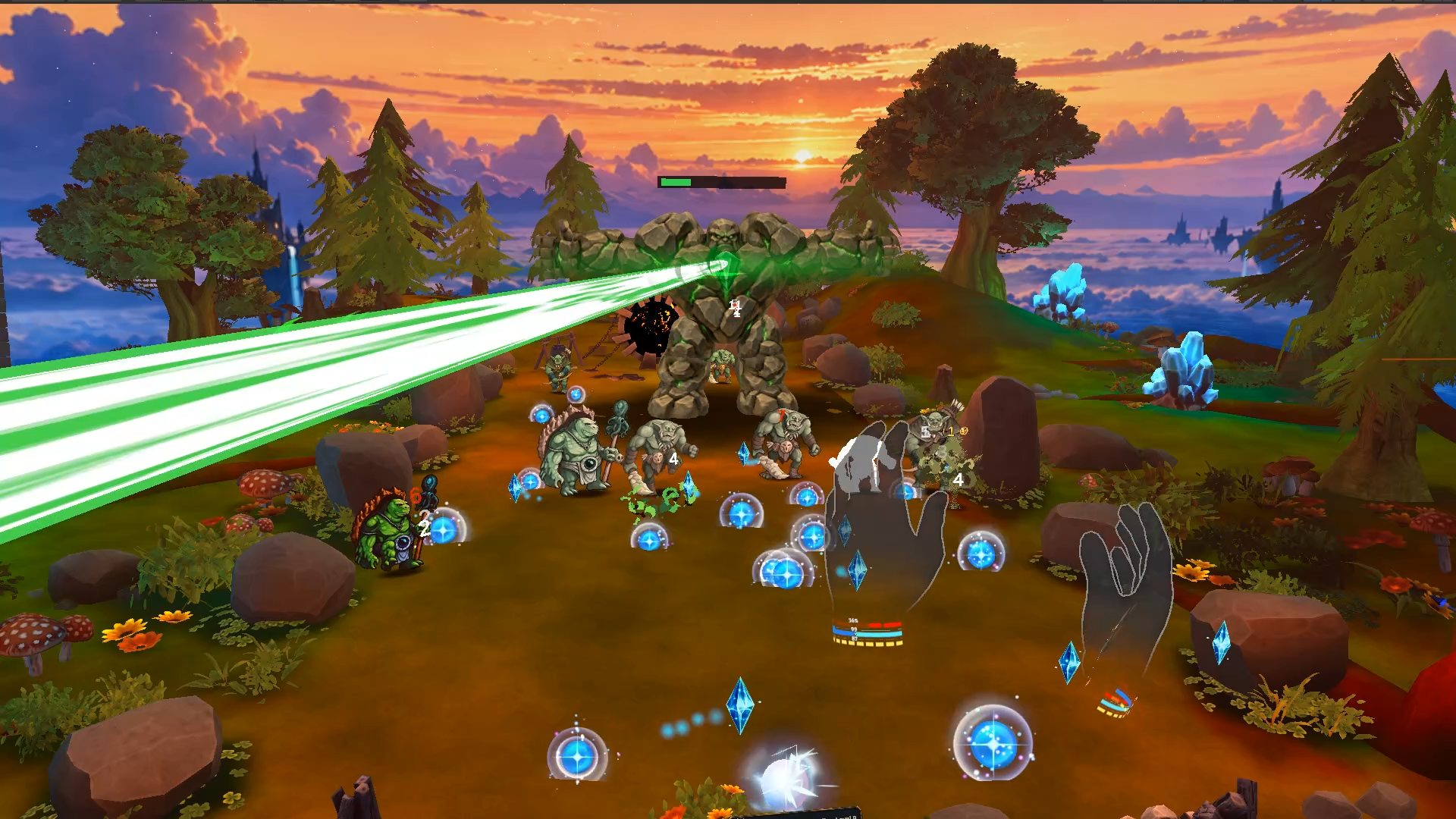
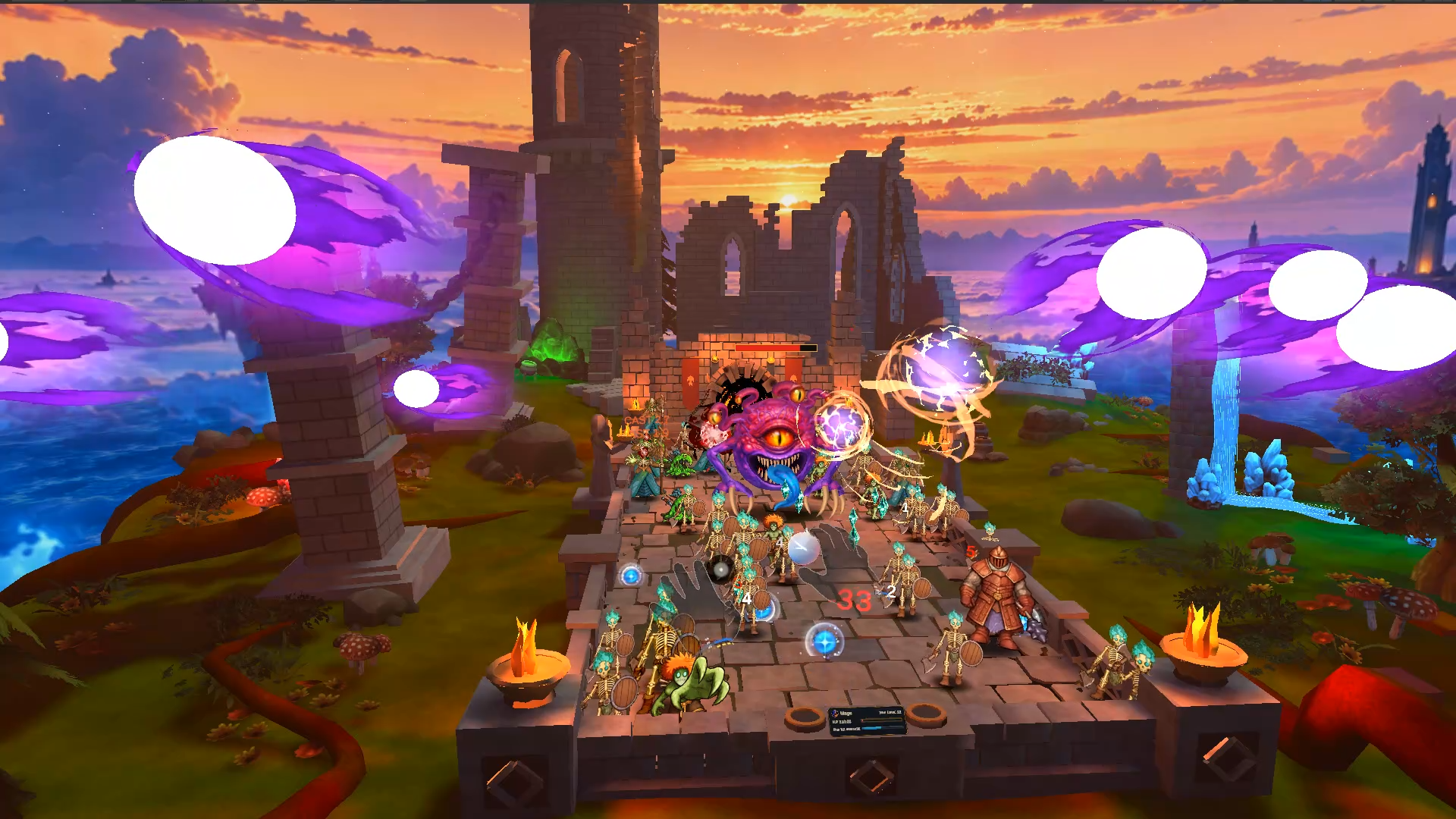
Pinchstorm is a tabletop MR/VR action roguelite you play with nothing but your bare hands. Pinch your fingers to cast a spellball, throw it onto the table, and watch it bounce through waves of monsters. When enemies shoot back, swat their spells straight back at them, use your palm to pull XP crystals to level up. Each hero also has their own gesture ultimates, letting you feel energy build between your hands before you let it go.
As you level up, you do put together wild combos from 27 upgrade cards across 4 categories, 6 rarities, and card evolutions which is mixing elemental effects like fire, ice, storm, splitting balls, chain lightning, healing, support bonuses and others, then watch how throw sets off a chain reaction. Push through harder waves and bosses, earn Gold, Forge stronger setups, unlock permanent upgrades, and see how your build stacked up at the end of every run
How we built it
We built Pinchstorm during this hackathon from zero with just two passionate developers! Reaching a project of this scope in that time wouldn't have been possible without our AI-assisted workflow. We combined human creative direction, hands-on testing and detailed tuning with AI-assisted implementation, investigation, debugging and verification.
Challenges we ran into
- Gesture recognition and tracking have real limits: The same hands cast spells, throw objects, deflect attacks, grab enemies and operate menus. Temporary tracking loss must not turn an intentional action into an accidental one.
- Maintaining performance while adding more features: Our target is sustained 72 FPS on Quest 3 and Quest 3S. We use bounded pools, reusable effects and focused allocation checks and profiling heavy waves directly on device.
- Balancing the game: Projectiles, card synergies, enemy waves, healing, and permanent upgrades all affect one another.
Accomplishments that we're proud of
- How do you know what you're building is good? We made a game so fun and satisfying that playing, testing, and improving it every single day never gets boring! We are proud of reaching this scope and level of detail during this competition! Physical combat, special spells, upgrade combinations, progression, guided learning and multiple maps have grown together through sustained iteration.
What we learned
- Players testing feedback means more than 1000 words: During the hackathon, we had the pleasure of joining several Zoom sessions organized by Meta Developer Competition. In a few of them, we got live feedback from first-time players trying our game and that feedback saved us a lot of trouble!
- Hands can do much more than we thought: Meta Building Blocks and the Interaction SDK opened our eyes to how much a game can do with hands alone. Casting, collecting, defending and navigating can share a consistent physical language when the interactions are designed carefully.
- Gesture recognition and tracking have real limits: Hand visibility, ambiguous poses and interrupted movements need thoughtful feedback and recovery. The gesture must remain understandable to the player throughout the action.
What's next for Pinchstorm
This competition is just the first milestone on our road to a full release. We plan to expand Pinchstorm with:
- More themed islands: bringing new enemy rosters, boss patterns, and dedicated unlock challenges
- New playable heroes: (Rogue, Monk, Shaman, and Necromancer), each with distinct hand abilities, talent paths, and playstyles.
- Deeper card synergies: during run, our goal is simple: every time a run ends, players immediately want to jump back in and try their next build


