

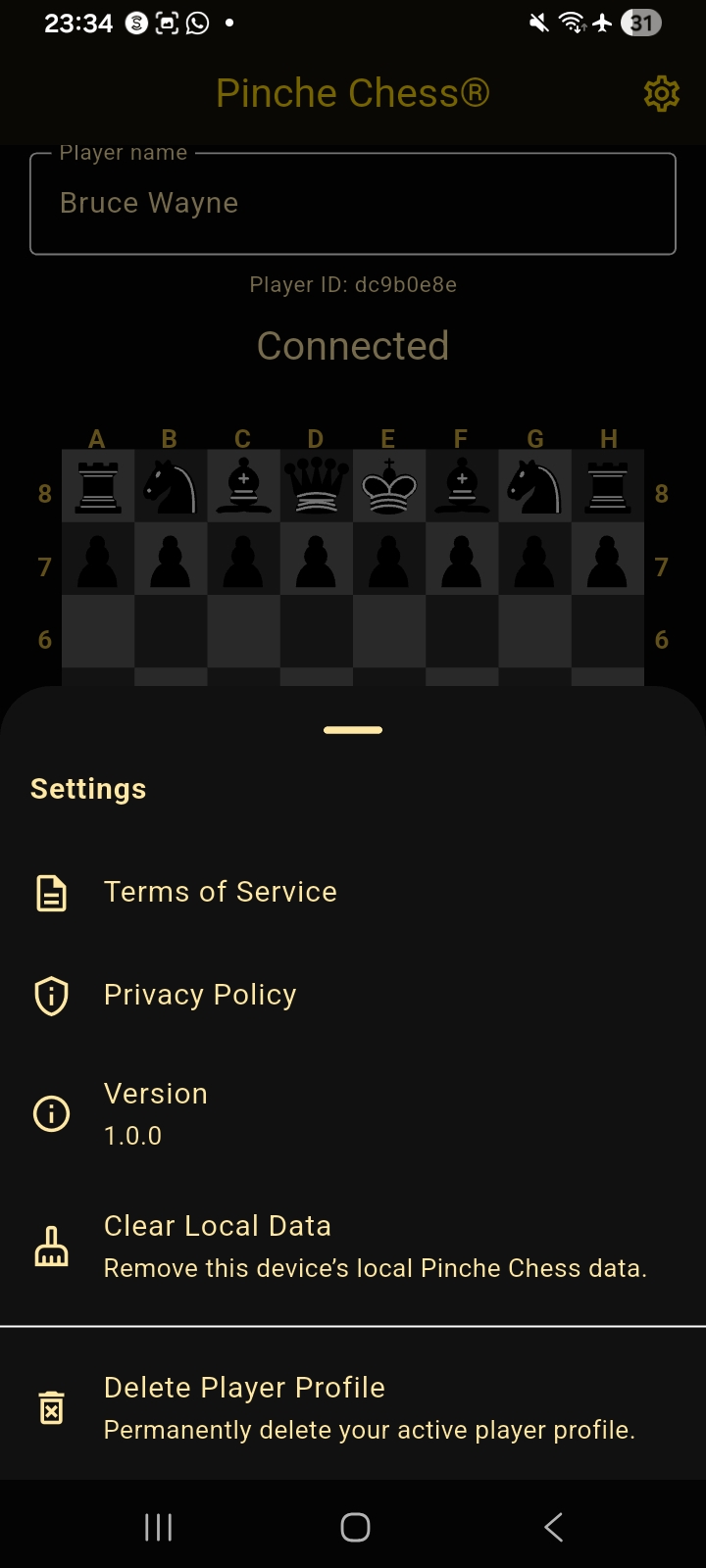
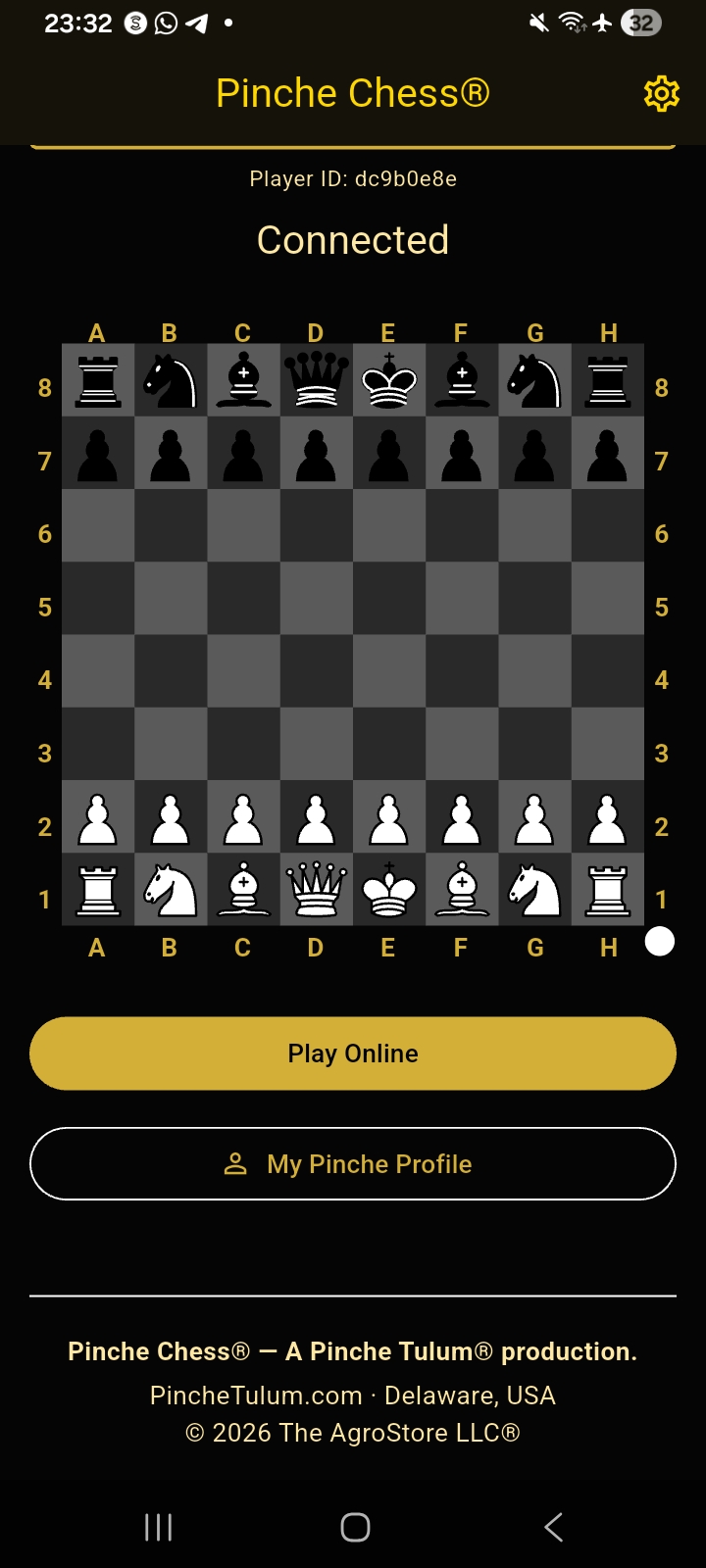
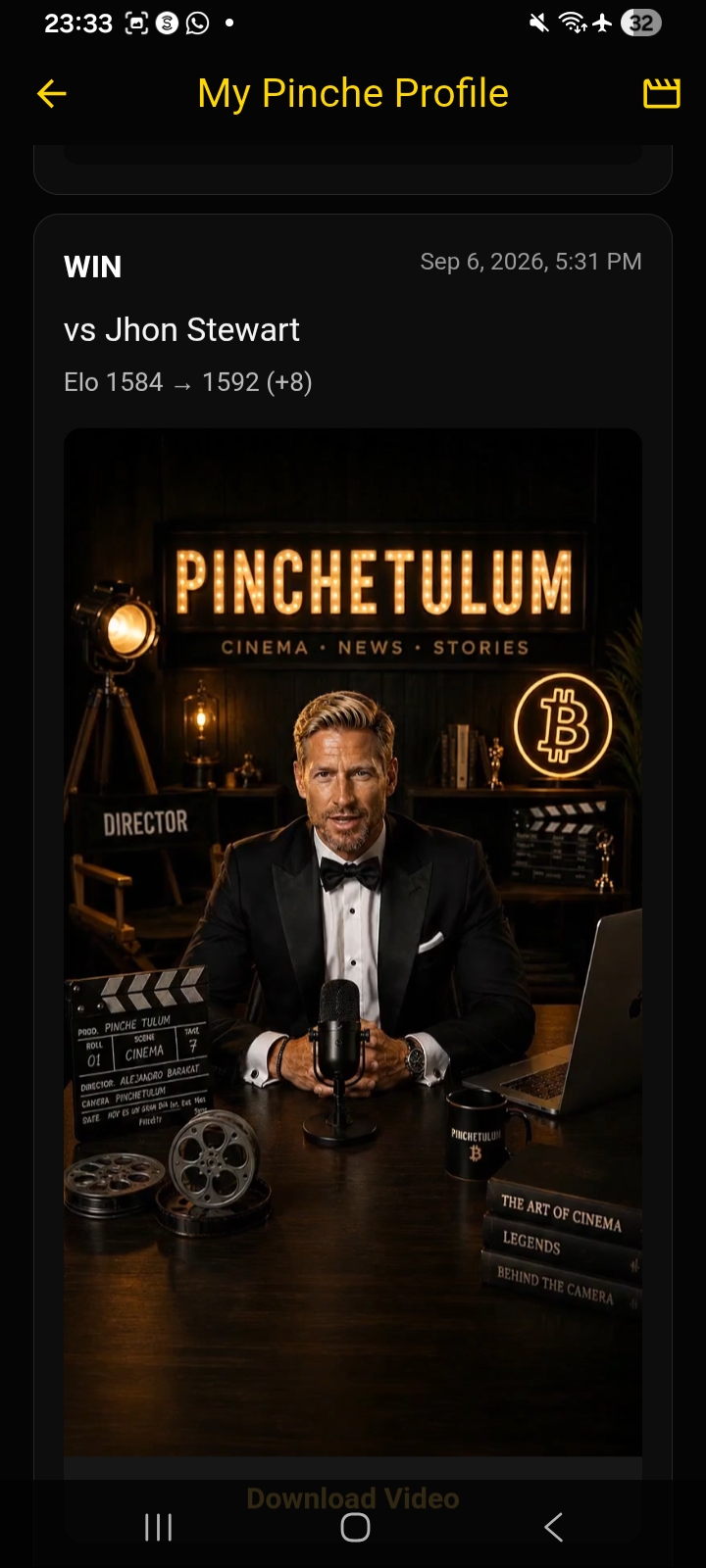
Pinche Tulum® + Pinche Chess®
Autonomous Media Meets Playable Content
Pinche Tulum® and Pinche Chess® are independent products designed to work on their own — or together as a continuous content and distribution system.
Activity becomes content. Content becomes distribution.
Both brands and products are developed under The AgroStore LLC®.
1. The Products
Pinche Tulum®
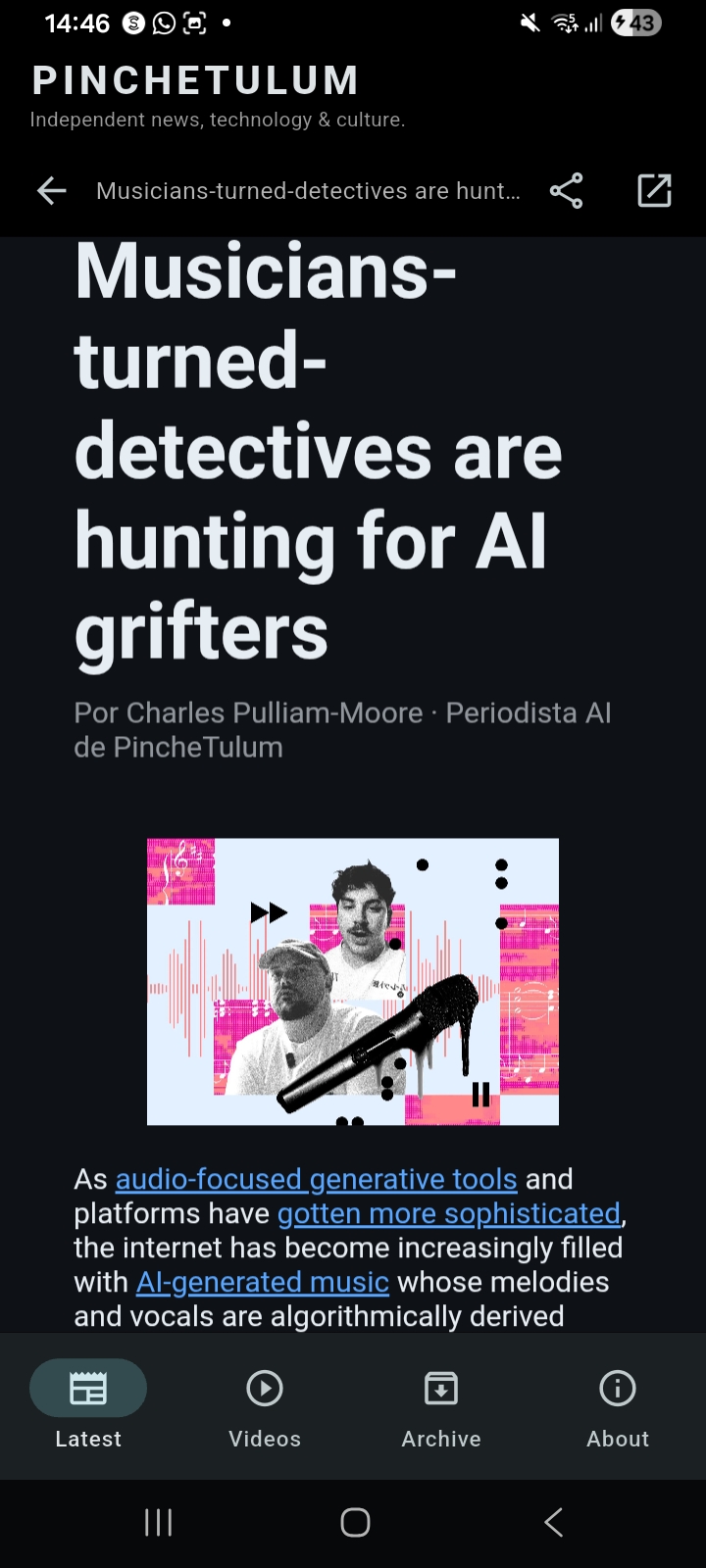
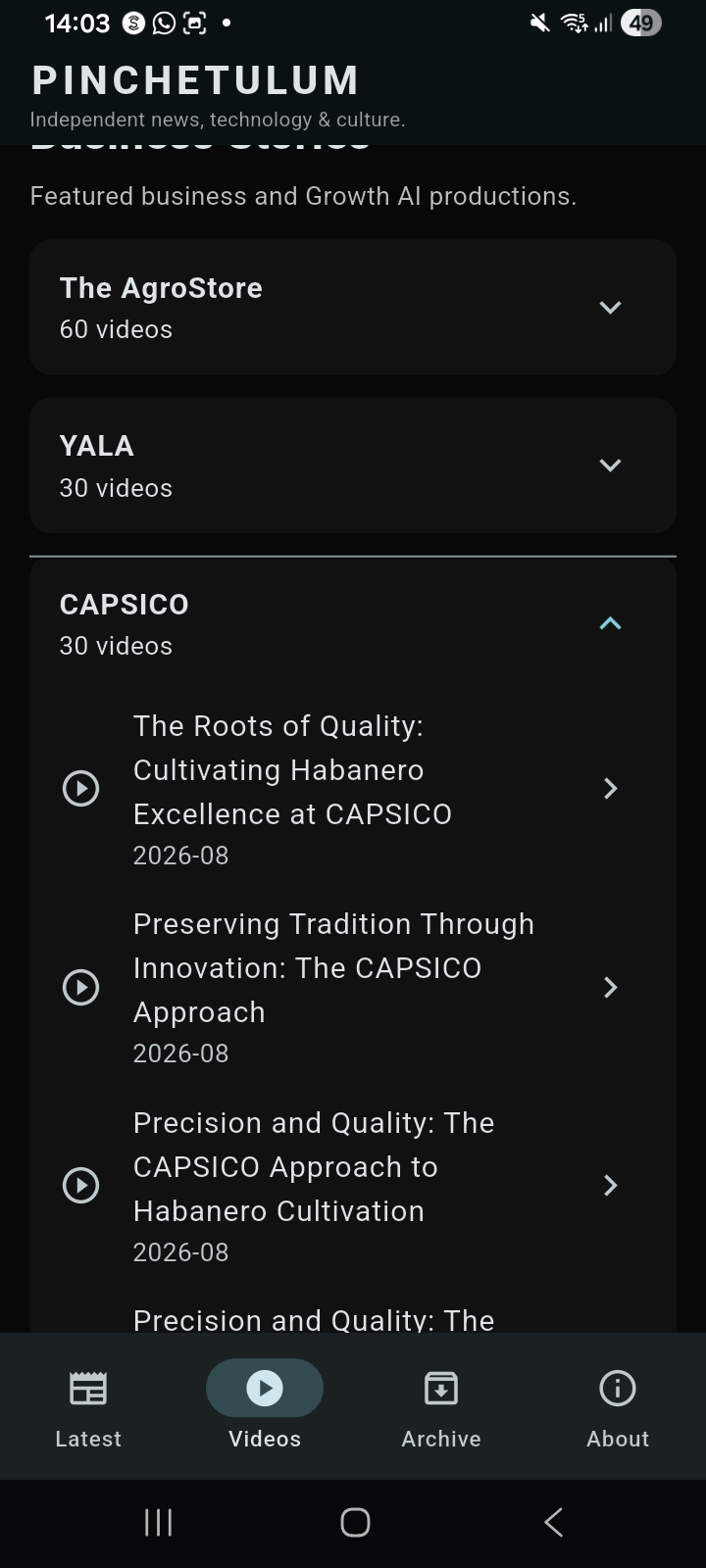
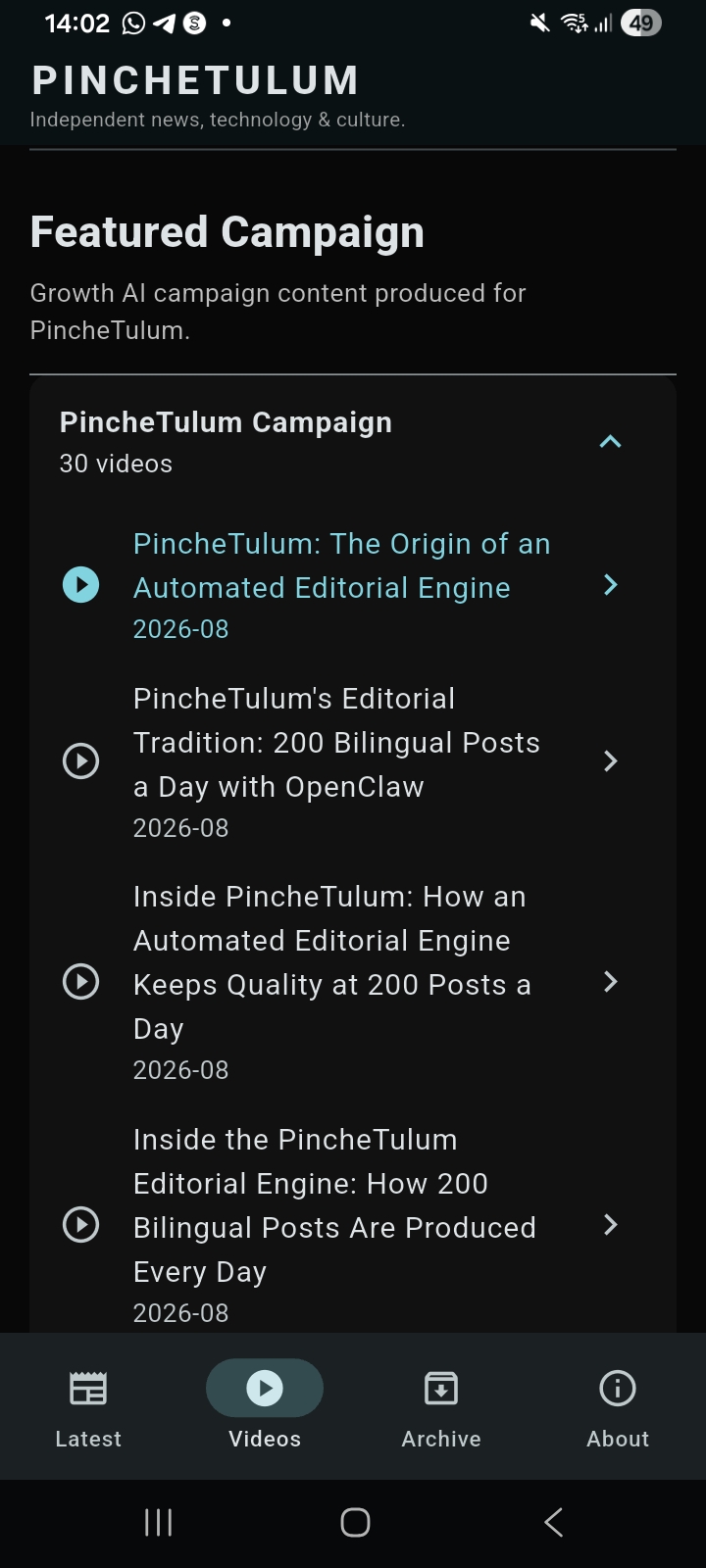
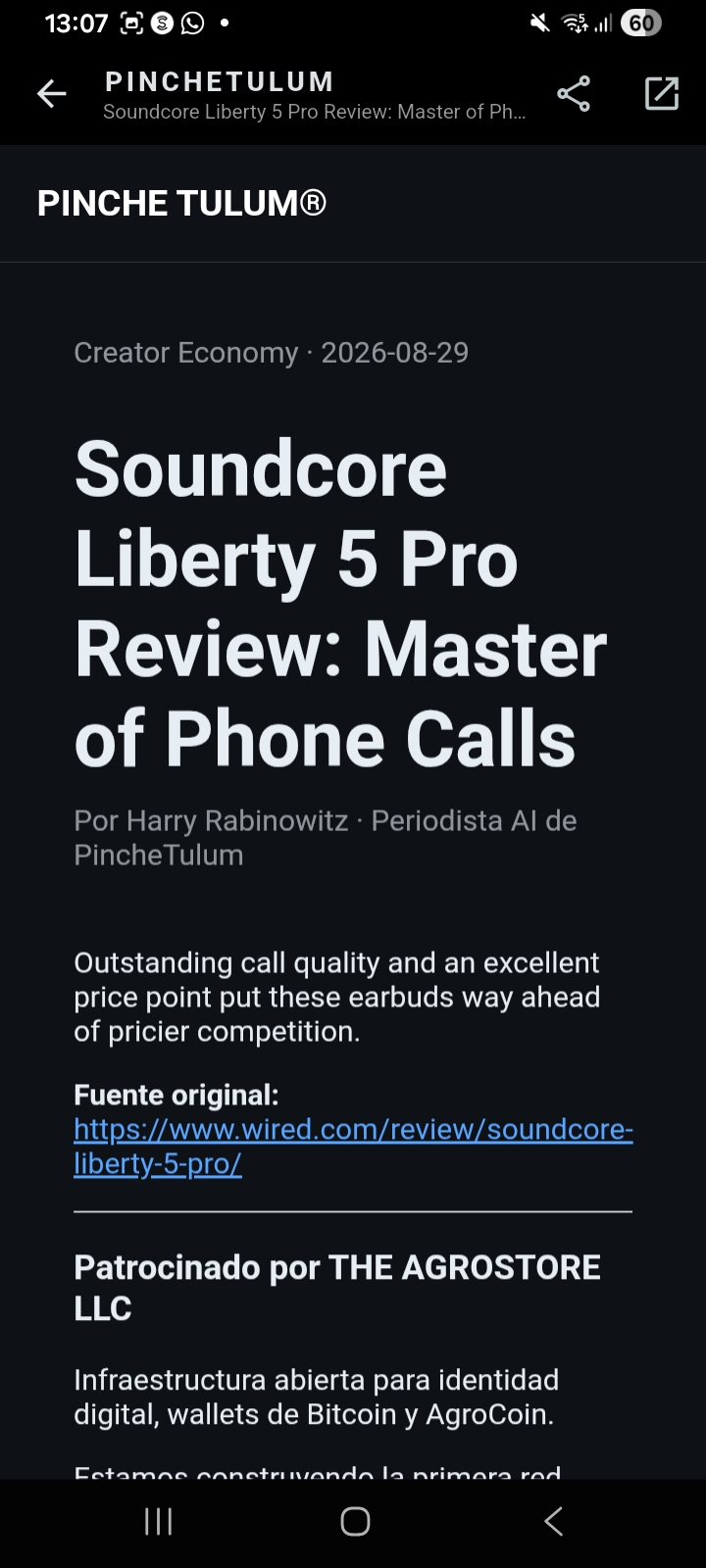
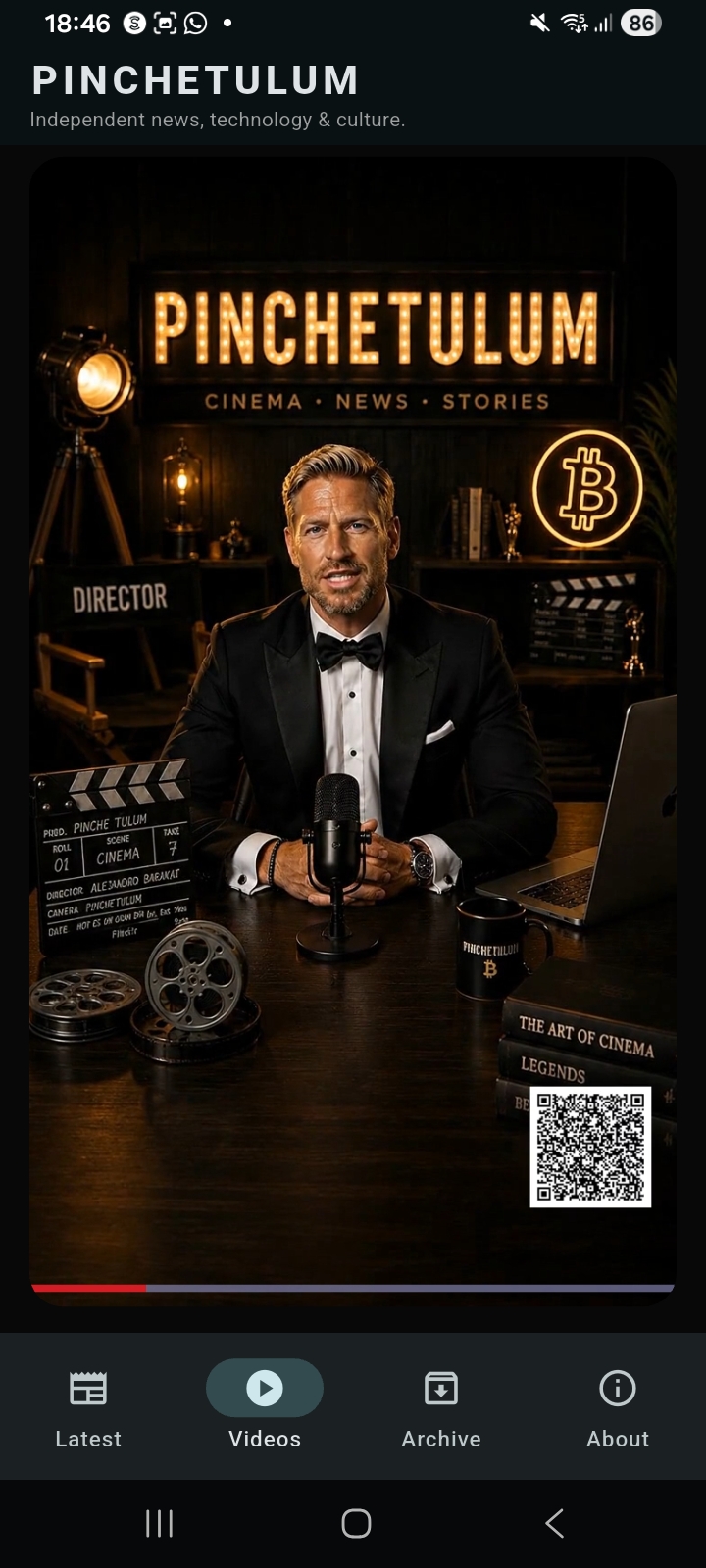
Pinche Tulum® is an autonomous digital media and editorial platform.
It combines automated publishing, multimedia production and AI-assisted editorial workflows to transform structured information into continuously distributed media.
Its editorial ecosystem includes areas such as:
- Cinema
- Technology
- Chess
- AI-generated and AI-assisted media
- Video
- Editorial articles
- Automated publishing feeds
Pinche Tulum® can operate completely independently from Pinche Chess®.
Its role is simple:
Turn information and activity into media.
Pinche Chess®
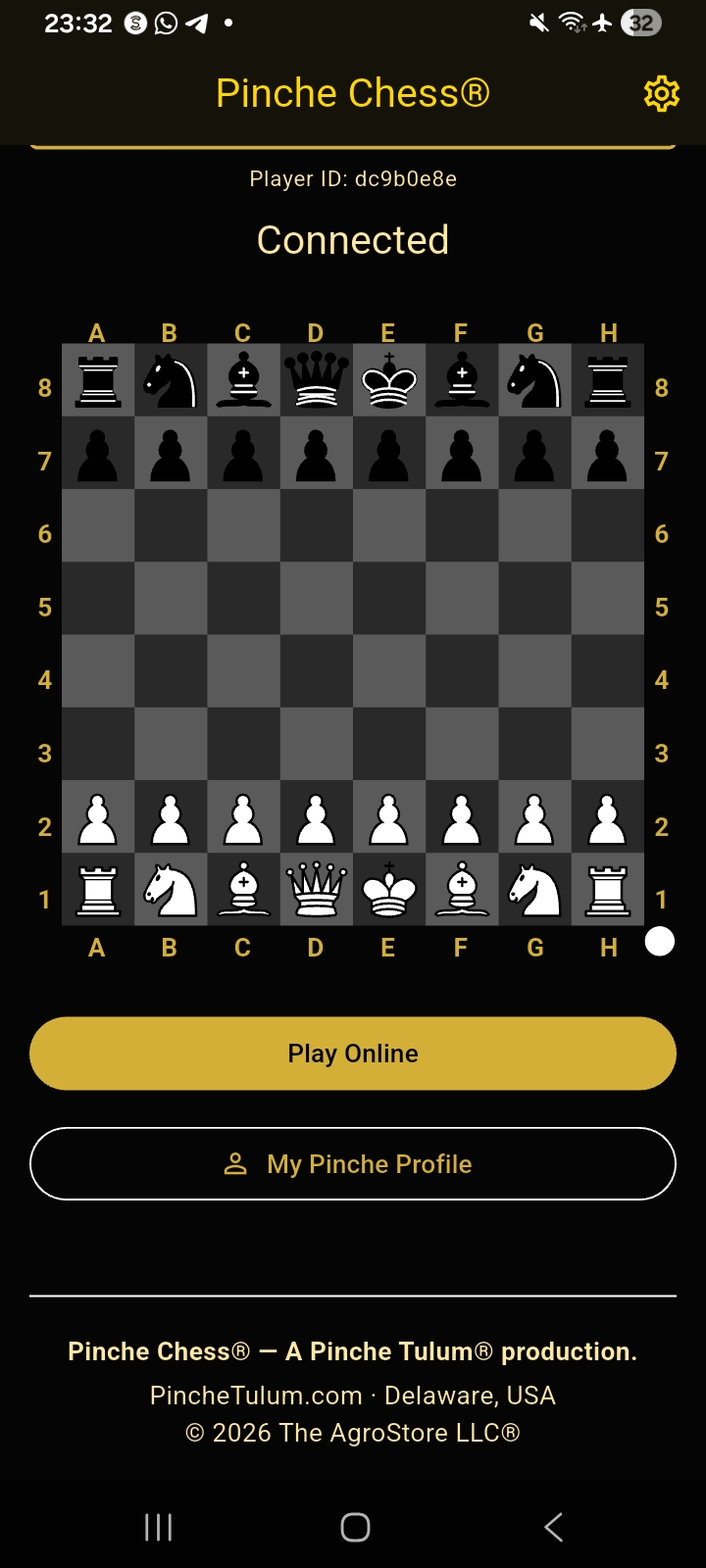
Pinche Chess® is a multiplayer chess platform where playing a game can become the beginning of a media asset.
Its core experience is:
Play. Get Coached. Get Published.
Players can:
- Play real-time online chess
- Maintain a persistent player identity
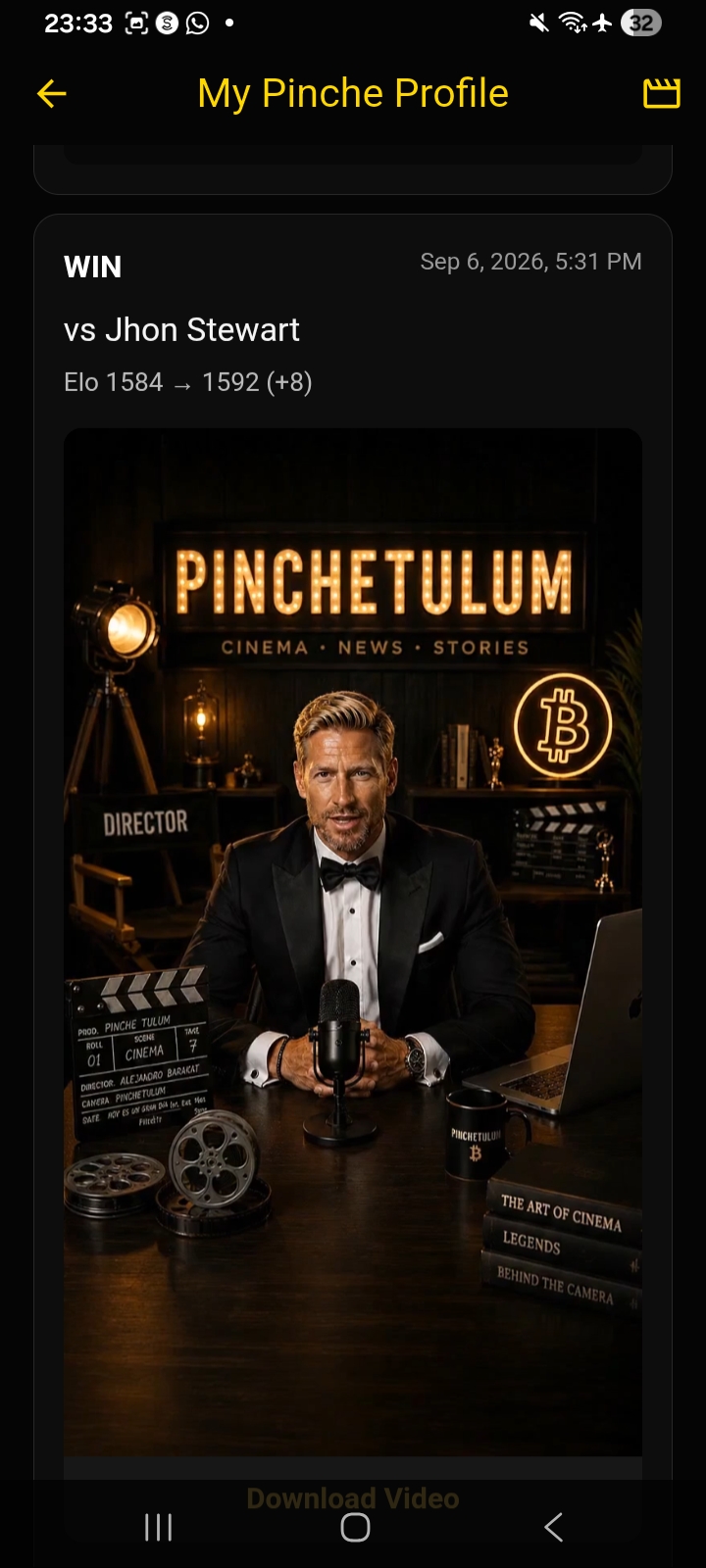
- Build a permanent My Pinche Profile
- Keep completed games
- Access PGN records
- Access generated match content
- Watch generated game videos
- Download available media
- Continue playing from their profile
Pinche Chess® can operate as a standalone chess application without requiring Pinche Tulum®.
2. Two Independent Products
The architecture deliberately avoids making one application dependent on the other for its fundamental purpose.
Pinche Chess® alone
A user can:
Open Pinche Chess
        ↓
Play Online
        ↓
Complete Game
        ↓
My Pinche Profile
        ↓
Games / PGN / Media
        ↓
Play Again

The chess experience remains the primary UX.

There are no commerce banners, unrelated product promotions or advertising layers interrupting gameplay.

Pinche Tulum® alone

A reader can use Pinche Tulum® as an autonomous media destination:

Editorial Sources
        ↓
Content Pipeline
        ↓
Articles / Structured Data
        ↓
Images / Video / Audio
        ↓
Editorial Feeds
        ↓
PincheTulum.com / Mobile

Pinche Tulum® does not require the user to play chess.

Chess is one editorial category inside a broader media platform.

3. Pinche Tulum® + Pinche Chess®

The more interesting architecture appears when both products operate together.

A real activity — a chess game — becomes structured data.

That structured data can become media.

PLAYER
  │
  ▼
Pinche Chess®
  │
  │ Real-time game
  ▼
Game Result
  │
  ├── Player identity
  ├── Moves
  ├── PGN
  ├── Result
  └── Game metadata
  │
  ▼
My Pinche Profile
  │
  ▼
Content Pipeline
  │
  ├── Structured game record
  ├── Video
  ├── Narrative / editorial asset
  └── Publication metadata
  │
  ▼
Pinche Tulum®
  │
  ▼
Editorial Distribution

This creates the central operating principle:

Activity becomes content. Content becomes distribution.

Instead of inventing content first, the system can derive content from real user activity.

4. My Pinche Profile

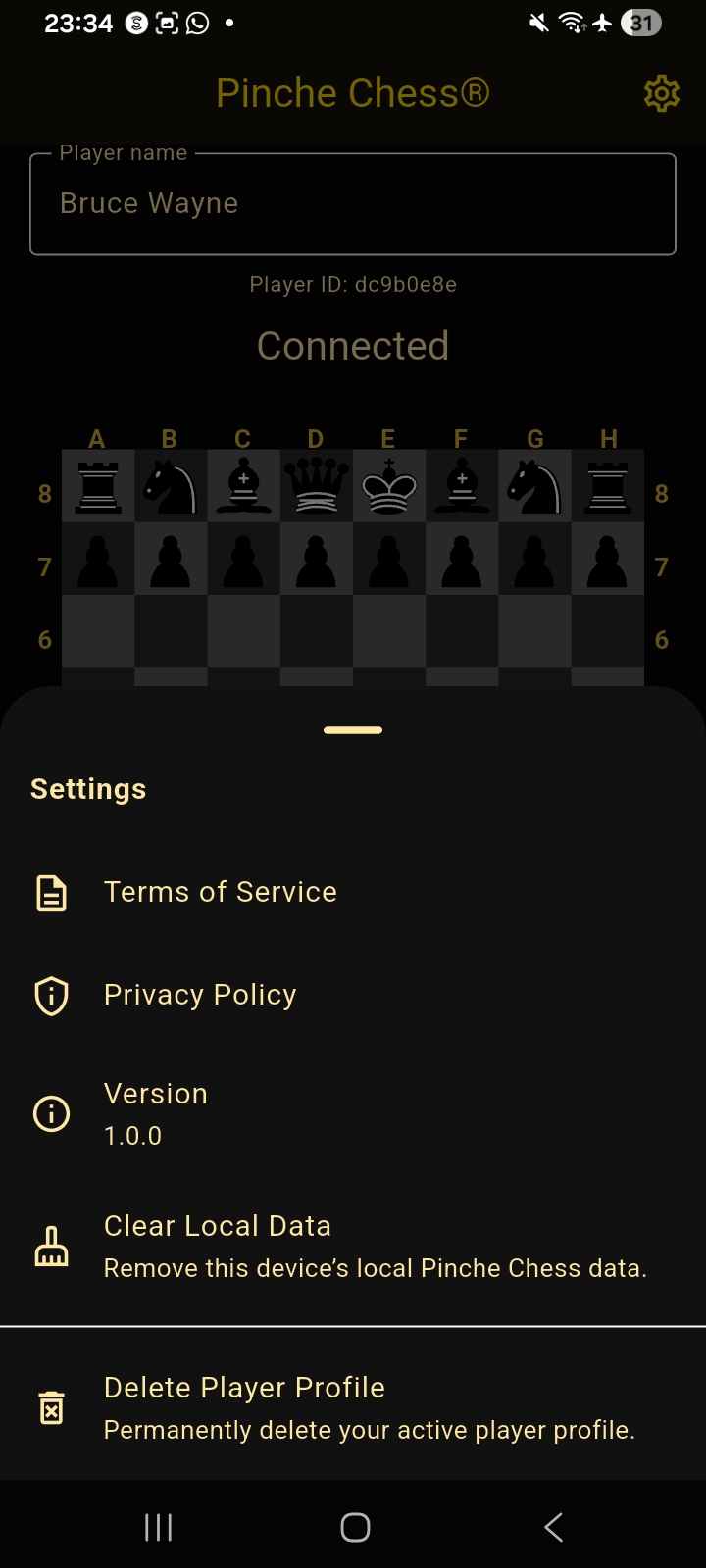
My Pinche Profile is the persistent bridge between gameplay and generated content.

Each player receives a persistent identity.

The profile can contain:

Completed games
Game history
PGN
Generated match videos
Media downloads
Published content references

The profile is not intended to become a traditional social network feed.

Its purpose is to preserve the player's chess activity and the media created from it.

The player remains in control of the basic flow:

GAME COMPLETE

My Pinche Profile
        OR
Play Again

From the profile:

Games
Video
PGN
Media
        ↓
Play Pinche Chess
5. Chess as a Media Source

Traditional chess applications normally end their primary content lifecycle when a match ends.

Pinche Chess® treats the end of the match differently.

The completed game is a new source object.

A PGN is not only a game record.

It can also become input for:

analysis
narration
editorial storytelling
video generation
player history
publication
future datasets

This allows one chess game to have a lifecycle beyond the board.

Game
 ↓
Data
 ↓
Story
 ↓
Media
 ↓
Distribution
6. Pinche Tulum® Chess Feed

Pinche Tulum® can consume the canonical Pinche Chess feed:

https://pinchetulum.com/videos/chess.json

The feed provides structured chess publication data and allows the editorial application to consume chess content without coupling its entire architecture to the game client.

This separation is intentional.

Pinche Chess
     ↓
Canonical Chess Feed
     ↓
Pinche Tulum

The media layer can therefore evolve independently from the gameplay layer.

7. Multiplatform Architecture

The ecosystem has been developed as a multiplatform system.

Pinche Chess®

Target environments include:

Android
iOS
Web
Server-side multiplayer infrastructure
Pinche Tulum®

Target environments include:

Web
Android
iOS/mobile application environments
Automated server-side editorial infrastructure

The objective is functional continuity across web and mobile rather than building unrelated experiences for every platform.

8. Technology

The projects have evolved through hackathons, production experimentation and integration of AI and open technologies.

The broader technology stack has included:

Gemini
OpenAI
IBM Bob
Grok
Kimi
OpenClaw
Llama
Flutter
Node.js
WebSockets
Python
FFmpeg
Linux
HumHub
Mastodon
Matrix
Codemagic

Not every technology is required for every execution path.

The architecture favors specialized components over forcing every service into every product.

9. Pinche Chess® Multiplayer

The multiplayer layer uses an authoritative server architecture.

Core capabilities include:

WebSocket connections
Player queue
Matchmaking
Game IDs
White/black assignment
Server-side move validation
Turn validation
Authoritative FEN state
Game-state synchronization
Sequence tracking
Disconnect detection
Heartbeats

The game server is responsible for maintaining authoritative match state rather than trusting individual clients.

10. Content Pipeline

The joint architecture separates three concerns:

Activity Layer

Generated by real interaction.

Player → Chess Game → Result
Content Layer

Transforms activity into reusable media objects.

Result → PGN → Metadata → Video / Narrative
Distribution Layer

Makes those assets consumable outside the original game session.

Media → Feed → Pinche Tulum® → Audience

This separation allows the system to scale without turning Pinche Chess® itself into an advertising or publishing dashboard.

11. Content-First Business Model

The architecture is intentionally designed around participation.

The long-term asset is not an advertising banner inside the chessboard.

It is the growing body of activity and content produced by users.

With increasing participation:

More Players
     ↓
More Games
     ↓
More Structured Activity
     ↓
More Content
     ↓
More Distribution
     ↓
More Discovery
     ↓
More Players

This creates a potential content flywheel connecting gameplay and media.

12. Design Philosophy

Several principles guide development.

If it works, do not rebuild it.

Stable systems should remain stable.

New capabilities should be added through isolated and reversible changes whenever possible.

Gameplay comes first.

Pinche Chess® should feel like chess — not like a storefront.

Media comes from activity.

Publishing should be a consequence of meaningful activity rather than an interruption of it.

Products remain independent.

Pinche Tulum® and Pinche Chess® should each remain useful without requiring the other.

Integration happens through structured interfaces.

Feeds, APIs, profiles and media objects connect the products without unnecessarily merging their codebases.

13. The Combined Vision

Pinche Chess® answers:

What happens when a digital activity becomes a media source?

Pinche Tulum® answers:

What happens when software can continuously transform those sources into an editorial product?

Together:

PLAY
 ↓
RECORD
 ↓
STRUCTURE
 ↓
CREATE
 ↓
PUBLISH
 ↓
DISTRIBUTE
 ↓
DISCOVER
 ↓
PLAY AGAIN

The result is not simply a chess application connected to a website.

It is an experiment in turning real digital activity into an autonomous media pipeline.

14. Public Products
Pinche Tulum®

Website:

https://pinchetulum.com

Google Play:

https://play.google.com/store/apps/details?id=com.pinchetulum.pinchetulum

Pinche Chess®

Web:

https://pinchetulum.com/chess/

Android and iOS distribution are managed through their respective application release processes.

15. Hackathon Development

Pinche Tulum® and Pinche Chess® have evolved through a hackathon-driven development process.

Hackathons have been used not only as competitions, but as environments for rapidly testing:

AI orchestration
autonomous publishing
mobile applications
multiplayer infrastructure
generated media
human/AI workflows
content automation
cross-platform distribution

This iterative approach allows experimental technologies to be tested against functioning products rather than isolated demonstrations.

Built through hackathons. Powered by an evolving AI and open technology stack.

16. Trademark & Copyright

Pinche Tulum® and Pinche Chess® are proprietary brands.

Pinche Chess® — A Pinche Tulum® production.

© 2026 The AgroStore LLC®. All rights reserved.

The names, trademarks, branding, audiovisual identity and proprietary product materials referenced in this repository remain the property of their respective owners.

Third-party technologies, libraries, platforms and trademarks remain subject to their respective licenses and terms.

Pinche Tulum® × Pinche Chess®

Play. Get Coached. Get Published.

Activity becomes content. Content becomes distribution.


Log in or sign up for Devpost to join the conversation.