-
-
-
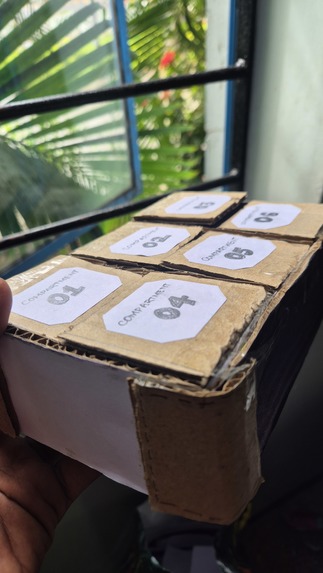
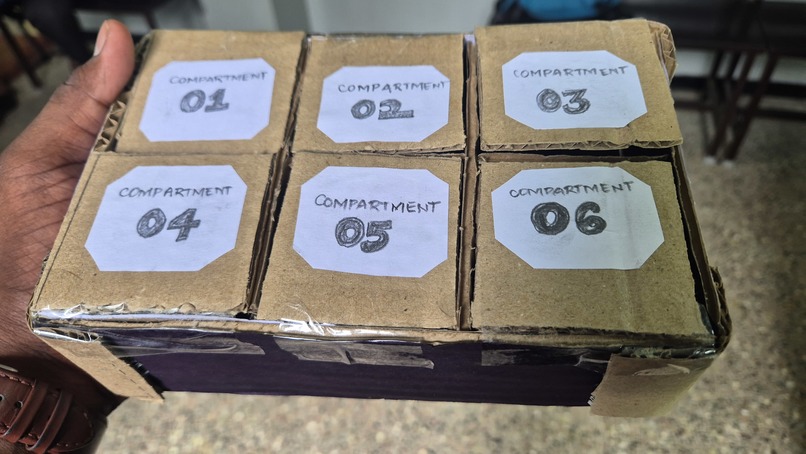
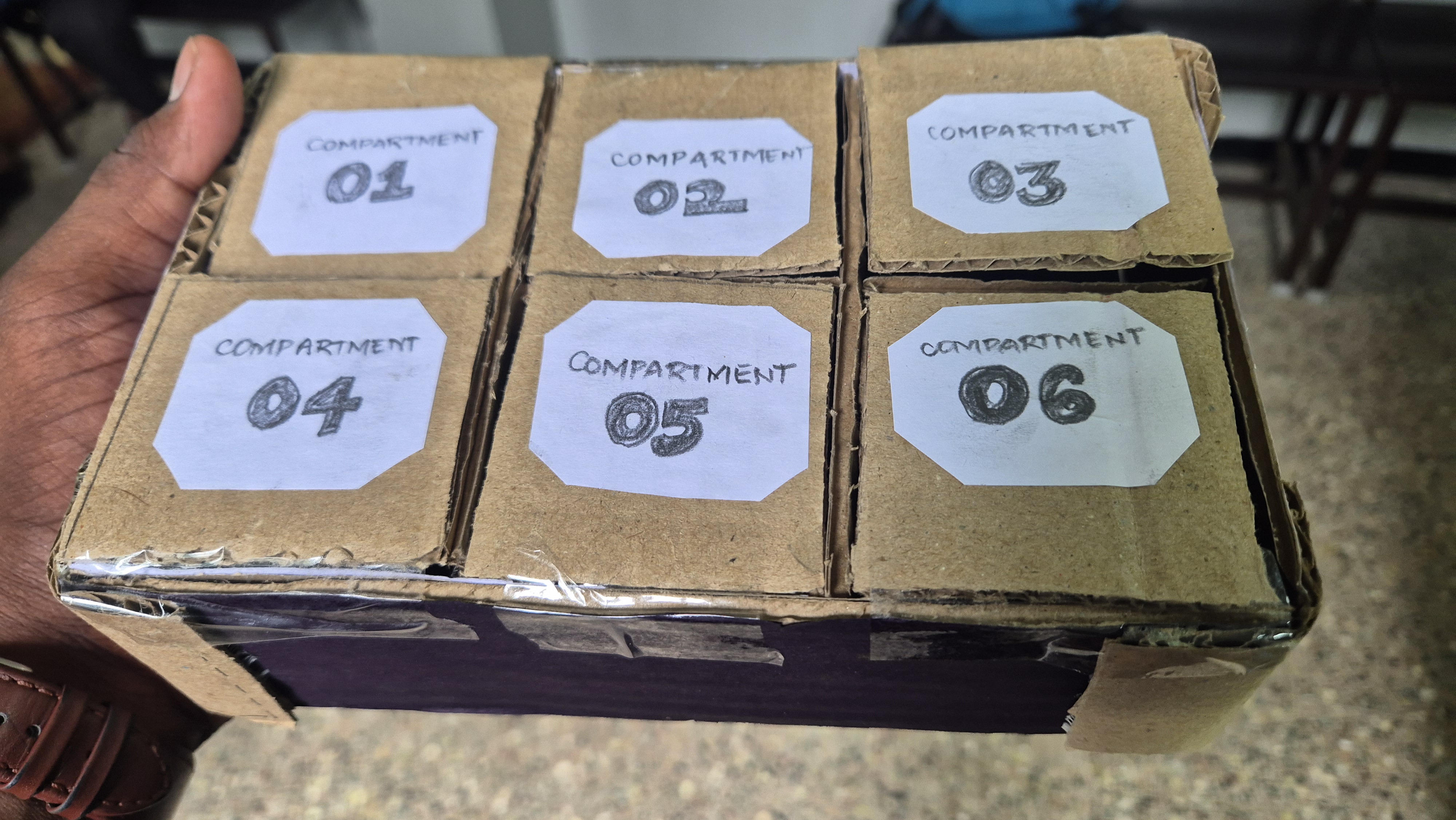
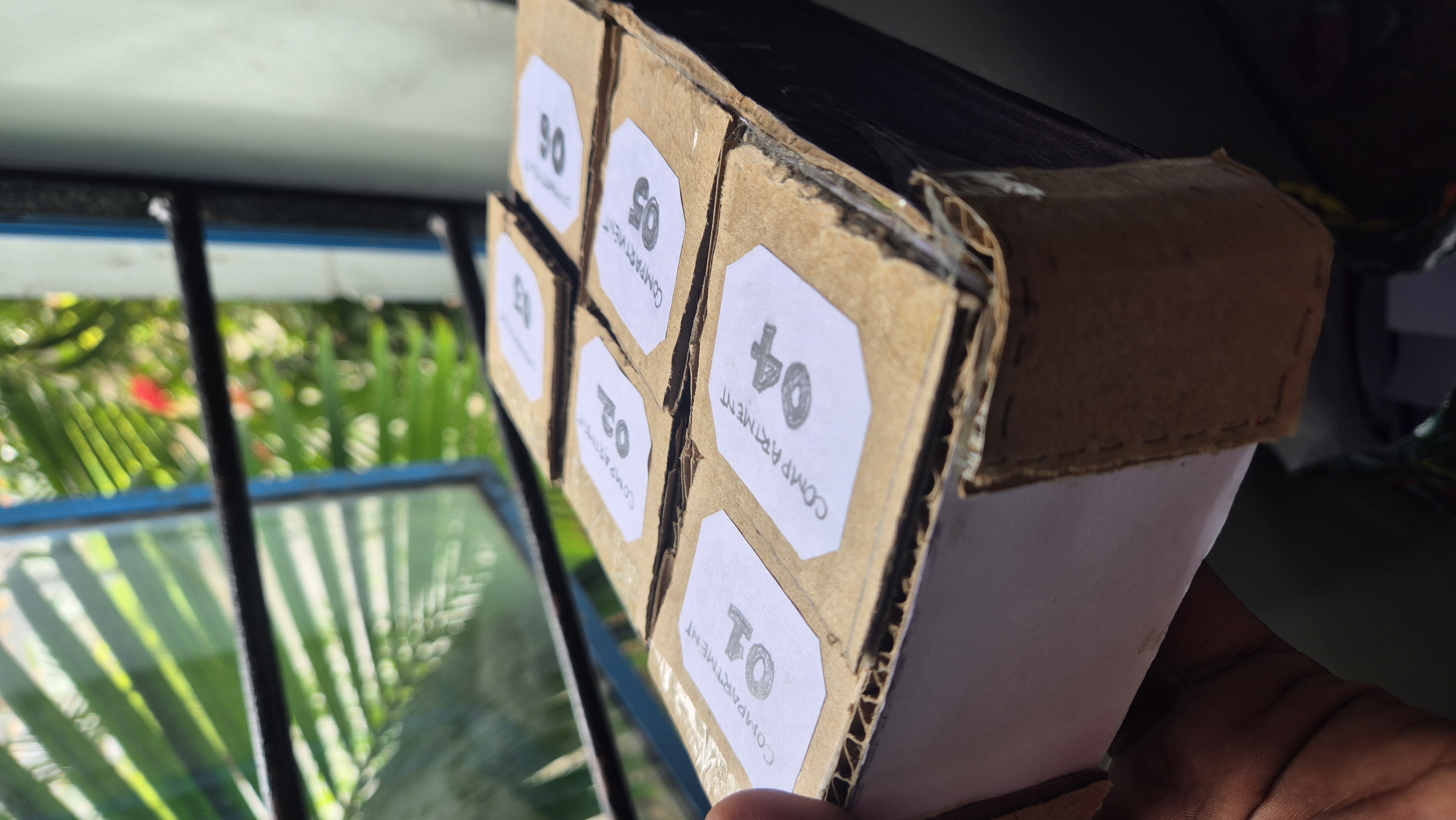
Model image
Inspiration
The inspiration for Pill Sentinel came from something very personal. In my own family, I watched elderly relatives struggle with their daily medications. Some of them would forget doses, some would take the wrong tablet, and others would accidentally repeat a dose because they couldn’t remember if they had already taken it.
Even though everyone was trying their best, the problem kept repeating because memory is not always in our control, especially with age or illness.
That moment made me realize something important: The problem wasn’t with the people — it was the system they were depending on.
Ordinary pill boxes are unintelligent. They have no timing. No restrictions. No feedback. Everything depends on the patient remembering correctly—even when their health condition makes that difficult.
This made me ask myself: What if the box itself could prevent the mistake? What if the system could guide the patient instead of expecting them to remember everything? What if technology could give independence back to people who feel dependent on others? That thought became the seed of Pill Sentinel. I wanted to build something that does more than just remind people—it should protect them, guide them, and ensure their safety, even when no one else is around. This project is not just a technical build for me. It is a way to solve a problem that I have seen affect people I love.
What it does
It Automatically unlocks only the correct compartment at the scheduled time, preventing access to the wrong medicines.
Tracks the weight of tablets using load-cell sensors to detect whether the patient took the correct number of pills.
Provides clear voice alerts such as "Please take one tablet" or warnings if the wrong number is taken.
Sends instant notifications to the patient's smartwatch or connected device when it is time to take a dose.
Displays medicine details (name, time, and dosage) on the LCD for easy understanding.
Prevents accidental overdosing by keeping all other compartments locked outside their designated time.
Allows only the pharmacist to refill the box, ensuring correct loading and avoiding user errors.
Creates a safer, more reliable medication routine, reducing c ion and increasing adherence.
How we built it
We created a block diagram that included:
Raspberry Pi 3B+ for processing and scheduling
RTC (DS3231) to maintain accurate time
Servo motors to lock/unlock compartments
Load cells + HX711 amplifier to detect pill weight changes
OLED/LCD display to show medicine details
Mini 3W speaker for voice alerts
Bluetooth module / Pi Bluetooth for smartwatch notifications
This design ensured the system could manage timing, access control, and user feedback simultaneously.
Challenges we ran into
Ensuring accurate weight detection, Synchronising timing between raspberry Pi and RTC Servo motor stability
Accomplishments that we're proud of
Making a fully automatic medicinal box
What we learned
Everything takes time and resource

Log in or sign up for Devpost to join the conversation.