-
-
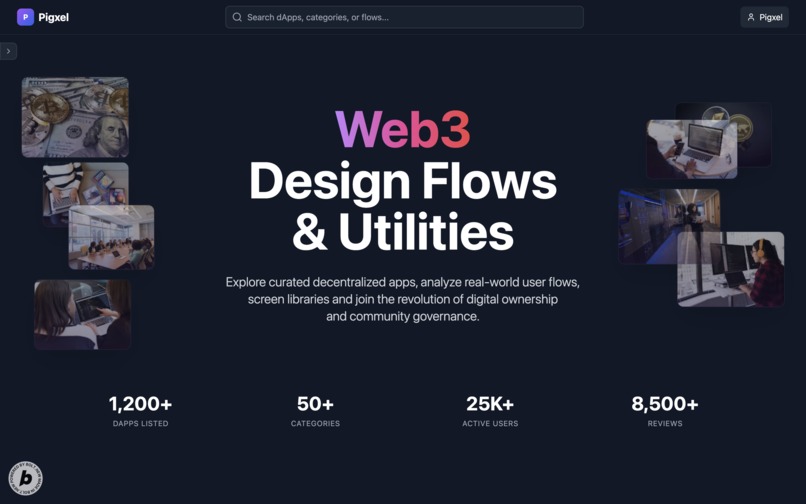
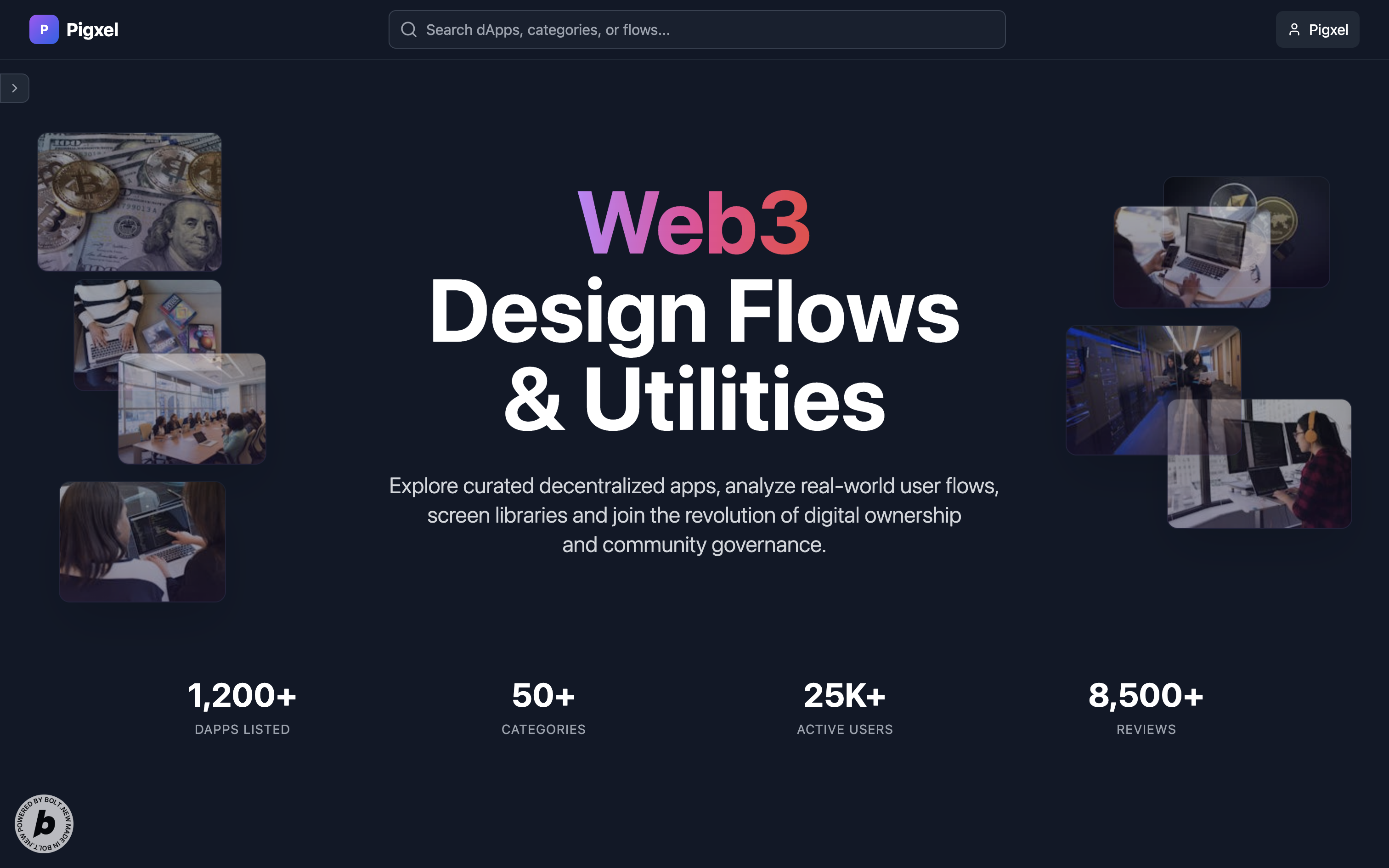
Homepage
-
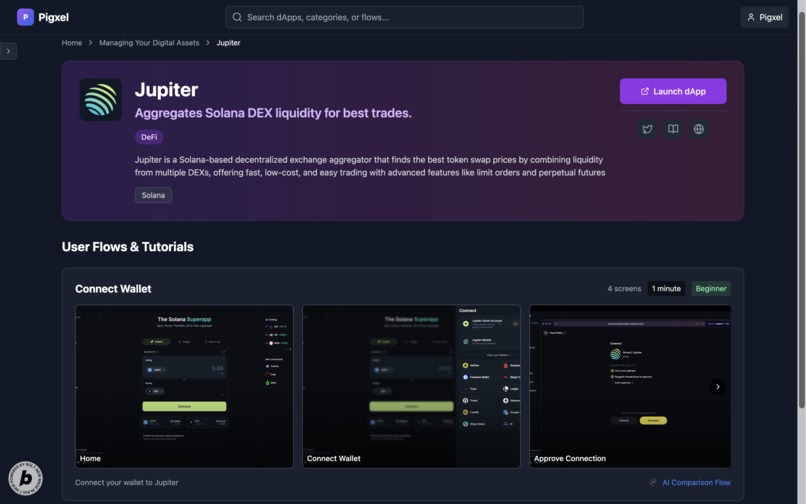
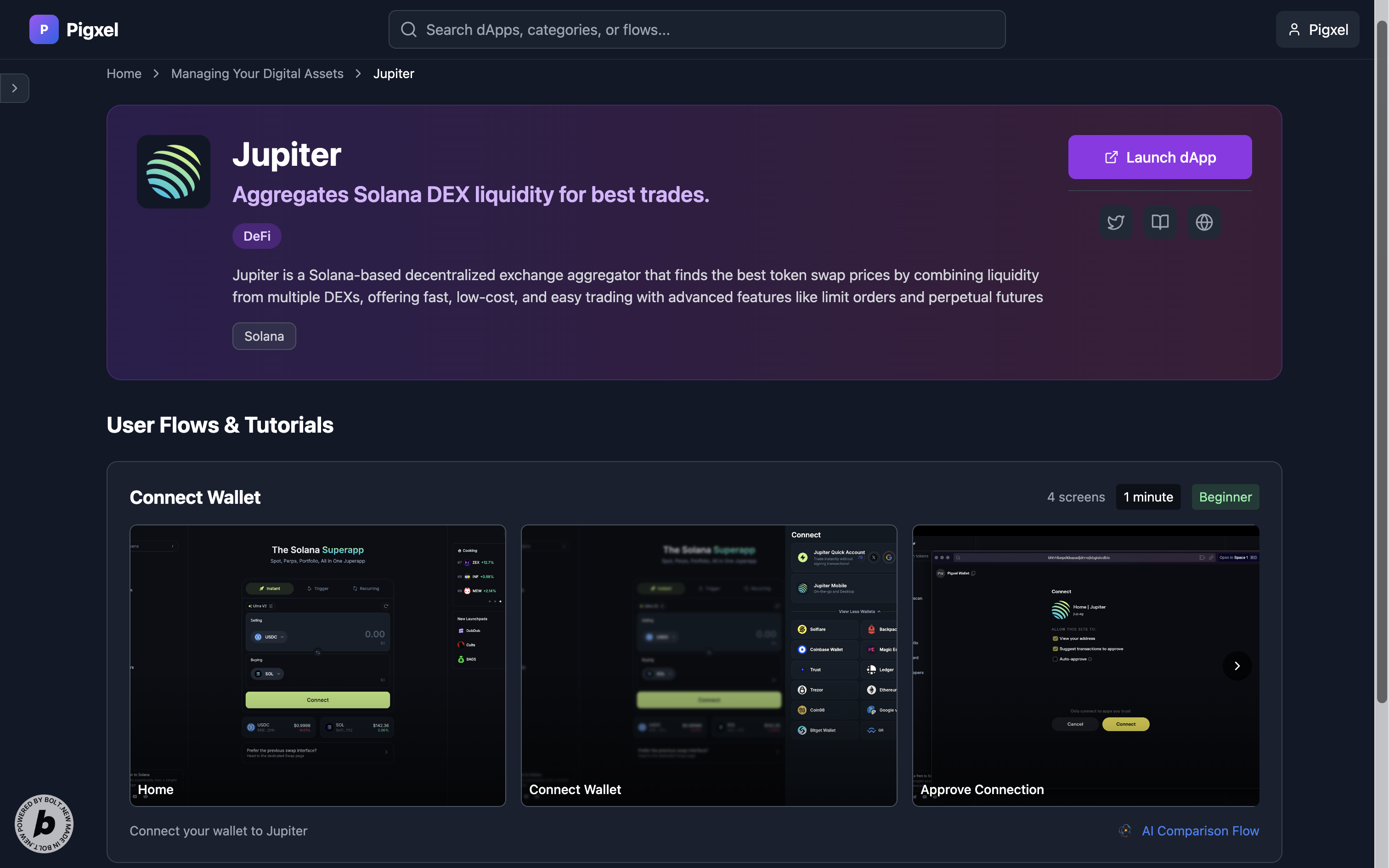
Design Flow libraries
-
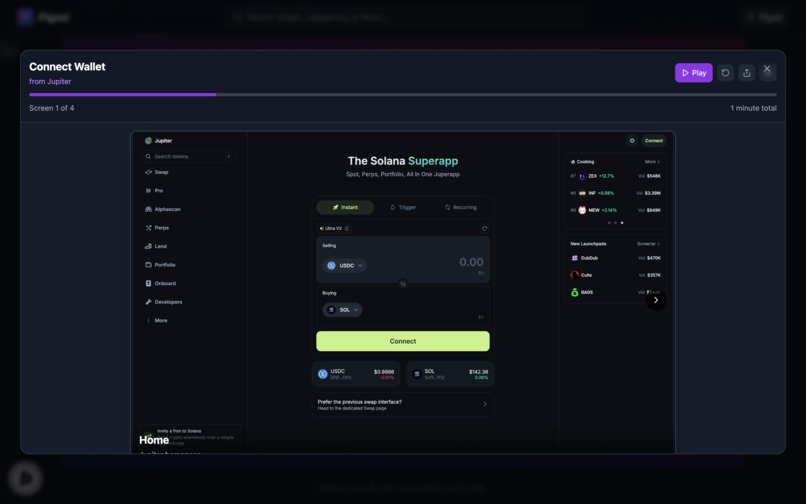
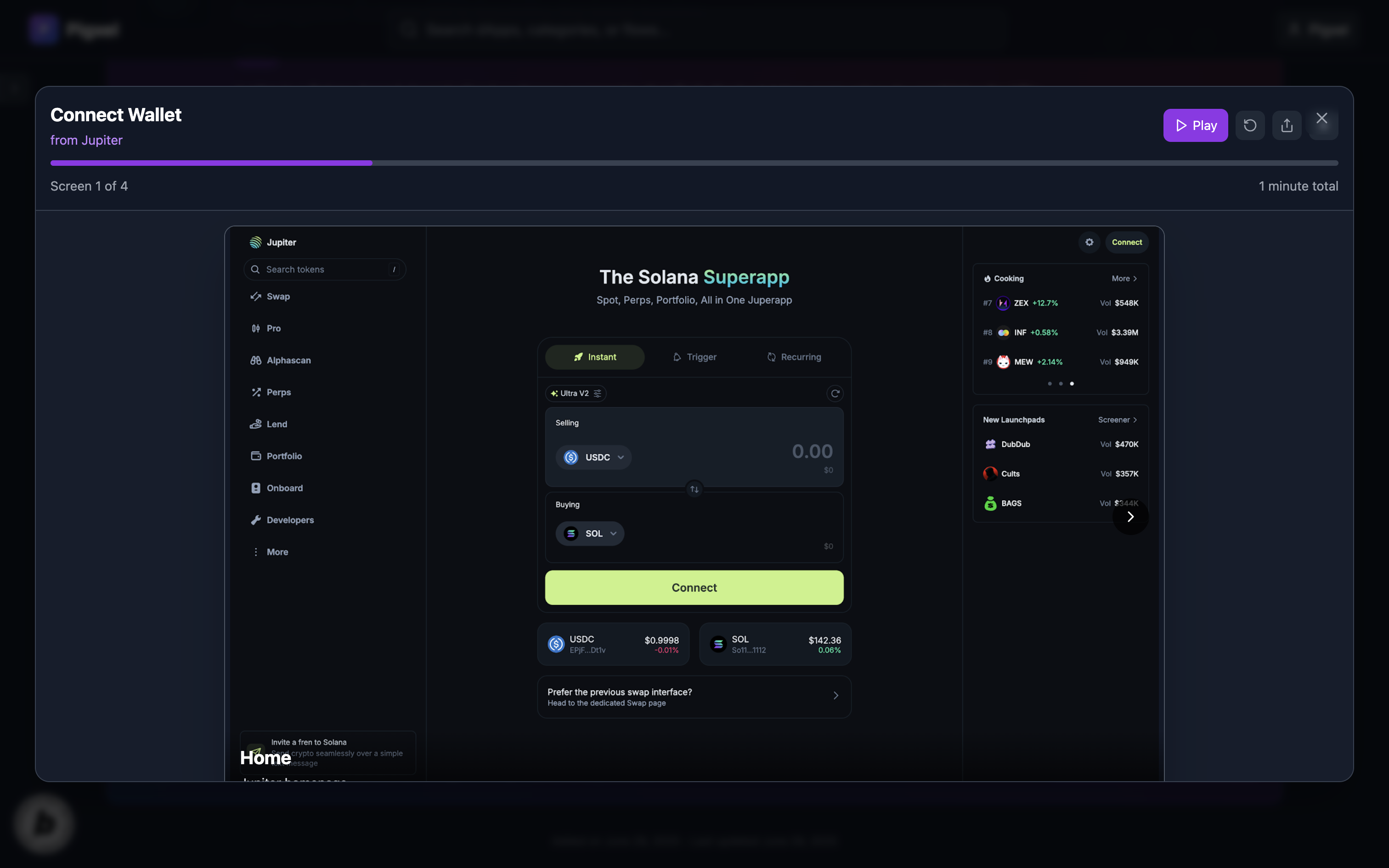
Screen libraries
-
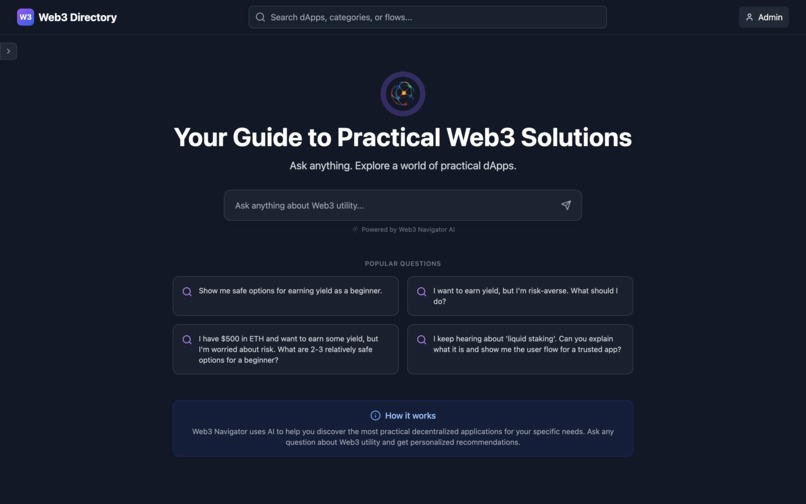
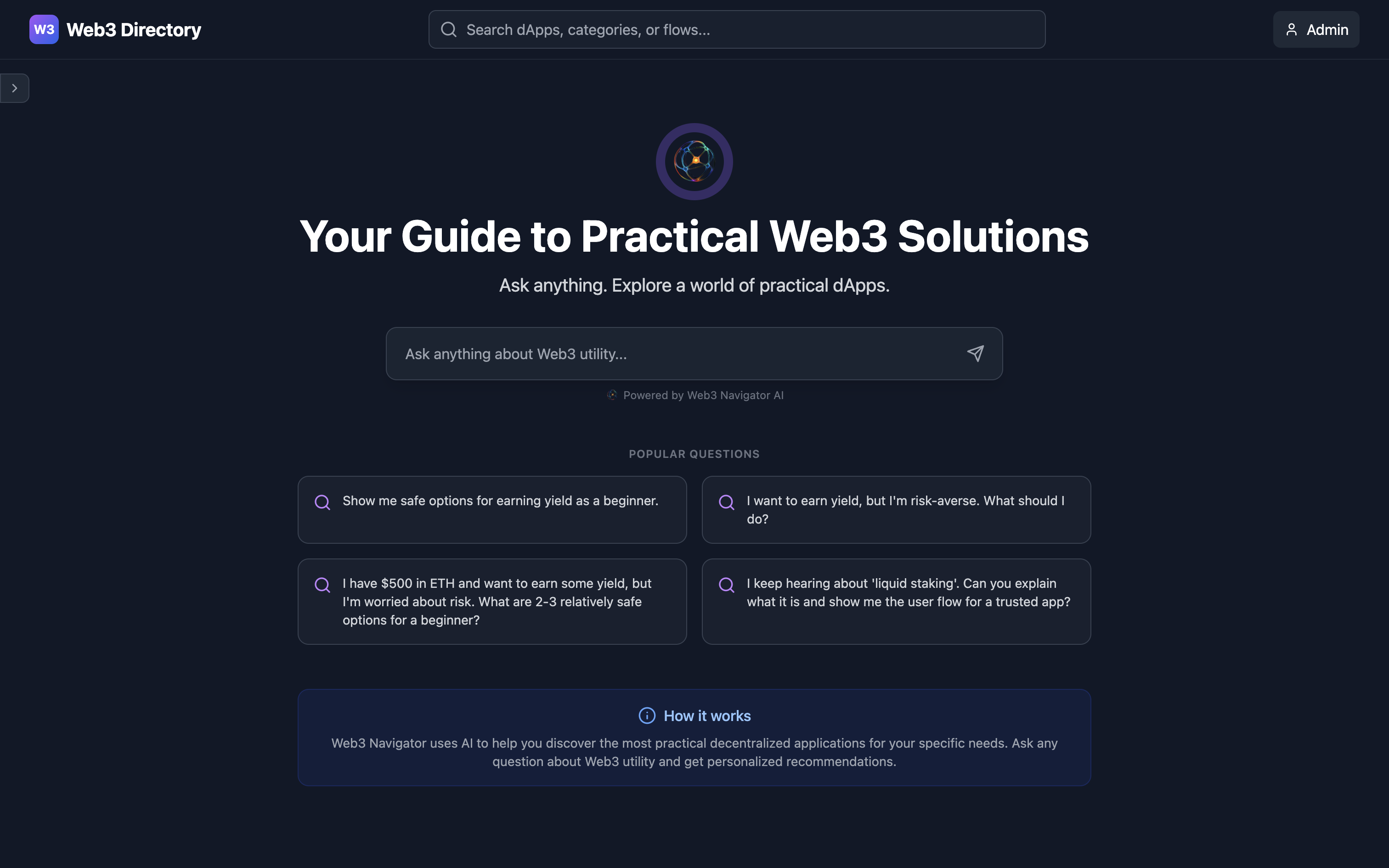
AI-powered research tools
About the Project
Pigxel is a Web3 Design Flows & Utilities platform that empowers UI/UX designers to create innovative Web3 experiences. We provide curated decentralized app (dApp) resources, real-world user flow analysis, and screen libraries, enhanced by AI-powered research tools. Our mission is to bridge the gap for designers entering the Web3 space by offering intuitive, specialized tools tailored to decentralized ecosystems.
Inspiration
The idea for Pigxel stemmed from a personal challenge: as UI/UX designers eager to explore Web3, we struggled to find accessible resources and tools to learn and create effectively. The crypto and Web3 world felt daunting and unfamiliar, with few platforms catering specifically to designers. We envisioned Pigxel as a solution—a Mobbin-like platform for Web3, providing a centralized hub for designers to study, analyze, and innovate within decentralized ecosystems.
What It Does
Pigxel supports designers transitioning into Web3 by offering a comprehensive directory of user flows from real Web3 applications, paired with AI-driven research tools. Think of us as a specialized Mobbin for Web3, enabling designers to explore curated dApps, analyze user flows, and access screen libraries to inspire and streamline their design process. Our platform empowers designers to create seamless, user-centric Web3 experiences with confidence and creativity.
How We Built It
We built Pigxel in under a week, leveraging the power of bolt.new to rapidly prototype and deploy our platform. This tool allowed us to move from ideation to a functional web application with remarkable speed, enabling us to focus on curating high-quality Web3 resources and integrating AI tools to enhance the designer experience.
Challenges We Ran Into
Building Pigxel in such a short timeframe was no small feat. Key challenges included:
- Rapid Development: Condensing ideation, design, and development into less than a week required intense focus and efficient collaboration.
- Web3 Complexity: Curating accurate and meaningful Web3 user flows demanded deep research into decentralized apps, which are often complex and poorly documented.
- AI Integration: Ensuring our AI research tools were intuitive and valuable for designers required careful iteration, despite time constraints.
Accomplishments That We're Proud Of
We’re incredibly proud of how quickly we transformed Pigxel from a concept into a functional web platform, ready for submission to a hackathon. The ability to ideate, build, and deploy a Web3-focused design tool in under a week showcases our team’s dedication and the power of modern development tools like bolt.new. We’re also thrilled to have created a resource that fills a real gap for designers entering the Web3 space.
What We Learned
Through building Pigxel, we learned:
- The importance of rapid prototyping and iterative design in fast-paced development environments.
- How to navigate the complexities of Web3 ecosystems to extract meaningful design insights.
- The value of AI in enhancing research workflows, particularly for designers new to decentralized technologies.
- Effective collaboration under tight deadlines, balancing creativity with technical execution.
What's Next for Pigxel
Moving forward, we plan to:
- Expand our dApp directory and user flow library to cover a broader range of Web3 applications.
- Enhance our AI tools to provide deeper insights, such as predictive design trends and automated user flow suggestions.
- Partner with Web3 communities and design platforms to grow our user base and refine our offerings.
- Iterate based on user feedback to ensure Pigxel remains the go-to resource for Web3 designers.
Built With
- ai
- bolt
- figma
- next-js
- supabase
- typescript

Log in or sign up for Devpost to join the conversation.