-
-
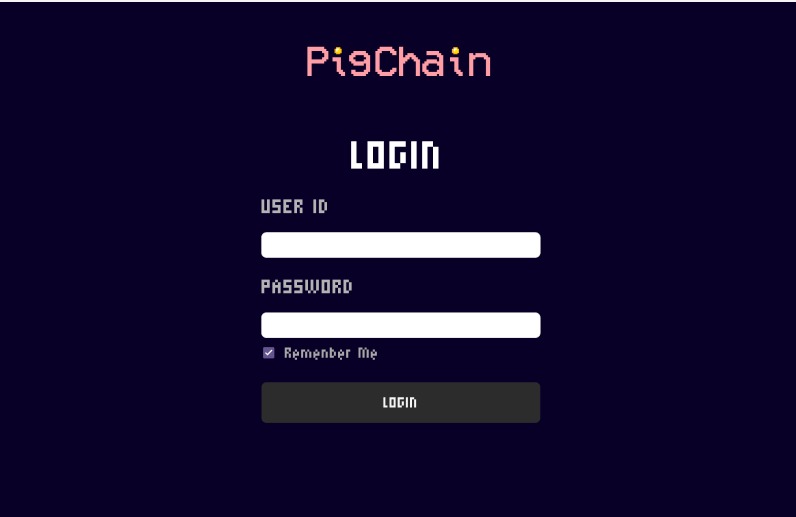
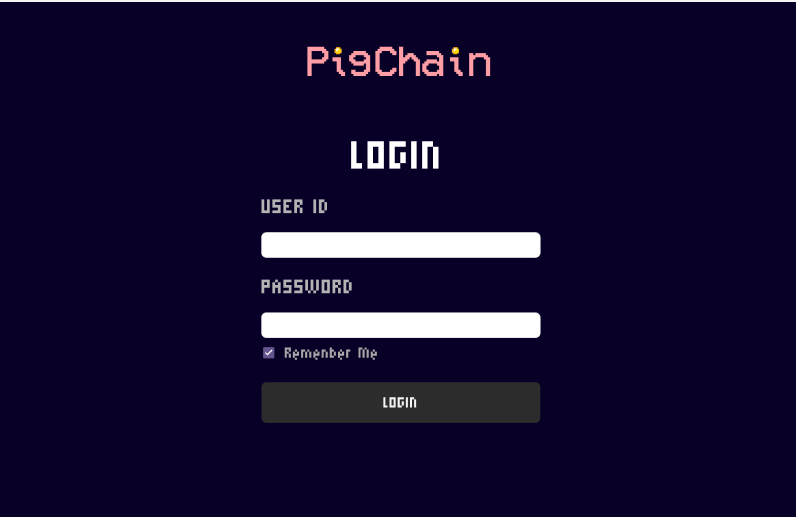
Welcome/Login Screen: Brand logo with authentication access
-
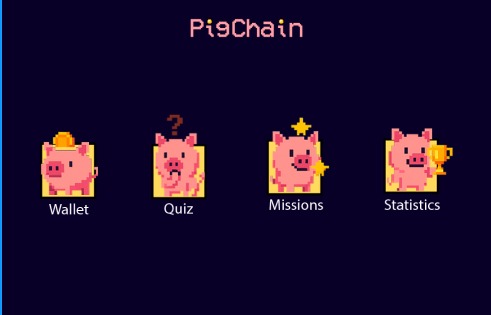
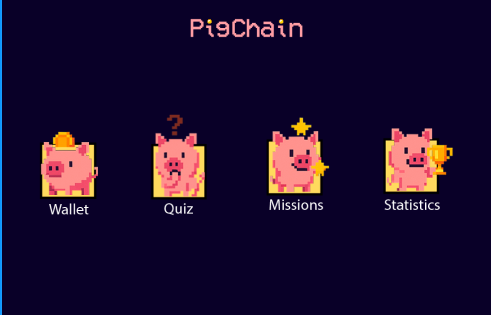
Screen choice: Wallet, Missions, Quiz, or Stats
-
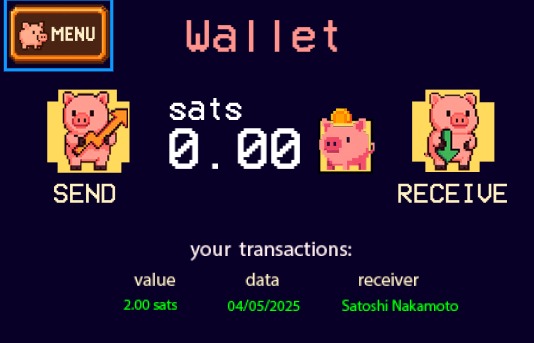
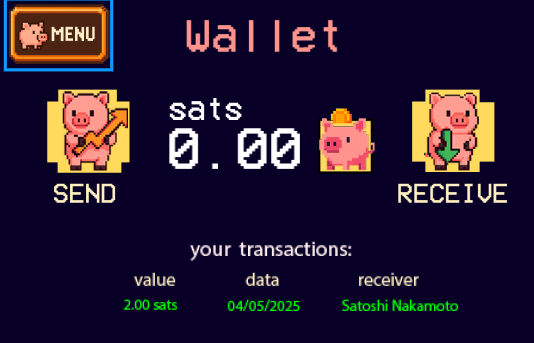
Wallet Setup Create a new wallet: Send or receive Satoshis and track your transactions.
-
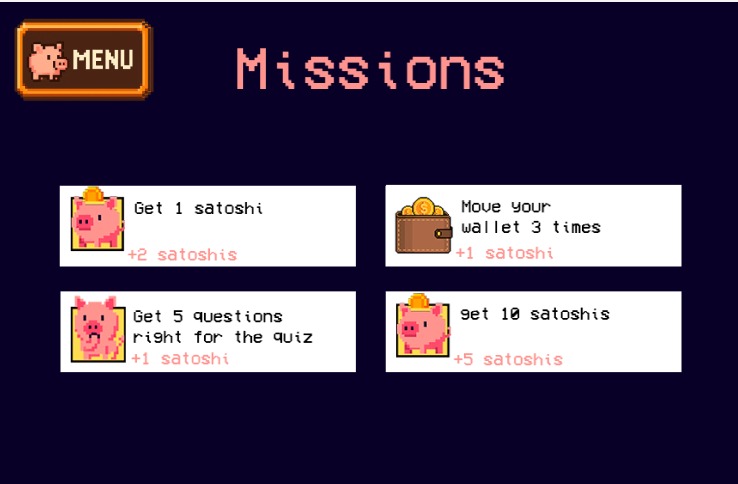
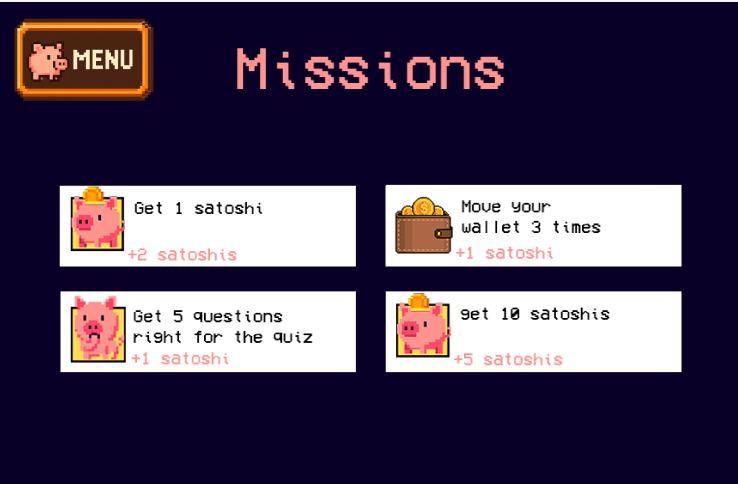
Complete missions to earn satoshis as rewards!
-
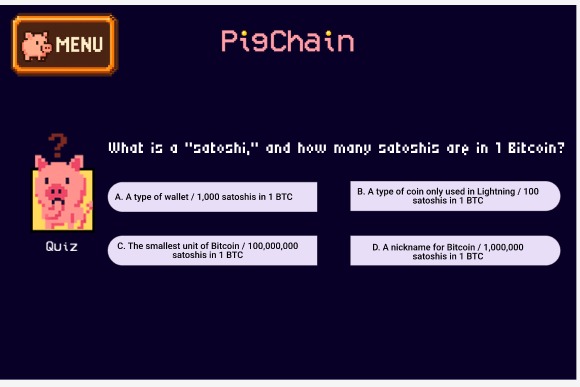
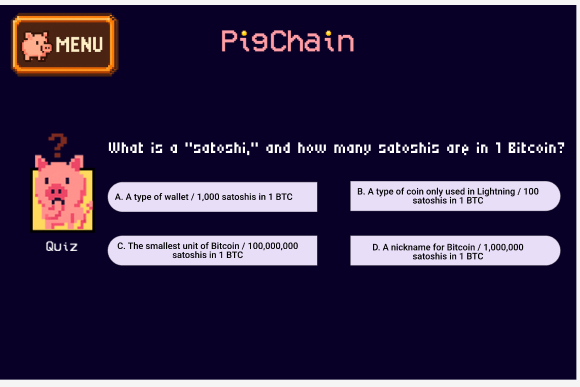
Answer finance, crypto & blockchain questions
-
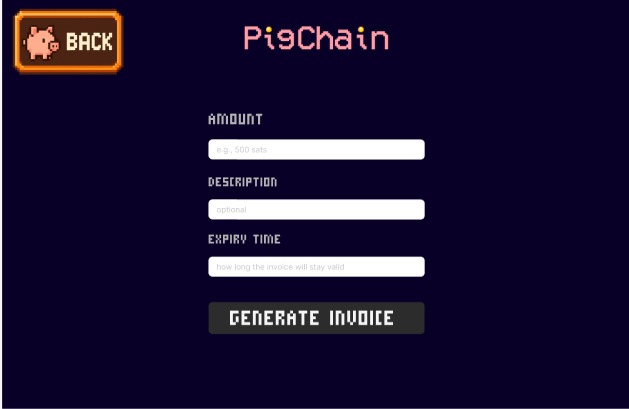
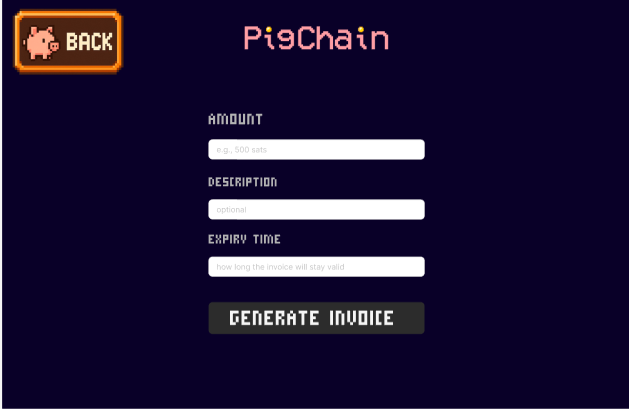
Generate a digital invoice recorded on the blockchain (e.g., PigChain), fraud-proof.
-
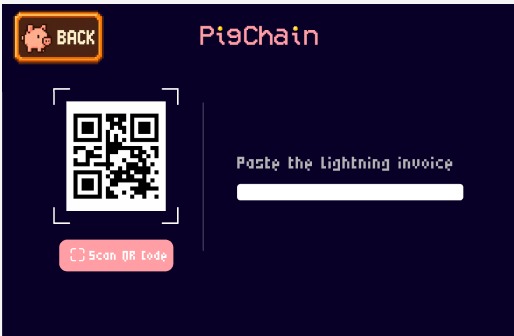
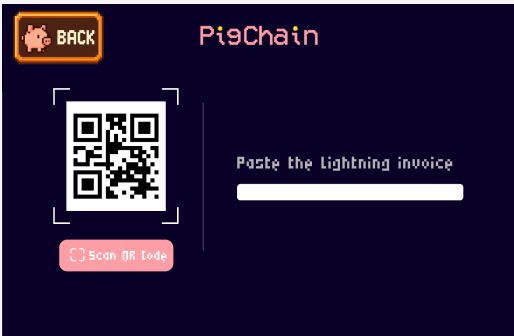
Send payment via the blockchain invoice
-
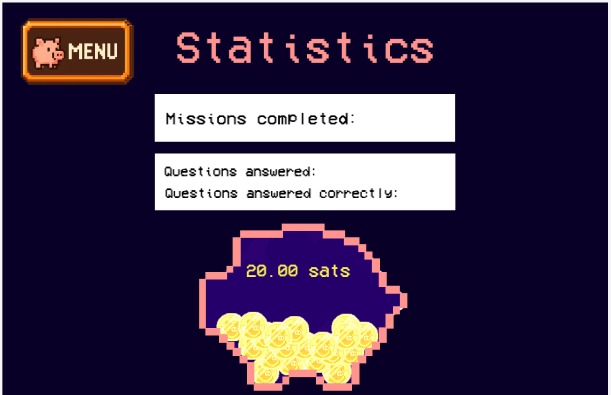
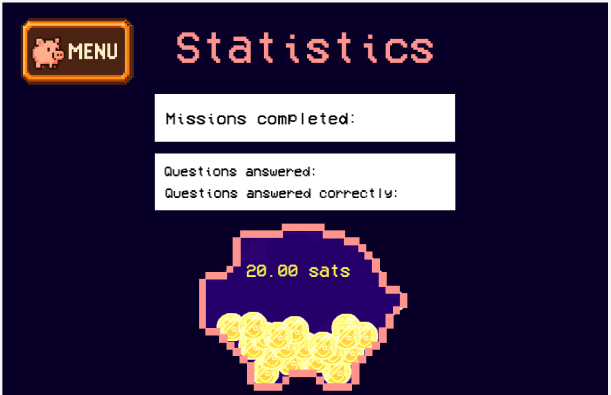
Analytics Dashboard: Track transactions and financial control
Presentation
Inspiration
When we entered the Free Spirit Hackathon without any blockchain experience, we discovered a frightening reality: Web3 is too complex for beginners. In the first 30 minutes, words like “smart contracts” and “wallets” seemed like another language - and we weren't alone!
Our survey of 102 young (Brazilian) people aged 16 to 25 conducted through Google Forms showed that:
45.6% of the total group work in technology, but only 11.8% invest in cryptocurrencies and 46.6% are afraid of cryptocurrencies because it's too complex.
But here's the bigger problem: the future will be decentralized. If we don't prepare the next generation now, millions will be left behind in the new digital economy!
That's why we created PigChain: the uncomplicated gateway to the Web3 world. PigChain empowers the next generation with financial freedom through decentralized education, teaching teens how to harness crypto and DeFi tools to break free from traditional financial barriers. By combining gamified learning with real Web3 applications—self-custody wallets, microtransactions via Lightning Network—we turn complex blockchain concepts into actionable skills, enabling young users to learn how to control their economic future without intermediaries. This isn’t just education—it’s liberation through technology, equipping youth to participate in a borderless, permissionless financial system.
We're turning complexity into curiosity - and making blockchain accessible to everyone!
Our features are aligned to the research results:
- 76.7% learn finance through social media (TikTok/YouTube) → We designed snackable <3min lessons;
- 56.3% would use a gamified learning app → Validated our Learn-to-Earn model.
What it does
PigChain directly addresses survey pain points:
- For the 67% who "don't understand investments": Interactive simulations with rewards
- For the 46.6% intimidated by crypto: Micro-earnings through lesson completion
How we built it
We implemented the LNBits tutorial with Voltage as our starting point, but quickly encountered real-world complexities. As complete blockchain beginners diving into this hackathon project, we struggled with LNBits' API integration - everything from authentication flows to transaction processing became a learning experience compressed into a single intense day of development.
Despite these challenges, we managed to build our initial PigChain prototype using React.js for the frontend framework and Tailwind CSS for responsive styling. We recognize there's significant work ahead to fully realize our vision.
What makes this especially promising is how much we accomplished given our complete lack of prior blockchain experience - and how much more we plan to achieve as we continue developing the platform. Our ambitions extend far beyond this prototype, with plans to implement live transactions, expanded wallet support, and our full tokenized learning model.
We have ambitious goals ahead:
Data-Driven Architecture:
- Prioritize mobile-first design (since 76.7% use social media for learning)
- Implement "confidence ramping" (addressing 46.6% crypto anxiety):
- Level 1: Custodial wallet tutorials
- Level 5: Non-custodial DeFi interactions
- Tokenomics modeled on survey engagement:
- 56.3% wanted app → High initial token velocity
- 35.9% hesitant → Built preview mode without wallet connect
- Adoption Friction: 7.8% rejected the concept → Add Web2 login bridge
- Content Depth: 15.5% learn from books → Create "Scholar Pig" NFT tiers for advanced learners
- Monetization: 49.5% lack funds → Designed gasless transactions for first 5 lessons
1️⃣ Lightning Network Integration Planned: Microtransactions via LNBits API. Reality: Only got testnet payments working after 18h of debugging (mainnet timed out). Lesson: Blockchain’s "easy APIs" aren’t beginner-friendly.
2️⃣ Full Wallet Connectivity Planned: MetaMask + Lightning wallets. Reality: Prototype uses mock transactions (no live signatures). Why?: Security audits need more time than a hackathon allows.
3️⃣ Tokenomics on Testnet Planned: Live $PIG token rewards. Reality: Simulated balances only (Solidity contract delayed).
How We Adapted ✔ Pivoted to "Preview Mode" → 35.9% of hesitant users can try without crypto. ✔ Fake Data, Real UX → Interactive demos mimic blockchain (see: video demo at 2:15). ✔ Focused on Education First → Prioritized bite-sized lessons over unfinished features.
Challenges we ran into
The fundamental obstacle was our lack of technical expertise in Web3 development. While we were deeply fascinated by blockchain technology and meticulously planned every conceptual stage of our decentralized application, this knowledge gap ultimately prevented us from delivering the low-fidelity MVP we originally envisioned.
What we did accomplish: • Made our best effort to implement the hackathon's provided tutorial • Established some crucial blockchain infrastructure knowledge that will accelerate our future development
Though we couldn't fully realize our decentralized application prototype, this experience gave us something equally valuable - a clear roadmap of the Web3 competencies we need to develop and the determination to keep building.
Accomplishments we're proud of
✅ Proved Product-Market Fit: 56.3% immediate interest ✅ Solved Key Pain Points: We will reduce "crypto fear" ✅ Innovative Engagement: 76.7% social media learners → Built shareable NFT progress cards
What we learned
Through this project, we gained practical experience with core Web3 tools and concepts: • Created and configured a Voltage account • Developed working knowledge of LNBits operations • Expanded our Python skills in a blockchain context • Most importantly, developed a deeper understanding of Web3 fundamentals and decentralized application architecture
What's next for PigChain
1 - Minimum Viable Product (MVP) - 0-6 months: 3 educational modules (Bitcoin, Stablecoins, Security); MetaMask & Lightning wallet integration; NFT completion certificates (Polygon).
2 - Engagement & Growth - 6-12 months: Learn-to-Earn model ($PIG token on testnet); Basic gamification (rankings & badges); Partnerships with 2-3 wallets (e.g., Phantom, Xverse).
3 - Controlled Expansion - 12-18 months: Localization (Spanish, Portuguese); Advanced courses (DeFi, DAOs); Ambassador program.
4 - Sustainability - 18-24 months: PigDAO ($PIG token governance); Paid tutoring system; Mainnet integrations (Optimism, Bitcoin).
Check our Research
It was originally conducted in Brazilian Portuguese.
https://docs.google.com/spreadsheets/d/14GVubOOEjypDJIv6Yqzat3cDbHe5ZzxWsIZ5RtN3op0/edit?usp=sharing
Built With
- blockchain
- figma
- lnbits
- python
- react
- tailwind


Log in or sign up for Devpost to join the conversation.