-
-
Logo
-
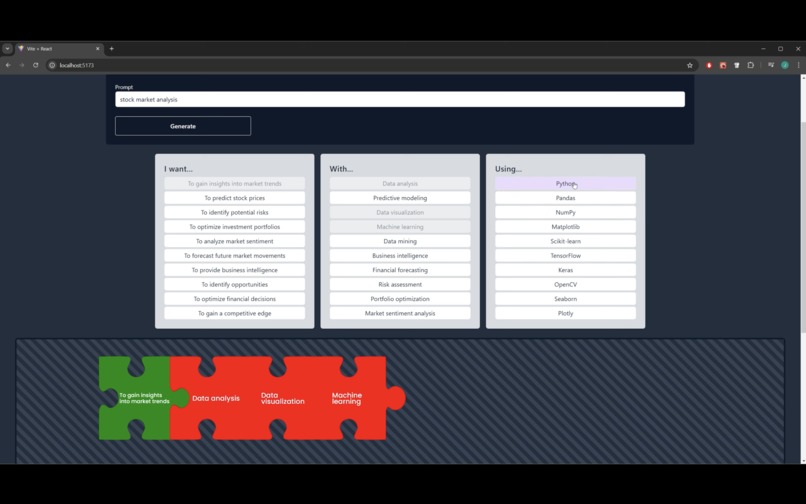
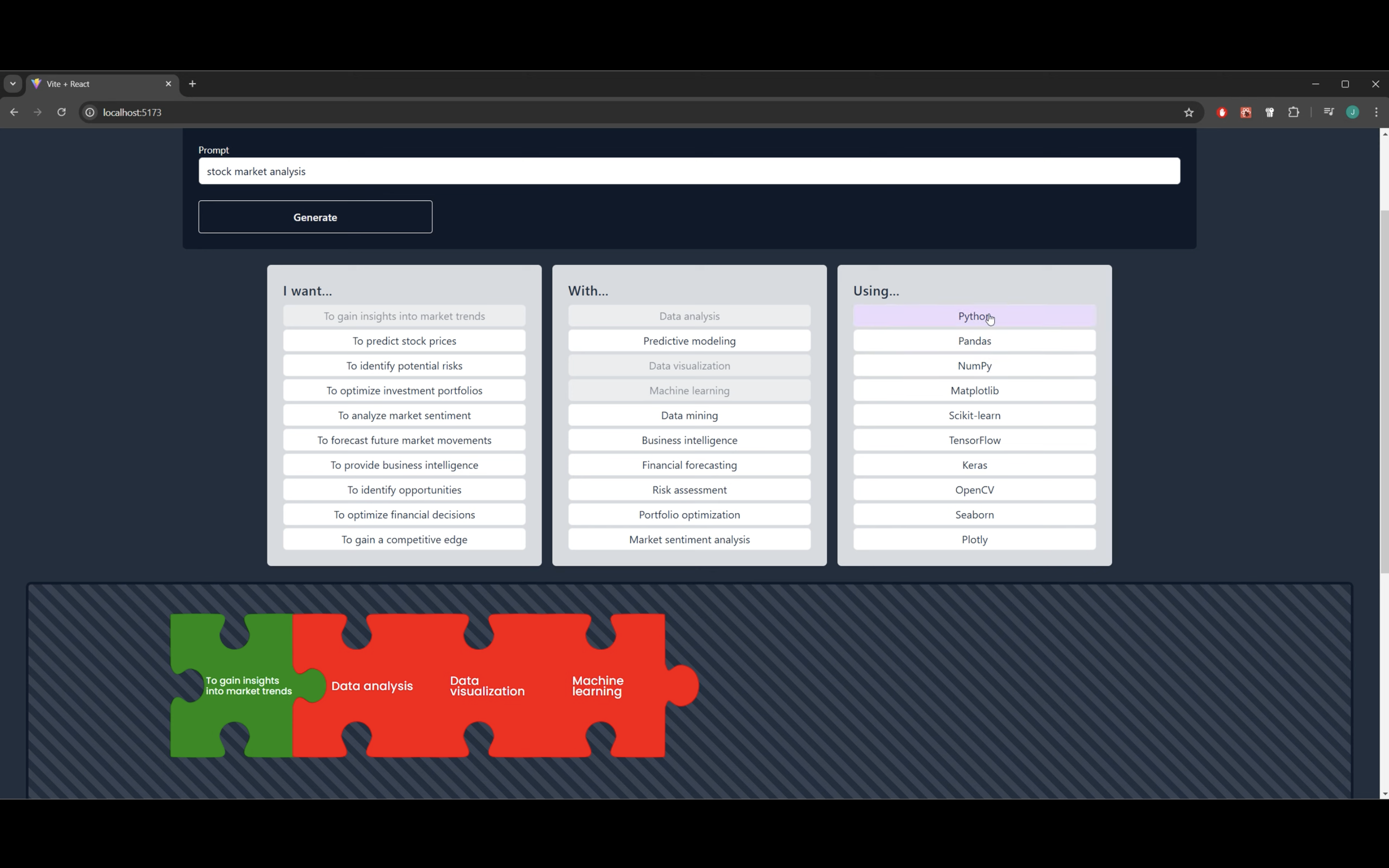
Interactive UI
-
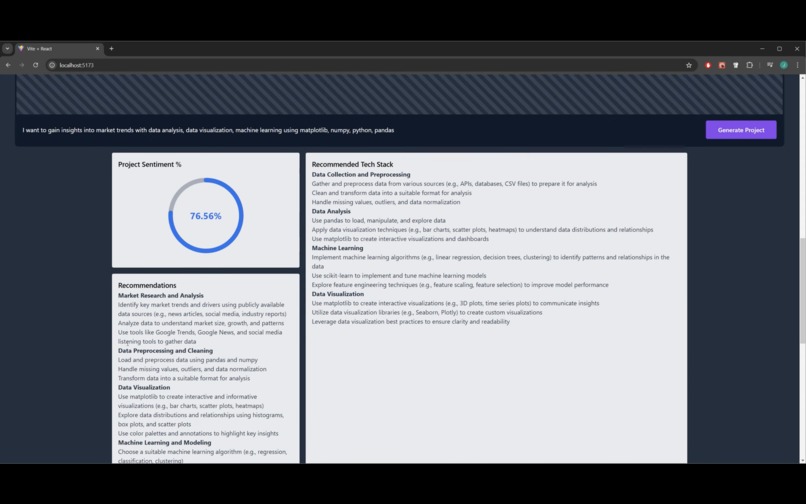
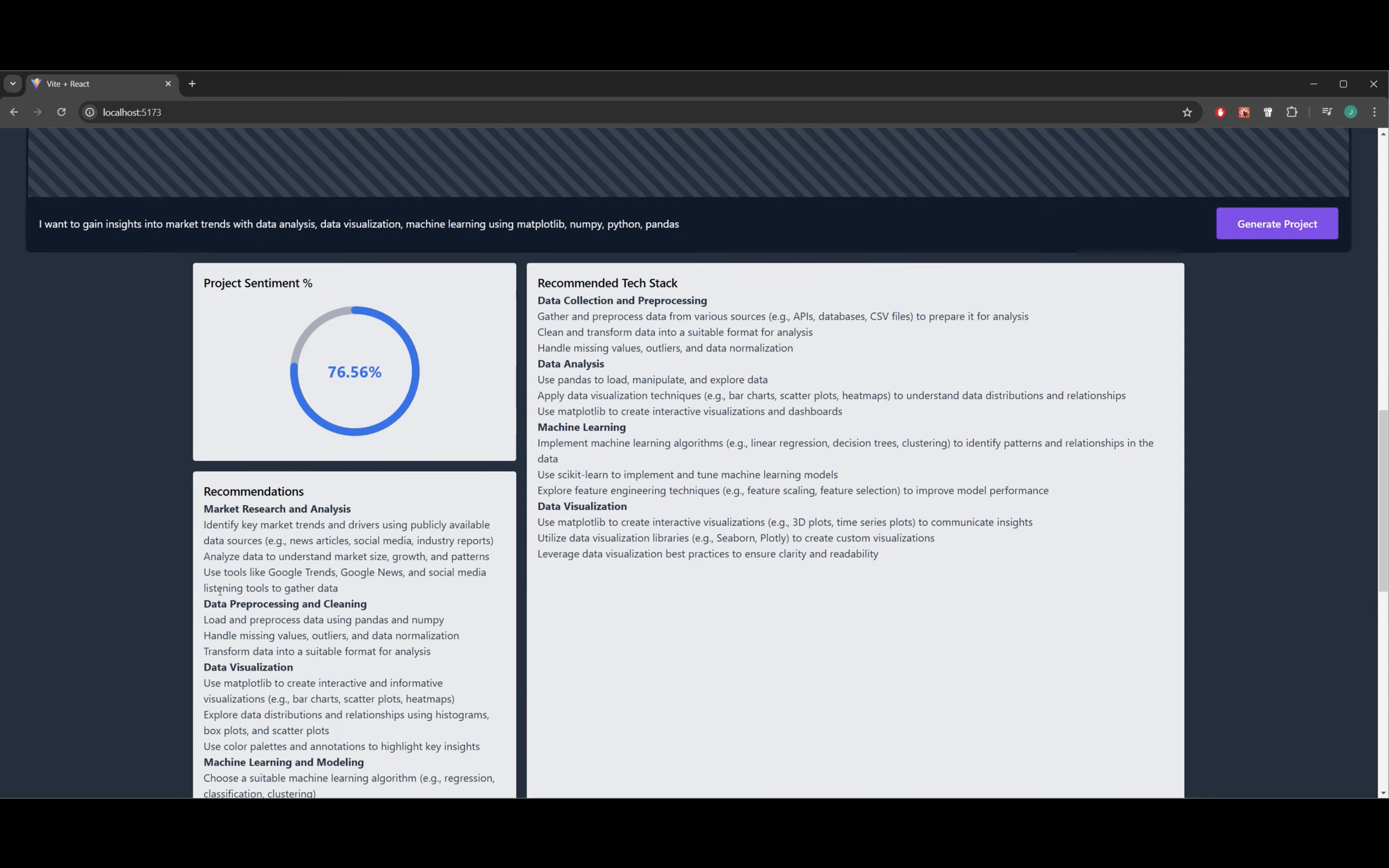
Project Sentiment percentage as well specific advice on how to implement the idea
Pieza: Turning Ideas into Reality
🎯 Inspiration
The idea for Pieza was born out of the personal challenge many hackathon contestants (including us) face when starting a new project: brainstorming and understanding feasibility and relevance. We wanted to build a platform that allows users to explore, compare, and check their ideas against real-world examples in an easy-to-navigate website with interactive elements. This will allow them to take the next step with confidence.
🌟 What It Does
Pieza is a web platform made to empower creators to work on and refine their project ideas with real data insights. By analyzing real projects, Pieza allows users to take the next steps in bringing their vision to life.
Here's how it works:
Idea Comparison Users submit their project ideas to Pieza, which then compares the ideas to existing real-world projects. This comparison includes information on the project's chance of success based on similar projects' funding and whether similar projects are still in business.
Success Metrics Analysis Pieza analyzes key success factors such as funding history, current activity status, and market relevance. This data helps users understand the feasibility of their idea and make informed decisions about their project's direction.
Technology Recommendations The platform provides insights into the technologies and tools needed to bring the idea to life. Whether it's programming languages, frameworks, or APIs, Pieza ensures users have a clear roadmap for implementation.
Inspiration and Refinement By showing users how similar projects were structured, Pieza inspires them to refine their concepts and create something unique and feasible.
🛠️ How We Built It
We developed Pieza using:
- Frontend: Built with React.js, using Tailwind CSS for styling and Vite for fast builds and hot module replacement.
- Backend: Developed using Python with FastAPI to handle API requests and logic, including modules for categorization, vector generation, and sentiment analysis.
- Database: MongoDB was used to store and manage project data, enabling efficient retrieval and updates.
- APIs: Llama API was integrated to provide advanced machine learning capabilities for analyzing and comparing project data.
- Design: Wireframes and prototypes were created in Figma, ensuring a user-friendly and visually appealing interface that aligns with the puzzle-piece theme.
- Sentiment Analysis: Sentiment analysis was done, comparing the project idea with previous projects to show a % chance of success.
🚧 Challenges We Ran Into
- Llama API Integration: Making the API calls from the frontend and integrating the data with the Llama AI was a complex task.
- UI Design: Creating a UI design that is unique, interactive, and still accessible and easy to use was challenging.
🏆 Accomplishments That We're Proud Of
- Successfully integrating accurate funding data to provide actionable insights.
- Developing a visually engaging and user-friendly interface that aligns with the puzzle-piece theme.
- Overcoming challenges with API integration and data consistency.
📚 What We Learned
- The importance of structuring data efficiently for backend and frontend communication.
- Advanced API integration techniques, such as handling complex data processing with Llama API.
- Collaboration and problem-solving skills to address technical and design challenges.
🚀 What's Next for Pieza
- Enhanced Data Analysis: Adding more advanced metrics like market trends and market saturation.
- Community Features: Enabling users to post, share, and collaborate on project ideas.
- Mobile App: Launching a mobile version for greater accessibility.
- Further AI Use: Using AI to suggest project improvements, potential collaborators, and to create a more advanced mock-up or prototype.
Pieza is just getting started, and we can’t wait to see the innovative ideas it helps bring to life! ✨


Log in or sign up for Devpost to join the conversation.