-
-
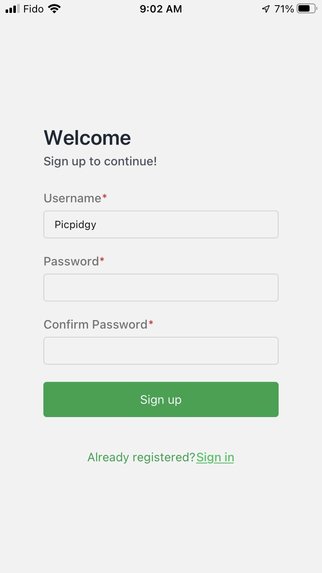
Welcome Page
-
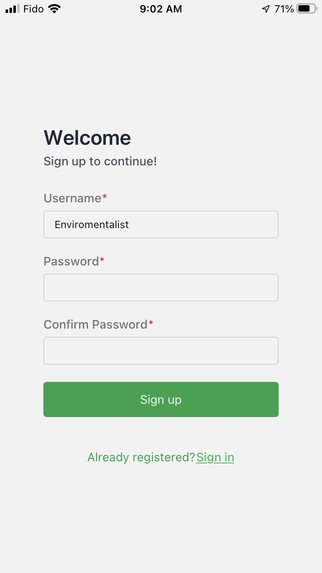
Sign up exemplar
-
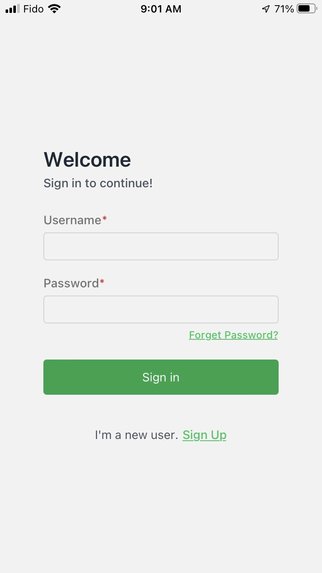
Log in page
-
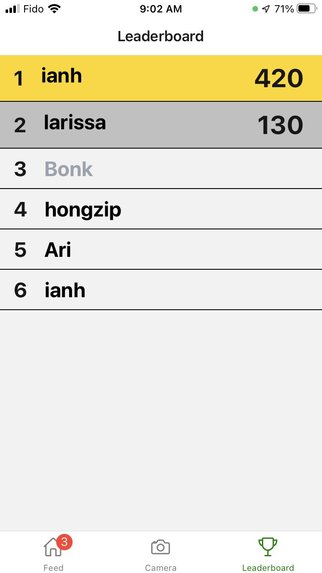
Leaderboard ranking!
-
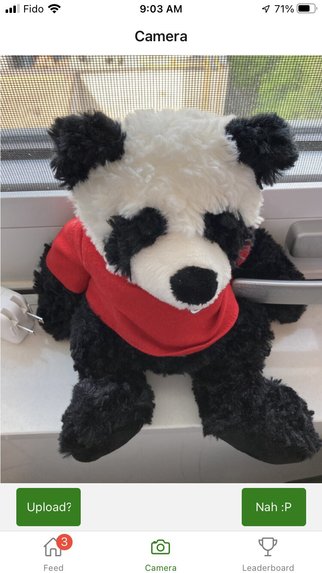
Upload or retake?
-
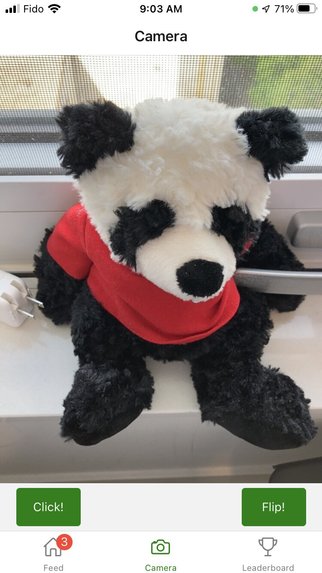
Camera function!
-
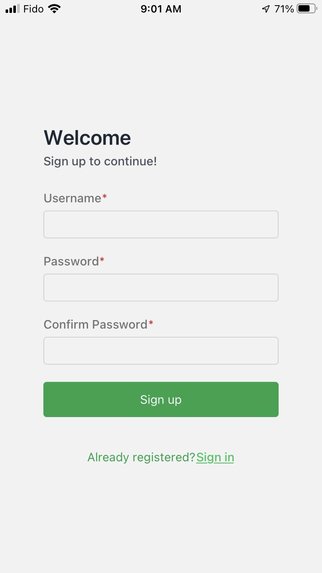
Sign Up page
-
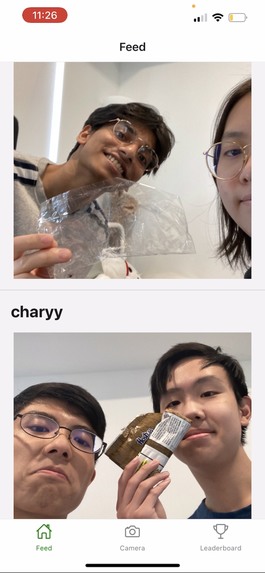
Feed Page


Inspiration
Since the pandemic, we are well aware of the "littering crisis" in Toronto. Not only does it cost the government $27 million a year to clean up the litter, but this is an increasing problem as the city becomes more crowded. When one of our members walked on the street, he came across a street swarm full of littered single-use plastics and face masks. The germs, unsightliness and the health risks littering imposes on people have a detrimental effect on the image of Toronto.
Although the government is acting to increase the number of accessible recycling and trash bins, the "littering crisis" remains a surprisingly perplexing problem without introducing incentives to encourage more cleaning behaviour. With social media being more relevant in today's society, we believe it is the perfect channel to promote, educate, and spread environmental awareness. In recognition of this, we are strongly motivated to challenge the people around us and ourselves to tackle this issue in light of everyone and achieve zero litter emissions.
What it does
PicPidgy is an inclusive social media platform where users can post a snapshot of themselves disposing of litter & garbage in real-time. People are notified of their friend's posts and can track where the trash has been thrown. We hope that by taking pictures of when and where they disposed of the garbage, people are aware of where trash bins are located, and increase the social and environmental awareness of littering.
How we built it
This project uses Node, CockroachDB, React Native, Google Cloud services, Typescript, and Javascript.
Challenges we ran into
Since most of us are using most of the languages for the first time (except JavaScript), we ran into many software issues - mostly revolving around Typescript. It is challenging for the front-end and back-end to agree on following good structure and well-codedness. For the back-end, it wasn't easy to manage data structures and send & receive data from the client. For the front-end, it was challenging to capture an image using the camera and send it to a server since it required a lot of packaging and code-refactoring.
To be inclusive, we switched a few platforms to ensure that both Android and iOS devices are supported during development. It was also a challenge to quickly design a user-friendly app layout - we want users to have a good experience!
Accomplishments that we're proud of
We are proud that we can write clean and concise code to execute our idea. Coming up with an engaging, socially significant idea that invites people to help the environment while having fun was not easy, but we got through! We are also proud of each of our members for working tirelessly to produce a piece of work that we are delighted to present. Learning new languages, debugging, and designing something so quickly is an achievement.
What we learned
This is our first experience working with app development, so we also gained a lot of coding experience. We learned that time management and communication are crucial. The biggest takeaway from this project is that each member values teamwork and becomes a better coder.
What's next for PicPidgy
This is an incredibly motivating project for all of us, and we want to popularize it to promote environmental awareness! We realize that this app will take a few iterations to mature, but we have hope that it has a lot of potential. We would love to run a marketing campaign for PicPidgy, and extend the app's functionalities to reach even more people.


Log in or sign up for Devpost to join the conversation.