-
-
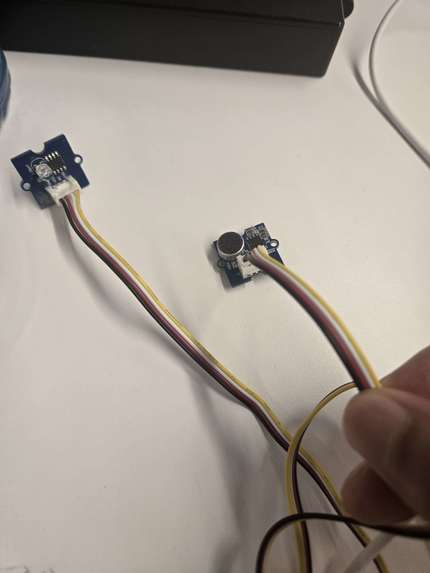
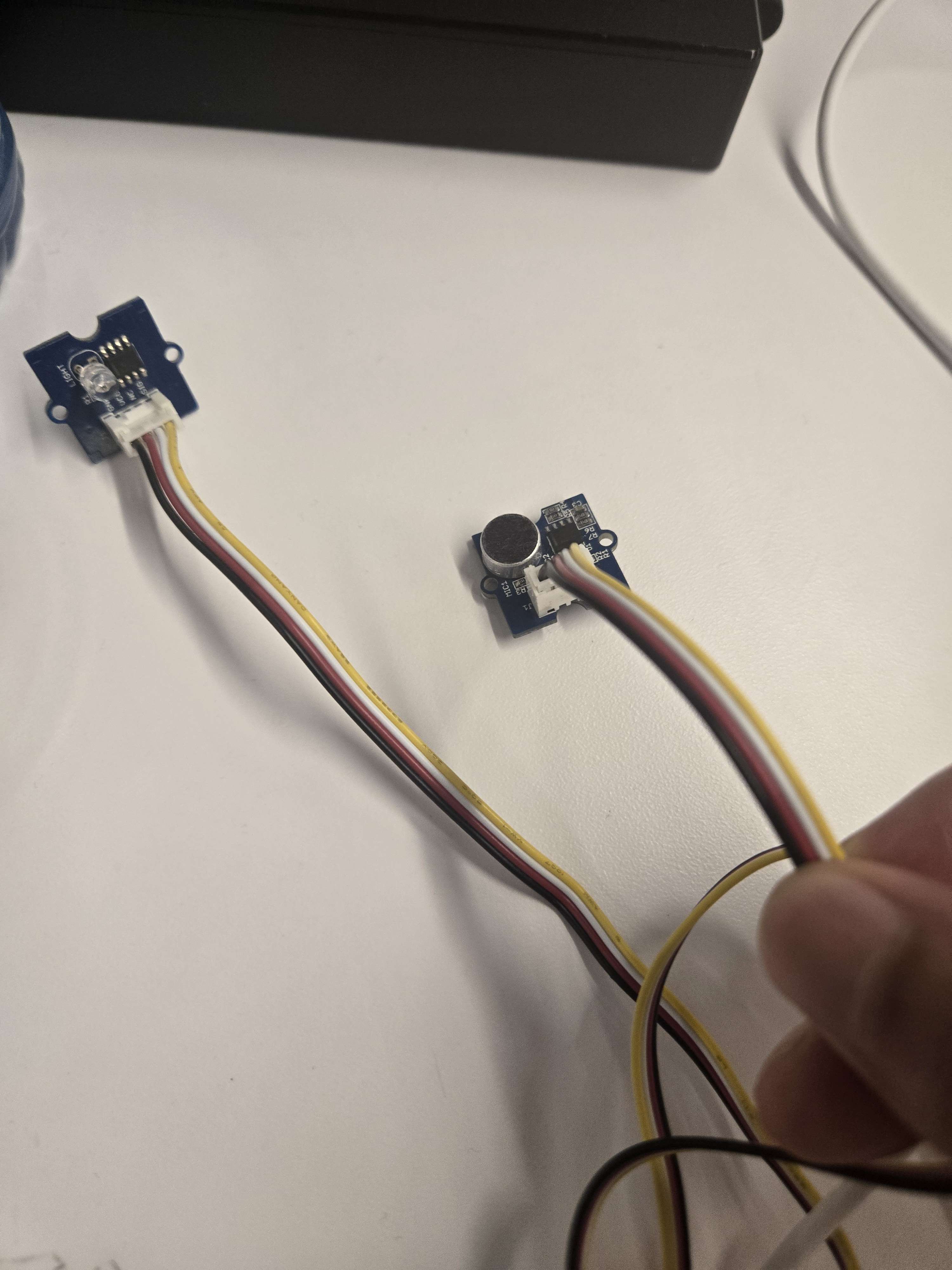
grove light, and grove sound sensors(left to right respectively)
-
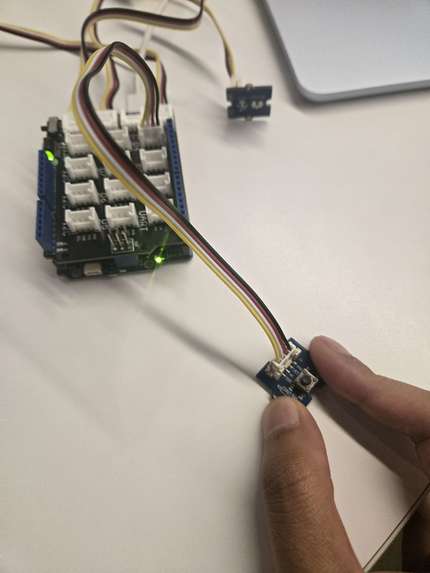
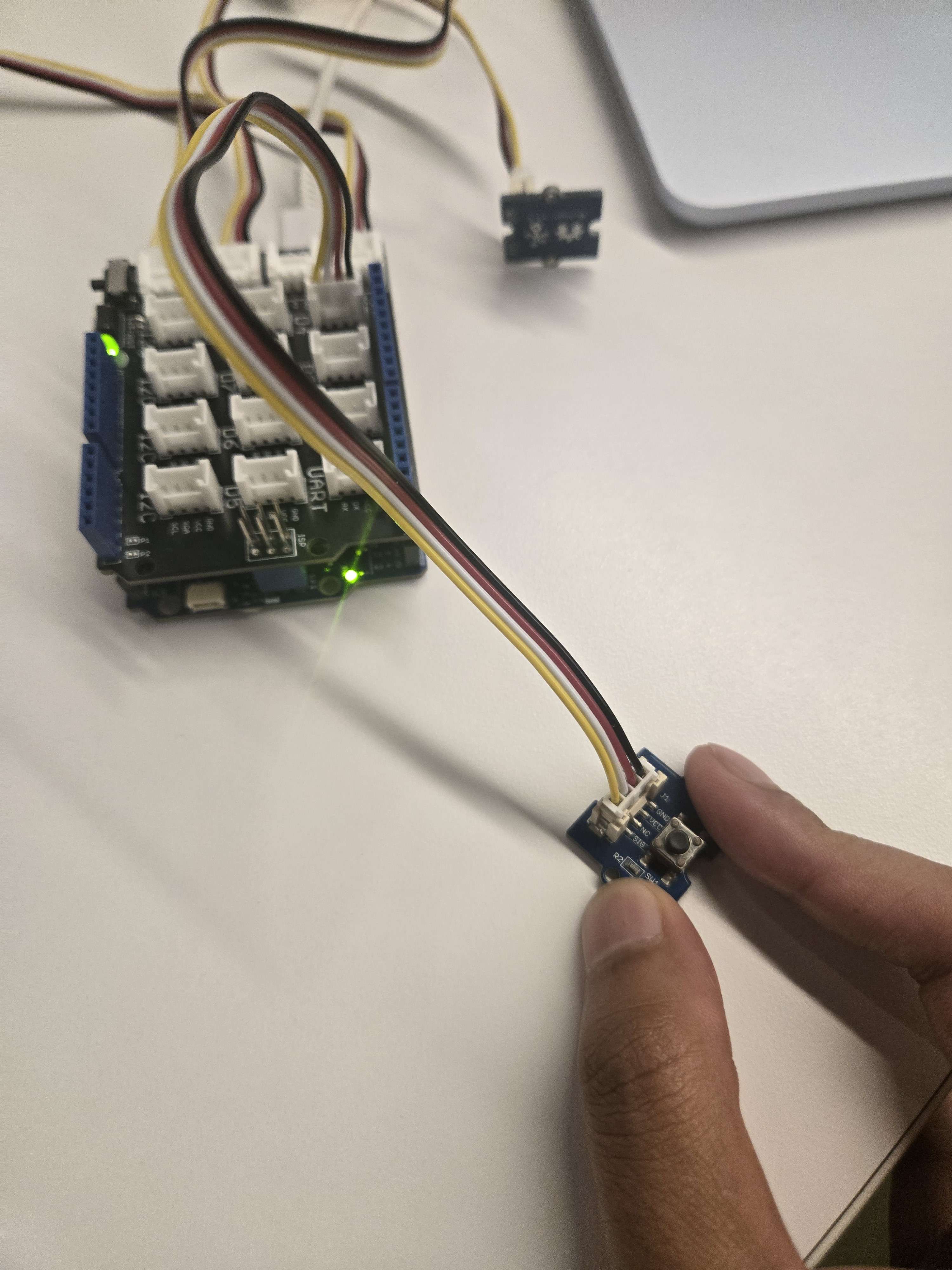
grove button
-
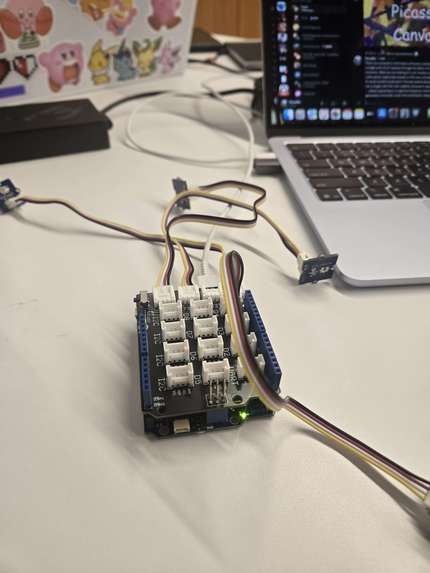
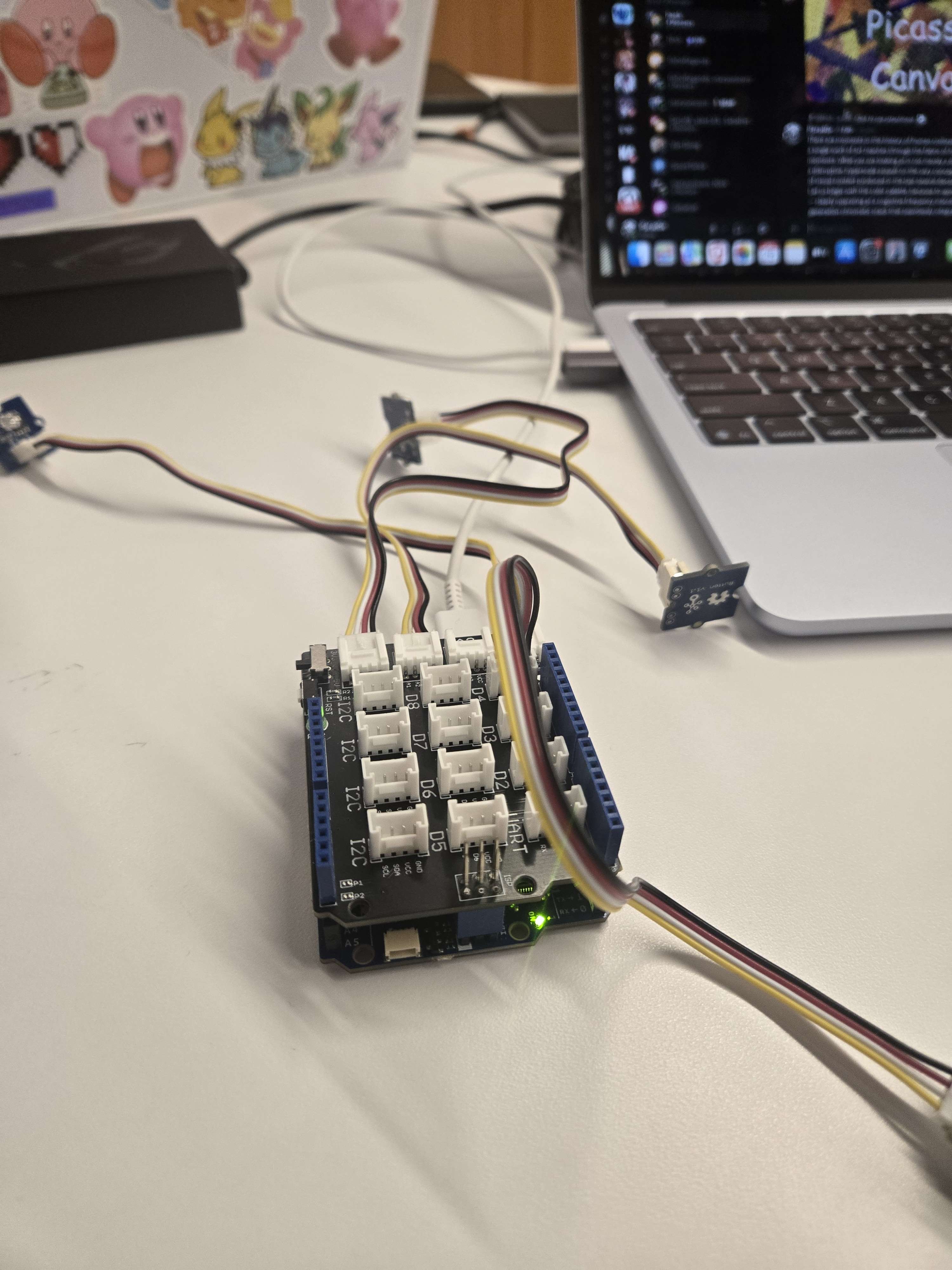
arduino uno r4 with grove base shield
-
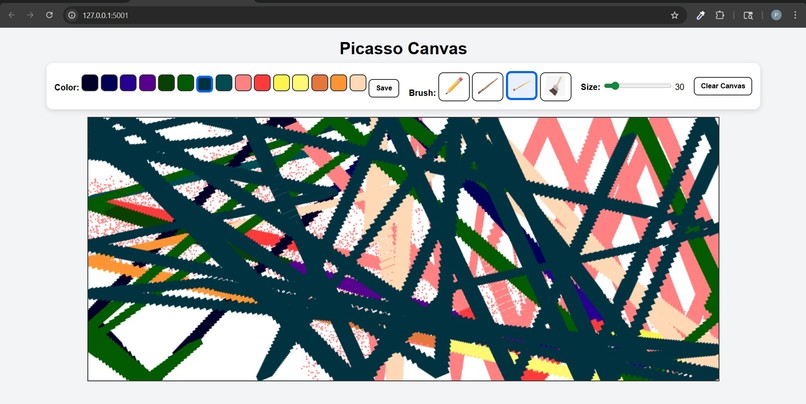
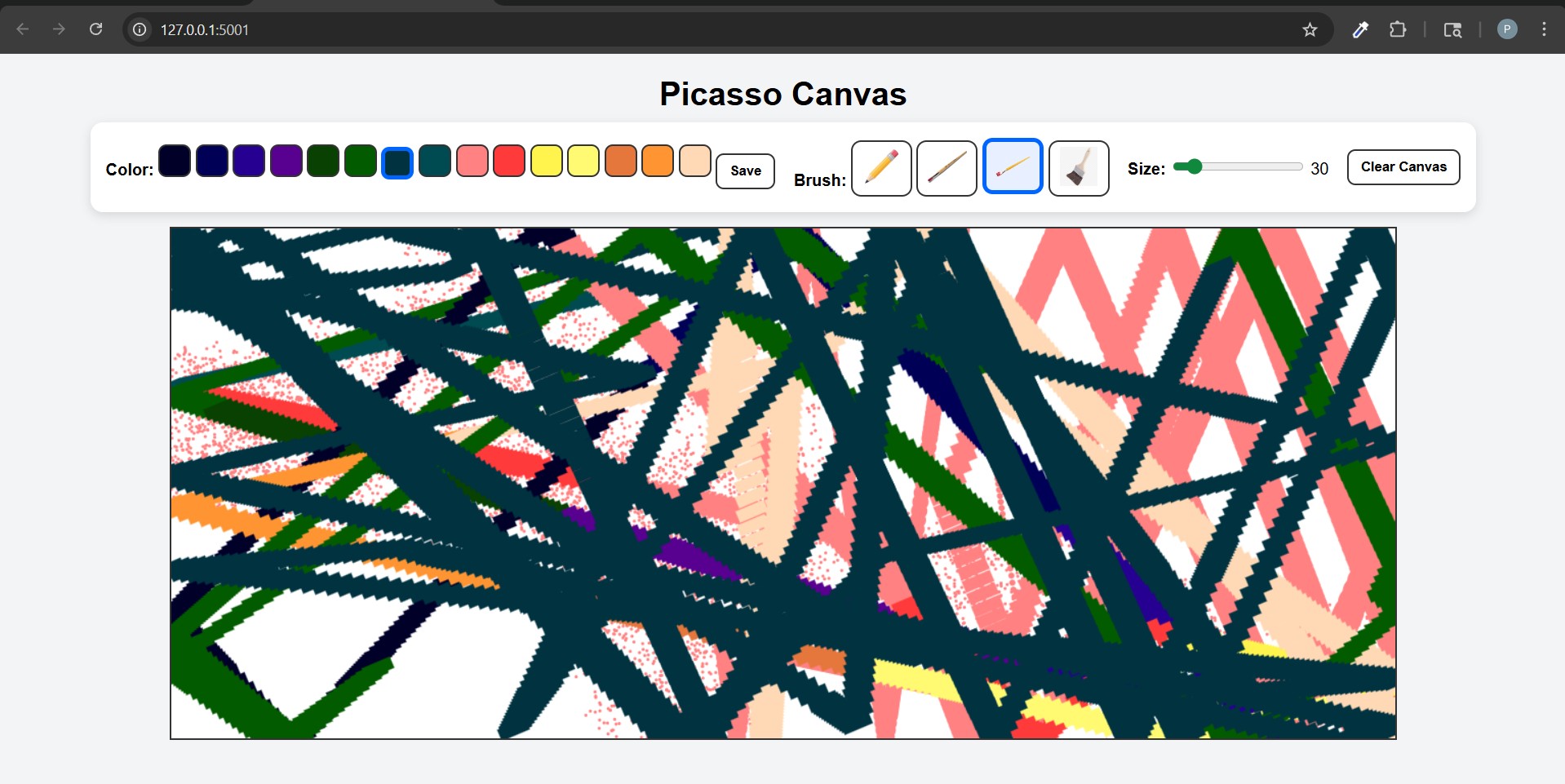
Demo UI
Inspiration
The theme said "break the norm" — so we asked ourselves: what's more normal than using a mouse to create art? We wanted to throw that out entirely and build something weird, unconventional, and genuinely creative. That question is what led us here.
What it does
We built a web-based canvas that paints itself using the real world around you.
Using sound, light, and touch sensors connected to an Arduino UNO R4, we capture environmental input and translate it into art — no cursor, no mouse, no traditional UI. Just sensors driving a living, breathing painting in your browser in real time.
How we built it
-Hardware: Arduino UNO R4 (sound, light & touch sensors) -Backend: Python + Flask -Frontend: Web-based canvas (HTML/CSS/JS)
Challenges we ran into
One of our biggest challenges was on the hardware side — some components were faulty or unavailable, and on top of that, this was our first time working with Arduino. We had to adapt quickly and figure things out on the fly.
On the software side, we ran into several merge conflicts while collaborating on GitHub, as some of our team members were new to Git branching and merging workflows.
Accomplishments that we're proud of
Despite the hardware setbacks and the learning curves we faced, we're most proud of the fact that we took an idea and actually finished it. We started with a concept and walked away with a fully functional project — and that alone is a win we're really proud of.
What we learned
We learned that Git merging is... an experience — one we won't forget anytime soon.
More importantly, we learned that it's okay to dream big even when you're not sure something is fully achievable in the time you have. Scope changes aren't failure — sometimes trimming the ambitious parts just leaves you with something leaner, more focused, and still completely original.
What's next for Picasso Canvas
The feature we didn't get to ship — but really wanted to — is giving users actual control over the cursor through sound and light. Right now the movement is automated, but we'd love to make it fully interactive, where the intensity or direction of a sound or light source directly drives where the brush goes on the canvas. That's the next step.


Log in or sign up for Devpost to join the conversation.