-
Physio-AI Home Assistant
Inspiration
Many patients in countries like Bangladesh struggle to access consistent physiotherapy due to high costs, travel distance, or the lack of specialized clinics. Moreover, exercising at home without supervision often leads to incorrect postures, which can cause further injury. We wanted to build an accessible, AI-powered solution that acts as a virtual therapist in every home.
What it does
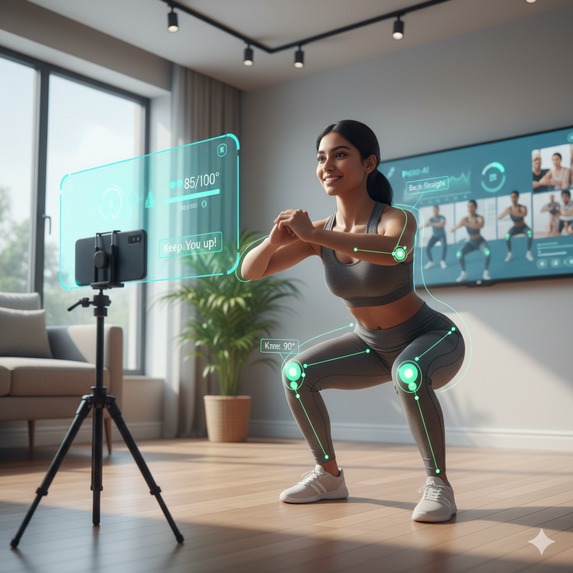
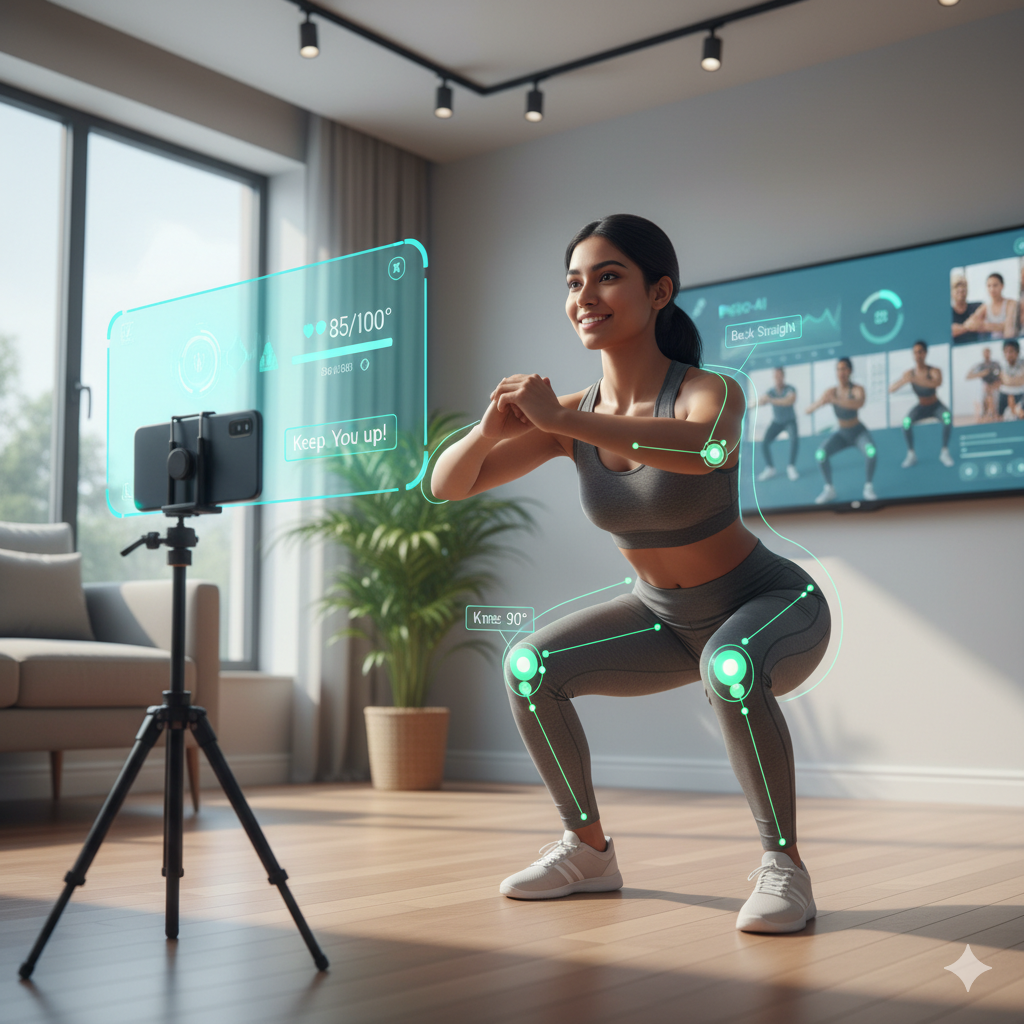
Physio-AI is a smart rehabilitation assistant that uses a smartphone camera and Computer Vision to monitor patients' exercises in real-time. It detects body movements, calculates joint angles (like elbow or knee flexion), and provides instant feedback if the posture is incorrect. It ensures that home rehabilitation is safe, effective, and data-driven.
How we built it
We built the application using Python and Streamlit for the web interface. For the core AI logic, we integrated MediaPipe’s Pose Estimation model to track 33 key body landmarks. The backend is designed to run efficiently on low-end devices, ensuring accessibility for users with basic smartphones or laptops.
Challenges we ran into
One of the biggest challenges was ensuring real-time performance and accuracy in low-light conditions or varied home environments. We also worked hard on the mathematical logic to calculate precise joint angles from a 2D camera feed to provide meaningful feedback to the user without needing expensive hardware.
Accomplishments that we're proud of
We are proud of creating a working prototype that can accurately track body landmarks in real-time using just a standard webcam. Successfully bridging the gap between healthcare and AI technology to solve a real-world problem like physical rehabilitation is our biggest achievement.
What we learned
We learned a lot about Computer Vision and how AI can be applied to healthcare (Health-tech). This project also taught us how to manage a technical workflow—from idea to coding on Replit—and the importance of "Founder-Market Fit" by solving a problem we are personally passionate about.
What's next for Physio-AI Home Assistant
Through this project, we gained deep insights into Computer Vision and the practical implementation of Pose Estimation. We also learned how to translate clinical requirements (like specific exercise angles) into technical algorithms. Most importantly, we learned how technology can be used to make healthcare more democratic and accessible.


Log in or sign up for Devpost to join the conversation.