-
-
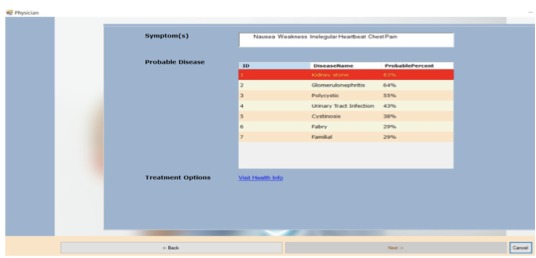
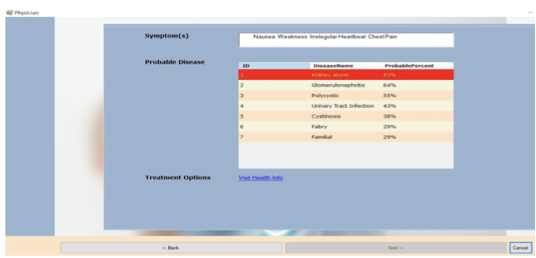
Symptom Checker Display
-
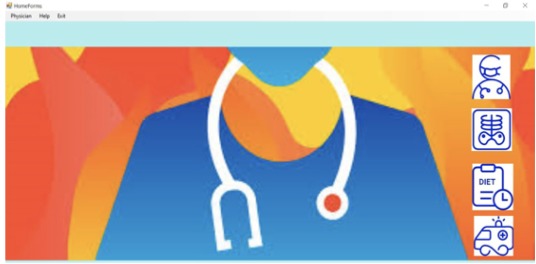
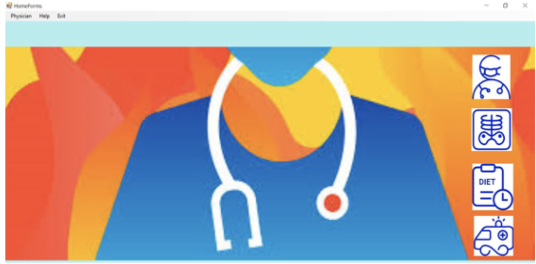
Home Screen
-
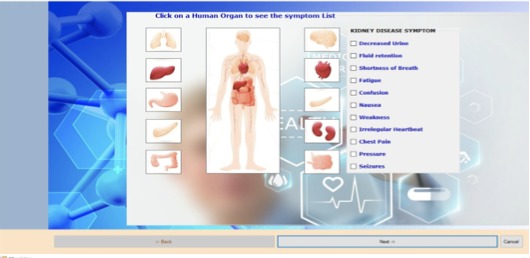
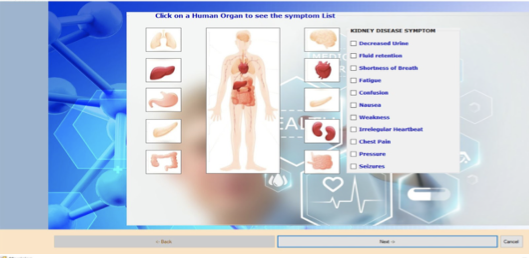
Symptom Checker
-
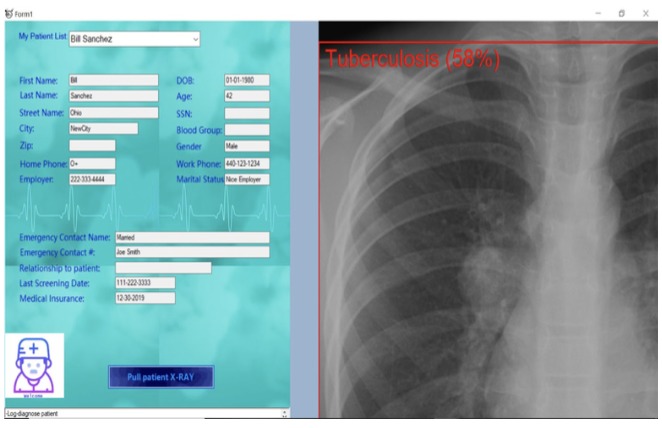
X-Ray Diagnosis
-
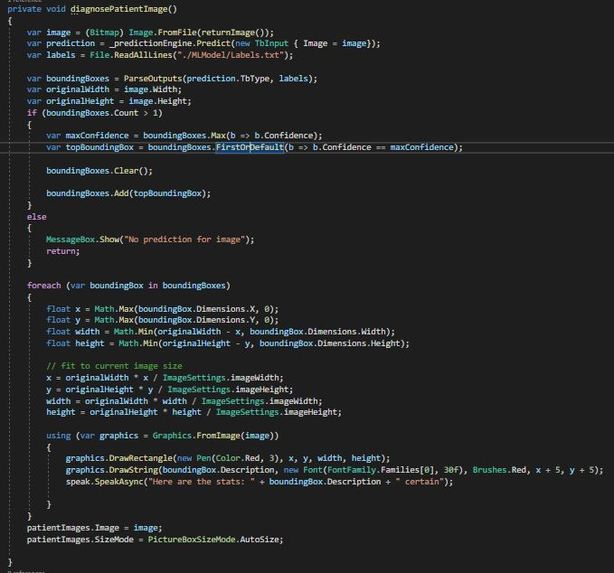
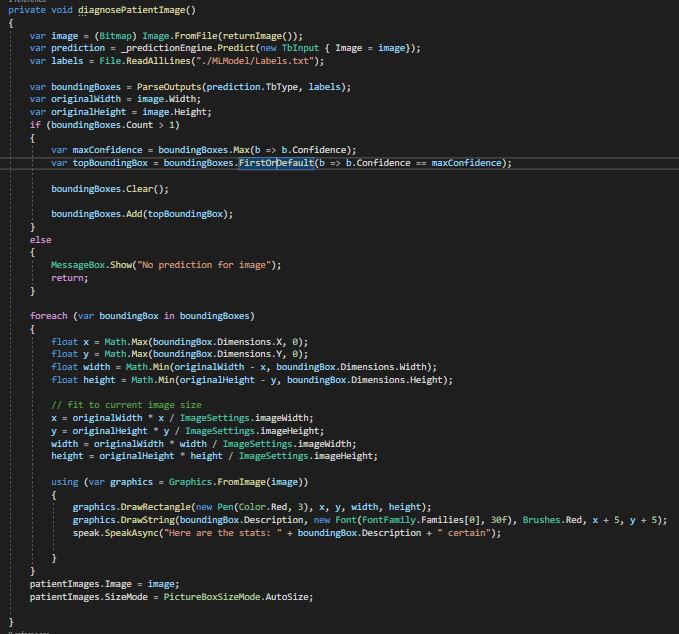
Diagnose Patient Method
Physician
As The Notorious B.I.G said:
“We can’t change the world unless we change ourselves”
Inspiration
Ever since I was young, I was fascinated by AI. I've always wanted to help people with AI, whether it’s in Health/Medicine, Economics, or Mathematics.
Currently with this pandemic situation going on for more than a year now, most millennial physicians are burnt out and have little or no work-life balance. Research shows that physicians work an average of 51.4 hours a week, with nearly 1 in 4 (23.5%) working 61–80 hours each week. After factoring in sleep, it is hard to justify the “time outside of medicine?”
Female physicians, in particular, report work-life balance as a significant concern, with the goal of achieving this balance often affecting their career choices. Recent statistics show an increase in the numbers of female physicians in the United States with females representing 52% of medical students and 46% of residents in 2018–2019. However, research suggests that there has been little change for females in terms of domestic tasks and responsibilities.
With this in mind, in order to alleviate the time pressure that physicians are experiencing, I wanted to build an application which will help the overwhelmed physicians. I contacted a family friend who is in medical field, and we talked about CVOID-19 diagnosis and how it affects the lungs. Our conversation soon moved towards Tuberculosis, and this caught my attention. Tuberculosis is a major problem in many (underdeveloped/developing) countries all over the world.
According to WHO,
"Worldwide, TB is one of the top 10 causes of death and the leading cause from a single infectious agent (above HIV/AIDS). In 2019, an estimated 10 million people fell ill with tuberculosis (TB) worldwide. 5.6 million Men, 3.2 million women and 1.2 million children. TB is present in all countries and age groups."
Tuberculosis doesn't even have a cure unless it’s diagnosed at an early stage. This enforces in diagnosing this disease in a faster, effective and an efficient manner with utmost accuracy. This led me to build this application, ‘Physician’.
My goal is very simple: to alleviate the time pressure that physicians are experiencing, this application helps all overwhelmed doctors, especially in this COVID-19 pandemic on how effectively they can analyze, diagnose and treat patient’s health conditions by refraining from engaging in time-consuming redundant activities.
What it does
‘Physician’ is a desktop application that uses artificial intelligence (AI) to help doctors assess patients faster, diagnose their symptoms efficiently along with a voice automated notes feature.
This prototype has 3 main features.
View Patient Data and x-ray Diagnosis
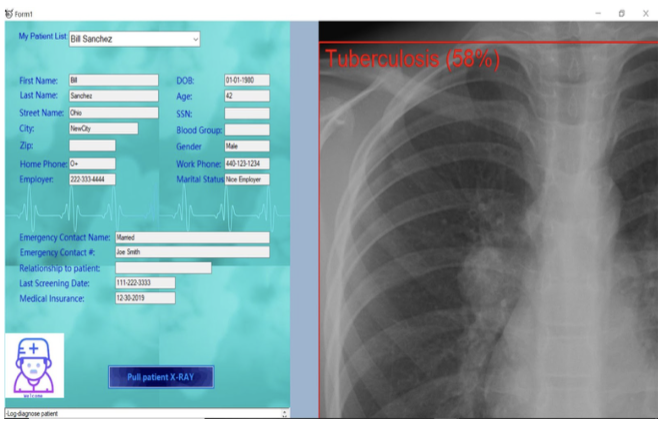
- The idea of this screen is to pull up patient data through MyChart and process Xray images into an AI software which I created. The purpose is to diagnose the given x-ray for any diseases. For the time being, the x-ray diagnosis can detect if a lung has tuberculosis or not, but in the future it will expand to other diseases (especially bone fractures).
- For the tuberculosis data, I used an online dataset for images. I then trained these images to get the desired output I wanted. Although you can’t see, there is a picture box next to the patient pull up screen, which will open the patient’s x-ray image and determine whether he or she has tuberculosis
Symptom checker - Determining a diagnosis through appropriate symptom detection.
- The main functionality of this screen is to determine a diseases based on the symptoms selected. For instance, by clicking on the brain, a list of symptoms will be listed on the right.
- Selecting the symptoms associated with brain will lead the potential diseases (if any).
- In the future, this whole symptom checking will be ideally retrieved utilizing a symptom checker API
Voice automated notes
- This screen is more as an amenity for the doctor, but the purpose is take notes of what the patient is feeling. Then, through NLP (Natural Language Processing) it will determine the best medication the patient will need. Again, because of the time crunch I was unable to finish the NLP aspect of the program, however this side of the program is able to use text to speech to write down notes.
Targeted towards my project goals, I created a user interface where doctors can write notes, diagnose patients through x-ray scans, and perform viable symptom detection. Each button on the home-screen takes the doctor to a specific functionality.
This is a simple, easy to use desktop application, where doctors can access patient data through MyChart and uploaded X-ray scans are diagnosed for Tuberculosis, and any symptoms that patients experience is analyzed. Also this application is a platform for voice automated patient’s electronic health records.
How I built it
When first starting out this project, there were two questions I wanted to solve:
1) Is it possible to use Artificial Intelligence (AI) to detect disease using an X Ray scan? Multiple scientific studies, such as a publication called TX-CNN: DETECTING TUBERCULOSIS IN CHEST X-RAY IMAGES USING CONVOLUTIONAL NEURAL NETWORK by Chang Liu, Yu Cao, Marlon Alcantara, Benyuan Liu, Maria Brunette, Jesus Peinado, Walter Curioso, theorize that the best ways to diagnose tuberculosis (this is just the example I use, however in theory this same process can be used for virtually any disease) is through CNN’s or Convolutional Neural Network.
2) How to best utilize physicians time by effectively reduce their valuable time spent on reviewing Electronic Health Records (EHD’s) which technically consumes more than 50% of their workday as per the recent research conducted by American Medical Association. The questions all relate to the science aspect of the science fair. I wanted to be able to solve the problem physician’s face by doing the X-Ray scan in a shorter, much more effective time frame
Challenges I ran into
The biggest challenge was data. Data is the backbone of this application and I didn't have enough.
Object detection training was mainly done with X-Ray scans
I used 1000 images that had patients who exhibited tuberculosis and as well as 1000 images of patient’s x-ray scans that didn’t exhibit tuberculosis.
For testing, I tested around 500 images with both Tuberculosis and normal healthy lungs.
This however proved not to be enough. My application needs more data which is not accessible over the internet.
Because of the lack in data, if a user was to enter an xray of another lung related disease (ex: pneumonia), the application sometimes picks it up as tuberculosis.
Accomplishments that I'm proud of
I'm most proud of the AI. The AI is the biggest feature of this project and it ended up working pretty well and with acceptable accuracy. Overall, the Physician’s application throughput is impressive. To summarize the fact ton how much time physicians can potentially save using this Physician’s application for the writing patient notes and reading x-ray scans is quite notable.
What I learned
With this project, I was able to be more proficient in creating neural networks, and using C#.
What's next for Physician?
Getting more images of tuberculosis for AI training. To extend the detection to other diseases such as COVID-19, phenomena, bronchitis, etc. I also want to add Natural Language Processing to the doctor’s notes feature to detect sentimental analysis of how the patient was on the visit.


Log in or sign up for Devpost to join the conversation.