Inspiration
We were inspired to go down this route after hearing about the problem of predicting the spread of the COVID-19 coronavirus in China. We decided to make a GUI that mapped the spread of the infection using the SIR model in epidemiology. Unfortunately, we ran out of time and switched to a simpler physics model of mapping natural fractal growth.
What it does
Our program takes in user inputs to form structures from randomly moving particles that become frozen in place when they hit a stationary structure made up of other particles. It then provides a plot of the final image.
How I built it
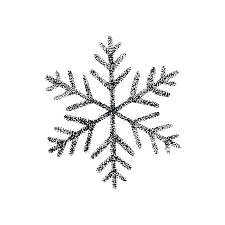
We started with simulating the random walk of particles for the epidemiology problem; however, as we were running out of time, we used 2D array we built to make this snowflake simulator.
Challenges I ran into
Our primary issue was time. This is forced our project pivot. From a coding aspect, we needed to be concerned with memory optimization as we were modeling a large amount of data points.
Accomplishments that I'm proud of
The decision to use a 2D array to store the data for memory saving purposes.
What I learned
How to effectively manage memory and write a differential equation model in python.
What's next for Physical_Simulations
We will continue with our original idea of mapping spread of infectious diseases
Log in or sign up for Devpost to join the conversation.