Inspiration
The idea came from observing that most current "phygital" experiences, linking physical products to the digital world, remain inaccessible to non-tech-savvy users. Today, phygital NFTs are typically created in digital environments first, then “forged” into physical items. While this is innovative, it limits the target audience to people who understand blockchain and its technical complexities.
We wanted to build something inclusive, something that would make it effortless for anyone with a smartphone to enter the digital economy, without needing to understand seed phrases, gas fees, wallets, or any blockchain jargon.
What it does
This project demonstrates a simple and efficient way to phygitalize a product using:
An intelligent NFC tag embedded in any physical item,
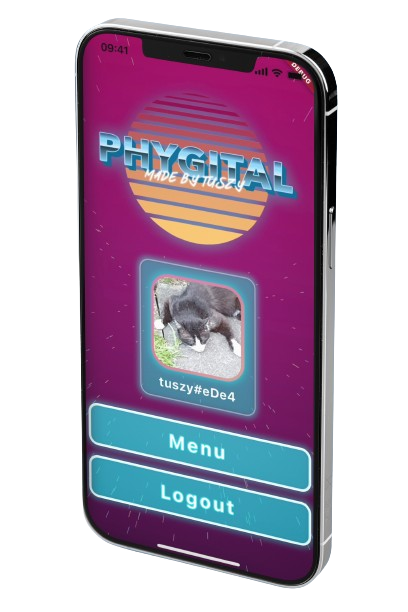
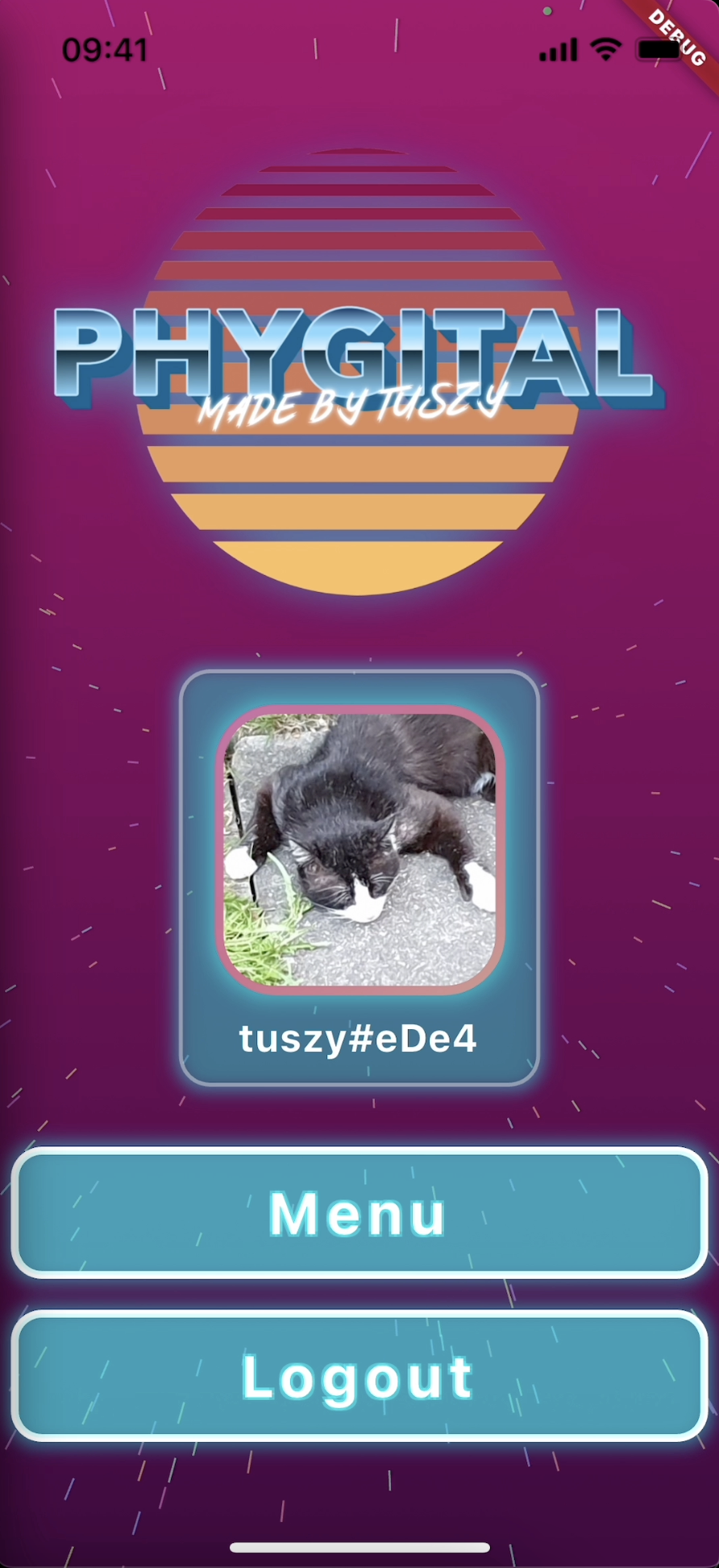
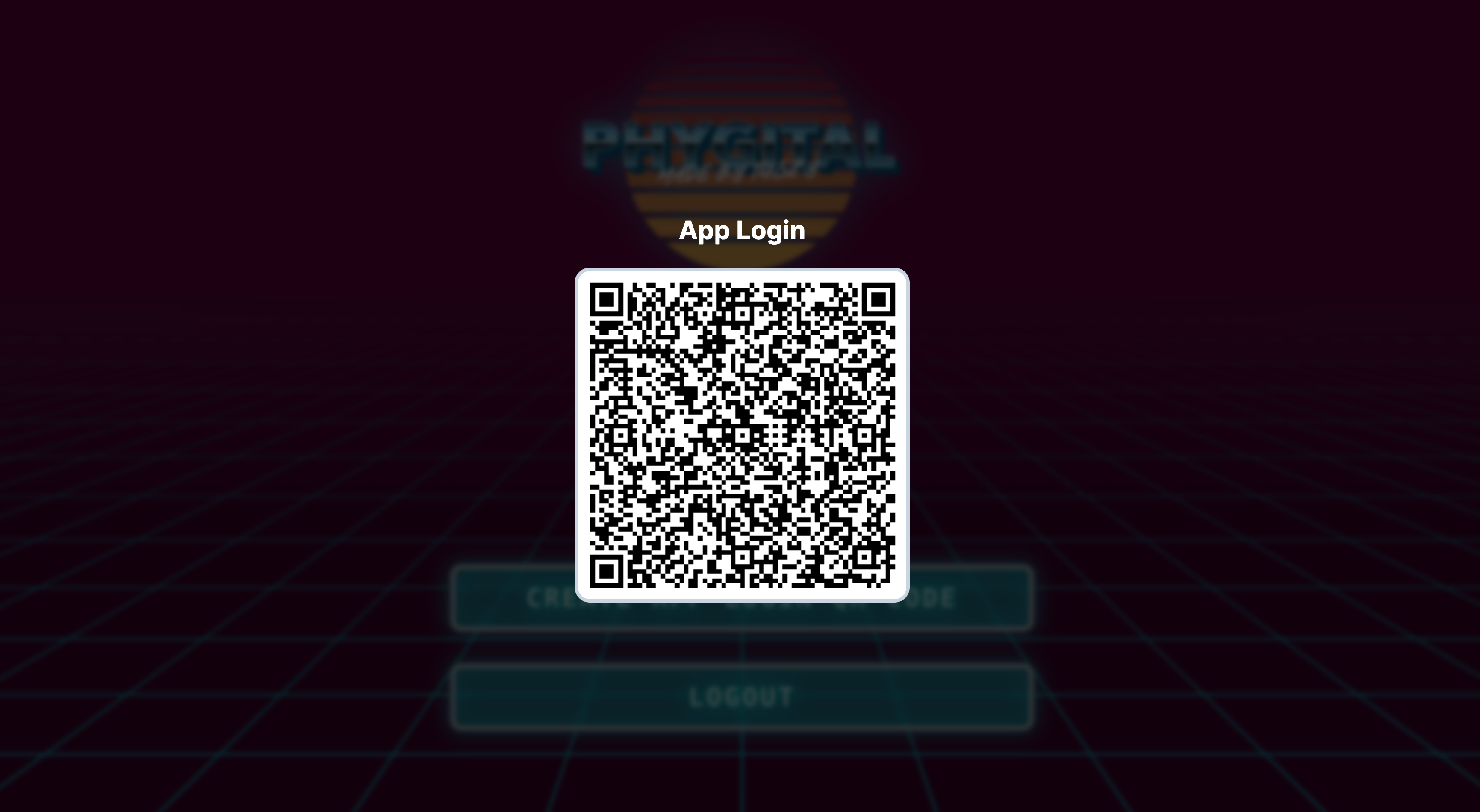
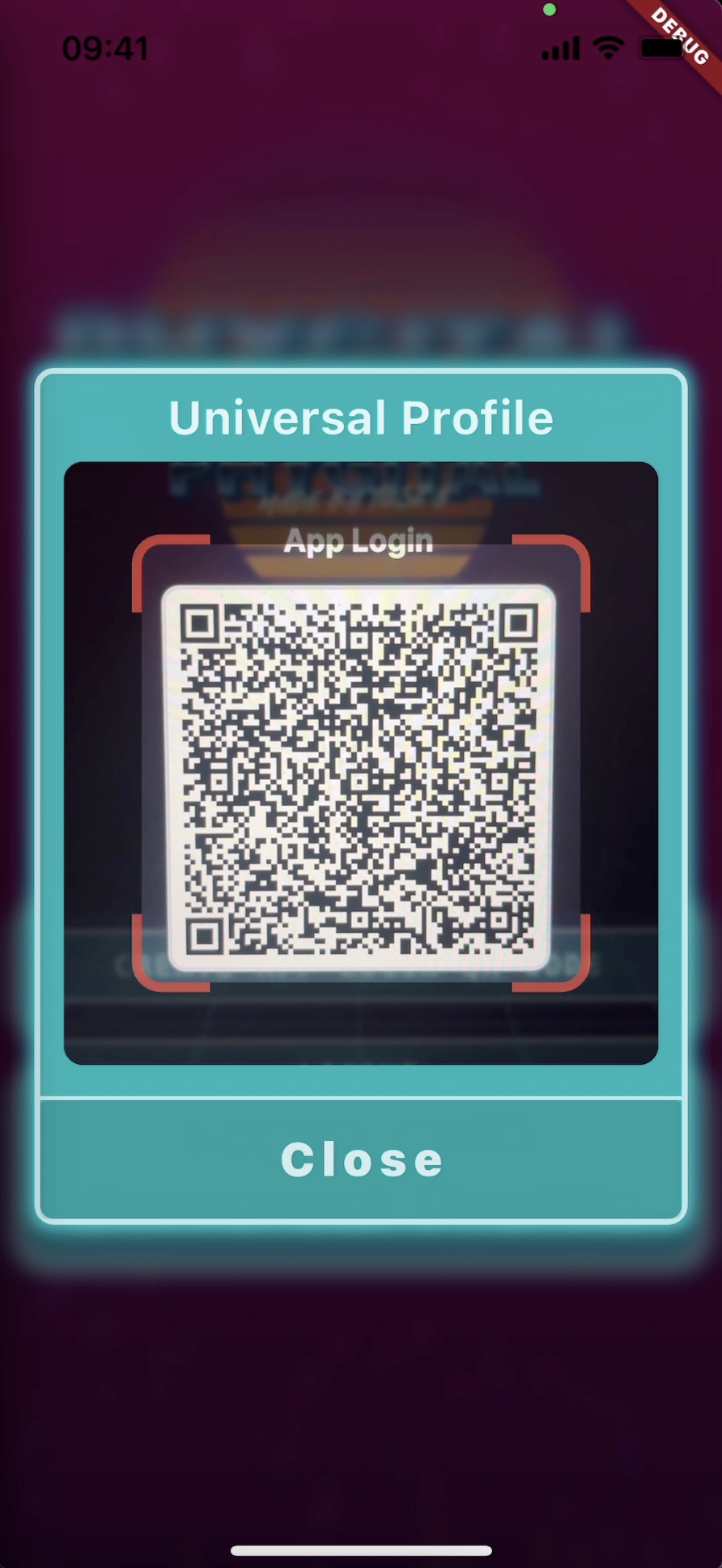
A mobile application to scan the tag and connect it to the blockchain,
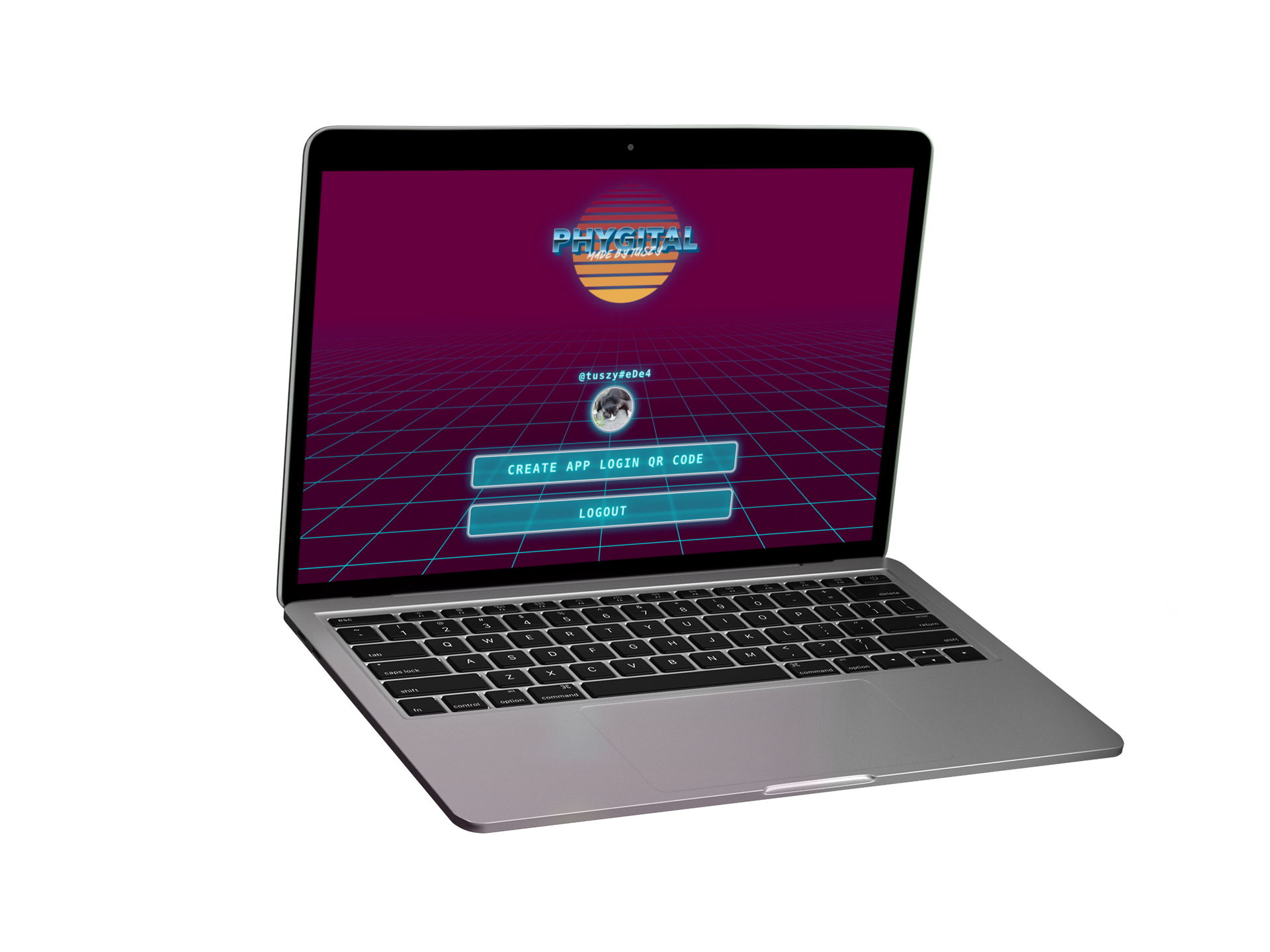
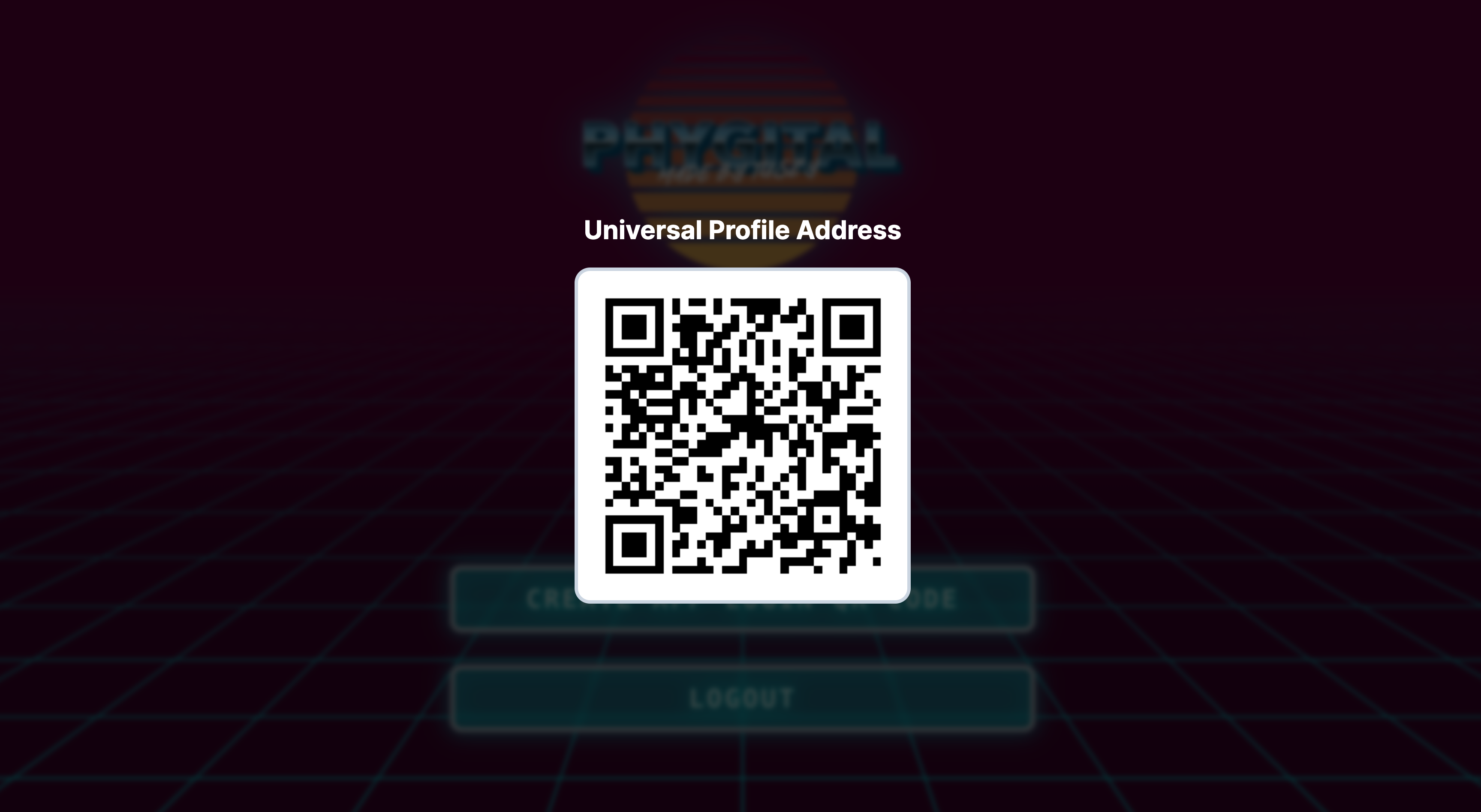
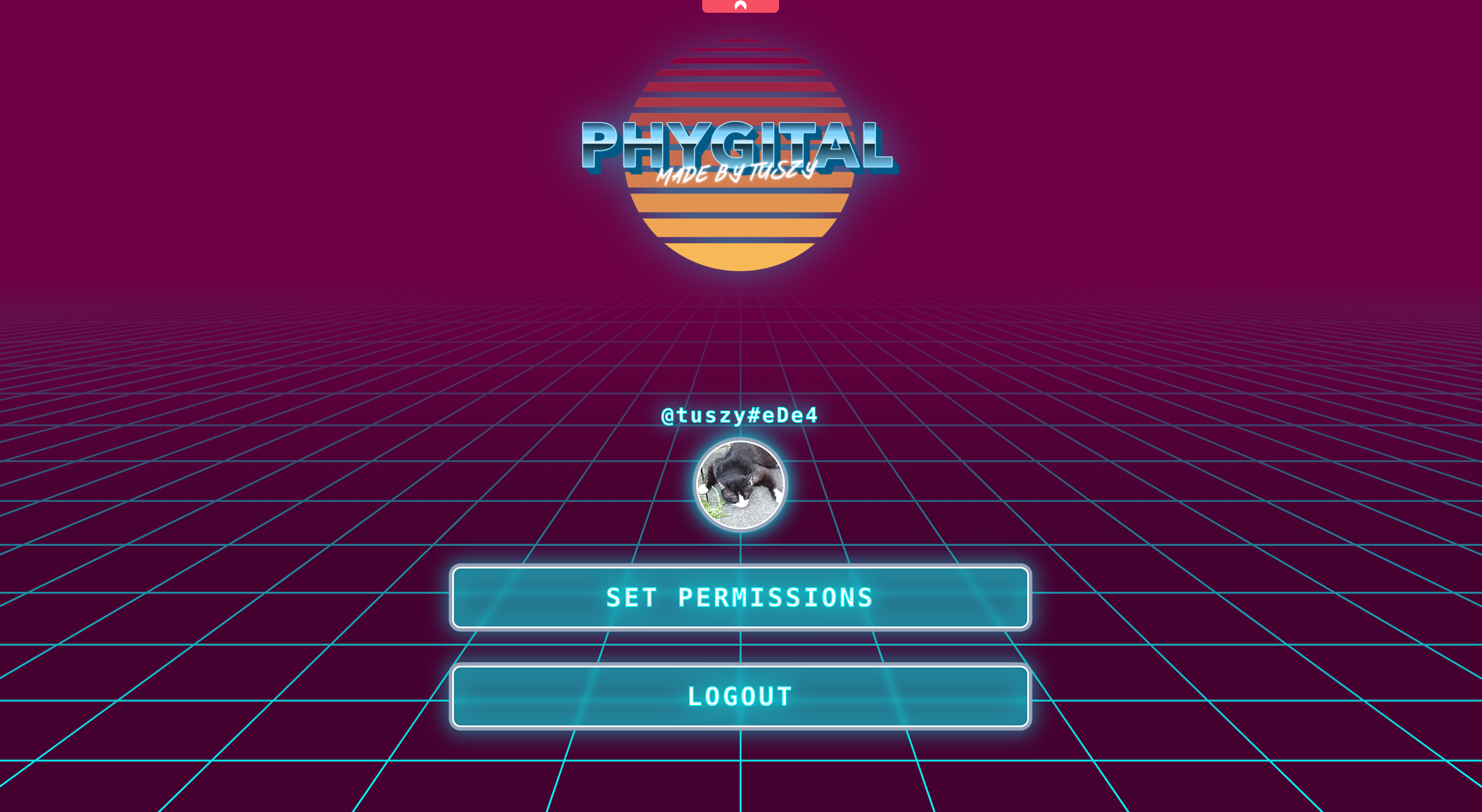
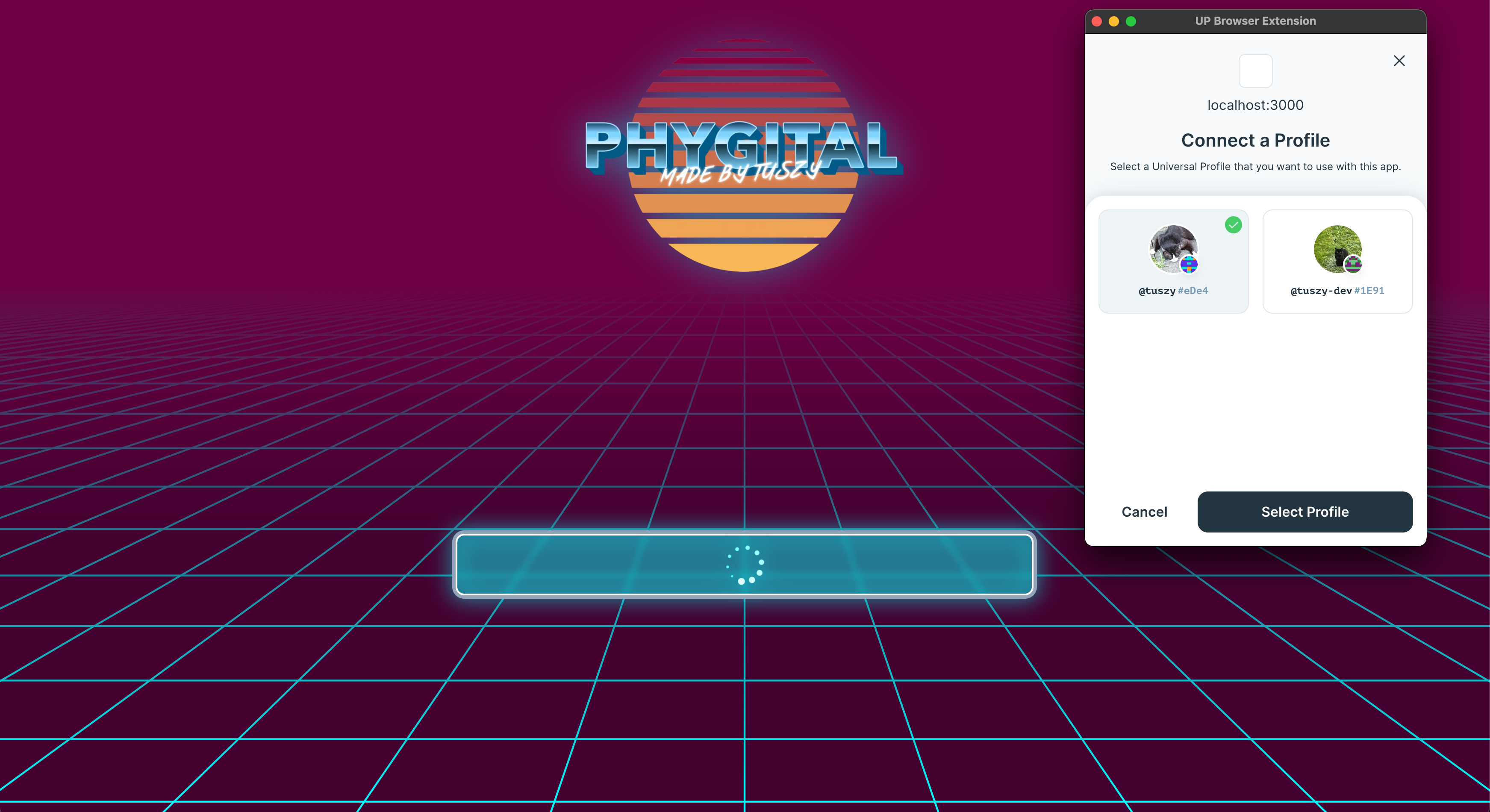
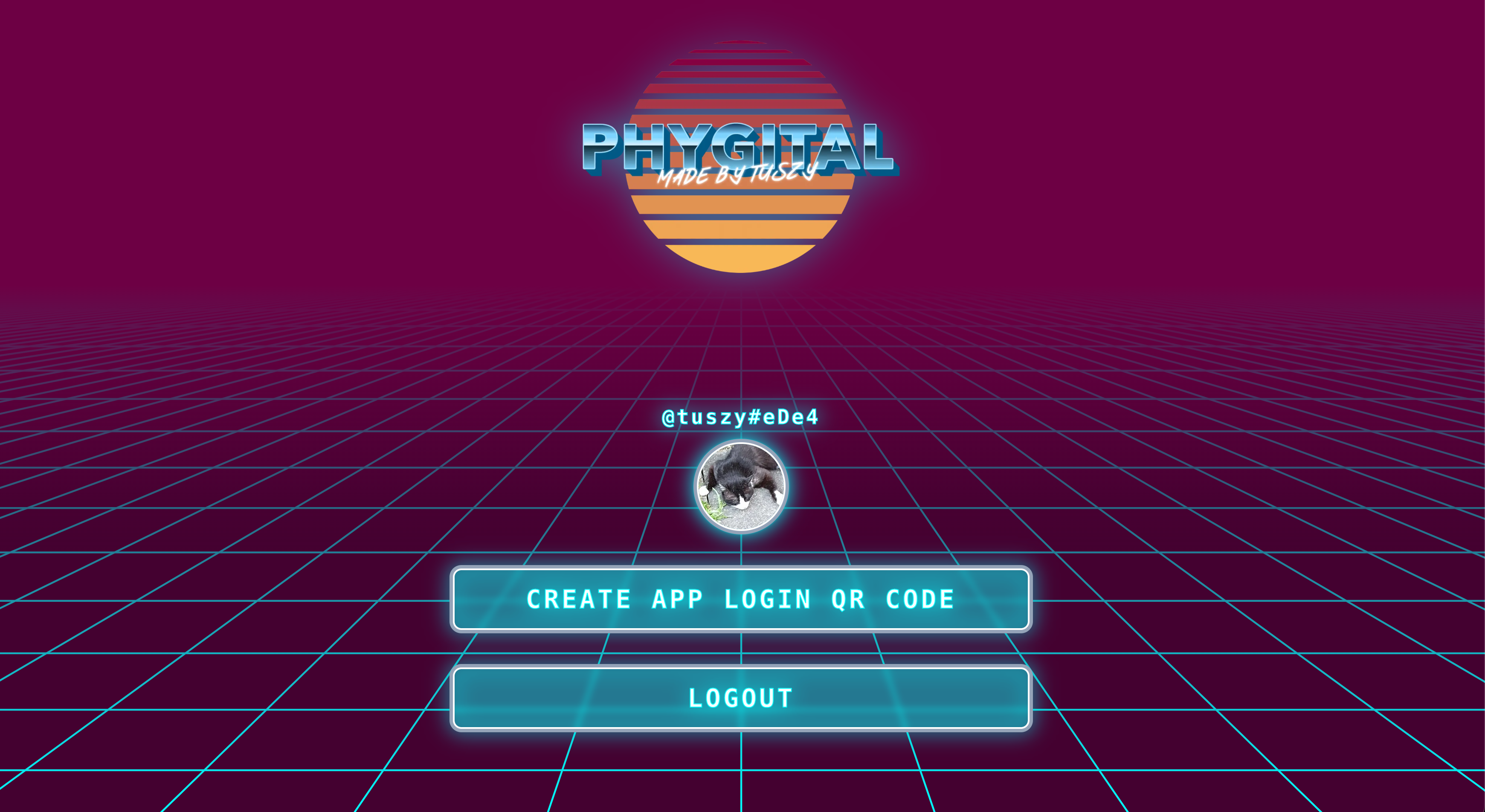
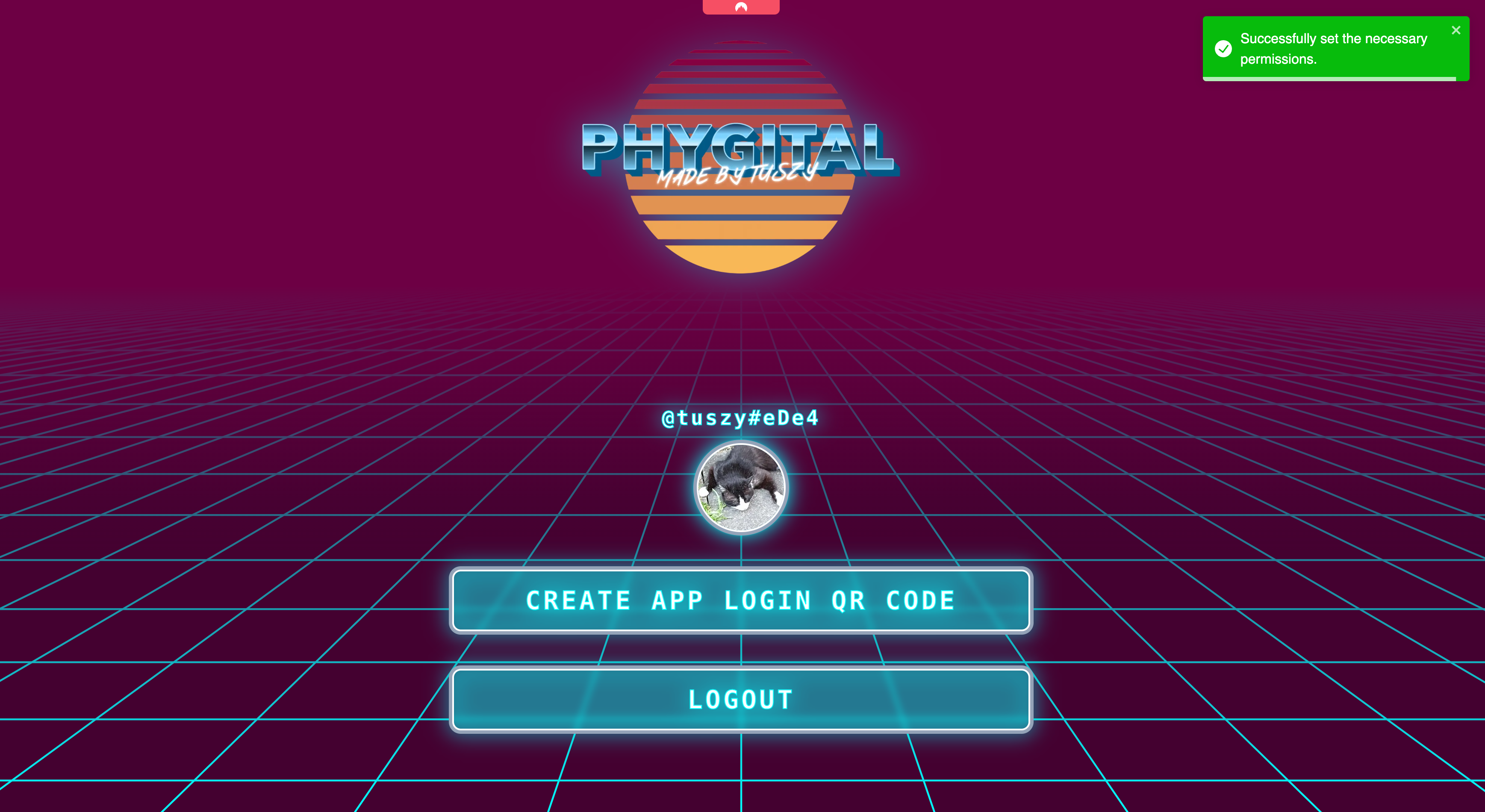
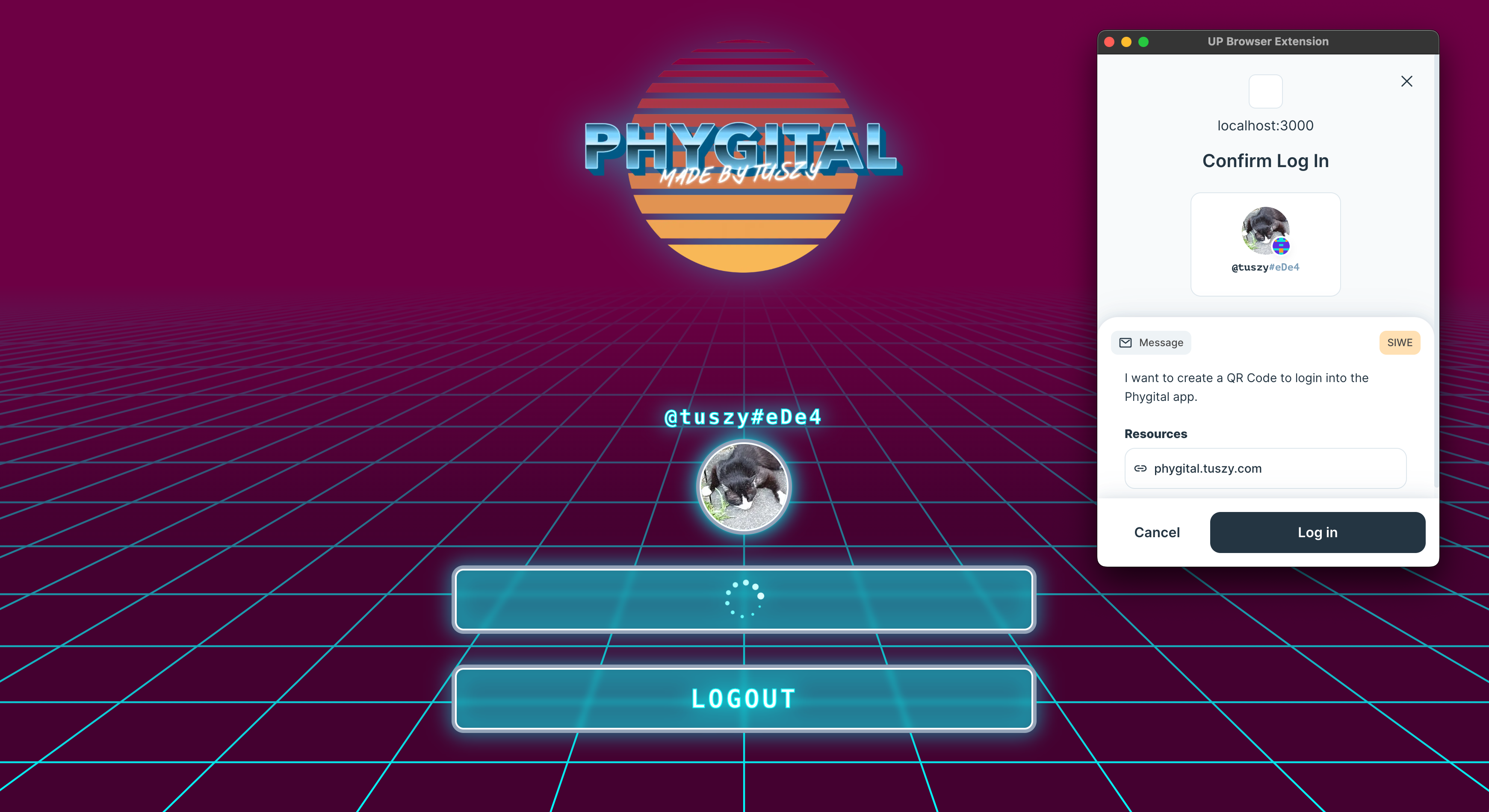
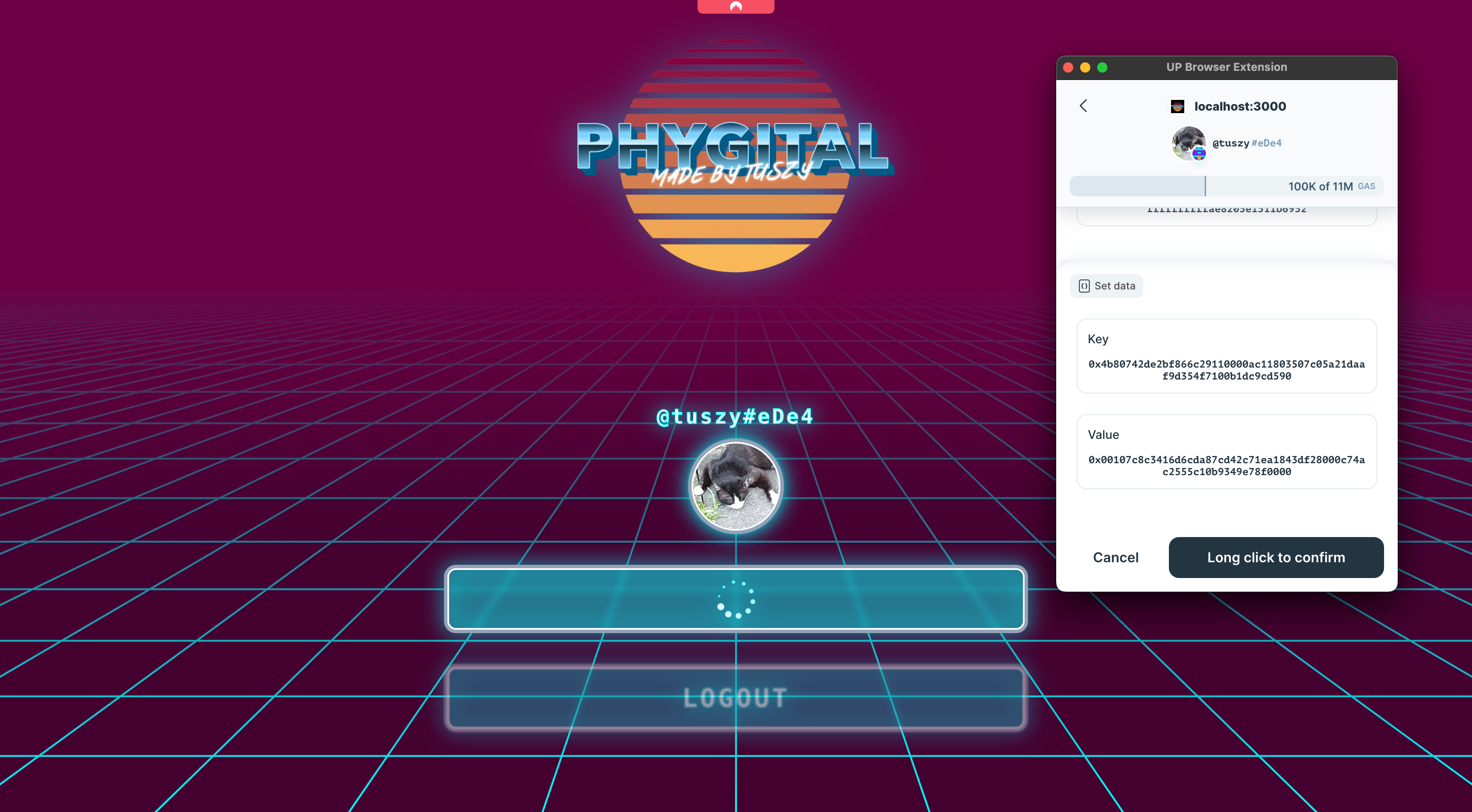
A web application to link the item to a Universal Profile (UP),
A smart contract to mint a "digital twin" NFT of the physical object on the blockchain.
The user simply scans the item with their smartphone, and the item is instantly registered and linked to their identity on the blockchain — no blockchain knowledge required.
How we built it
The project includes several components:
Smart Contracts (Solidity / Lukso) – to handle minting and ownership of digital twins on the blockchain.
Web Application (React + Ethers.js) – to allow users to add a controller to their Universal Profile.
Mobile App (React Native or Flutter) – for scanning NFC tags and linking physical products to the blockchain.
NFC Tag – embedded in the product and used as a unique identifier or URI trigger.
Backend (Node.js / Firebase) – to temporarily store and manage metadata and tag associations.
Challenges we ran into
Learning and working with Lukso's LSP standards and Universal Profiles, which are still evolving.
Ensuring smooth and secure NFC communication across devices.
Making the onboarding as intuitive and frictionless as possible for non-technical users.
Hardware limitations due to lack of experience in electronics and NFC programming.
Time constraints during the Lukso BuildUP Hackathon (4 weeks only).
Accomplishments that we're proud of
Successfully creating an end-to-end phygital experience that connects a physical product to a blockchain identity.
Building a fully working prototype with smart contracts, mobile app, and NFC interaction.
Achieving extremely simple onboarding for users, requiring only a phone scan.
Empowering creators and brands to easily bridge their physical products into the digital world.
What we learned
Deepened our understanding of the Lukso ecosystem: Universal Profiles, KeyManager, LSPs.
Practical skills in NFC tag integration, communication protocols, and mobile NFC scanning.
How to design for accessibility, especially for audiences unfamiliar with Web3.
Insight into the hardware and UX constraints of building real-world blockchain products.
What's next for Phygital
Improve NFC tag robustness and cryptographic validation for anti-counterfeiting.
Add native OS support for more seamless NFC reading across iOS and Android.
Develop an open API for brands and creators to onboard and phygitalize their products.
Launch a limited edition phygital product line to test real-world market adoption.
Add gamification and reward systems for repeated physical engagement with tagged items.
Explore integration with social platforms and marketplaces for resale or showcase of phygital assets.

Log in or sign up for Devpost to join the conversation.