-
-
cover
-
Inspiration
Learn PHP security by seeing the risk, understanding the fix, and practicing safer code.
What it does
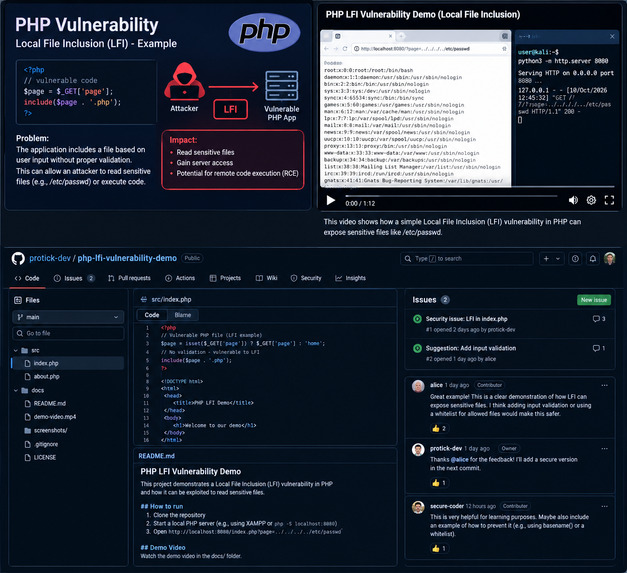
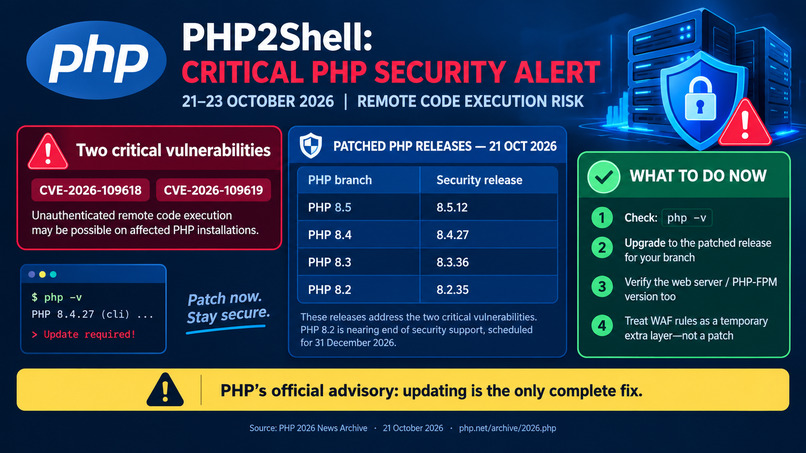
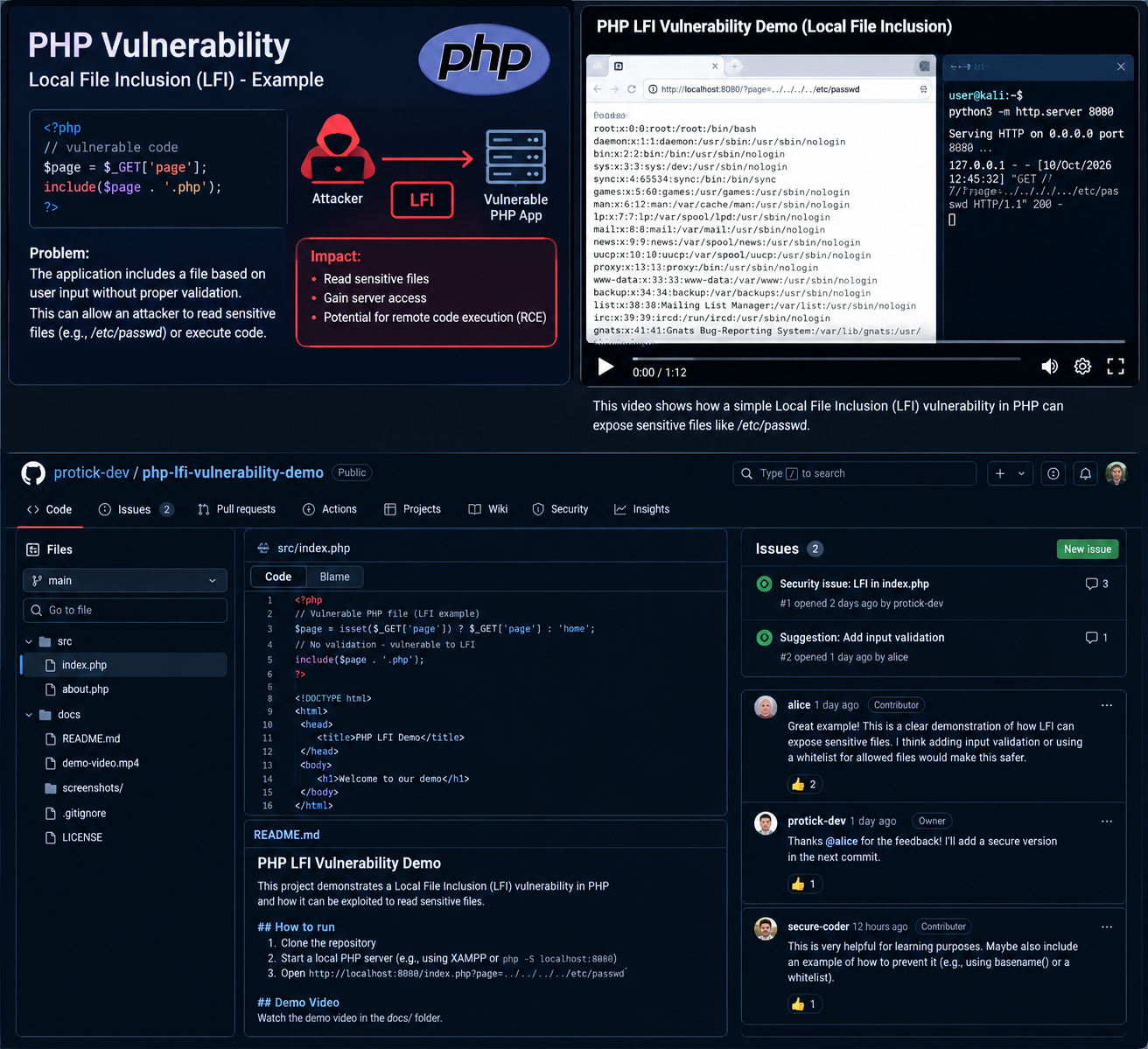
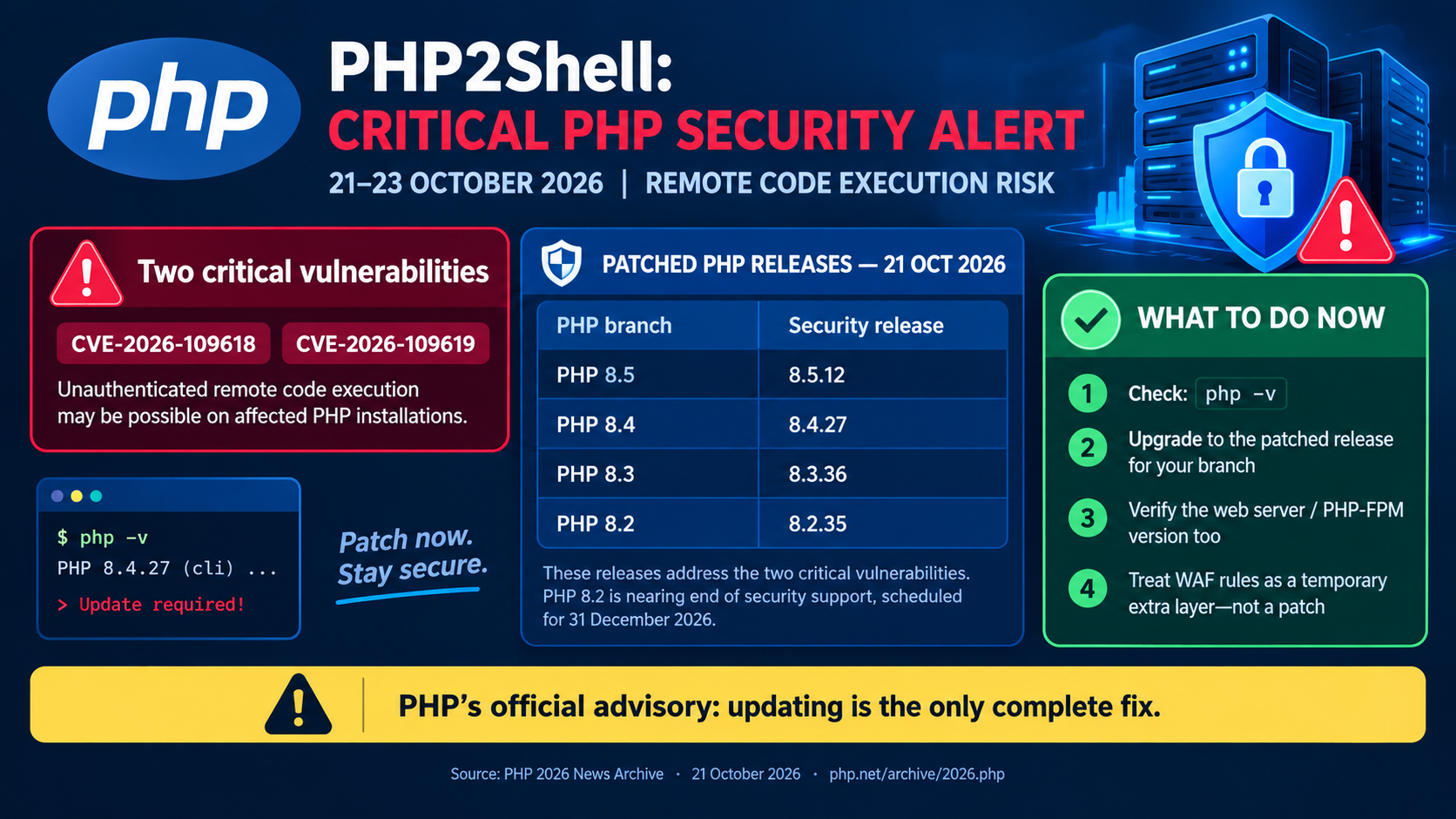
PHP Vulnerability Awareness Simulator is an educational cybersecurity project that helps beginners understand PHP security vulnerabilities, especially Local File Inclusion (LFI).
The project demonstrates how unsafe file handling can put applications at risk and explains how developers can reduce that risk using safer coding practices, such as allowlisting permitted pages.
It includes an interactive web demo, a cybersecurity cover image, an explainer video, and simulated repository interactions. Users can try likes, watches, comments, and a security remediation checklist to explore the experience of a collaborative developer community.
The project is designed for learning and awareness. It does not attack real websites, and its simulated likes and comments do not create actual GitHub activity.
How we built it
We built the project using basic web technologies:
- HTML to structure the educational content and interactive demo.
- CSS to create a responsive, cybersecurity-themed interface.
- JavaScript to power simulated likes, comments, watch controls, and the remediation checklist.
- PHP examples to illustrate vulnerable file inclusion and a safer allowlist-based approach.
- Local browser storage to preserve demo interactions in the current browser.
- Markdown documentation to explain setup, security concepts, and remediation steps.
- Visual assets including a cybersecurity cover image and an explainer video.
The project is designed to run locally in a web browser without requiring an API key or external service.
Challenges we ran into
One of our main challenges was explaining a real security concept without creating an unsafe application that could be used against real systems.
We also needed to make the demo interactive while keeping simulated likes and comments separate from real GitHub activity.
Other challenges included validating user-generated comments safely, handling saved browser data, testing the JavaScript interactions, and making the project easy for beginners to run.
We addressed these challenges by keeping the vulnerable PHP example educational rather than executing it, using safer output rendering, adding an allowlist-based remediation example, and documenting the project's limitations.
Accomplishments that we're proud of
We created a working, beginner-friendly cybersecurity awareness demo that combines security education with an interactive developer-community experience.
Key accomplishments include:
- Demonstrating the concept of PHP Local File Inclusion in an understandable way.
- Showing how allowlisting can help prevent unsafe file inclusion.
- Building interactive likes, comments, watch controls, and a remediation checklist.
- Creating a visual cover and an explainer video to improve presentation.
- Organizing the project with documentation and test files.
- Running basic regression checks and PHP syntax checks on the educational examples.
We are proud that the project makes an important security concept more approachable for developers who are just starting to learn secure coding.
What we learned
We learned that cybersecurity education works best when technical concepts are paired with clear explanations and practical demonstrations.
We also learned the importance of validating input, safely rendering user-generated content, avoiding unsafe file paths, using explicit allowlists, and testing interactive behavior.
Another important lesson was that a polished demo should clearly distinguish between simulated features and real integrations. Our likes and comments demonstrate interface behavior rather than communicating with GitHub itself.
Finally, we learned that documentation, reproducible tests, and simple setup instructions are essential parts of a useful developer tool.
What's next for php-vulnerability-awareness-sim
Our next goal is to turn the prototype into a more complete interactive security-learning platform.
Planned improvements include:
- Adding guided lessons for SQL injection, cross-site scripting (XSS), and insecure file uploads.
- Expanding the security checklist with explanations and remediation examples.
- Adding automated tests and continuous integration using GitHub Actions.
- Improving accessibility and mobile responsiveness.
- Providing more realistic but isolated vulnerability exercises using a dedicated local lab.
- Adding a security report that summarizes the vulnerabilities explained and the recommended fixes.
- Exploring integration with static-analysis tools to help developers identify potential security issues in their own PHP code.
Our long-term vision is to make secure coding easier to understand and practice through interactive, beginner-friendly demonstrations.
Built With
- ai
- codex
- css
- html
- javascript

Log in or sign up for Devpost to join the conversation.