-
-
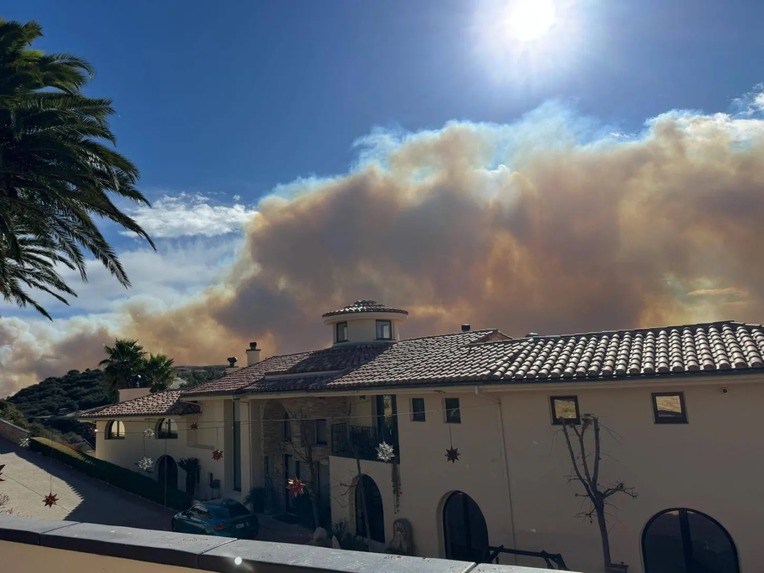
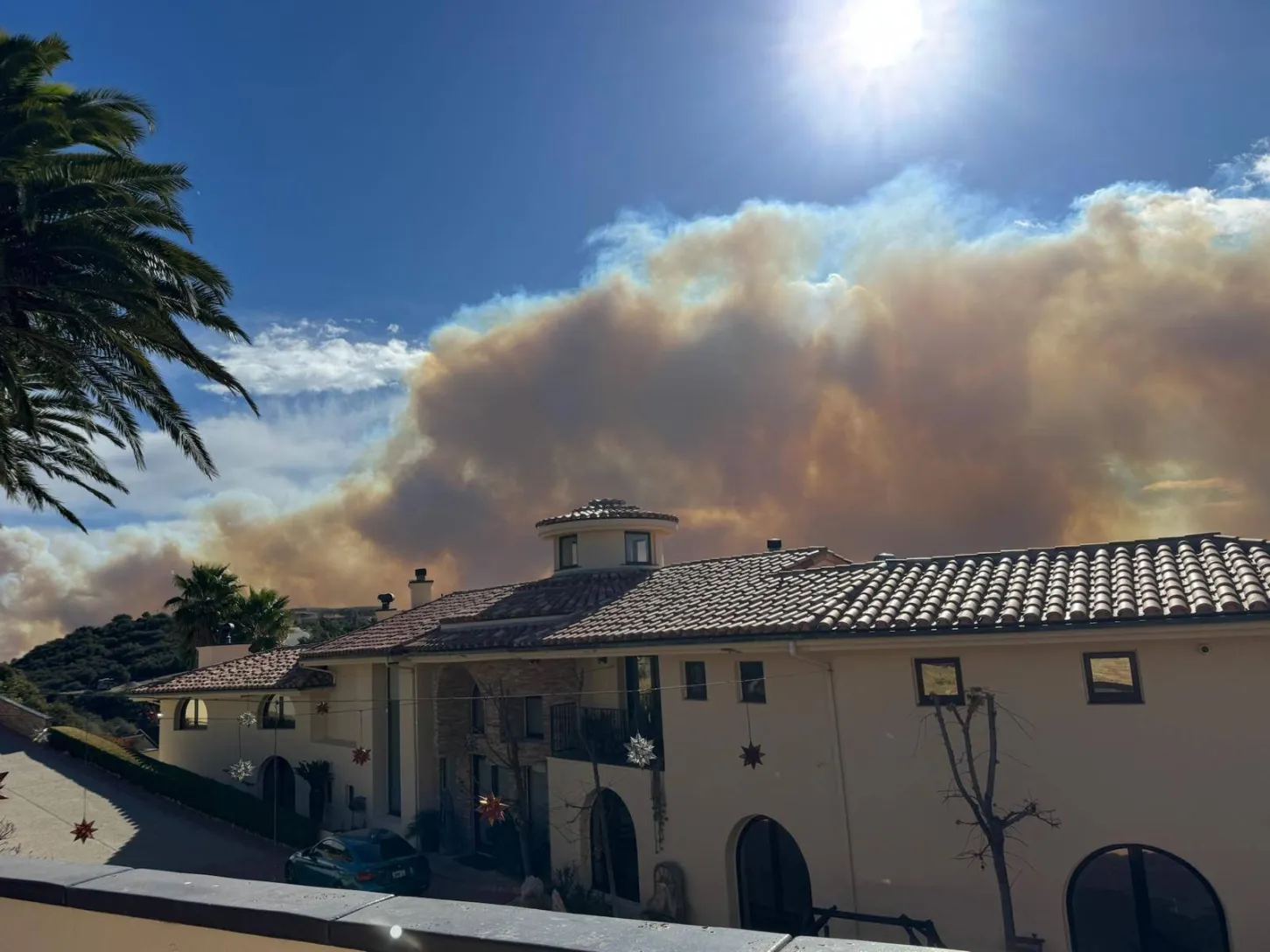
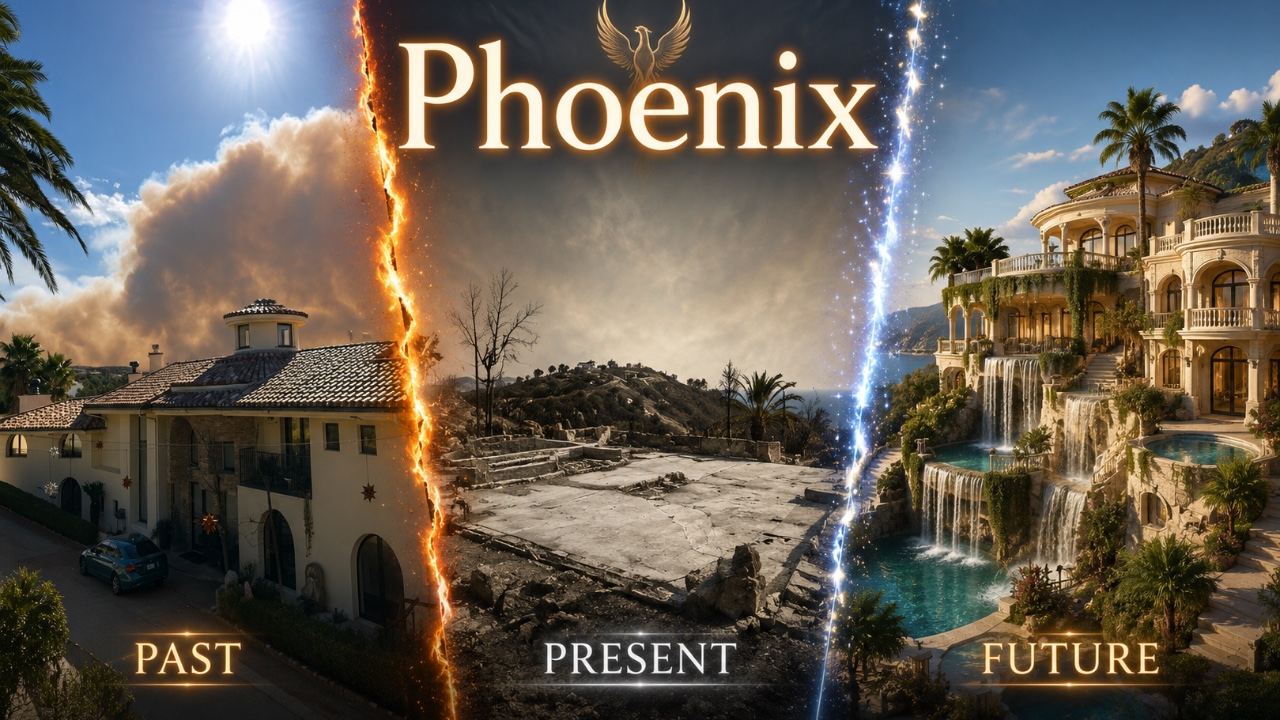
Original house that burned 18 months ago
-
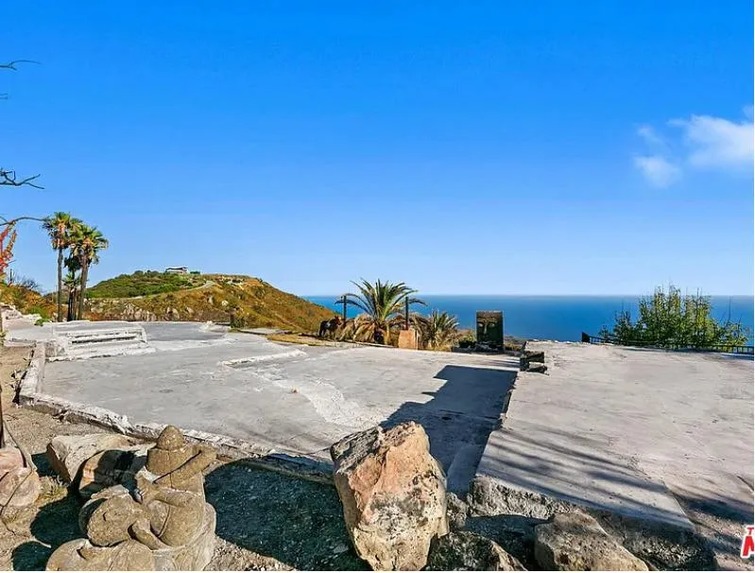
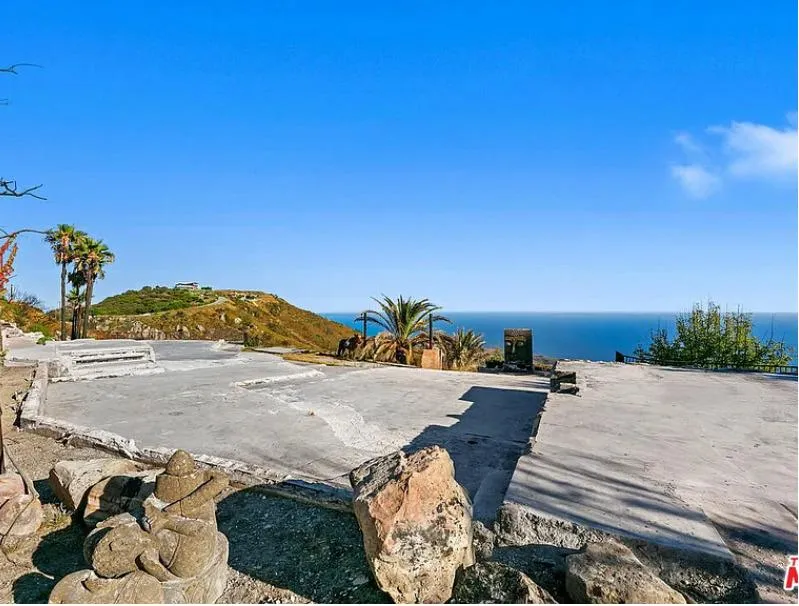
Present House location
-
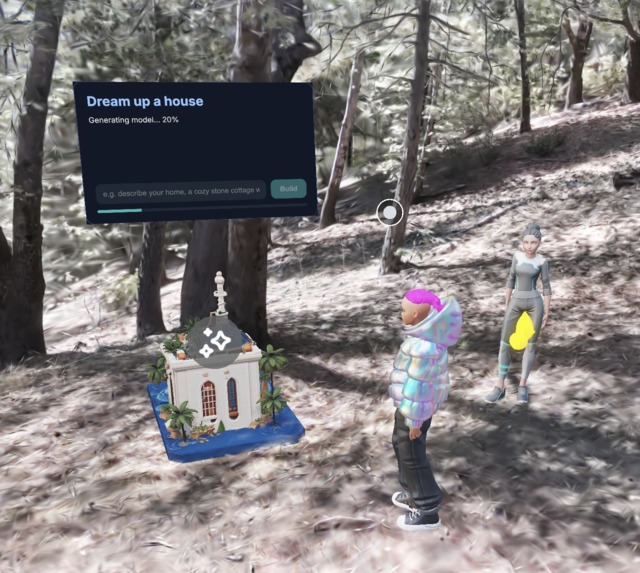
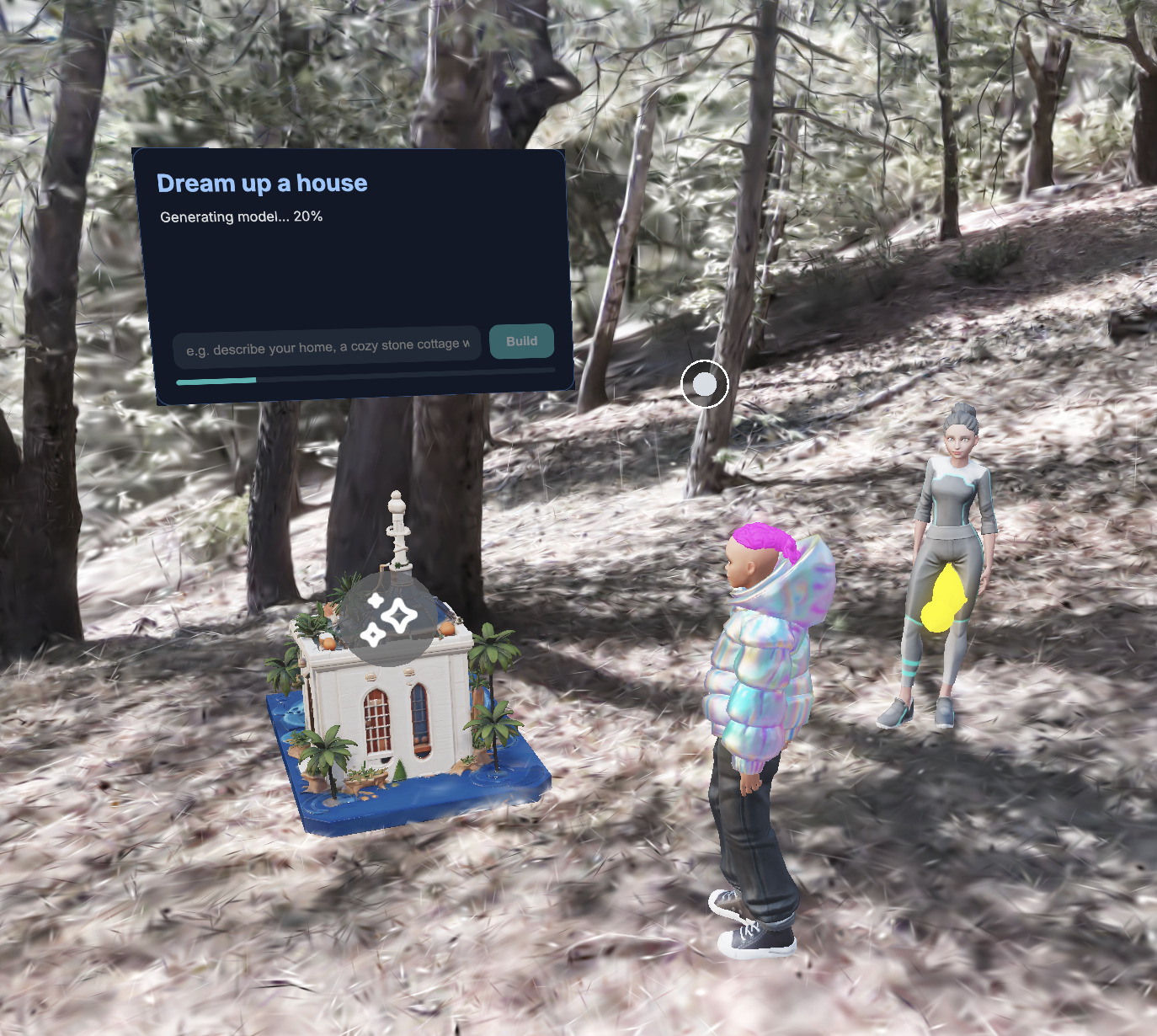
Early tests inside splats for prompting with Tripo3D
-
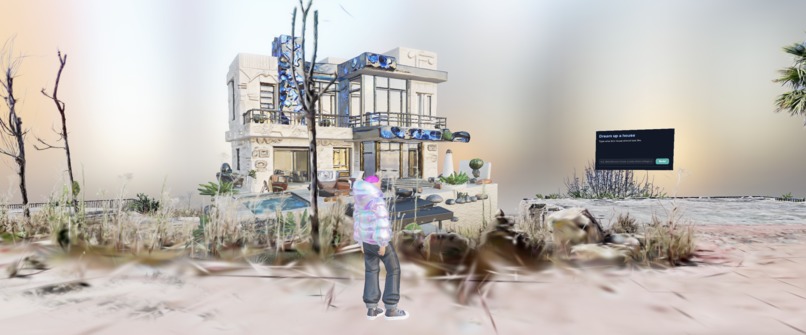
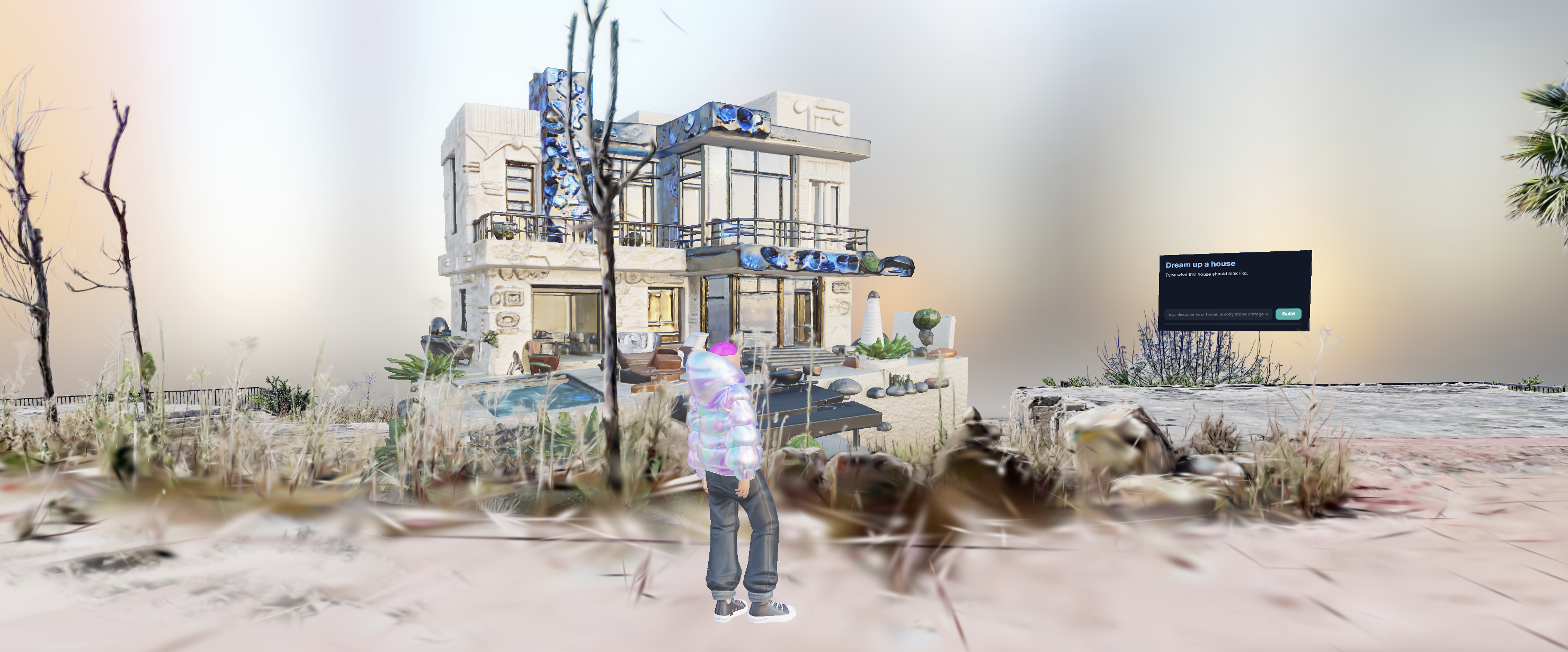
Testing inside of our reality capture of the post-fire site in Topanga, CA
-
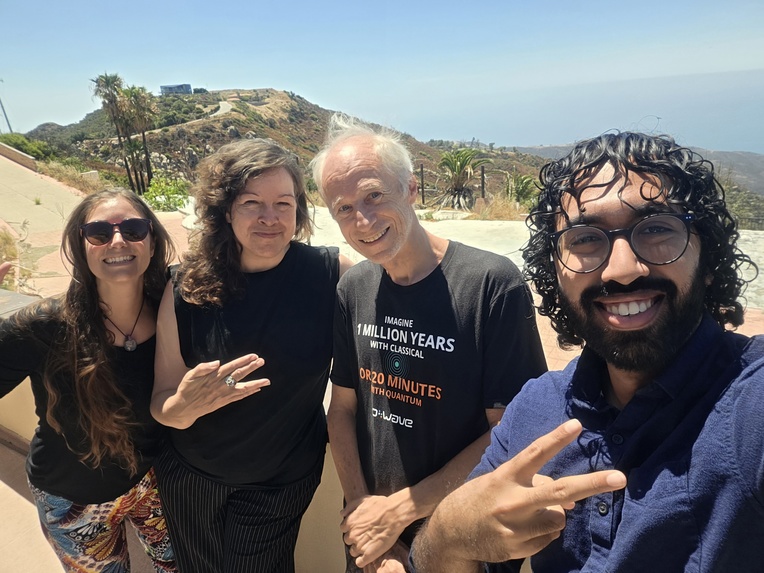
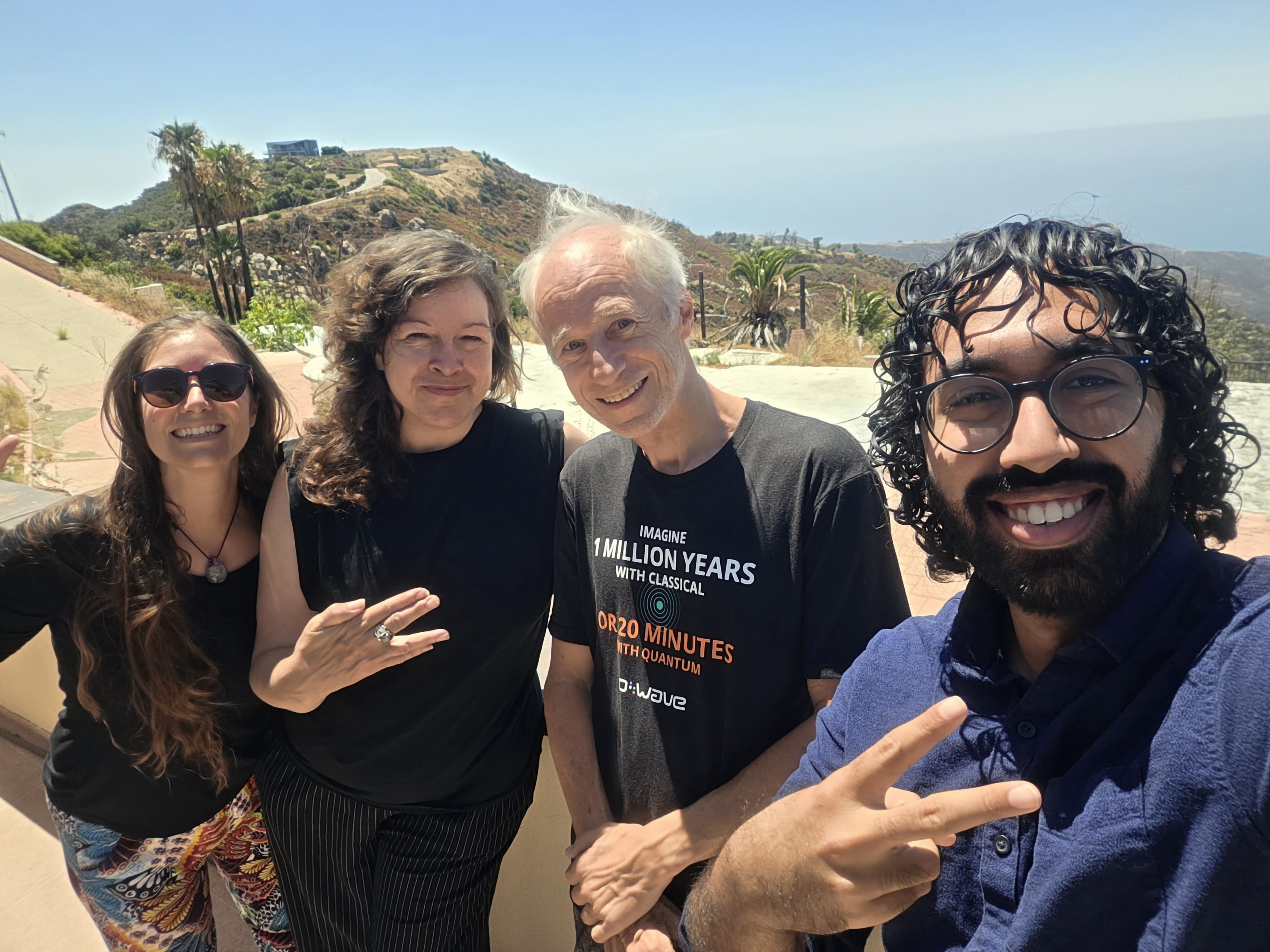
Team Phoenix (From Right to Left: Amir, Ray, Evo, Josette)
-
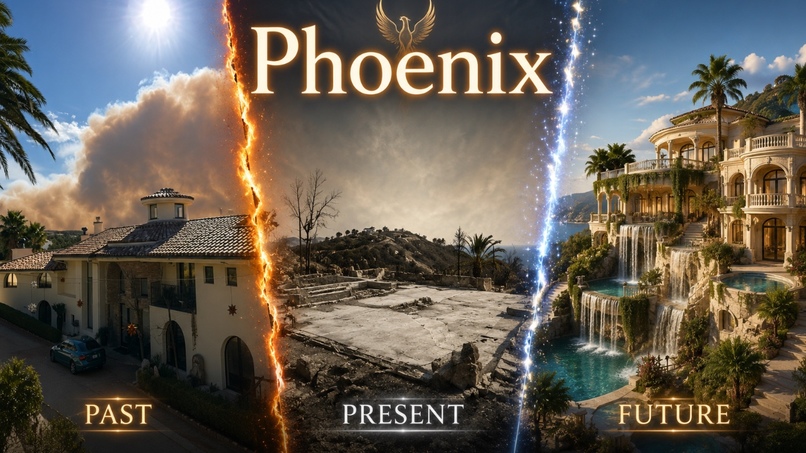
Phoenix thumbnail for app and Arrival.Space
-

PHOENIX logo for app and story experience

Inspiration
Our story begins in the hills outside Los Angeles, where fire took an entire neighborhood of homes and left others standing. Why?
That question is the seed of this whole project. The answer is not luck. It is materials, siting, defensible space, and a hundred decisions made years before the fire arrived. Most people never learn which decisions mattered until it is too late to make them.
In early 2025, wildfires destroyed more than 12,000 homes across Los Angeles. Eighteen months later, fewer than two dozen have been rebuilt. Most of the rest never will be. Rebuild costs outrun the insurance payout, sites become too risky to insure at all, and returning to the place where you lost everything is more than many families can carry.
The families who do rebuild face a different problem. Our earlier research into materials, methods, and logistical breakdowns found that people stay out of their homes for three to ten years after a fire or hurricane destroys them. That time is not spent building. It is spent deciding, budgeting, and waiting on approvals.
After more than 20 years documenting communities rebuilding with natural, fire-resistant materials across California, Hawaii, and the East Coast after disasters destroyed thousands of homes, Phoenix (formerly GrowAHome and RESTORY) serves as the pilot for an immersive series exploring how communities build and rebuild in the face of climate disasters, from wildfires to hurricanes. We envision it as the foundation of a larger documentary experience designed for dome theaters in science and discovery museums.
What it does
Phoenix is built for three people:
- The homeowner who watched a neighbor's house survive and wants to know why theirs might not.
- The homeowner who wants to retrofit now, before the next fire, and needs to see what those choices actually look like.
- The survivor rebuilding today who has to put a vision in front of neighbors, insurers, and a county approvals board.
The pilot reconstructs one lost home across three time states.
Past. A filmed introduction shot on 360 and drone camera carries you into the site and into the story of what was standing before the fire.
Present. A high fidelity Gaussian splat capture of the site exactly as it is today, walkable in a browser or a headset. Nothing is staged, cleaned up, or reconstructed. This is the ground truth of a burn site, preserved.
Future. Inside the experience, you describe the home you would put back. That prompt is sent to a text to 3D model, and the returned structure loads into the splat scene on the footprint of the house that burned. You can stand next to what you imagined, on the actual site, at real scale.
The point is speed. Right now, moving from "what could we build here" to something you can show another person takes months of drawings and money most survivors do not have. Phoenix compresses that to minutes, and what comes out is not a rendering on a page. It is a walkable, shareable, sited proposal. That is the artifact that unblocks a conversation with a planning department, and unblocking that conversation is how you take years off the time a family spends out of their home.
How we built it
Capture. XGRIDS LK2 Pro and PortalCam on site, led by Josette Seitz on reality capture, plus photography, drone footage, and 360 capture for the storytelling introduction.
Delivery. Arrival.Space for WebXR, hosting the splats and serving the walkable experience to browser and headset.
Generation. Tripo3D, wired into Arrival.Space through its API so that user prompts entered inside the experience return 3D models that are imported straight back into the live scene.
Research. WorldLabs experiments in splats and generative worldbuilding for real homes.
Testing. PICO emulator runs for splat performance and experience design iteration.
Supporting. Lovable for the website, CapCut for video editing, and Claude, ChatGPT and Gemini for additional code and image gen support.
Ray's full story is at https://youtu.be/Fks59Dp2qyA
Our 1 minute introductory demo for PHOENIX is at https://youtu.be/1fI8APdOF8s
Challenges we ran into
Getting Tripo3D and Arrival.Space to talk to each other. Prompting a 3D model from inside a live WebXR scene and getting the result back into that same scene meant working through API complexity on top of unreliable field wifi. This was the hardest part of the build and the most satisfying moment when it finally landed.
Splat processing does not care about hackathon deadlines. Roughly 4 hours to reach the site and capture it, then another 8 hours of processing. That math gave us exactly one shot at the capture, with no chance to reshoot if something was wrong. Every decision on site had to be right the first time.
Capturing loss. A burn site is not a normal capture target. There is little intact geometry to lock onto, and the emotional weight of working on someone's destroyed home shapes how you frame every shot.
Accomplishments that we're proud of
- The full pipeline works end to end, from field capture through processing, WebXR delivery, and generative 3D placement inside the running scene.
- The splat is genuinely walkable, and walking it lands as an experience rather than a tech demo. People get quiet in there.
- We built something aimed at a real bottleneck. The same pipeline points directly at participatory public design, where a community can propose and stand inside rebuild options for a shared site before anyone breaks ground.
What we learned
- WebXR delivery of large splat scenes, and where the real performance ceilings sit across browser and headset.
- Generative 3D as a live component of an experience rather than a separate asset pipeline, including what it takes to keep prompt to placement fast enough to feel interactive.
- Reality capture applied to rebuilding and resilience. Most splat work chases spectacle. Pointing it at loss, documentation, and recovery asks different things of the capture and of the people doing it.
What's next for Phoenix
The capture is the foundation. The layers that go on top of it are what turn this from a memorial into a tool:
- Materials. Biogenic and fireproof building choices, shown in place, with what each one does to your resiliency and your risk.
- Budget and planning. Real numbers attached to real options, at the moment someone is deciding.
- Approvals. Guidance through county and local permitting for rebuilding and remediation, the step where most of those three to ten years disappear.
Beyond the pilot, we want to expand from one home to many sites and beyond fire to hurricanes and floods, following the scope of the Grow a Home series. Distribution through immersive domes at science and discovery museums as part of the documentary feature, and free public access on the web and through XRGuide.
Built With
- arrival.space
- capcut
- claude
- lovable
- pico
- python
- tripo
- xgrids

Log in or sign up for Devpost to join the conversation.