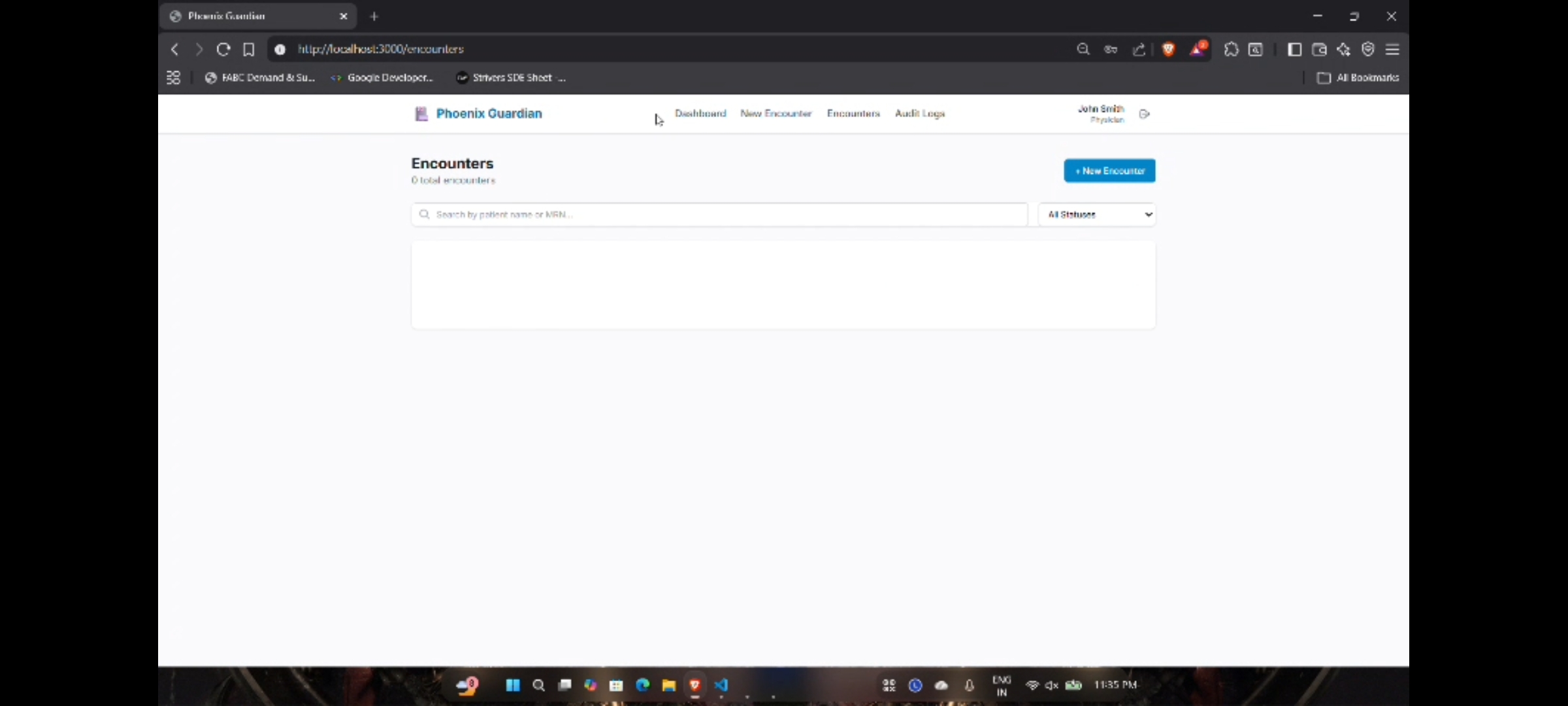
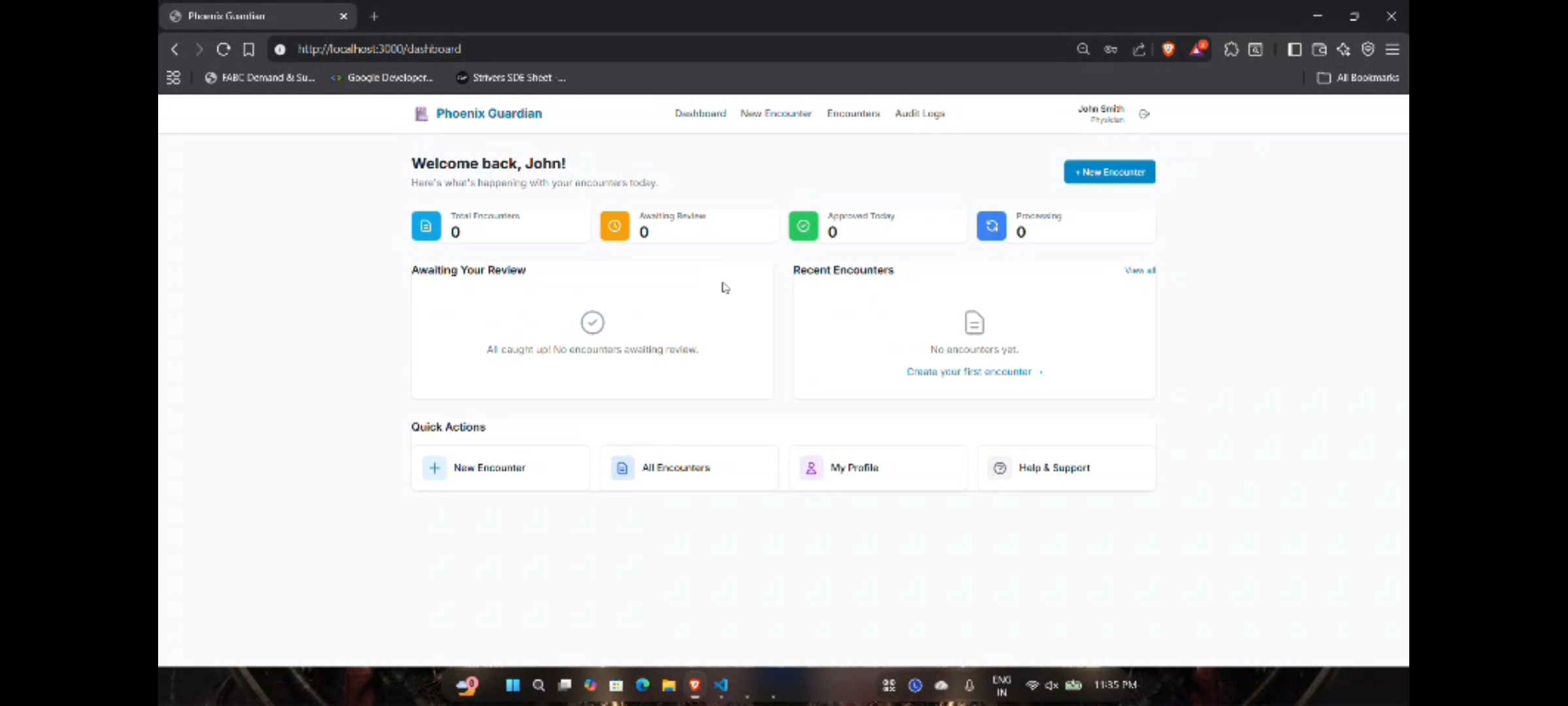
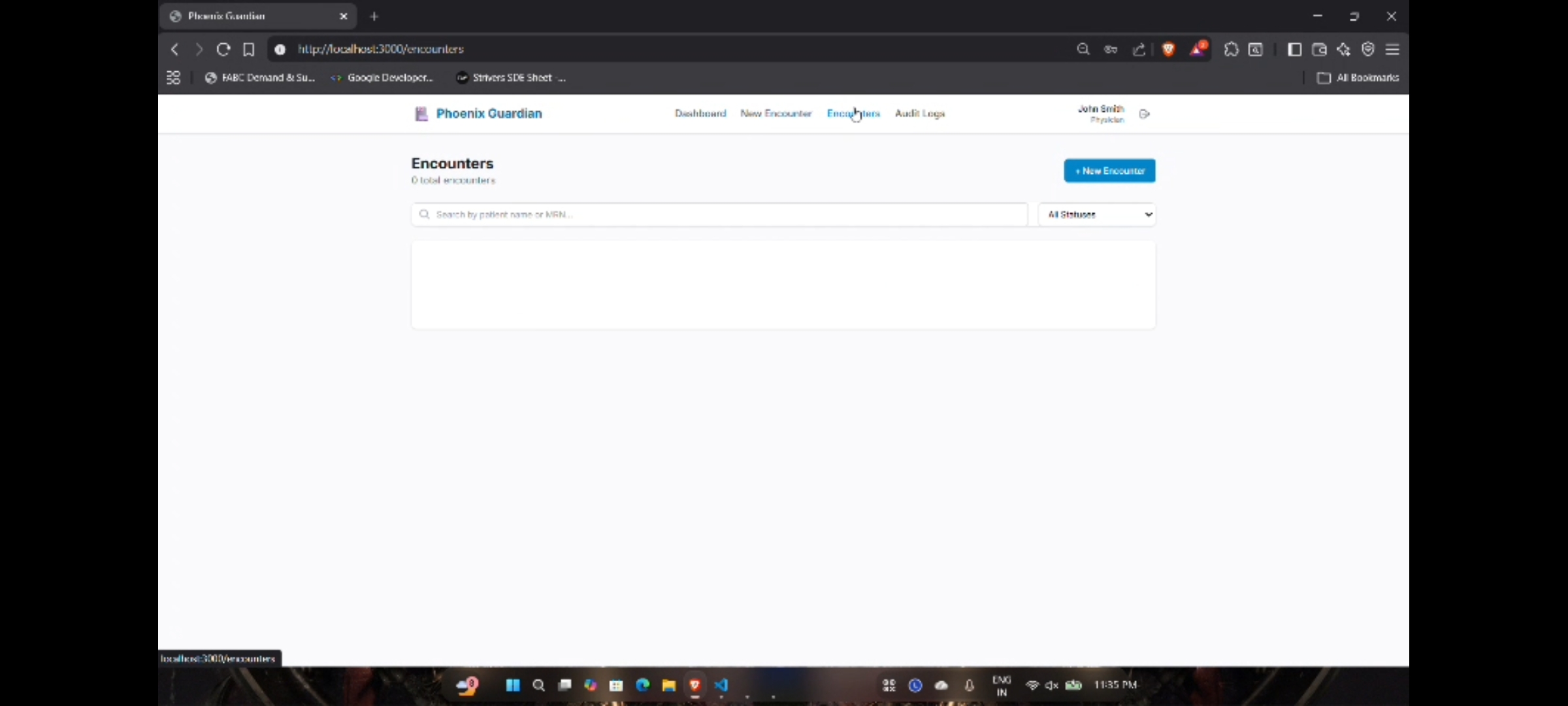
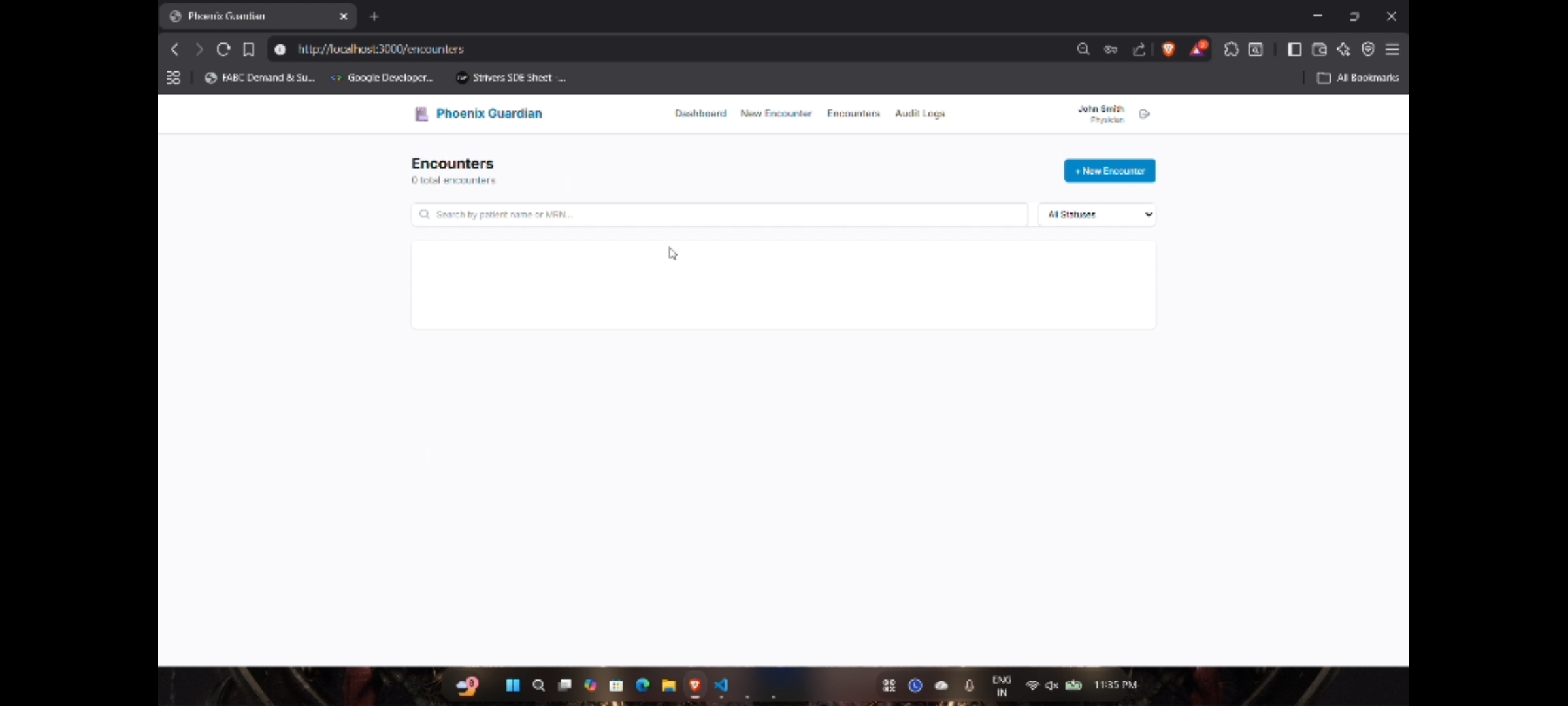
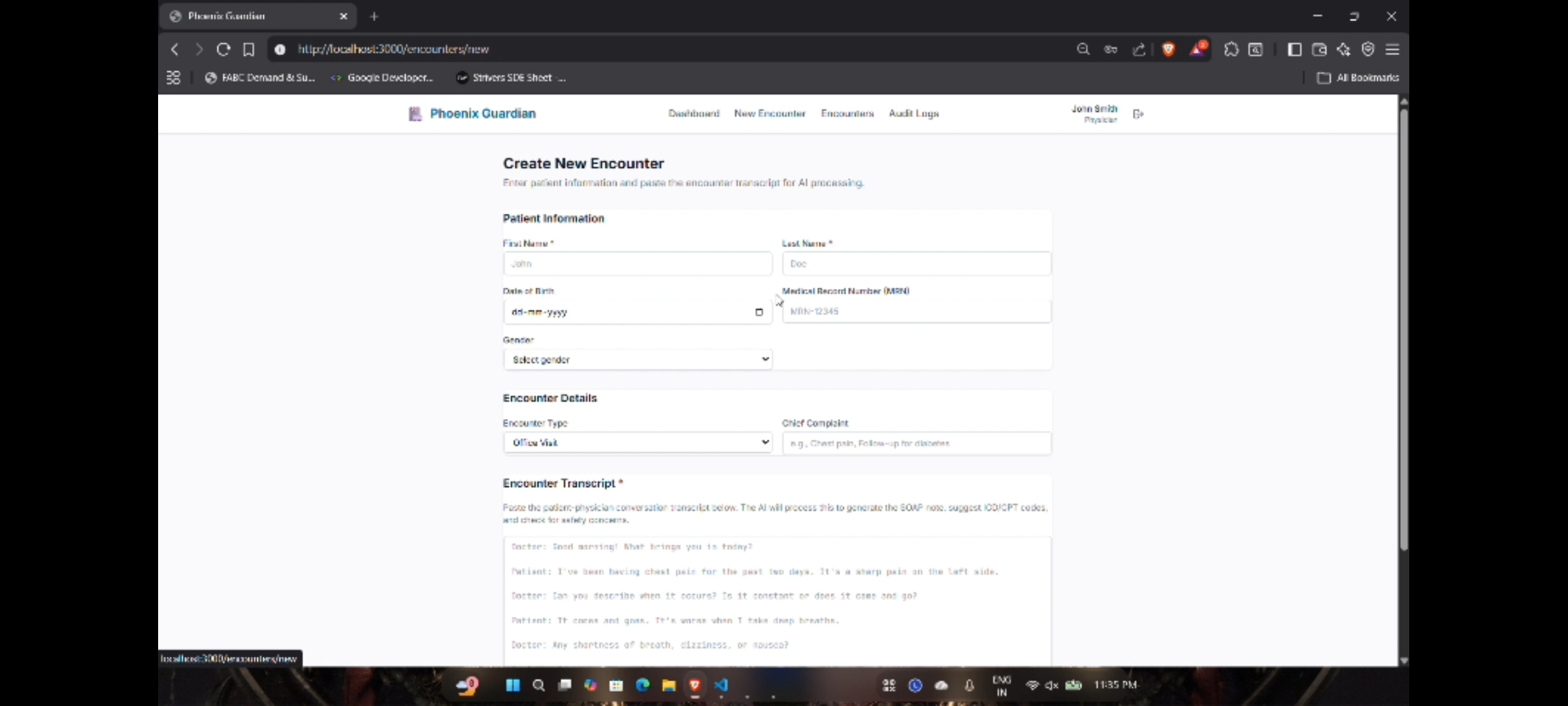
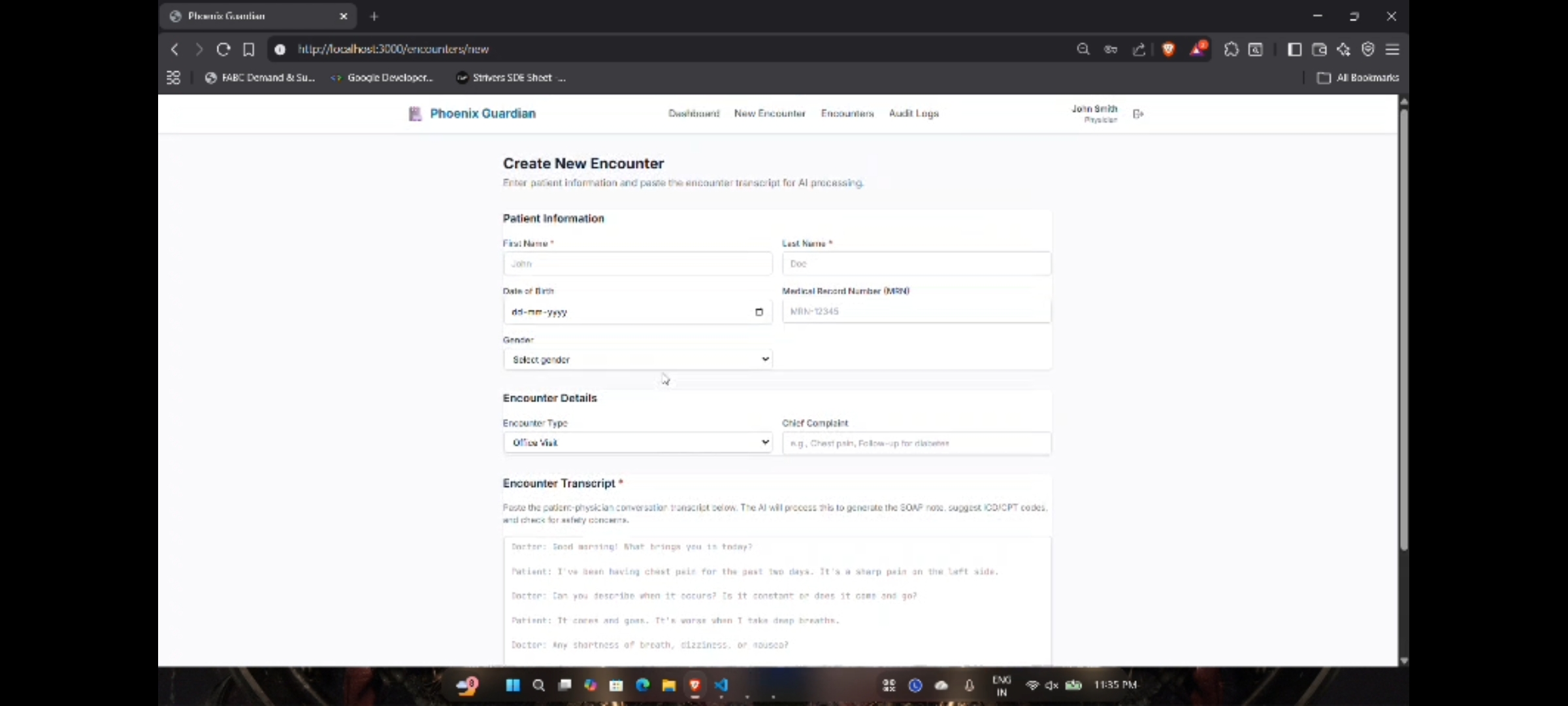
Phoenix Guardian 5.0 addresses the Healthcare Data Sharing Impossibility Triangle through a comprehensive multi-layered architecture that enables simultaneous achievement of AI accuracy, privacy protection, and collaborative learning. Our approach fundamentally differs from existing solutions by deploying production-ready systems today while maintaining architectural flexibility for future quantum enhancement. The core innovation centers on quantum-ready federated learning that allows multiple healthcare facilities to collaboratively train artificial intelligence models without transferring actual patient data between organizations. Each hospital maintains complete control over its patient records, which never leave the local facility. Instead, the system shares encrypted mathematical representations of learning patterns using NIST-approved post-quantum cryptography. These encrypted updates enable the AI to learn from collective clinical experience across hundreds of facilities while maintaining HIPAA compliance and information security. As quantum computing infrastructure matures, the architecture supports seamless migration to full quantum key distribution, providing information-theoretic security guarantees based on physics rather than computational assumptions. To address physician administrative burden, we have developed a unified four-agent architecture that consolidates previously fragmented workflows into an integrated intelligent system. The Clinical Intelligence Agent handles all documentation and quality assessment tasks simultaneously rather than sequentially. The Clinical Safety Agent validates medication orders and checks for drug interactions during the ordering process itself, eliminating dangerous gaps between order creation and safety verification. The Billing Intelligence Agent combines medical coding with insurance authorization processing, allowing clinical context to flow seamlessly through the revenue cycle. The Unified Security Agent performs threat detection, active deception, and intelligence gathering in a single operation, reducing response time from 337 milliseconds to 187 milliseconds while improving detection accuracy. The system implements bidirectional learning between security and clinical operations, where attack pattern recognition enhances fraud detection capabilities. Controlled testing demonstrated that incorporating security manipulation patterns into billing analysis improved fraud detection accuracy by thirteen percentage points while simultaneously reducing false positive rates by fifty-seven percent. This approach transforms security from overhead cost into a productivity-enhancing capability that directly benefits clinical and financial operations. Early validation demonstrates diagnostic accuracy improvement from eighty-two percent baseline to ninety-four percent through network collaboration, while physicians report saving approximately five hours daily on administrative tasks. The solution deploys immediately on standard hospital infrastructure without requiring specialized quantum hardware, providing measurable value today while ensuring long-term security against future technological threats.
Phoenix gaurdian
Phoenix Guardian enable hospitals to train accurate AI without sharing patient data, reduces doctor workload, detects fraud, and delivers quantum-ready security using existing hospital infrastructure.
Updates

Leave feedback in the comments!
Log in or sign up for Devpost to join the conversation.