-
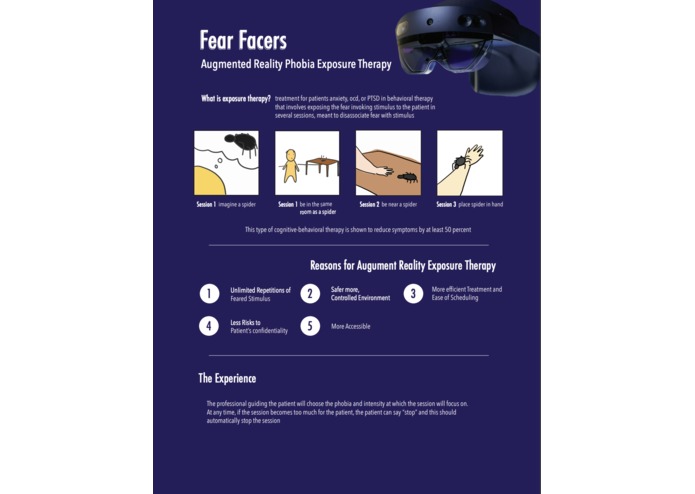
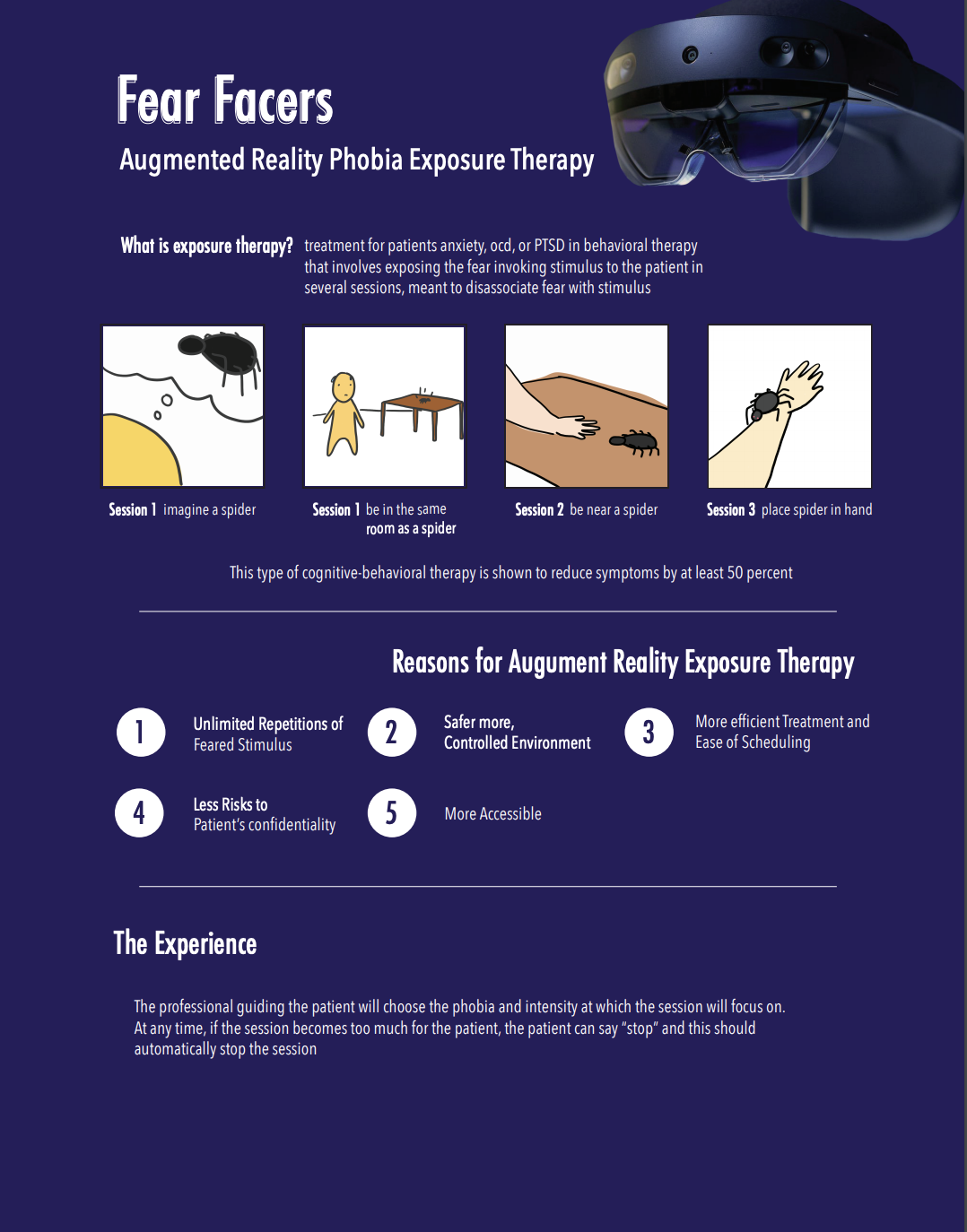
Infographic
-
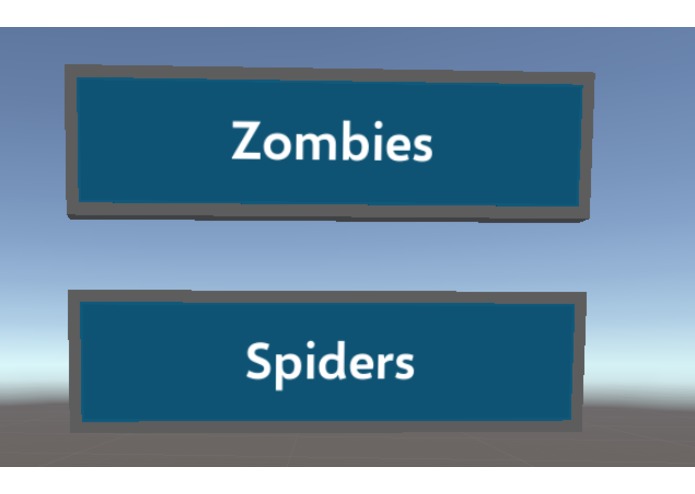
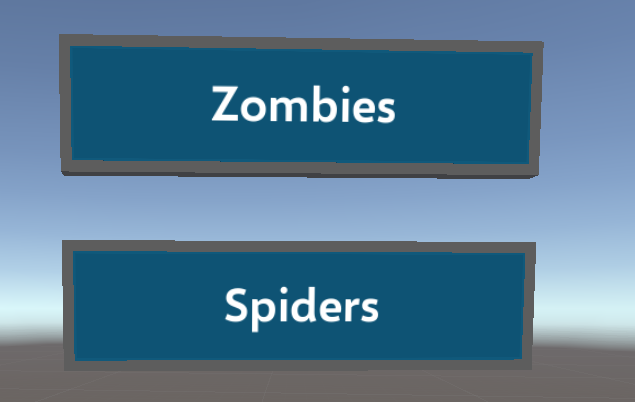
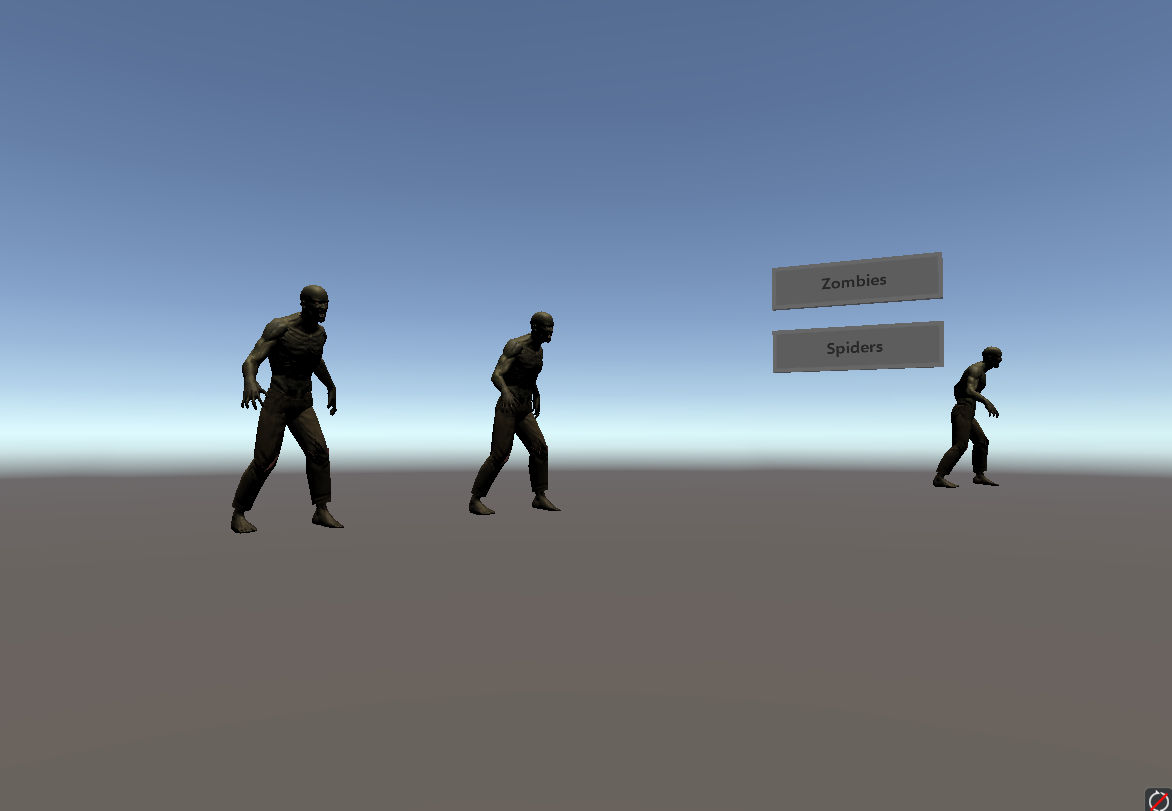
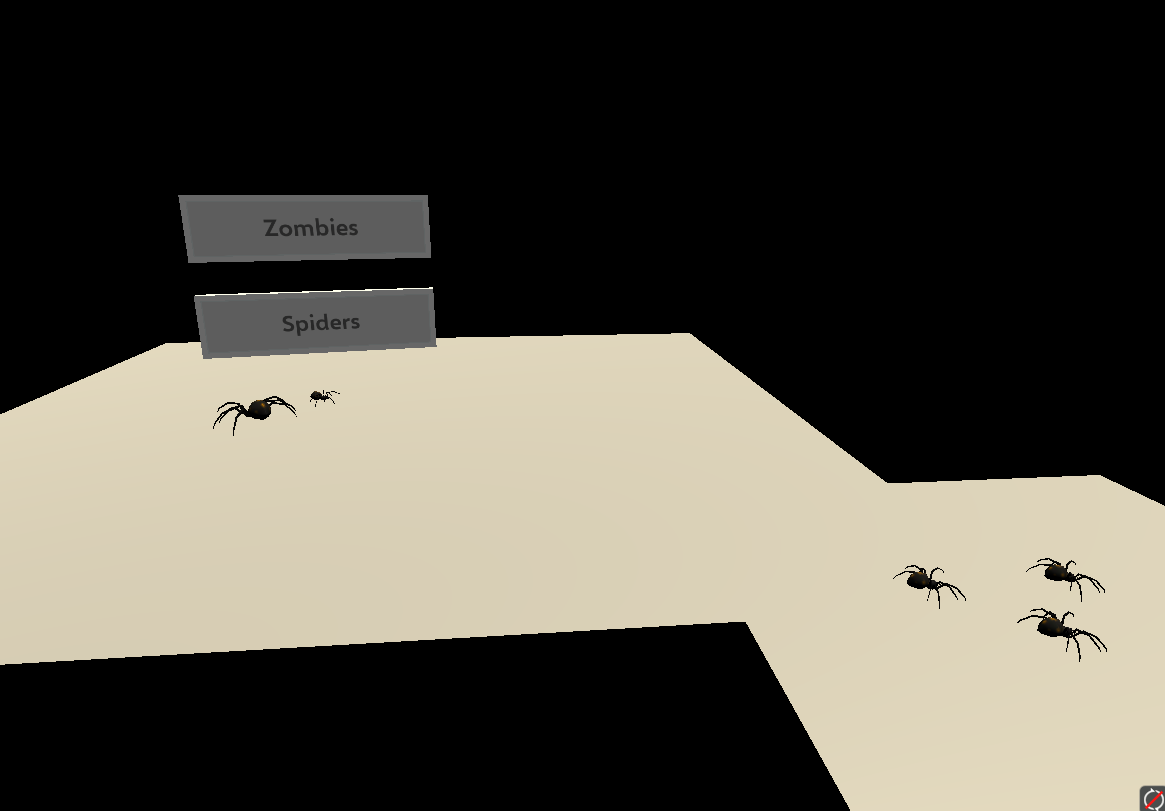
Users can select if they want to experience seeing zombies or spiders
-
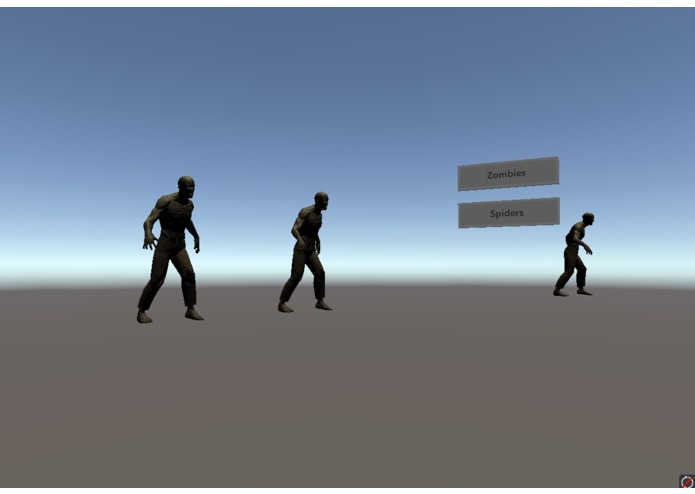
Zombies
-
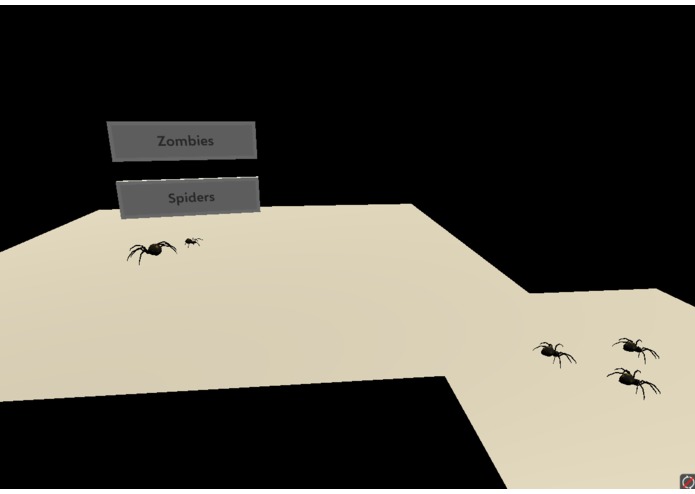
Spiders
Fear Facers
DubHacks 2019
Allison Lee, Elisa Truong, William K, James Kim
Inspiration
Our idea sparks from a one week OCD/anxiety therapy camp hosted by the University of Florida. The New York Times presented a story of a young girl who had OCD and was extremely afraid of getting sick, throwing up, and tornadoes. The camp would slowly immerse her into those uncomfortable situations. This type of cognitive-behavioral therapy is shown to reduce symptoms by at least 50 percent. It's an immersion, exposure of fear in increments. There is existing virtual reality immersion therapy, but we wanted to take a step further and build an augmented reality therapy. We want therapists to have a more accessible way of administrating safer cognitive-behavioral treatment.
What it does
Fear Facers is an augmented reality phobia-exposure experience. The phobia we chose to demonstrate is arachnophobia, which is the fear of spiders. In exposure therapy, a hierarchy is used to help patients confront their fears in a controlled manner. This allows for systematic desensitization, which is a treatment in which the patient is taught relaxation techniques while exposed to the anxiety-provoking stimuli. Our program follows an exposure hierarchy that presents the Hololens user with three intensity levels of fear.
How we built it
We built this using Microsoft's HoloLens and Unity!
Challenges we ran into
Setting up our machines to run Unity and Visual Studio to build and deploy our program. Lack of tutorials and lots of documentation to learn the technology. Navigating Unity's Platform was a bit challenging and took a bit to get used to.
Accomplishments
Working all night as a team to complete our project. It was rewarding to achieve a working HoloLens project.
What we learned
We learned that learning a cutting tool is difficult as there is a lack of help and people with HoloLens experience. We learned C# and Unity in a short period and created a working program for HoloLens.
What's next
We want to implement a therapist view that allows them to control the intensity levels rather than allowing the patients to choose. We would also like to add more phobias and more levels of intensity to match the therapist's immersion therapy. We want to allow users to customize their experience so that the software is flexible and tailored to their needs.
https://psychiatry.duke.edu/virtual-reality-therapy-phobias
https://nytimes.com/2019/09/29/podcasts/the-daily/children-fears-ocd-anxiety.html
https://www.goodtherapy.org/learn-about-therapy/types/exposure-therapy


Log in or sign up for Devpost to join the conversation.