Inspiration
Phishing attacks are a growing cybersecurity threat, leading to financial losses and data breaches. The need for a smarter, AI-driven solution inspired us to develop PhishShield AI.
What it does
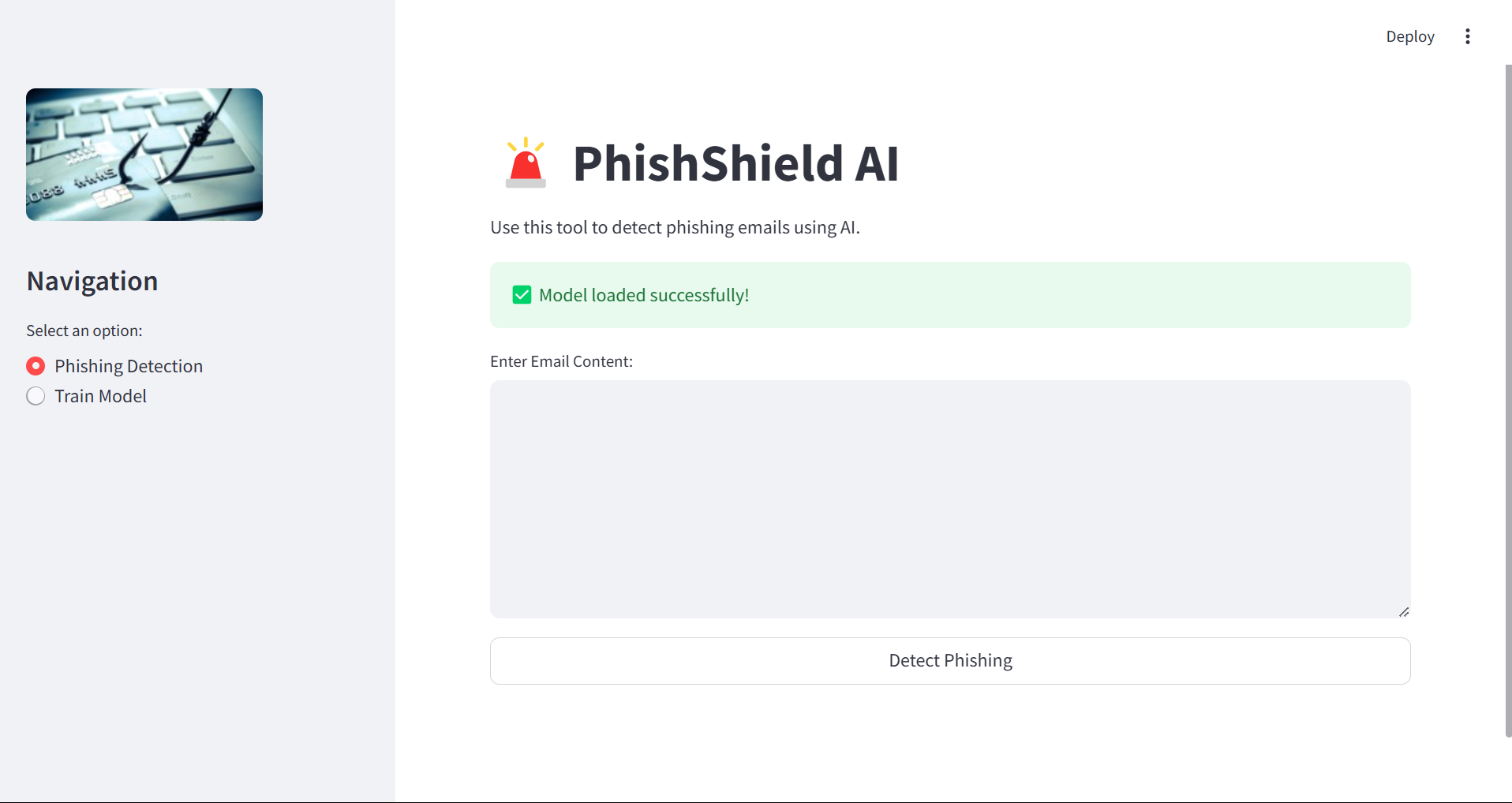
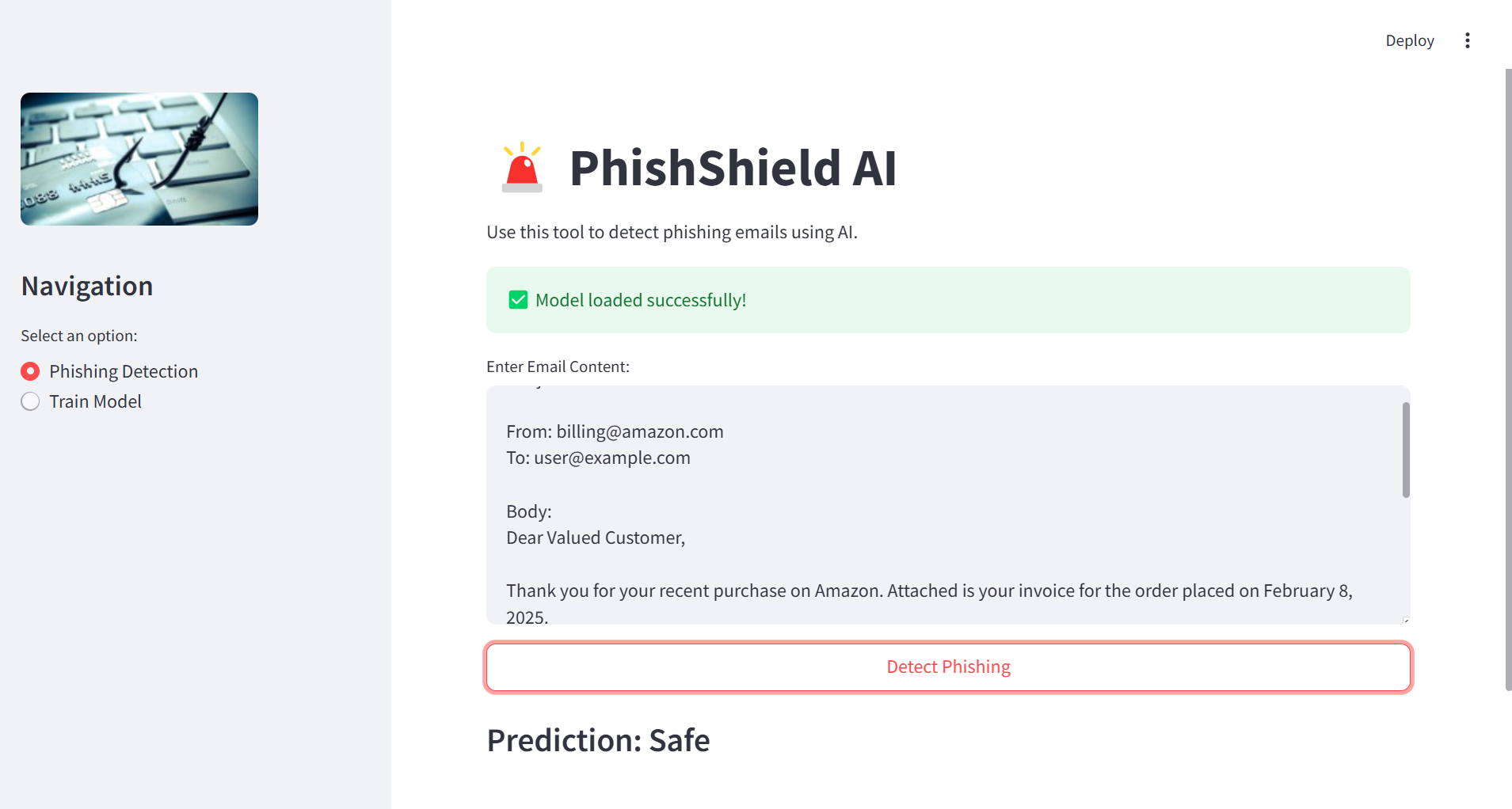
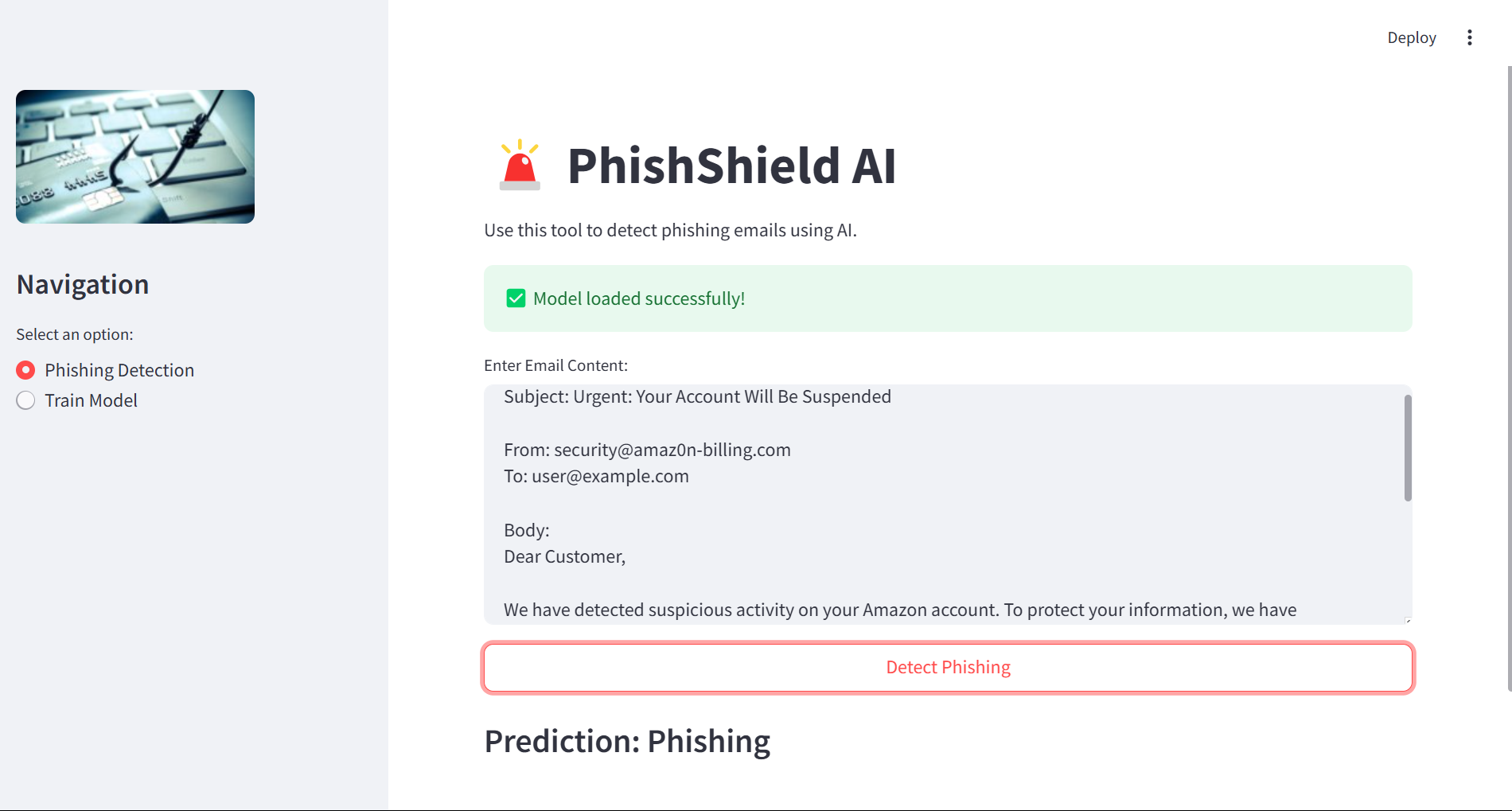
PhishShield AI detects phishing attempts in emails using machine learning, natural language processing (NLP), and URL analysis. It classifies emails as phishing or safe in real time.
How we built it
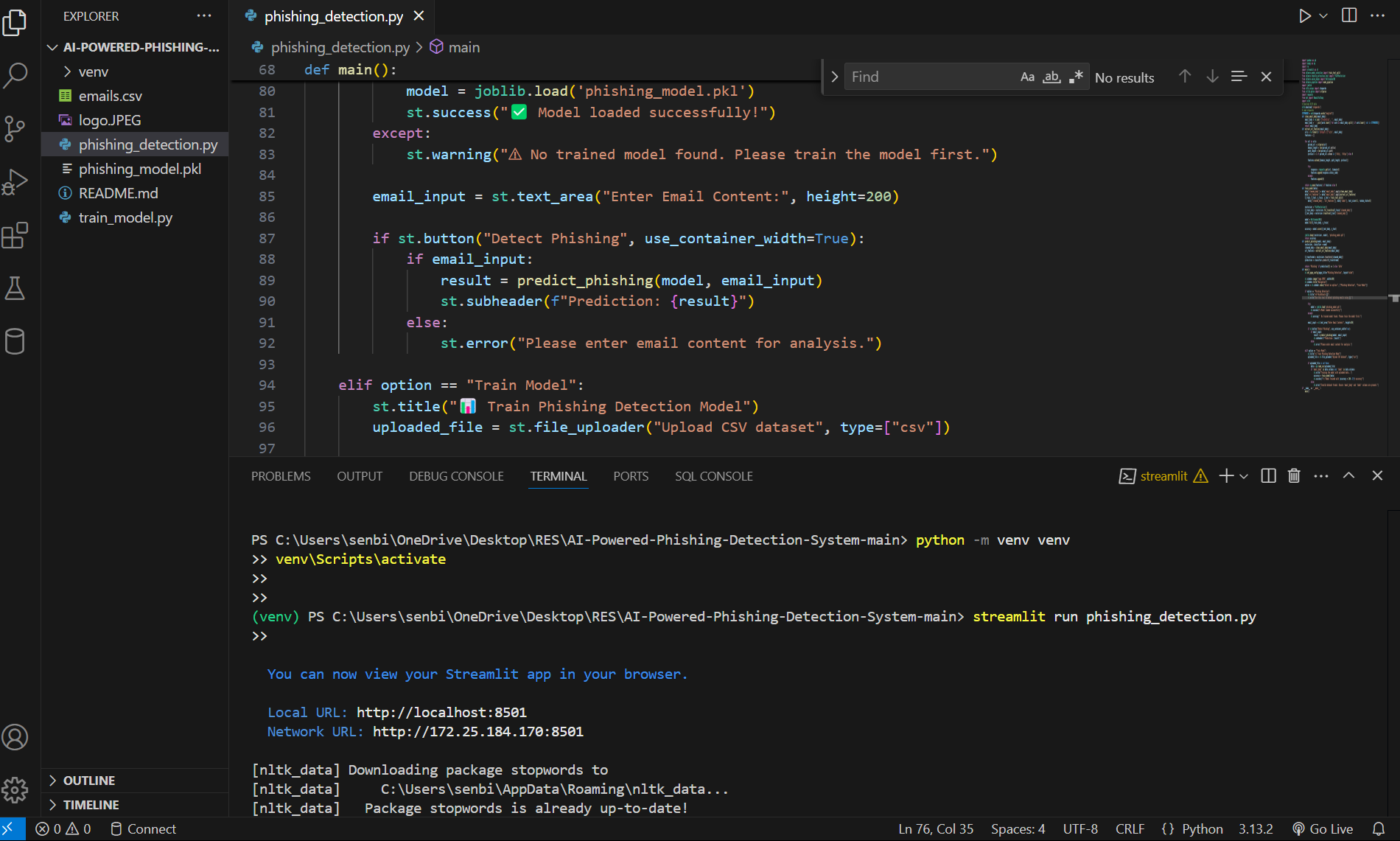
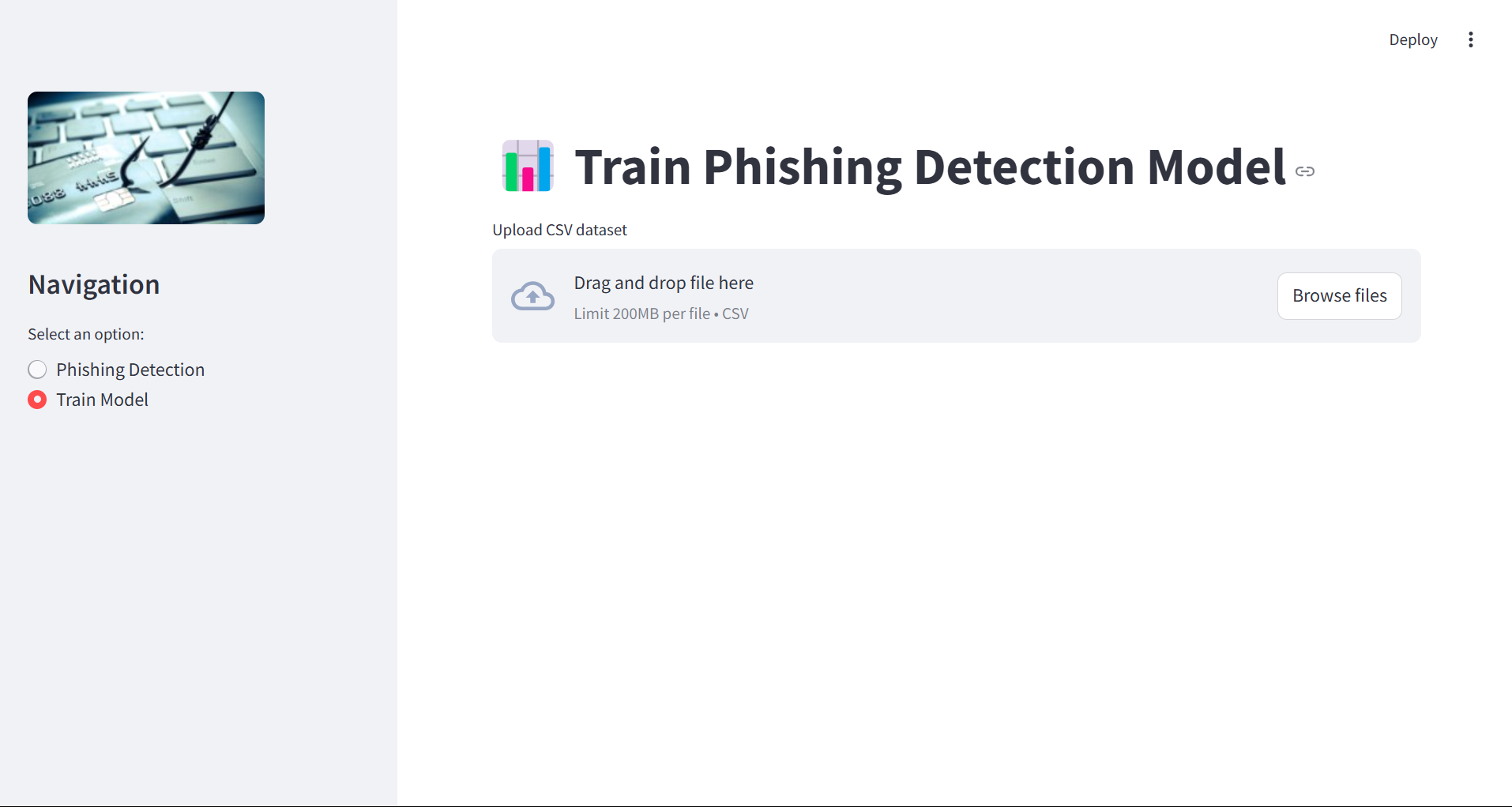
We developed PhishShield AI using Python, Streamlit, and scikit-learn. The system leverages ML models trained on phishing datasets, NLP for text analysis, and URL scanning to identify malicious links.
Challenges we ran into
Data Collection: Finding quality phishing datasets for training. Feature Engineering: Extracting relevant features from email text and URLs. Model Accuracy: Improving precision and recall to minimize false positives.
Accomplishments that we're proud of
Successfully built an interactive, real-time phishing detection system. Achieved high accuracy in detecting phishing emails. Developed an easy-to-use dashboard for email analysis.
What we learned
Enhanced our understanding of ML algorithms for cybersecurity. Improved skills in NLP and feature engineering. Learned about real-world phishing tactics and countermeasures.
What's next for PhishShield AI
Enhanced Model Training: Expanding the dataset for better accuracy. Integration with Email Services: Making PhishShield AI available as a browser extension or API. Advanced Threat Detection: Adding deep learning for improved phishing detection.
Built With
- nltk
- pandas
- python
- requests
- scikit-learn
- streamlit


Log in or sign up for Devpost to join the conversation.