Inspiration
The growing threat of phishing attacks in the digital age has always been a concerning issue. Every day, people fall victim to sophisticated phishing attempts, leading to financial losses and privacy breaches. I was inspired to leverage the power of AI to create a robust defense mechanism against these threats. The idea of combining advanced technologies like Retrieval-Augmented Generation (RAG) and Large Language Models (LLM) fascinated me, as they provide the potential to address phishing in innovative ways.
What it does
- Detects phishing emails and websites using advanced AI techniques.
- Analyzes email content and URLs for suspicious patterns.
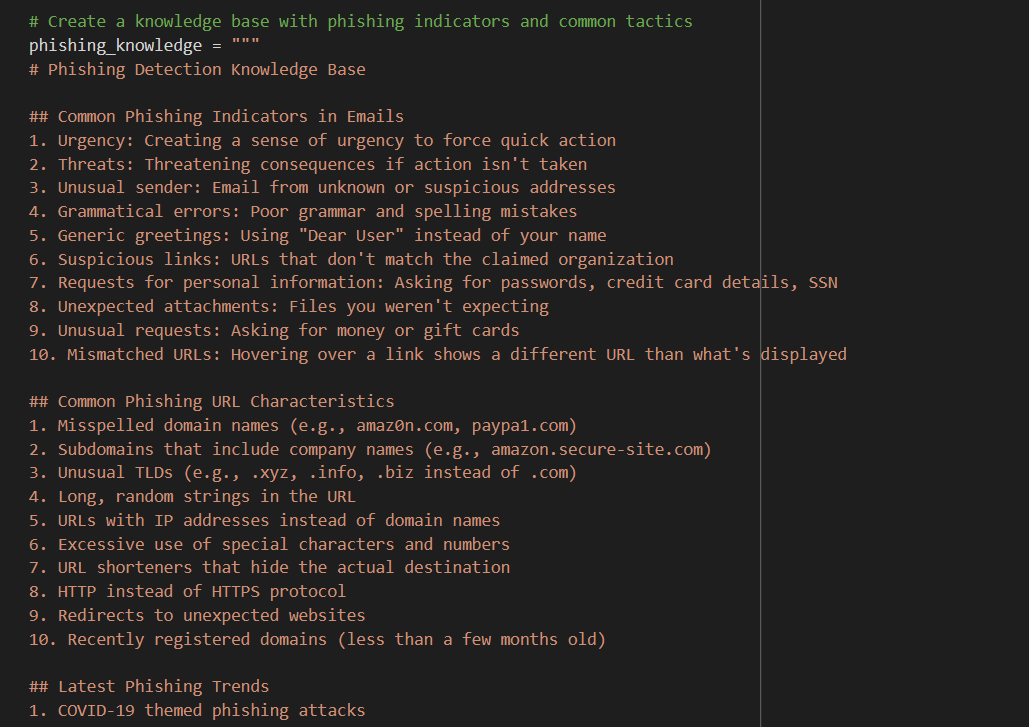
- Retrieves relevant phishing patterns using a Retrieval-Augmented Generation (RAG) mechanism.
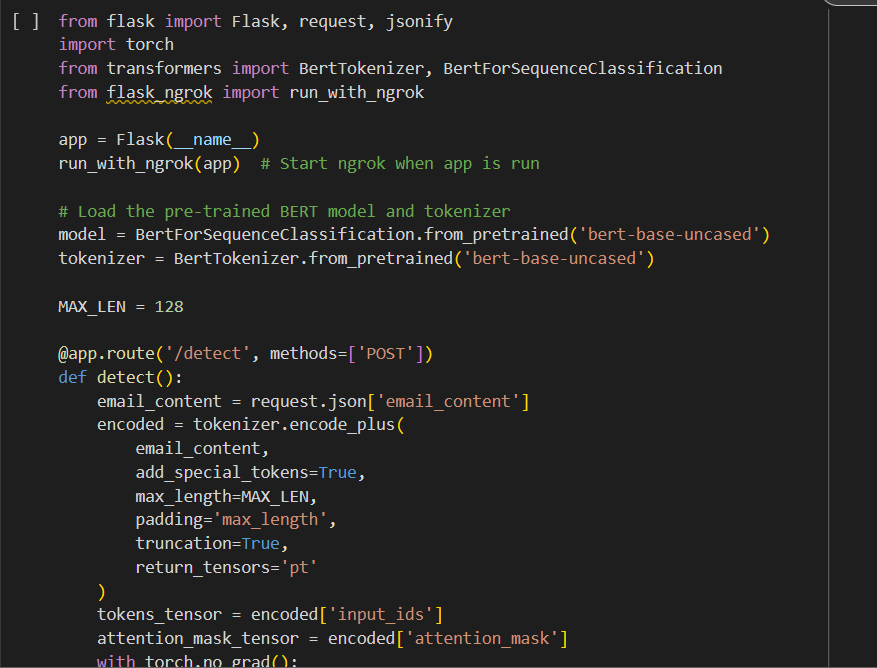
- Employs Large Language Models (LLMs) like BERT for contextual understanding.
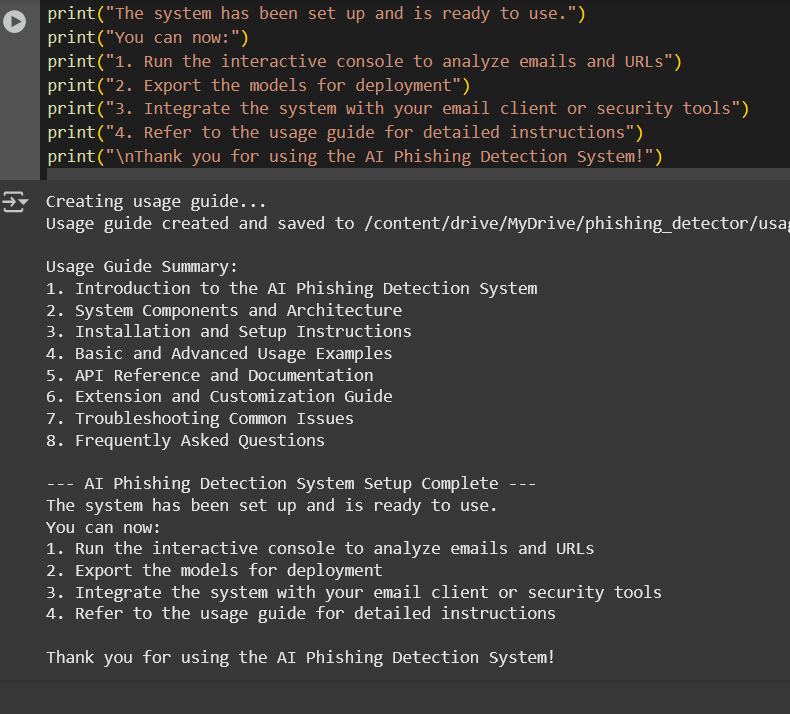
- Provides a user-friendly interface for uploading and analyzing emails.
- Flags potential threats and increases user awareness.
- Continuously adapts to evolving phishing tactics by updating its knowledge base.
- Minimizes false positives and negatives with high accuracy detection.
- Ensures scalability for enterprise-level use cases.
- Educates users by identifying phishing attempts and teaching recognition techniques.
How we built it
- Defining the Problem Statement: I started by understanding the nuances of phishing and its detection challenges.
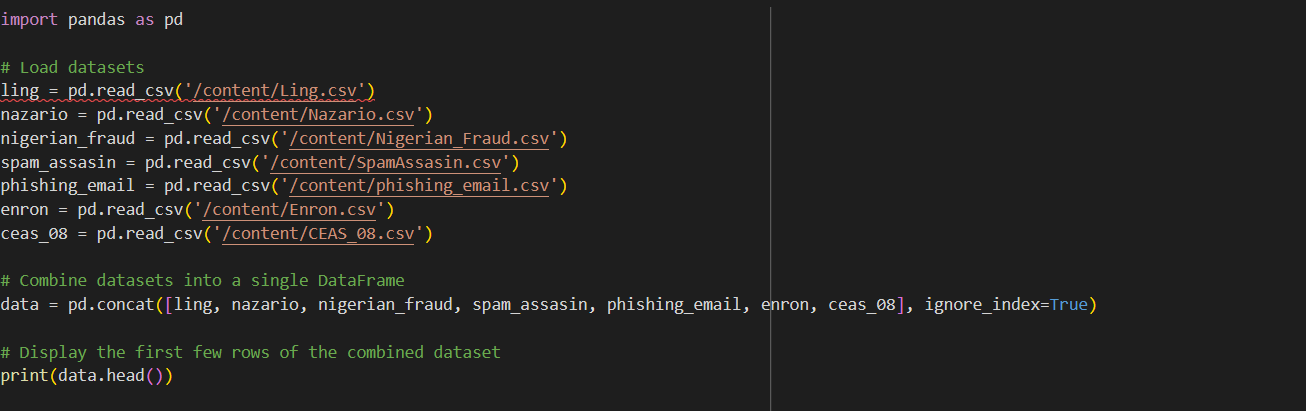
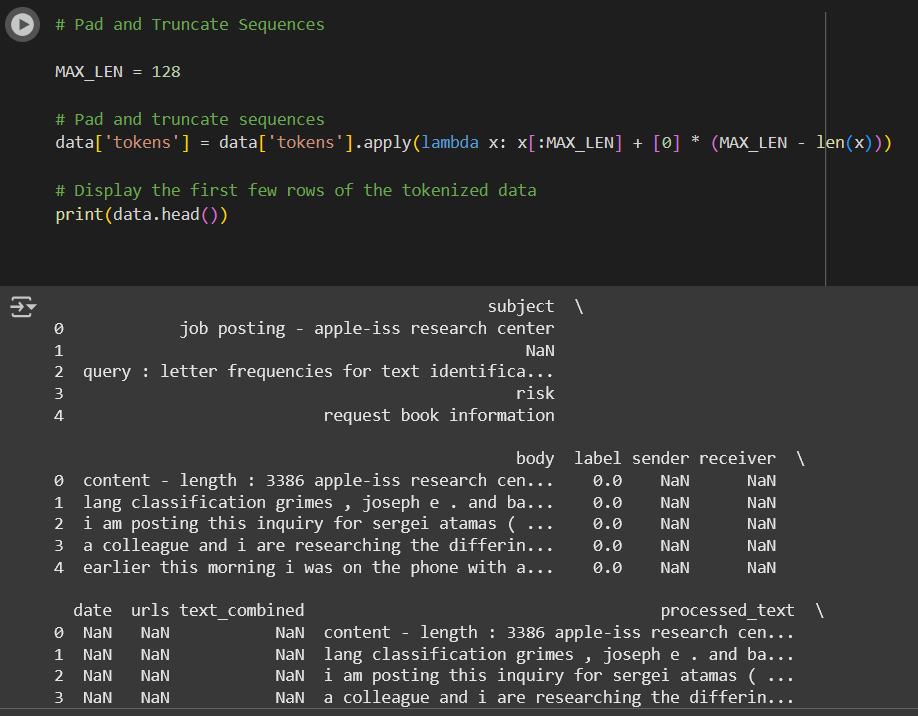
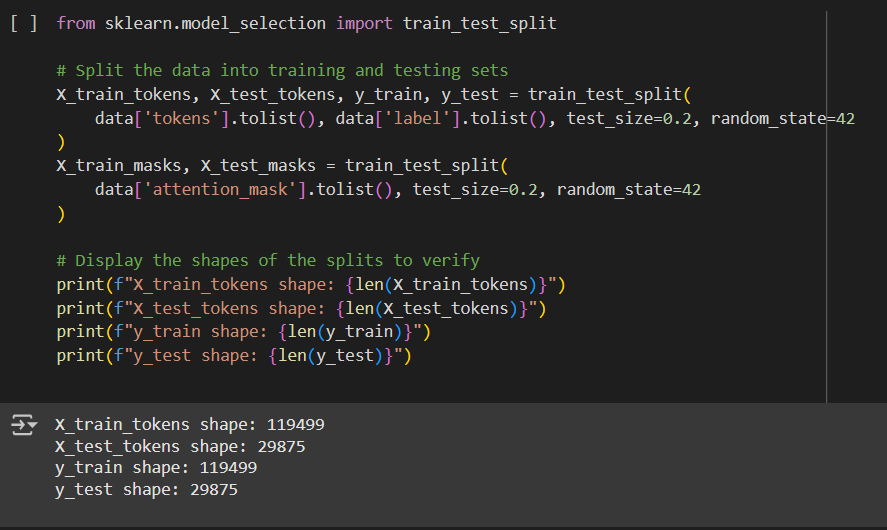
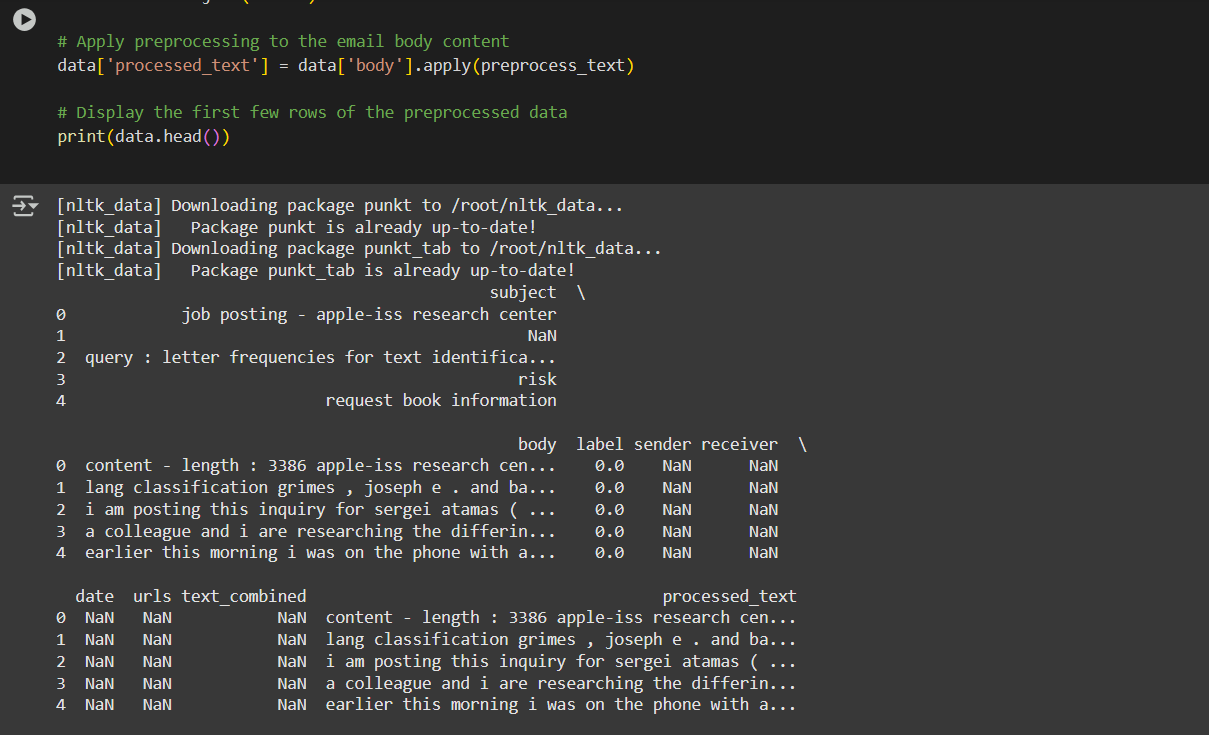
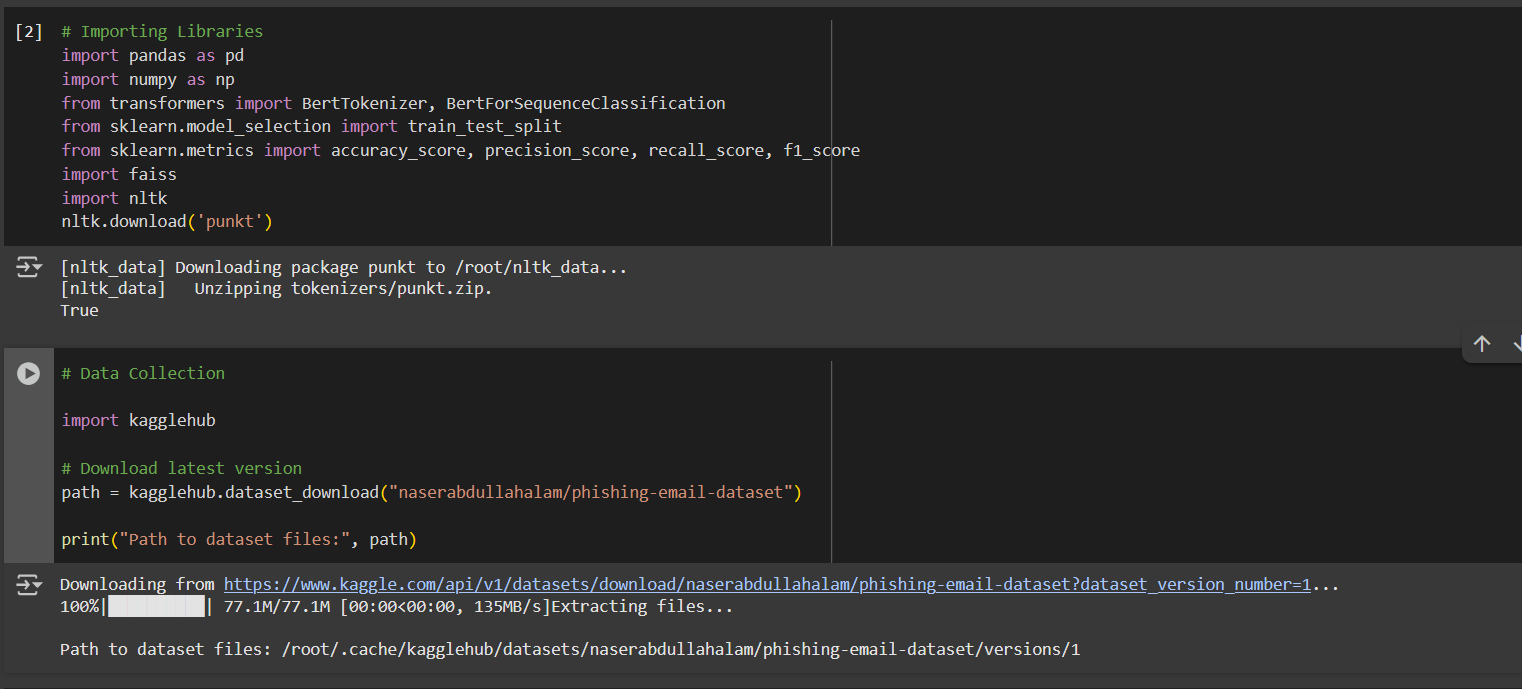
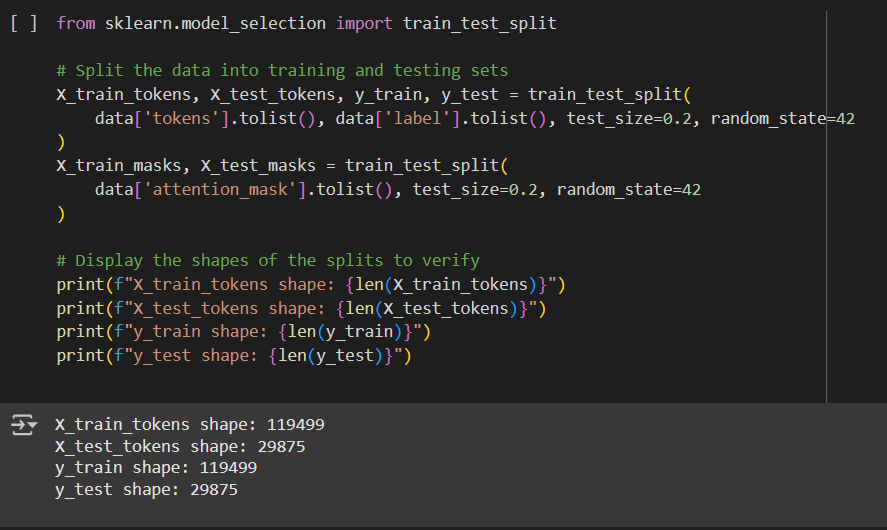
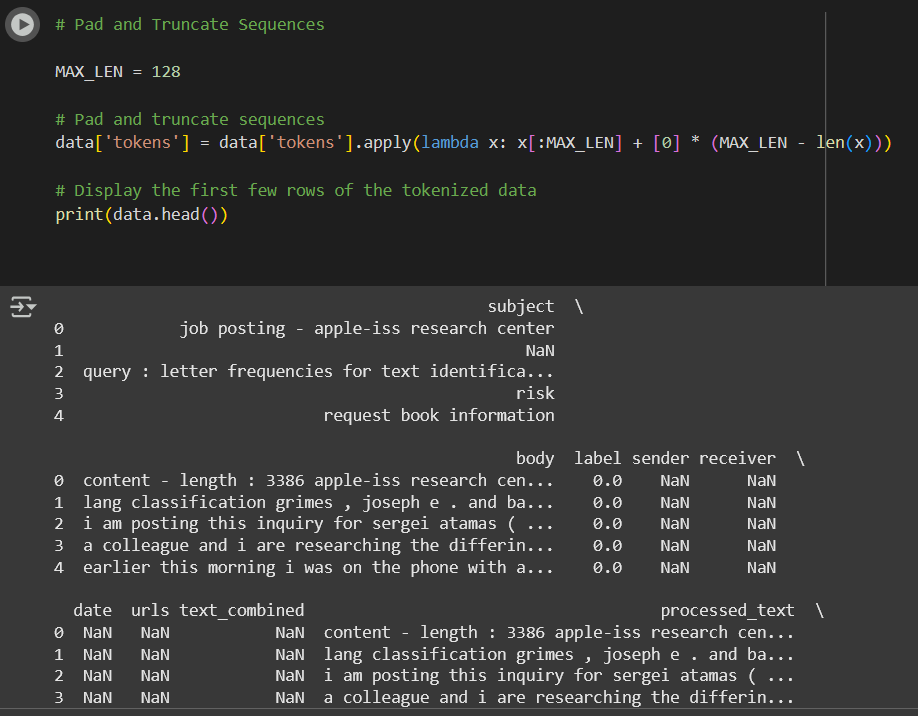
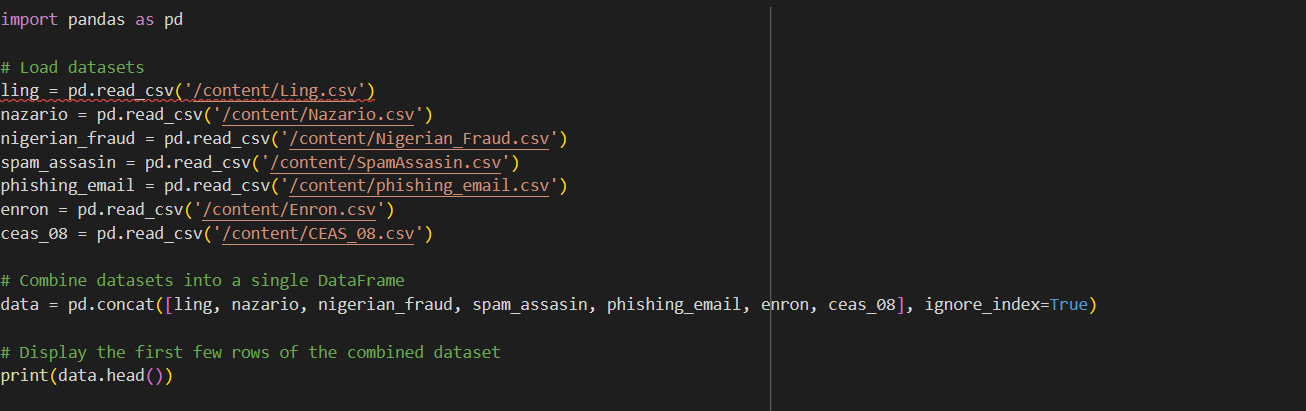
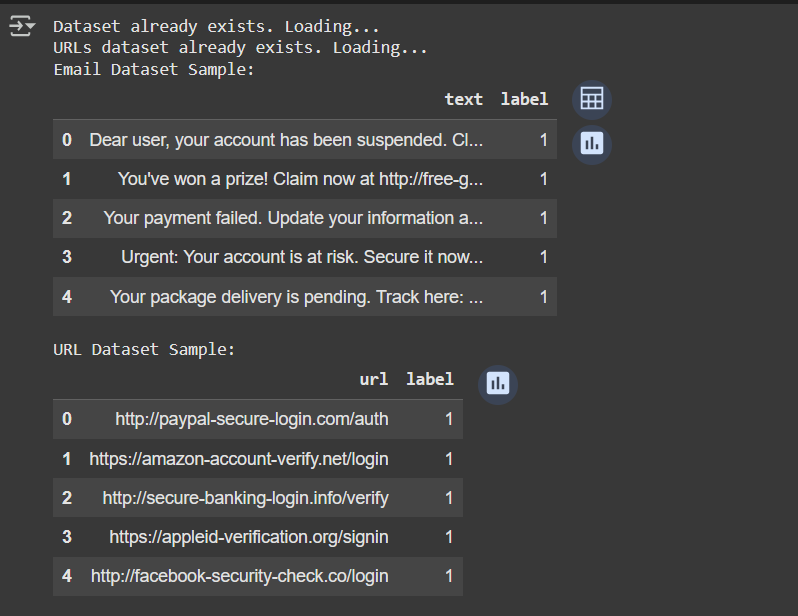
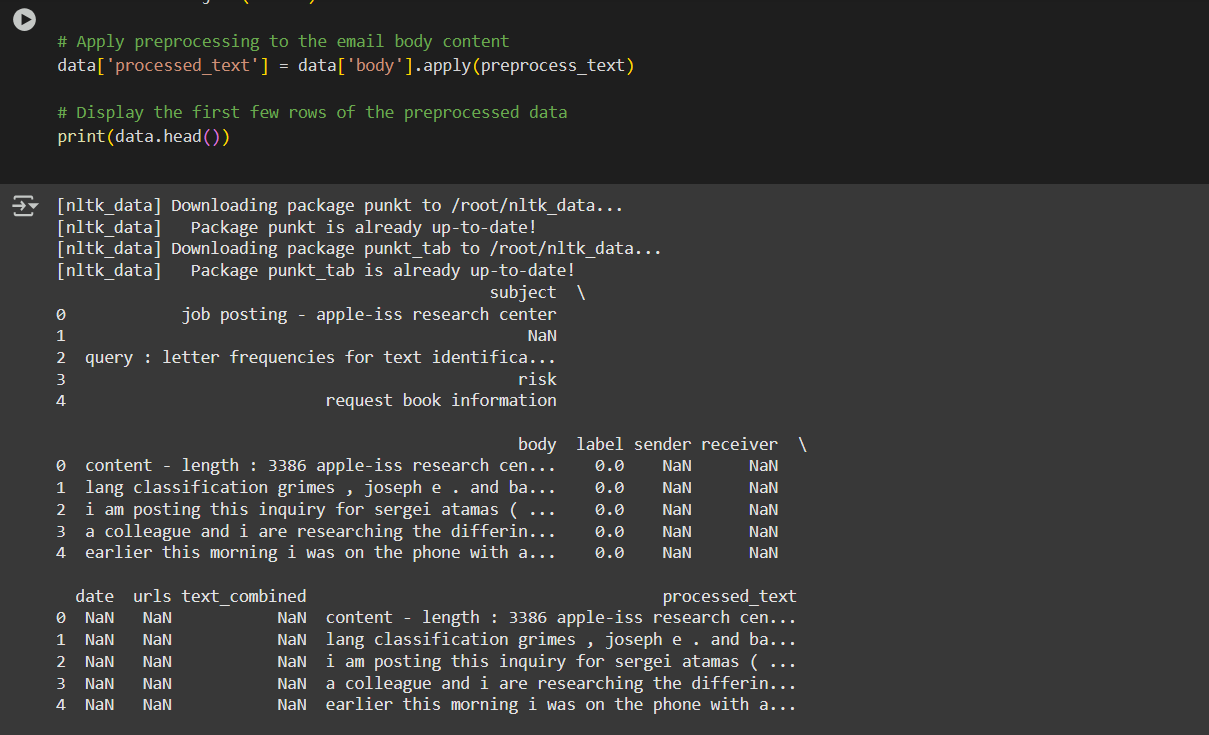
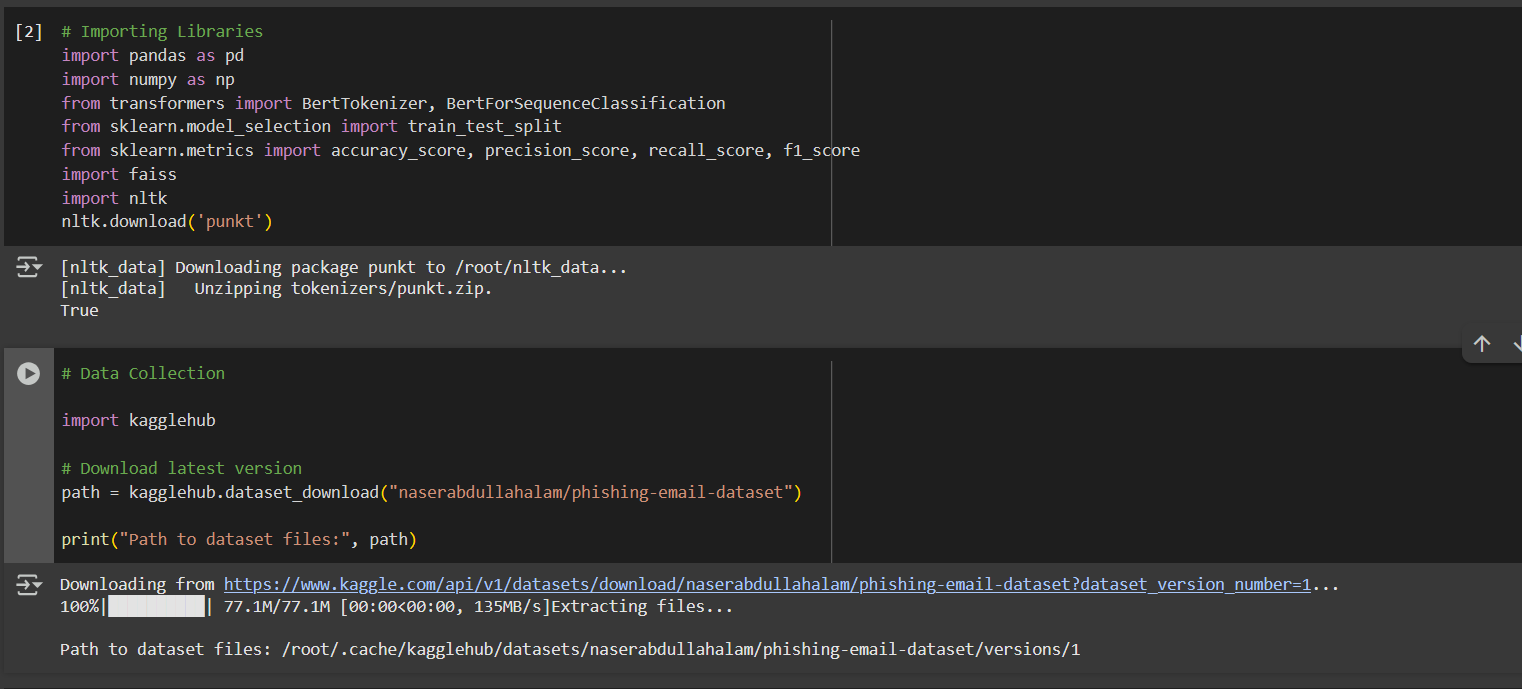
- Dataset Collection & Preprocessing: I gathered a dataset of phishing and legitimate examples, then cleaned and preprocessed the data for training.
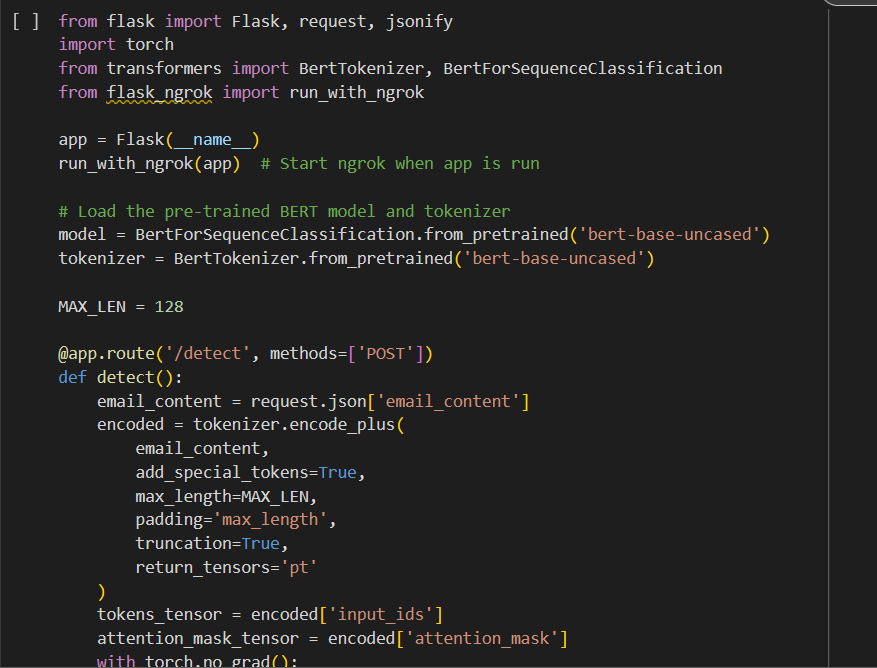
- Model Selection & Implementation: Using Hugging Face, I integrated:
- BERT: For understanding and extracting features from the text.
- RAG: To dynamically retrieve additional context for improved predictions.
- System Integration: I combined the models into a cohesive pipeline to detect phishing attempts effectively.
- Performance Evaluation: I tested the system with real-world examples, iterating to improve metrics like accuracy and precision.
Challenges we ran into
- Data Quality: Finding a balanced and high-quality dataset to train the models was challenging.
- Model Integration: Combining RAG with BERT required overcoming compatibility issues and fine-tuning parameters.
- False Positives: Reducing false positives while maintaining sensitivity to phishing attempts was a balancing act.
- Real-World Application: Ensuring the system adapts to evolving phishing techniques required designing for scalability and flexibility.
Accomplishments that we're proud of
- Successfully implemented Retrieval-Augmented Generation (RAG) and Large Language Models (LLMs) like BERT and GPT for phishing detection.
- Achieved high precision and recall in identifying phishing emails and websites.
- Designed a robust system capable of adapting to emerging phishing techniques.
- Developed an end-to-end solution, including data collection, feature extraction, machine learning, and a user-friendly interface.
- Contributed to user education by flagging phishing attempts and increasing awareness of threats.
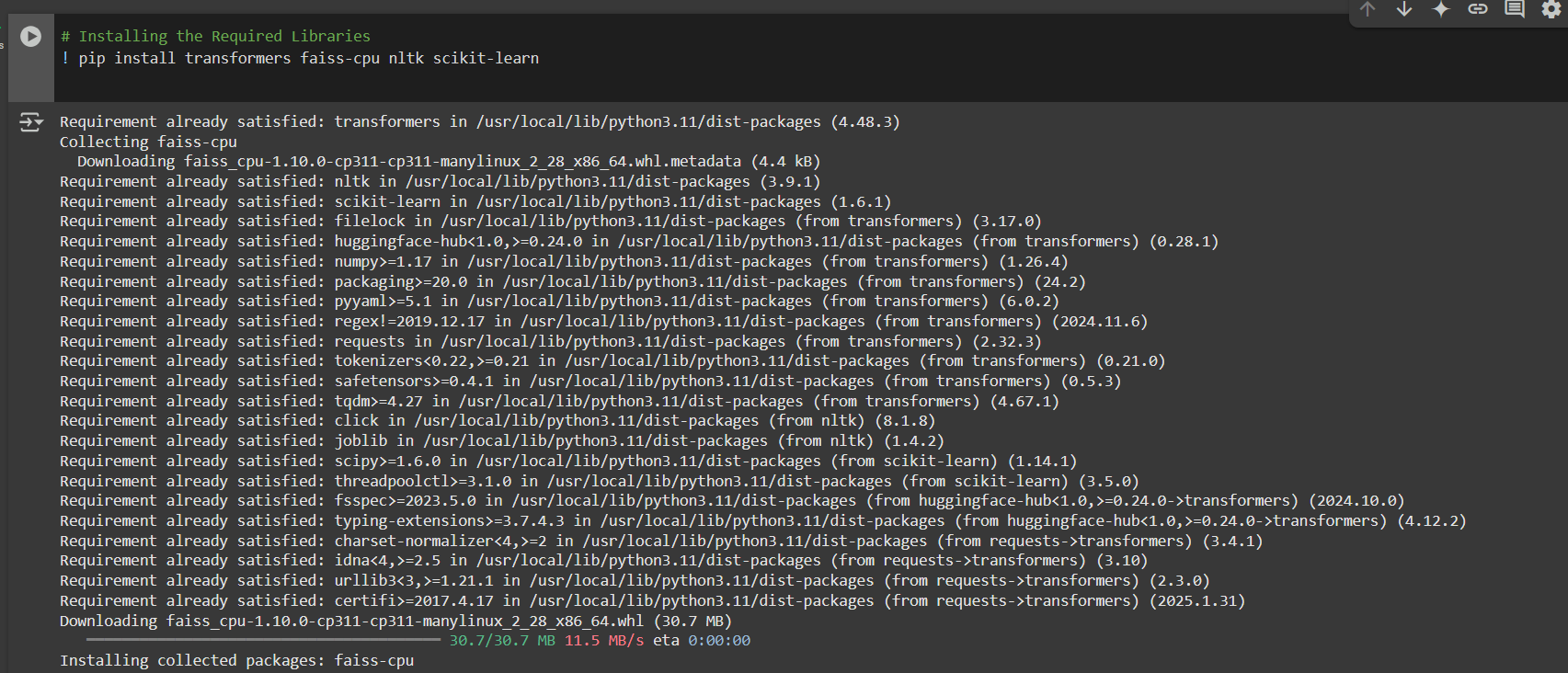
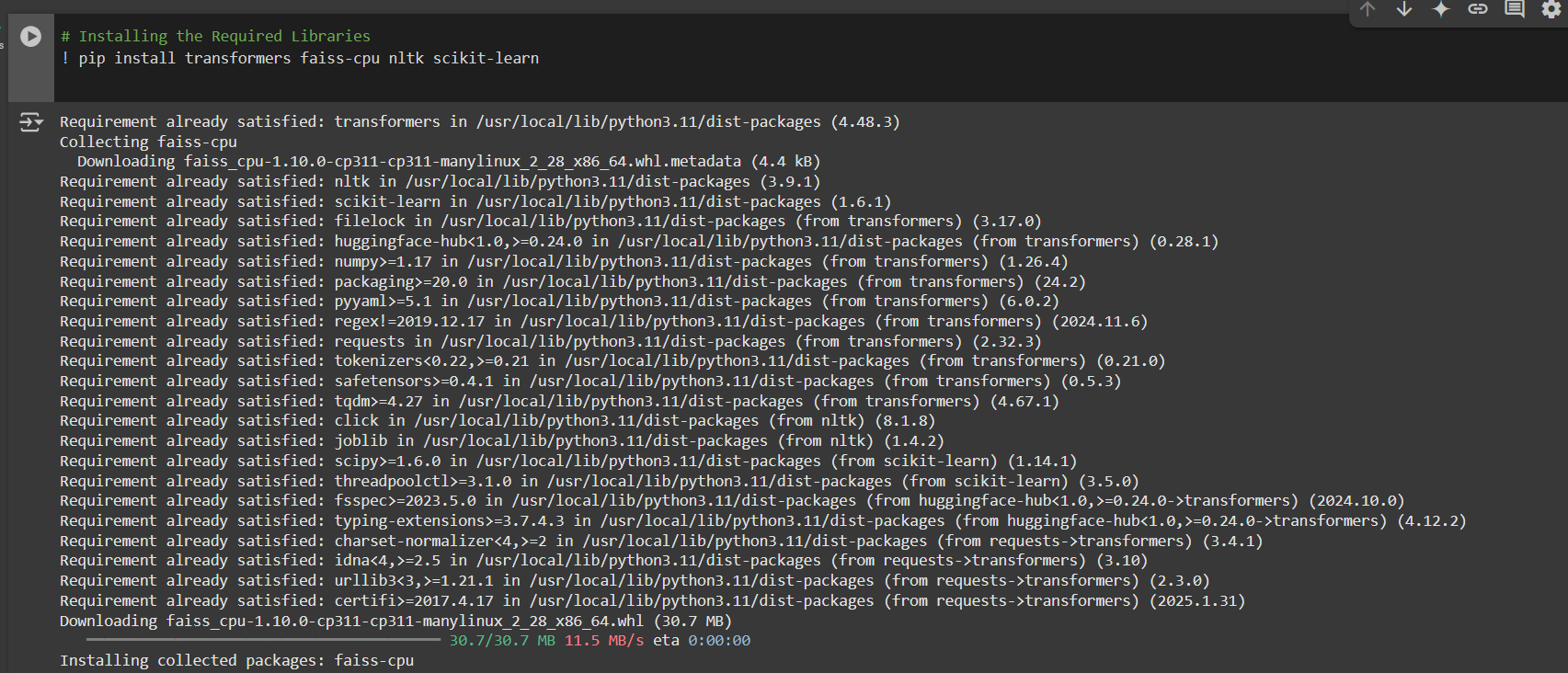
- Leveraged advanced technologies like Hugging Face, FAISS, and Scikit-learn for seamless implementation.
- Built a scalable architecture with potential for real-time analysis and browser extensions.
- Overcame challenges related to data quality, model integration, and phishing detection accuracy.
- Designed a system with the capability to continuously improve and update its knowledge base.
- Enhanced cybersecurity by creating a reliable tool to mitigate phishing threats effectively.
What we learned
Through this project, I deepened my understanding of:
- Natural Language Processing (NLP): I explored how language models like BERT can understand and classify text.
- RAG Mechanisms: The integration of retrieval-based and generative models to enhance contextual accuracy and adaptability.
- Cybersecurity Dynamics: Learning about phishing techniques, patterns, and their impact on individuals and organizations.
- Model Optimization: Fine-tuning pre-trained models using Hugging Face's tools to achieve higher accuracy and efficiency.
What's next for Phishing Detection System integrating RAG and LLM
- Real-Time Analysis: Enable real-time phishing detection for incoming emails and websites.
- Browser Extension: Develop a browser extension to detect phishing attempts while browsing.
- Mobile Application: Build a mobile app to extend protection across devices.
- User Reporting: Introduce a feature for users to report suspicious emails and websites.
- Integration with Email Services: Partner with email service providers to integrate the system into their platforms.
- Advanced Threat Intelligence: Incorporate real-time threat intelligence feeds to stay updated on new phishing patterns.
- Machine Learning Enhancements: Experiment with advanced neural network architectures to improve model accuracy.
- Explainable AI: Develop transparent decision-making mechanisms to gain user trust.
- Scalability: Optimize the system for enterprise-level deployment to handle large-scale use cases.
- Educational Tool: Create a module or chatbot to educate users about phishing and how to avoid scams.
- Multilingual Support: Expand capabilities to analyze emails and websites in multiple languages.
- Regular Updates: Continuously enhance the knowledge base with emerging phishing tactics.
Built With
- api
- huggingface
- llm
- python
- rag


Log in or sign up for Devpost to join the conversation.