-
-
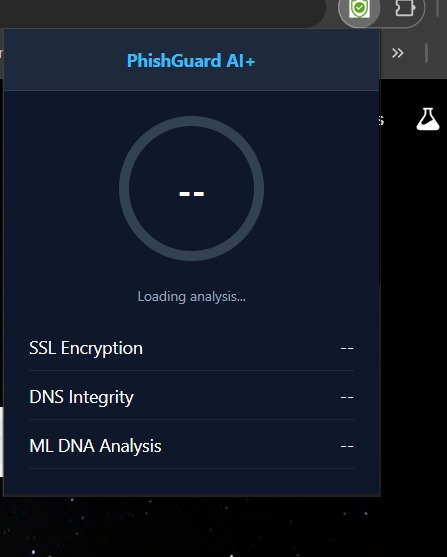
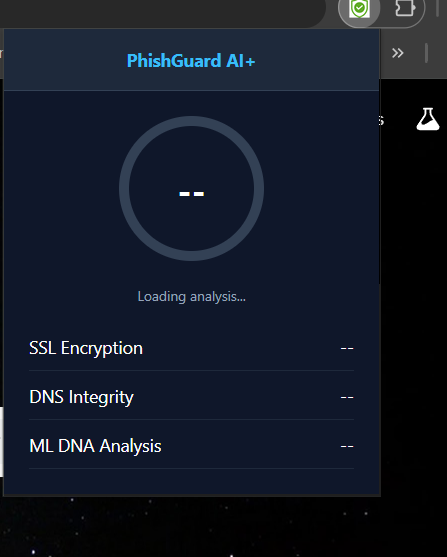
the ui/ux of PhishGuard-AI
-
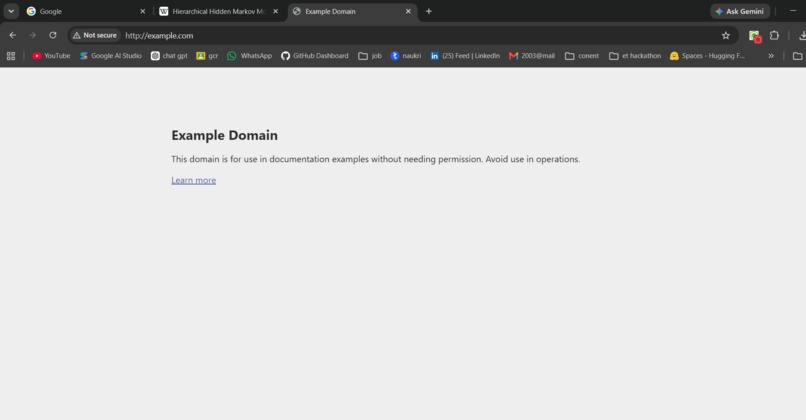
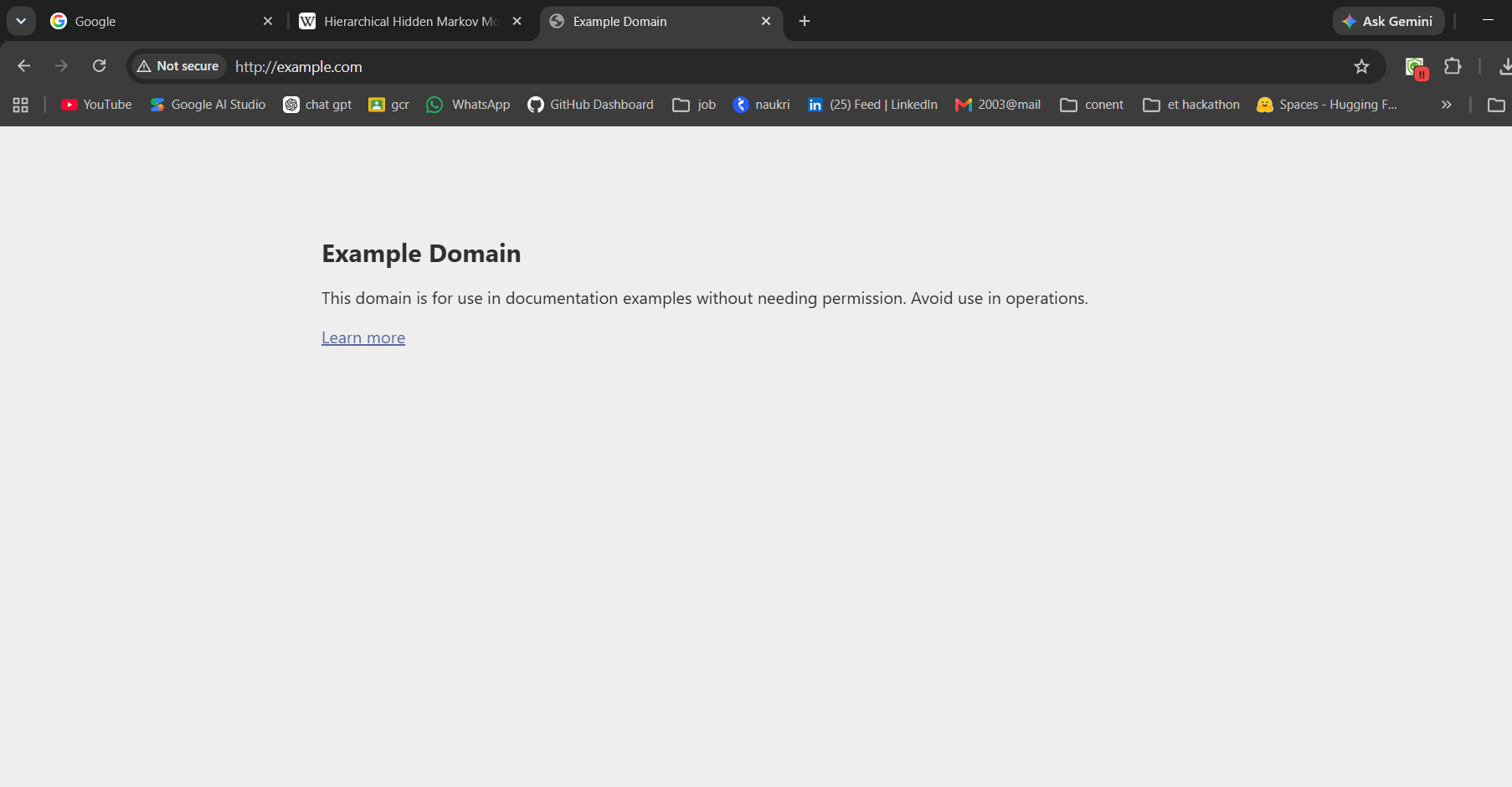
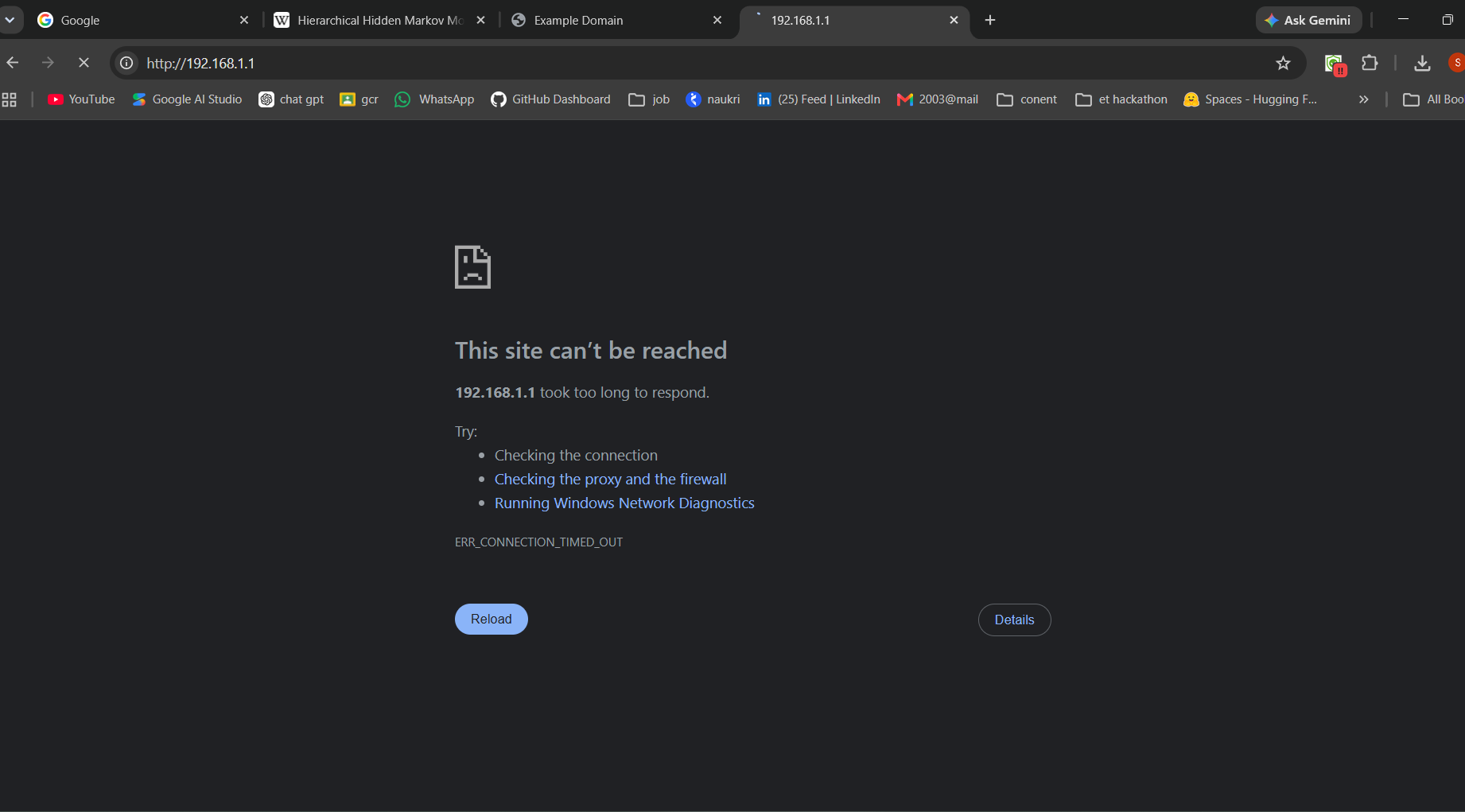
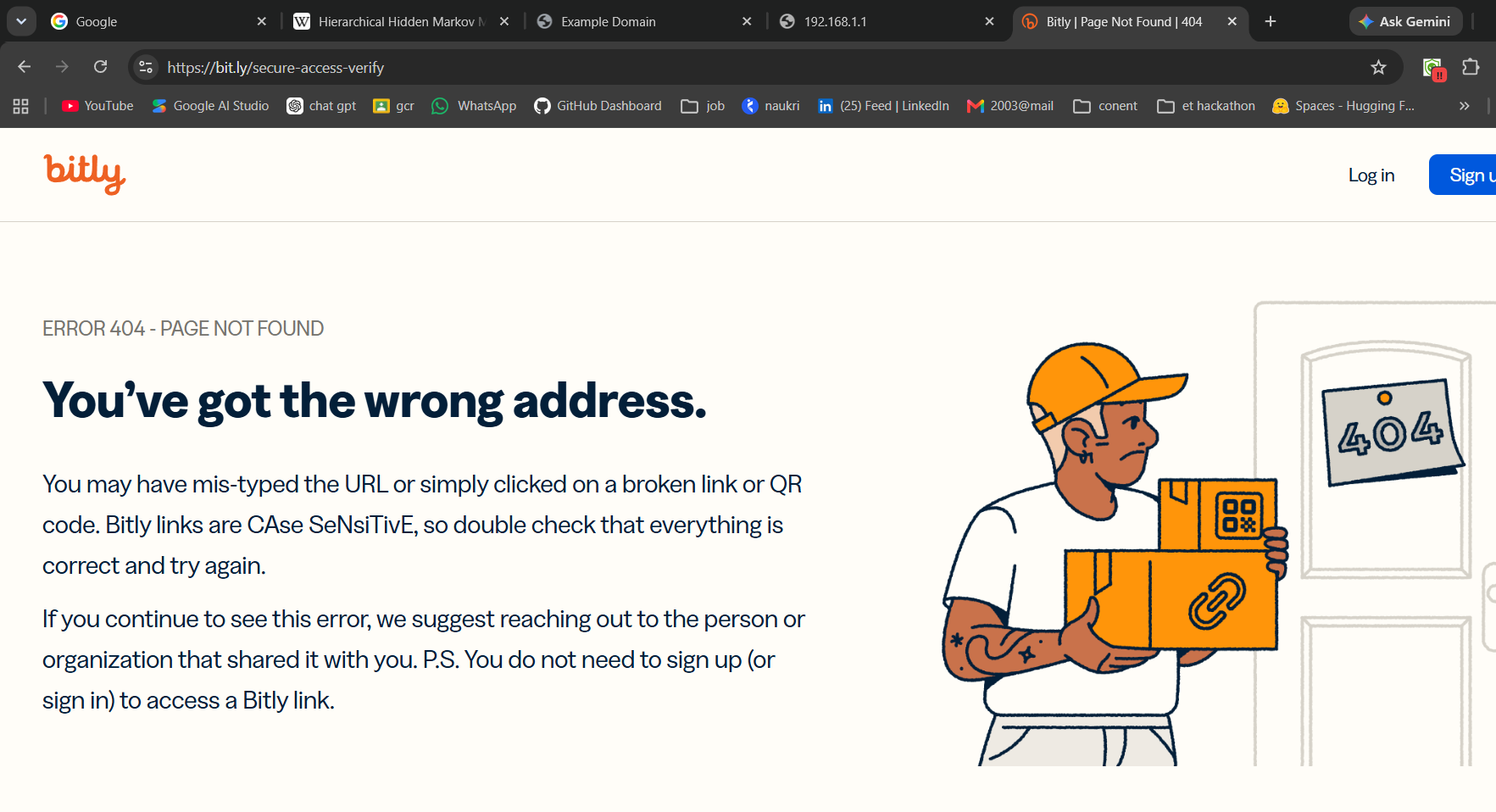
Tests our deterministic SSL audit layer.
-
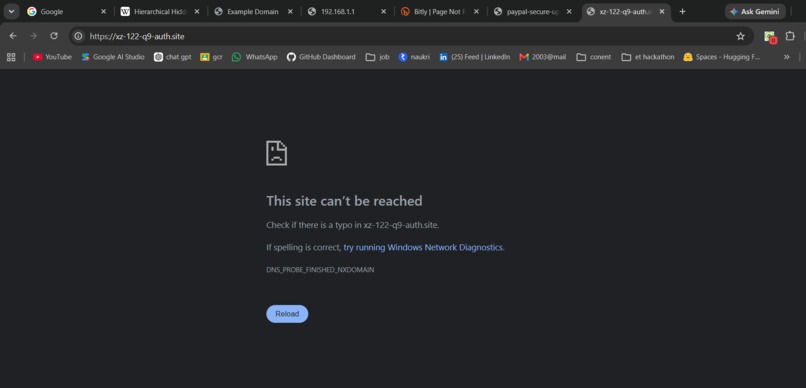
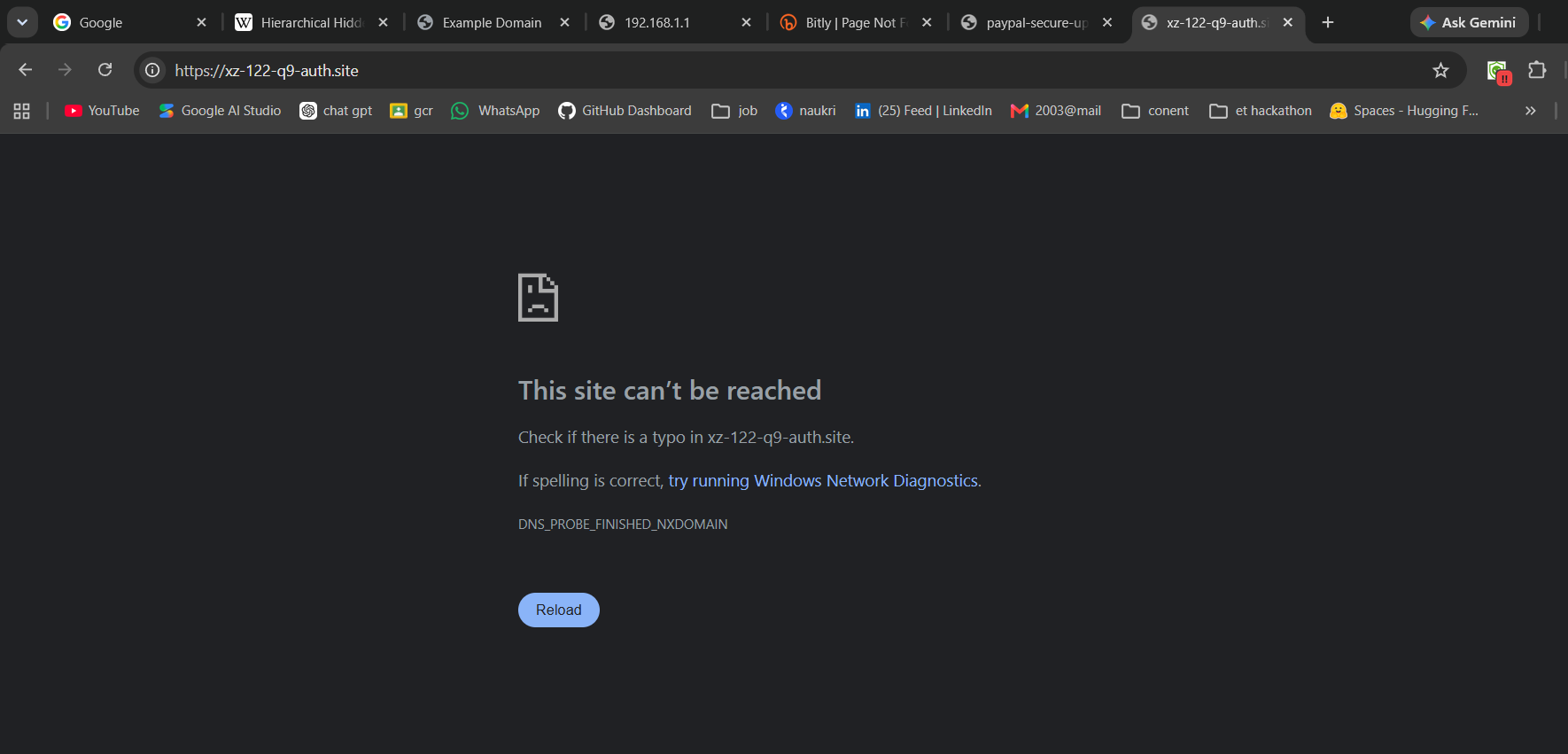
ests your Shannon Entropy math. It detects that the domain was likely generated by a bot.
-
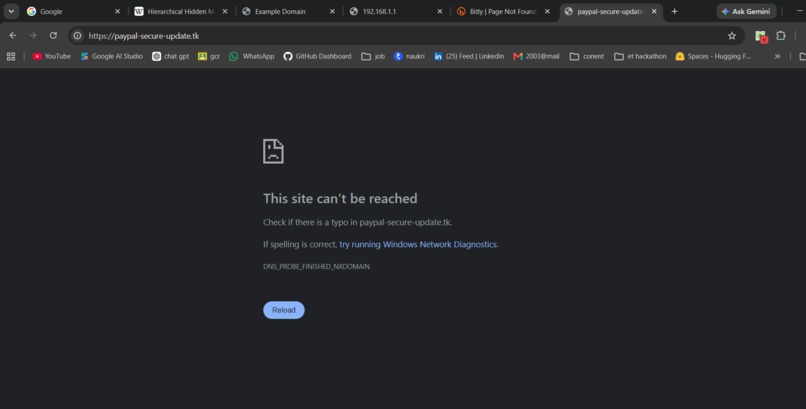
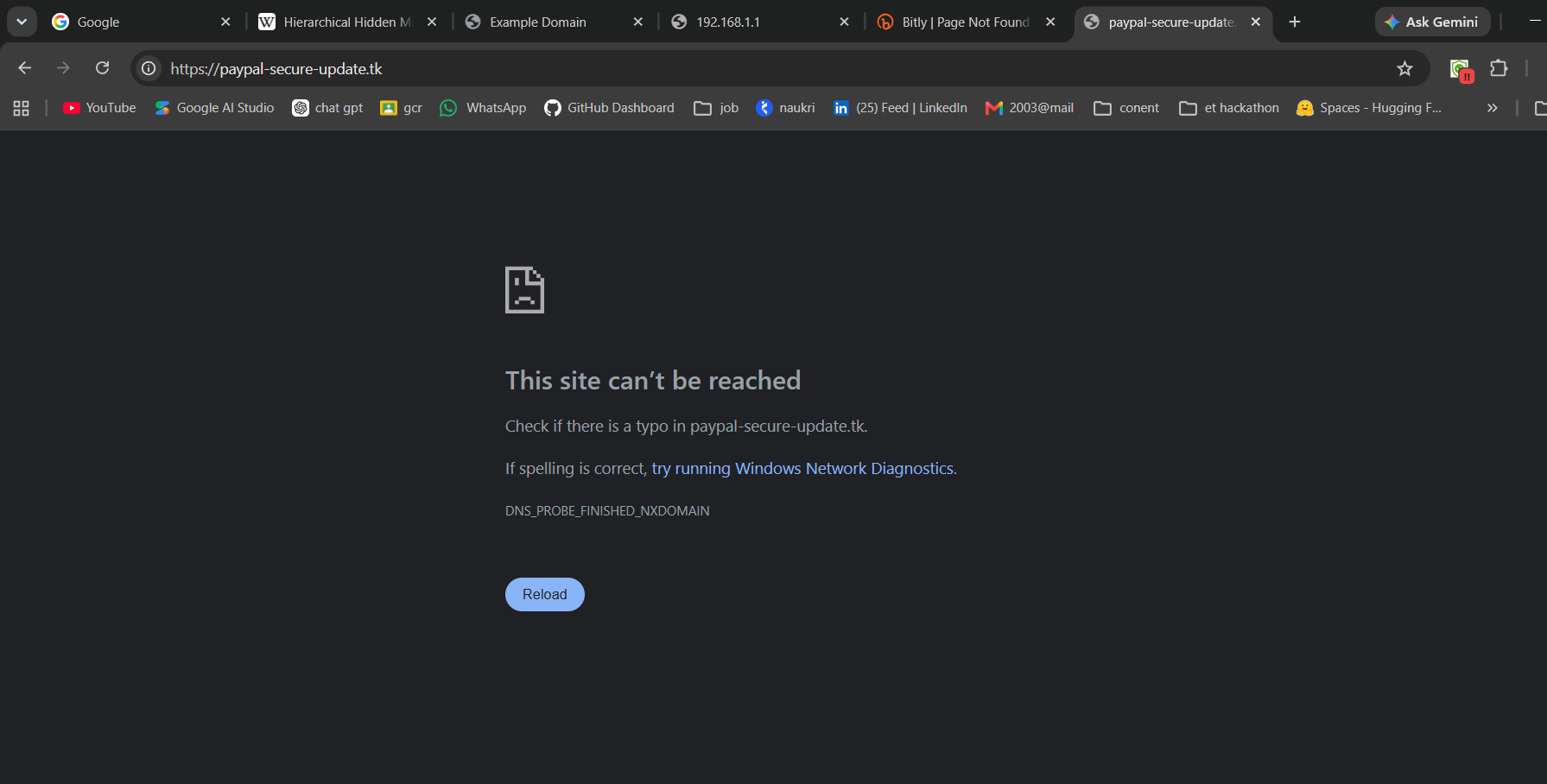
Tests your Brand Heuristics + Risky TLD (.tk).
-
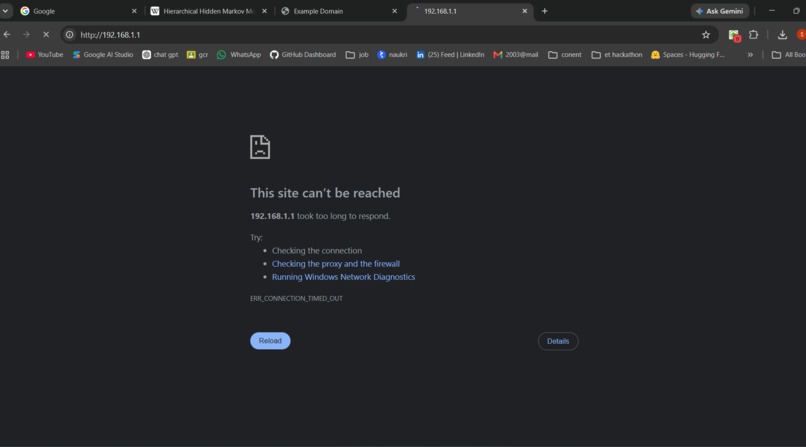
Tests your Google DNS API integration.
-
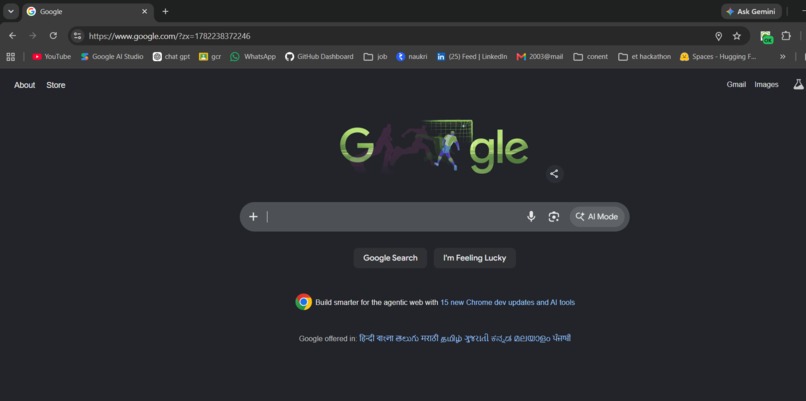
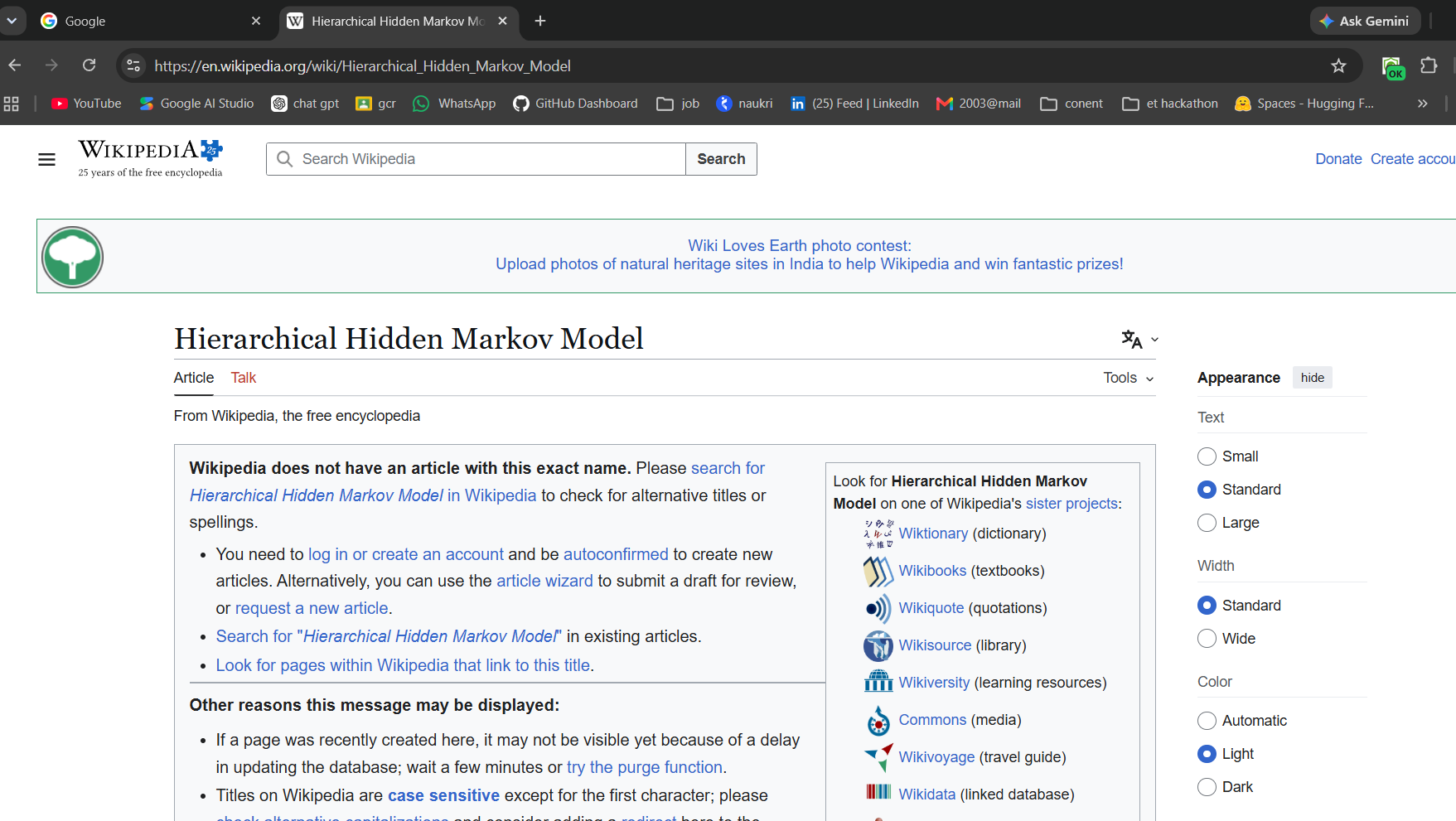
Proves our system has a high UX priority and doesn't flag trusted giants.
-
-
-
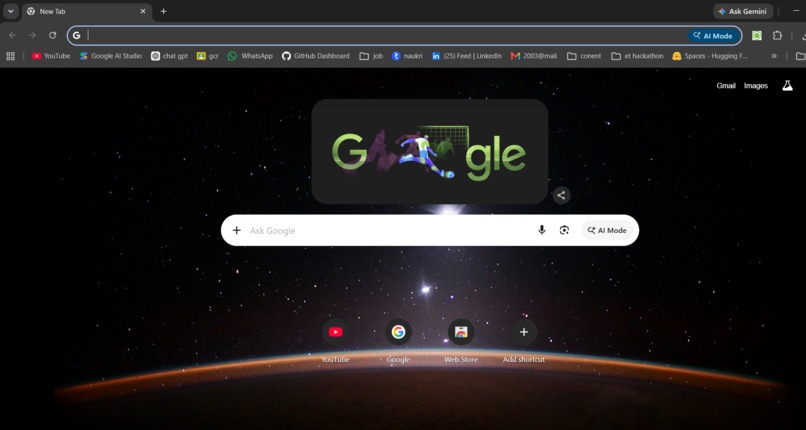
a working extension is made
🛡️ Inspiration
Phishing is the #1 cyber threat globally, but traditional protection relies on "Blacklists" that are often outdated within hours. Scammers create "Zero-Day" sites that bypass these lists easily. I was inspired to build a tool that doesn't just check a list, but actually analyzes the "DNA" of a URL in real-time to predict threats before a user even clicks.
🧠 How I Built It (accuracy = 91.4%)
I started with an academic baseline from 2016 which achieved 86.4% accuracy. However, modern threats are more sophisticated. I modernized the system through a 3-stage engineering process:
- Data Modernization: I scrapped the dead Alexa Rank API and integrated the Majestic Million dataset (10 lakh rows) to create a real-world trusted whitelist.
- Feature Engineering: I implemented Shannon Entropy to detect bot-generated "gibberish" domains and coded custom brand-spoofing heuristics.
- ML Optimization: Using XGBoost in Google Colab, I performed hyperparameter tuning (1,000 trees, depth of 12) to reach a final validation accuracy of 91.4%.
🚀 The Breakthrough: Two-Stage Nested Architecture
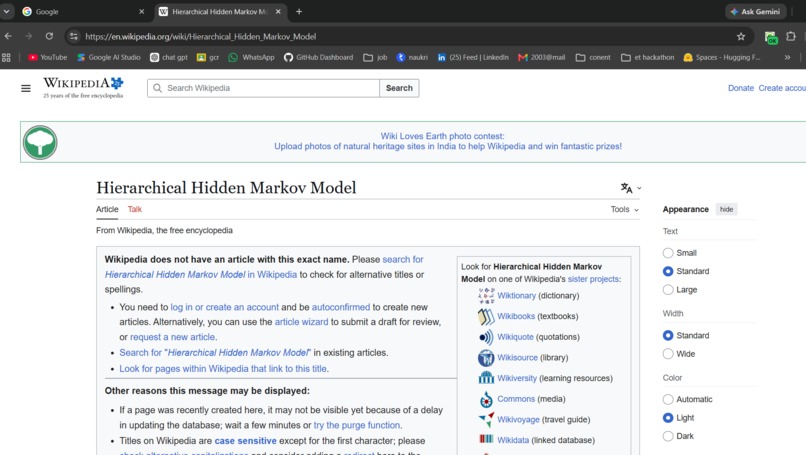
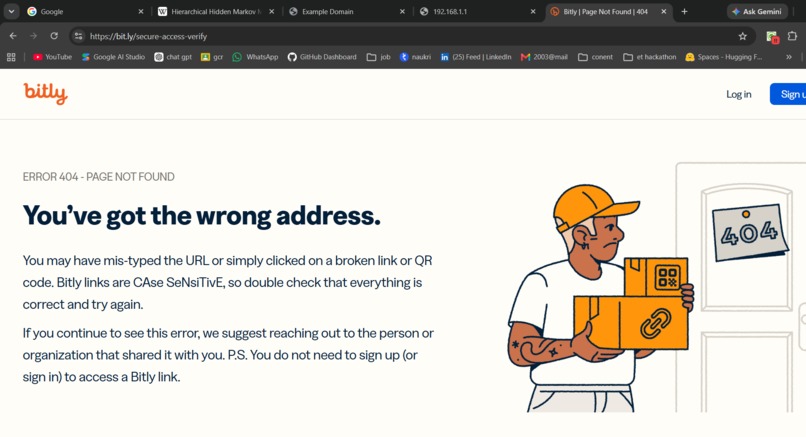
During development, I identified a "Feature Dominance" bottleneck: URL Length held 68% of the predictive weight, making the AI "lazy." It would block safe long URLs (Wikipedia) and miss dangerous short links (Bitly).
I acted as a Data Scientist to solve this by building a Hierarchical Nested Logic:
- Outer Gate: Uses length to set the context.
- Inner Brain: Applies "Conditional Sensitivity." It gives long URLs a "Fair Trial" while being strictly aggressive on obfuscated short-links.
🔍 Triple-Audit Layer
Beyond ML, I implemented deterministic security audits:
- Protocol Audit: Instant flagging of insecure
httpconnections. - Infrastructure Audit: Integration with the Google DNS JSON API to verify domain integrity in real-time.
🛠️ Challenges Faced
Overcoming False Positives was the biggest hurdle. High-entropy UUIDs in modern apps (like ChatGPT) initially triggered the AI. Solving this required a balance between my high-sensitivity inference engine and a robust whitelisting system, teaching me the value of "Security with Usability."
📊 Risk Scoring Rubric
| Feature | Penalty | Reason |
|---|---|---|
| Insecure Protocol | +50 pts | Unencrypted HTTP |
| DNS Integrity Fail | +40 pts | Ghost Domain (API check) |
| Untrusted TLD | +35 pts | Risky ending (e.g., .tk, .ml) |
| High Entropy | +20 pts | Bot-generated gibberish |
Built With
- javascript
- manifest-v3
- pandas
- python
- scikit-learn
- xgboost


Log in or sign up for Devpost to join the conversation.