-
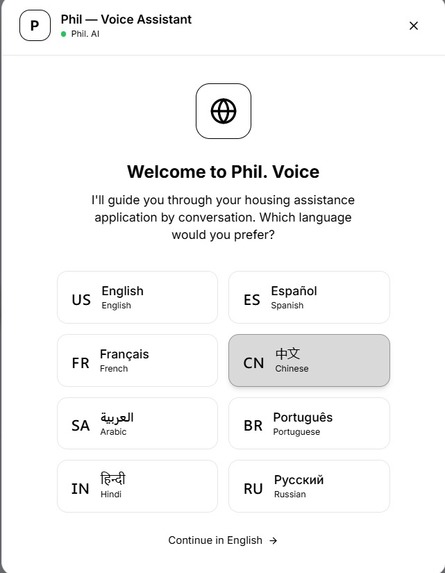
language options
-
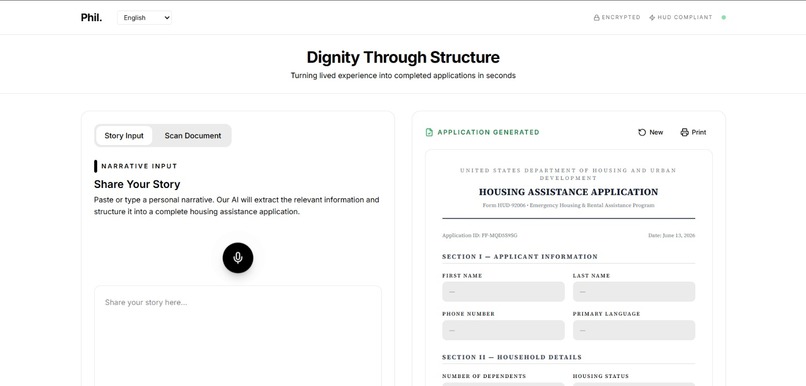
landing
-
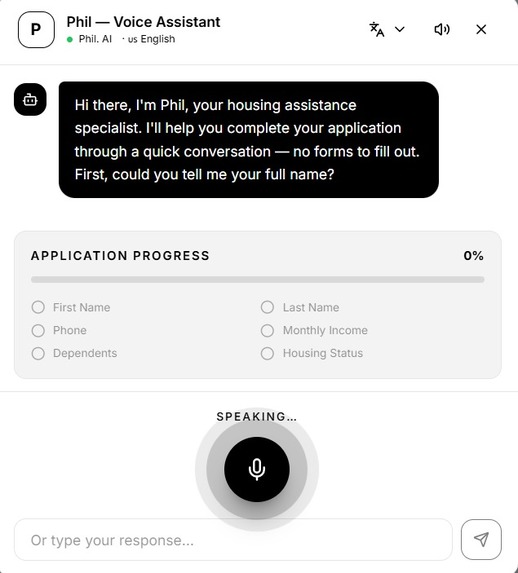
ai voice
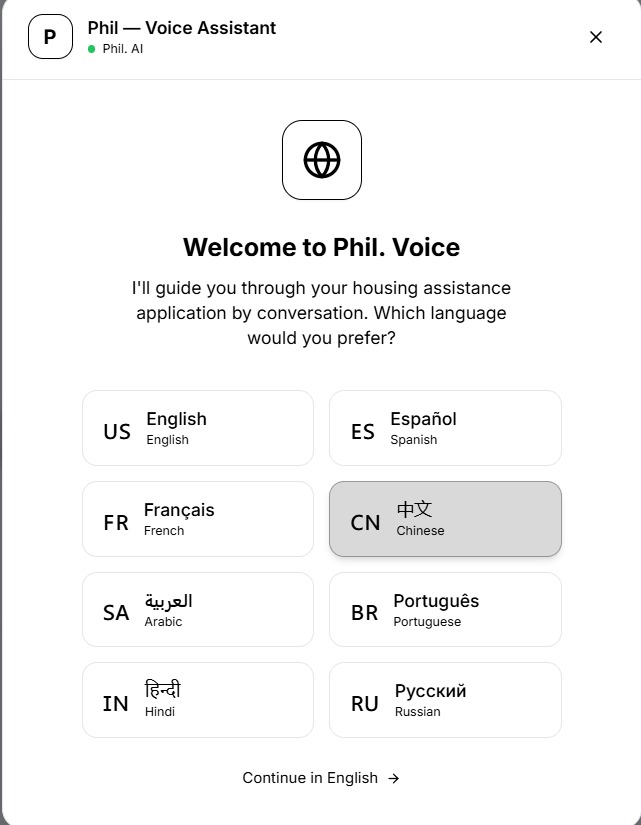
Inspiration
Forms are everywhere, but completing them is still surprisingly inaccessible. For people facing language barriers, complex paperwork, unfamiliar systems, or limited digital literacy, filling out forms can become a major obstacle. We wanted to rethink forms entirely—not as documents people fill out, but as conversations people can have.
What it does
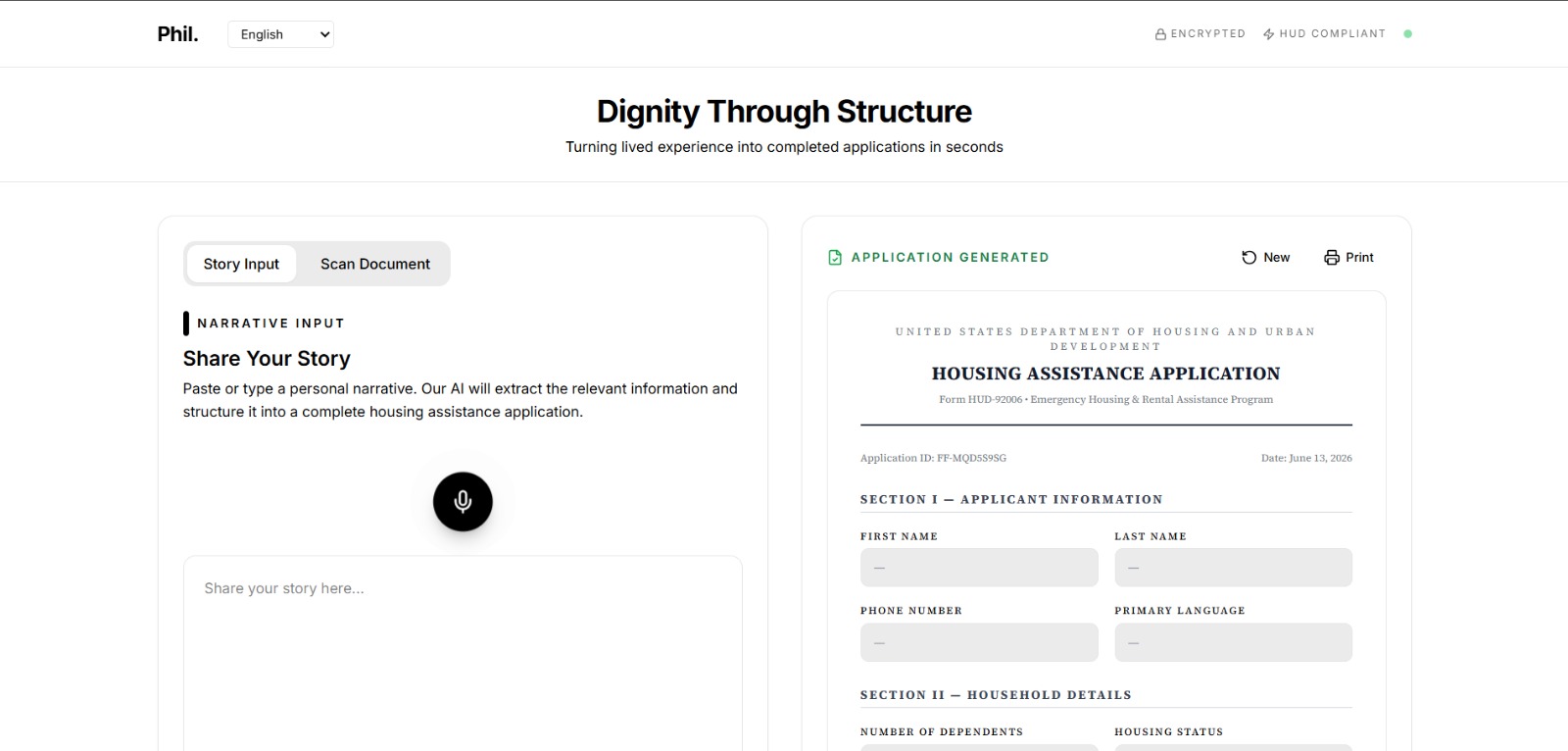
Phil transforms static PDFs into conversational experiences.
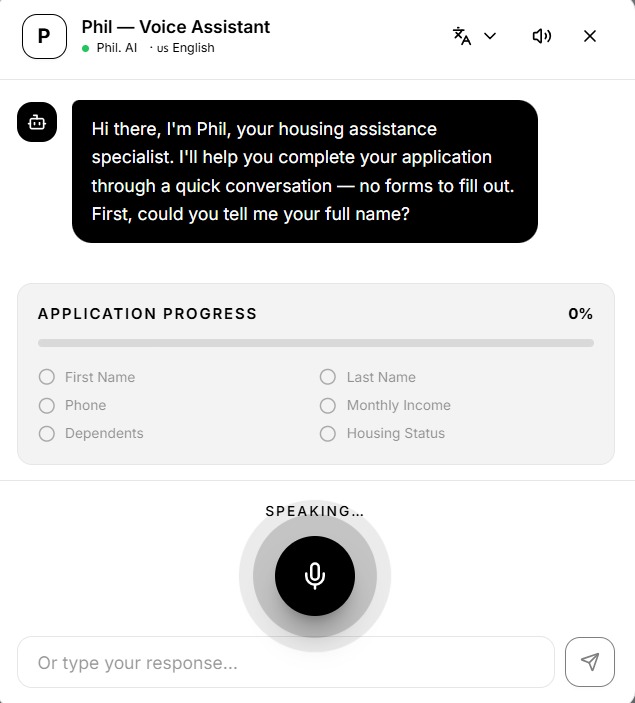
Users upload any form and select their preferred language. Phil analyzes the document, detects required fields, and reconstructs blank spaces into dynamic input regions. Using voice interaction, Phil asks personalized questions based on the exact context of each field and automatically populates the document in real time. The final result is a completed, submission-ready PDF.
How we built it
Phil combines OCR, document layout analysis, dynamic field generation, speech processing, and conversational AI.
The pipeline begins with document parsing to understand form structure and identify fillable regions. A dynamic overlay system maps interactive text boxes onto detected spaces. Context extracted from surrounding labels and instructions is then used to guide the AI conversation model, allowing questions to adapt to the requirements of each specific form. Responses are converted into structured outputs and inserted directly into their corresponding fields.
Challenges we ran into
One of our biggest challenges was converting unstructured PDFs into something the AI could reliably understand. Many forms vary drastically in layout and formatting. Another challenge was preserving field accuracy while maintaining a natural conversational experience—ensuring users felt like they were speaking naturally while still collecting structured data.
Accomplishments that we're proud of
We’re proud that Phil does more than OCR. Instead of simply extracting text, it understands document intent, dynamically restructures forms, and adapts its questioning strategy in real time. We also built the experience to feel intuitive: users talk naturally while receiving a completed document without manual editing.
What we learned
We learned that conversational interfaces become significantly more powerful when grounded in structure. Turning documents into context-aware interactions required balancing computer vision, language understanding, and system reliability while keeping the experience simple for users.
What's next for Phil
Next, we want to support handwritten forms, improve multilingual capabilities, enable cross-document memory for recurring information, and integrate direct submission workflows so users can complete and submit forms without ever leaving Phil.
Built With
- andmore
- api
- python
- tailwincss

Log in or sign up for Devpost to join the conversation.