-
-
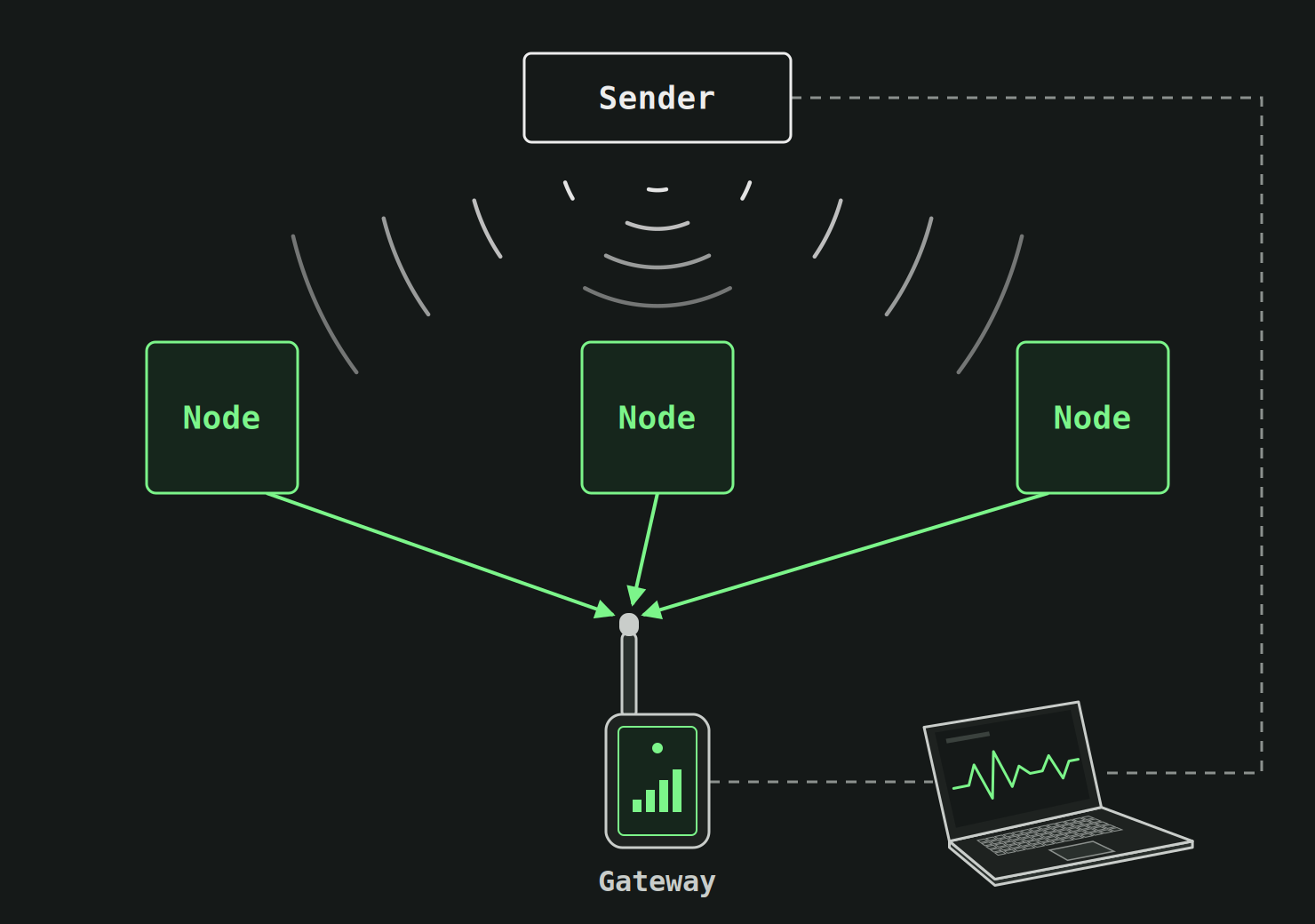
Node Diagram
-
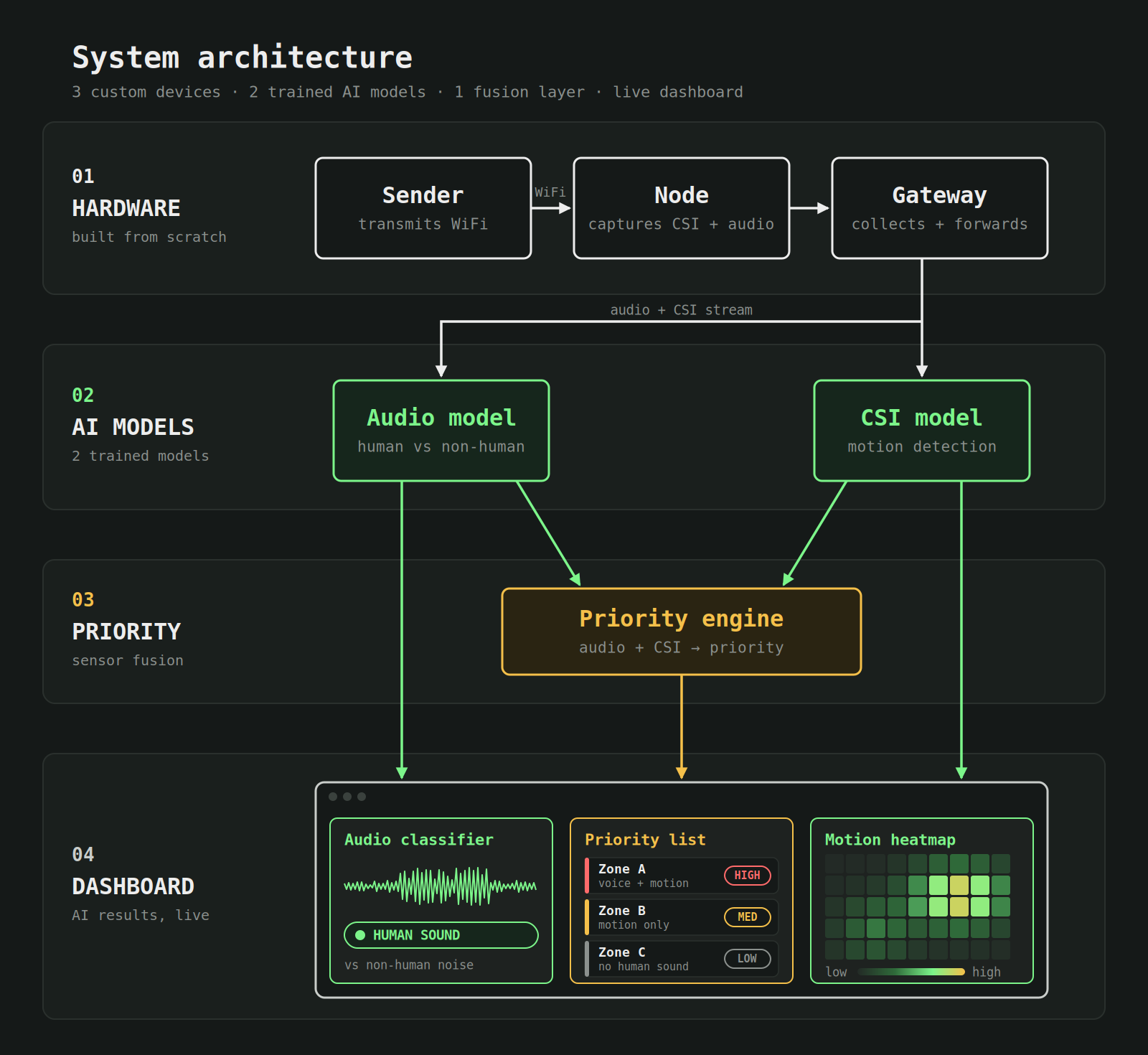
System Architecture Diagram
-
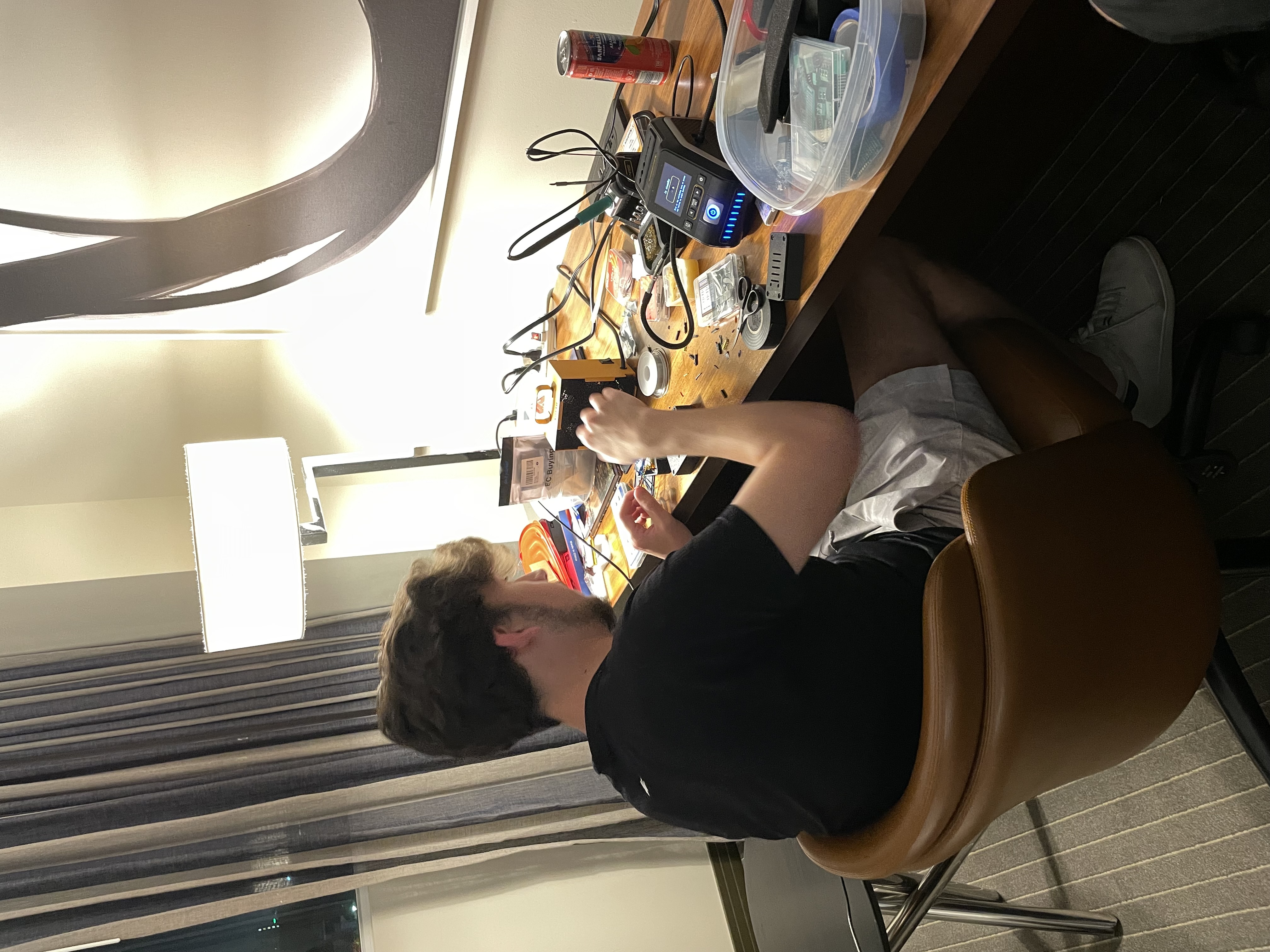
Hardware Assembly
-

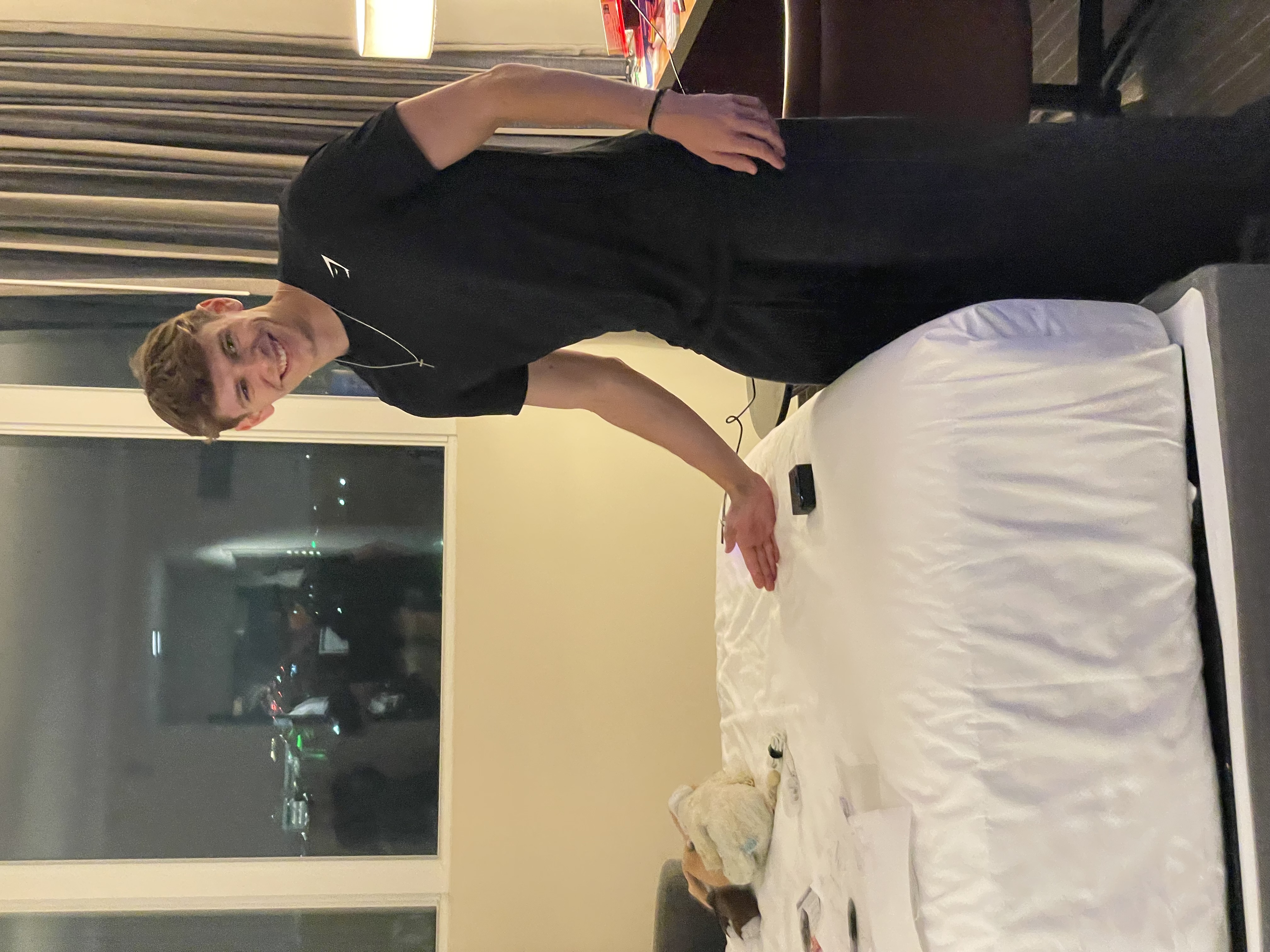
Testing the motion sensor
-
Node Hardware
Inspiration
On July 6 2021, the Miami Surfside condominium collapsed at 1:22 AM, causing 98 deaths. Only 4 people were rescued from the rubble. Out of the four survivors, one died in the hospital afterwards. Every survivor rescued alive was found in the first few hours after the collapse. One member of our team was a victim of a housefire at a young age, so enabling first responders to better locate people within a fire, building collapse, or other emergency situation is something we are passionate about.
What it does
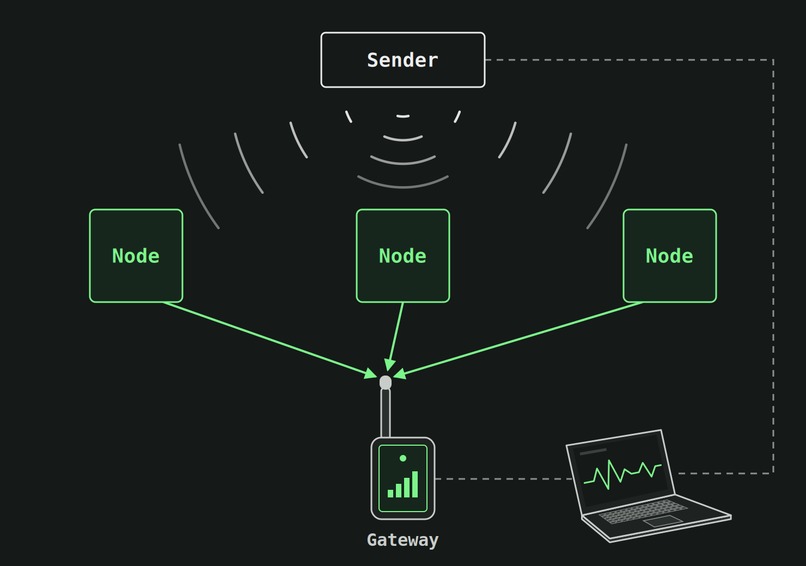
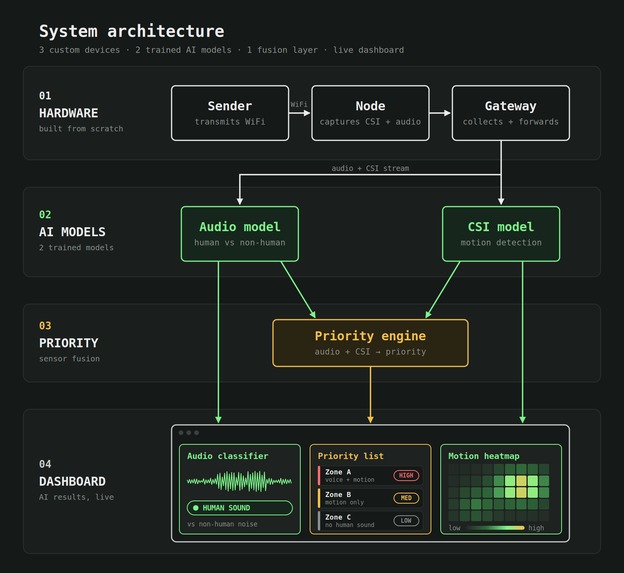
PHASE uses ESP32 microcontrollers to send CSI signals through a zone, which detect motion and send data to a live feed. The nodes containing the ESP32s also contain microphones to report live audio data. These data streams are each monitored by machine learning models that look for signs of activity within the zone, such as CSI signal interruptions and loud volume sounds. The data from these two models is then passed through a heuristic scoring system to evaluate how high the activity within the field is, which can help detect if there is someone within the zone.
How we built it
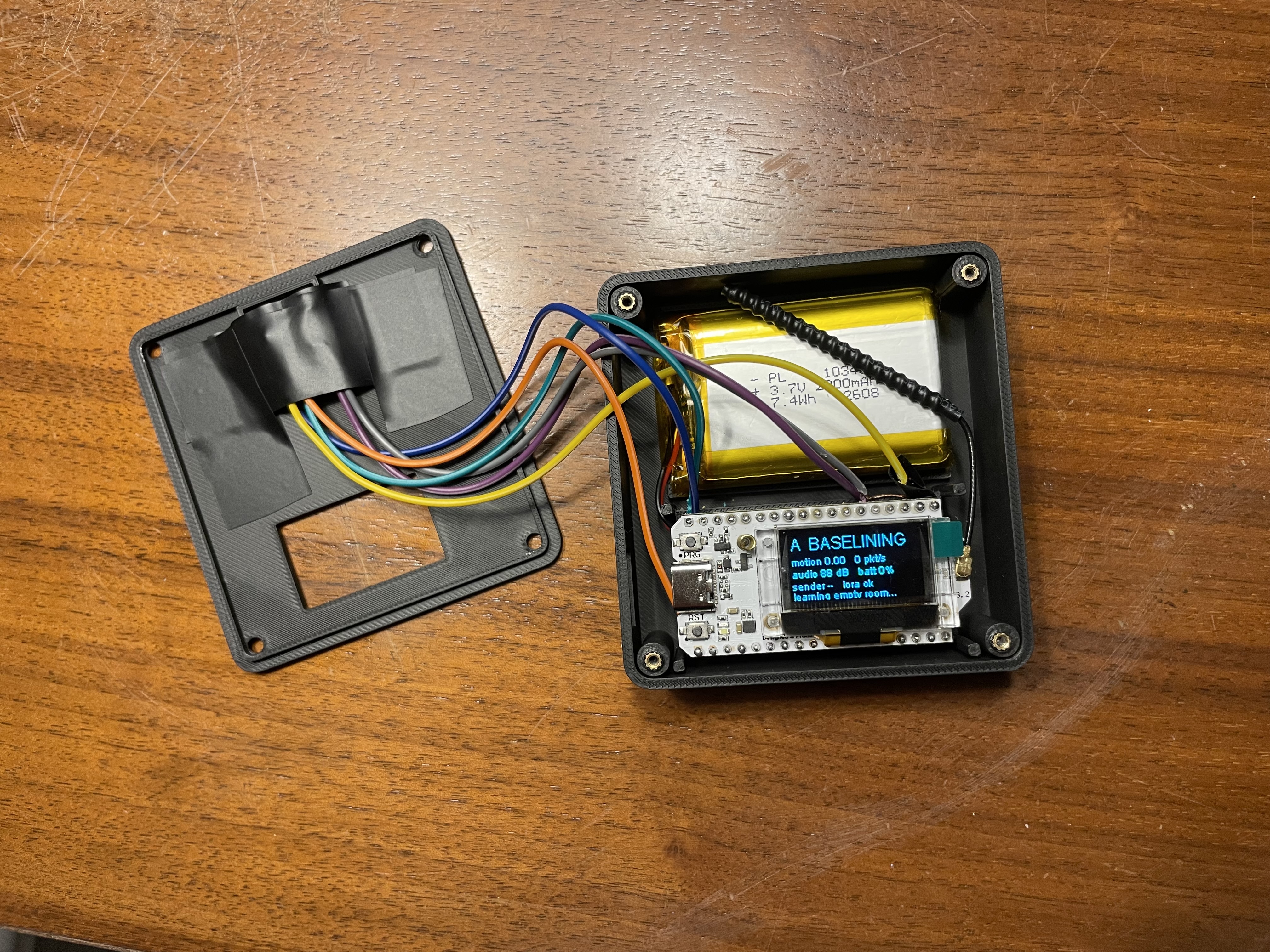
We started by assembling the ESP32 sender and receiver nodes. We connected these to a gateway and sent the data to a Railway backend, which we then used to collect sample data. After running several data collection tests, we used this data to train our CSI model and audio model, connected these two models to a live data feed from the backend, and passed their predictions through a heuristic to generate an activity score.
Challenges we ran into
- We discovered that we could not link the ESP32 nodes together to form a mesh network due to hardware limitations, so we had to work with a zoning method instead.
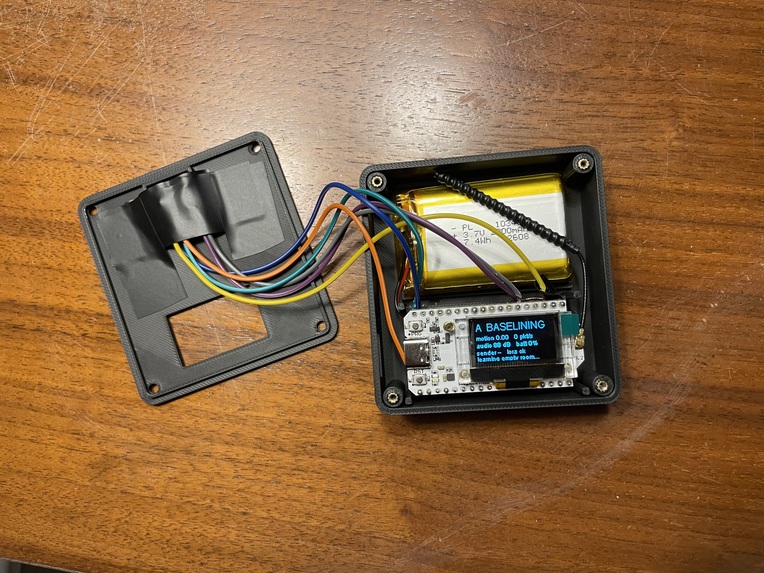
- The housings for the nodes had limited space, which caused some of the wiring to be compressed and send incorrect decibel information. We collected data with the housing removed to work around this until we found a solution by modifying the housing.
- The audio model and audio feed ended up having incompatible data types, so we had to retrain a new model last minute in order to fix the inconsistency.
Accomplishments that we're proud of
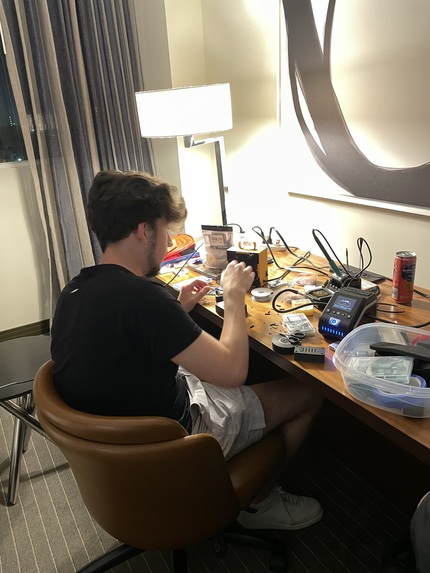
We built everything from scratch. We did our own assembly, soldering, data collection, model training, and set up our own backend using the Railway platform. Every part of PHASE was constructed or developed by the members of our team, and we are proud to have delivered a complete end to end product.
What we learned
- How CSI technology can be used to detect motion and presence in a zone
- How to use hardware to collect data and create our own working datasets
- Building an end to end final product using hardware, front end and back end software, machine learning, and data visualizations
- Thinking about the system as a whole and not just the sum of its parts
- Task delegation between team members with different strengths to enhance productivity
What's next for PHASE
We want to collect more data to further train our models, and upgrade our hardware to increase the size and precision of our zones. With larger and more precise zones we could speed up data collection, train our models more efficiently and deploy our product more effectively. Increasing the quality and scale of our product is the best way for us to progress, since our system is already very functional.

Log in or sign up for Devpost to join the conversation.